


From major highways to strategic corridors crossing borders and extreme territories, transportation infrastructure in the Americas tells the story of a geography of connections, exchanges, and development.
These aren’t just transport networks, but systems that support economic growth, facilitate daily mobility, and make previously isolated areas accessible.
From dense metropolises to the most remote regions, these infrastructure projects help reduce distances, improve the efficiency of supply chains, and strengthen ties between markets and communities, adapting to diverse needs across the continent.
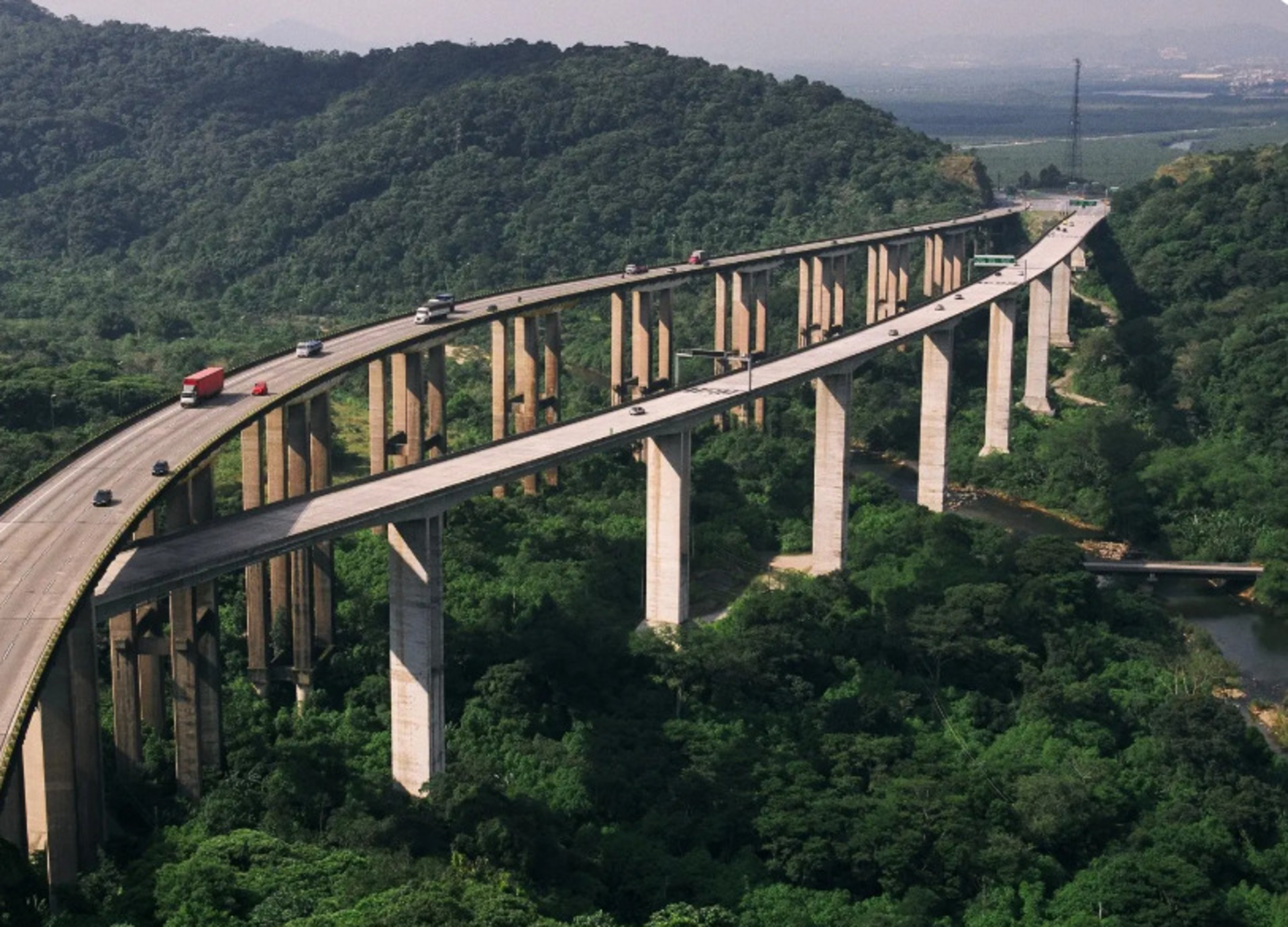
1 – Anchieta-Imigrantes Highway System
The Anchieta–Imigrantes Highway System is one of Brazil’s most strategic transportation infrastructure projects, a corridor connecting the metropolitan area of São Paulo to the Port of Santos, Latin America’s main port.
Stretching over 170 km, this highway system is one of the country’s busiest thoroughfares, crucial for freight transport and the daily flow between industry and the coast.
Built with the contribution of Webuild, the road infrastructure stands out for its engineering complexity, with a complex system of bridges and viaducts constructed in a landscape characterized by steep gradients and challenging environmental conditions.
More than a simple transport network, the Anchieta–Imigrantes is an infrastructure that supports Brazilian economic growth, facilitating connections between one of the country’s most important production hubs and global markets.
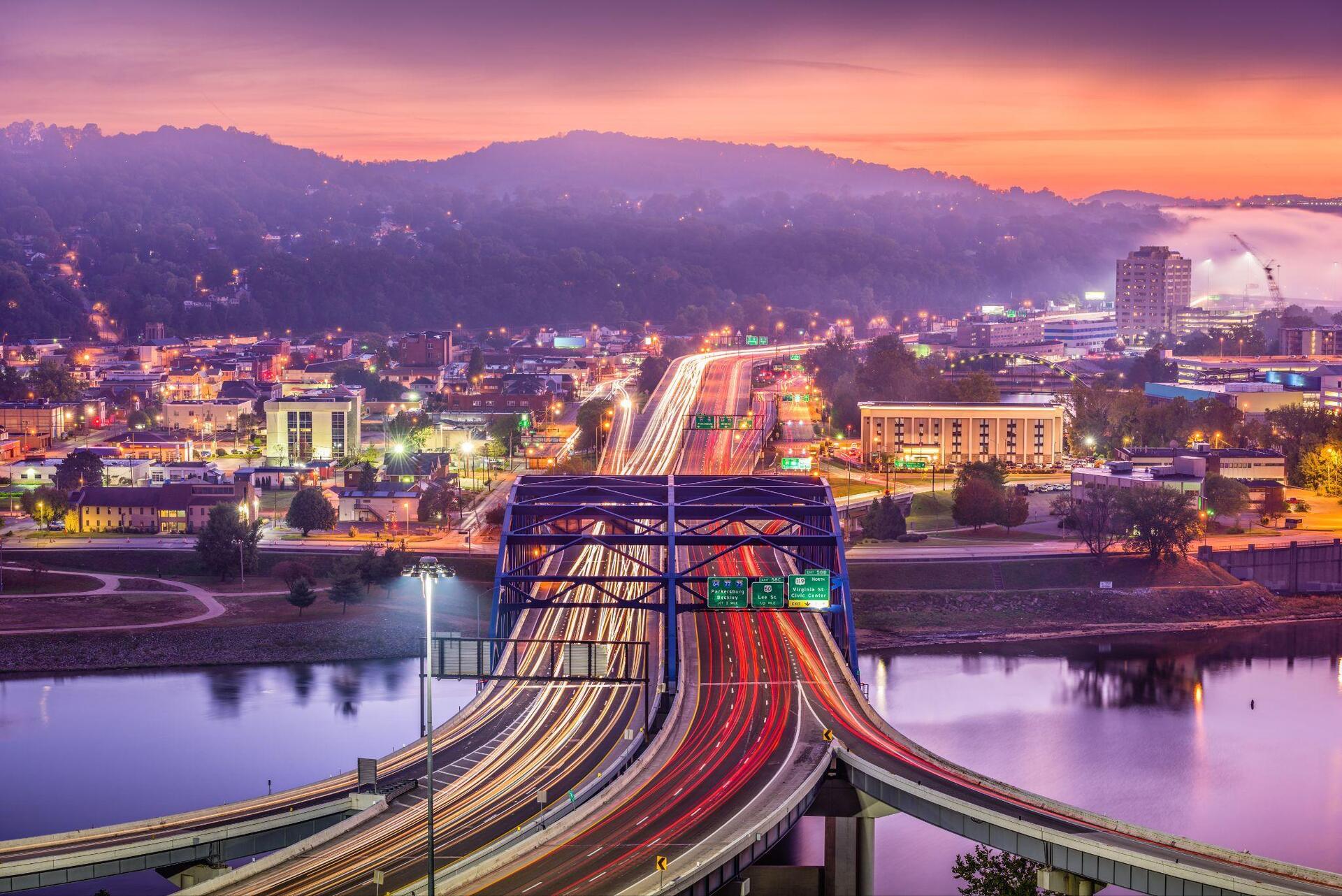
2 – I-64 Hampton Roads Express Lanes
The I-64 Hampton Roads Express Lanes project is a key initiative to improve mobility on the East Coast of the United States, in the high-traffic area of Virginia.
The initiative aims to improve road traffic and make travel times more reliable along a strategic corridor for commuters and commercial traffic.
Being implemented by Lane, a US subsidiary of the Webuild Group, the project involves widening approximately 11 km of highway with new express lanes and modernizing existing bridges, increasing capacity, safety, and efficiency of the entire infrastructure.
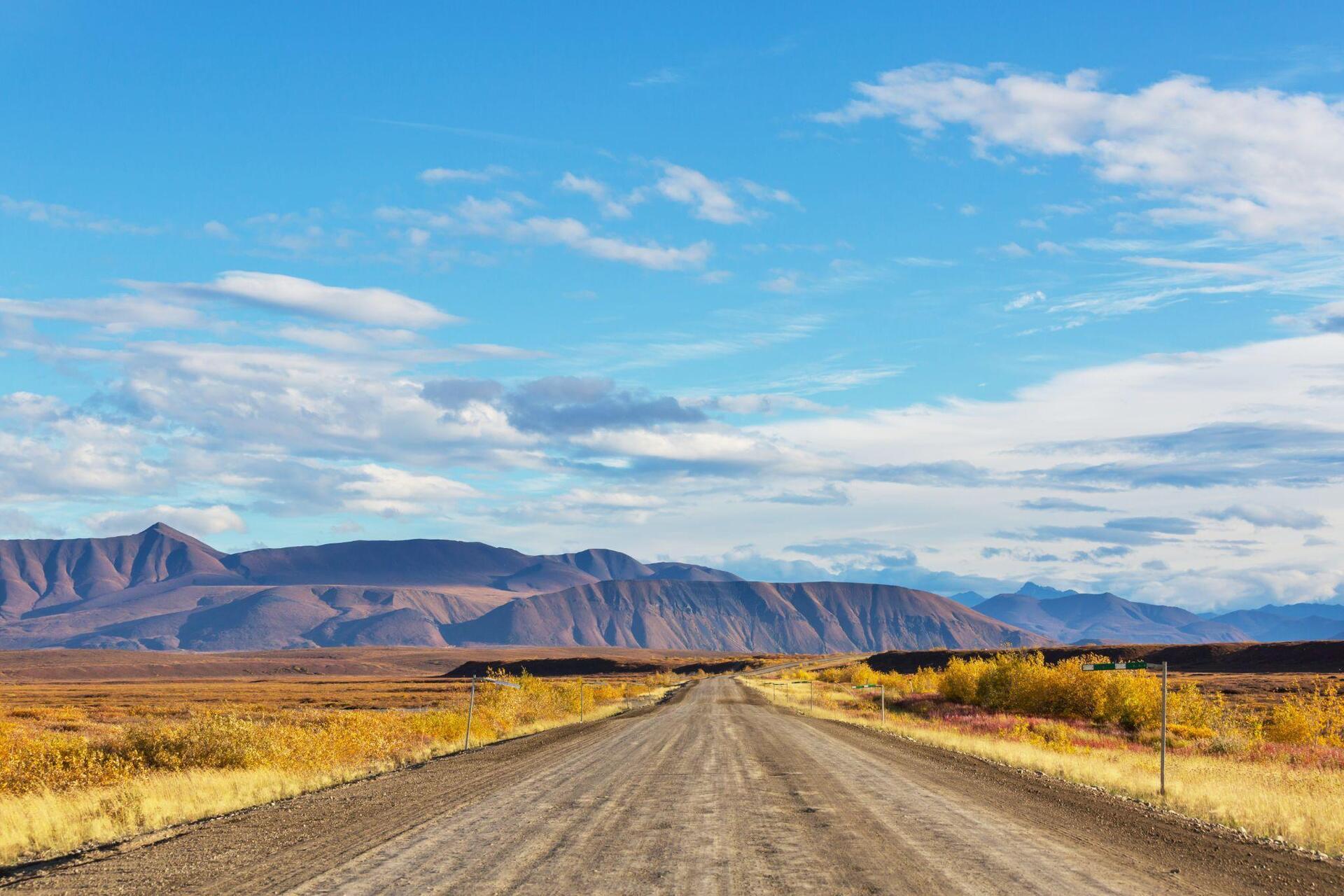
3 – Dempster Highway
The Dempster Highway is one of the most extreme and fascinating roads in the Americas, an infrastructure that traverses remote territories and some of the most challenging environmental conditions in the world.
Stretching over 730 km, it connects the Yukon to the Northwest Territories, extending into the Arctic region and representing the only public road in Canada to cross the Arctic Circle.
Completed in the late 1970s, the Dempster Highway winds through mountain ranges, tundra, and vast areas of untouched nature, maintaining a fundamental role in connecting isolated communities and providing access to otherwise difficult-to-reach regions.
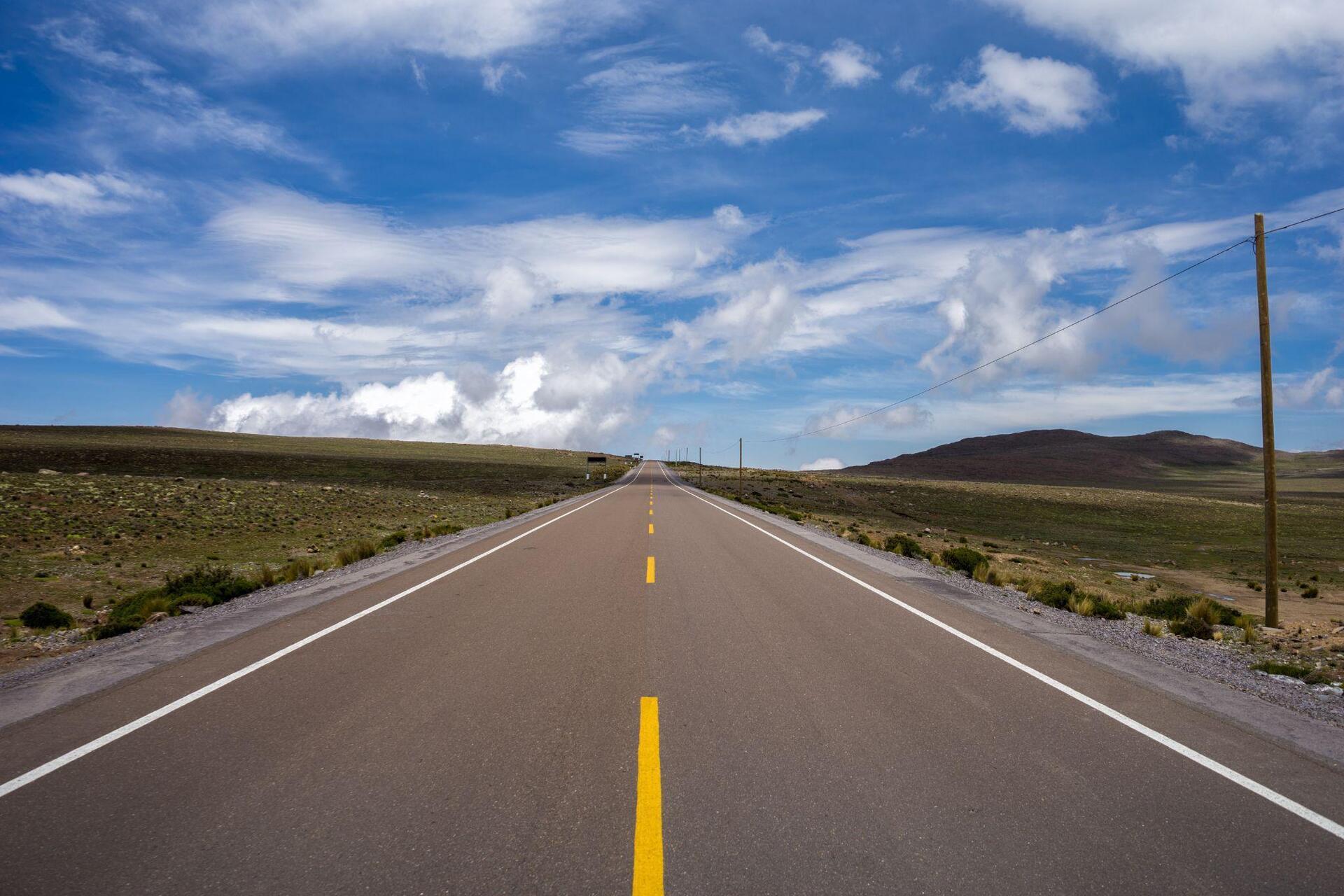
4 – Interoceanic Highway
The Interoceanic Highway is one of the most ambitious infrastructure development projects in South America, a road corridor approximately 2,600 km long connecting the Pacific Ocean in Peru to the Atlantic Ocean in Brazil, crossing the Andes and the Amazon.
Completed in 2011, it was created with the aim of strengthening trade between the two countries and integrating historically isolated regions, creating a new route between South American markets and global trade routes.
In addition to the benefits it provides for connectivity and economic growth, this transportation infrastructure has had a profound impact on the territories it passes through, such as agricultural expansion and the establishment of new communities along the route.
5 – Lincoln Highway
The Lincoln Highway is one of the most historic roads in the United States and an early symbol of long-distance mobility in the Americas.
Established in 1913, it was the first transcontinental highway opened to automobile traffic, connecting New York City to San Francisco for over 5,800 km through a series of vastly different roads, towns, and landscapes.
This highway marked a turning point in American transportation culture, fostering the development of modern road infrastructure, stimulating economic growth along its route, and contributing to the expansion of automobiles in the country.