

Human beings have always built structures to observe what surrounds them and what lies beyond the visible. Some infrastructures were created precisely for this purpose: to study the sky, measure time, understand natural phenomena, or move closer to the idea of space in all its dimensions. They are not merely functional buildings, but instruments of knowledge that bring together engineering, science, and vision.
In these places, architecture becomes a tool for observation and interpretation, transforming scientific research into experience and space into something to be explored and understood.
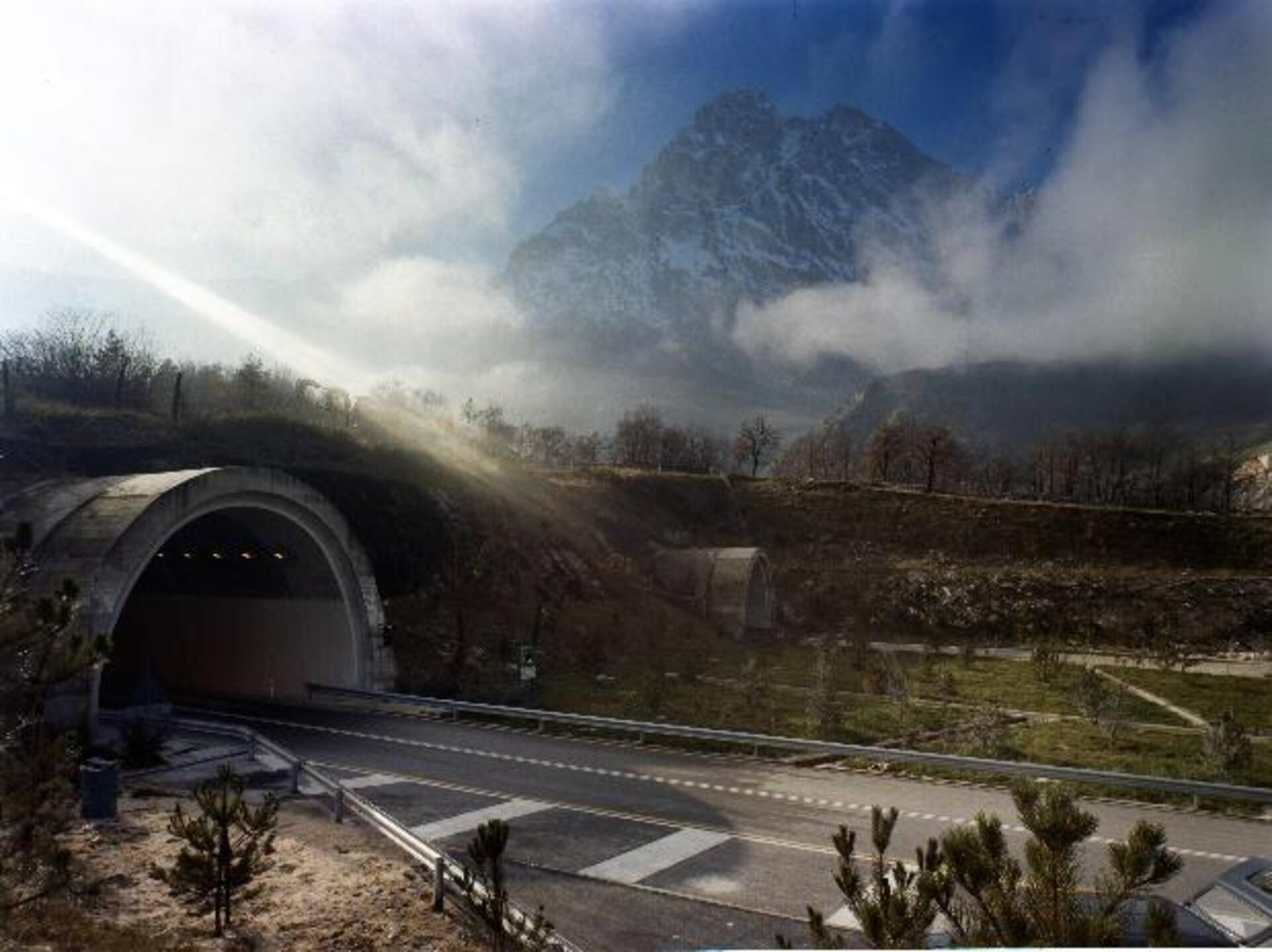
1 – Gran Sasso National Laboratories
Built with the contribution of the Webuild Group, the Gran Sasso Highway Tunnel is one of the most complex infrastructure works ever completed in the Apennines. It consists of two tunnels more than 10 kilometers long that cross the massif beneath its highest peaks.
Designed to ensure connections along the A24 motorway axis between Lazio and Abruzzo, the Gran Sasso Tunnel is a strategic infrastructure for mobility in central Italy, characterized by significant engineering complexity and particularly challenging geological conditions.
During its construction, and in close connection with the second phase of the works, the underground setting made possible the establishment of the Gran Sasso National Laboratories, transforming part of the road infrastructure into privileged access to one of the world’s leading scientific research centers.
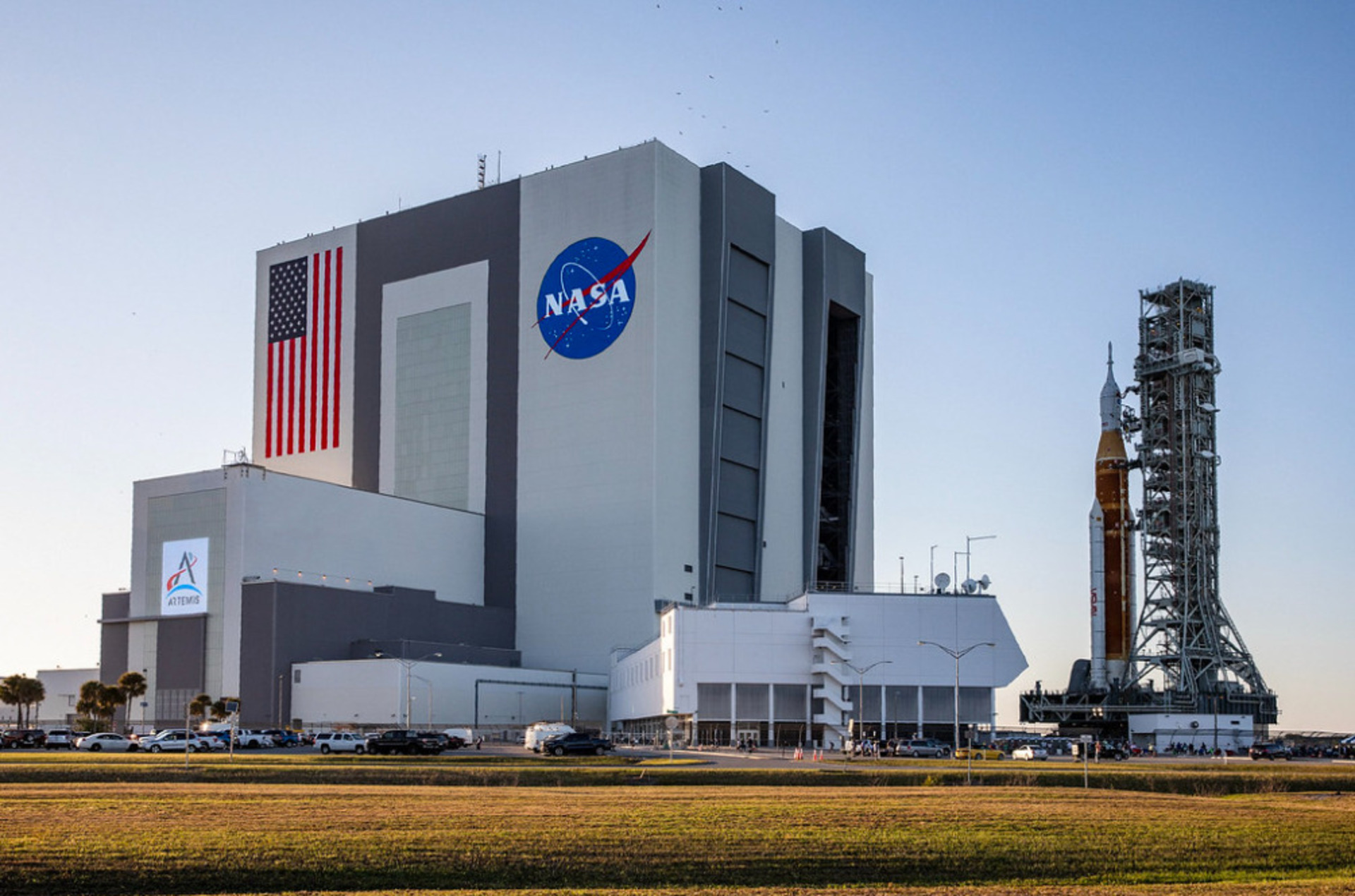
2 – NASA Vehicle Assembly Building, Kennedy Space Center
Within the landscape of major infrastructures linked to space exploration, NASA’s Vehicle Assembly Building is one of the most iconic examples of engineering applied to the frontier of human flight.
Located at the Kennedy Space Center in Florida, the Vehicle Assembly Building is among the largest buildings in the world by volume and was designed for the vertical assembly of rockets destined for space missions.
In this space, complex systems and technological components are integrated, transforming individual elements into launch-ready vehicles. More than an industrial facility, it is an infrastructure that makes the physical construction of space exploration possible.
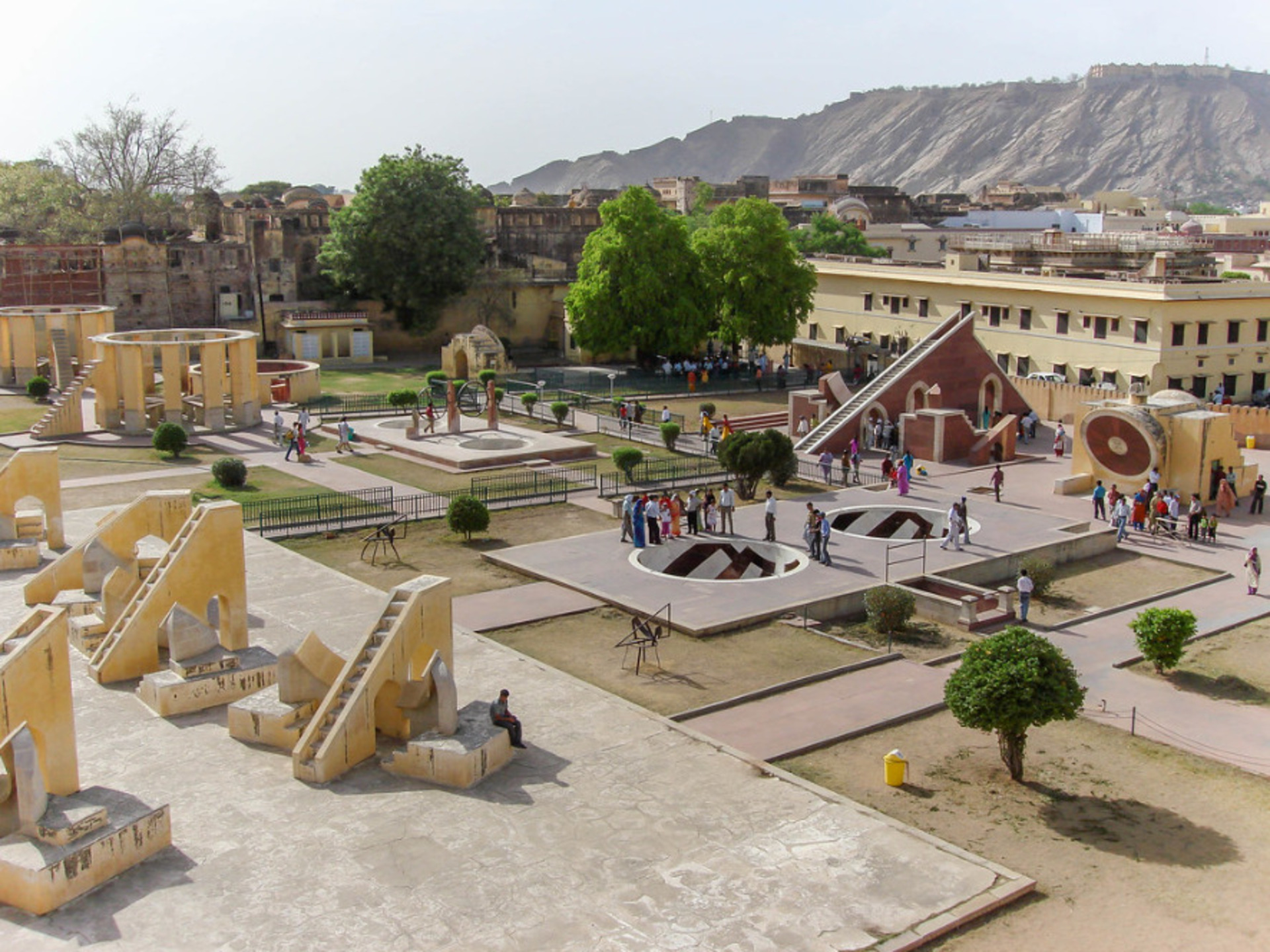
3 – Jantar Mantar, Jaipur
In the heart of Jaipur, Jantar Mantar represents one of the most extraordinary examples of infrastructure dedicated to observing the sky ever created.
Built in the 18th century, the complex consists of a series of monumental stone astronomical instruments designed to measure time, track the movement of celestial bodies, and calculate the positions of the stars through direct observation.
More than a simple astronomical observatory, Jantar Mantar is an architectural system conceived as a machine for reading the cosmos, in which the scale of the structures enhances the precision of measurements and turns space itself into a scientific instrument.
Even today, this site in Jaipur is considered one of the most advanced historical examples of integration between architecture, mathematics, and astronomy.
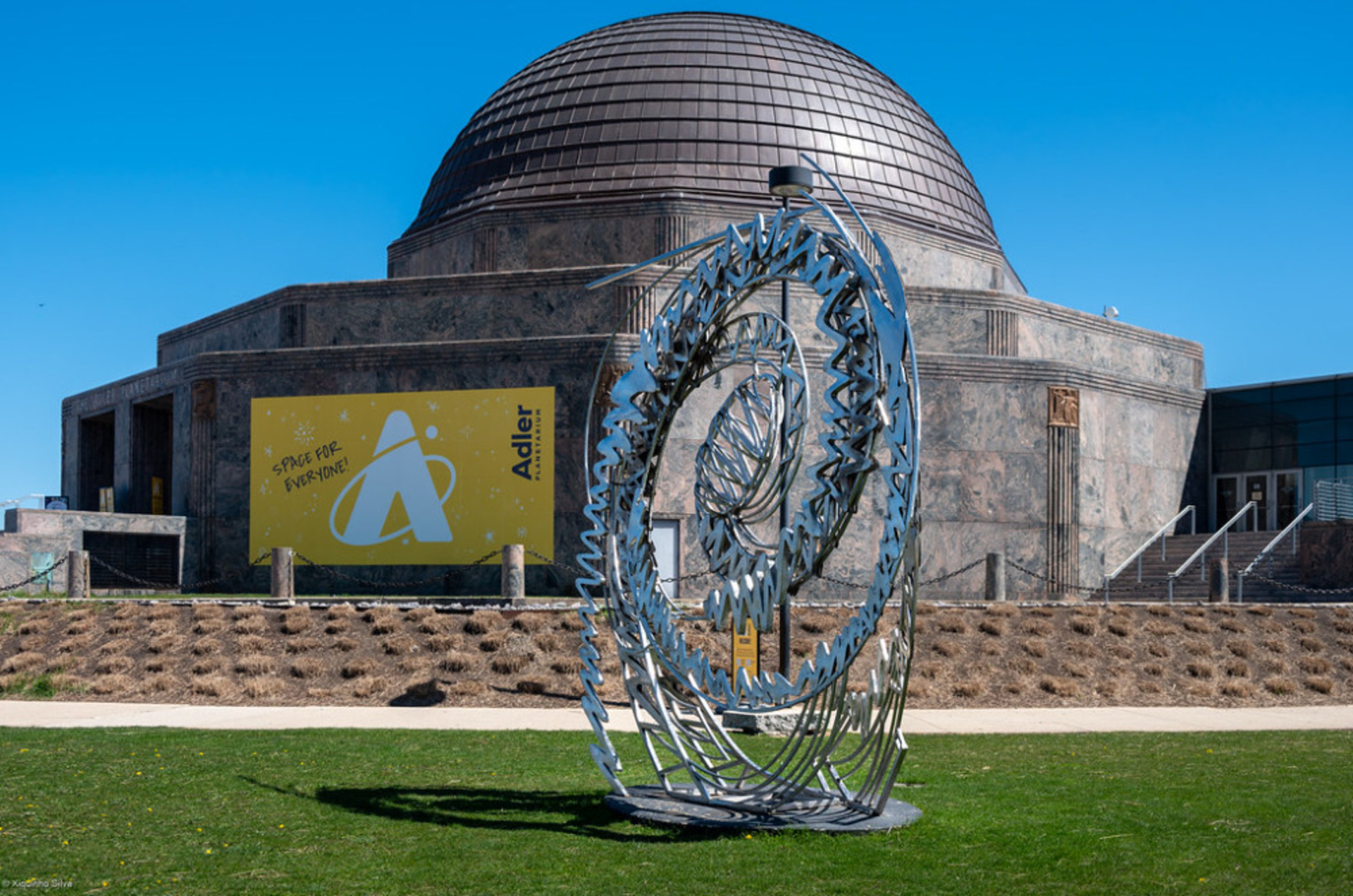
4 – Adler Planetarium, Chicago
In Chicago, on the shores of Lake Michigan, the Adler Planetarium represents one of the earliest examples of infrastructure dedicated to public scientific outreach on a large scale.
Opened in 1930, it was the first planetarium in the Americas and was created with the aim of making observation of the sky accessible through tools for simulation and reproduction of the celestial dome.
More than a museum, the Adler Planetarium is conceived as a device for collective knowledge, where projections, models, and astronomical instruments transform space into an immersive environment for the study of the universe.
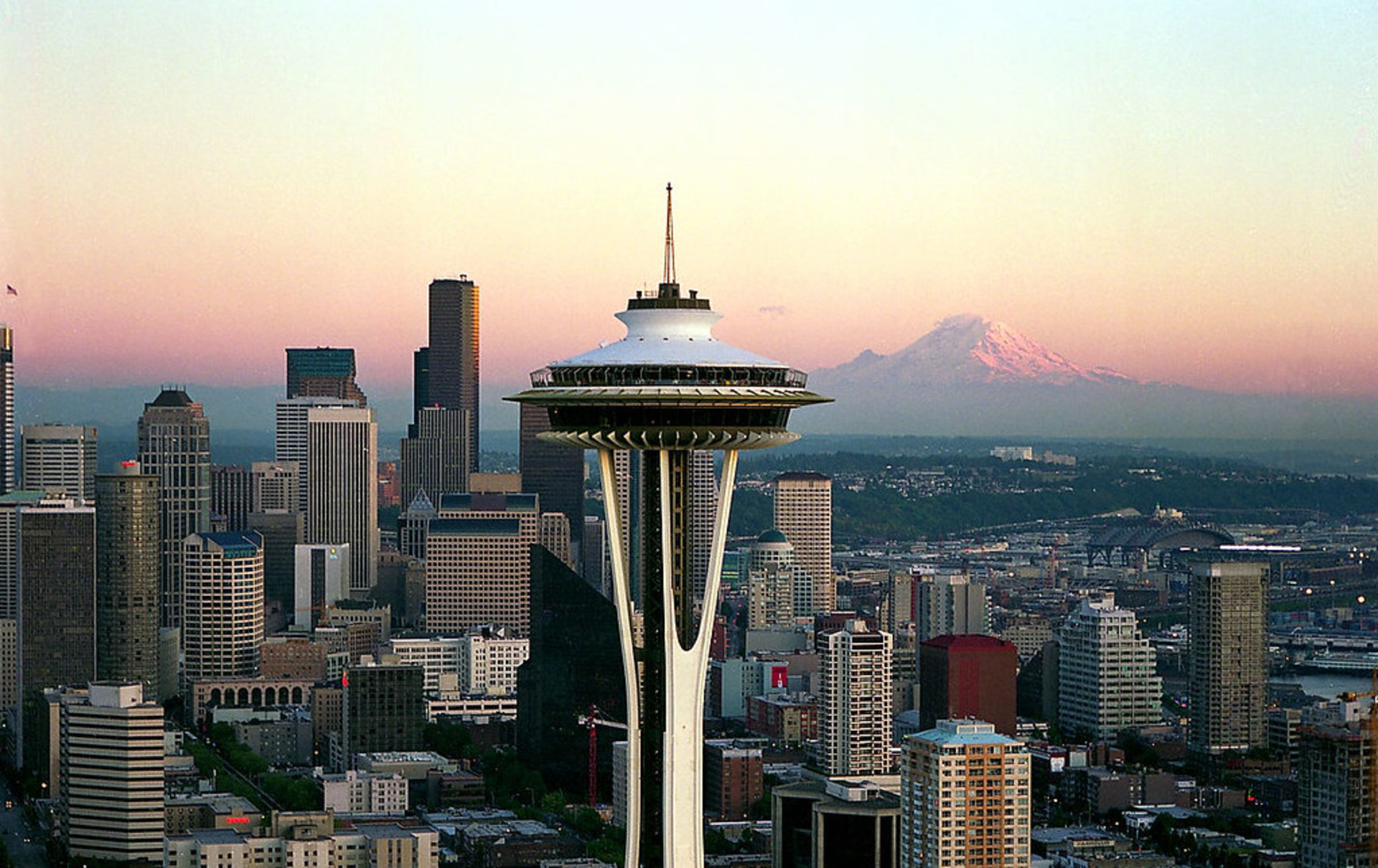
5 – Space Needle, Seattle
In Seattle, the Space Needle is one of the world’s most recognizable infrastructures connected to the observation and representation of space.
Built for the 1962 World’s Fair, it was conceived as a panoramic tower designed to offer a new perspective on the city and the surrounding landscape. With its slender structure and suspended platform, it immediately became a privileged observation point, where the urban dimension opens toward the horizon and the sky.
More than a work of architecture, the Space Needle can be seen as an instrument of vision, designed to transform observation into a collective and symbolic experience of modernity.