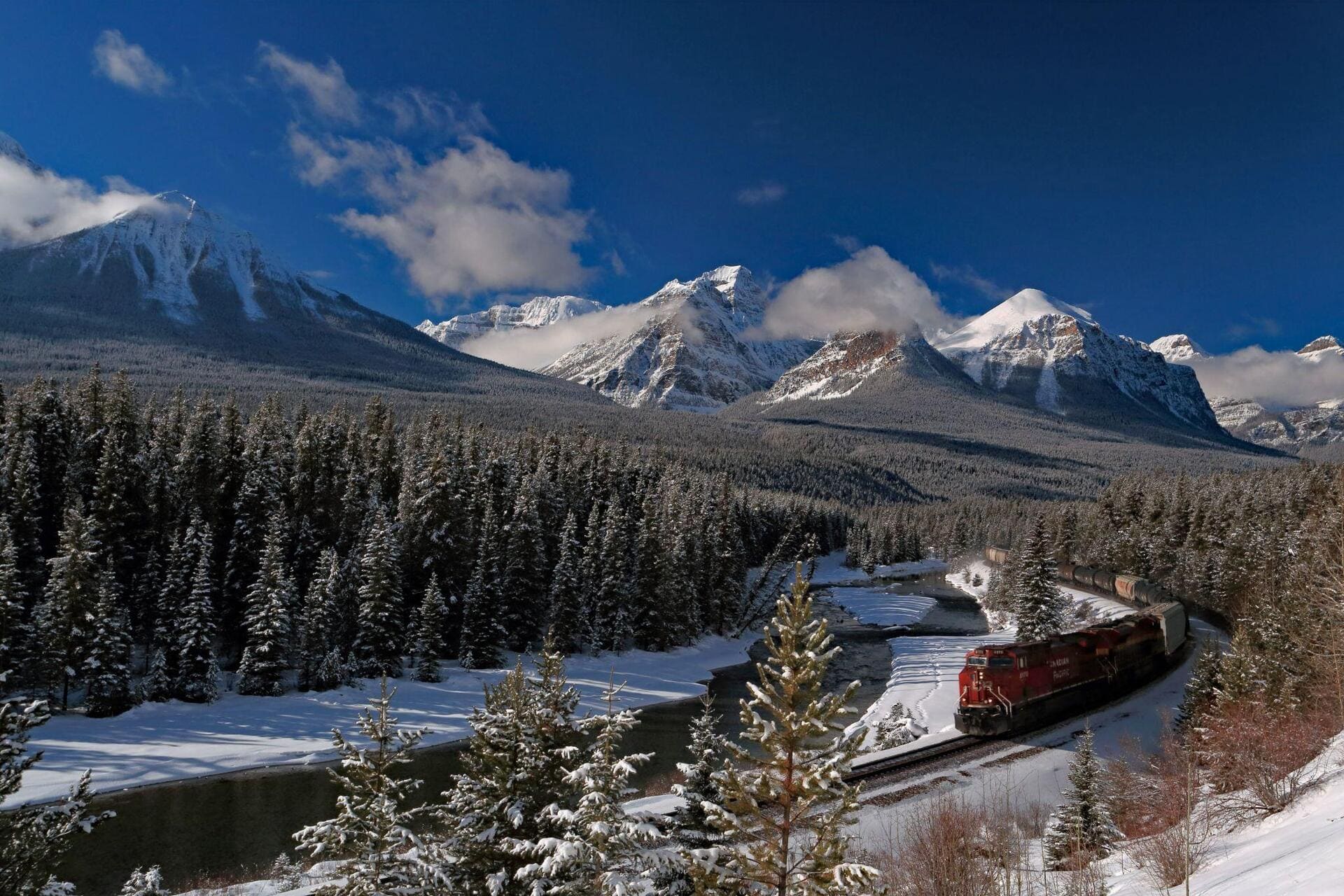


A railway can do much more than connect two cities. When it crosses a border, cuts through a mountain range or runs beneath the sea, it can transform the distance between different countries into an everyday connection, bringing people, goods and new opportunities together.
Around the world, there are railway lines that have reshaped the geography of the territories they cross, creating international connections and strengthening economic and cultural exchange. Some can span entire continents, while others link countries separated by natural barriers that made travel difficult for centuries.
These infrastructure projects embody a simple idea: when a railway crosses a border, that border can become much less distant.
1 – Marseille–Ventimiglia Railway Line, Principality of Monaco
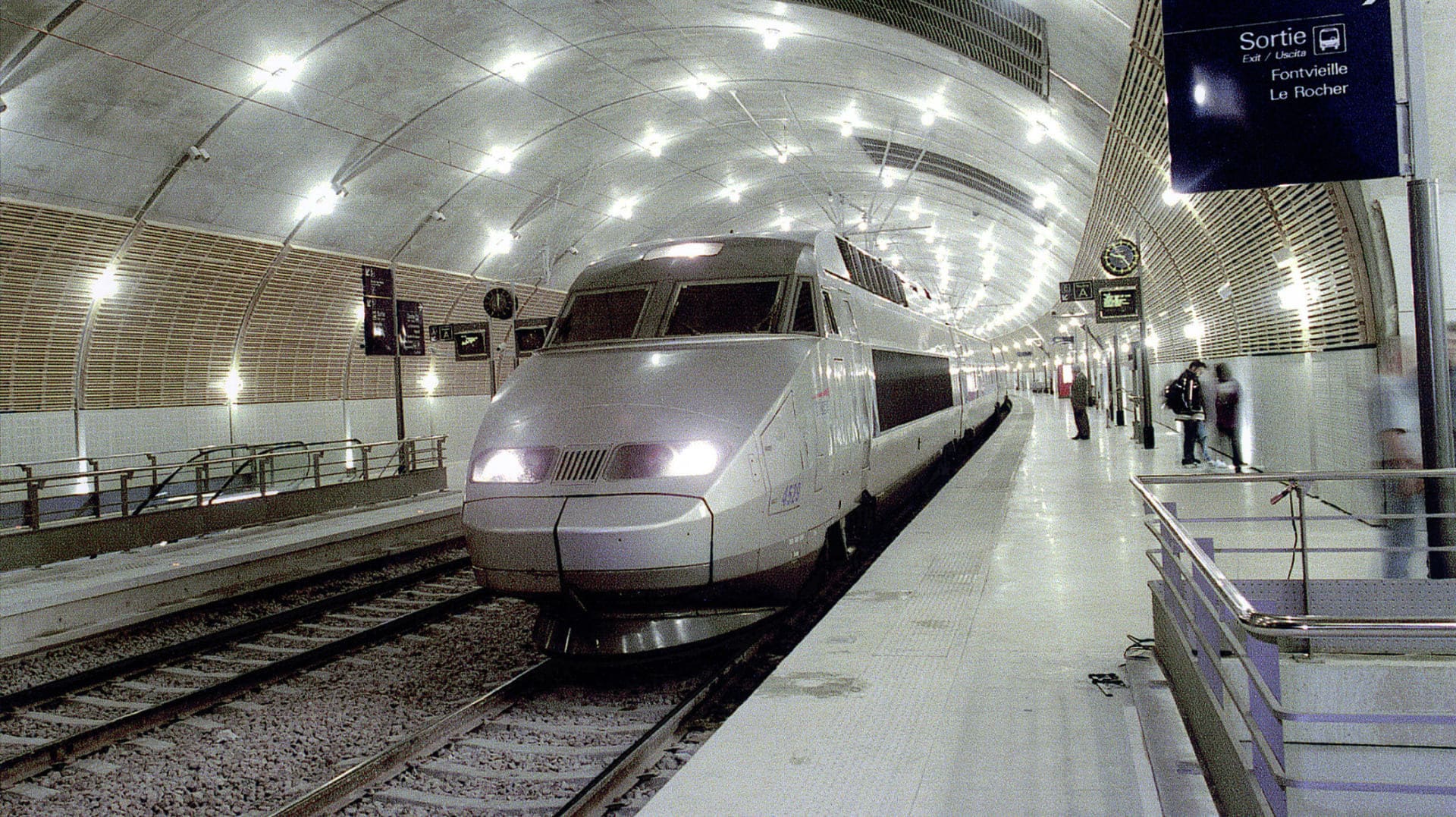
Along the French Riviera, a railway line crosses three countries and follows one of the most spectacular stretches of the Mediterranean coastline. The Marseille–Ventimiglia railway connects southern France with Italy, passing through the Principality of Monaco, where the railway enters the heart of the territory through an underground section.
Between Cap-d’Ail and Monaco, the construction of the new section required a railway tunnel approximately 2.7 km long, completed between 1990 and 1999. Webuild carried out the project across three construction sites, tackling one of the most complex sections of the route in a territory squeezed between the sea and the mountains.
2 – Trans-Gabon Railway, Gabon
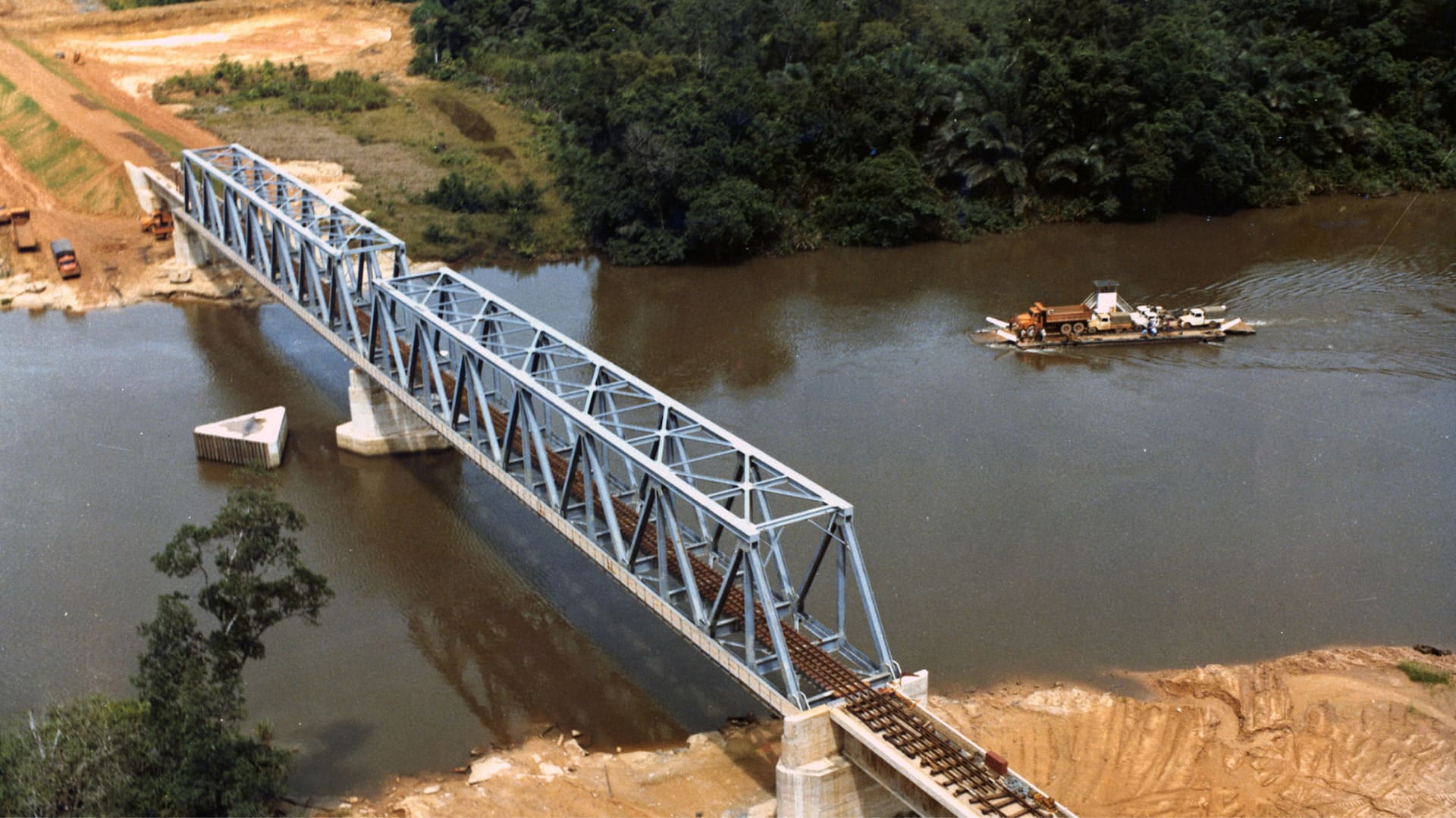
At the heart of Gabon, a railway crosses the country, connecting the Atlantic coast with the mining areas in the interior. The Trans-Gabon Railway, stretching approximately 780 km, was built in two phases between 1975 and 1987 and remains one of the country’s main transport infrastructure projects, serving the movement of both people and resources.
Webuild, then known as Salini Impregilo, also contributed to the construction of the railway, completing the works in 1986. The project includes 19 railway stations, 29 railway bridges and numerous ancillary facilities, and has enabled more efficient connections between the country’s inland mining areas, the coast and the port of Owendo.
3 – Baltic–Adriatic Corridor, European Union
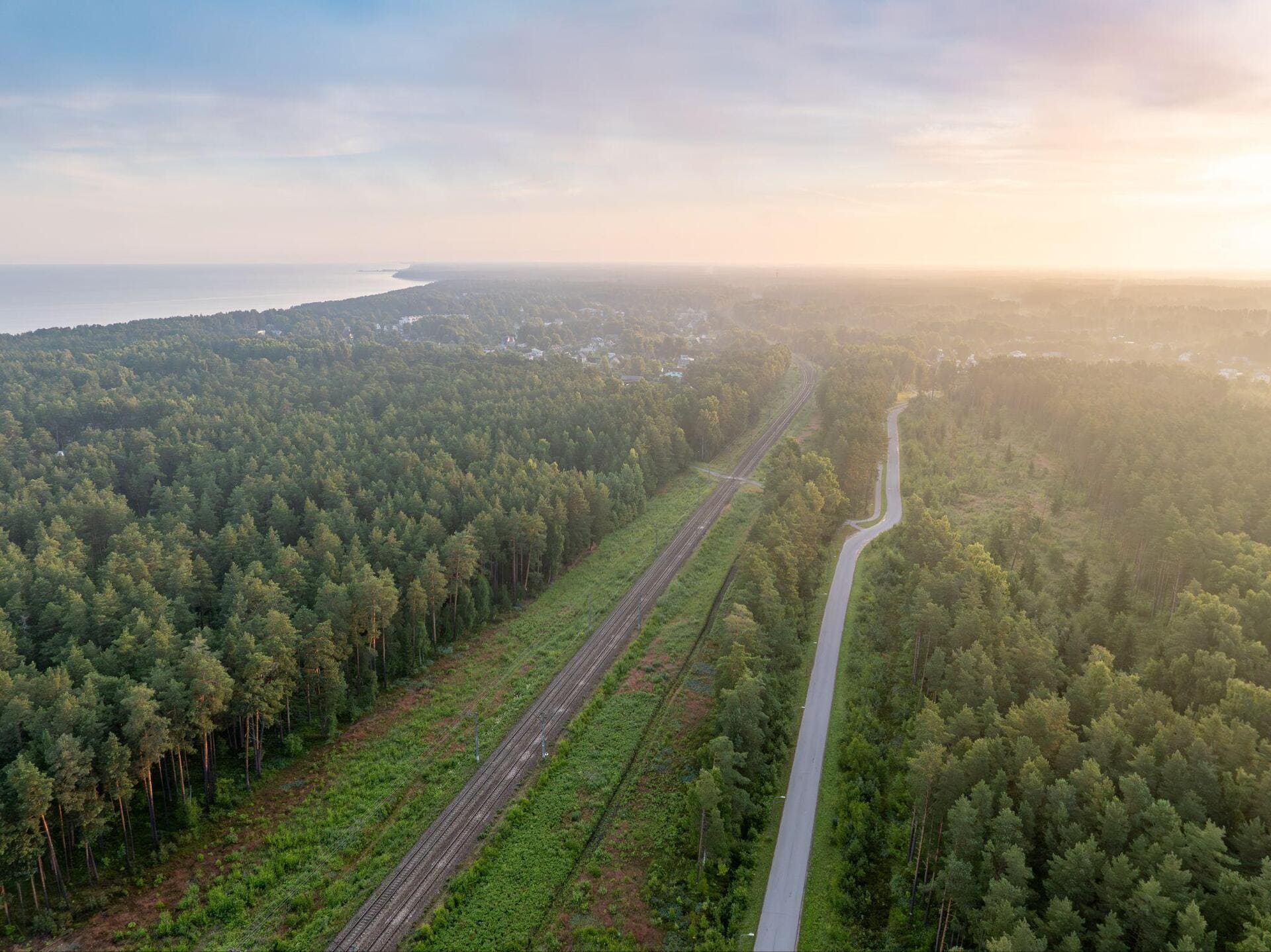
A railway can change scale when it stops being a line connecting two cities and becomes part of a network spanning entire countries. This is the case with the Baltic–Adriatic Corridor, a major European railway axis connecting the Baltic Sea with the Adriatic Sea across Poland, the Czech Republic, Slovakia, Austria, Slovenia and Italy, linking major industrial areas, cities and ports.
The Baltic-Adriatic Corridor is not a single railway, but a network of lines and infrastructure that enables people and goods to move along an increasingly integrated system. Its development is part of the European Union’s TEN-T network and aims to strengthen rail connections between the northern and southern parts of the continent, facilitating trade between regions and ports located in different countries.
4 – Sydney–Perth, Australia
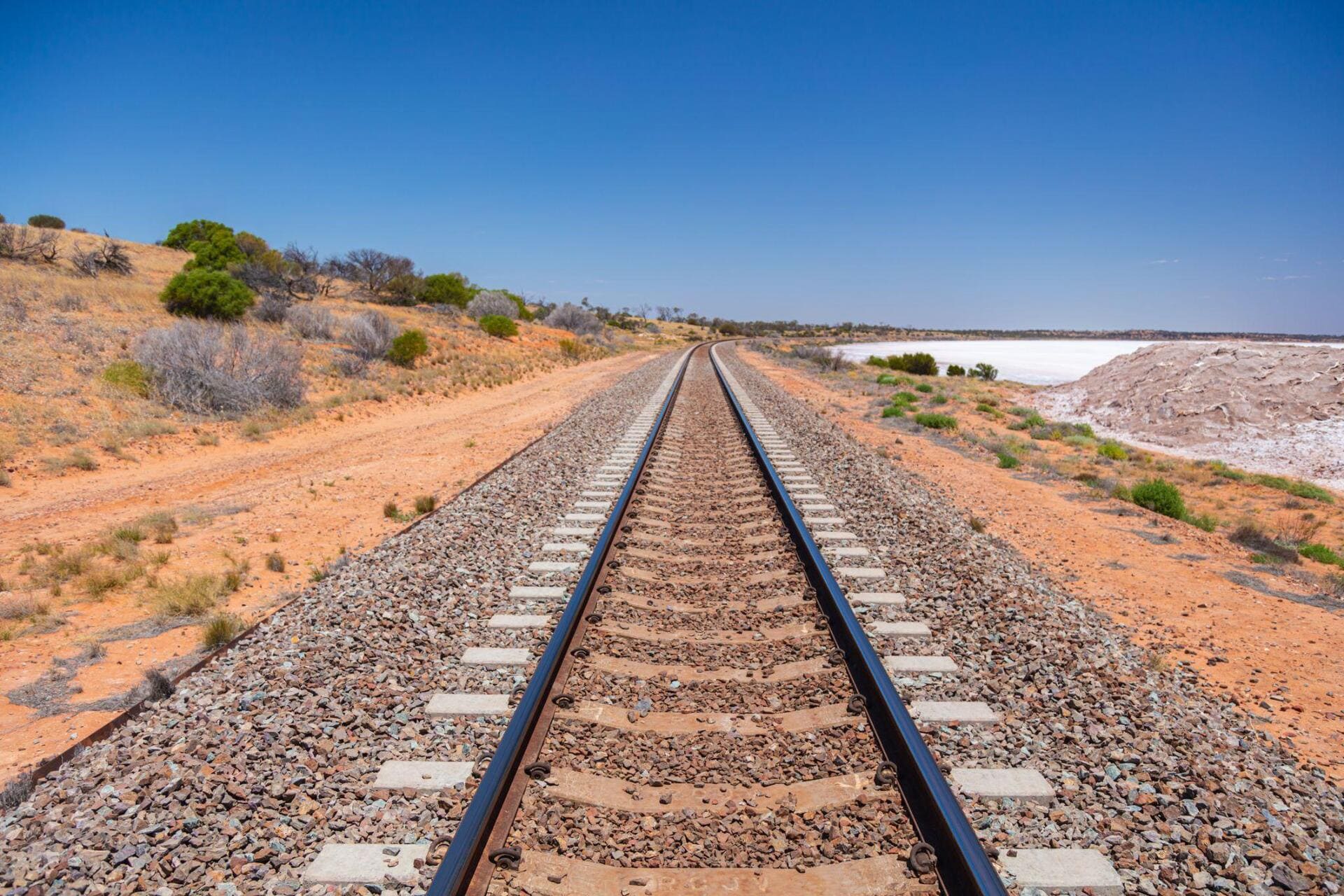
Crossing Australia from coast to coast means travelling more than 4,300 km of railway, from Sydney to Perth, passing through three states and some of the most remote areas of the continent.
The Sydney–Perth rail corridor is today one of Australia’s main east-west rail routes, used primarily for freight transport and also served by the Indian Pacific, the passenger train that travels the entire route.
Its history also reflects the challenges of building a connection on such a vast scale. For decades, the line was divided between different railway gauges, forcing passengers and freight to change trains at several points along the route. It was only in 1970, with the standardisation of the gauge, that a continuous rail connection between Sydney and Perth became possible.
5 – Canadian National Railway, Canada
In a country as vast as a continent, railways have played a decisive role in creating continuous connections between territories separated by enormous distances.
Canadian National Railway was born out of this very need: between 1916 and 1923, the Canadian government brought together several struggling railway companies, creating a network that eventually connected the country from the Atlantic to the Pacific.
The new system brought together railway lines built in different periods and regions, eventually forming Canada’s largest rail network. Over time, its role became increasingly focused on freight transport, while passenger services were transferred to VIA Rail in 1977.
Today, Canadian National continues to operate a transcontinental network that extends into the United States as well.