


Metro systems are far more than public transport networks. They are pieces of infrastructure capable of fundamentally reshaping the structure and functioning of modern cities. Running beneath the urban landscape, subways connect distant neighborhoods, reduce spatial fragmentation, and transform the way people move through and experience metropolitan areas.
In many cases, the construction of a metro marks a turning point in urban development, redistributing mobility flows, opportunities, and centres of activity while redefining the relationship between the city above and the infrastructure below.
1 – Cityringen Metro, Copenhagen, Denmark
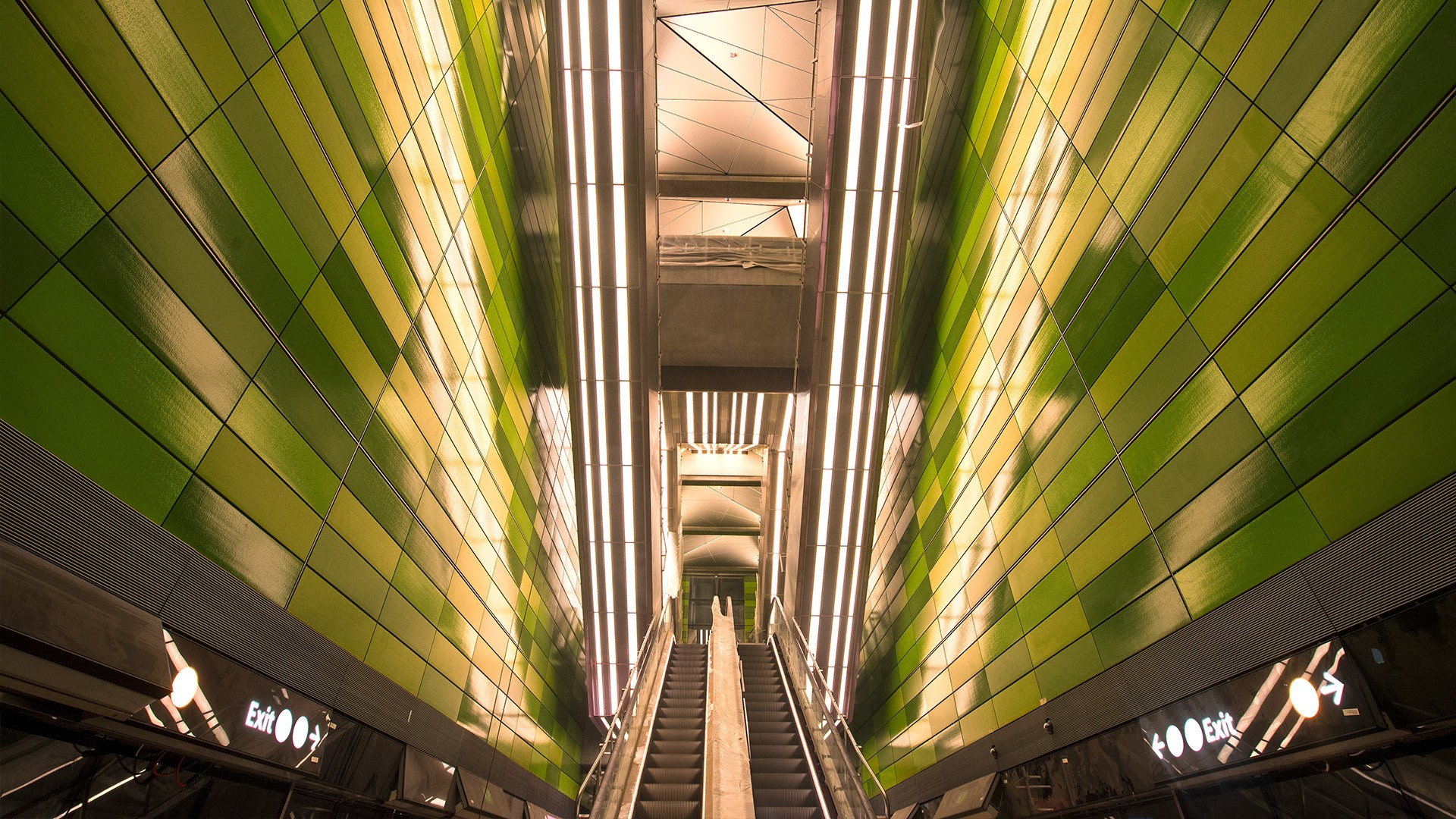
Copenhagen’s Cityringen is one of Northern Europe’s most iconic subways, designed to strengthen the continuity of urban mobility through an underground loop that circles the heart of Denmark’s capital.
Featuring 17 metro stations and a circular route linking central districts with densely populated neighborhoods, the line has made access to the city’s main destinations more balanced and efficient, reducing perceived travel distances and further integrating the existing public transport network.
Built with the contribution of the Webuild Group, Cityringen stands as an example of urban infrastructure designed to improve connectivity across the city, enhancing the flow of everyday travel and the overall quality of metropolitan life.
2 – Thessaloniki Metro, Greece
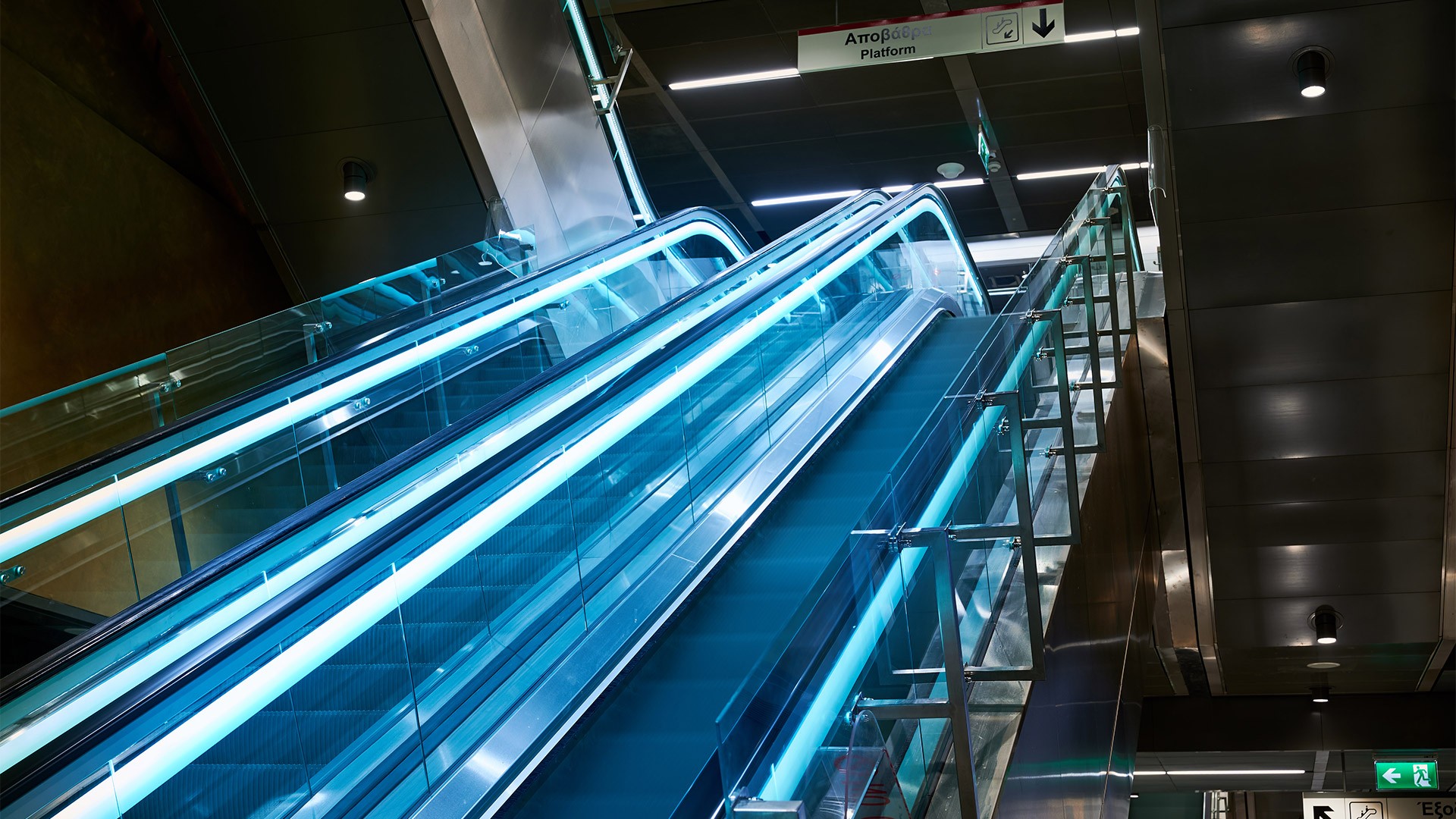
The Thessaloniki Metro in Greece is one of the most distinctive examples of how contemporary infrastructure can coexist with the layered historical fabric of European cities.
Built with the contribution of the Webuild Group, the subway runs beneath the city centre, connecting major residential districts and university areas while significantly improving the continuity of daily travel.
The construction of the Thessaloniki Metro successfully integrated a modern mass transit system into an urban environment rich in archaeological heritage, creating a network where infrastructure and history coexist within the same underground space.
3 – M4, Milan Subway, Italy
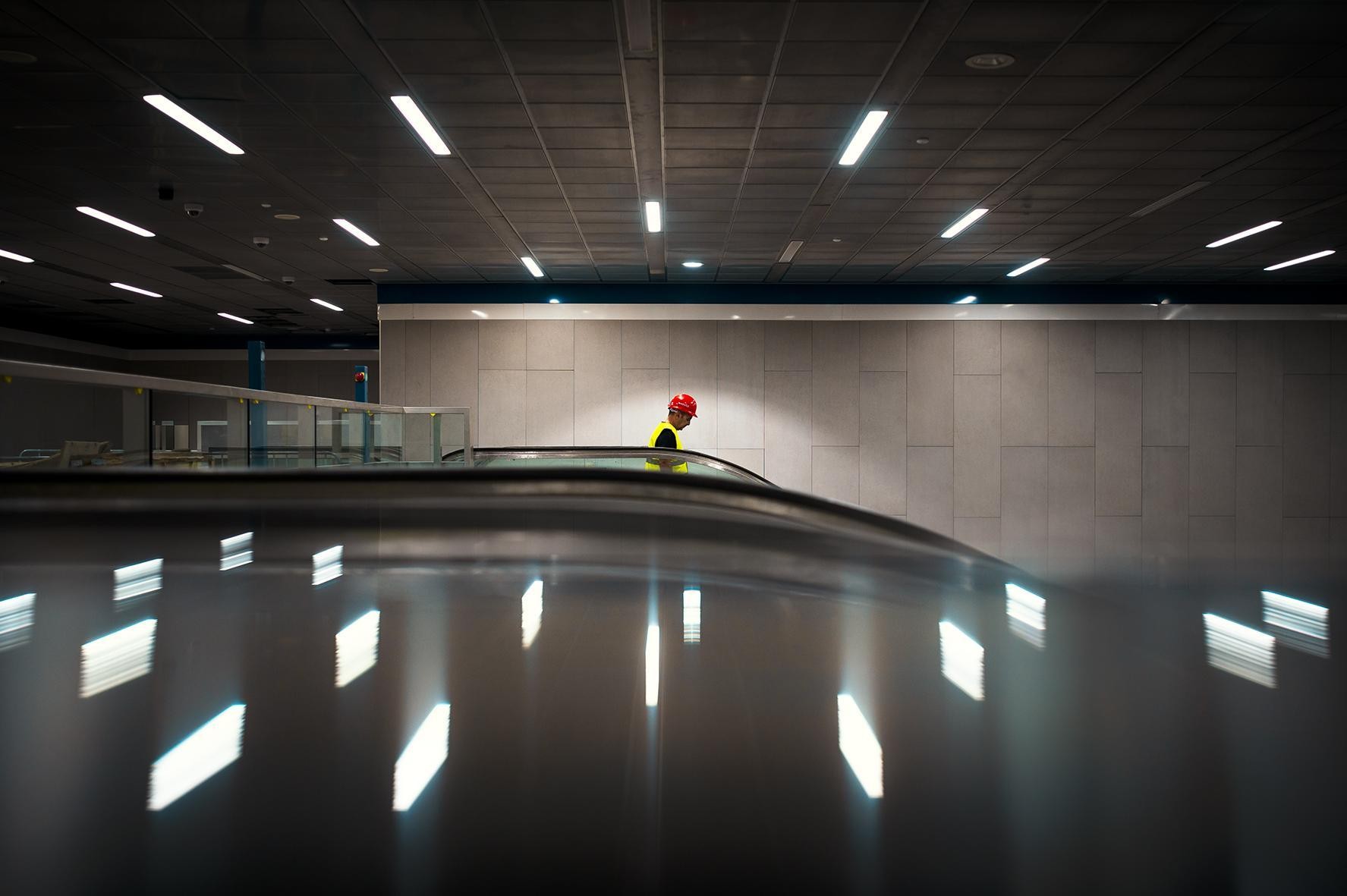
Milan’s M4 line is one of the newest additions to the city’s metro network, created to provide a direct, high-capacity underground connection between the city centre, suburban districts, and Linate Airport.
Stretching for approximately 15 kilometres and operating as a fully automated line, the latest Milan metro line serves several of the city’s key strategic locations, helping to make commuters’ daily travel smoother and to strengthen integration across Milan’s wider public transport network.
Built with the contribution of the Webuild Group, the M4 forms part of Milan’s ongoing mobility transformation, where underground infrastructure is playing a central role in rethinking connectivity and accessibility across the metropolitan area.
4 – Delhi Metro, India
The Delhi Metro is one of the world’s largest and most dynamic urban mass transit systems, developed to meet the demands of India’s rapidly expanding capital and provide fast, reliable connections between central districts, suburban areas, and the wider metropolitan region.
With a network that continues to grow through a combination of underground and elevated lines, as well as strategically located interchange stations, the metro system has transformed the daily mobility of millions of commuters, making once difficult urban journeys significantly more accessible.
Today, the Delhi Metro stands as one of the city’s defining infrastructure projects, supporting connectivity and the functional organisation of one of the largest urban areas on the planet.
5 – Medellín Metro, Colombia
The Medellín Metro is one of Latin America’s most significant urban public transport systems, designed to support the Colombian city’s transformation while structurally improving connections across its metropolitan area.
By integrating urban rail lines, Metrocable cable cars, and intermodal transport links, the network has made neighbourhoods located within the city’s complex and geographically challenging landscape far more accessible.