The New Frontier of Data Centers: Artificial Intelligence Heads into Space

The search for electricity to power these digital infrastructure is shifting into space, with plans to build them as orbital stations. Meanwhile, on Earth, efforts are underway to develop sustainable data centers, improving their energy efficiency.

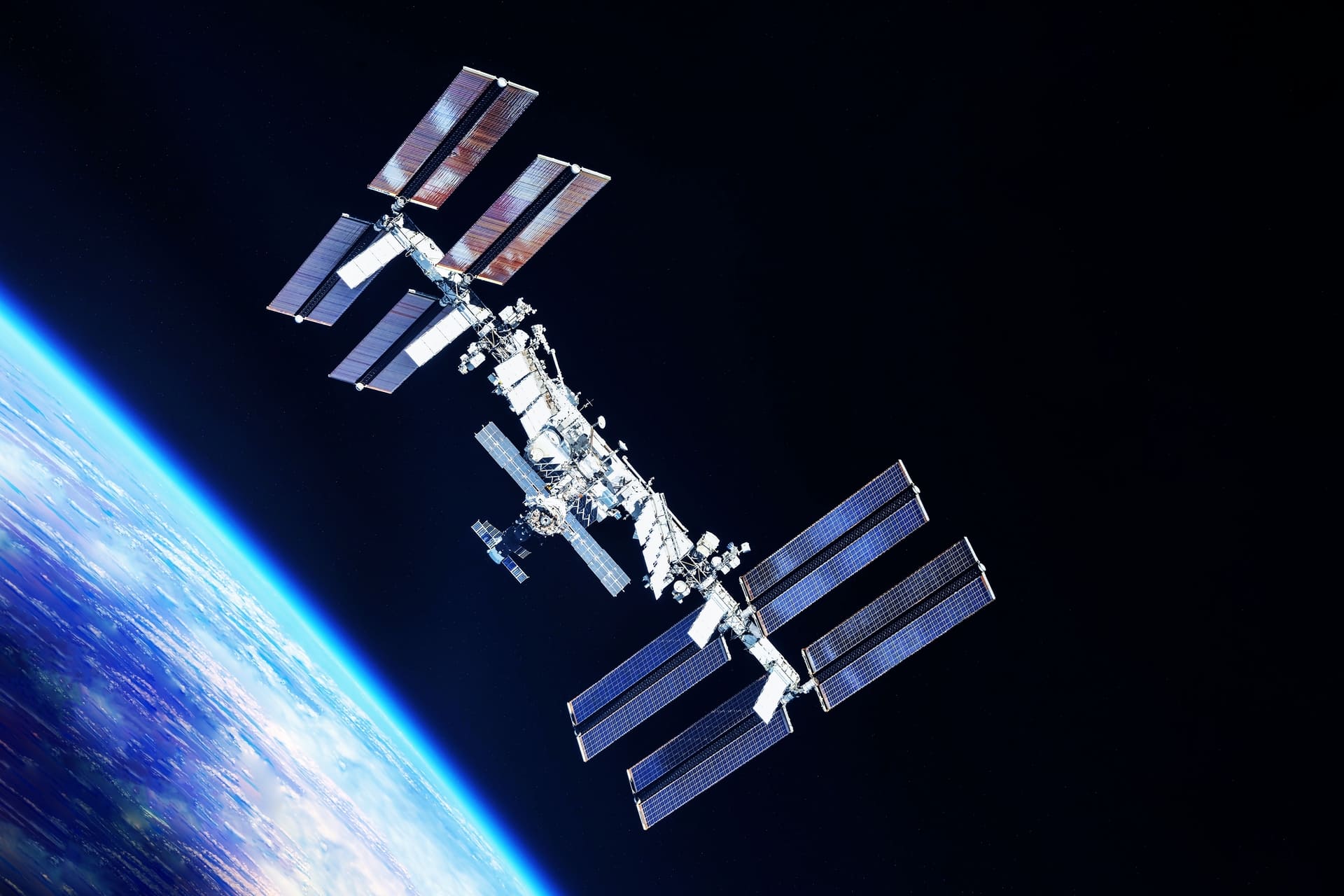
The race for Artificial Intelligence and the need for large-scale infrastructure to host it, power it, cool it and transmit it is crossing boundaries. And the Earth is beginning to present the bill: energy, water and available land are not unlimited resources. The new frontier is to build data centers as orbiting stations in space.

Until a few years ago, this would have seemed like science fiction. Today, it has entered the industrial debate. Not because anyone has decided to move computing and servers into space, but because the scale of the problem has changed. Artificial intelligence is not just software, but infrastructure. The “cloud”, data storage, and the algorithms that run it are infrastructure. And infrastructure requires continuous energy, cooling systems, physical space and ever more powerful networks.
From the US to Italy: The Data Center Boom

The figures make the transformation underway clear. In the United States, the country with the highest concentration of data centers in the world, their consumption already accounts for around 4.4% of national electricity, according to the Department of Energy (DOE), and could rise to as much as 12% by 2028. In absolute terms, this means increasing from around 176 TWh to over 500 TWh in just a few years.

On global scale, estimates indicate similarly impressive growth: by 2030, data center consumption, according to the International Energy Agency (IEA), could exceed 900 TWh annually. To give a sense of scale, this would be comparable to the entire electricity demand of an industrialised country such as Japan.

Electricity consumption by data centers in the United States is set to triple, driven by the explosion of artificial intelligence

Today, according to Data Center Map, there are more than 11,000 data centers distributed across 174 countries: around 4,000 are in the United States, 500 in the United Kingdom, 500 in Germany, 216 in Italy, and 360 in China, although the figure may be significantly underestimated due to the lack of official information.

Their operation is not only a matter of energy. Cooling servers requires enormous quantities of water, in some cases millions of gallons per day. And as demand grows, local resistance is also increasing: land use, environmental impact, and pressure on power grids. Data centers are becoming critical infrastructure, at the center of economic, environmental and geopolitical issues.

By 2030, data centers could exceed the energy demand of an industrialised country such as Japan

Artificial Intelligence and Digital Infrastructure: From Earth to Space

It is in this context that the idea of moving part of computing beyond Earth has taken shape. A study published by Aspen Institute Italia in the journal Aspenia, titled “Intelligent Infrastructures”, addresses the topic with a practical approach, identifying several possible trajectories, from edge computing applications in orbit to more ambitious hypotheses of computing constellations and off-planet storage systems designed for global resilience.

“At the beginning of 2026,” writes Giorgia Rau, astrophysicist and professor at the Catholic University of America, in Aspenia, “space-based data centers are no longer a single speculative headline, but a growing set of experiments, some already underway, many announced, testing whether orbital computing can evolve from edge computing into a genuine infrastructural layer.”

Driving this direction is not a futuristic impulse, but a combination of very concrete constraints: energy availability, permitting timelines, access to resources and environmental pressure. In the United States and Europe, the construction of new data centers is increasingly the subject of public debate. The issue is intertwined with digital sovereignty, security and infrastructure resilience.

There are 11,000 active data centers distributed across 174 countries, a global network with impacts on energy, water, land use and social acceptance

Yet, just as the idea seems to open up new possibilities, another form of realism comes into play. The Aspen study underscores this effectively: space is not an “easy” environment. An orbital data center must expel thermal energy through radiators, making heat management one of the main design constraints. To this are added other factors: radiation that degrades electronics, the difficulty of maintenance, communication latency, the risk of orbital debris, and the environmental impact of launches.

In other words, moving the problem into space does not eliminate it, but transforms it. The debate therefore rests on a delicate balance between vision and constraints. Elon Musk, founder of Tesla and SpaceX, has summed up the point directly: the limiting factor for artificial intelligence will not be chips, but energy. If demand for computing grows by orders of magnitude, then infrastructure must do the same.

Space is emerging as a possible extension of the digital system, between edge computing and off-planet storage

From this perspective, space becomes a potential extension of the system, a platform where solar energy is abundant and almost continuous.

On the other hand, the scientific approach calls for these scenarios to be measured precisely, to understand whether and when they can be sustainable from a technical, economic and environmental standpoint. This is not a position that restrains innovation, but one that defines its real limits.

“As with many frontiers,” asks astrophysicist Giorgia Rau, “the crucial question is not only ‘Can we build it?’, but ‘Can we build it in a robust, sustainable way, and in a manner compatible with the scientific and environmental commons on which we all depend?’”

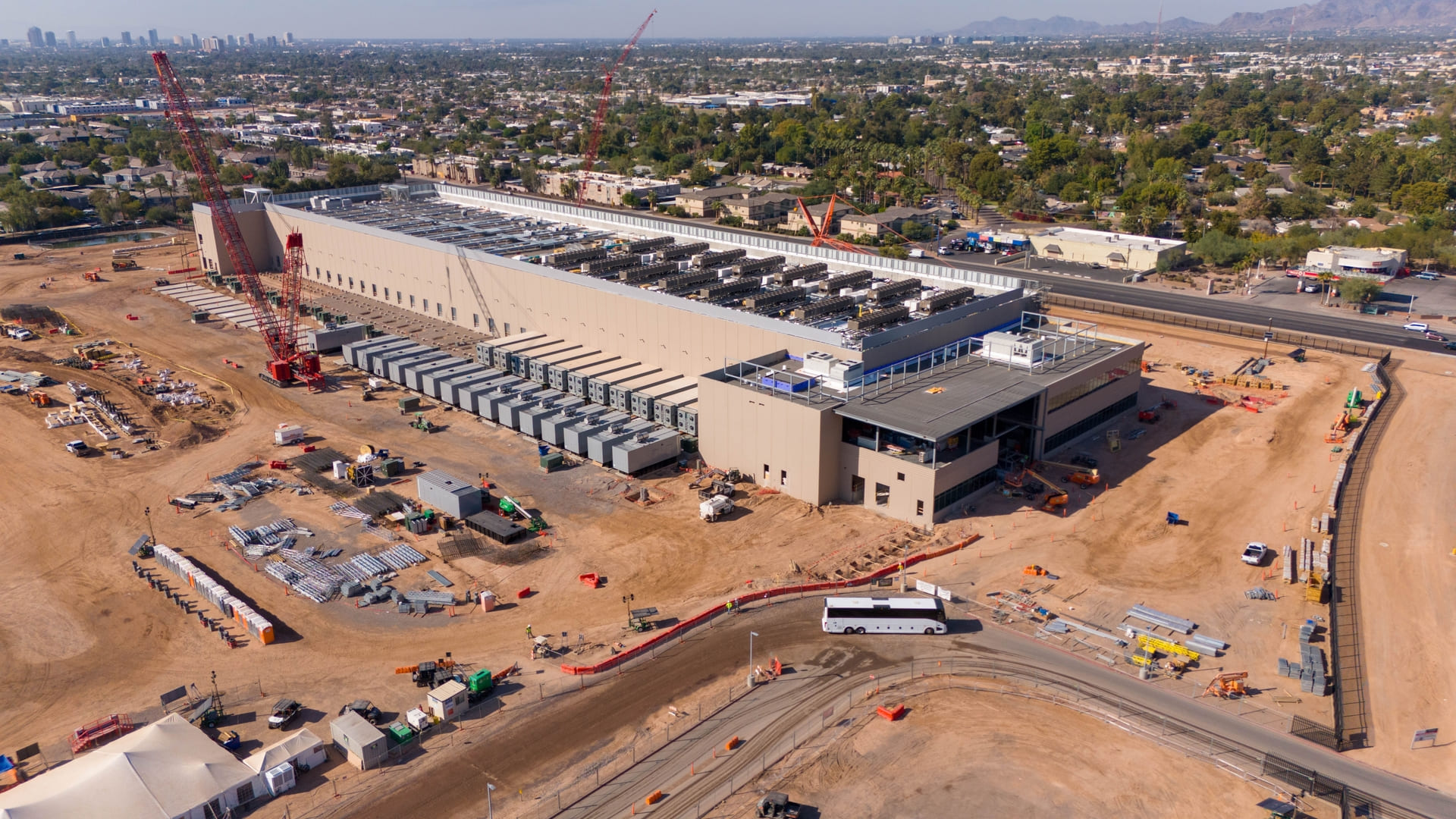
Major groups such as Webuild are working on the construction of high-tech and sustainable data centers

The Evolution of Data Centers on Earth, Between Critical Infrastructure and Renewable Energy

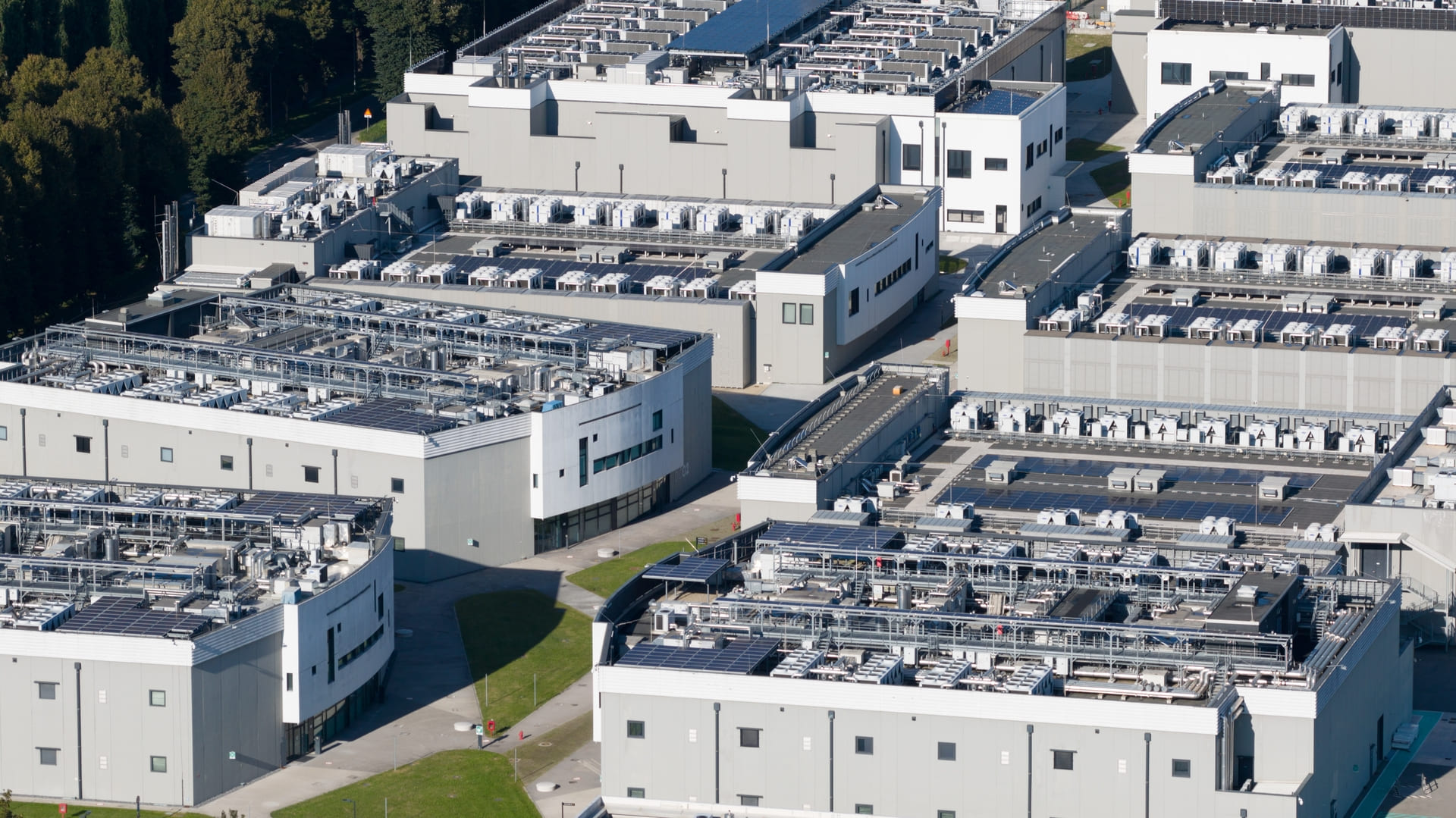
While the debate looks to the sky, transformation is already underway on Earth. Data centers have become a new category of infrastructure: they require extremely high levels of design complexity, integration with advanced energy networks, increasingly stringent environmental standards, and absolute operational continuity. They are no longer simple technological buildings, but critical systems for the economy and society.

In this space, the activity of large companies such as Webuild is taking shape. Through its subsidiary CSC Costruzioni, it is involved in the construction of high-tech and sustainable buildings. This role reflects the change underway: building a data center means working at the intersection of construction, energy and digital. It means giving physical form to a system that, although perceived as immaterial, depends on highly tangible infrastructure.

Because, even in the most advanced scenario, the digital world always needs a physical foundation, an infrastructure, which is always achieved in the same way: design, construction site, and building.