

There are structures that, at the moment of their construction, surpassed every technological and dimensional limit of their era, establishing themselves as works capable of anticipating the languages, techniques and ambitions that would only become central in later centuries.
Large architectural complexes, stadiums, religious buildings and institutional landmarks are often conceived as expressions of power, faith or collective identity, yet they ultimately become true engineering milestones, where scale, materials and spatial organization are pushed beyond previously known boundaries.
In these projects, greatness is not merely a physical measure, but the tangible expression of a vision that redefined the relationship between architecture, technology and historical time.
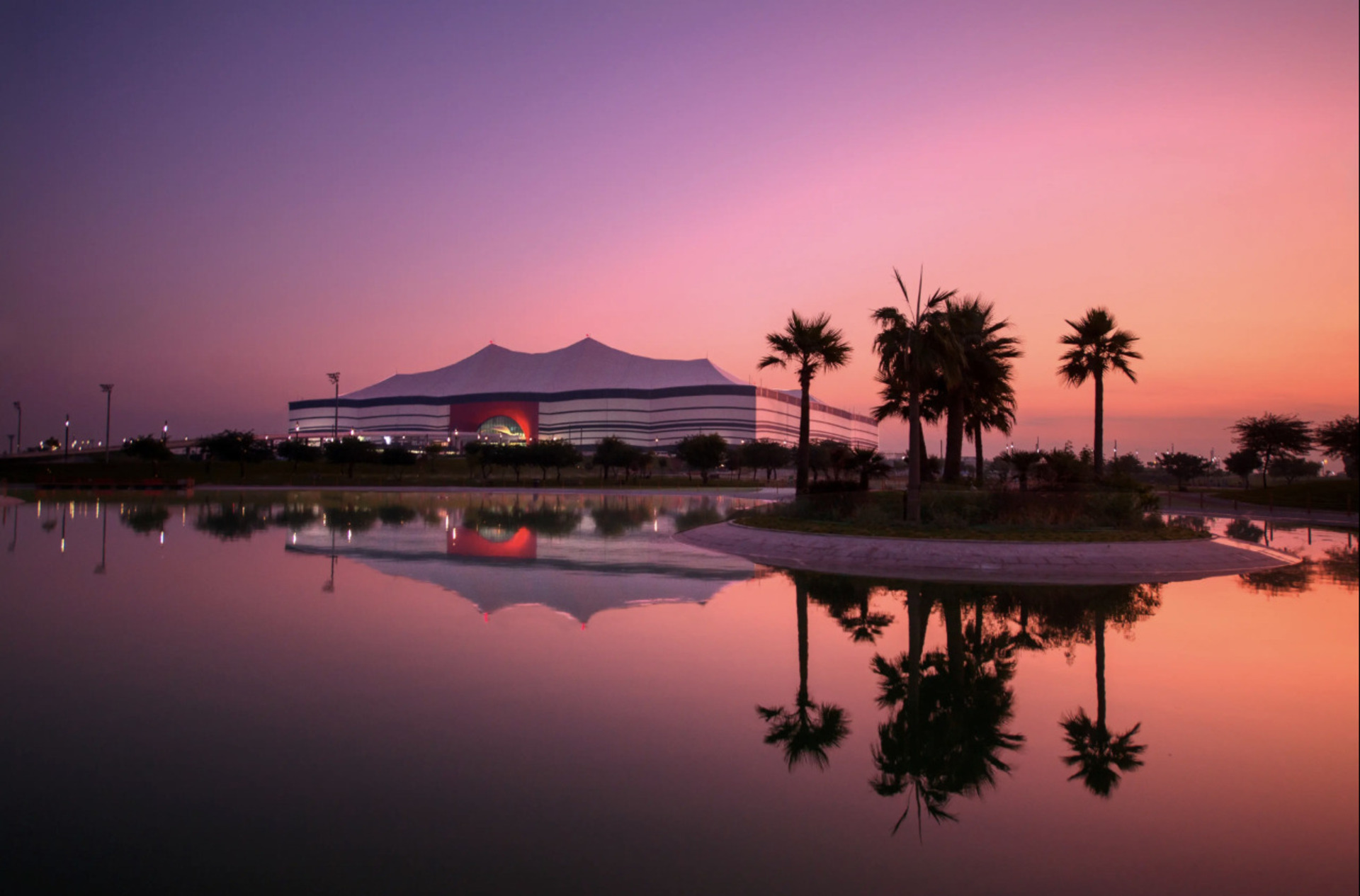
1 – Al-Bayt Stadium, Qatar
The Al-Bayt Stadium, built by the Webuild Group in Al Khor, Qatar, is one of the most iconic sports venues developed for the FIFA World Cup 2022. Conceived as an exceptionally large-scale structure, it combines engineering expertise, innovation and cultural identity.
With a capacity of approximately 60,000 spectators, the Qatar stadium stands out for its design inspired by the traditional Bedouin tent, reinterpreted through contemporary architectural solutions and a highly efficient structural envelope.
The Al-Bayt Stadium forms part of a broader network of sports and urban infrastructure developed around Doha, where sustainability, climate control and the management of large visitor flows played a central role in the design process, making the stadium a global benchmark for major sports construction projects in the 21st century.
2 – Sheikh Zayed Grand Mosque, Abu Dhabi, United Arab Emirates
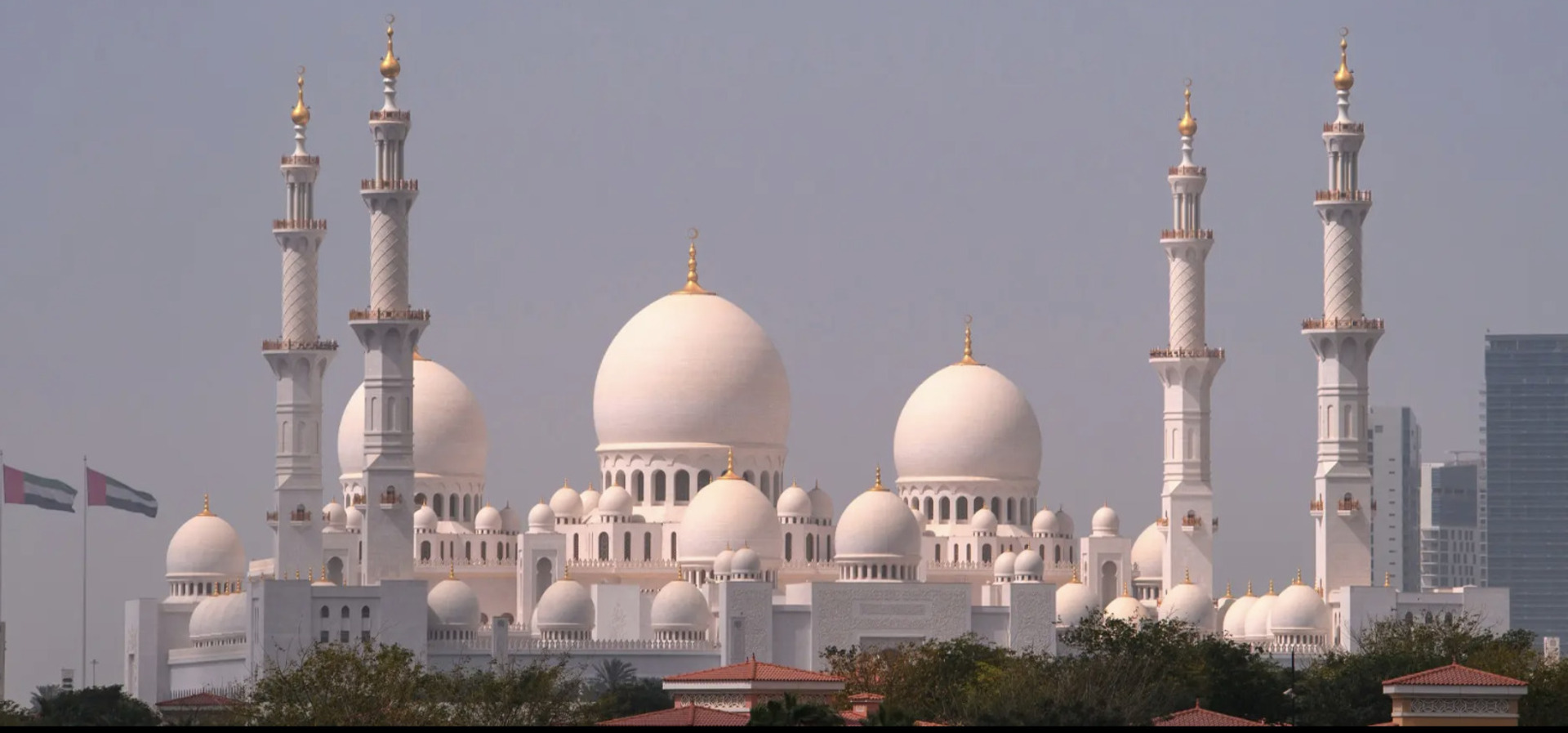
The Abu Dhabi Great Mosque is one of the world’s most impressive contemporary religious landmarks, conceived as an architectural complex of extraordinary scale capable of combining monumental dimensions, decorative richness and construction complexity.
Covering more than 84,000 square metres and accommodating over 40,000 worshippers, the building is distinguished by its four minarets, dozens of domes and an intricate system of ornamental elements crafted using premium materials and exceptional workmanship.
In this project of remarkable technical and executional complexity, delivered with the contribution of the Webuild Group, construction involved thousands of workers and an international network of suppliers and specialists, transforming the Abu Dhabi mosque into a global architectural symbol and one of the most representative examples of the United Arab Emirates’ infrastructural and cultural development.
3 – Cologne Cathedral, Germany
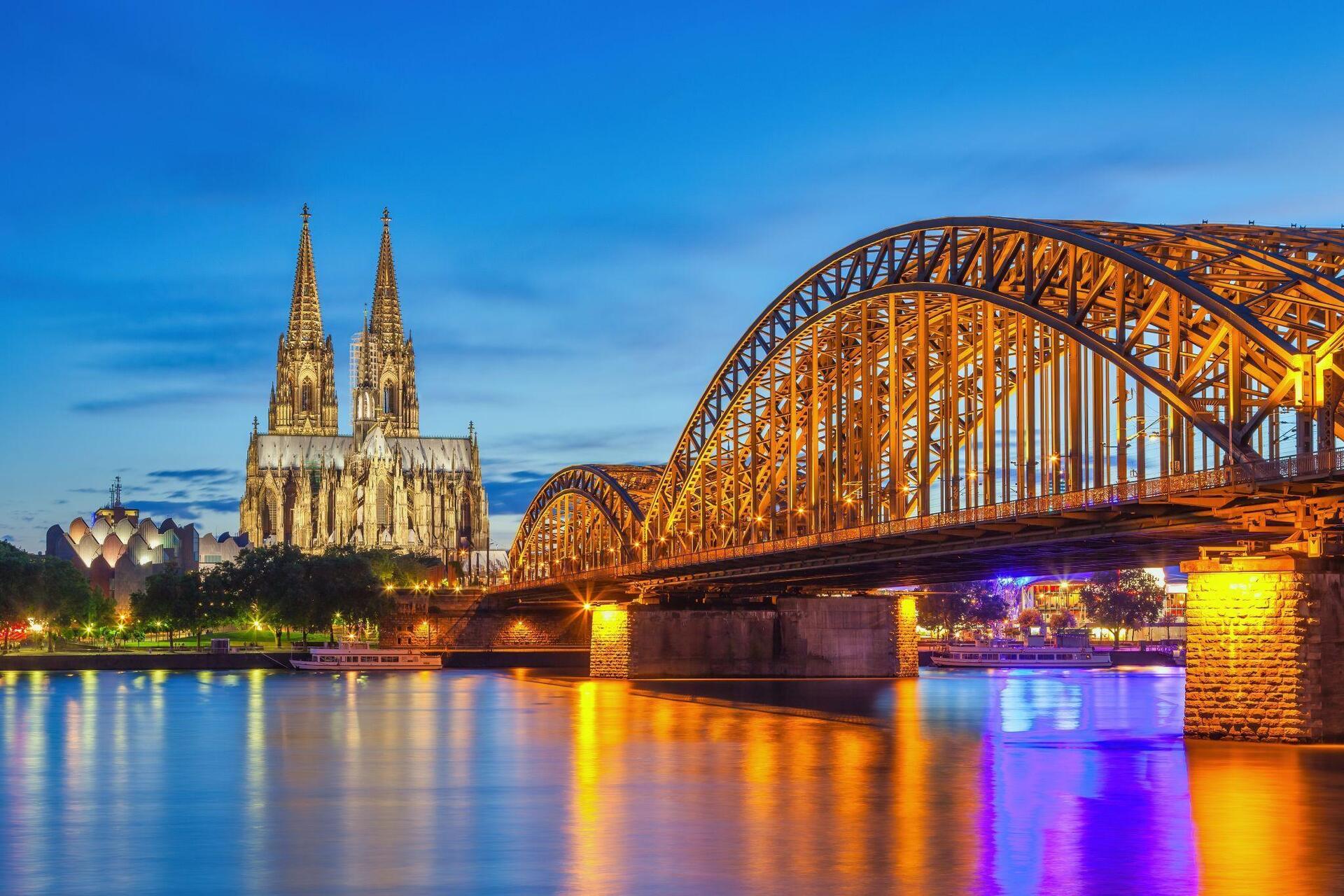
Cologne Cathedral, a UNESCO World Heritage site and one of Europe’s greatest examples of Gothic architecture, is a monumental work that anticipated the construction capabilities of its time by centuries, becoming an enduring benchmark for scale, ambition and engineering complexity.
Construction began in 1248 and was completed only in 1880, after more than six centuries of work, spanning different historical periods and phases of interruption and revival that turned its realization into a unique intergenerational project.
With its twin towers rising approximately 157 metres, among the most imposing structures of the Gothic world, the Cologne Cathedral still dominates the city’s urban landscape today, embodying the ability of both medieval and nineteenth-century engineering to push beyond existing technical limits and redefine the very concept of a sacred building on an urban scale.
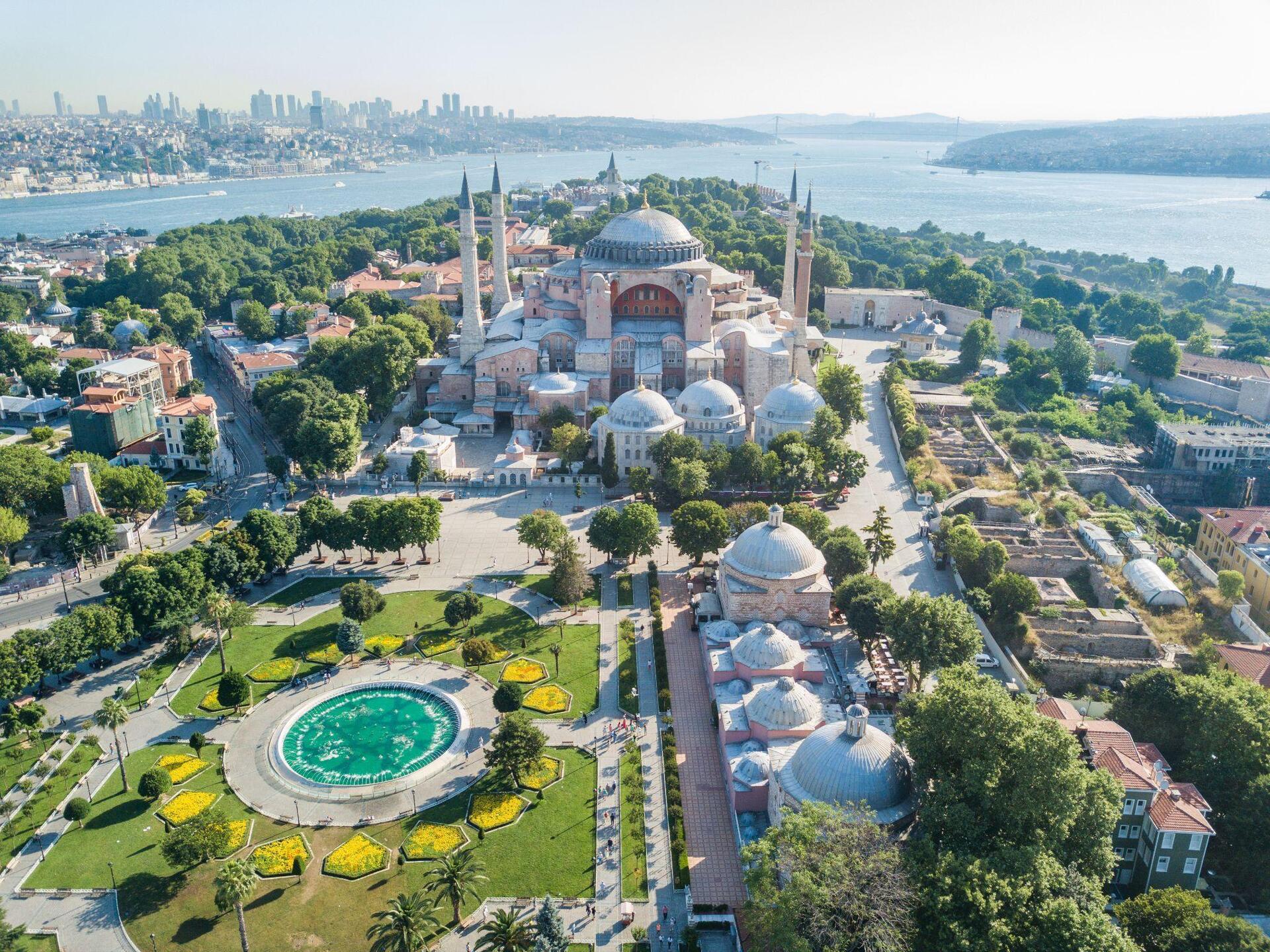
4 – Hagia Sophia, Istanbul, Turkey
Hagia Sophia in Istanbul is one of the most revolutionary and enduring architectural achievements in history, a structure that anticipated engineering and spatial solutions that would influence construction for centuries.
Originally built in the sixth century under Emperor Justinian I, Hagia Sophia is renowned for its vast central dome, which represented an unprecedented technical challenge for its time. The dome is supported by a sophisticated system of pendentives and semi-domes that ensured both stability and an extraordinary sense of interior openness.
Throughout the centuries, Hagia Sophia has undergone significant cultural and functional transformations, serving as a basilica, a mosque and later a museum, while preserving its structural identity and its status as a landmark in the evolution of monumental architecture.
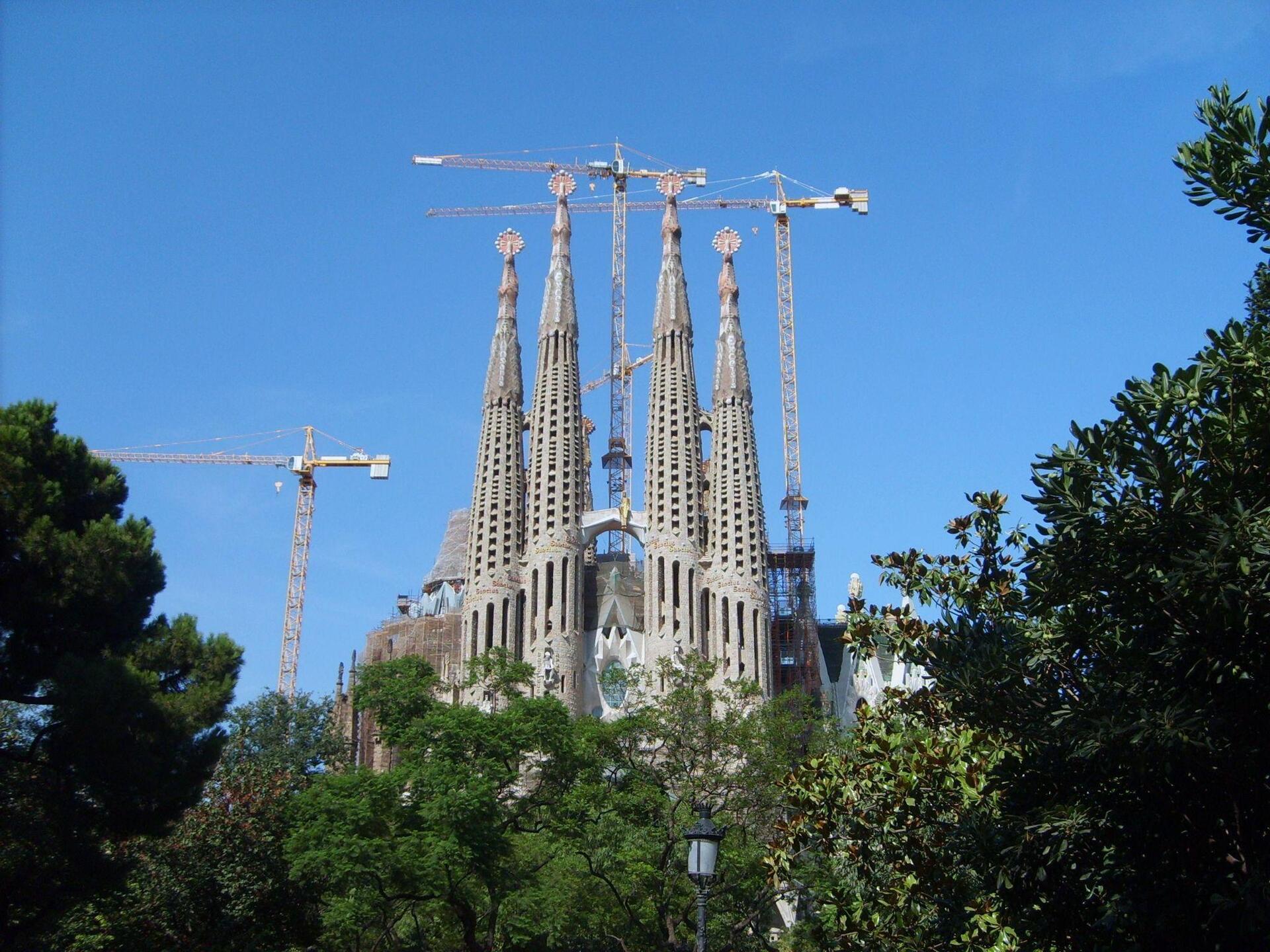
5 – Sagrada Família, Barcelona, Spain
The Sagrada Família in Barcelona is one of the most ambitious architectural projects ever conceived, a structure that surpassed the technical and construction limits of its era to become a universal symbol of innovation and experimentation.
Construction of the basilica began in 1882 and, under the guidance of Antoni Gaudí, evolved according to a radically new architectural language inspired by the forms of nature and based on structural solutions that anticipated concepts of modern engineering.
Still under construction today, the project spans more than a century of history while remaining faithful to its original vision.
With its monumental towers, destined to reach a height of 172 metres, the Sagrada Família continues to redefine the concept of religious monuments on an urban scale, bringing together artistic ambition, technical complexity and construction excellence within a single extraordinary structure.