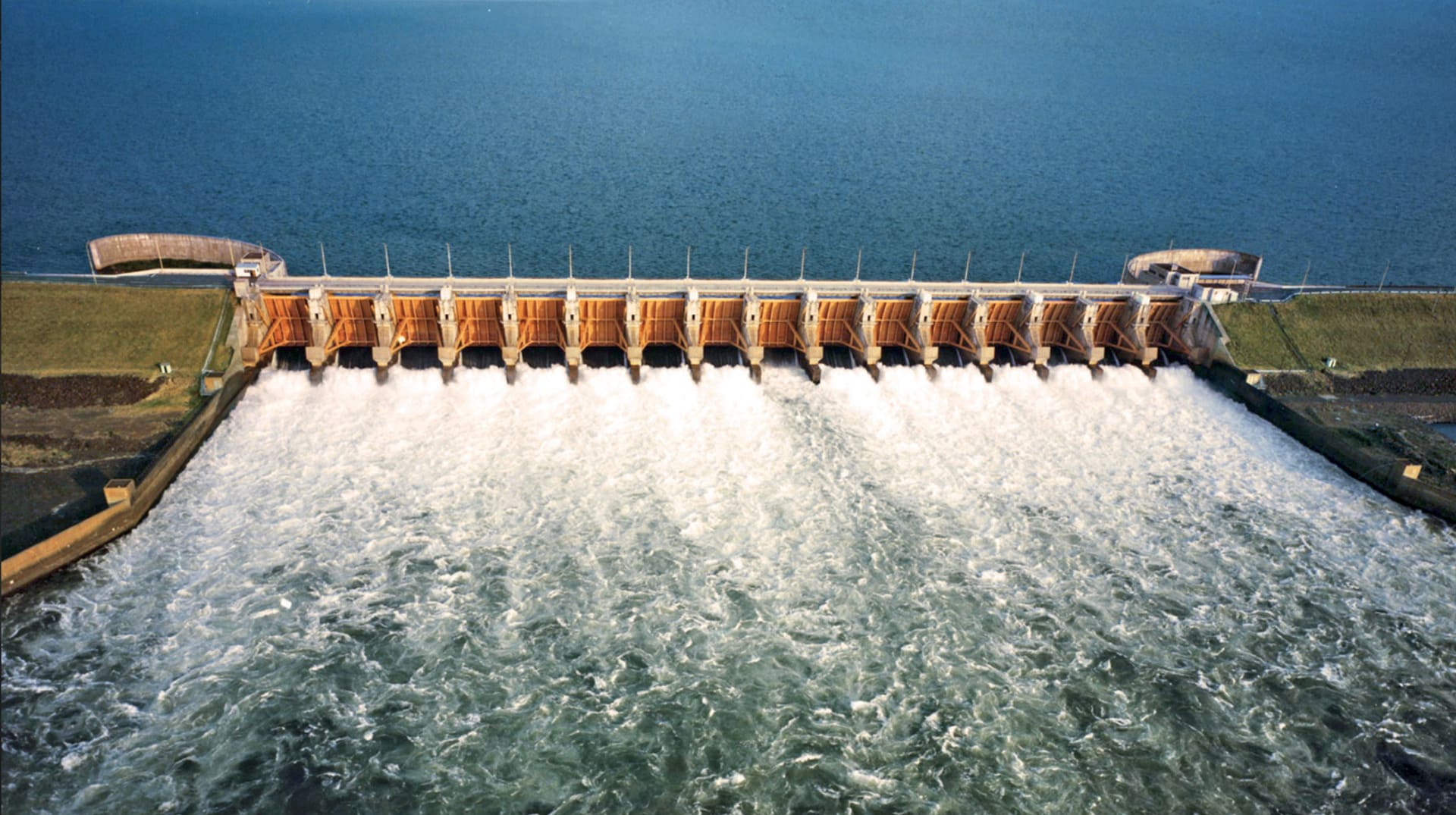


Water can shape landscapes, power entire cities and change the destiny of a region. But what happens when a river’s course is interrupted by a dam? In just a few years, a valley can become a reservoir as vast as an entire region, while places inhabited for centuries disappear beneath the water and millennia-old monuments are relocated, stone by stone, to save them from being submerged.
Large hydroelectric power plants are engineering feats capable of reshaping not only geography, but also the economic and social fabric of entire communities. They generate renewable energy, regulate water resources and create new opportunities for development, while leaving a profound mark on the environment.
From Africa to the Middle East, up to Paraguay, here are five places where engineering has forever changed the relationship between humankind and water.
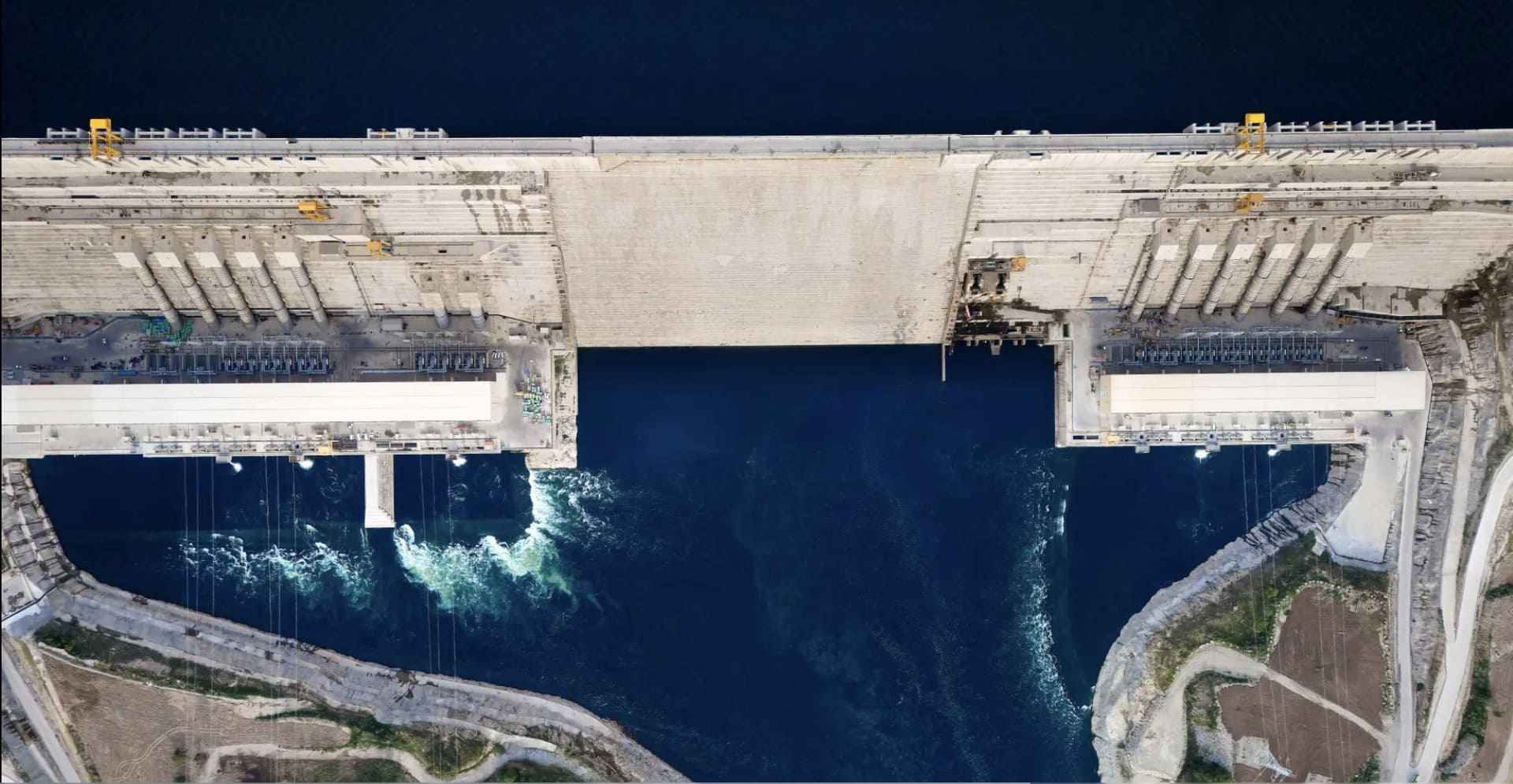
1 – Grand Ethiopian Renaissance Dam, Ethiopia
In Ethiopia, the Blue Nile is at the heart of a hydroelectric power project set to transform the country’s energy future. The Grand Ethiopian Renaissance Dam (GERD) is a monumental structure that has created a 172-kilometre-long reservoir with a storage capacity of up to 74 billion cubic metres of water.
Inaugurated in September 2025, the dam, designed and built by Webuild, is the largest hydropower project ever constructed in Africa. With an installed capacity of 5,150 MW, it aims to double Ethiopia’s electricity generation capacity.
But the transformation extends far beyond energy. A fully fledged town has grown around the construction site, complete with schools, healthcare facilities and new road infrastructure.
2 – Bujagali Hydropower Plant, Uganda
To understand how a hydroelectric dam can transform everyday life, look no further than Uganda, where limited access to electricity has long been a major barrier to development.
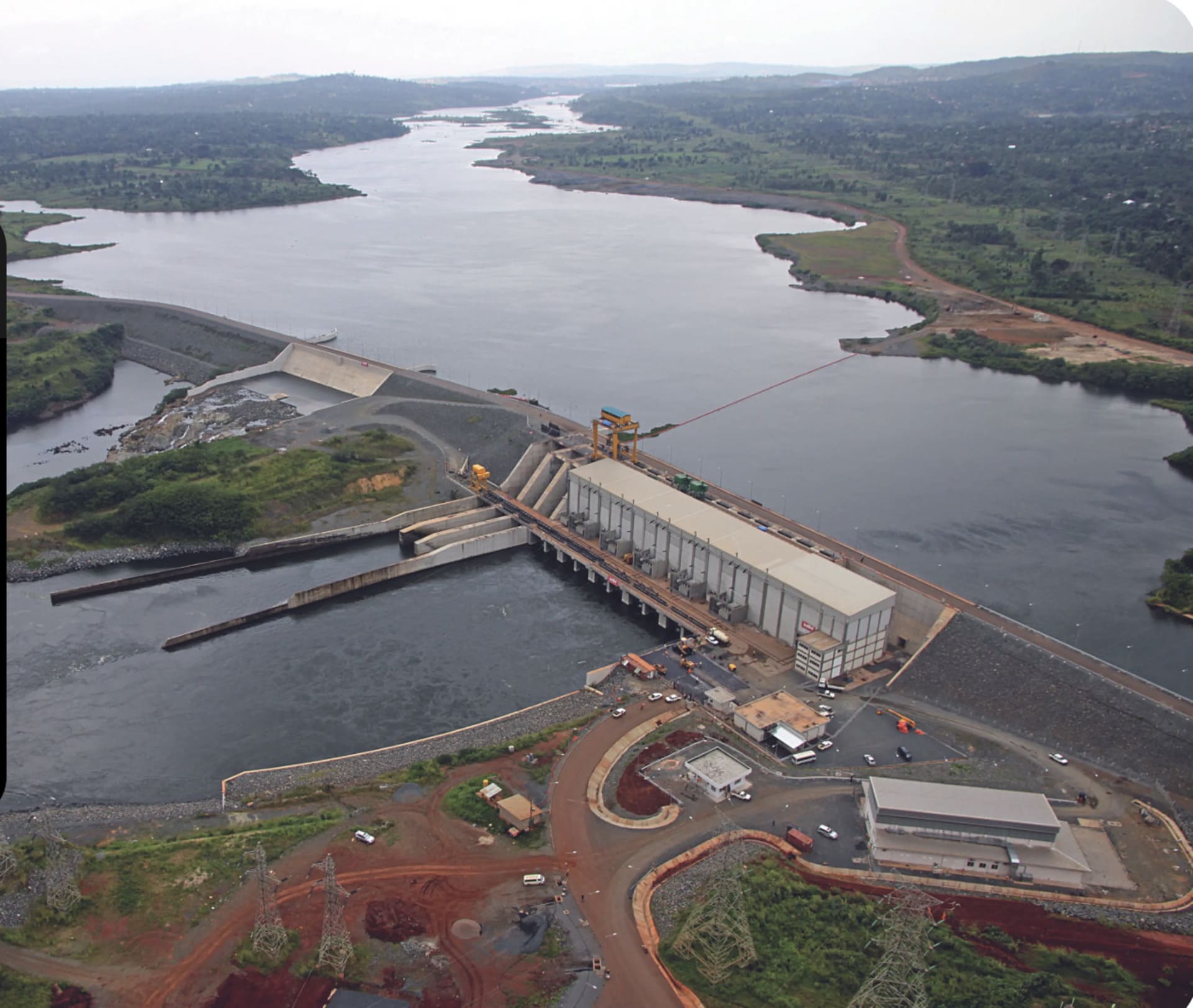
At Bujagali, on the Victoria Nile (which flows from Lake Victoria), Webuild built a 250 MW hydroelectric power plant that began operating in 2012. The project employed around 4,000 Ugandan workers and helped ease a prolonged energy crisis, eventually accounting for around half of the country’s electricity supply.
Here, the impact of the dam extends beyond the physical transformation of the landscape to the new opportunities created by a more reliable supply of hydropower.
3 – Kariba Hydroelectric Power Plant, Zambia-Zimbabwe
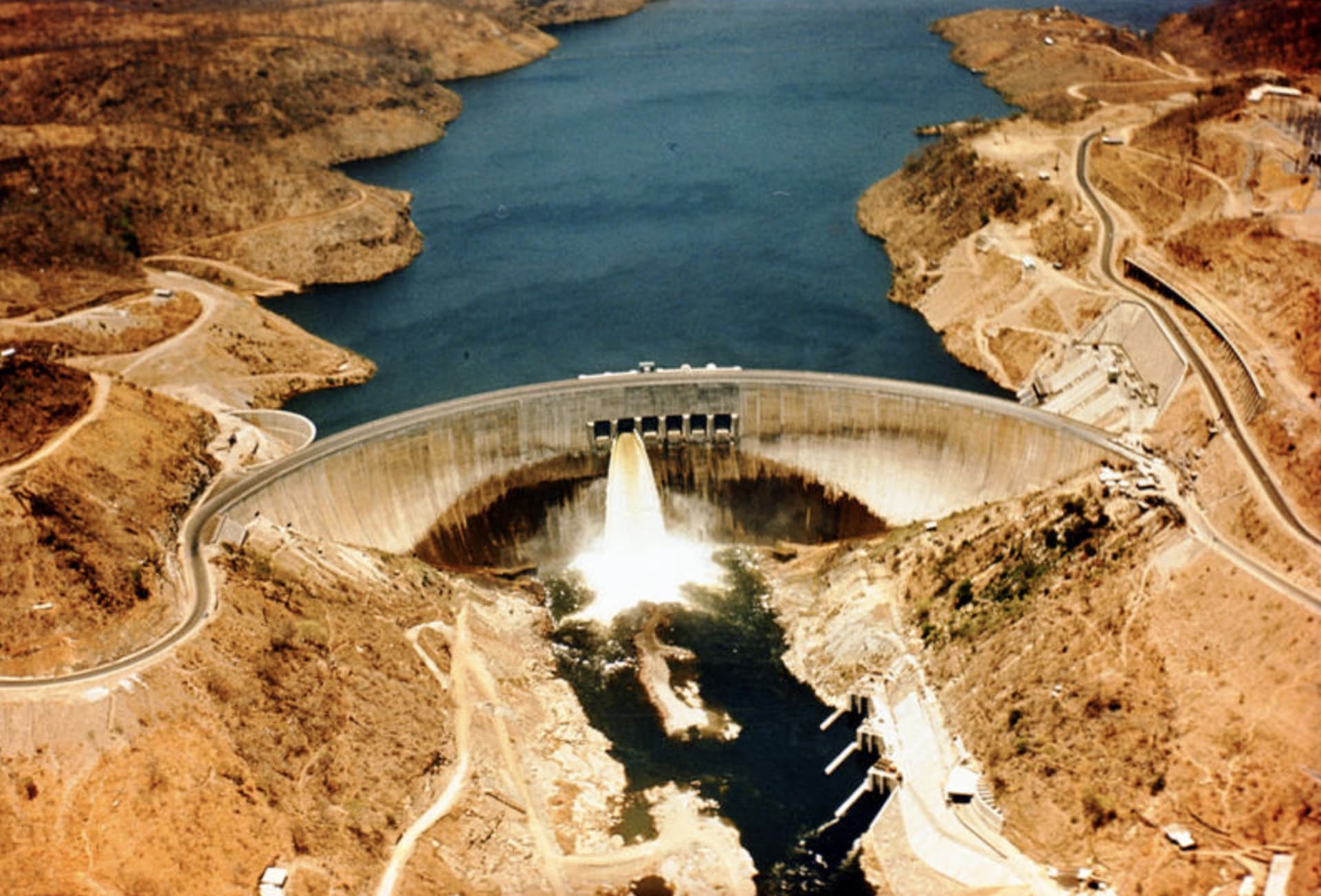
Stretching for 300 kilometres and covering an area of up to around 500,000 hectares, Lake Kariba is an artificial reservoir of remarkable scale. It was created by damming the Zambezi River along the border between present-day Zambia and Zimbabwe.
Completed in 1959, the Kariba Dam was one of Africa’s major engineering achievements and marked an important milestone in Webuild’s history. Its construction involved a consortium comprising Impresit, Girola, Lodigiani and Torno, companies that helped shape the Group’s legacy.
The hydroelectric power plant began operating in 1960, harnessing the river’s power to generate electricity. Yet it is the landscape itself that best conveys the scale of the transformation: where the Zambezi River once carved its way through a narrow gorge, one of the world’s largest artificial lakes now stretches across the horizon.
4 – Aswan High Dam and the Rescue of the Abu Simbel Temples, Egypt
When it comes to the Aswan Dam in Egypt, the numbers tell only part of the story. Completed in 1970 on the Nile River, the hydroelectric dam created Lake Nasser, a reservoir stretching for around 500 kilometres that submerged vast areas of the valley and required the relocation of approximately 90,000 people.
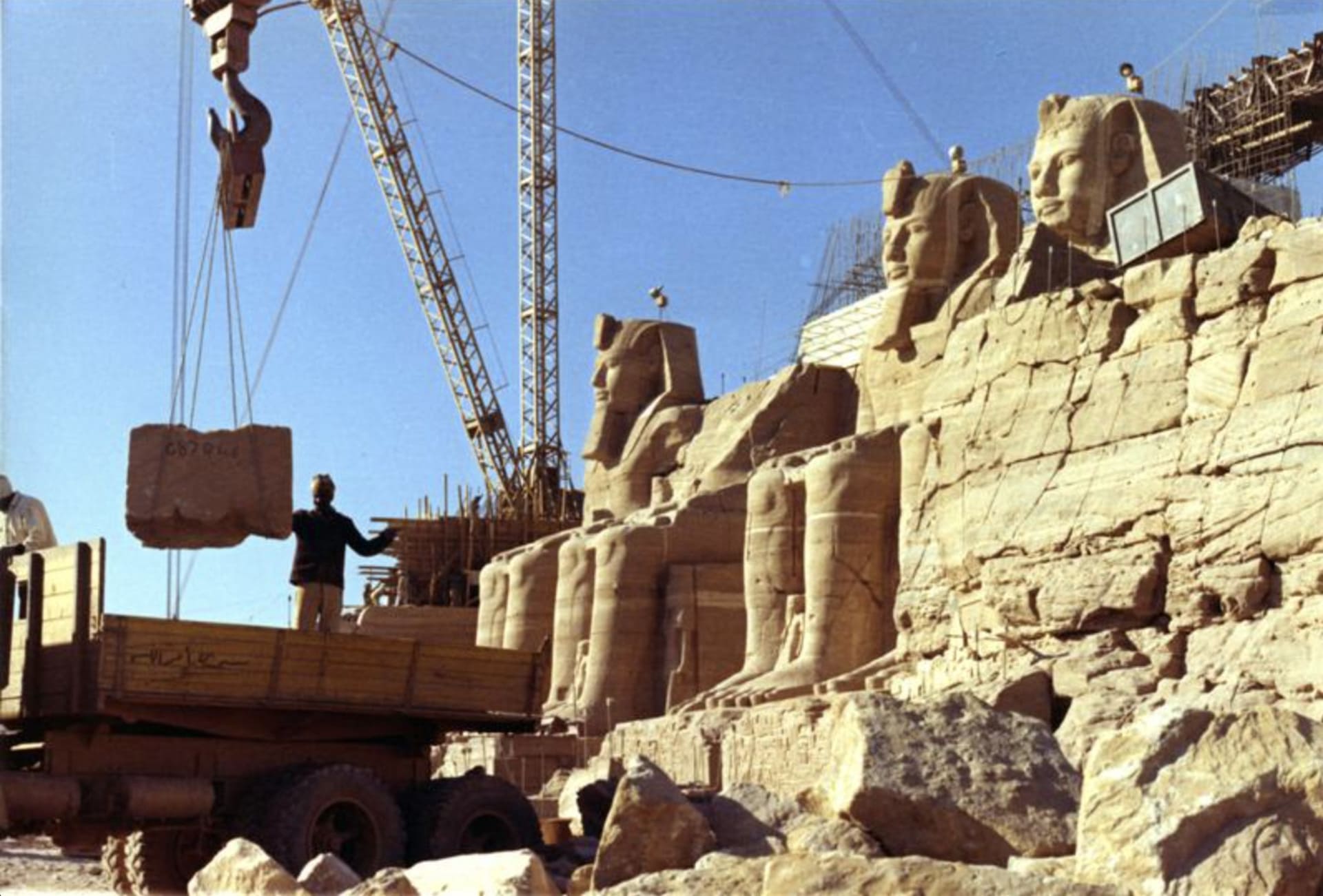
But the rising waters also threatened a millennia-old cultural heritage. To prevent some of ancient Egypt’s most important monuments from being lost beneath the water, an unprecedented international rescue campaign was coordinated by UNESCO, leading to their relocation to safer sites.
The most famous example is Abu Simbel, the monumental temple complex commissioned by Pharaoh Ramesses II in the 13th century BC. Between 1964 and 1968, the Abu Simbel Temples were dismantled block by block and rebuilt around 300 metres further inland and 60 metres higher.
Salini Impregilo, now Webuild, also took part in this extraordinary undertaking. A race against the rising waters, the operation saved one of the most iconic sites of ancient Egypt, demonstrating how major infrastructure projects can reshape entire landscapes while also requiring extraordinary efforts to preserve their cultural heritage.
5 – Yacyretá Hydroelectric Project, Argentina-Paraguay
The Paraná is such a mighty river that it has earned the nickname “the Gentle Giant”. Stretching for nearly 4,880 kilometres across South America, it supports a wide range of activities, from navigation and fishing to irrigation and power generation.
Along the border between Argentina and Paraguay stands the Yacyretá Dam, a structure nearly 64 kilometres long, built between 1983 and 1998 with Impregilo, now part of the Webuild Group, leading an international consortium of 35 companies.
Its reservoir covers approximately 1,600 square kilometres and can hold up to 21 billion cubic metres of water. The scale of this transformation has reshaped the river landscape and changed the relationship between local communities and the river.
Today, with an installed capacity of 3,200 MW, the hydropower plant contributes to renewable energy generation.