


Hospitals of the future are no longer just places where people are treated, but spaces designed to support the healing process through architecture, light, nature, and the quality of the environment.
In recent decades, healthcare design has begun to move beyond the model of the purely functional facility, transforming hospitals and healthcare centers into places capable of positively influencing the physical and psychological well-being of patients, families, and healthcare professionals.
In these projects, healthcare architecture becomes an integral part of the therapeutic process. Every detail, from the organization of spaces to the relationship with the surrounding landscape, contributes to creating environments that are more welcoming and better aligned with people’s needs.
1 – Dell’Angelo Hospital, Venice-Mestre
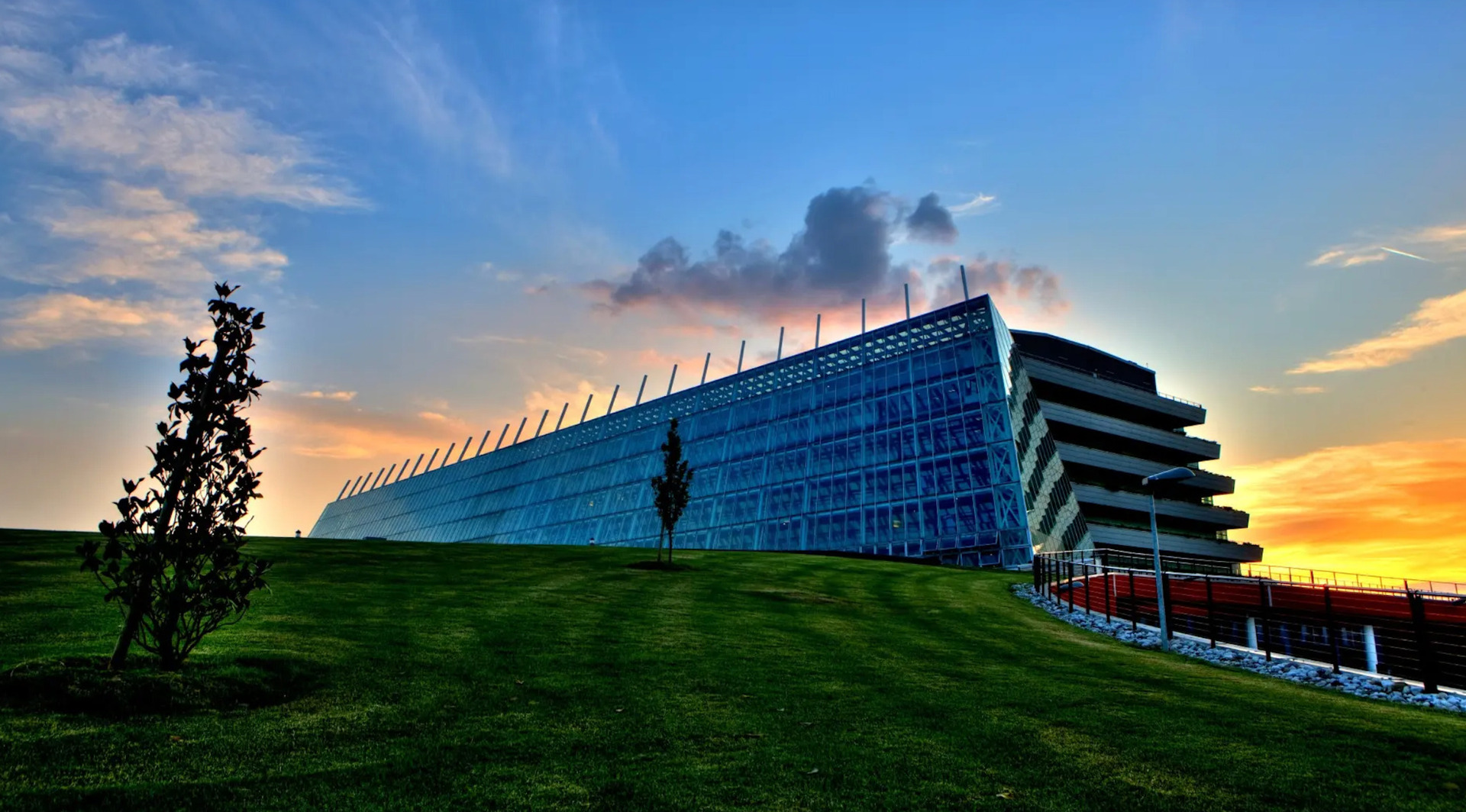
In the Venice-Mestre area, the hospital becomes a place where architecture, nature, and care come together. Built by the Webuild Group, Dell’Angelo Hospital is a model of hospital design created to place people’s well-being at the center, moving beyond the traditional concept of the hospital building.
Its large glass-and-steel façade, internal roof garden, and spacious interiors filled with natural light transform the care environment into a more welcoming and human-centered place, where the relationship with nature and the quality of the spaces become an integral part of the patient journey.
Combining technology, functionality, and attention to the emotional dimension of care, Dell’Angelo Hospital in Venice-Mestre demonstrates how a hospital can also become an example of contemporary healthcare architecture capable of promoting well-being.
2 – Khoo Teck Puat Hospital, Singapore
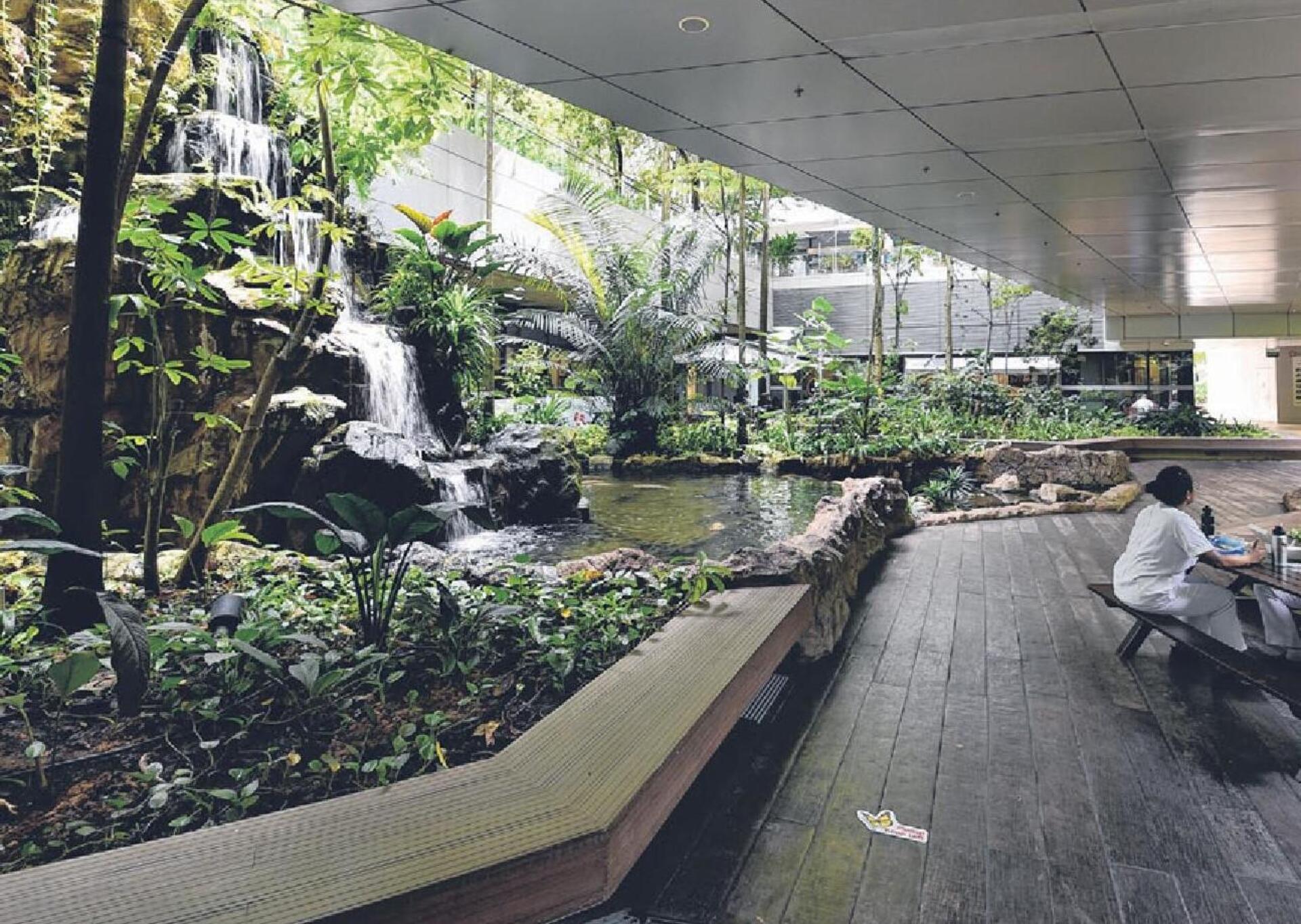
In Singapore, Khoo Teck Puat Hospital has redefined the traditional concept of a healthcare facility, becoming a true “hospital in a garden”. Designed to create an environment that is more human-centered and closely connected to nature, the complex integrates green courtyards, rooftop healing gardens, reflecting pools, and open spaces that guide patients and visitors through a healing journey unlike that of a conventional hospital.
Natural light, ventilation, and the continuous connection with the surrounding landscape become fundamental elements of the architecture, designed not only to meet medical needs but also to promote comfort and psychological well-being.
3 – Kinderspital Zürich
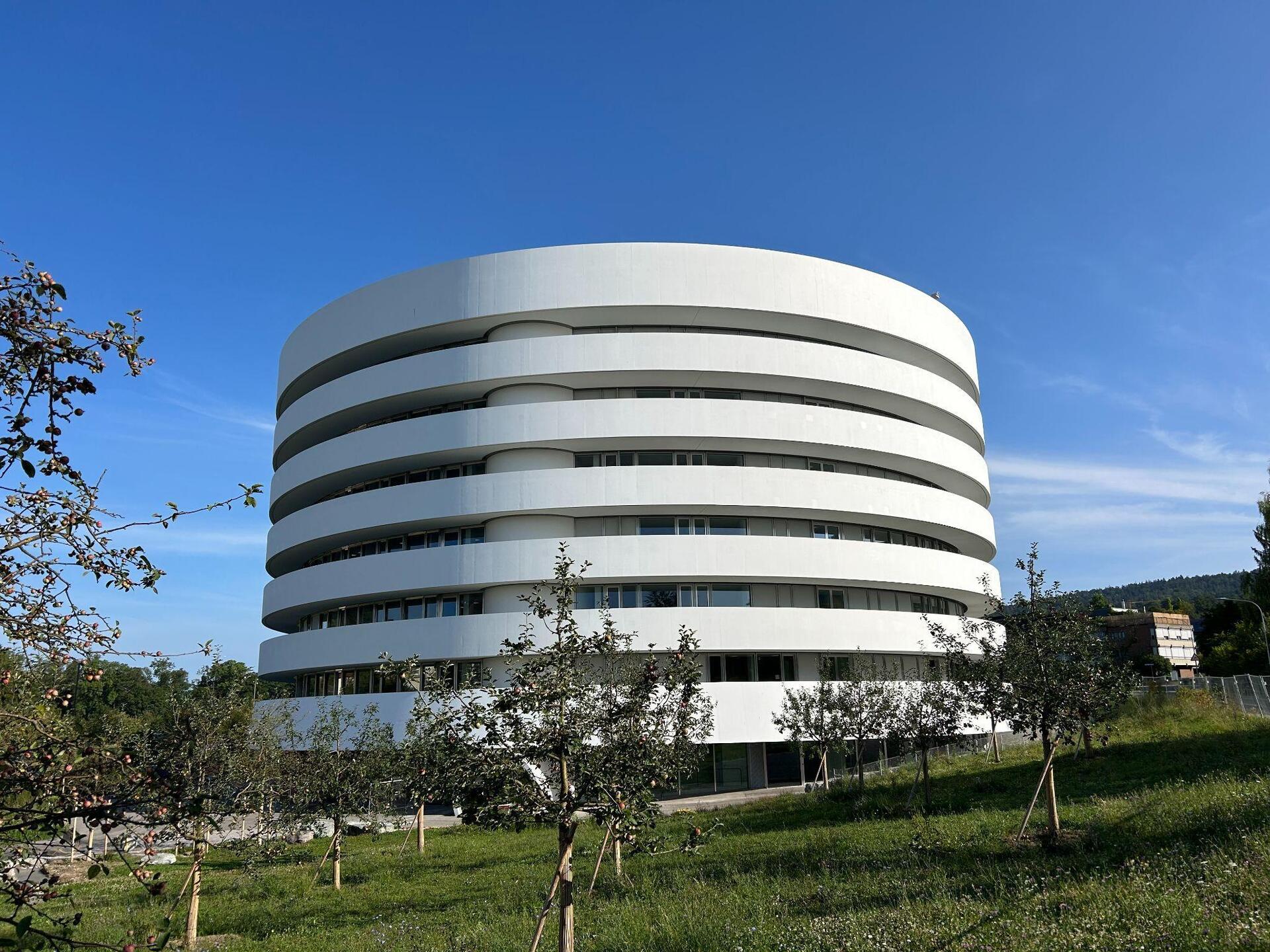
In Zurich, Kinderspital Zürich takes the concept of a hospital to a new level, transforming the healthcare facility into an environment designed around the needs of children and their families.
The complex combines medical functionality with high-quality spaces through an architectural design that resembles a small town, with courtyards, internal streets, and gathering places that make navigation easier and create a more familiar atmosphere.
Patient rooms, designed as small wooden retreats overlooking green spaces, and the constant relationship between natural light, nature, and the interior environment transform the healing journey into a more welcoming experience.
4 – Paimio Sanatorium, Finland
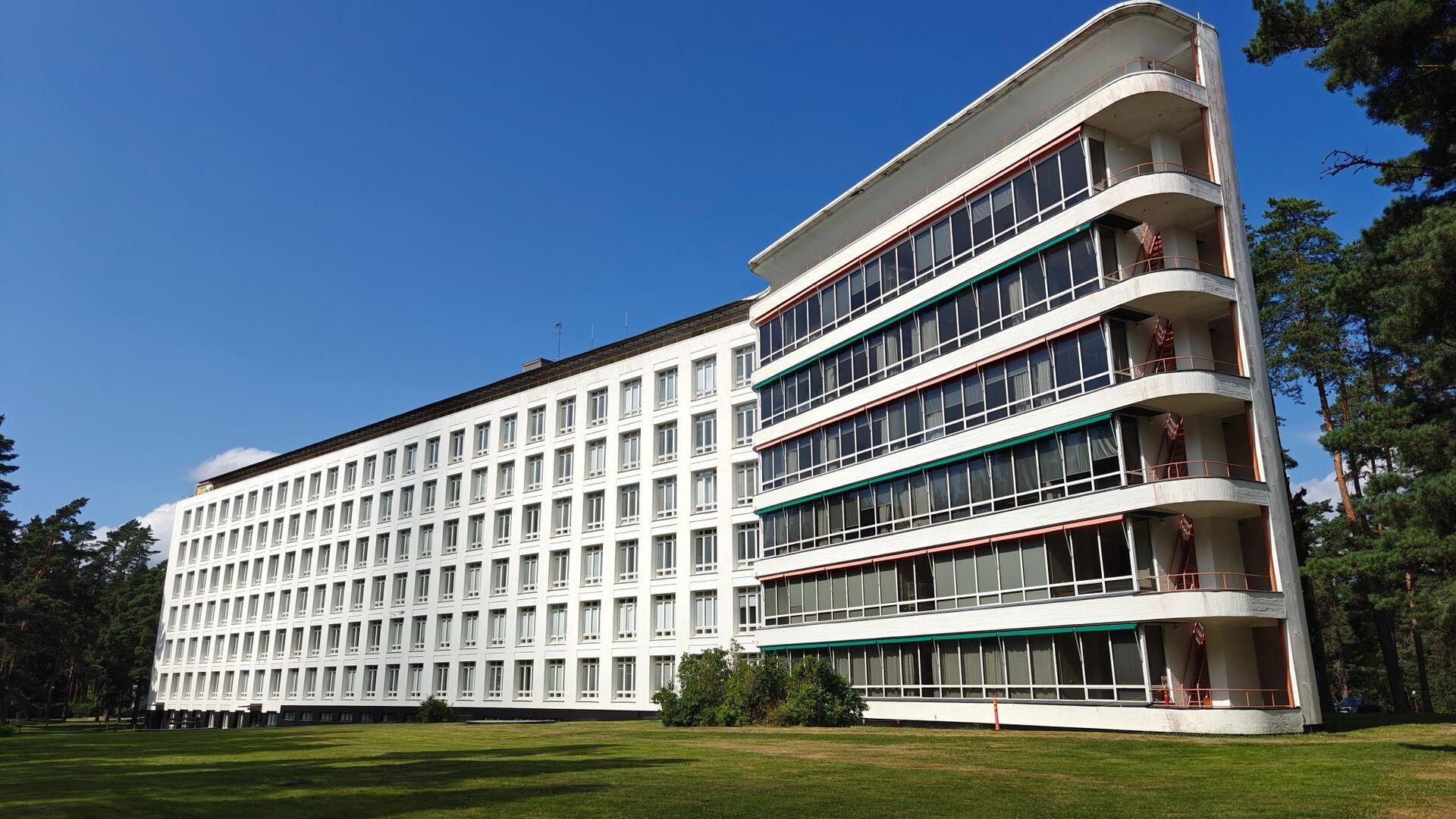
In Finland, Paimio Sanatorium anticipated the idea of healthcare architecture that supports healing through space by nearly a century.
Designed by Alvar and Aino Aalto and completed in 1933 as a tuberculosis treatment facility, the sanatorium was conceived not only as a functional building, but as a true instrument for healing.
Natural light, the relationship with the surrounding forest, the colors of the interiors, and every design detail were carefully considered to create a more comfortable environment that would support patients’ well-being. Today, it is regarded as one of the masterpieces of Nordic modernism.
5 – Maggie’s Centre, St. Bartholomew’s Hospital, London
In London, Maggie’s Centre demonstrates how even a support facility can become a work of architecture capable of conveying comfort and hope.
Built within the St. Bartholomew’s Hospital campus, the center was created to provide cancer patients and their families with an environment that feels far removed from the clinical atmosphere of traditional hospital spaces.
Characterized by a light-filled façade and interiors bathed in natural light, Maggie’s Centre combines gathering spaces, private areas, and more domestic settings to create a place where people can talk, share experiences, and find support.