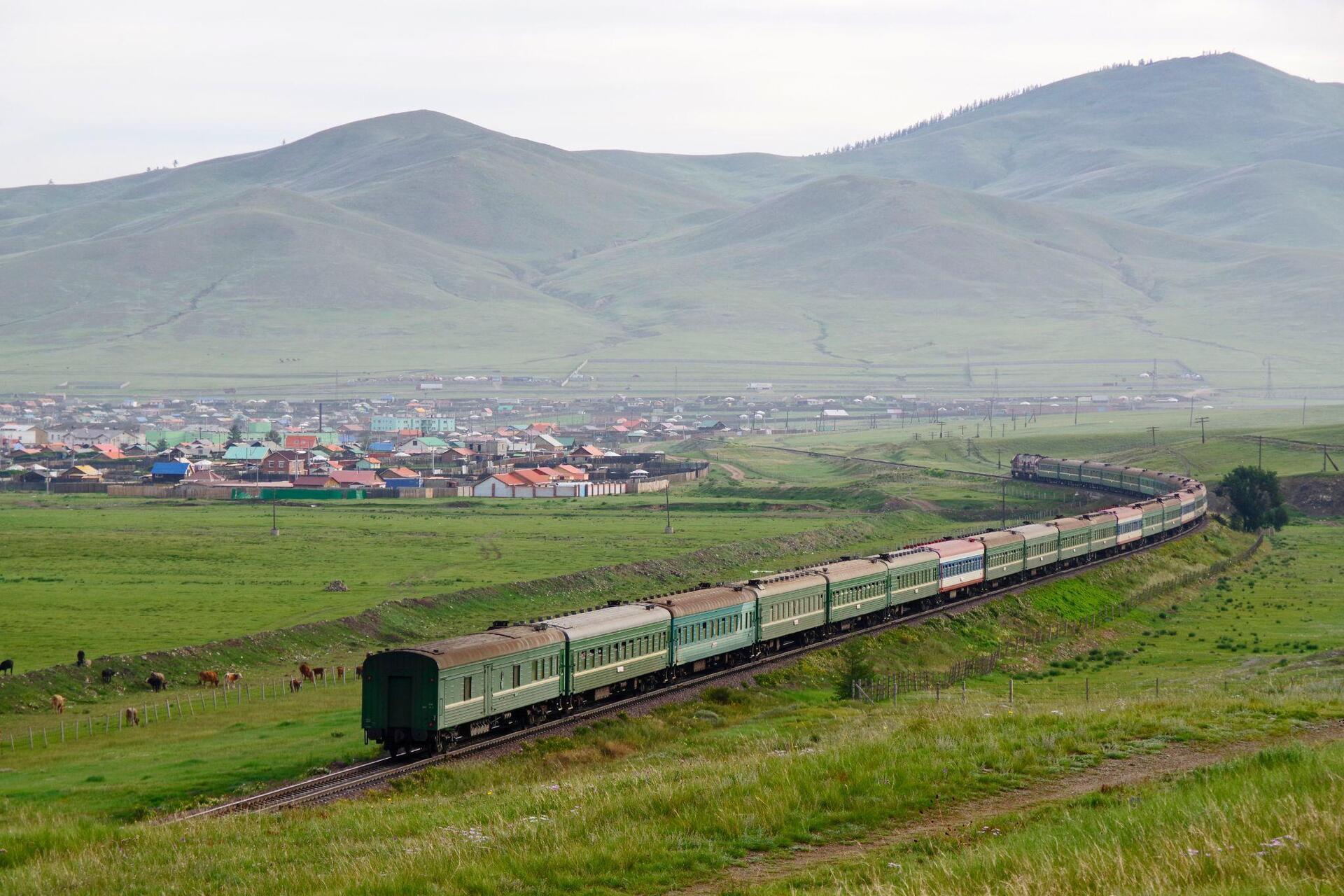


Railways are more than just lines connecting distant cities. They are arteries that span nations, cultures, and continents, turning travel into an experience that brings together landscapes and people.
Today, some rail networks stretch for thousands of kilometers, standing as true symbols of engineering, international cooperation, and sustainable development.
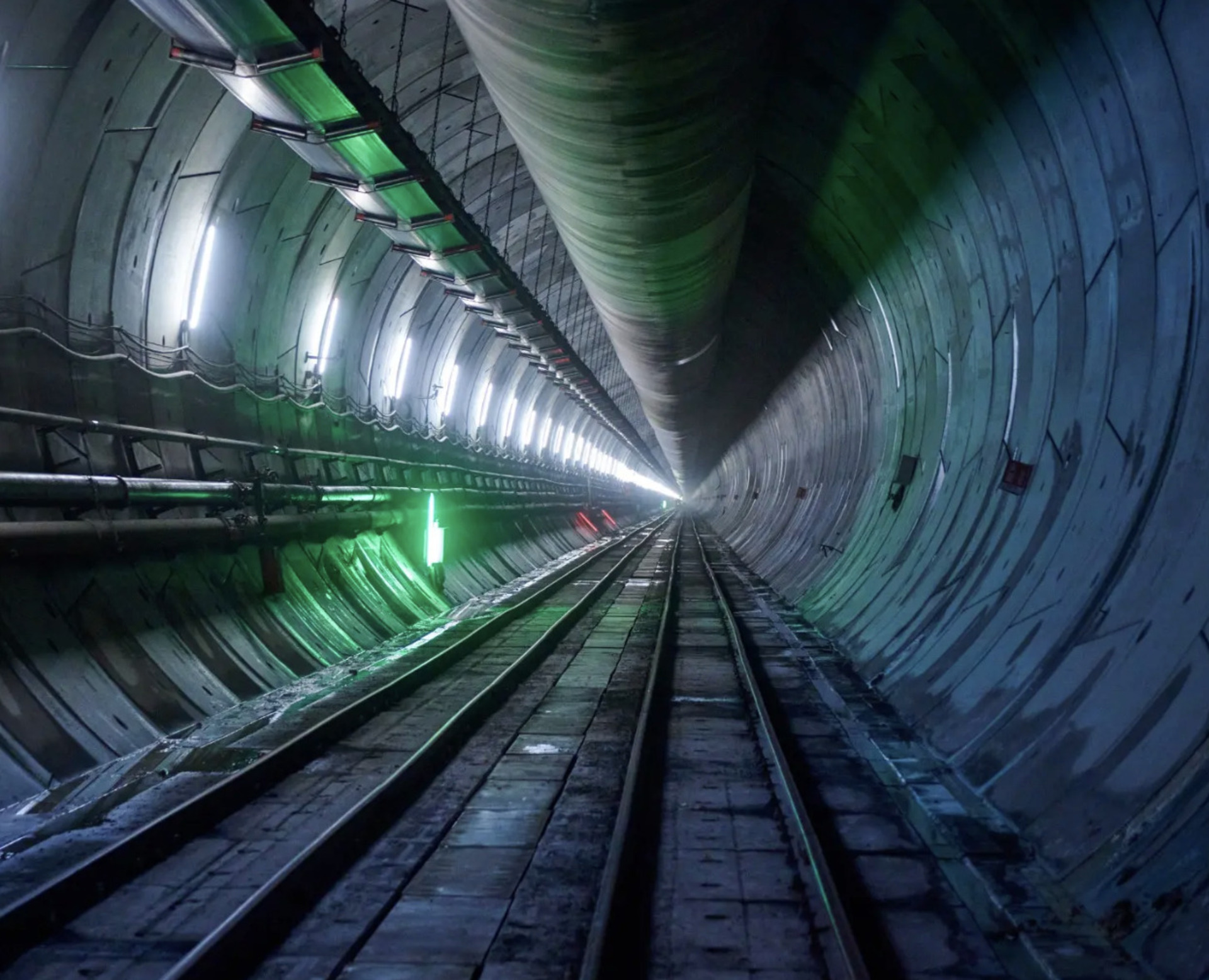
1 – Brenner Base Tunnel
In the heart of the Alps, a record-breaking project is taking shape: the Brenner Base Tunnel, the world’s longest railway tunnel. Stretching 64 km, it will connect Fortezza (South Tyrol) to Innsbruck (Austria), cutting travel time from 80 to just 25 minutes and becoming the centerpiece of the SCAN-MED corridor.
Webuild Group is a key player in this challenge, currently working on three sections of the Brenner railway, including the Mules 2‑3 Lot, the main segment on the Italian side, and having already completed the Tulfes–Pfons Lot in Austria.
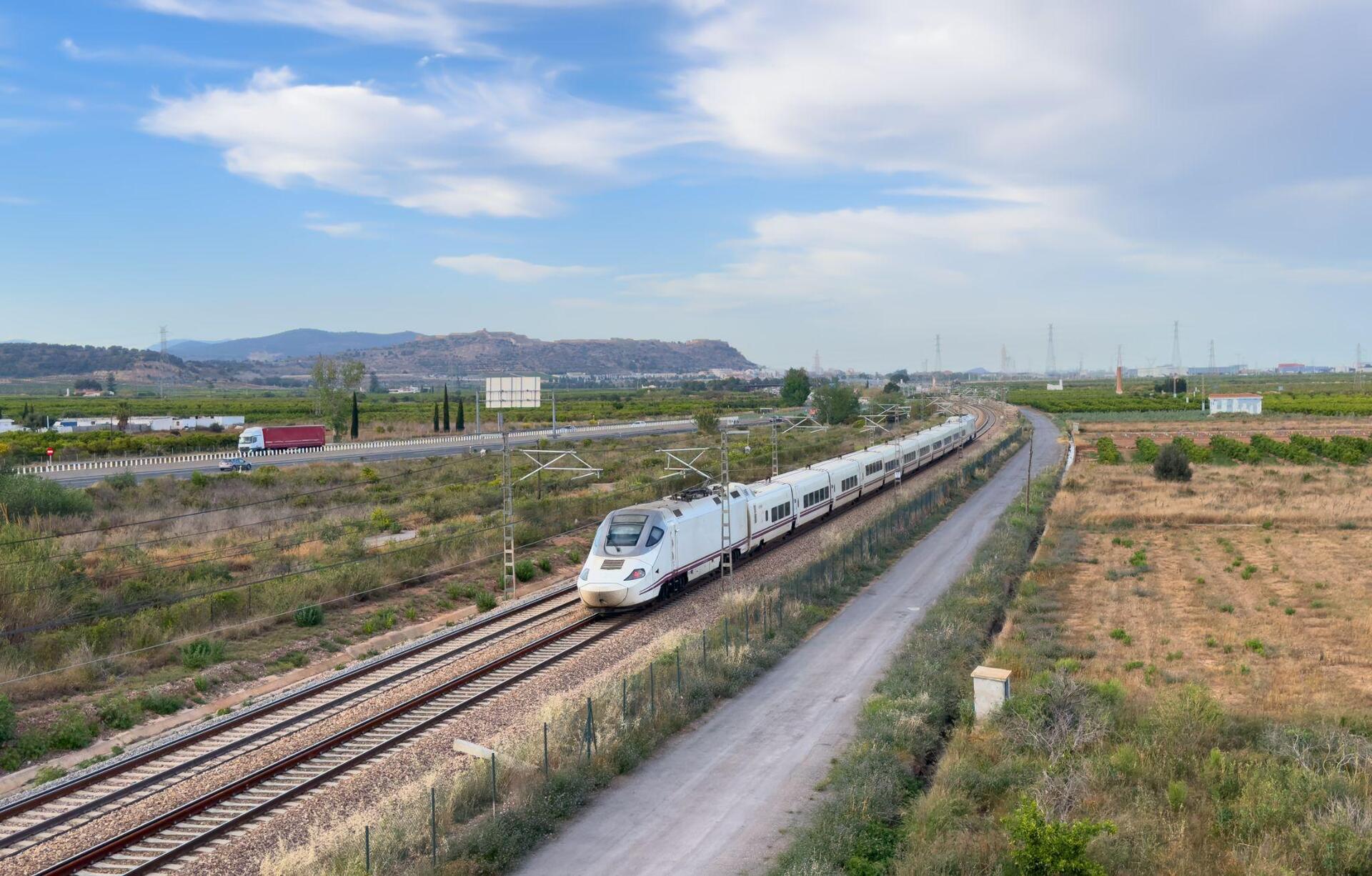
2 – Yiwu–Madrid
From the Chinese city of Yiwu to Madrid, the railway line stretches over 13,000 kilometers, crossing eight countries and two continents.
It is the world’s longest freight railway — a link that connects distant markets and shows how trade between Asia and Europe can travel by freight train, bridging cultures and economies along a single, sprawling thread from East to West.
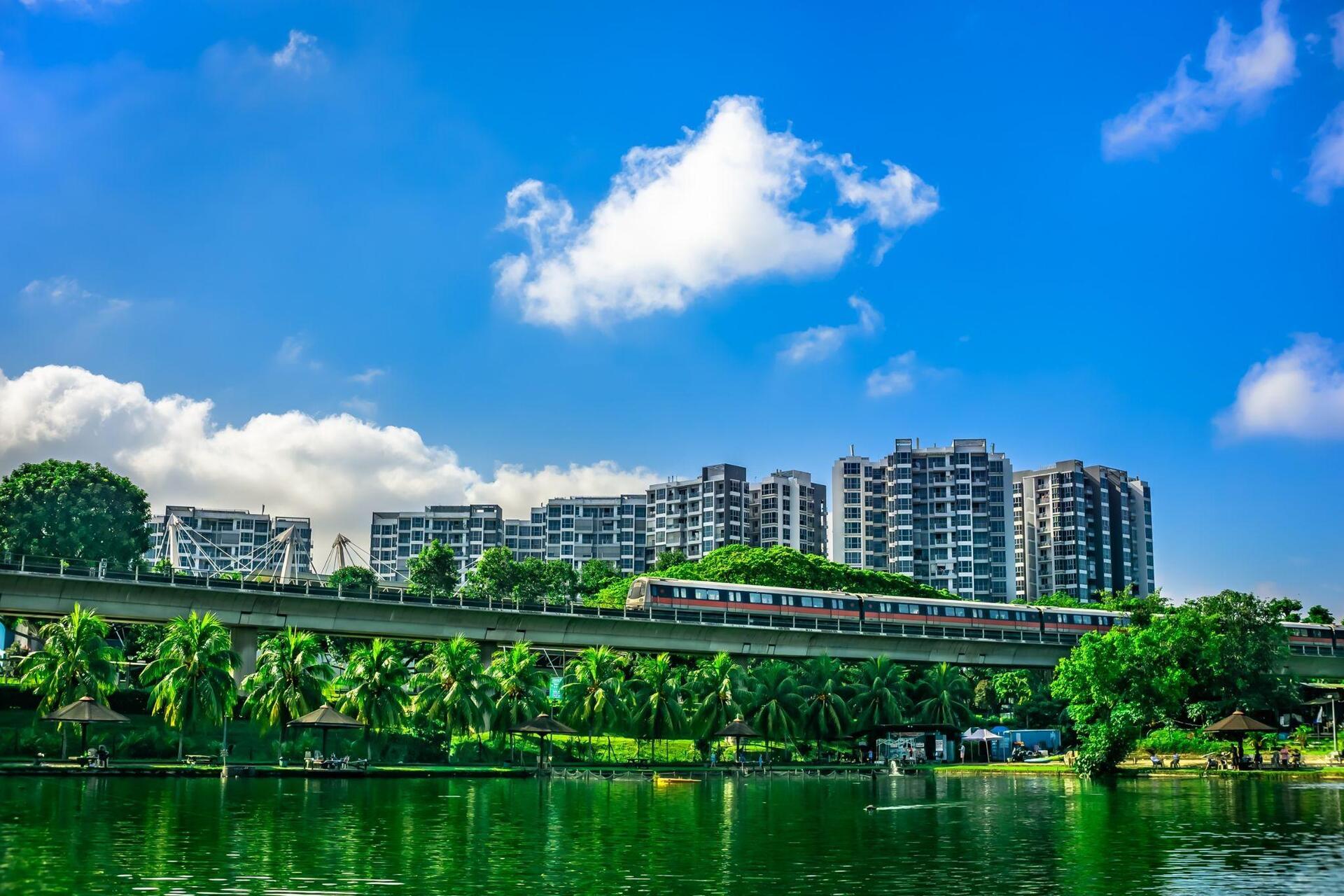
3 – Lagos-Singapore
Starting from Lagos in southern Portugal and crossing Europe and Asia all the way to Singapore, this rail route covers around 18,755 kilometers, passing through 13 countries.
In about 21 days of travel, it’s possible to experience a journey linking cities like Lisbon, Moscow, Beijing, and Bangkok. A true around-the-world rail adventure that turns distance into a continuous, sustainable bridge connecting cultures, landscapes, and stories.
4 – The Trans-Siberian Railway
The Trans-Siberian Railway stretches approximately 9,289 km, connecting Russia’s capital, Moscow, to the Far East in Vladivostok, crossing the entire country and eight time zones.
Along the journey on this Russian train, travelers pass through Siberian forests, mountains, vast plains, and the Lake Baikal region, experiencing ever-changing landscapes in a journey that blends nature, history, and culture.
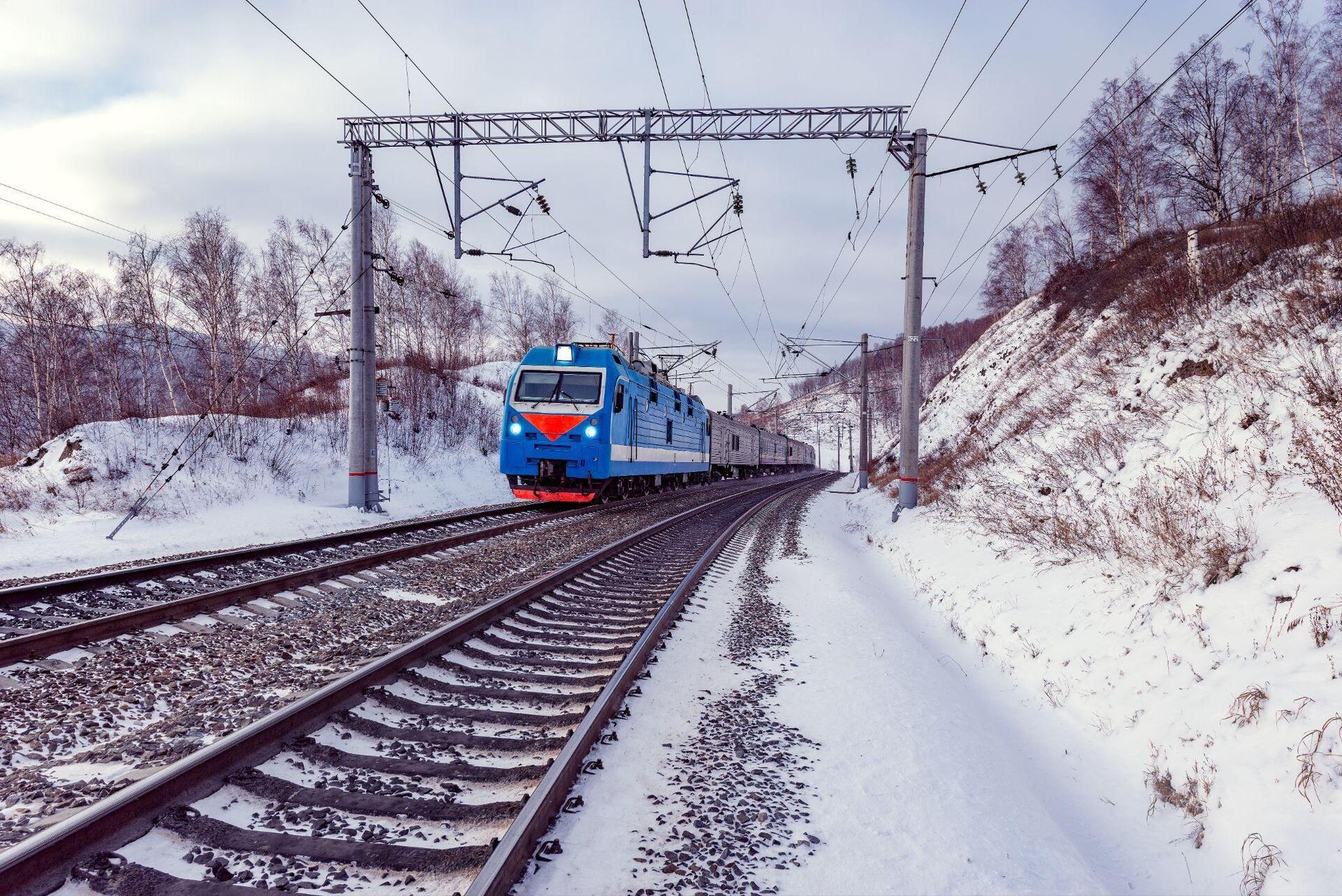
5 – The Trans-Mongolian Railway
The Trans-Mongolian Railway is much more than just a rail route. It connects Russia, Mongolia, and China, passing through Siberian forests, the vast Mongolian steppes, and the striking Gobi Desert, all the way to Beijing.
It’s a rail line that brings together three distinct civilizations, cultures, and untouched landscapes, offering a unique rail adventure and discovery experience.