


European cities are undergoing a quiet but profound transformation: from simple places to live and work, they are becoming intelligent ecosystems where technology, data, and innovation enhance daily life.
In smart cities, urban transport, public services, renewable energy sources, and urban space management are integrated into systems that make cities more efficient, sustainable, and inclusive.
The challenge is clear: to build urban centers capable of meeting climate goals and the evolving needs of citizens, creating advanced development models that can shape the future of Europe.
1 – Copenhagen
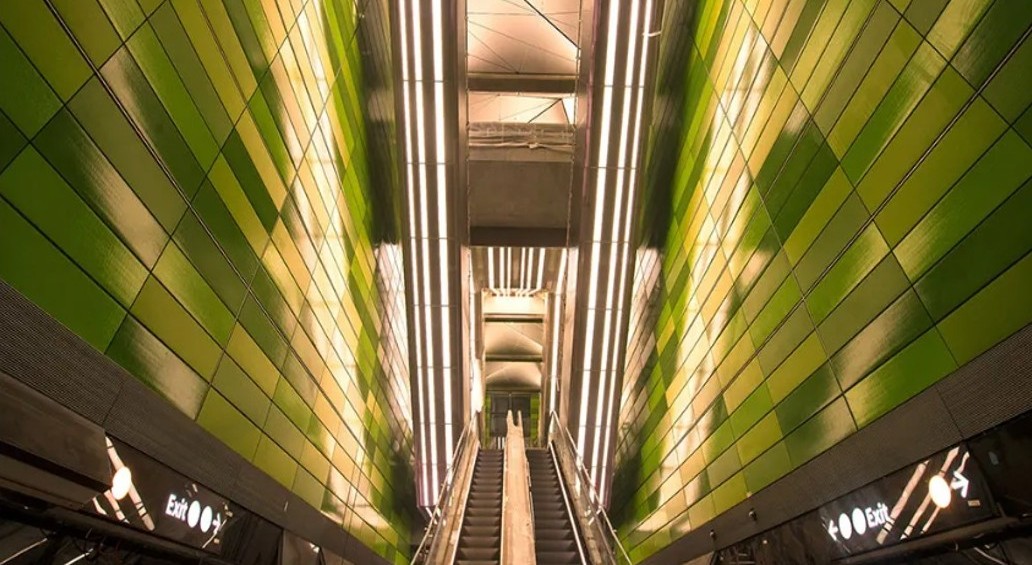
Copenhagen is now one of the most advanced smart cities in Europe, and the Cityringen metro line illustrates this journey well. Built by Webuild, the metro has reshaped the way people move around the city, offering faster, more frequent, and sustainable connections.
With its 17 stations in the urban core, this sustainable transportation project has eased surface traffic and improved everyday quality of life, making it easier to navigate the capital without relying on a car.
A project that underscores Webuild’s commitment to supporting European cities in their evolution toward more efficient and human-centered urban models.
2 – Amsterdam
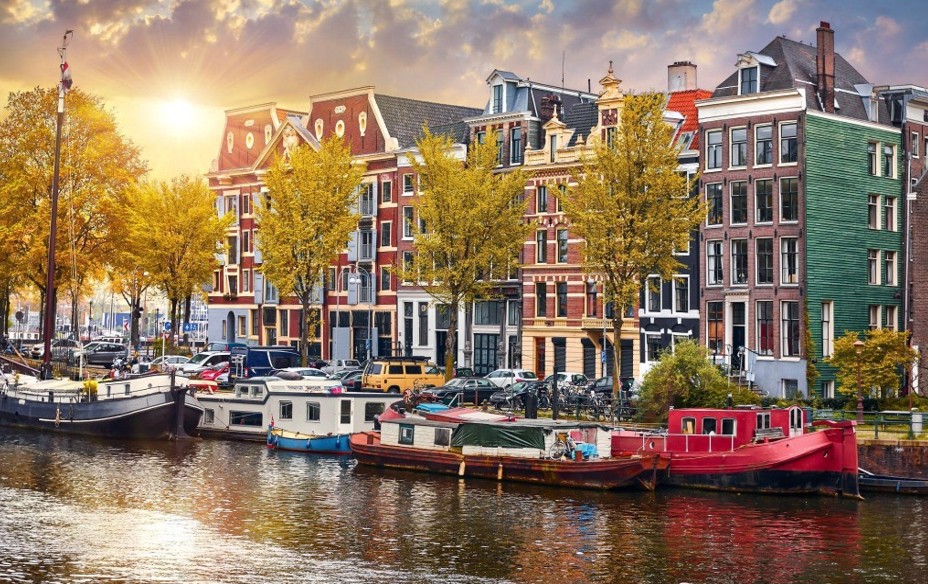
Amsterdam is a European model of a smart city, where sustainable mobility and a circular economy drive urban decisions. With over 850,000 bicycles in the city and the gradual ban of fossil-fuel vehicles, Amsterdam has transformed traffic into an efficient cycle-pedestrian ecosystem.
The public-private partnership of Amsterdam Smart City makes the capital an open urban laboratory for testing digital, sustainable energy, and infrastructure solutions, while the Circular strategy aims to reduce waste and create a fully circular economy by 2050, improving the quality of life for both residents and visitors.
3 – London
London is one of Europe’s most innovative capitals, able to transform disused areas into green, inclusive neighborhoods and invest in cutting-edge digital technologies. With the Smarter London Together strategic plan, the city aims for more efficient services, smart connectivity, data management, and public-private collaboration.
The push toward electric mobility, renewable resources, and city technologies such as AI-based solutions reinforces London’s role as a global hub for startups and innovation, demonstrating how smart city solutions can combine growth, environmental sustainability, and quality of life.

4 – Vienna
Vienna is an example of a smart city where quality of life and urban innovation go hand in hand. Thanks to the agency TINA Vienna, the city has developed intelligent strategies for electric mobility, with 440 charging stations, and aims to cover half of its energy needs with renewable resources.
At the same time, the redevelopment of densely populated neighborhoods transforms existing urban spaces into virtuous models, demonstrating how technology, sustainable practices, and planning can coexist in a more efficient and livable city.

5 – Paris
Paris is focusing on shared mobility and urban innovation to become a leading smart city. With over 20,000 bicycles and 1,800 shared scooters, the city promotes sustainable transport, while the “15-minute city” model brings essential services closer to residents, improving quality of life and urban livability.
This transformation also includes the Grand Paris Express, the largest urban mobility project in Europe, to which Webuild contributes by delivering strategic infrastructure that is reshaping the metropolitan area through new automated lines and faster, more efficient connections.
Smart, connected, and sustainable city programs are making Paris increasingly connected, sustainable, and open, confirming its place among Europe’s most intelligent and innovative cities.