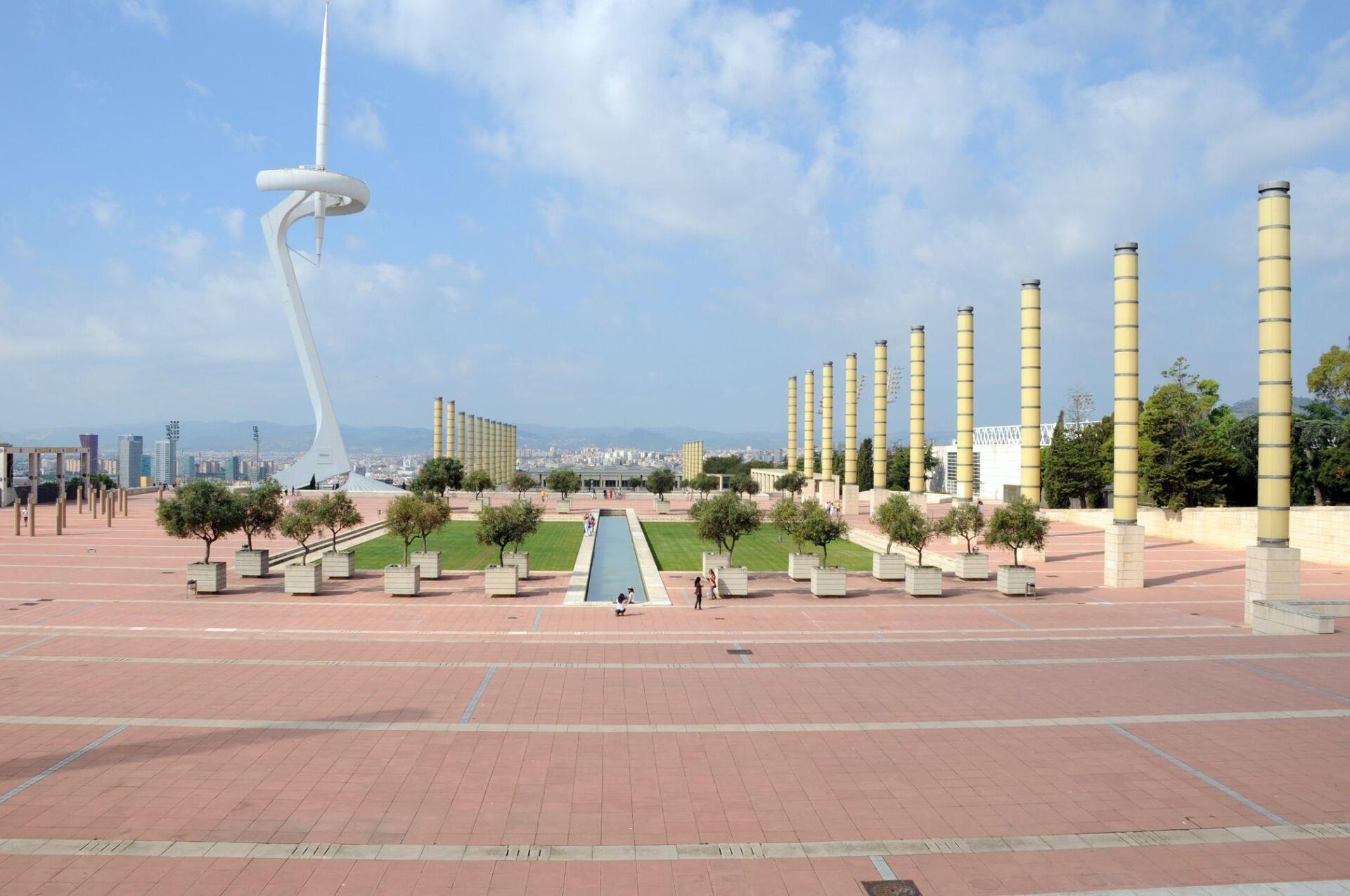


From the Olympics to the FIFA World Cup, major sporting events are more than moments of global competition and spectacle: they often become catalysts for urban renewal and infrastructural transformation.
To host millions of visitors and ensure efficient mobility, host cities invest in new railway lines, airports, stadiums, and public transport systems. Once the spotlight fades, these investments remain as a lasting legacy for citizens and communities.
In this intersection of sport and infrastructure development, construction sites become laboratories of innovation and urban planning, capable of reshaping neighborhoods, improving connectivity, and projecting cities toward the future. What starts as preparation for an international event often becomes a driver of sustainability, identity, and shared progress.
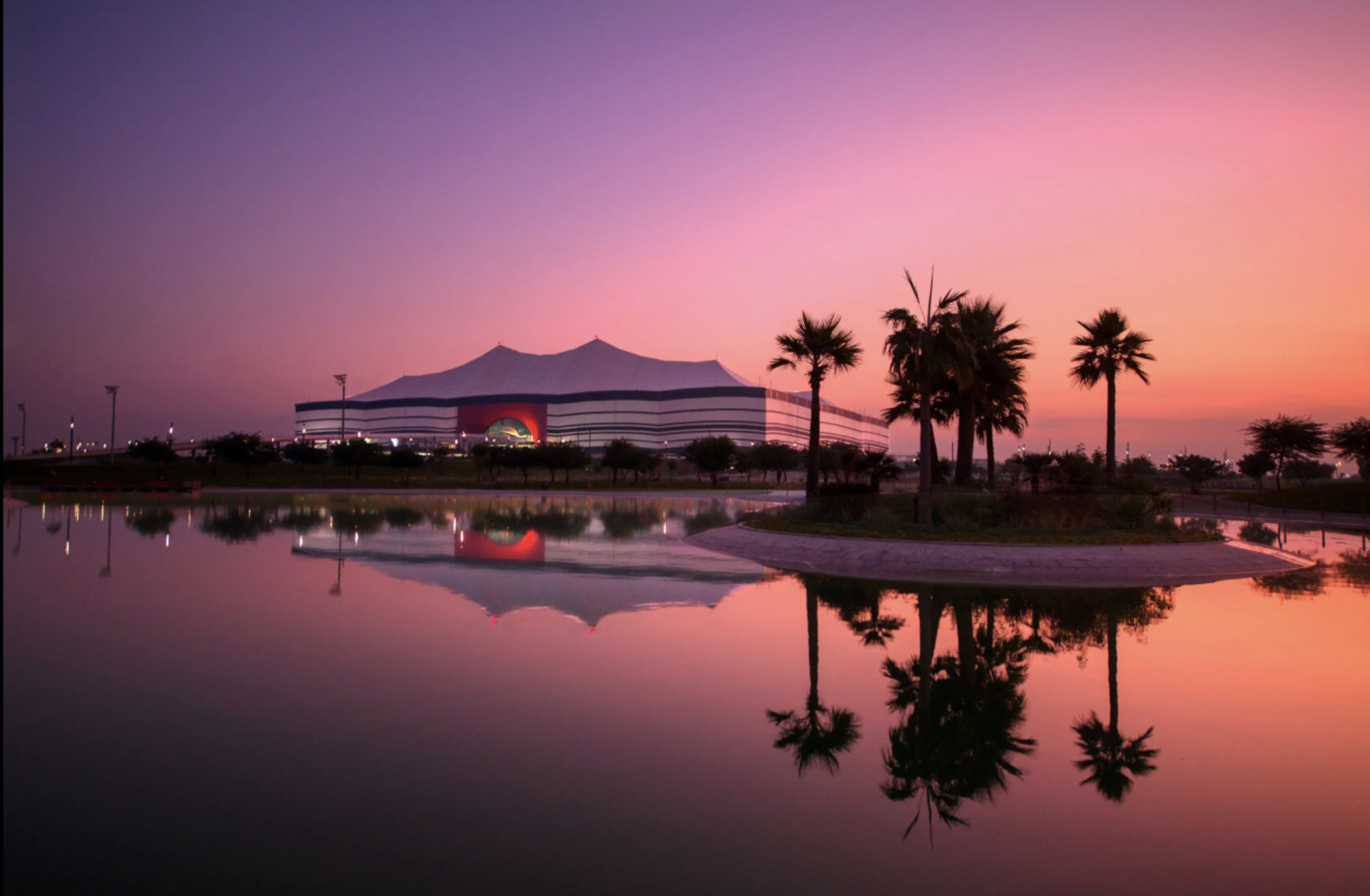
1 – Al Bayt Stadium, Qatar 2022
One of the most striking examples of sports driving iconic infrastructure is Al Bayt Stadium in Qatar, delivered with the support of Webuild for the 2022 FIFA World Cup.
Located about 40 kilometers north of Doha, the stadium hosts around 60,000 spectators and features a unique design inspired by the traditional Bedouin tent, a symbol of local hospitality and culture.
More than just a sports venue, this infrastructure project was conceived as a broader sports and community complex, combining advanced civil engineering solutions with environmental sustainability and cultural identity. The stadium integrates efficient energy systems and innovative construction techniques, allowing year-round events despite the region’s extreme climate.
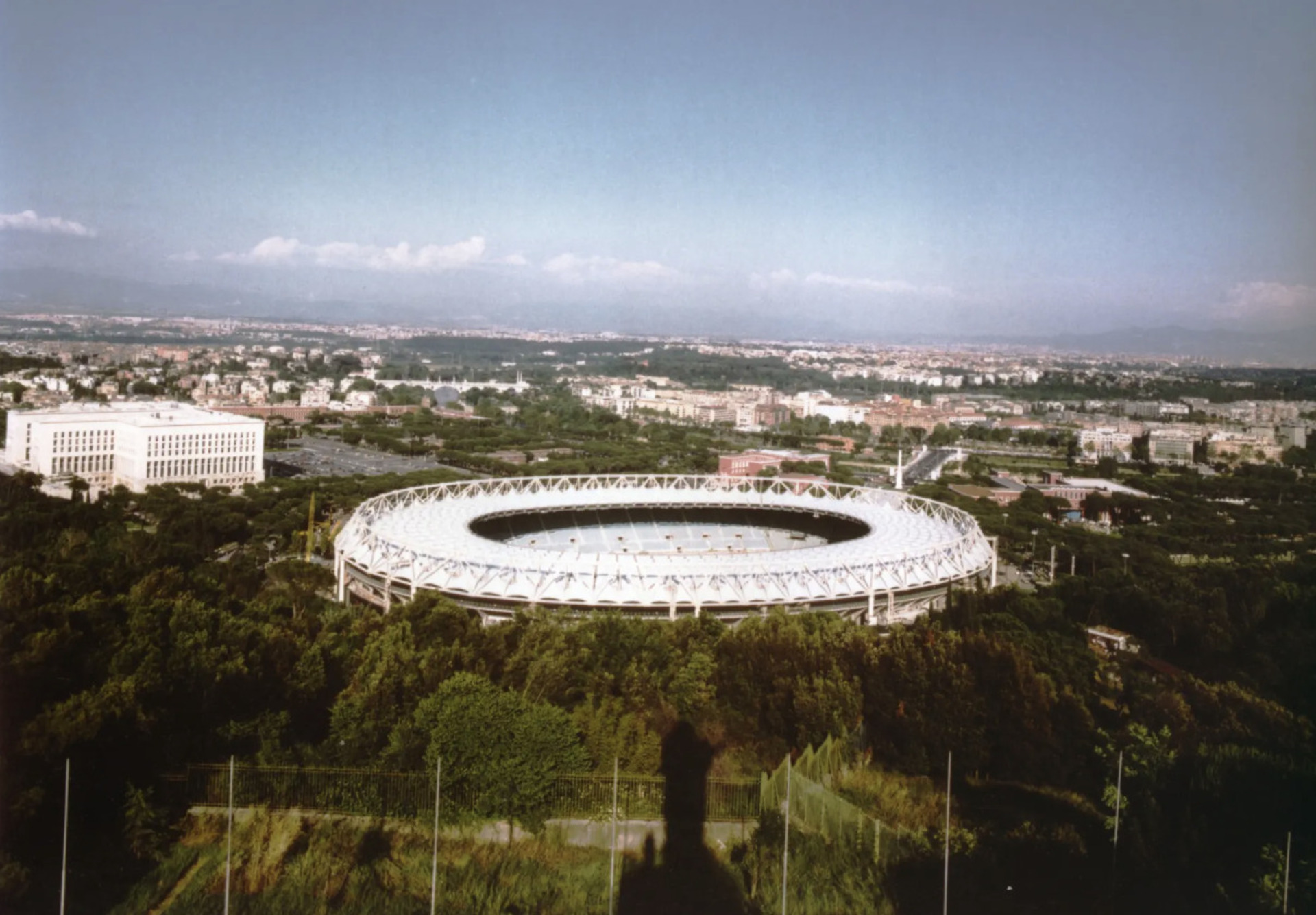
2 – Stadio Olimpico, Rome 1990
Rome’s Stadio Olimpico is a landmark example of a sports venue regenerated for a major international event. Ahead of Italia ’90, and with the contribution of a company now part of Webuild, the stadium underwent a significant renovation, making it one of the few European venues to host a soccer World Cup final.
The upgrades went beyond the sports facility itself, improving the fan experience, accessibility, and integration with the urban fabric through technological modernization, structural enhancements, and the enhancement of outdoor spaces, strengthening the Olimpico’s role as both a sports and cultural hub.
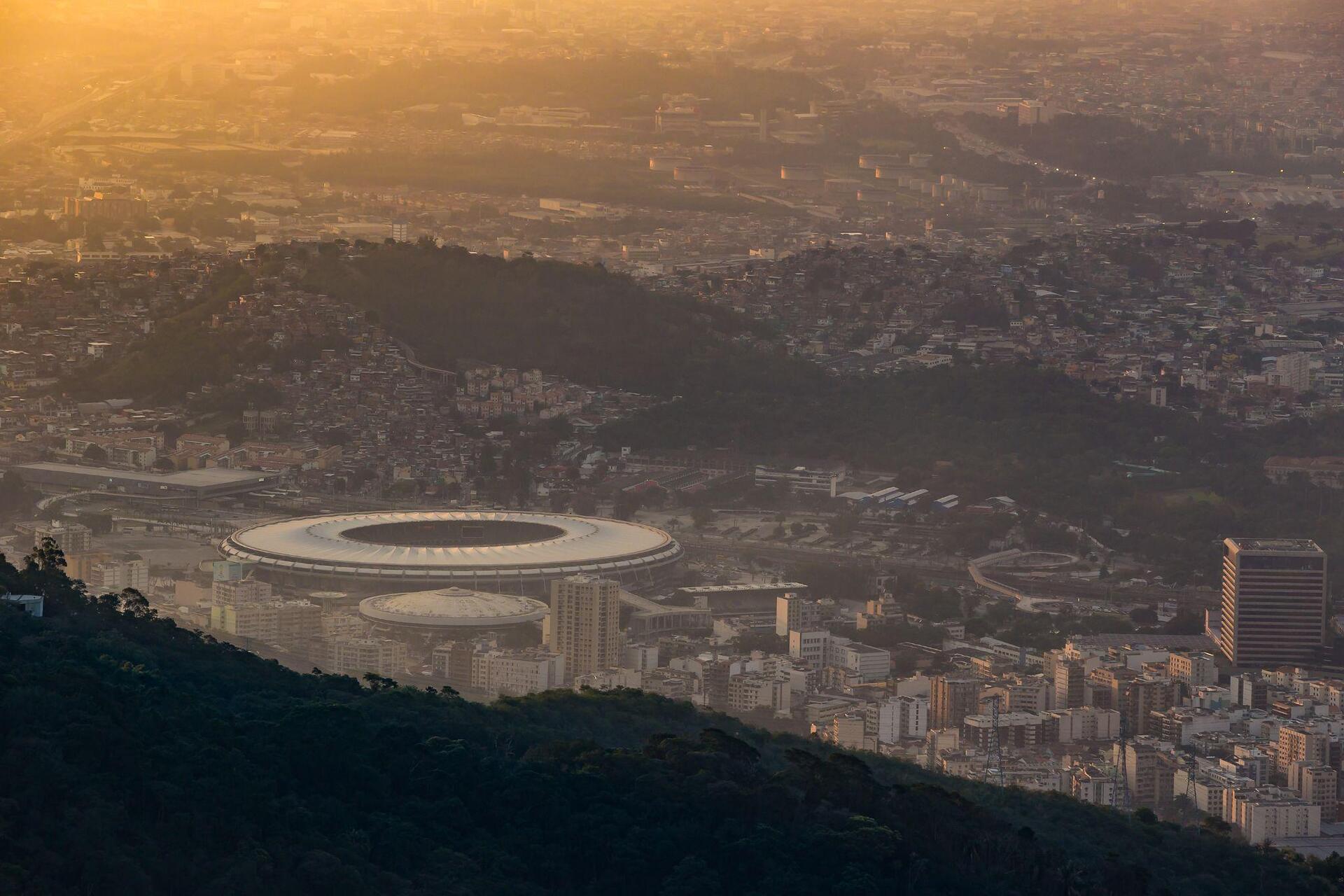
3 – Rio de Janeiro, 2014 World Cup – 2016 Olympic Games
To host the 2014 FIFA World Cup and the 2016 Olympics, Rio de Janeiro implemented major infrastructure projects, including the expansion of the metro toward Barra da Tijuca and new Bus Rapid Transit (BRT) lines, improving public transport and connecting key sports venues.
Simultaneously, areas such as Porto Maravilha were redeveloped with public spaces, cultural facilities, and new urban connections. These urban renewal projects demonstrate how major sporting events can stimulate urban and infrastructure development, leaving a lasting legacy for the city.
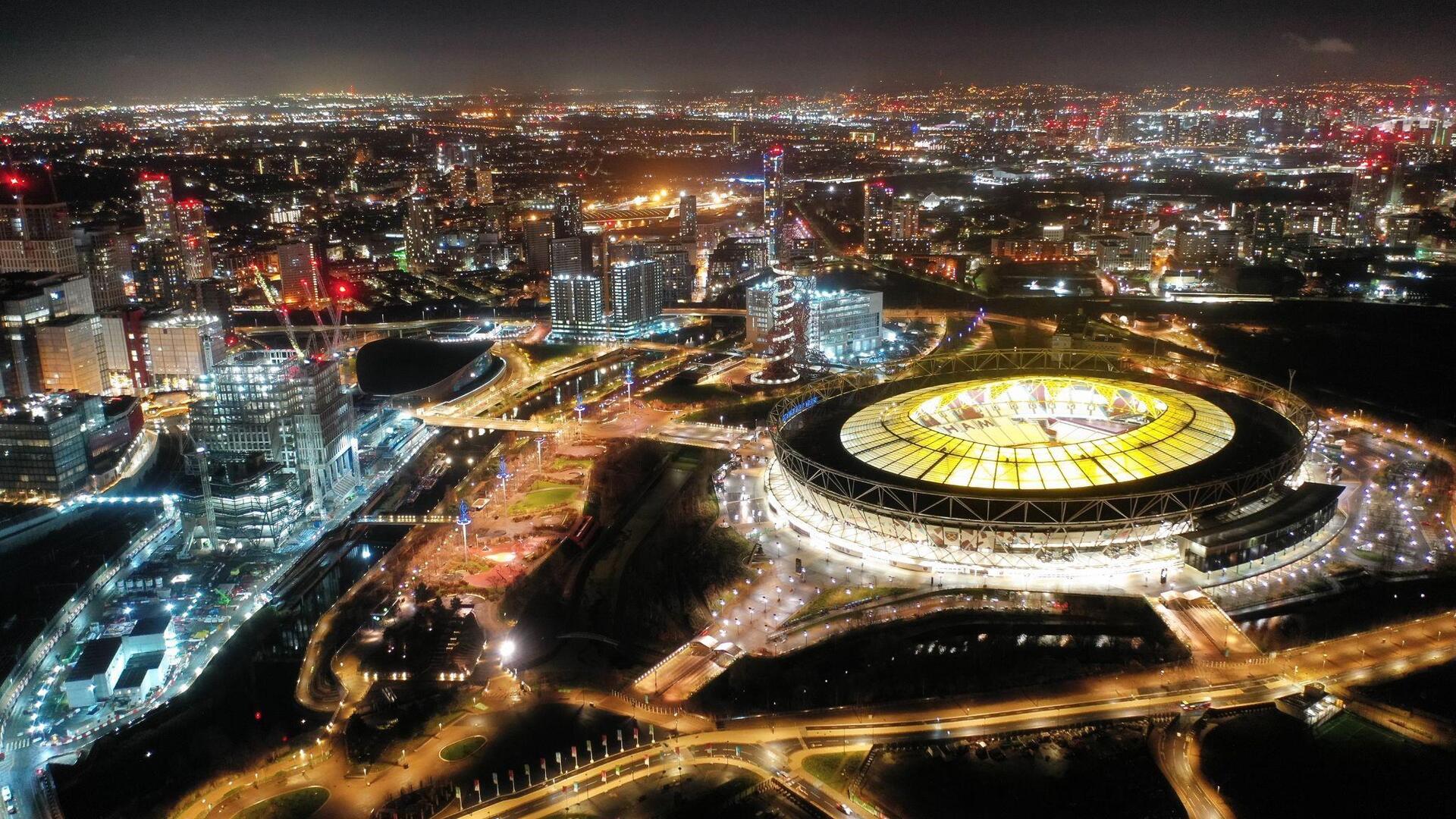
4 – Queen Elizabeth Olympic Park, London 2012
The Queen Elizabeth Olympic Park is one of the most notable examples of how a major sporting event can transform an entire urban area. Built for the London 2012 Olympics, the park and its facilities regenerated the former industrial area of Stratford, creating a new sustainable, multifunctional heart in East London.
Beyond the Olympic venues, the infrastructure project integrated public spaces, pedestrian paths, residential areas, and an extensive urban park, promoting social revitalization and new connections between previously isolated neighborhoods.
After the Olympic Games, the park has become a year-round hub for sports, culture, and recreation.
5 – Barcelona, 1992 Olympics
The 1992 Barcelona Olympics were a true catalyst for urban renewal. The city revitalized entire neighborhoods, expanded its public transport network, and created new residential and recreational areas along the coast.
The Olympic Village and related infrastructure projects improved transportation and opened connections between previously less accessible areas.
Today, Barcelona is considered a model of how major sporting events can leave a tangible legacy, supporting the city’s development, urban renewal, and public enjoyment of the city.