

Sustainability is not only about the way we consume resources, but also about the way we build the future. Increasingly, infrastructure is driving this transformation: projects designed to reduce environmental impact, improve energy efficiency, integrate nature with technology, and respond to the evolving needs of cities and regions.
From public transport networks to water systems, from smart buildings to clean energy plants, major sustainable infrastructure projects show how growth and environmental protection can move forward together, reshaping the relationship between economic progress and responsibility toward the planet.
1 – Sydney Metro Northwest
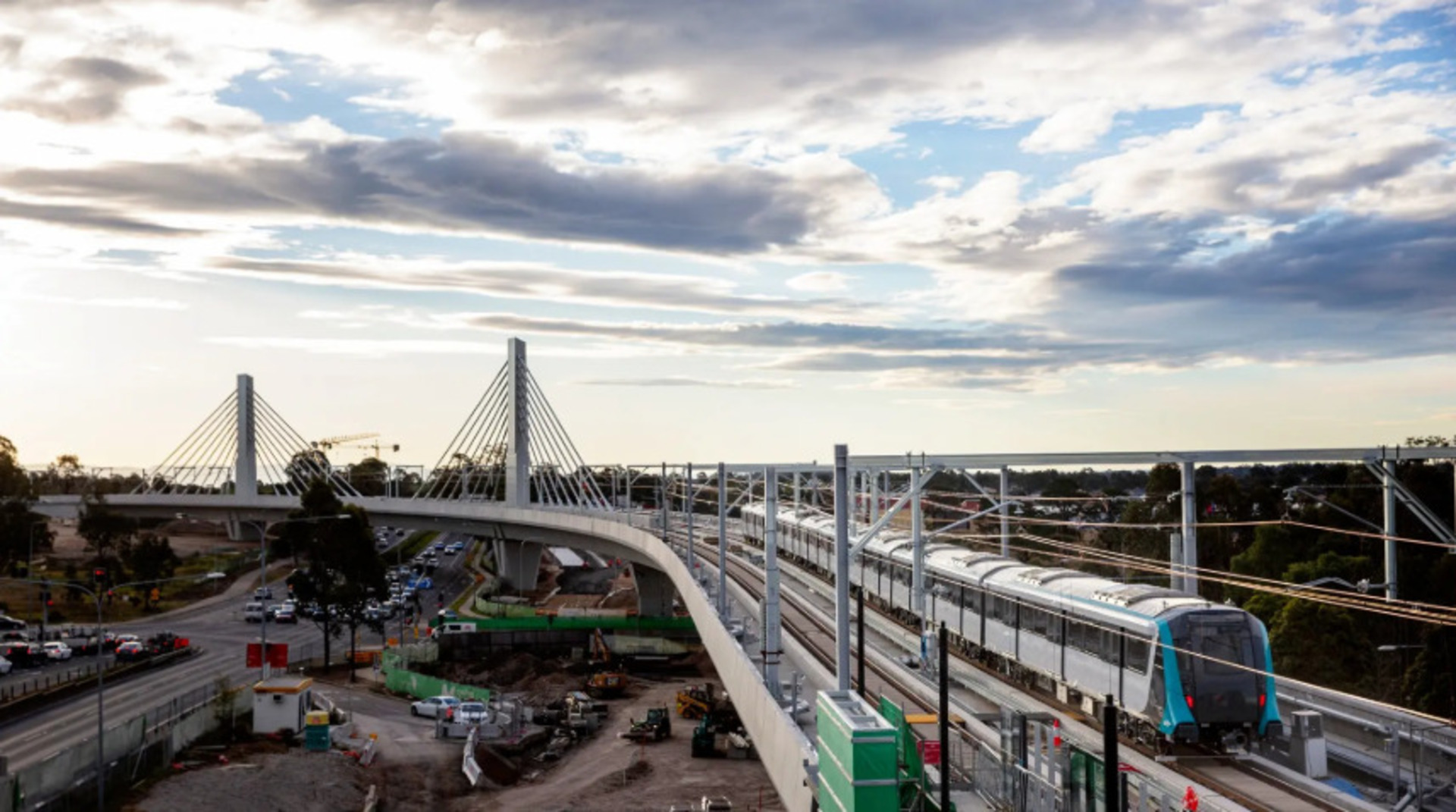
Sydney Metro Northwest is one of the most advanced public transport projects ever delivered in Australia, designed to support the growth of Sydney’s northwestern region through a more efficient and sustainable urban mobility model.
The fully automated metro line connects Chatswood to Cudgegong Road through eight stations and elevated infrastructure carefully integrated into the surrounding urban and suburban landscape.
Built by the Webuild Group, Sydney Metro Northwest introduces engineering solutions aimed at reducing road congestion and emissions linked to private vehicle use, promoting a high-capacity public transport system with a lower environmental impact while eliminating thousands of car journeys every day.
2 – Shanghai Metro
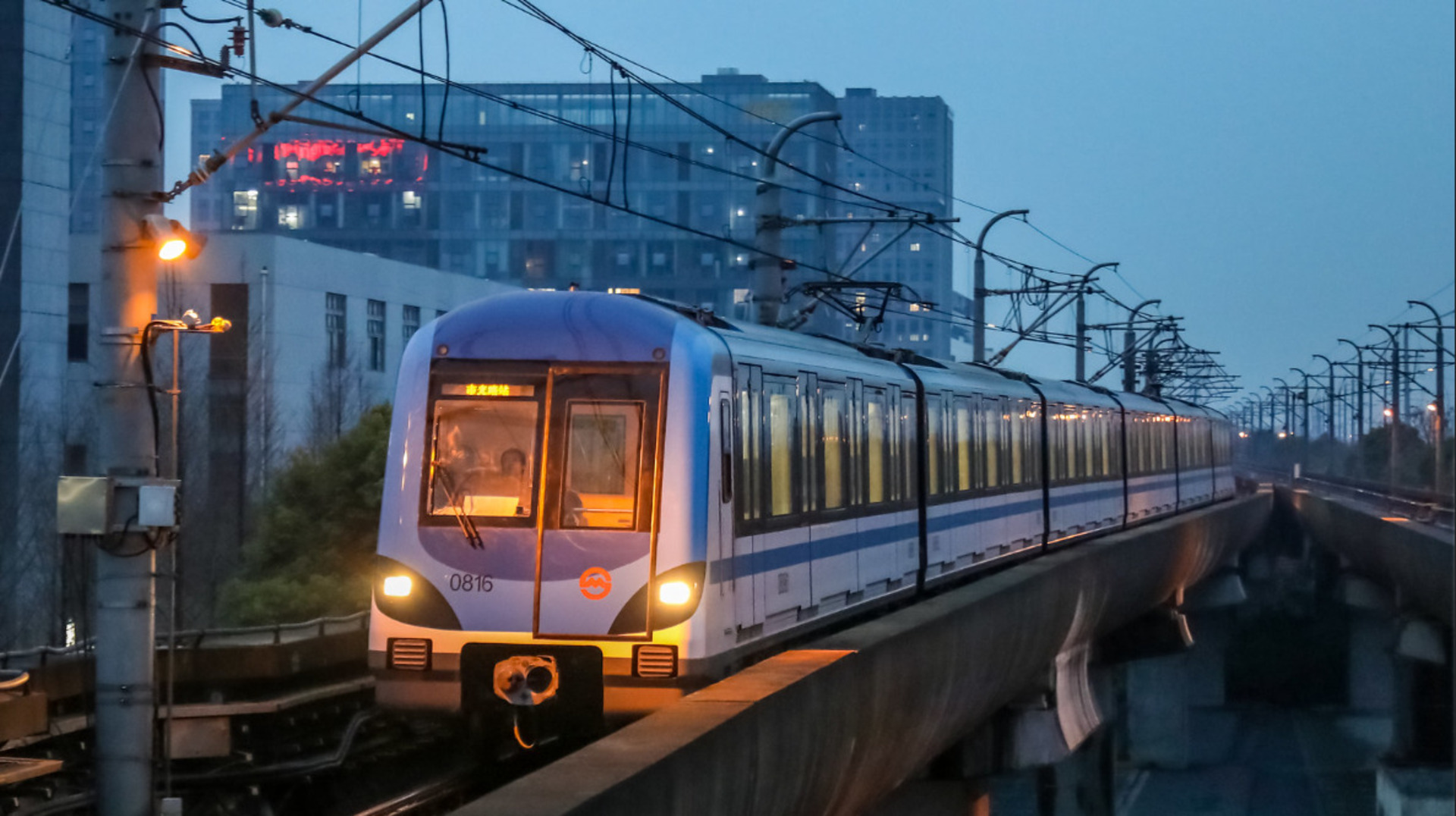
The Shanghai Metro is one of the most advanced examples of urban mobility infrastructure on a global scale, developed to support continuous metropolitan growth and reduce surface traffic pressure.
Opened in 1993 and now extending for more than 800 kilometers with hundreds of stations, it is one of the most heavily used transport systems in the world, carrying millions of passengers each day.
Beyond its key role in connecting districts, industrial areas, and emerging urban hubs, the Shanghai Metro makes a significant contribution to the city’s environmental sustainability by reducing reliance on private transport and lowering CO₂ emissions associated with road mobility, while promoting a more efficient and lower-energy urban development model.
3 – Hornsea Wind Farm
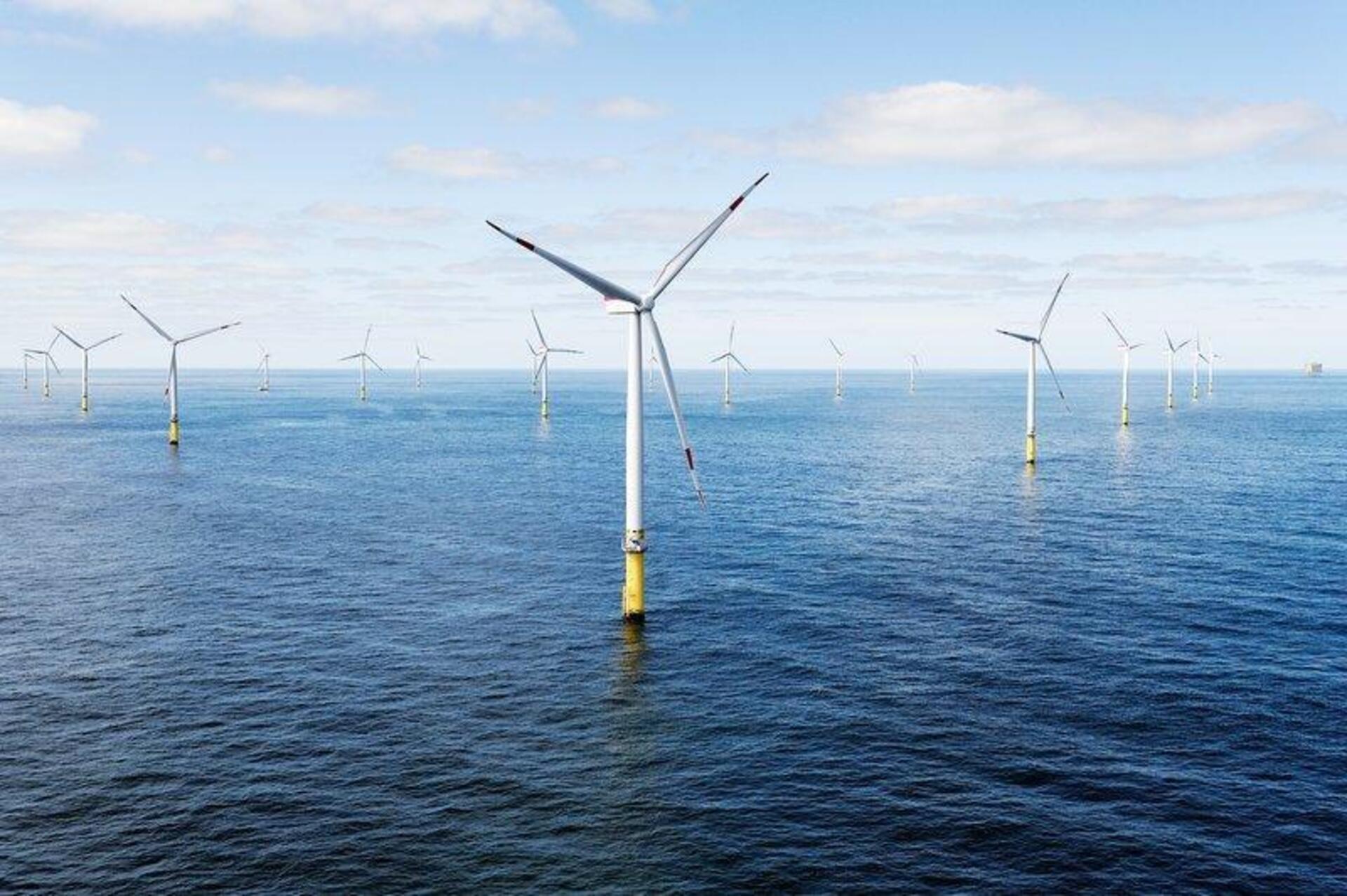
Hornsea Wind Farm, located in the North Sea off the coast of the United Kingdom, is one of the largest offshore wind complexes in the world and a cornerstone of Britain’s energy transition.
Developed in multiple phases, the project includes Hornsea 1 and Hornsea 2, the latter becoming fully operational in 2022 with an installed capacity of around 1.3 GW and 165 turbines.
Spanning hundreds of square kilometers of sea, the facility’s wind turbines can generate enough electricity to power more than 1.4 million homes, making a substantial contribution to the country’s renewable energy production.
Hornsea 2 is currently regarded as one of the largest operational offshore wind farms in the world by installed capacity.
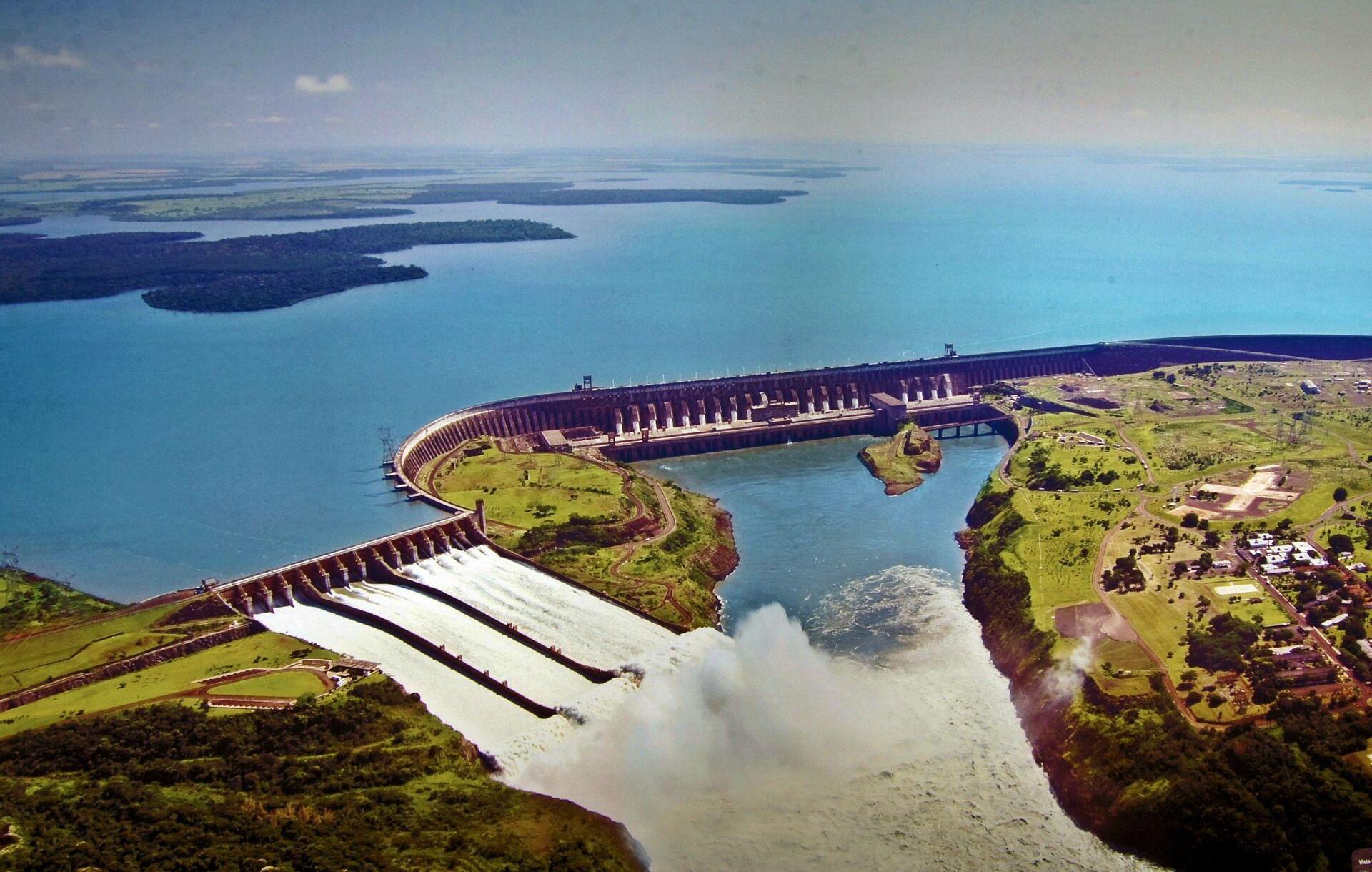
4 – Itaipu Dam
The Itaipu Dam, on the border between Brazil and Paraguay, is one of the most significant examples of how infrastructure can become a pillar of energy sustainability on both a national and regional scale.
Built on the Paraná River and among the world’s largest hydroelectric plants in terms of annual generation, the facility relies on hydropower for a major share of both countries’ electricity production, reducing dependence on fossil fuels.
With an installed capacity of 14 GW and annual water power generation that has exceeded 90 TWh in some years, the Itaipu dam demonstrates how large-scale hydroelectric plants can play a decisive role in the decarbonization of energy systems.
5 – New Eni Headquarters
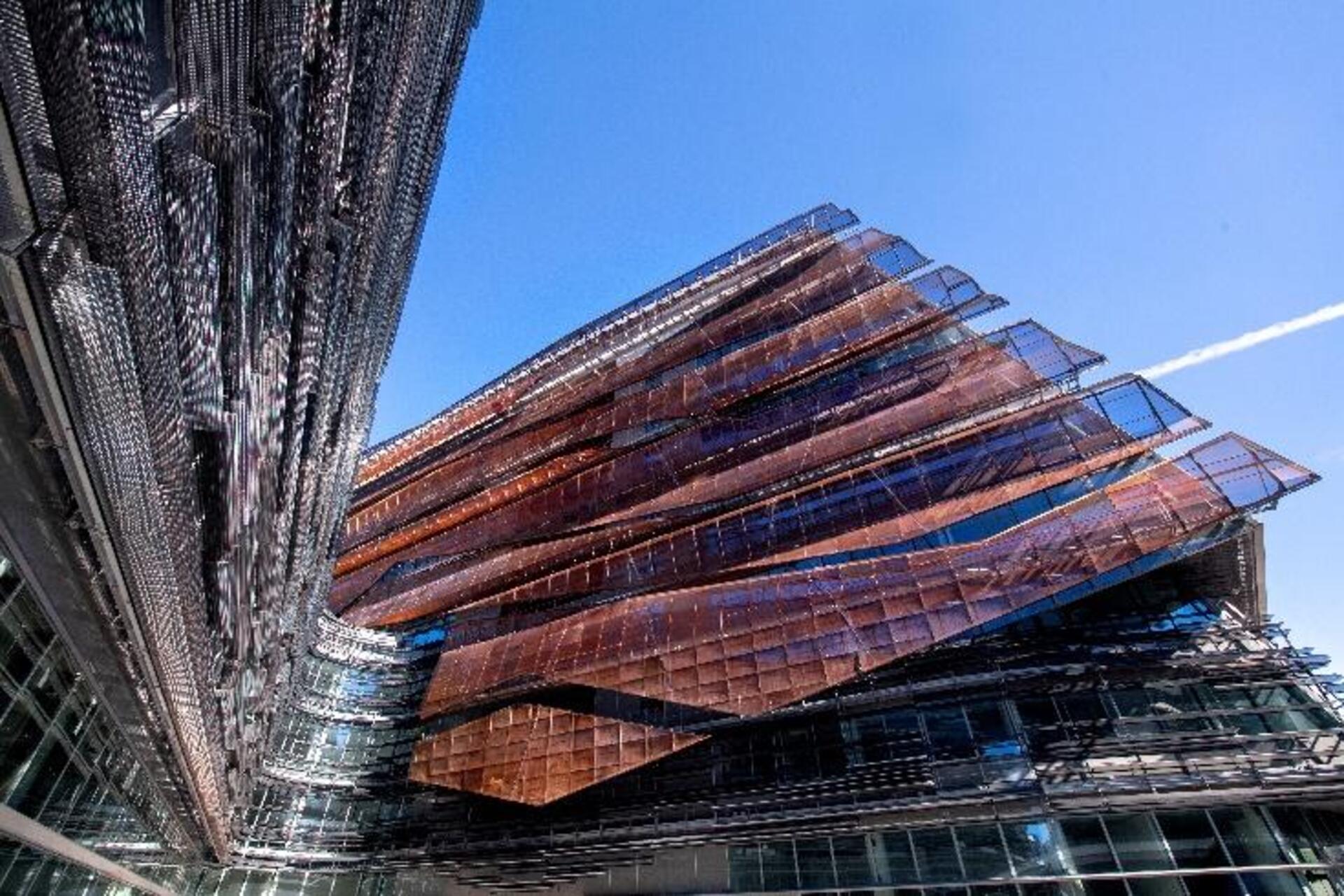
The New Eni Headquarters in Milan is a striking example of sustainable construction and architectural innovation, where technology, design, and nature come together to reduce environmental impact.
The complex, made up of three interconnected towers surrounded by an extensive network of green spaces, was built by the Webuild Group according to high energy-efficiency standards and achieved LEED Gold certification.
The integration of green buildings, rooftop gardens, and a central square enriched with natural elements enhances both human wellbeing and the quality of the urban environment. The use of renewable energy sources, advanced efficiency solutions, and innovative water management systems highlights the role of major infrastructure in the ecological transition, combining progress with sustainability.