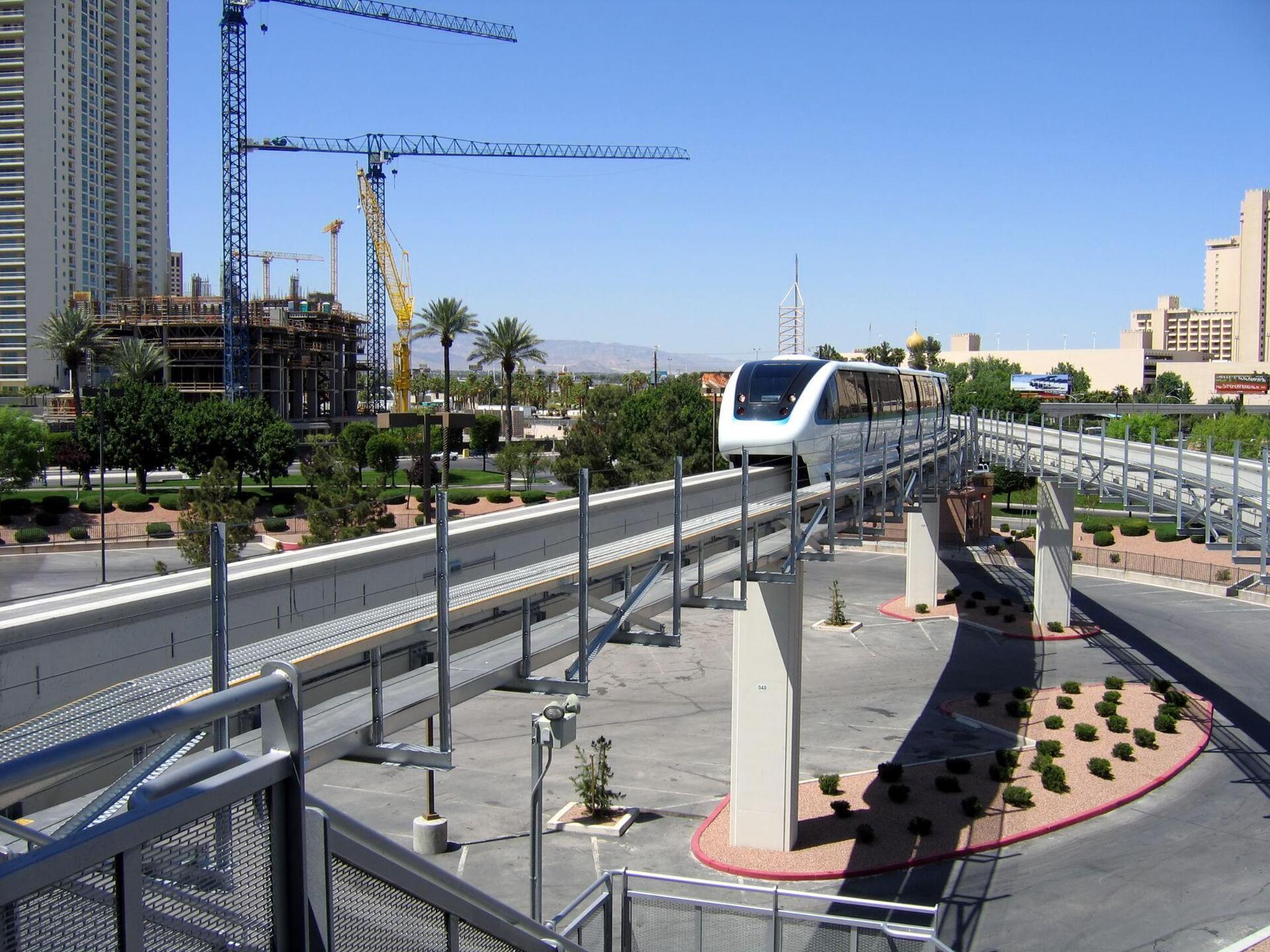


An airport can become a tourist attraction, a metro station an architectural landmark, and a monorail offer a unique view of a city. After all, a journey doesn’t begin only when you reach your destination: sometimes, it’s the infrastructure itself that makes it special.
Around the world, we find structures originally built to connect places and make travel easier that have gradually become an integral part of tourism, turning into landmarks for visitors exploring these destinations.
1 – Forrestfield-Airport Link, Perth, Australia
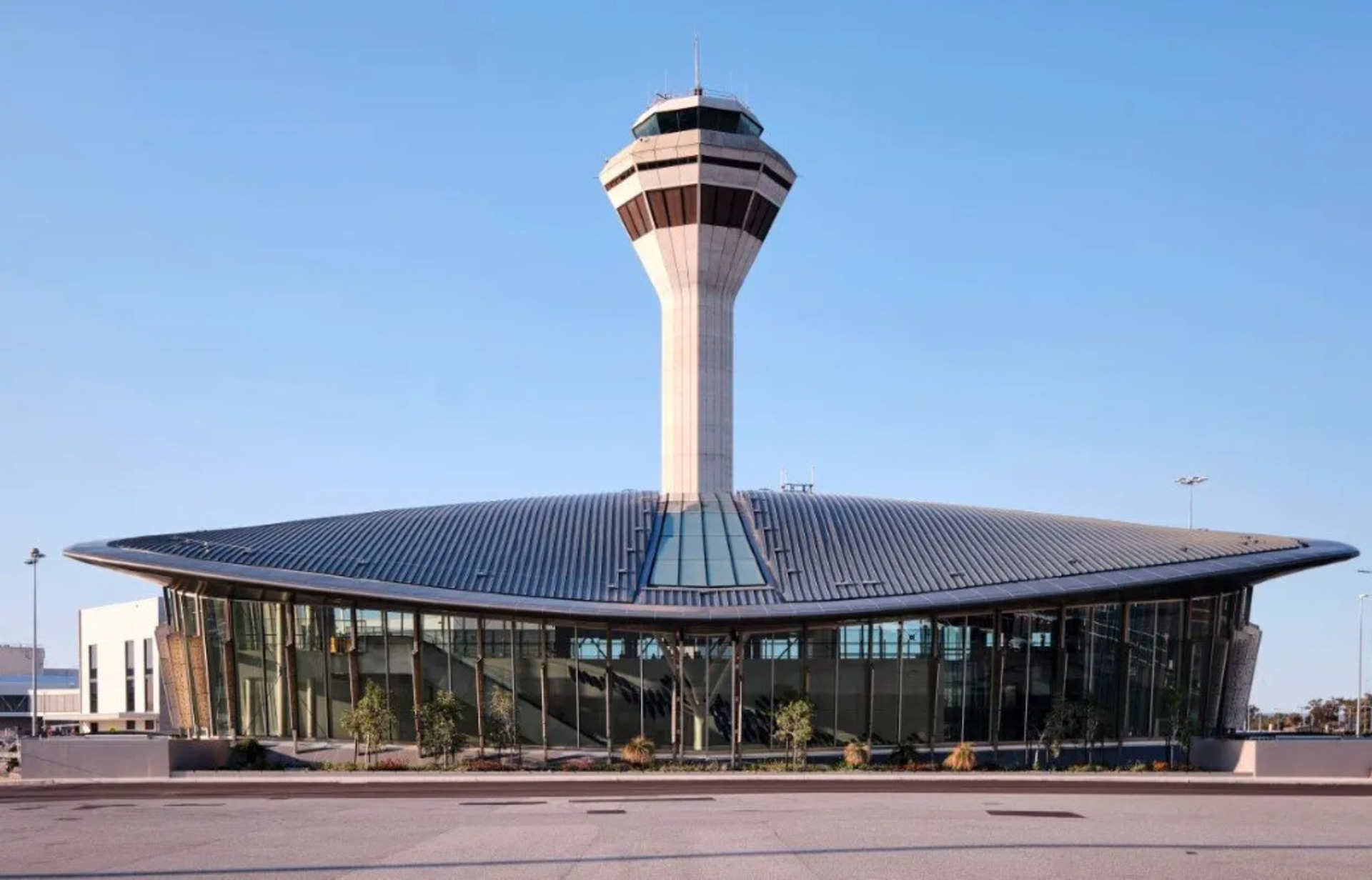
In Perth, Australia, the journey to the airport can also be an opportunity to discover a new way of getting around the city. The Forrestfield-Airport Link is an 8.5-kilometre underground light rail line connecting the city’s eastern suburbs to the suburban rail network and the international airport.
Completed by Webuild, which led the consortium with an 80% stake, the Forrestfield-Airport Link includes three stations and two tunnels excavated using specially designed TBMs. The new connection has more than halved travel times to the city centre, cutting the travel time from 45 to 20 minutes, and can carry up to 20,000 passengers a day.
A public transport infrastructure project that makes travelling easier and, thanks to its capacity, is expected to take around 15,000 vehicles off the roads every day.
2 – Capodichino Metro Station, Naples, Italy
For those arriving by plane, the journey from Naples Airport into the city will soon have a brand-new gateway.
The Capodichino station on Metro Line 1 will connect the airport directly to the public transport network, providing links to the port and the railway network, including high-speed rail services.
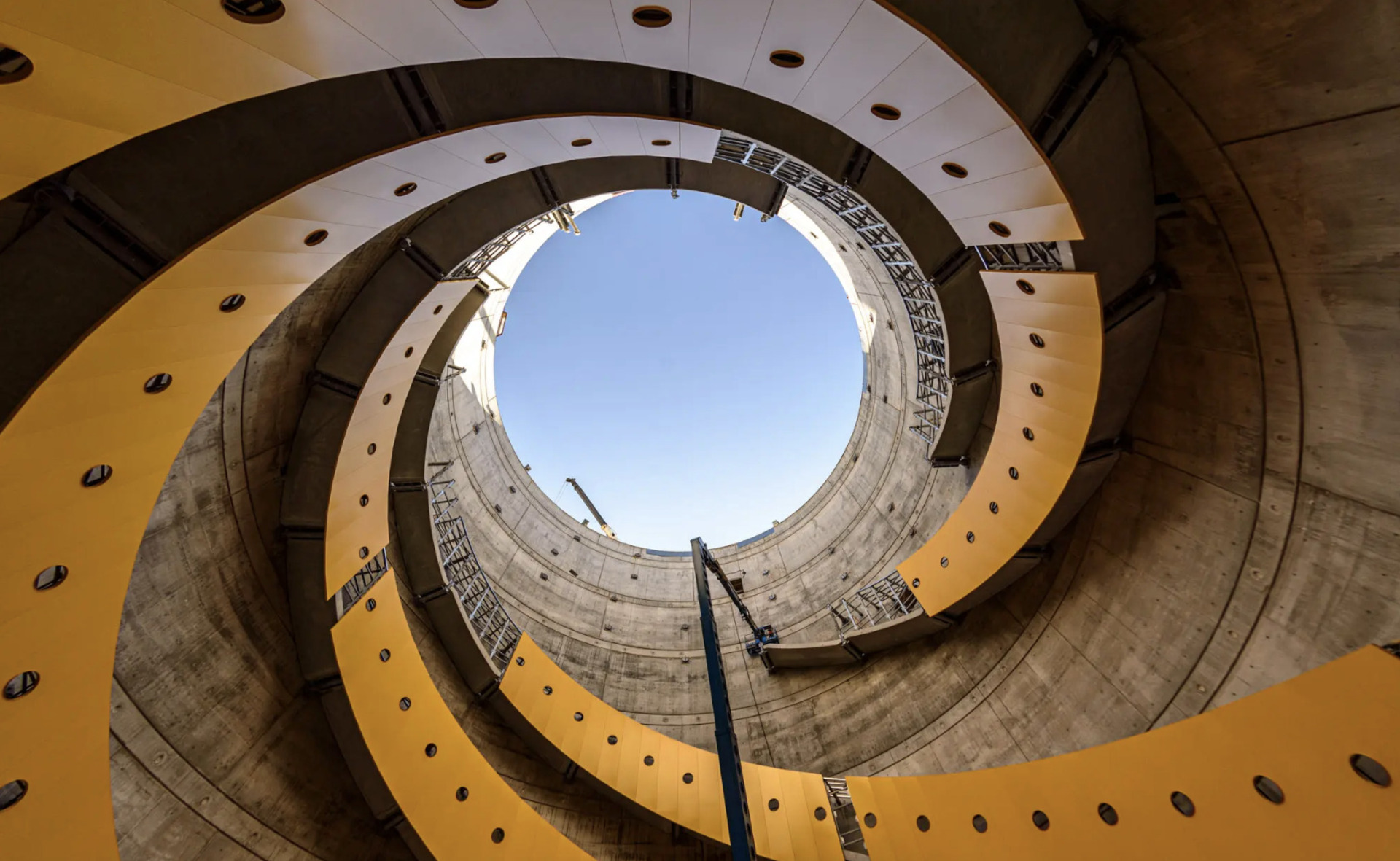
But it will also be a destination for tourism in its own right. Designed by London-based architecture firm RSHP, the metro station will feature a circular structure extending around 50 metres underground, with eight central lifts and four spiral staircases rising along its walls. Natural light will enter through a large steel-and-glass roof, creating striking plays of light throughout the interior.
Built by a consortium led by Webuild, the metro station is set to become a new gateway to Naples: once completed, it will allow passengers to reach the city centre in around nine minutes.
3 – Jewel Changi Airport, Singapore
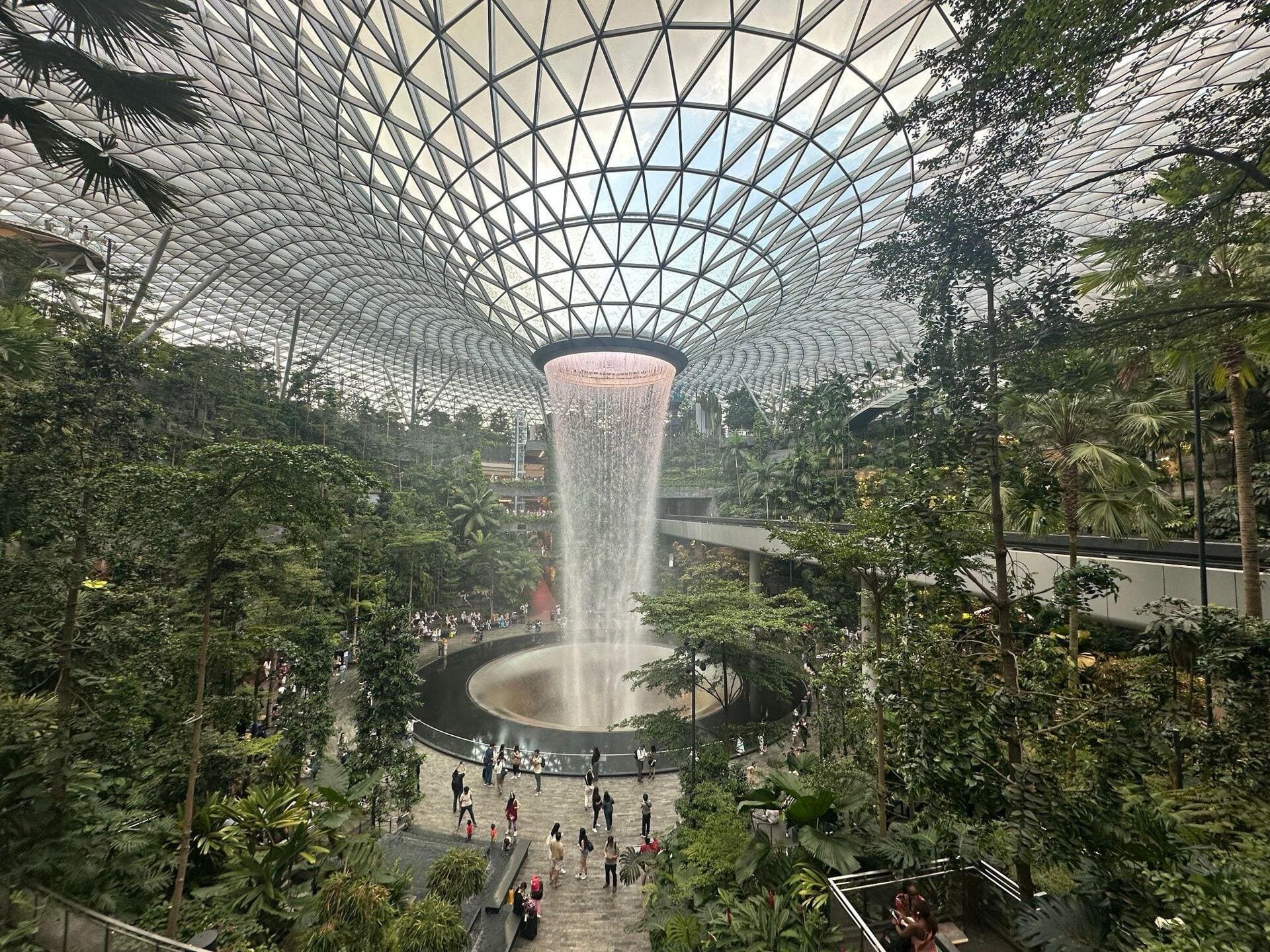
You can arrive at Singapore’s airport a few hours before your flight and turn the wait into an experience of tourism. This is made possible by Jewel Changi Airport, a complex opened in 2019 and connected to Terminals 1, 2 and 3.
Located in one of the best airports in the world, the Jewel brings together shops, restaurants, a hotel and numerous attractions under a huge glass-and-steel dome.
Its most spectacular feature is the Rain Vortex: a 40-metre-high indoor waterfall, the tallest of its kind in the world, cascading from the roof into a large pool on the lower level. Surrounding it is the Forest Valley, a terraced garden filled with thousands of trees and plants.
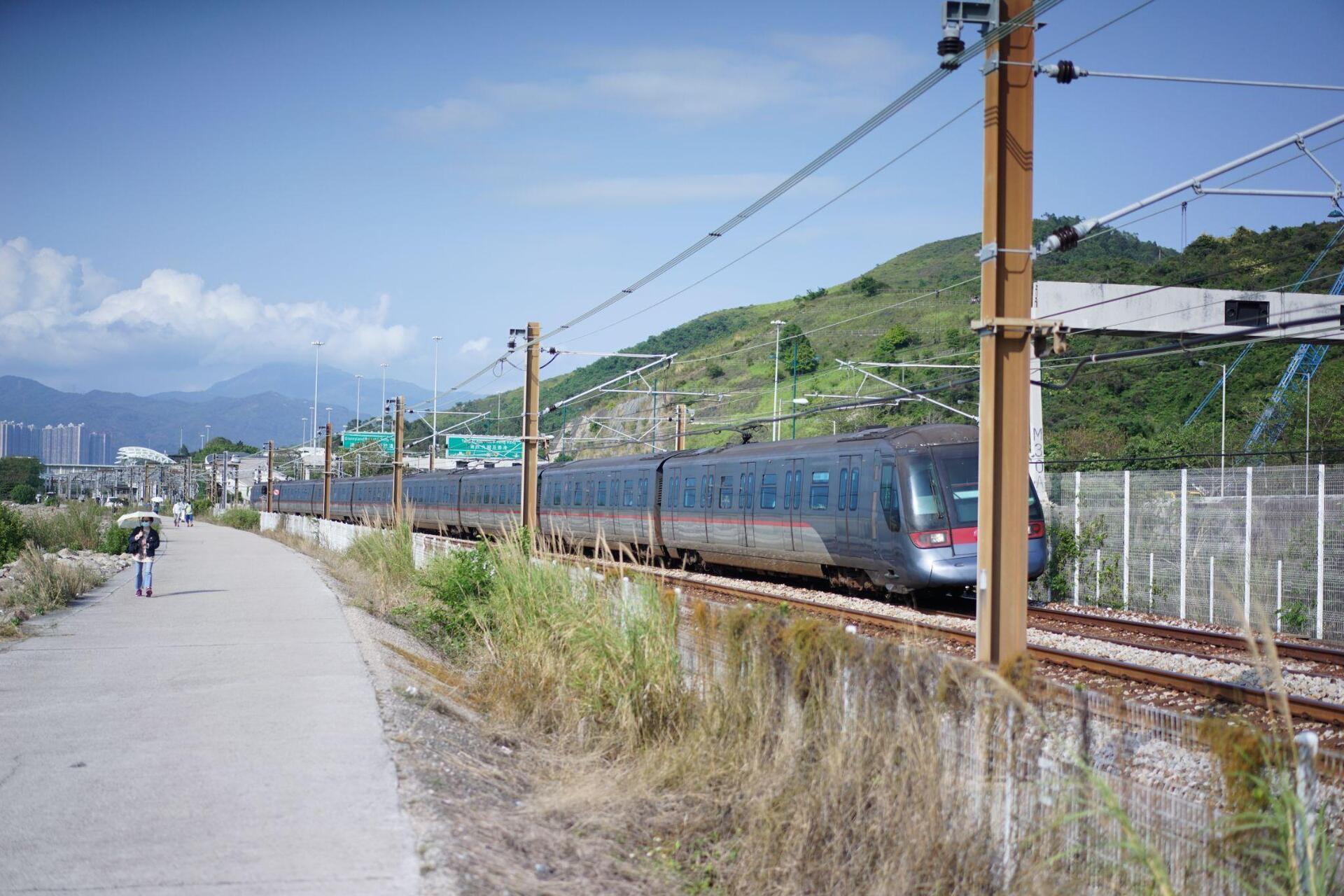
4 – Hong Kong Airport Express, China
In Hong Kong, the journey into the city centre can begin just minutes after stepping off the plane. The Airport Express connects the international airport with the financial heart of Central in just 24 minutes, covering 35.3 kilometres and stopping at five train stations.
But it is more than just a fast connection: the Hong Kong Airport Express is designed to make the entire travel experience easier. At Kowloon and Hong Kong stations, for example, passengers can check in and drop off their luggage before heading to the airport, while the connection to AsiaWorld-Expo provides access in just two minutes to one of the city’s main exhibition and events venues.
5 – Las Begas Monorail, Las Vegas Strip, USA
In Las Vegas, even travelling between hotels can become part of the show. Las Vegas Monorail runs along an elevated track on the eastern side of the Strip, offering a different perspective on the city’s vast resorts and iconic landmarks.
Opened in 2004, the line stretches for approximately 6.4 kilometres and has seven stations, connecting some of the main hotels with the Las Vegas Convention Center. Originally built to make getting around one of the world’s busiest destinations for tourism easier, it has become an alternative to traffic on the Las Vegas Strip and a distinctive feature of the city’s urban landscape.