

Some cities hide an entire world beneath our feet.
While cars move along the streets, pedestrians go about their day and everyday life unfolds above ground, an intricate network of tunnels, vast hydraulic and sewer systems, pedestrian passages and other remarkable infrastructure lies hidden below. Some protect entire cities from flooding, others collect and transport millions of litres of water, while others still make it possible to cross mountains or move around sheltered from the elements.
It is a world of often invisible structures, yet one that is essential to how cities function and to the lives of the people who live in them.
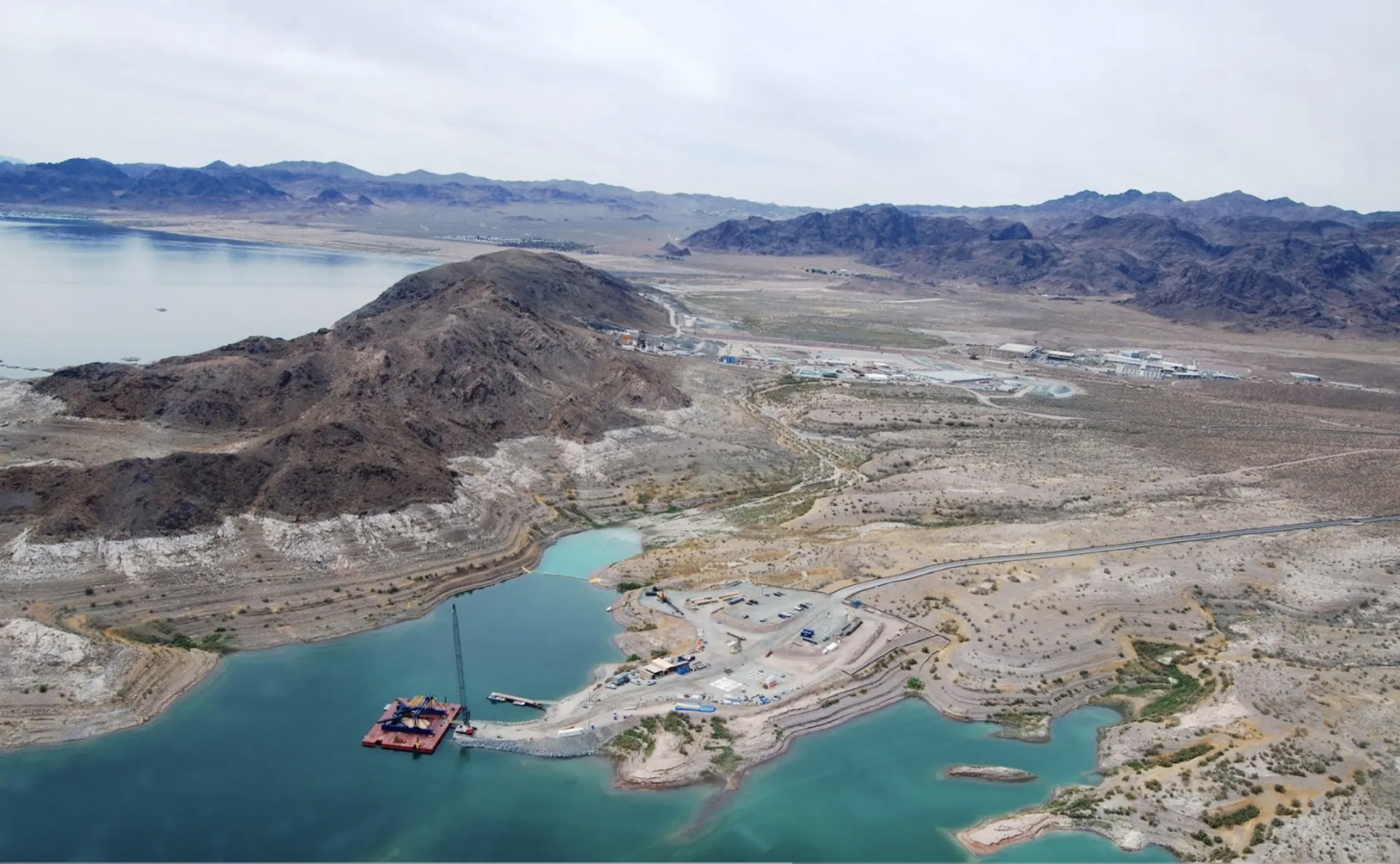
1 – Lake Mead Intake Hydraulic Tunnel, Las Vegas, USA
In Las Vegas, in the heart of the Nevada desert, drinking water is a precious resource, and part of the city’s supply comes from a structure hidden beneath a lake bed.
The Lake Mead Intake Hydraulic Tunnel is an underground tunnel approximately 4.6 kilometres long, built to draw water from the Lake Mead reservoir and carry it to the treatment plants supplying the urban area.
Building it presented Webuild with an unprecedented engineering challenge: excavating at a depth of around 200 metres under extreme pressure conditions, using a Tunnel Boring Machine (TBM) specially designed to operate at up to 15 bar. The tunnel reaches an intake structure located approximately 100 metres below the Lake Mead water level, from where the water is channelled towards the mainland.
2 – Abu Dhabi Deep Sewer Tunnel, UAE
In Abu Dhabi, one of the city’s most important infrastructure systems runs dozens of metres underground, hidden from view.
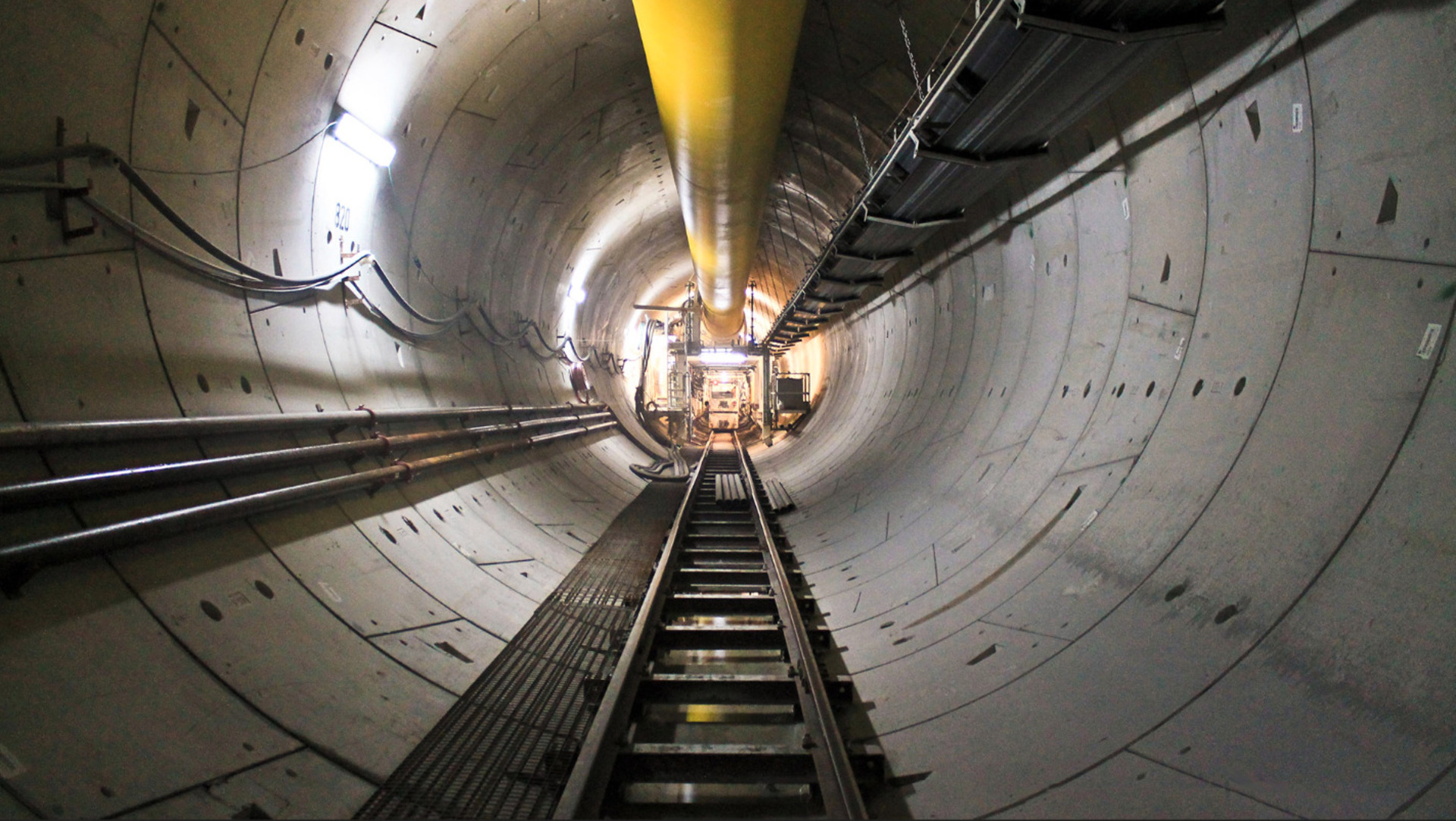
The Strategic Tunnel Enhancement Programme (STEP) is an underground sewer system designed to collect wastewater from both the island and the mainland and convey it, relying solely on gravity, to the Al Wathba wastewater treatment plant.
The programme includes a tunnel approximately 40 kilometres long, of which Webuild constructed two sections totalling 25 kilometres, together with ten access shafts ranging from 40 to 80 metres deep. Five Tunnel Boring Machines were used simultaneously to excavate the tunnel, marking the first time this technology had been deployed in Abu Dhabi.
Once completed, the system will be able to handle an average flow of around 800,000 cubic metres of wastewater per day, helping prepare the UAE capital to meet its needs for decades to come.
3 – Metropolitan Area Outer Underground Discharge Channel, Tokyo, Japan
North of Tokyo, Japan, lies one of the world’s largest flood control infrastructure projects.
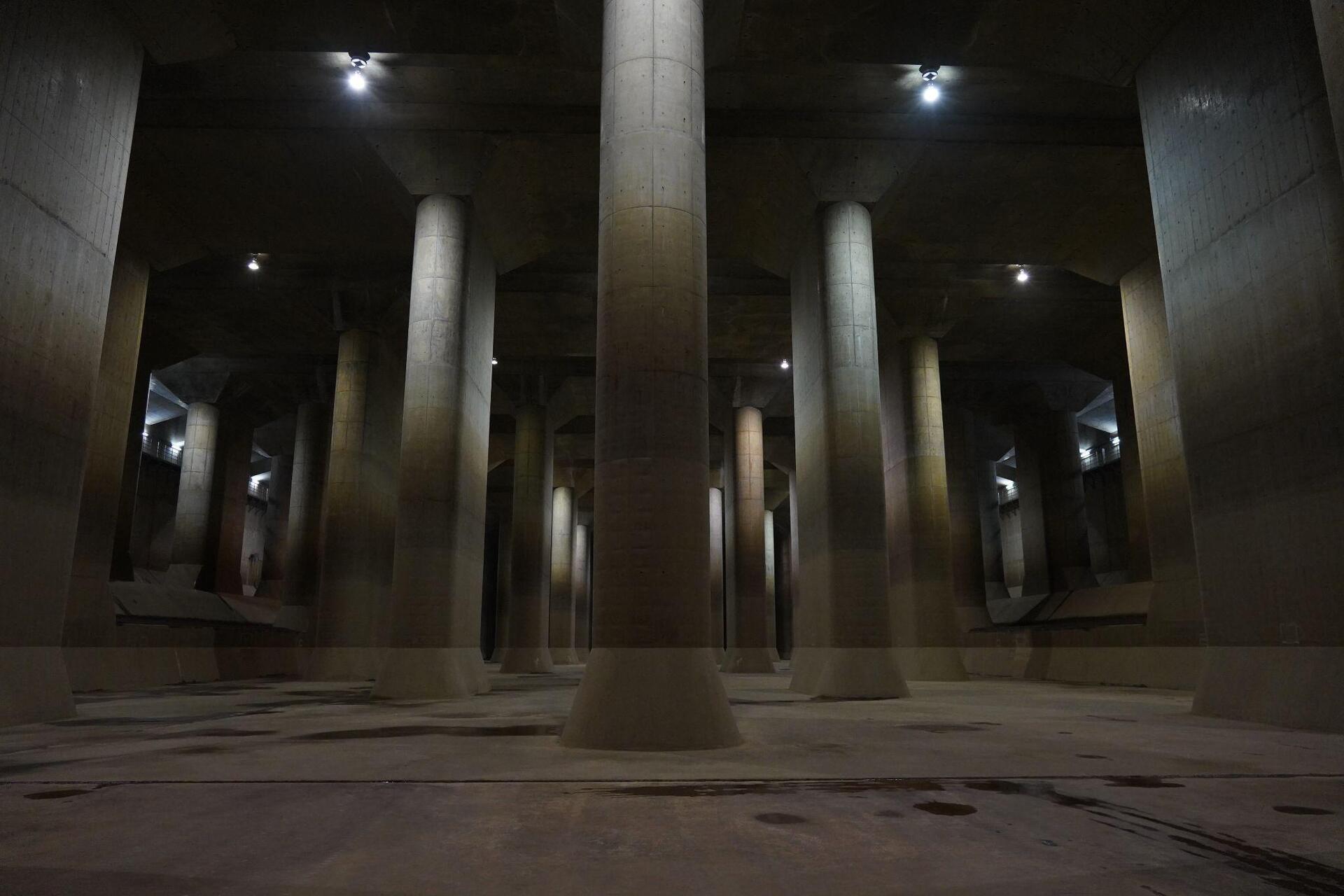
The Metropolitan Area Outer Underground Discharge Channel is a vast underground system built to protect the areas most vulnerable to flooding during periods of heavy rainfall. Completed in 2006 after 13 years of construction, it collects excess water from several rivers through enormous vertical shafts, each large enough to accommodate the Statue of Liberty.
From there, the water flows through a tunnel to a gigantic pressure-adjusting tank, supported by 59 pillars standing 18 metres tall and nicknamed the “Underground Temple” because of its monumental appearance. When the system is activated, powerful turbines pump the water into the Edo River, with a discharge capacity of up to 200 cubic metres per second.
Built to protect the region from flooding, this remarkable structure has also become one of Japan’s tourist attractions, welcoming thousands of visitors.
4 – RESO (Underground City), Montreal, Canada
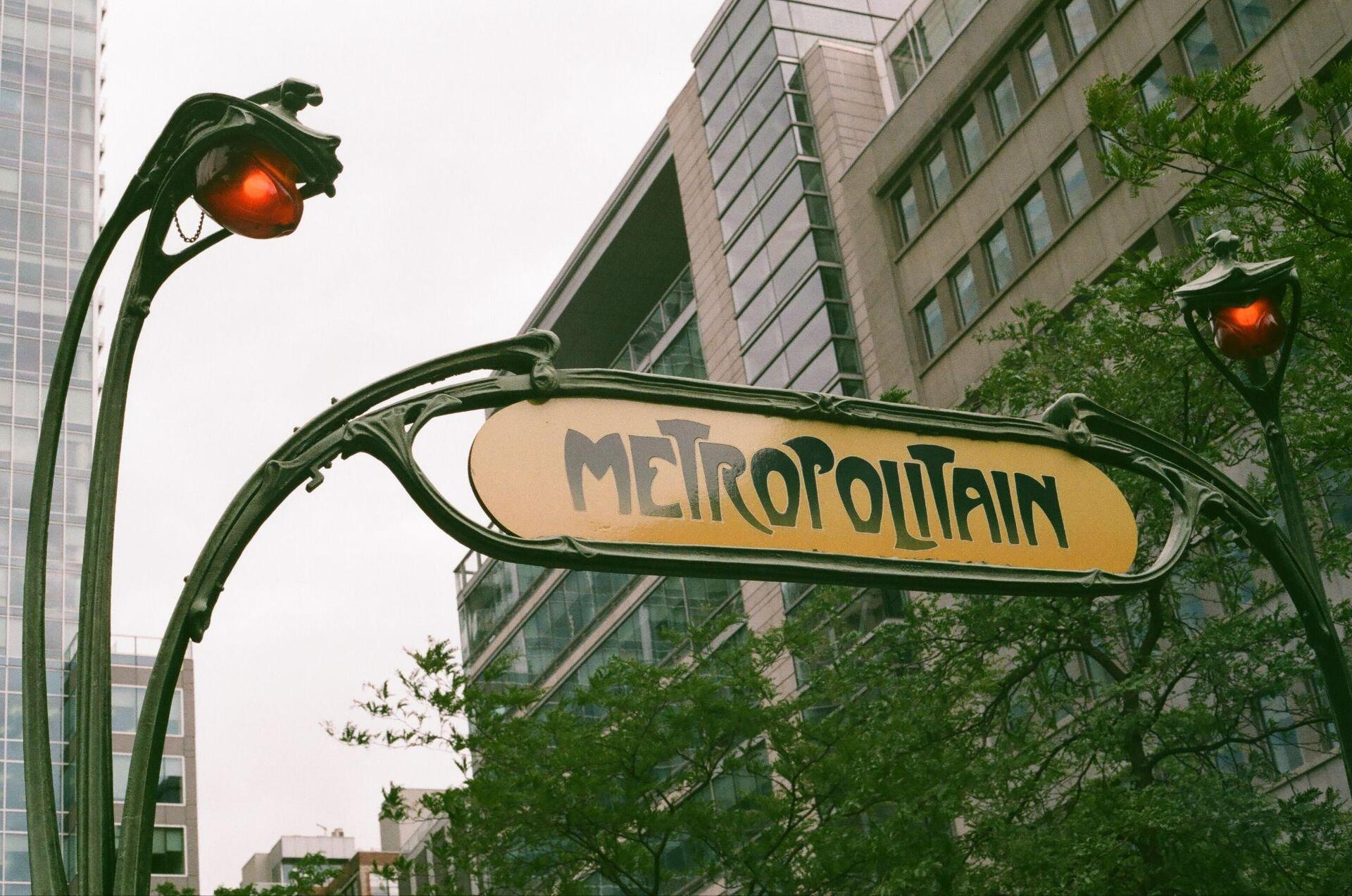
Montreal, Canada, has a city beneath the city: RESO, also known as the “Underground City”. It is a network of underground pedestrian walkways stretching for around 32 kilometres, connecting metro, train and bus stations with shopping malls, restaurants, hotels, offices, museums and universities.
Used by approximately 500,000 people every day, the Montreal Underground City allows visitors and residents to cross much of the city centre without stepping outside – a particularly valuable feature during Canada’s harsh winters. Its story began in 1962 with the construction of the underground shopping centre at Place Ville Marie, and it continued to expand in the years that followed, gaining further momentum with Expo 67.
5 – Lærdal Tunnel, Oslo-Bergen, Norway
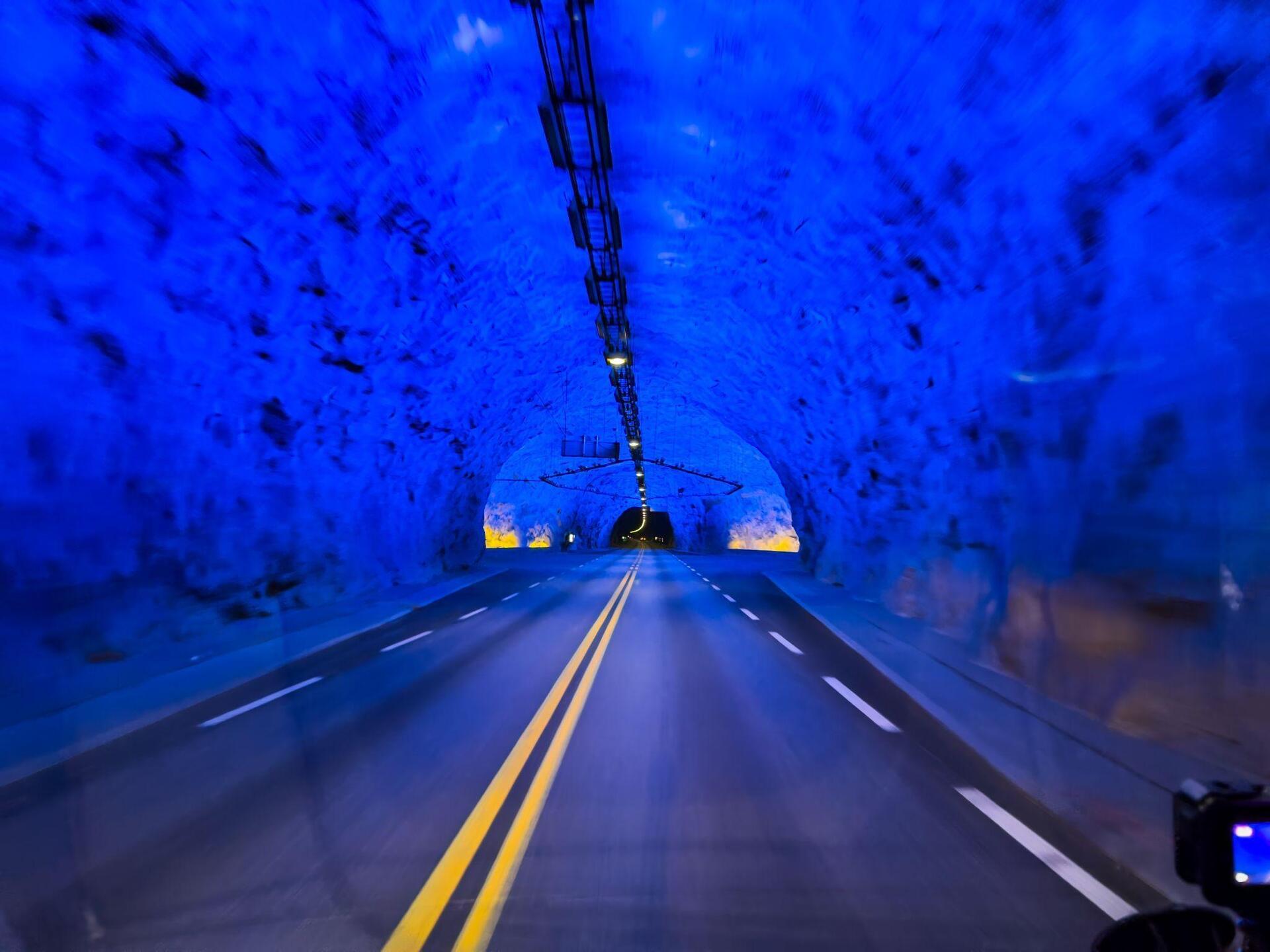
In Norway, crossing a mountain can mean travelling more than 24 kilometres underground, without encountering a single traffic light or intersection. This is the case with the Lærdal Tunnel, inaugurated in November 2000 and recognised as the longest road tunnel in the world, stretching 24.5 kilometres.
Built to connect the towns of Lærdal and Aurland along the E16 highway, it provides a vital link between Oslo and Bergen, particularly in winter, when mountain passes can become difficult to navigate.
But what makes the Lærdal Tunnel special is not just its length: inside, three large caverns illuminated with blue and yellow lights break up the journey at intervals of around six kilometres, offering drivers a visual change of scenery and helping them stay alert along the way.