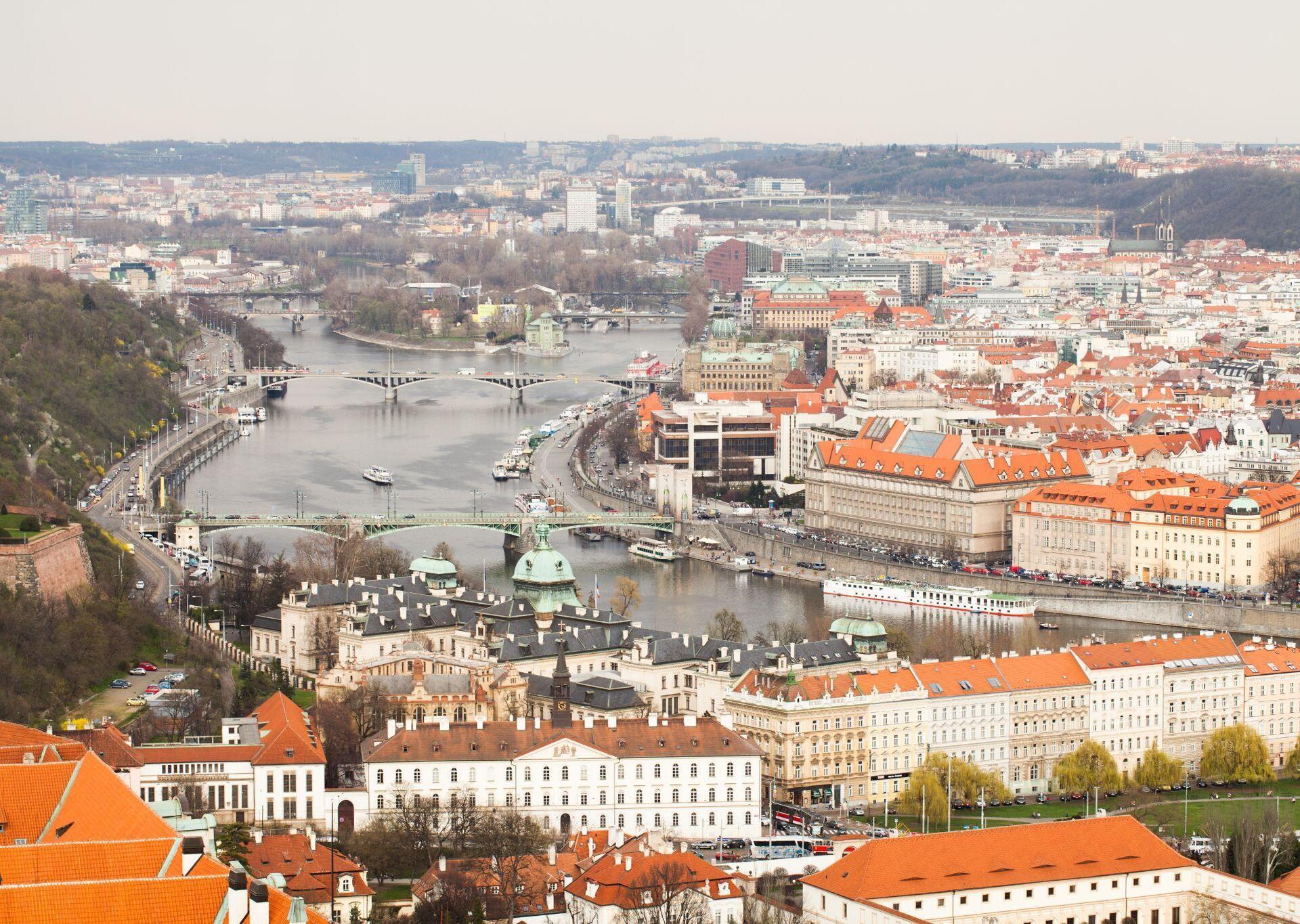


On a major construction site, even what appears to be waste can be turned into a valuable resource. Rocks extracted during excavation, groundwater intercepted underground, construction and demolition waste and even machinery that has reached the end of its service life: all of it can be given a second chance.
This is the thinking behind the circular economy applied to infrastructure: an approach that aims to improve waste management, reuse resources and rethink every stage of construction.
Because building major infrastructure is not just about creating something new; it is also about learning to make the most of what is already there, turning construction sites into places where nothing truly goes to waste.
1 – Grand Paris Express, Paris Metro
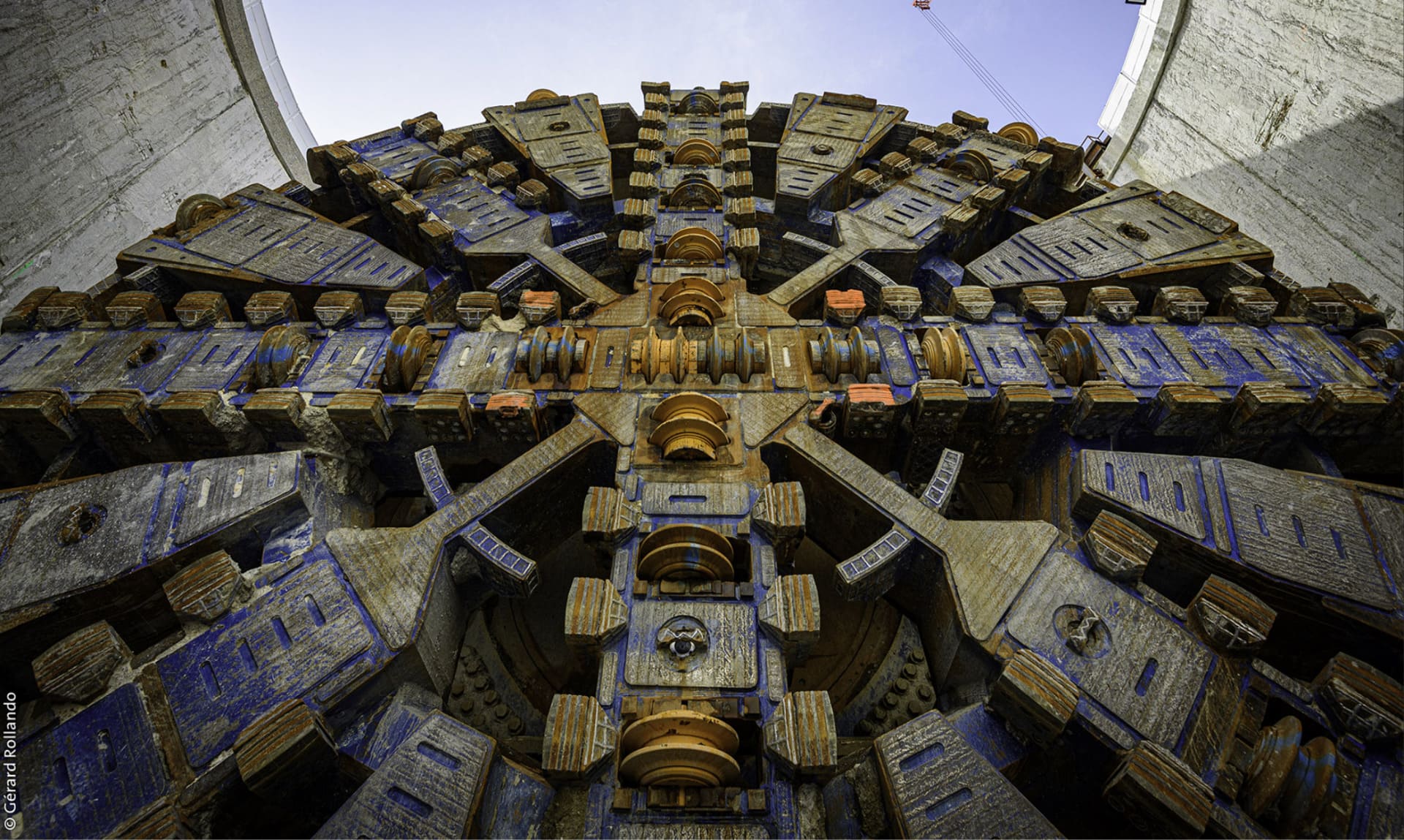
Even a giant tunnelling machine can be given a second life. That is the case with the TBM used in 2020 to excavate 5.8 kilometres of the Grand Paris Express Line 16 in France, which is now ready to return to work on Line 15 West of the Paris Metro.
Webuild and NGE chose to refurbish it rather than build a new Tunnel Boring Machine. The work, carried out at Webuild’s Terni facility, extended its service life and saved around 12 months of work.
Its journey back to Paris, covering more than 2,200 kilometres, was also carefully planned, combining road, sea and river transport. A decision that shows how circular economy and sustainability principles can be applied even on the most complex construction sites.
2 – Turin-Lyon High-Speed Line – Maddalena Tunnel
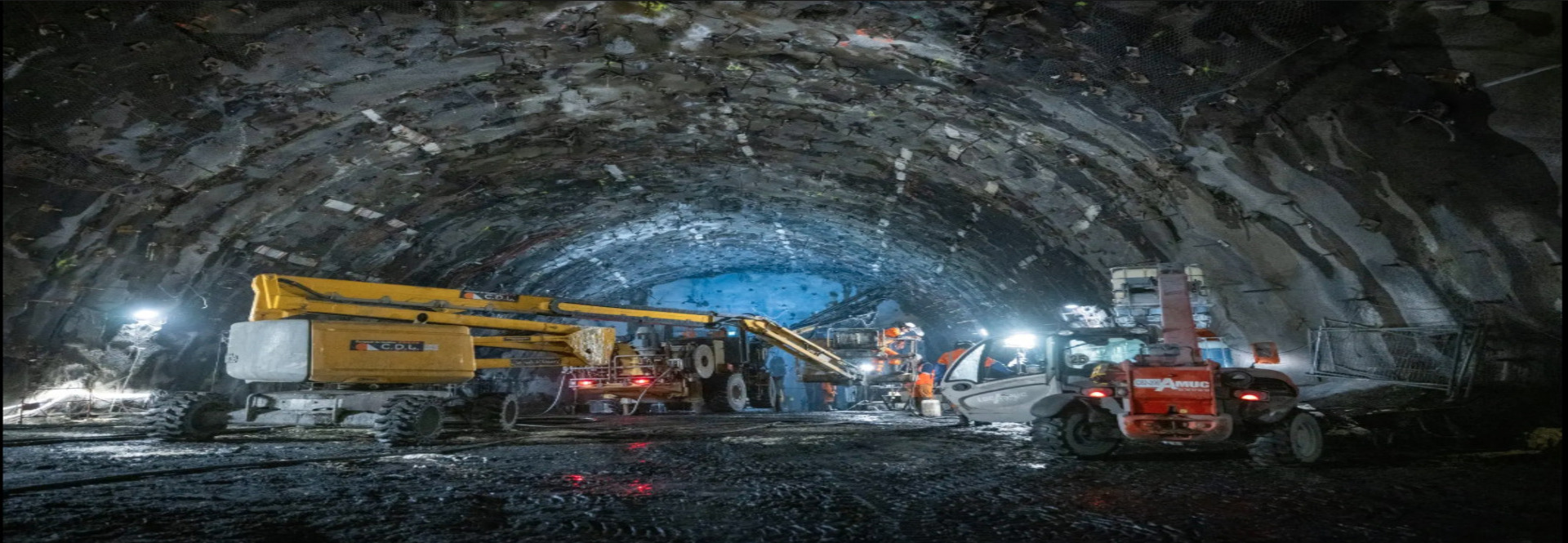
During the 2022 drought, water collected during the excavation of an Alpine tunnel became a valuable resource for the surrounding area.
This happened in Chiomonte, in the Susa Valley, where runoff water intercepted during work on the Maddalena Tunnel was made available to the local irrigation consortium to support the cultivation of 12 hectares of vineyards at a time of severe water shortage.
It is a concrete example of the circular economy in action: rather than letting a natural resource uncovered during construction go to waste, the Webuild site helped recover and reuse it for the benefit of local agriculture. And this is not the only recycling initiative along the Turin–Lyon line: around 60% of the excavated material is reused to produce tunnel lining segments or build the structures that will support the tracks.
3 – Crossrail (Elizabeth Line), London
What if the earth excavated to build a railway could help bring an ecosystem back to life? That is exactly what happened with Crossrail, London’s major underground railway project, now known as the Elizabeth Line.
During construction, 98% of the roughly 7 million tonnes of excavation material was reused or recycled.
A significant share – approximately 3.2 million tonnes – was transported to Wallasea Island, off the coast of Essex, where it helped reshape the landscape and create new natural habitats across an area of 165 hectares. The excavated soil was used to raise the ground and shape wetlands, salt marshes and mudflats, which were then reconnected to the tides by opening gaps in the coastal defences.
Today, the area is part of a 700-hectare nature reserve and has become a haven for numerous bird species.
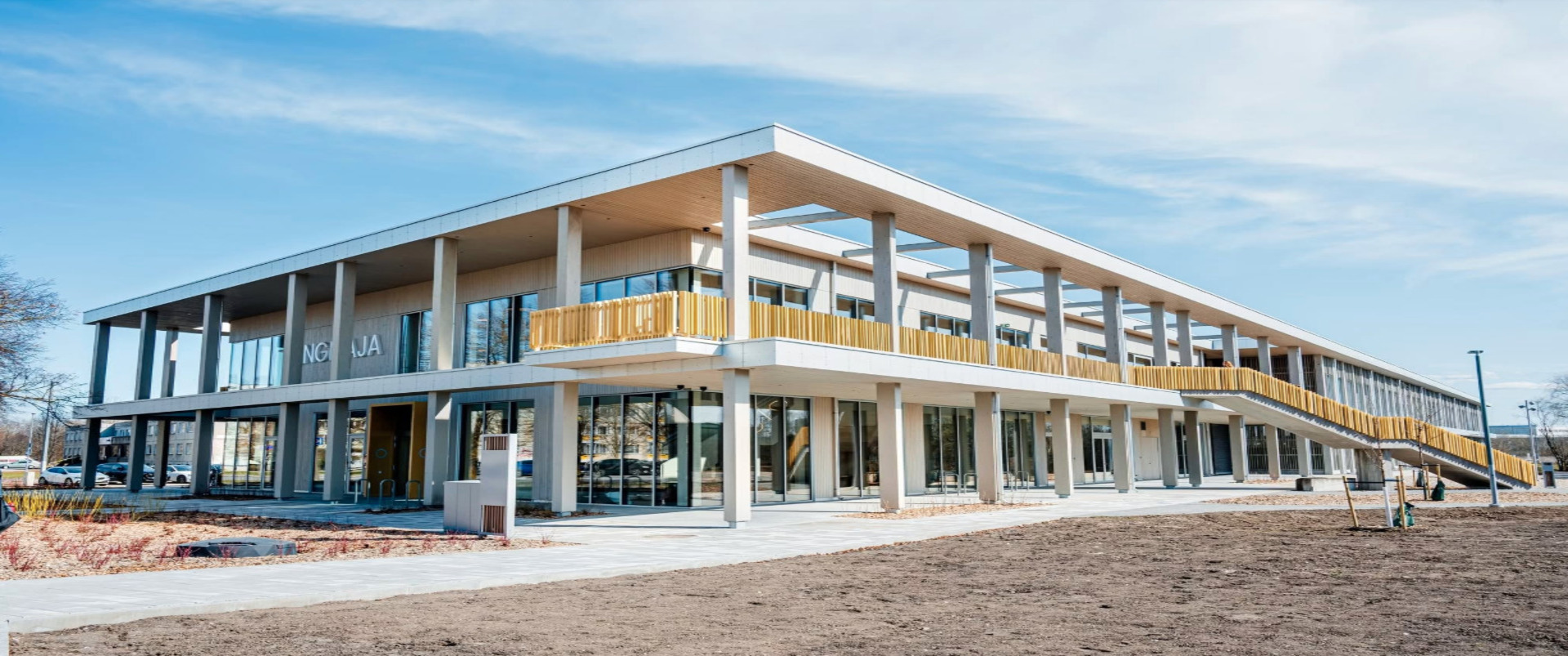
4 – Lasnamäe Circular Economy Centre, Tallinn
In Tallinn, Estonia, materials from old buildings can become part of something entirely new.
This is the principle behind the Lasnamäe Circular Economy Centre, a municipal complex designed to house a waste management and collection centre, workshops, storage facilities and community spaces.
Circular economy principles were built into the project from the design stage: materials specified for the complex include reclaimed wood for the façades, reused bricks, concrete containing recycled aggregates and paving made from stone waste.
Reclaimed components have also been incorporated into the furniture and exhibition displays, while BIM design tools help track materials and reduce waste throughout the building’s entire life cycle.
5 – Circ-Boost, Europe
In a city that is constantly changing, demolition can serve as a starting point for sustainability-oriented new builds.
This is the idea behind Rebetong, a recycled concrete developed as part of the European Circ-Boost project, which recovers materials from old buildings and transforms them into new construction components. In some cases, the mix can contain up to 100% recycled aggregates, replacing traditional raw materials such as sand and gravel.
In Prague, the solution was tested in the construction of a residential complex on the site of a former sugar factory, with recycled materials used for both structural elements and façade panels. The project also makes use of digital tools and BIM models to identify and map materials that can be recovered from existing buildings.