

Cities are not transformed only when new buildings rise or when skyscrapers reshape the skyline. Sometimes, change begins underground, with a new railway line, or along the roads that connect their neighbourhoods.
Infrastructure can reshape the way people move around, ease traffic, bring once-distant areas closer together, and create new opportunities for urban development. Across different eras and continents, subways, railways, highways and major transport networks have helped reshape entire cities.
These projects show how infrastructure can become part of a city’s history, transforming its geography and, in turn, the everyday lives of the people who call it home.
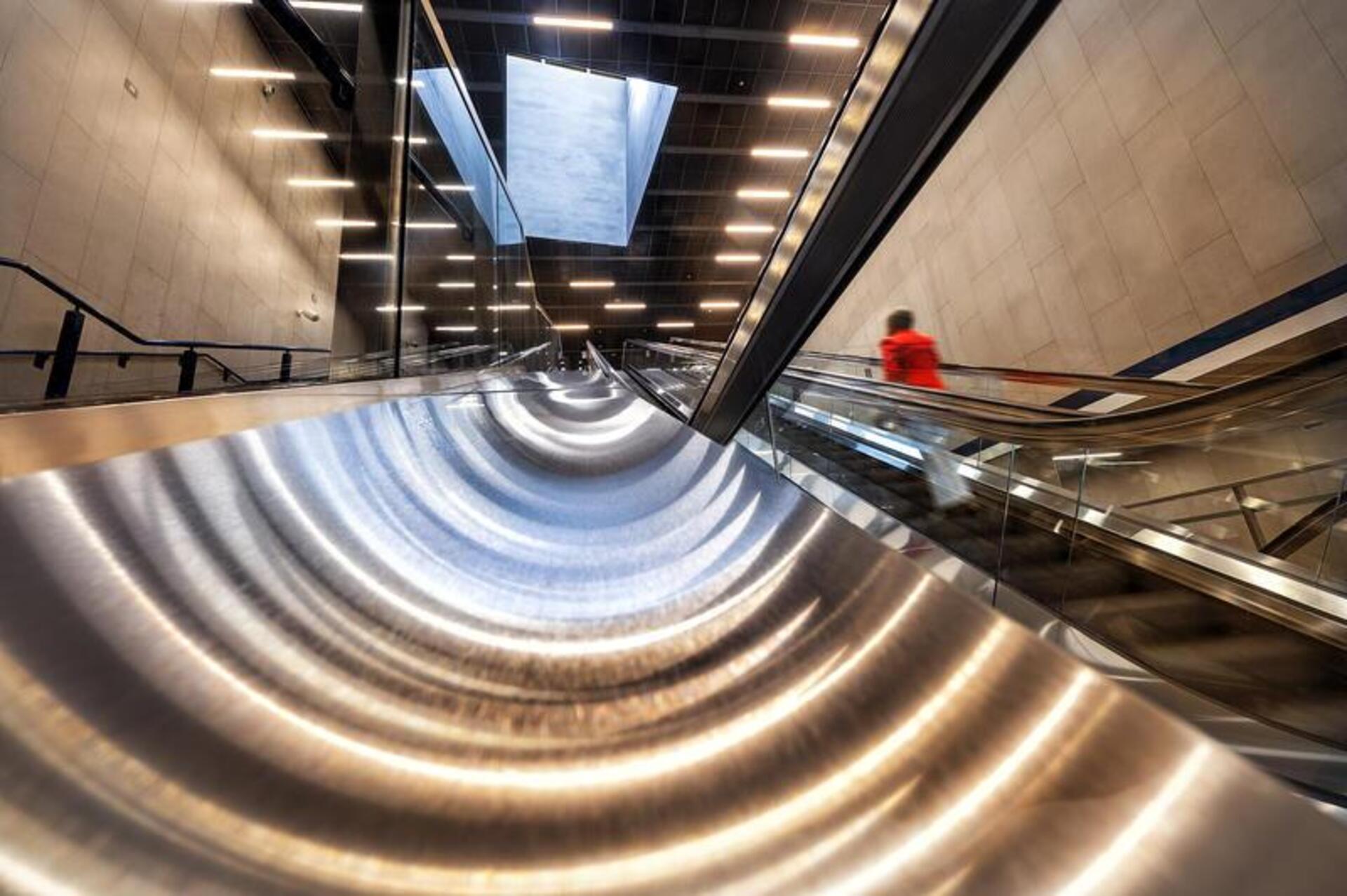
1 – Milan’s M4 Metro Line
Milan has also been transformed beneath the surface. The M4 metro line, built by the MM4 Consortium led by Webuild, runs 15 kilometres from east to west, with 21 stations linking Linate Airport to San Cristoforo in just 30 minutes and connecting the historic city centre with the main subway and rail hubs.
But the impact of the new line goes well beyond urban mobility. Milan’s M4 is estimated to have taken around 180,000 vehicles off the roads every day, while 1,900 new trees have been planted along its route.
Underground, meanwhile, construction had to navigate the city’s history at every turn—from historic buildings and medieval walls to the archaeological remains uncovered during excavation.
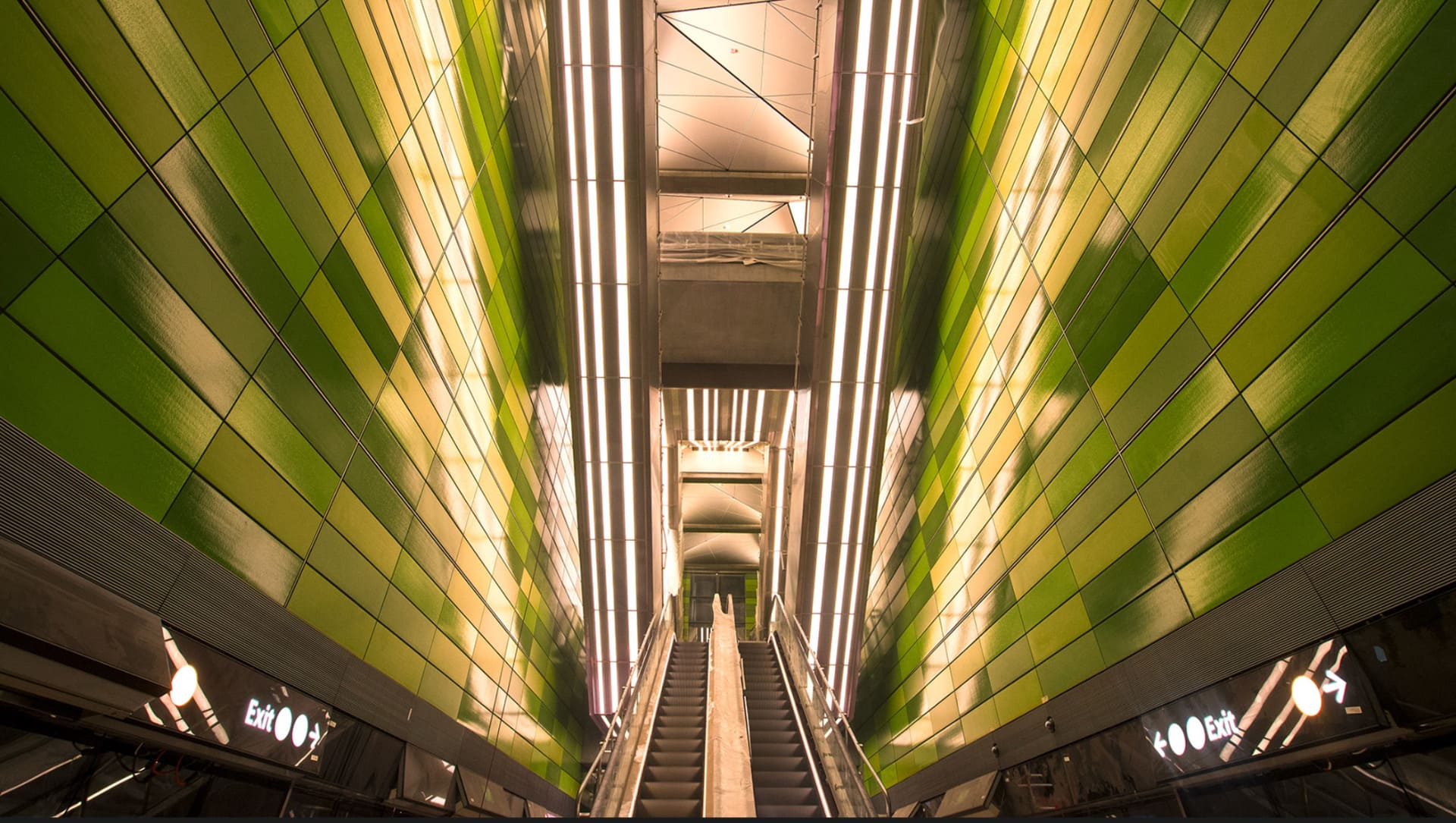
2 – Copenhagen’s Cityringen
In Copenhagen, Denmark, a new metro line has helped transform the way the city moves. The Cityringen, built by Webuild through its subsidiary CMT, is a 17-kilometre underground loop with 17 stations, constructed around 30 metres below ground.
Completed in 2019, the ring line allows passengers to travel the entire line in just 24 minutes and has brought 85% of residents within 600 metres of a metro or railway station.
And that’s not all. By connecting with the Danish capital’s rail and cycling networks, the Cityringen has helped make the city centre more accessible, less congested and more liveable. It has also strengthened an integrated multimodal approach to urban transport aimed at reducing the environmental impact of getting around the city.
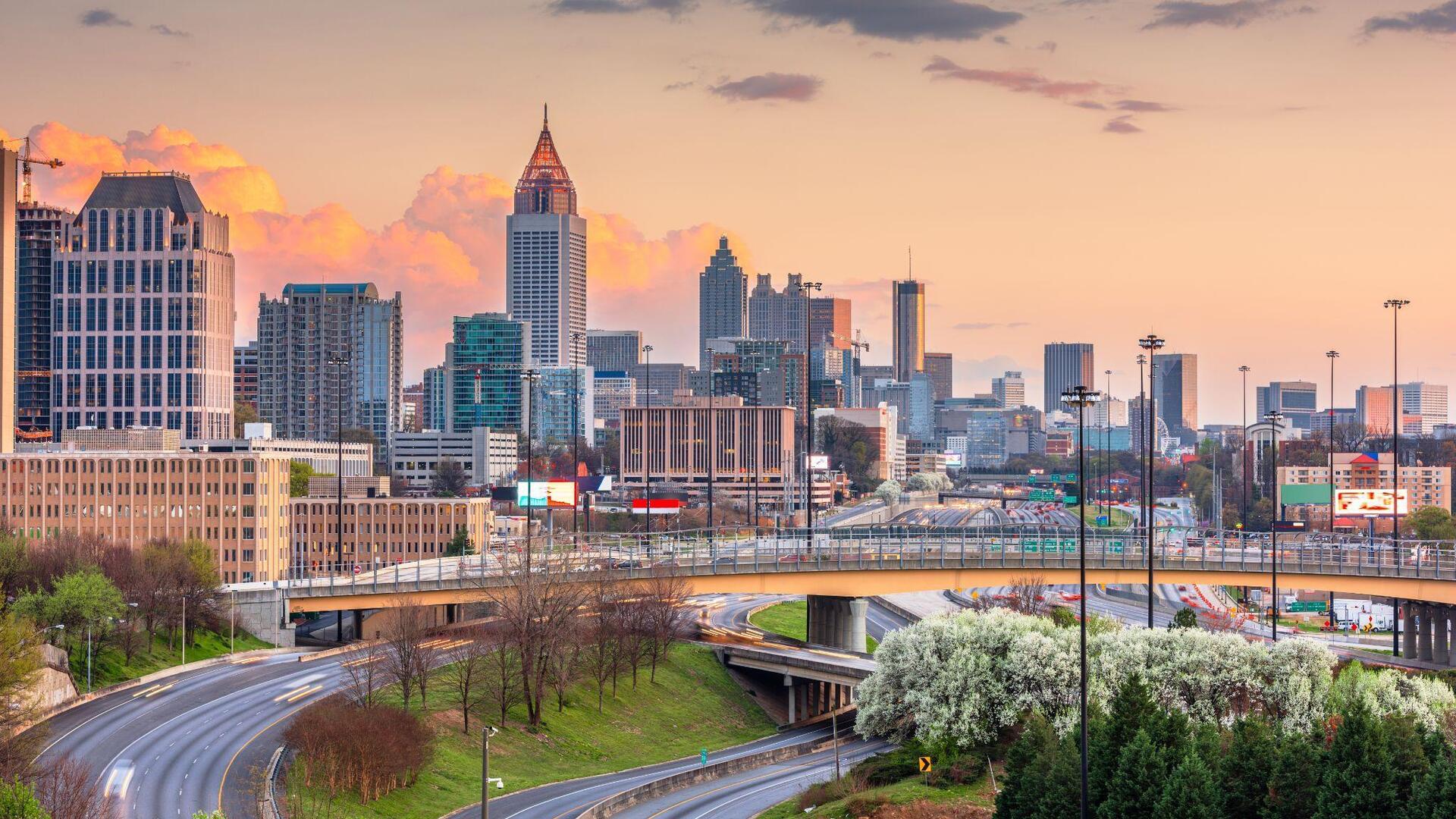
3 – Atlanta’s Commercial District
In Atlanta, the growth of a city is also reflected in the places where commerce and economic activity take shape.
The M. Rich & Brothers Building is a case in point. Built in 1882 and expanded in 1906, it grew alongside what would become one of the city’s leading retail businesses. The building helped establish Atlanta’s first commercial district, becoming a landmark of the city centre’s economic life.
Its transformation also reflects the evolution of urban planning and architecture. The 1906 expansion introduced Atlanta to elements of the commercial style that had emerged in Chicago, including large expanses of glass and new spaces designed for the needs of modern retail.
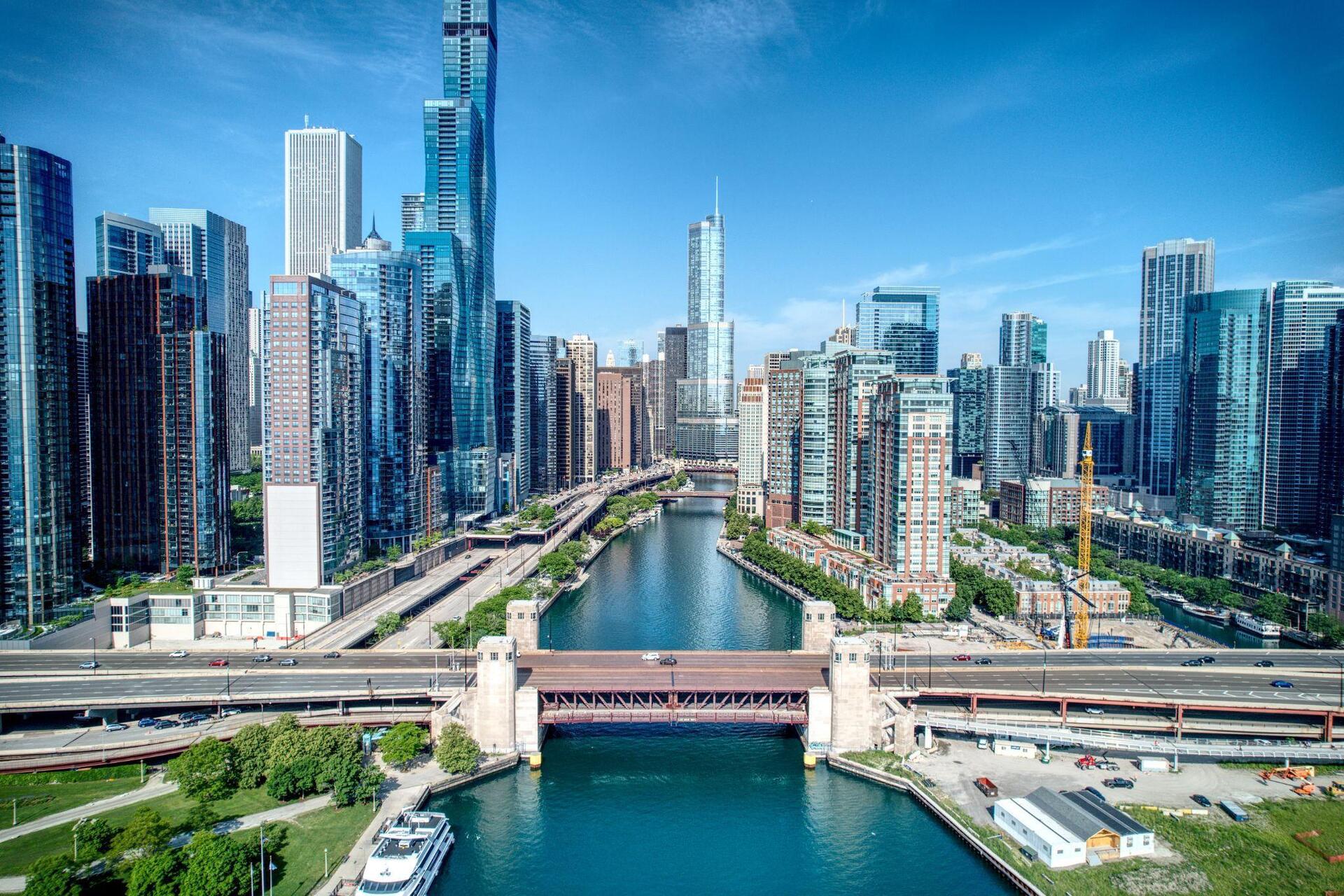
4 – Chicago: From Canals to Railway Network
In the 19th century, Chicago was still a small city built on marshy ground.
Its transformation into a major metropolis was driven in part by a series of infrastructure projects that reshaped the city’s geography itself: the construction of canals and sewer systems, the raising of city streets and, in 1871, the reversal of the Chicago River to divert wastewater away from Lake Michigan.
These projects helped lay the foundations for Chicago’s industrial and commercial growth, alongside the subsequent expansion of its railway network.
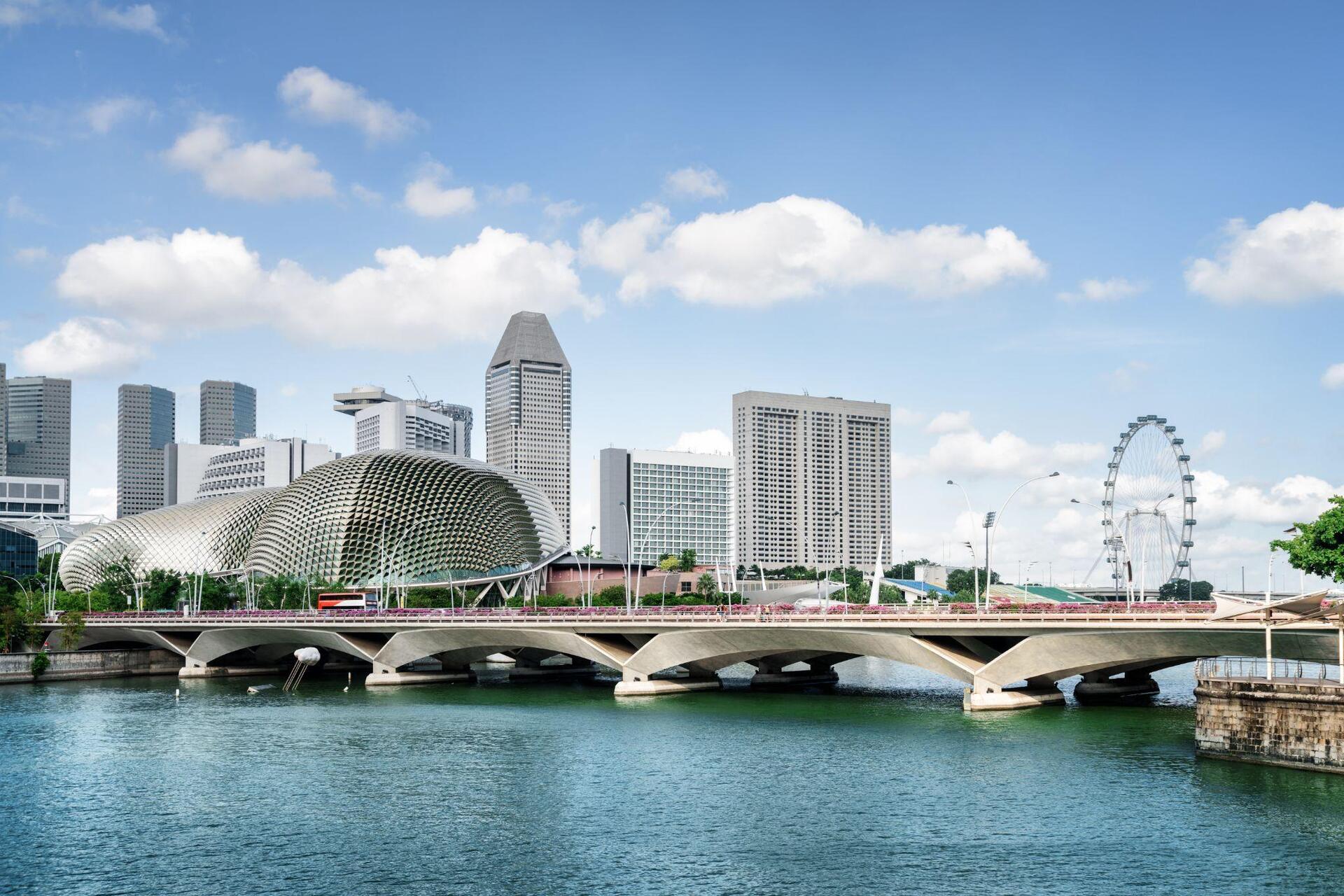
5 – Singapore and Its Port
Singapore’s history is deeply intertwined with that of its port.
Established on the banks of the Singapore River, the port has played a central role in the city’s transformation from a small fishing village and trading outpost into one of the world’s major maritime hubs. As the port grew, so did the need for new infrastructure, ever-larger terminals and a logistics network capable of supporting the expansion of global trade.
But the growth of the port of Singapore has also reshaped the city itself. Through large-scale land reclamation and the gradual relocation of terminals towards the western part of the island, Singapore has opened up vast stretches of waterfront for offices, homes, tourism and services.
The next step will be the relocation of the city’s terminals to the new mega-port at Tuas, a project that will free up 926 hectares of land for the transformation of Singapore’s southern waterfront.