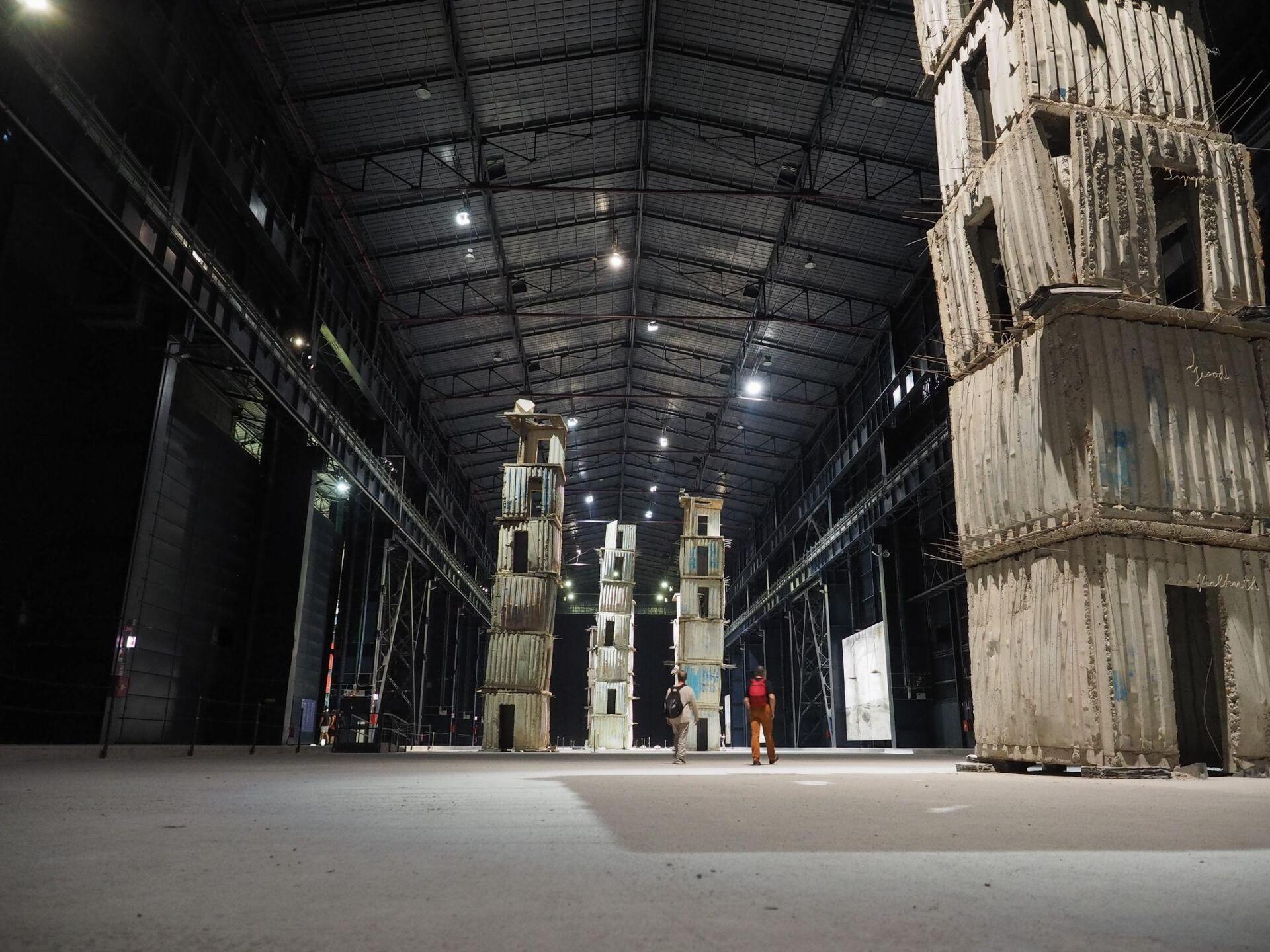


Some infrastructure projects do more than simply house art, they become part of the artistic experience themselves, transforming architecture and cultural function into a single expressive language. Museums, foundations, and exhibition spaces are increasingly conceived as works capable of engaging with the urban context, light, materials, and the movement of people, redefining the relationship between container and content.
In these projects, engineering and architecture work together to create spaces that not only display works of art, but also shape new perceptions of the landscape and the city, where aesthetics, innovation, and public dimension intertwine until the boundary between cultural infrastructure and architectural masterpiece becomes increasingly blurred.
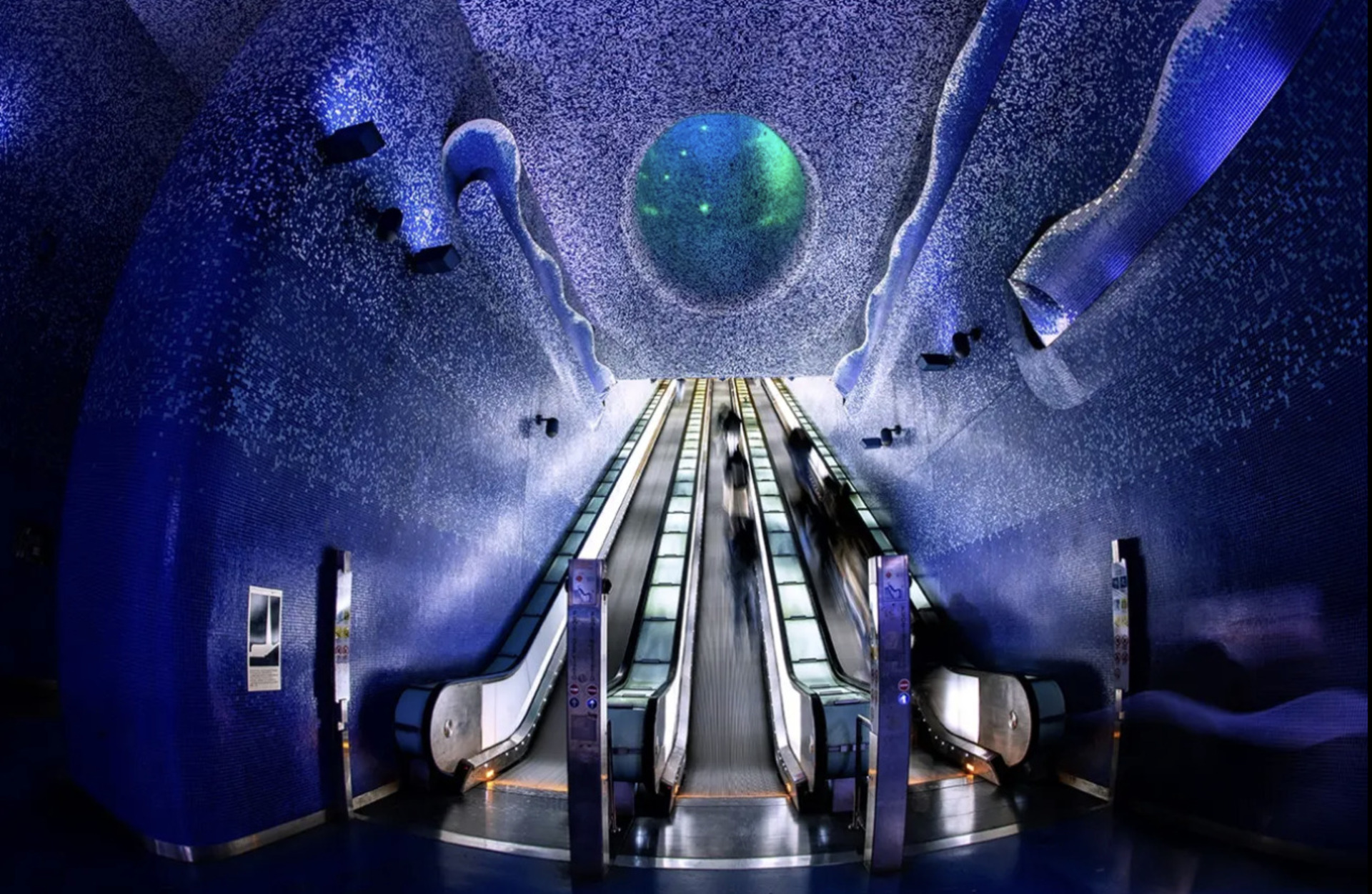
1 – Naples Metro Line 1
Naples’ Line 1, developed in several phases with the contribution of the Webuild Group, is one of the most significant examples of integration between urban infrastructure, architecture, and contemporary art, where the underground transport system is transformed into a vast public museum crossed every day by thousands of people.
As part of the “Art Stations” project, Webuild built 10 of the 20 stations currently in operation across the Naples subway system, including some of the most iconic such as Toledo, Università, Dante, Materdei, and Museo, as well as the more recent San Pasquale and Monte Sant’Angelo stations and the future Capodichino station.
From Toledo — internationally recognized for its dramatic use of light and underground space — to the immersive environments designed by internationally renowned architects and contemporary artists, engineering interacts with art, color, and spatial perception, transforming public transportation spaces into cultural environments fully integrated into the urban fabric of the city.
2 – Stavros Niarchos Cultural Center
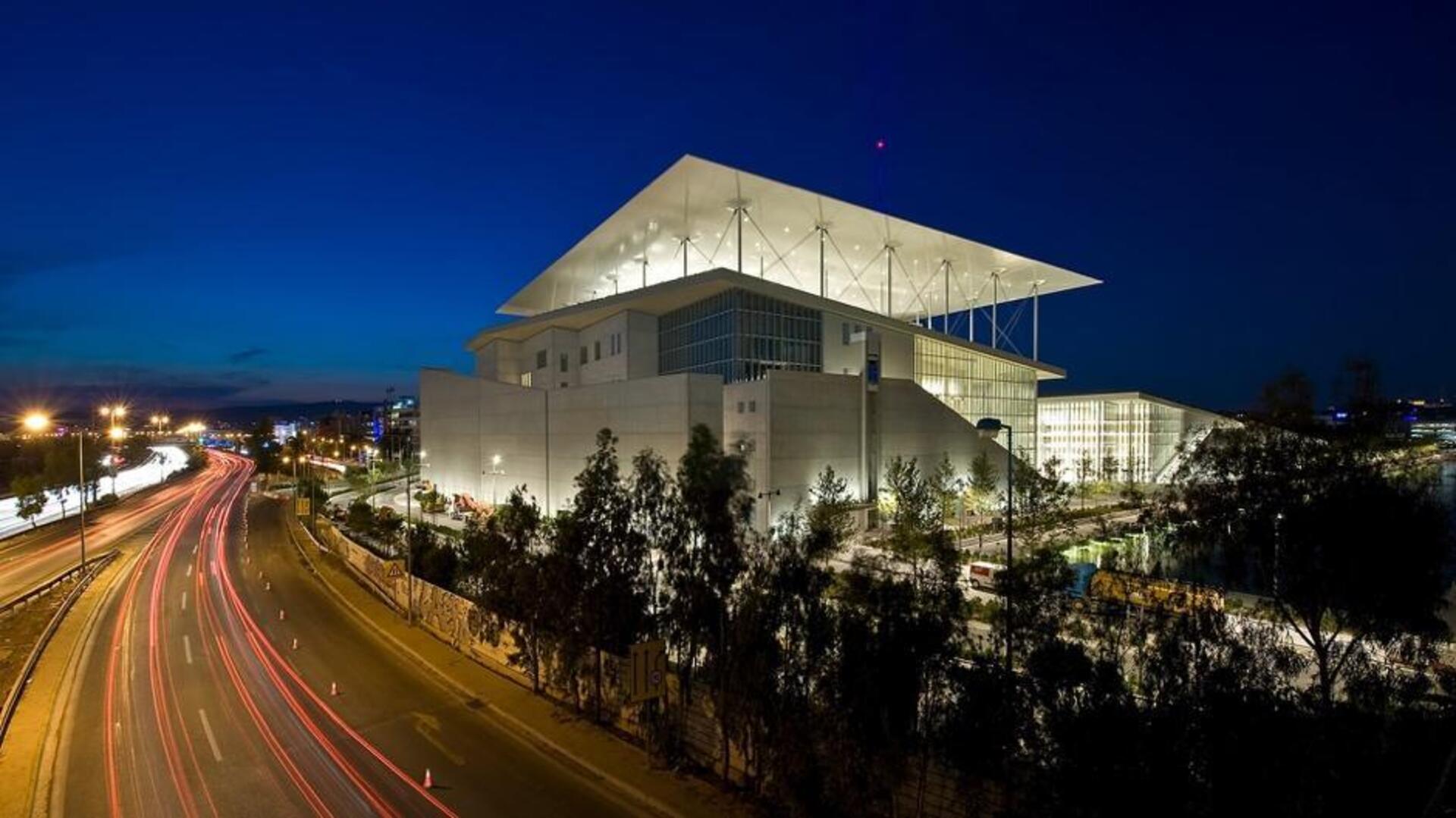
The Stavros Niarchos Cultural Center, a Renzo Piano architecture project built by the Webuild Group, stands out for its extraordinary architectural elegance, combining lightness with monumentality. The complex harmoniously integrates the Opera House, the National Library, and a public park into a single continuous landscape.
At the symbolic center of the Stavros Niarchos Cultural Center is the Energy Canopy, a suspended roof structure that appears almost immaterial. Thin and highly technological, the canopy represents a perfect synthesis of form and engineering. Transparency and natural light permeate the spaces, reinforcing the sense of lightness throughout the complex.
An architecture that becomes a contemporary symbol, capable of combining beauty, innovation, and landscape into a single vision.
3 – Centre Pompidou
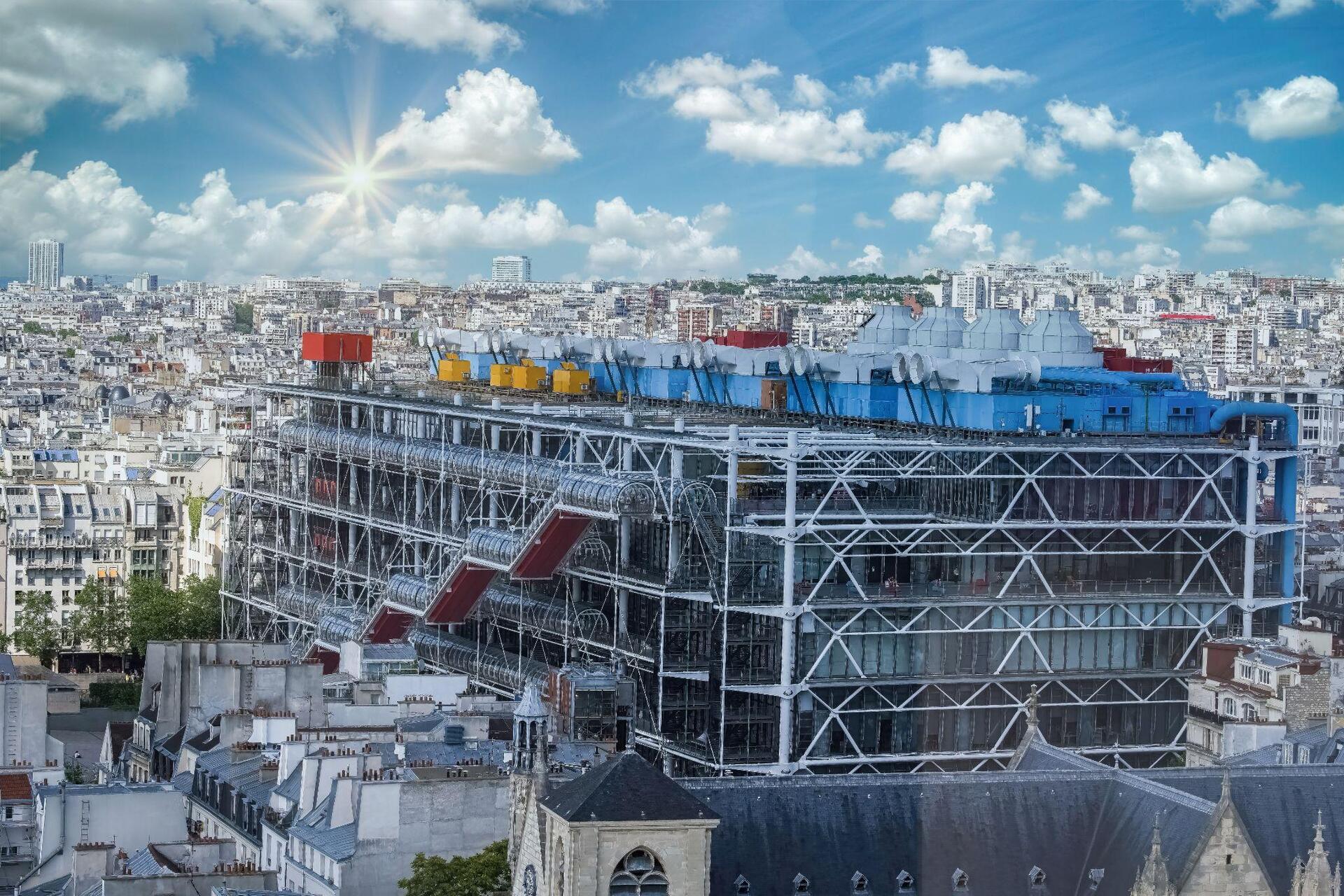
The Centre Pompidou in Paris (also known as Beaubourg Museum), designed by Renzo Piano and Richard Rogers, is an icon of contemporary architecture in which the museum building itself becomes a work of art, overturning the traditional codes of museum design.
Its “inside-out” structure places systems, escalators, and technical elements on the exterior, transforming them into visual and functional features that define the building’s identity.
In this balance between engineering and aesthetic experimentation, the Centre Pompidou museum does not merely host contemporary art, it becomes a recognizable urban organism capable of redefining the relationship between cultural space and the city.
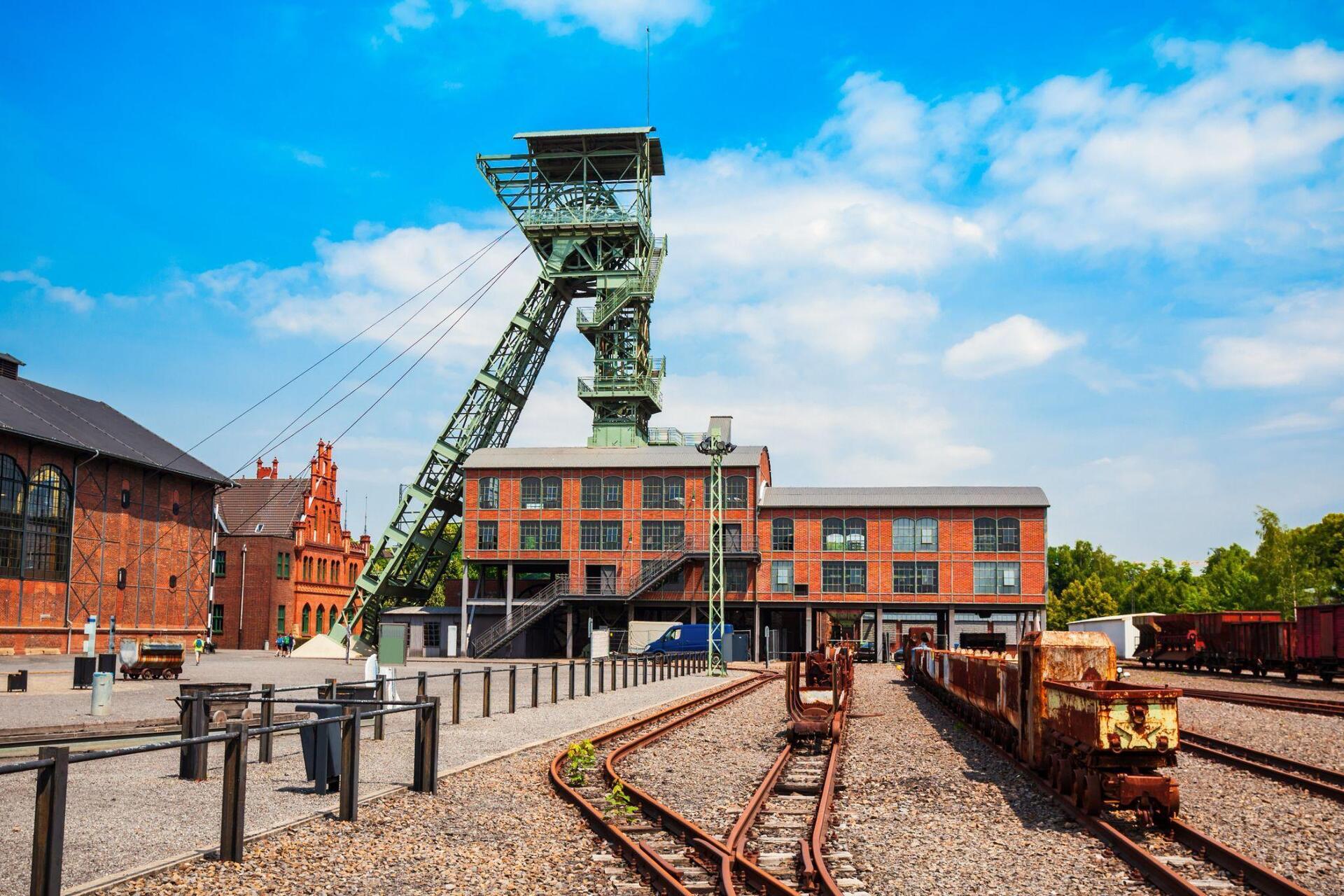
4 – Zeche Zollverein
The Zollverein Coal Mine Industrial Complex in Essen, one of the world’s most important examples of industrial archaeology, is a place where an entire mining and steel complex was transformed from an industrial hub into a cultural heritage site.
Originally established as a major extraction facility in the heart of the Ruhr region, the site represented for decades one of the most advanced centers of the European coal industry before its closure and subsequent conversion into a space dedicated to culture, design, and creative activities.
In this process of transformation, the original industrial architecture was preserved and reinterpreted, becoming both a testimony to Germany’s industrial history and a symbol of the ability to regenerate obsolete infrastructure into places of cultural and public value.
5 – Pirelli HangarBicocca
Milan’s Pirelli HangarBicocca is one of the most significant examples of industrial conversion into a contemporary art space, where a former manufacturing facility has been transformed into a major public cultural institution.
Established in 2004 through the redevelopment of an industrial area in the Bicocca district, the complex preserves the site’s original structure, characterized by vast halls and industrial volumes that now host monumental installations and temporary exhibitions by international artists.
In this balance between industrial memory and new cultural vocation, the building itself becomes part of the artistic experience, reinforcing the idea of the museum as an immersive space where architecture and exhibition content merge into a single dimension.