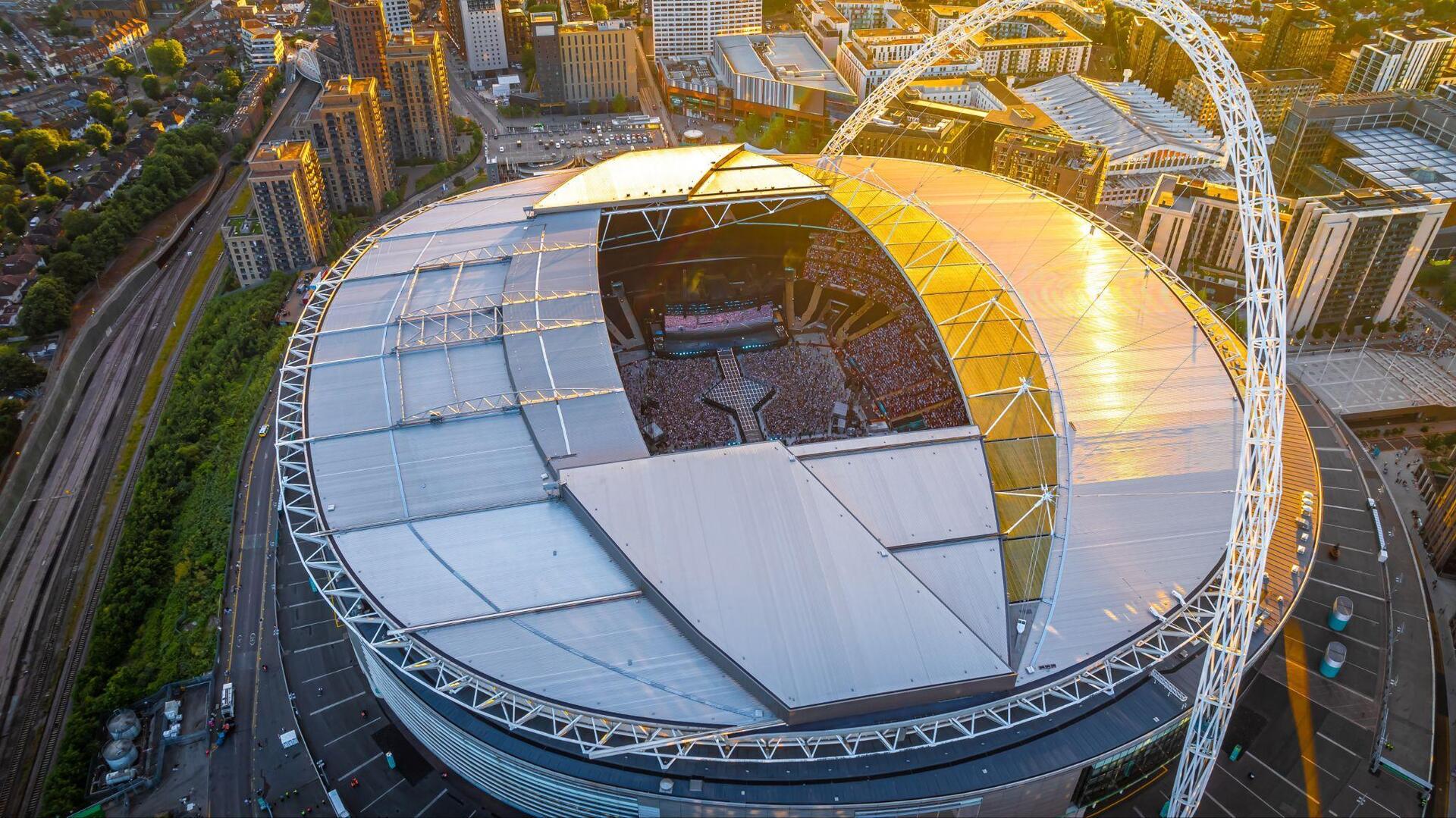


Football is played on the pitch, but its history also lives in its stadiums. These are places that transcend their function: they become symbols of a city, stages for great battles and custodians of moments that live on in the memories of generations of fans.
From Milan’s San Siro to the Estadio Azteca in Mexico City, from the Maracanã to Wembley, some stadiums have provided the backdrop for the most iconic matches in football history, hosting World Cups, finals and legendary players who have written unforgettable chapters in the sport’s history.
Alongside these legendary venues, more recent stadiums also show how architecture, technology and culture can transform a stadium into a new symbol of the game.
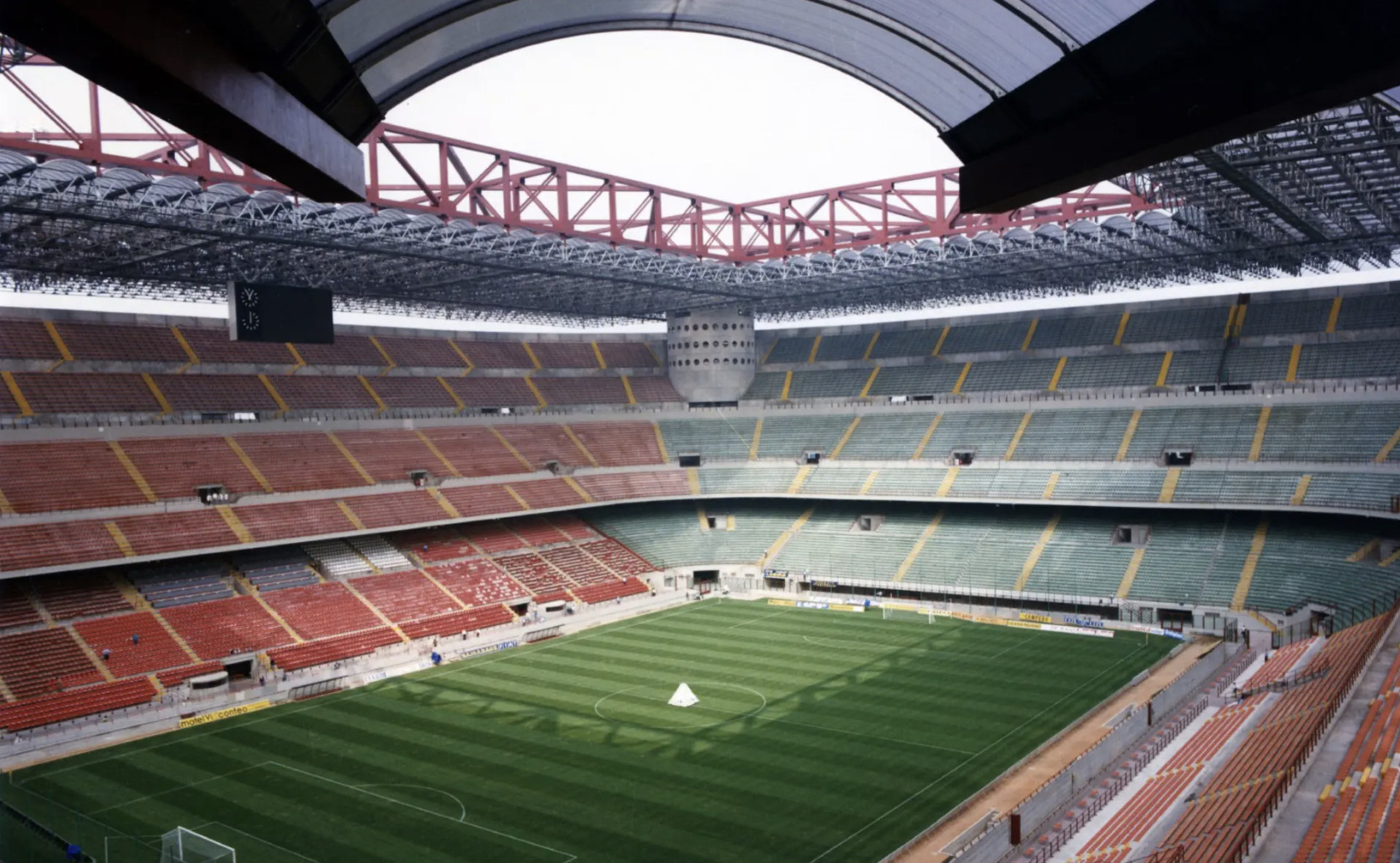
1 – San Siro Stadium (Meazza Stadium), Milan, Italy
San Siro is much more than a stadium: it is one of the places that have helped shape the footballing identity of Milan and Italy.
Opened in 1926, it has grown alongside the city through a series of interventions that have progressively transformed its size and structure. In 1980, it was named after Giuseppe Meazza, one of the greatest players in Italian football, definitively earning its reputation as the “Temple of Football” for generations of fans.
The most spectacular transformation of San Siro came in the run-up to Italia ‘90, the 1990 FIFA World Cup. In just two years, Webuild played a key role in the stadium’s radical renovation, constructing a third tier supported by 11 cylindrical reinforced-concrete towers and a new roof. These elements have given AC Milan and Inter Milan’s stadium its unmistakable profile.
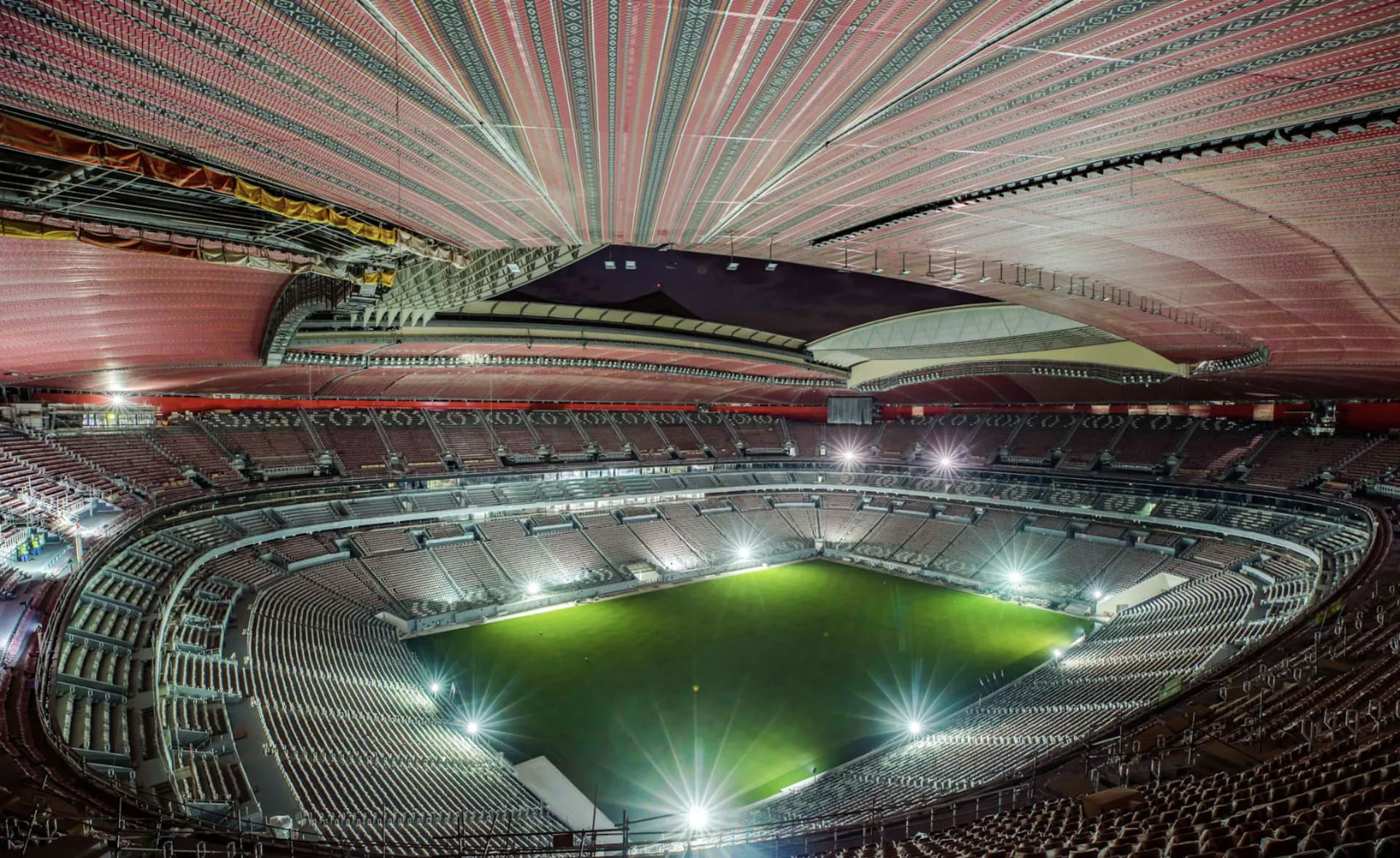
2 – Al-Bayt Stadium, Al Khor, Qatar
In the heart of the Qatari desert, Al-Bayt Stadium looks like a giant tent ready to welcome thousands of fans.
Built by Webuild in Al Khor for the Qatar 2022 FIFA World Cup, the football stadium can accommodate more than 60,000 spectators and draws inspiration from the bayt al sha’ar, the traditional tent used by the country’s nomadic communities and a symbol of Qatari hospitality. This architectural choice transforms local culture into a distinctive feature of the venue, bringing together tradition and technology.
Behind the iconic form of Al-Bayt Stadium lies a highly innovative structure designed to withstand Qatar’s extreme climatic conditions. A sophisticated cooling system maintains comfortable temperatures for players and spectators, while the retractable roof and various energy-saving solutions contribute to the stadium’s environmental performance.
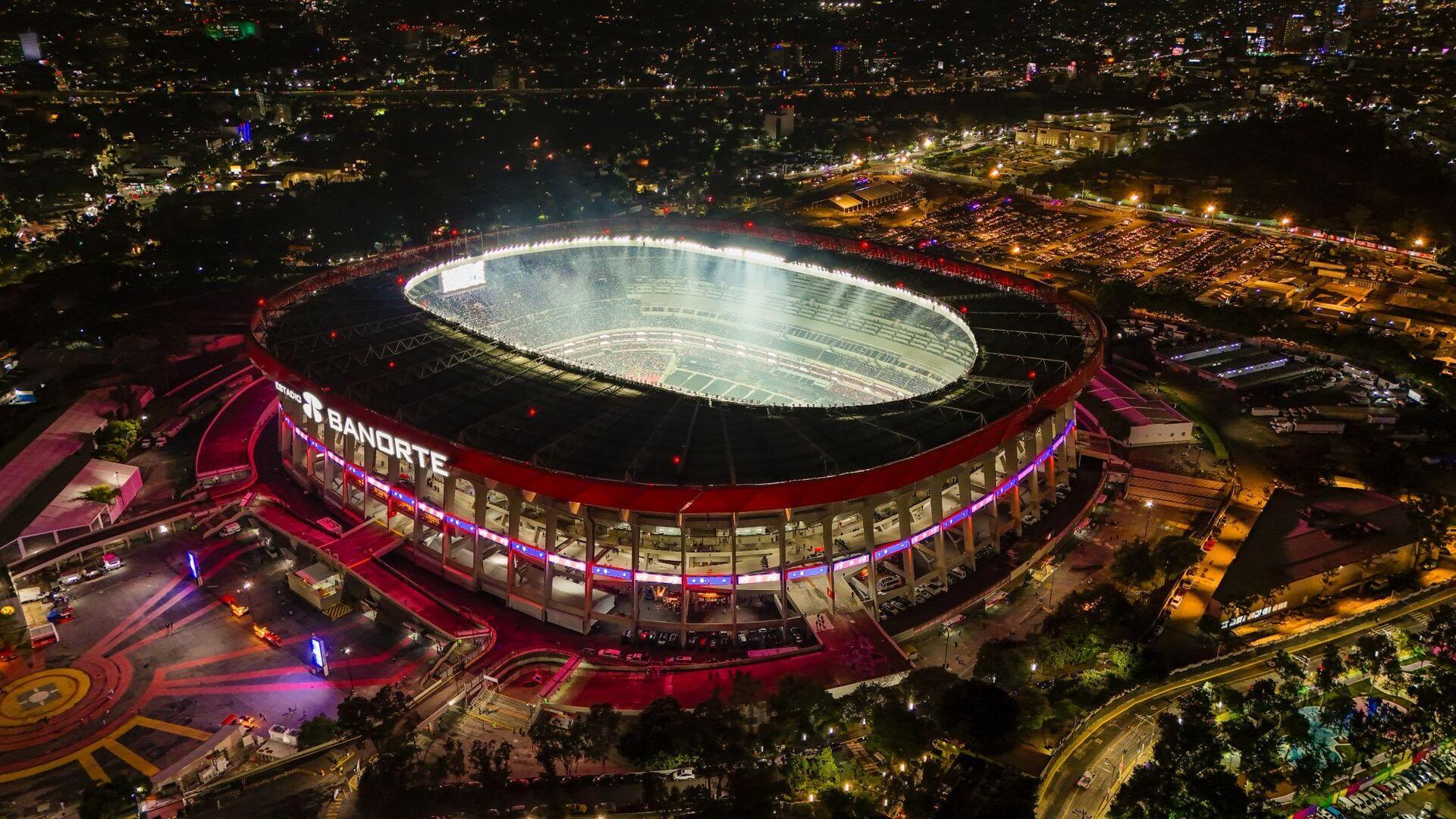
3 – Azteca Stadium, Mexico City
Some stadiums host great matches, others become part of soccer history. The Estadio Azteca in Mexico City undoubtedly belongs to the latter category.
Opened in 1966, it has been the stage for some of the most iconic moments in World Cup history: from the legendary semi-final between Italy and West Germany in 1970, remembered as the “Match of the Century”, to the exploits of Pelé and Diego Maradona, both of whom became world champions on this very pitch.
The Azteca Stadium is also the only stadium to have hosted two World Cup finals, in 1970 and 1986. In 2026, it became the first stadium in history to host a FIFA World Cup for the third time. A place where generations of footballing greats have left their mark, transforming one of the biggest stadiums in the world into a true monument to soccer.
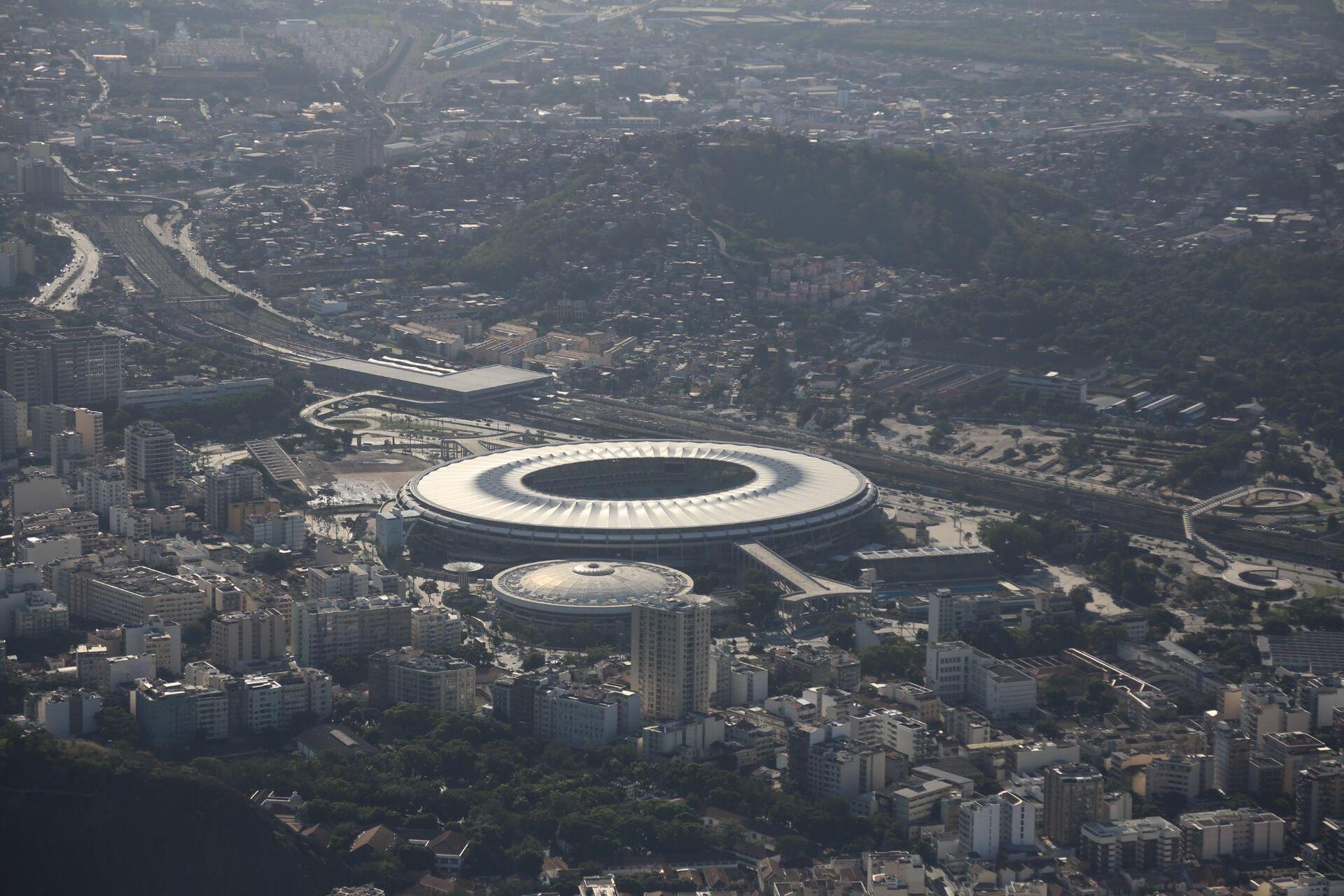
4 – Estádio Maracanã, Rio de Janeiro, Brazil
Maracanã is one of those stadiums where the history of football still seems to echo through the stands.
Opened in 1950 for the FIFA World Cup in Brazil, it was designed to accommodate enormous crowds and immediately became a symbol of the country’s footballing ambitions.
It was here, on 16 July 1950, that Brazil faced Uruguay in front of 173,850 spectators. The 2-1 defeat, which went down in history as the “Maracanazo”, forever changed the relationship between the football stadium and the Brazilian national team.
Since the 1950 World Cup, Maracanã has continued to be one of the world’s great sporting stages. It has welcomed legends such as Pelé and Zico, hosted two FIFA World Cups, the Rio 2016 Olympic Games and the 2014 FIFA World Cup final.
5 – Wembley Stadium, London, United Kingdom
Wembley is a stadium that has successfully transformed its history into a new icon.
The original venue, opened in 1923, had already become a symbol of British sport, famously hosting the 1966 FIFA World Cup final. In 2007, the new Wembley carried on that legacy, transforming it into a 90,000-seat arena and one of London’s most recognisable landmarks.
Its most distinctive feature is the enormous 133-metre-high steel arch, which supports the roof and serves as a contemporary counterpart to the iconic towers of the old stadium. The partially retractable roof also protects spectators from the elements while allowing natural light and fresh air onto the pitch.