

Some infrastructures do more than connect two points on a map: they end up reshaping the economic destiny of entire regions. Railways are a prime example: born as simple transport projects, over time they become engines of development, accelerators of trade, and catalysts for profound social change.
Every new railway line redraws distances and travel times, making previously unreachable markets accessible and facilitating the movement of people, goods, and ideas. Behind the tracks lie strategic vision, technological innovation, and long-term planning, a balance that turns railway engineering into a lever capable of deeply impacting national and local economies.
1 – Italian High-Speed Rail: From the Brenner Tunnel to the Naples-Bari Railway Line
In recent years, Italy has invested heavily in rail infrastructure geared toward high-speed trains and sustainable mobility. Current projects will reduce travel times by over 40% on average and significantly cut CO₂ emissions.
Works such as the Terzo Valico dei Giovi and the Brenner Base Tunnel will become part of the strategic TEN-T network, strengthening connections between Italy and the rest of Europe.
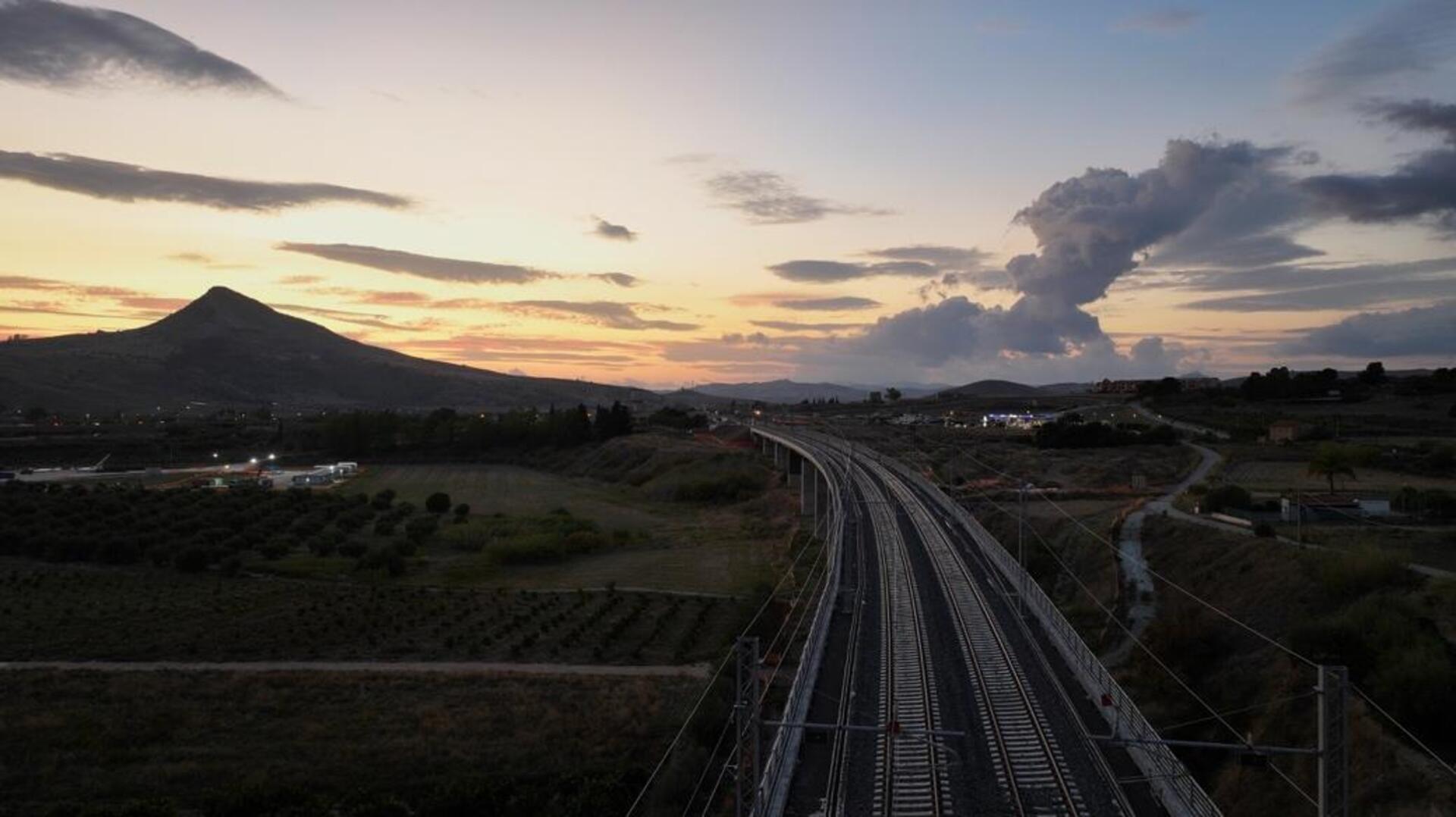
In Southern Italy, new high-speed railway lines are also renewing the transport system. Projects like the Naples–Bari high-speed rail line and the upgrade of Palermo–Catania reinforce the South’s links with major national and European corridors.
In this context, projects are commissioned by RFI (FS Italiane Group) and Webuild delivers key sections, contributing advanced engineering expertise, supporting employment, development, and more sustainable mobility.
2 – Trans-Iranian Railway (Iran)
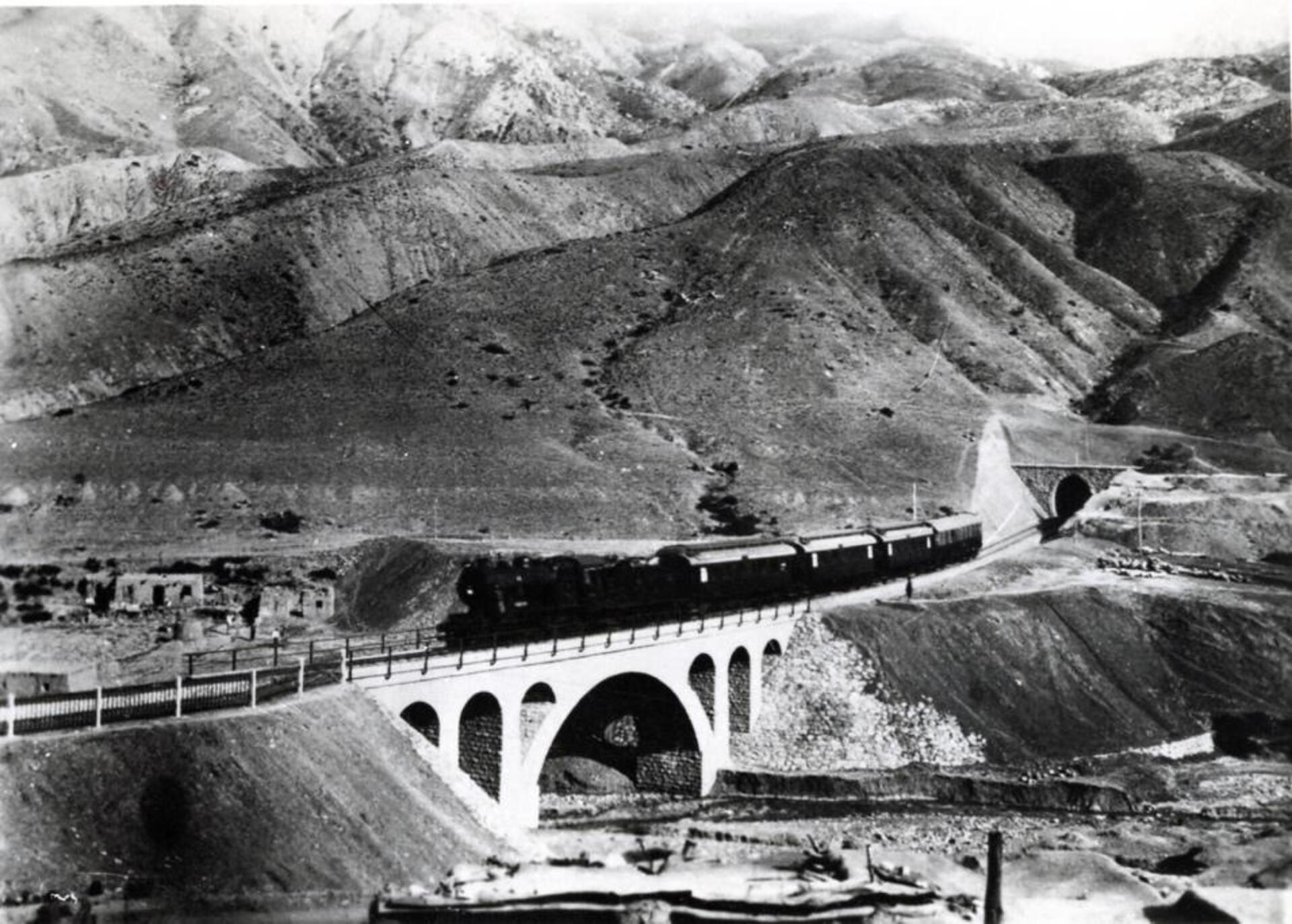
A historic example of how a railway line can transform an entire economy is the famous Trans-Iranian Railway, built between 1927 and 1938 to connect the Persian Gulf to the Caspian Sea across more than 1,400 km of mountains and deserts.
Considered a 20th-century engineering masterpiece, the project includes hundreds of bridges, tunnels, and galleries and united a previously fragmented country, fostering industrialization, urbanization, and national economic development.
The project was entirely funded with local capital, making the railway a true symbol of national identity. It involved numerous international companies, including Impresit (now part of Webuild), which secured the most complex construction sections.
Today, the Trans-Iranian Railway remains a vital infrastructure and a UNESCO World Heritage site, showing how railway lines can drive growth and modernization.
3 – Shinkansen (Japan)
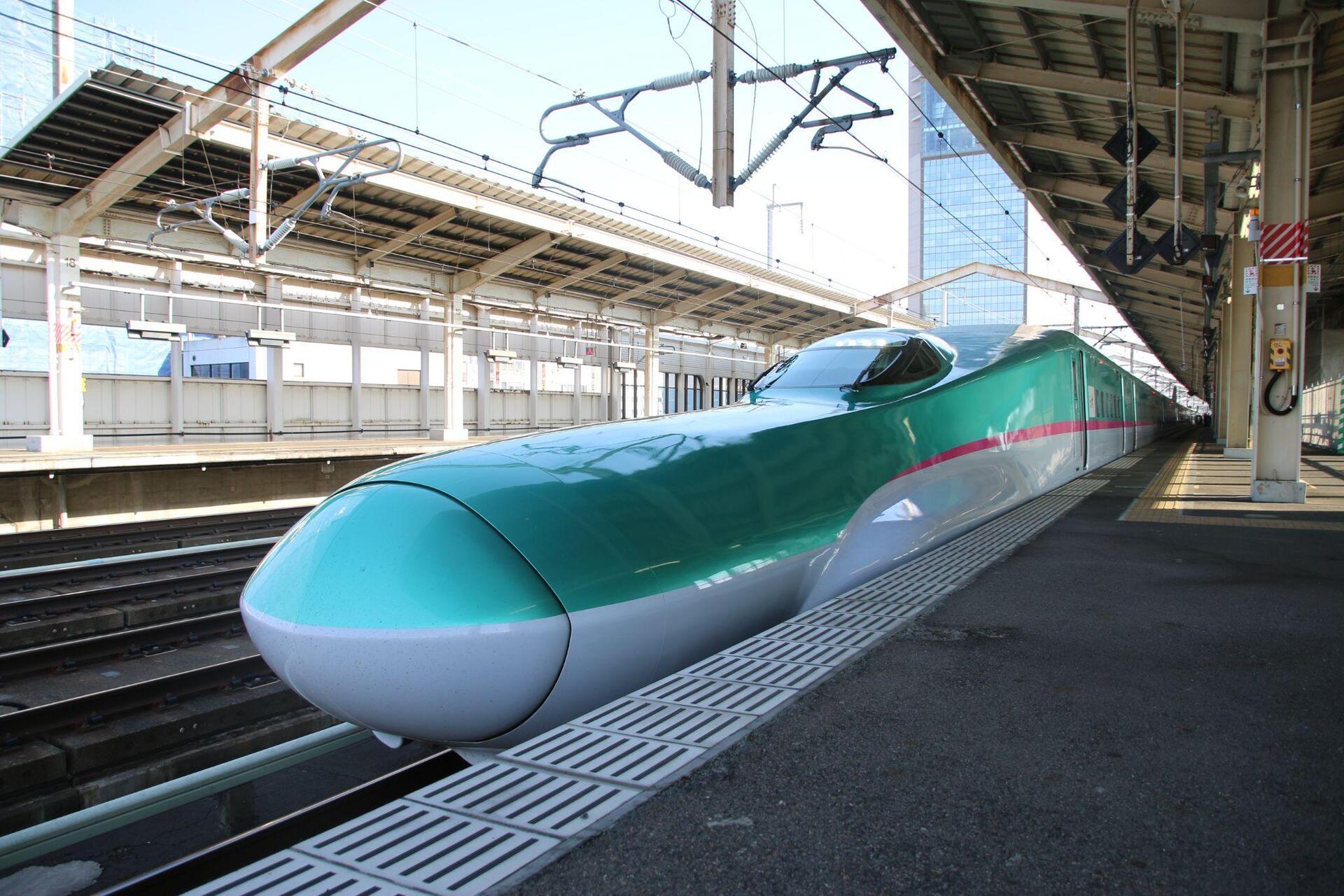
Japan’s Shinkansen network is one of the world’s most famous examples of how high-speed rail can shape a country’s economic and social structure.
Opened in 1964 to connect Tokyo to Osaka, it has since expanded across much of the archipelago, carrying over one million passengers daily and drastically reducing travel times between major regions.
By shortening distances, the so-called “Bullet Trains” have extended commuting areas, increased tourism, boosted real estate values around stations, and stimulated commercial and service activities in connected cities. Shinkansen stations are no longer just transit points: they are dynamic hubs with shops, restaurants, and services generating widespread economic value along the entire network.
4 – Eurostar / Channel Tunnel (UK–France)
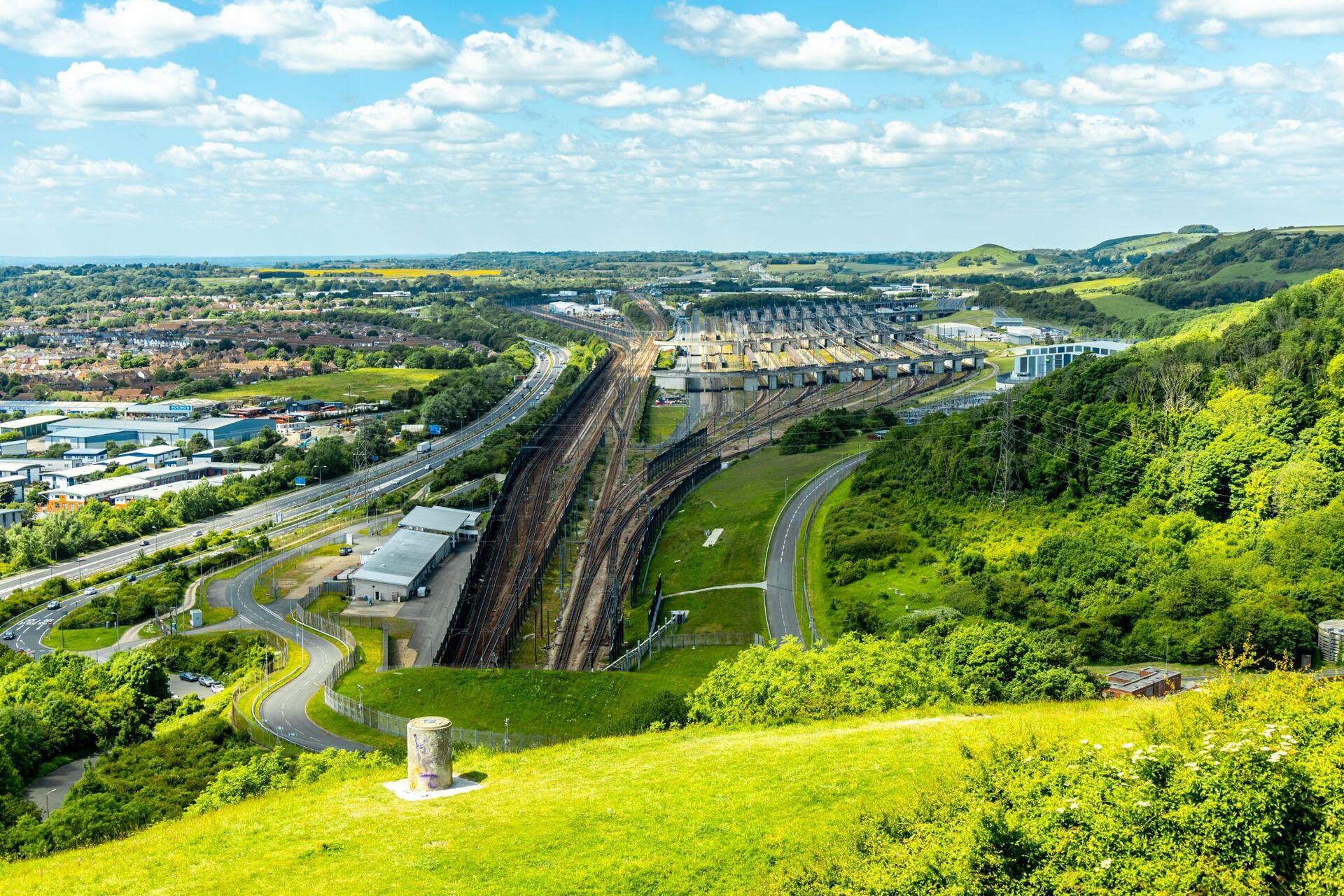
Another emblematic case that changed the regional economy is the Channel Tunnel with the Eurostar, the London to Paris train inaugurated in 1994 to connect the United Kingdom with France.
A fixed rail link, the so-called “Chunnel” has reshaped trade flows between the UK and the rest of Europe, handling over £90 billion worth of goods annually and supporting hundreds of thousands of jobs.
Speed, reliability, and direct integration with domestic road and rail networks make the underwater tunnel strategic for just-in-time production systems, rapid transport of perishable goods, and industrial supply chains, while also carrying millions of passengers each year via combined passenger and freight shuttle services.
5 – Indian Railways (India)
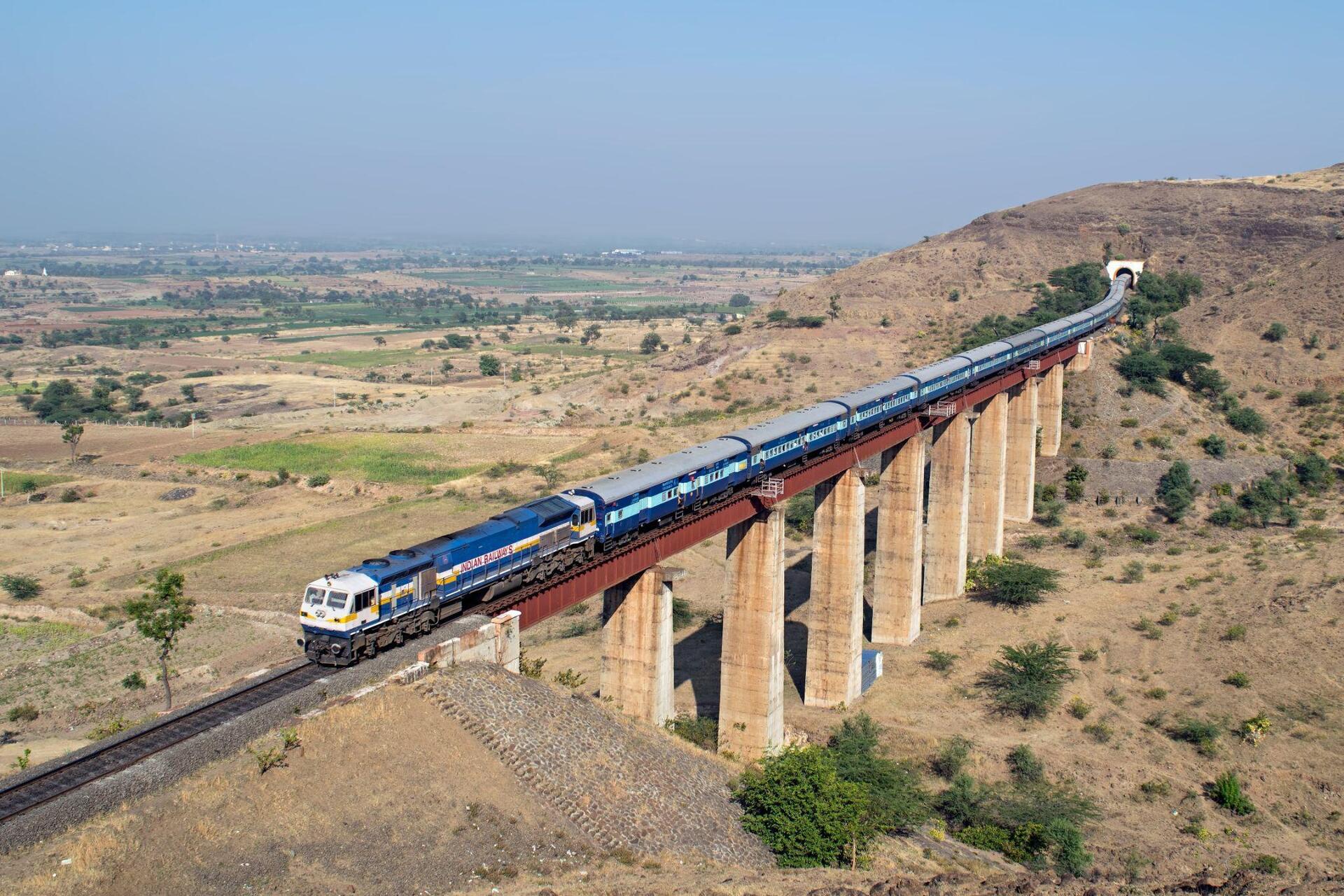
Another railway with extraordinary economic impact is Indian Railways, one of the largest rail networks in the world, crucial for mobility and economic development in India.
The network connects hundreds of cities and villages, transporting billions of passengers and hundreds of millions of tons of goods annually, directly supporting the industrial, agricultural, and service sectors.
Beyond its primary transport function, Indian Railways stimulates related activities such as tourism, retail, and catering services, providing income and employment to local economies.