


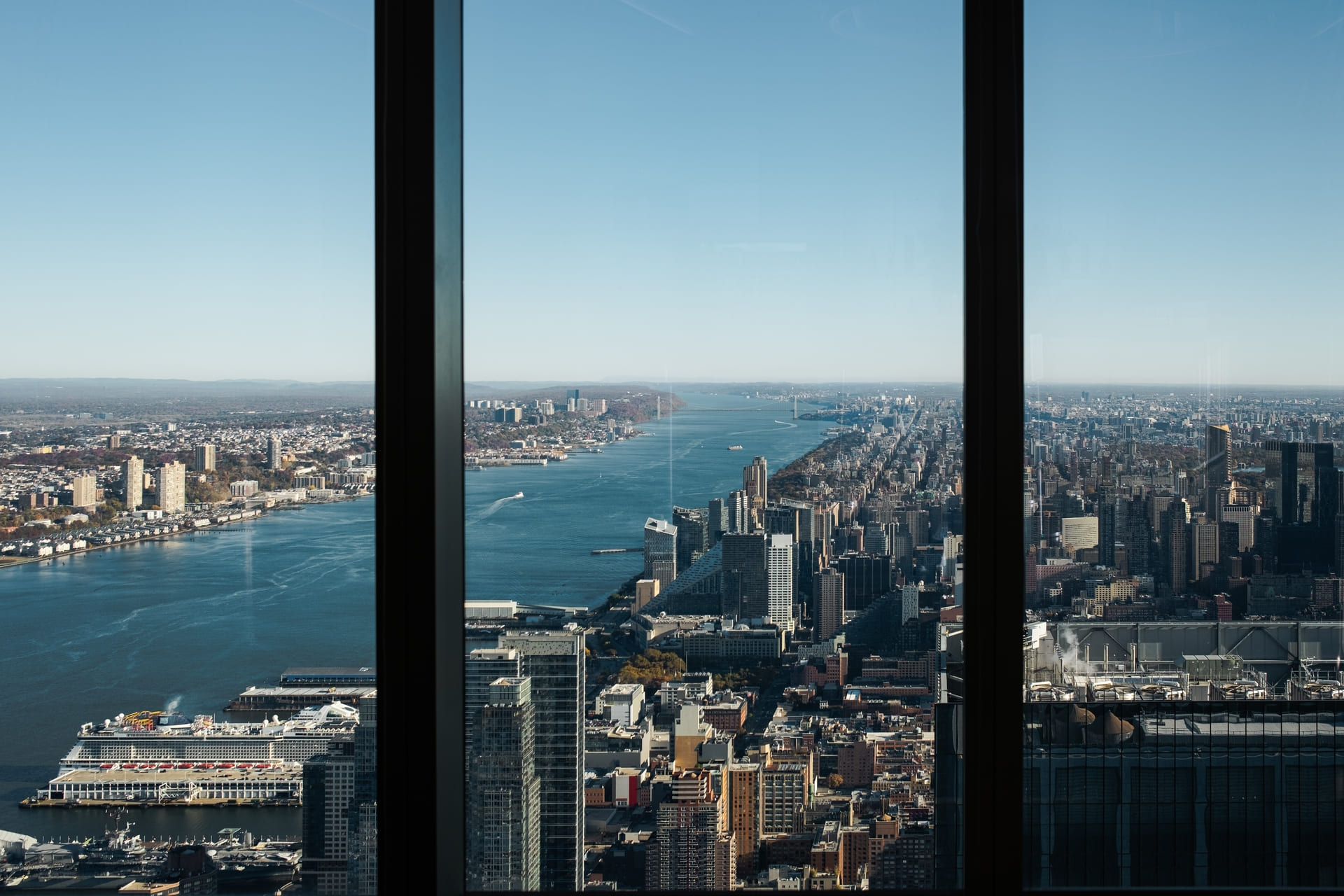
 Aerial view of the Hudson River, New York
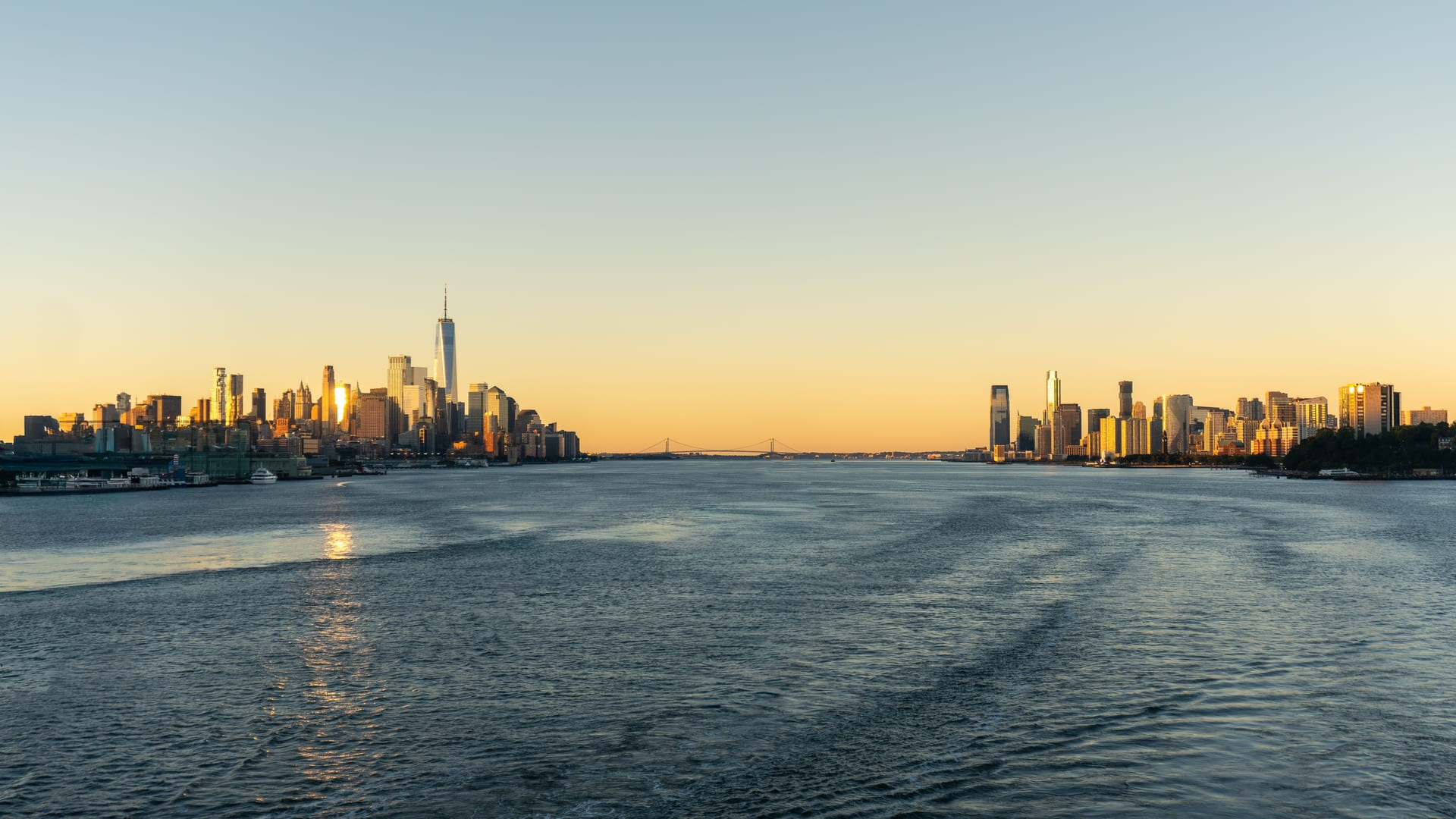 The Hudson River dividing New York and Jersey City
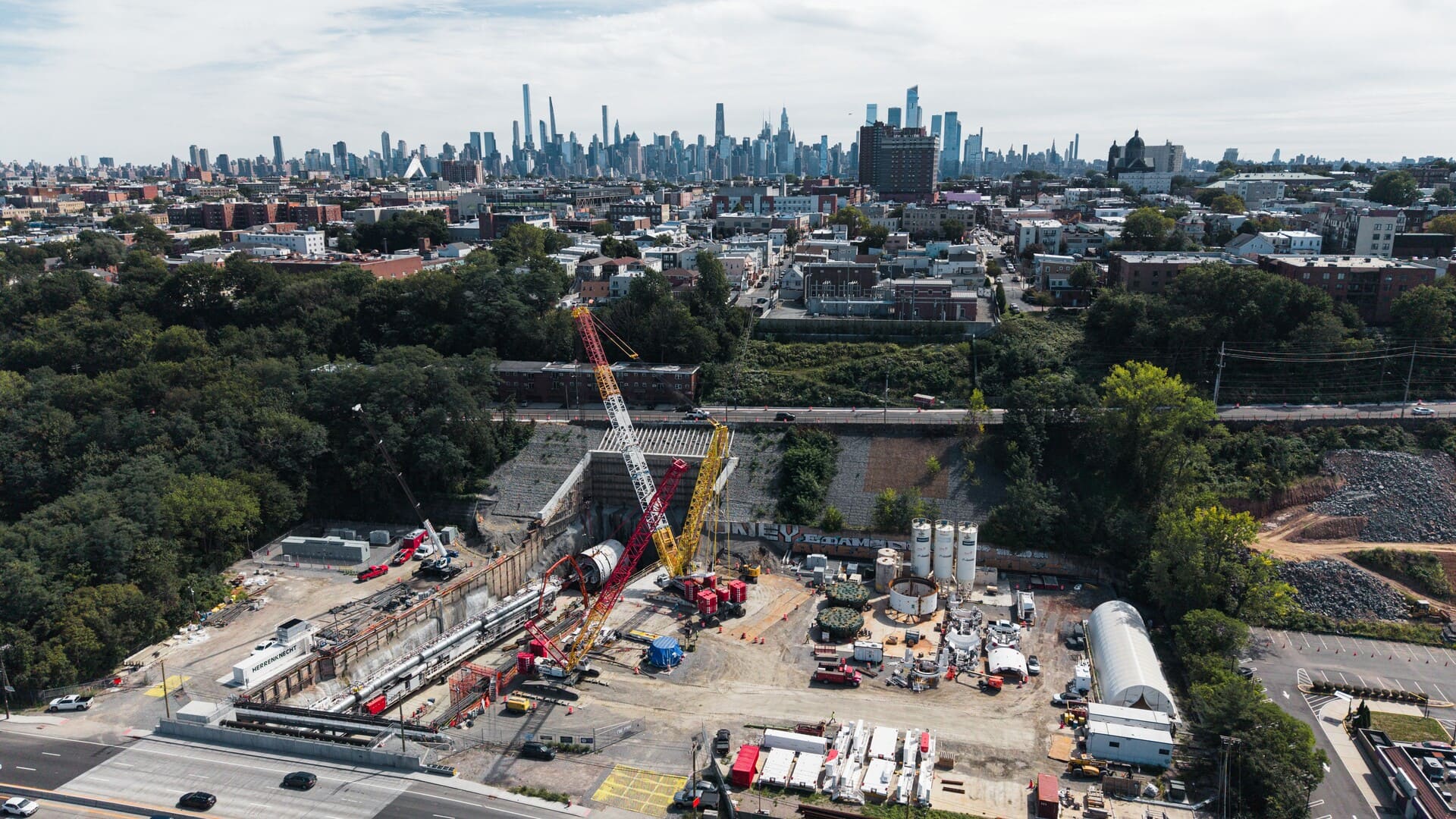 Palisades Tunnel Project construction site (Hudson Tunnel Project), New Jersey
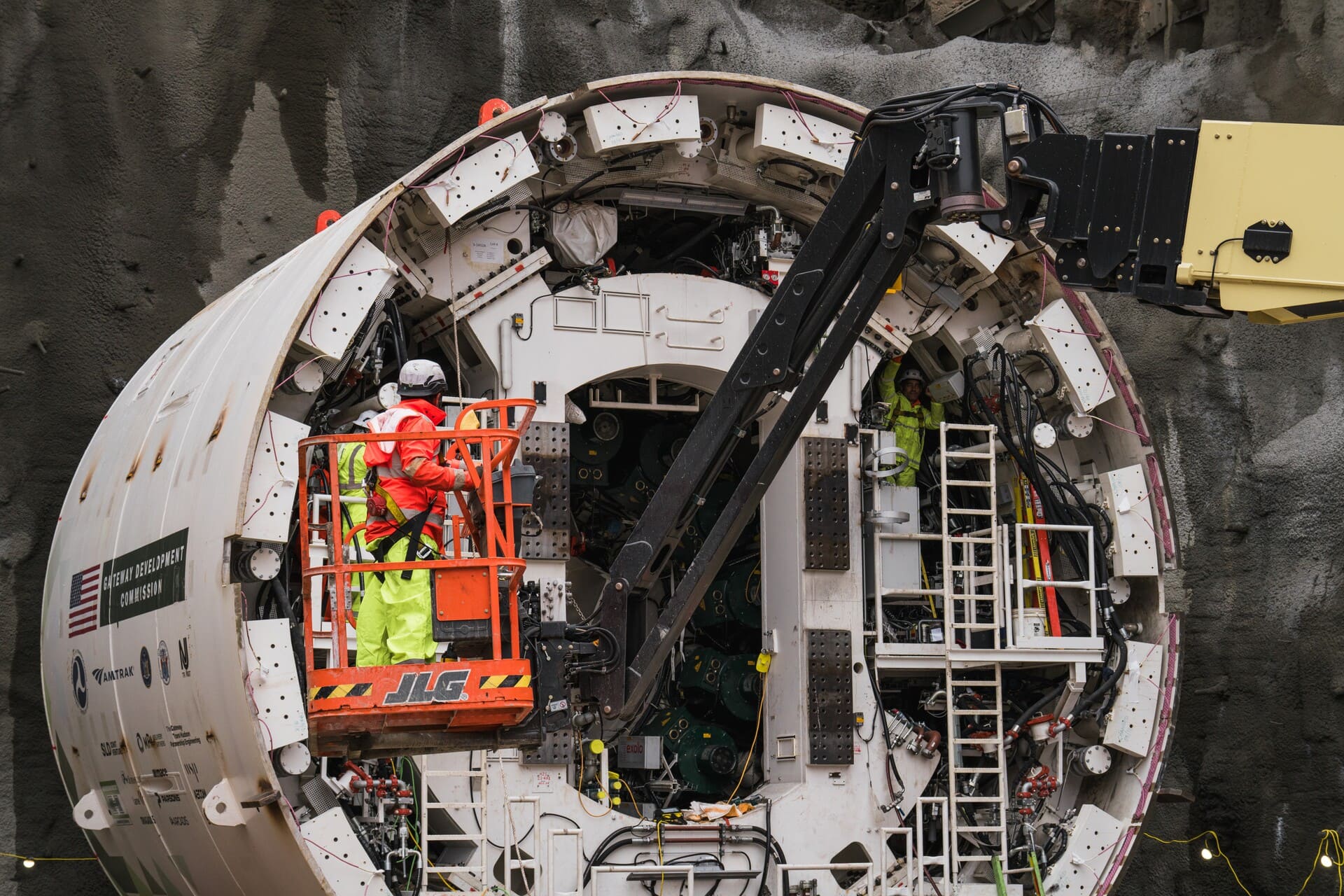 Palisades Tunnel Project construction site (Hudson Tunnel Project), New Jersey
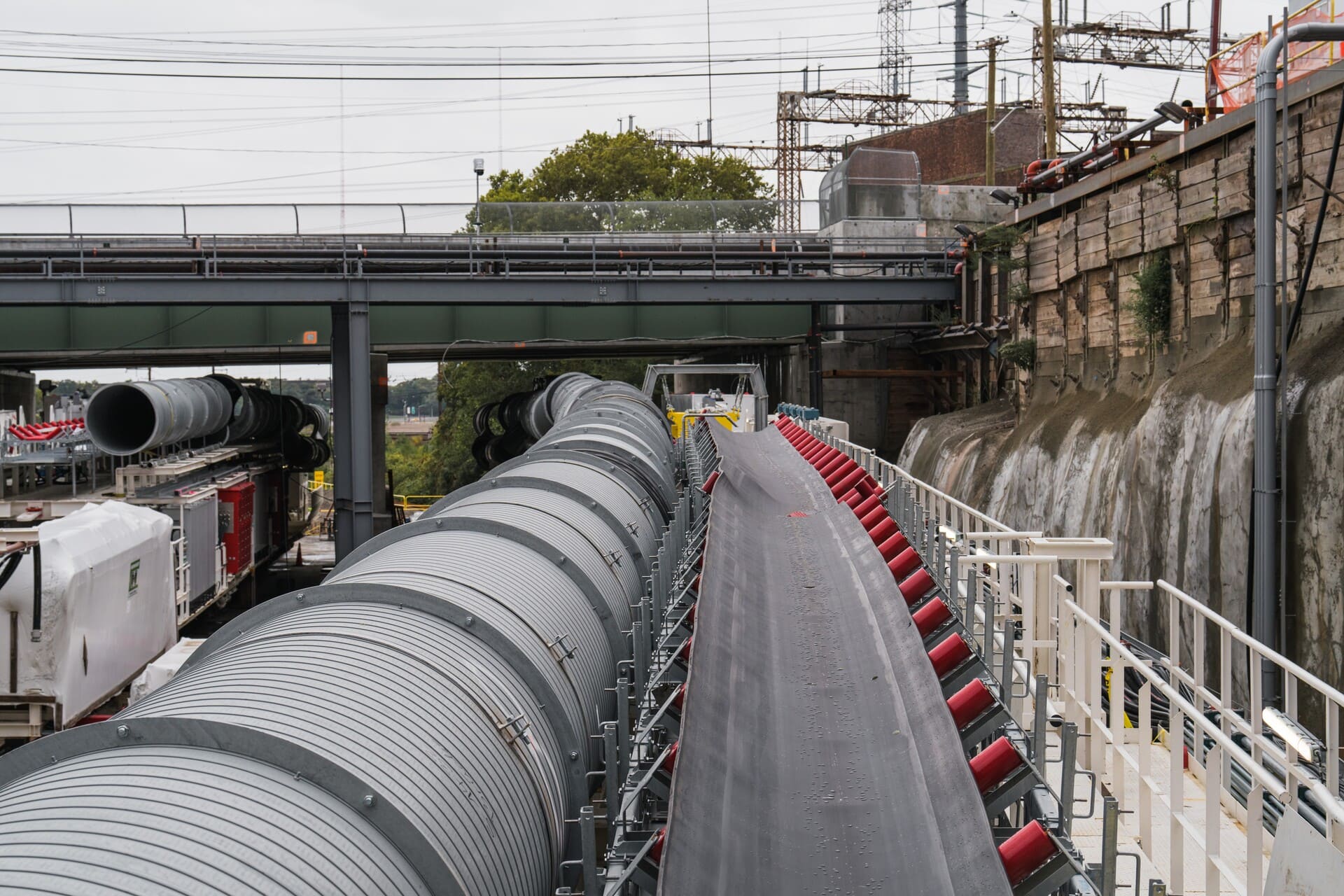 Palisades Tunnel Project construction site (Hudson Tunnel Project), New Jersey
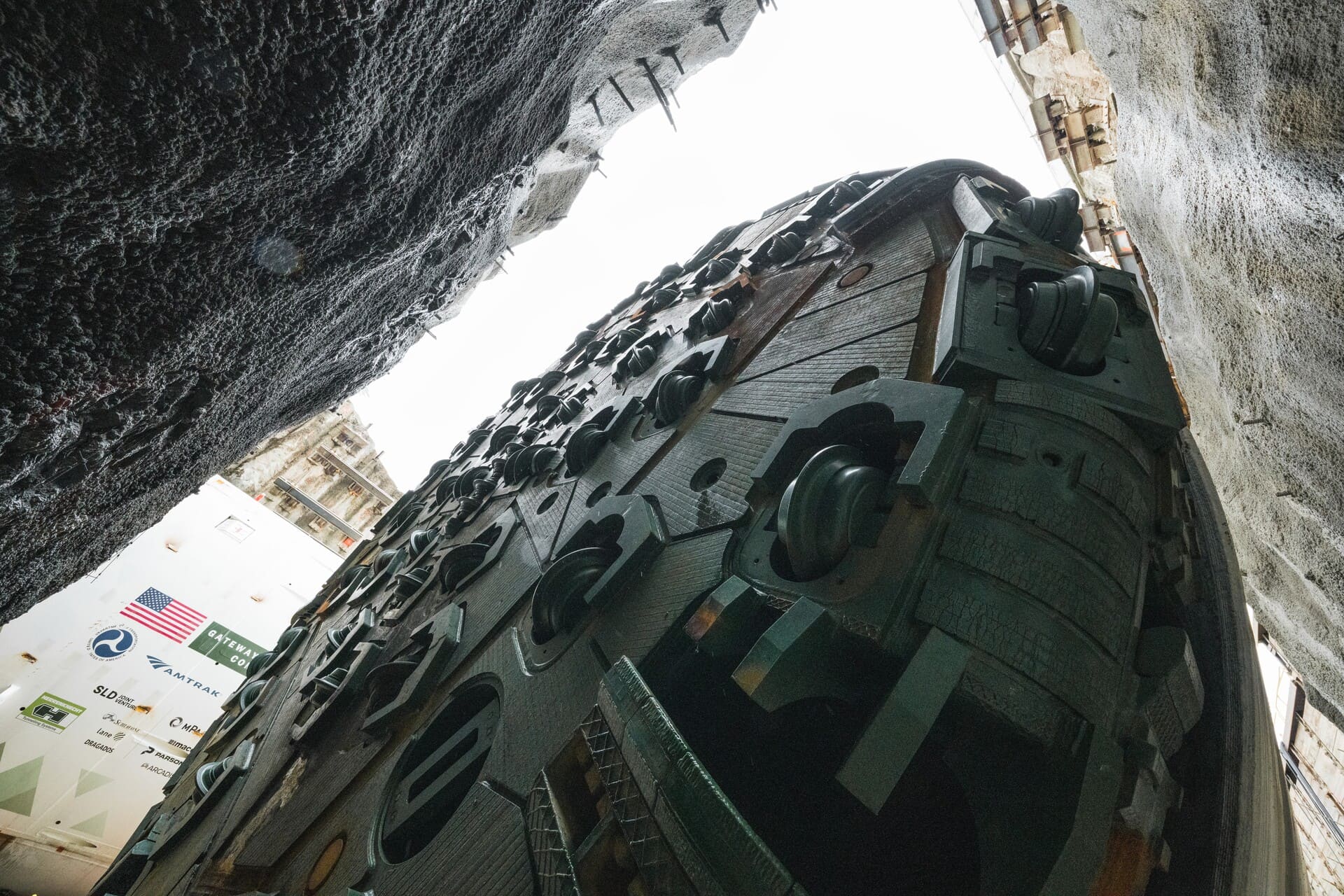 Palisades Tunnel Project construction site (Hudson Tunnel Project), New Jersey
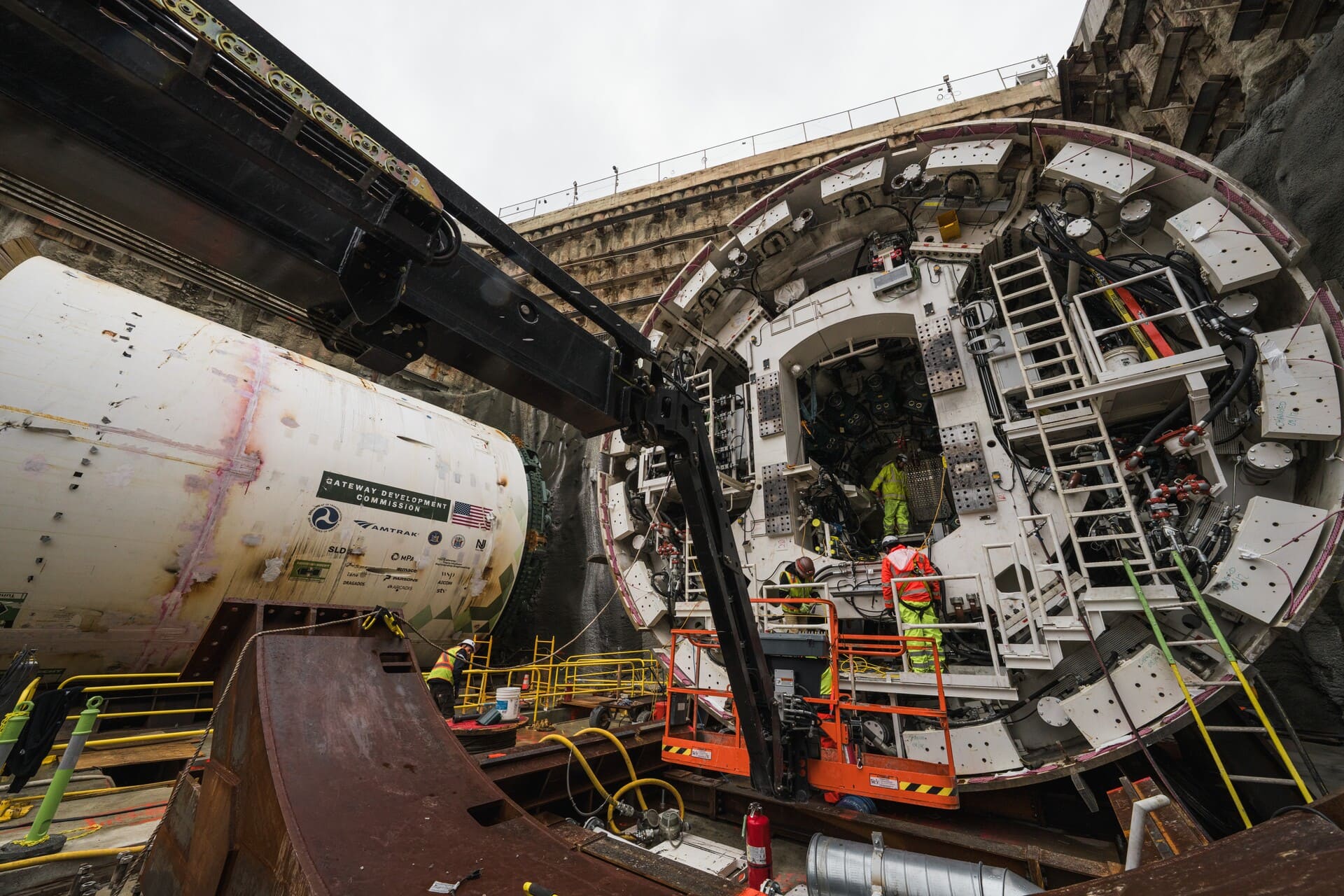 Palisades Tunnel Project construction site (Hudson Tunnel Project), New Jersey
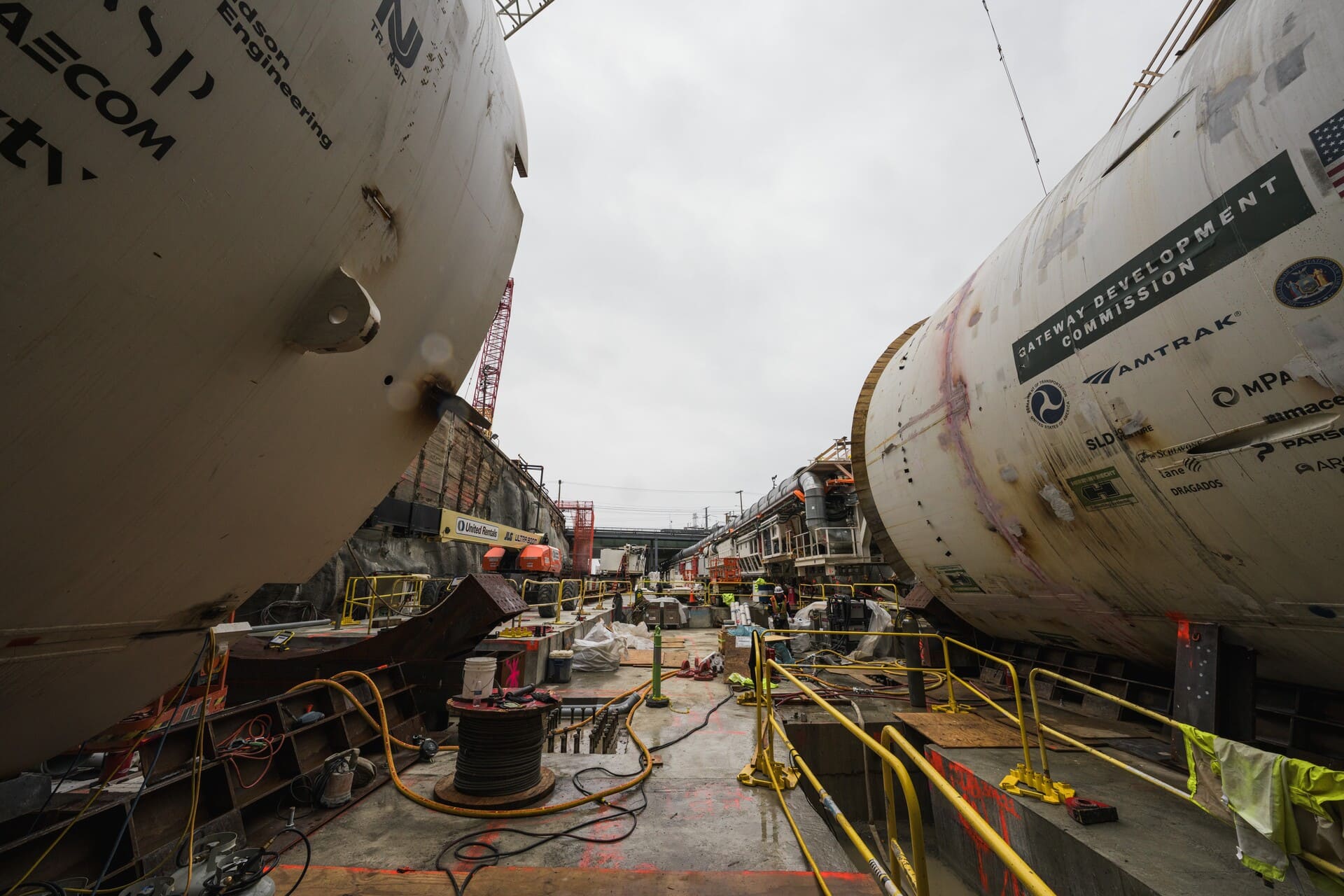 Palisades Tunnel Project construction site (Hudson Tunnel Project), New Jersey
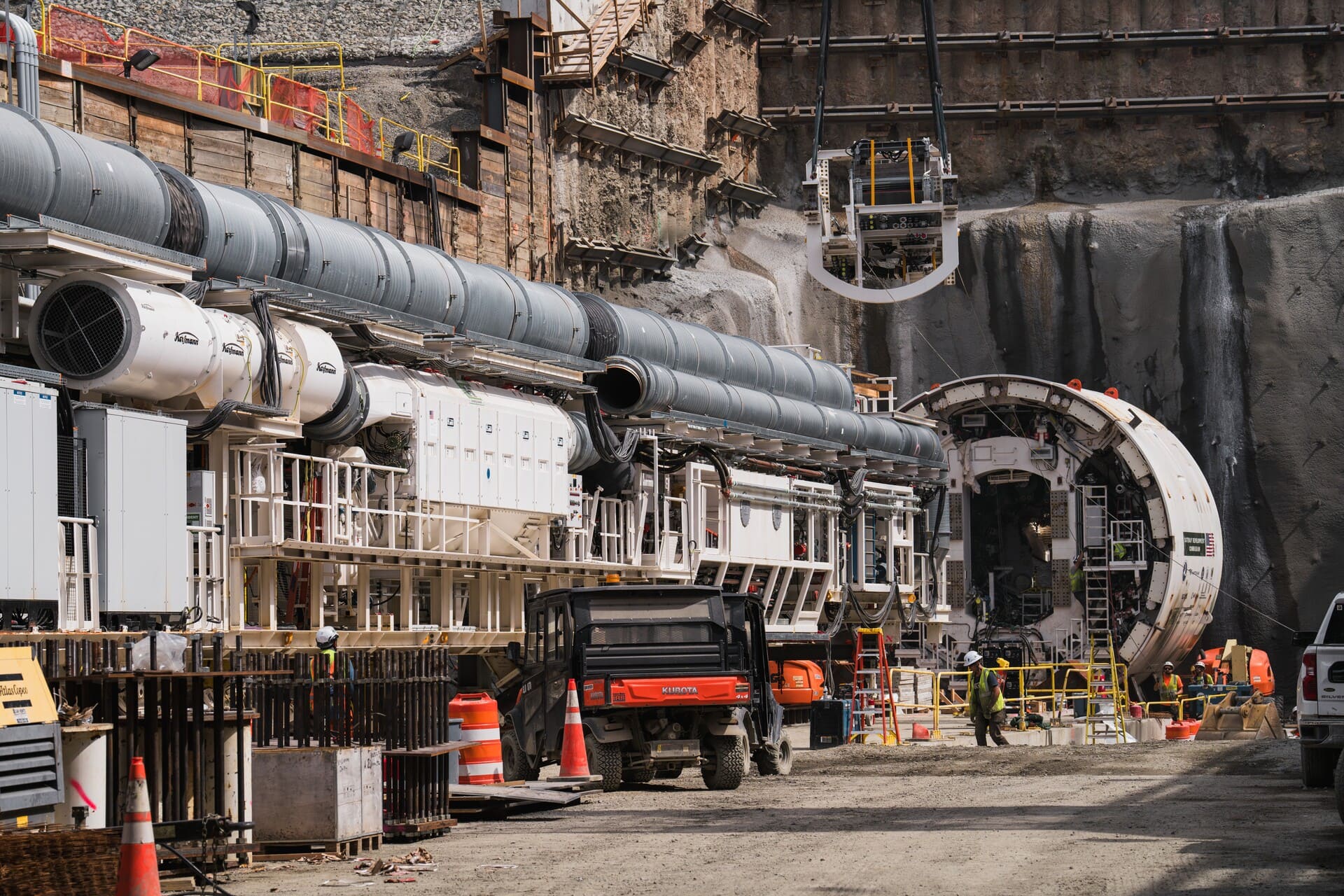 Palisades Tunnel Project construction site (Hudson Tunnel Project), New Jersey
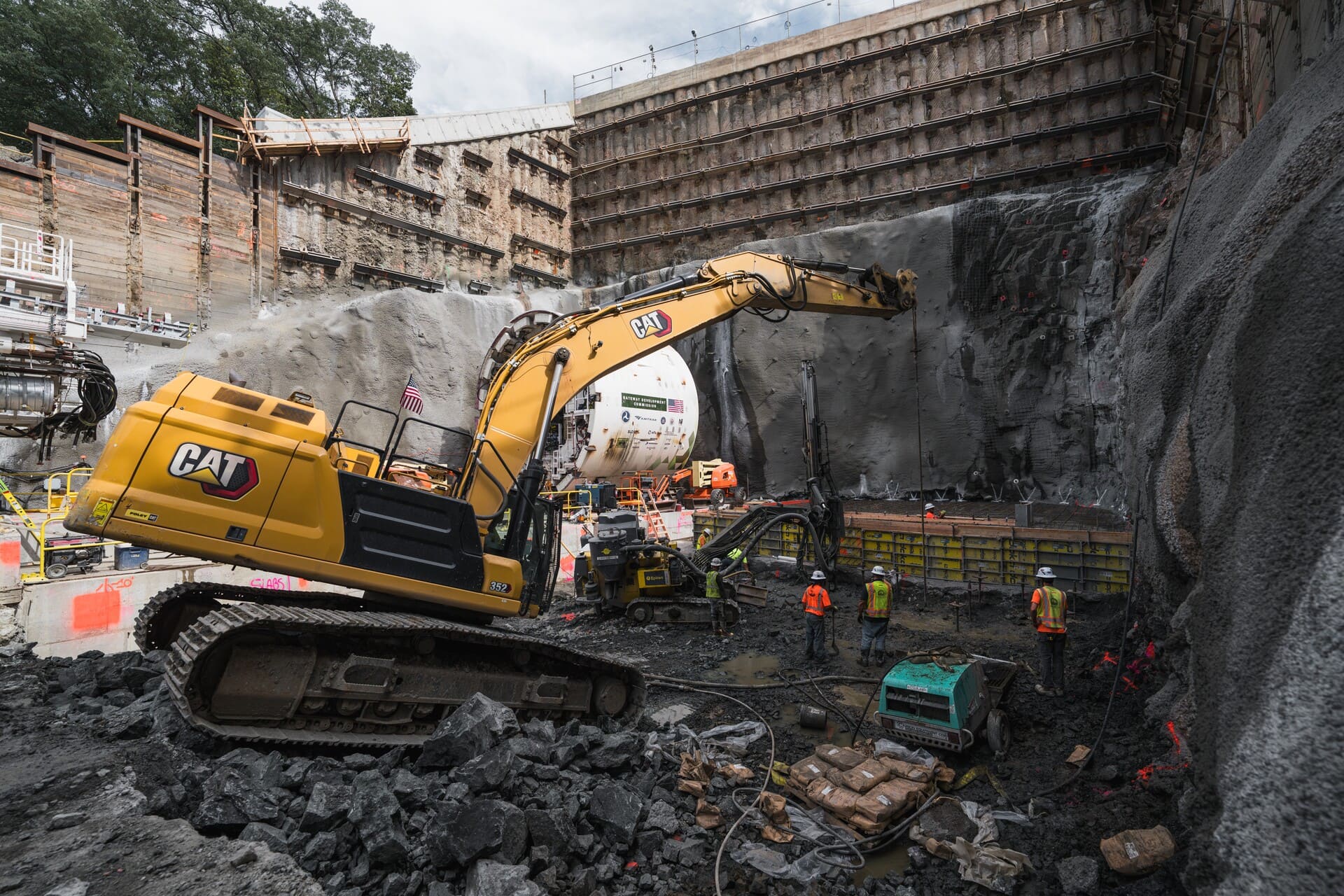 Palisades Tunnel Project construction site (Hudson Tunnel Project), New Jersey
- More than a century after the inauguration of the first railway tunnel under the Hudson River, excavation work resumes for a new rail link between New York and New Jersey.
- The Hudson Tunnel Project is one of the strategic works of the Gateway Program, the master plan to modernize the Northeast Corridor, one of the busiest rail corridors in the United States.
- The first of two giant TBMs, each weighing over 1,680 tons, have gone into operation to excavate the tunnels for the Palisades Tunnel Project.
- Playing a key role in the works is Lane Construction, the U.S. subsidiary of the Webuild Group, engaged as part of the Schiavone Lane Dragados joint venture.
- The railway project encompasses approximately 14.5 kilometers of new railway tracks and will allow for the rehabilitation of the historic North River Tunnel, which opened in 1910.
read more

Ring by ring. The workers advanced beneath the Hudson River, assembling the tunnel’s cast-iron structure one piece at a time. They worked inside enormous steel shields pushed through the ground by hydraulic jacks, while compressed air kept water and mud at bay.
It was the beginning of the twentieth century. That was how the rail tunnel connecting New York and New Jersey was built. It entered service in 1910. More than a century later, tunneling has begun again along the same rail corridor.
This time, however, the machines cutting their way through the rock are giant TBMs weighing more than 1,680 tons each.
The new chapter is the Hudson Tunnel Project, overseen by the Gateway Development Commission (GDC), which on October 8 announced that the first tunnel boring machine for the Palisades Tunnel Project had begun digging. The Hudson Tunnel Project is the cornerstone of the broader Gateway Program, designed to modernize the most congested section of the Northeast Corridor.
The first TBM launched from the tunnel portal in North Bergen, New Jersey, and is advancing toward the Hudson County Access Shaft on the border of Weehawken and Hoboken. A second tunnel boring machine will follow in parallel to build the other tunnel tube.
The two machines are single-shield TBMs designed to bore through the hard rock of the Palisades. Each has a cutterhead measuring 28 feet 8 inches in diameter, or about 8.74 meters, while its trailing gantries extend roughly 500 feet.
The tunnel boring machines are being operated by the Schiavone Lane Dragados joint venture, comprised of SPC Construction Co. LLC, (the former Schiavone Construction Co. LLC is now part of SPC), a subsidiary of FlatironDragados; Lane Construction, the U.S. subsidiary of the Webuild Group; and FlatironDragados (the former Dragados USA is now part of FlatironDragados), part of the ACS Group. The joint venture is leading construction of the Palisades Tunnel Project, the first tunnel-boring construction package of the entire Hudson Tunnel Project. The Port Authority of New York and New Jersey is managing delivery of the package in partnership with GDC.
Each TBM will build approximately 5,100 feet of tunnel, more than 1.5 kilometers, advancing at an average rate of roughly 30 feet per day, or just over nine meters, including scheduled maintenance pauses. As it moves forward, the machine installs precast concrete segments behind it to form the tunnel’s permanent lining.
In some respects, the construction principle still echoes the challenge faced more than a century ago: advancing underground while simultaneously building the structure that will remain in place. But the technology and safety standards have changed completely.
Four TBMs at work
The first pair of TBMs assigned to the Palisades Tunnel Project represents only the initial phase. Once the machines reach the Hudson County Access Shaft, they will be removed. A second pair of TBMs, under a separate contract, will then take over for the next section beneath the Hudson River, where much more variable underground conditions require machines capable of working through both rock and soft ground.
That second phase will build two tunnel tubes approximately 7,250 feet long beneath the river, connected by nine cross-passages.
The new railway tunnels are part of a broader project that will build nine miles of new passenger rail track between New York and New Jersey, including nearly five miles of tunneling, followed by the rehabilitation of the existing North River Tunnel.
And it is the old tunnel dating from 1910 that explains the urgency of the project.
New Infrastructure for America's Busiest Railway
For more than a century, the North River Tunnel has provided an essential connection along the Northeast Corridor.
The new Hudson Tunnel will improve the system’s resilience and redundancy and, crucially, make it possible to rehabilitate the North River Tunnel while trains keep running between New Jersey and Manhattan.
GDC expects the new tunnel to open for service in 2035, with rehabilitation of the existing North River Tunnel completed in 2038.
The Hudson Tunnel Project is being delivered through 10 construction packages. On the New Jersey side, preparatory work began with the Tonnelle Avenue Bridge & Utility Relocation Project, launched in 2023 and completed in 2026. The project created the space needed beneath Tonnelle Avenue to assemble and launch the TBMs.
Today, that space has become the starting point for the excavation. More than a century after the first railway connection beneath the Hudson was built, the challenge remains much the same: creating a reliable link between New Jersey and New York. Once again, ring by ring.