


 Auckland, New Zealand
 Mount Cook and lake Pukaki
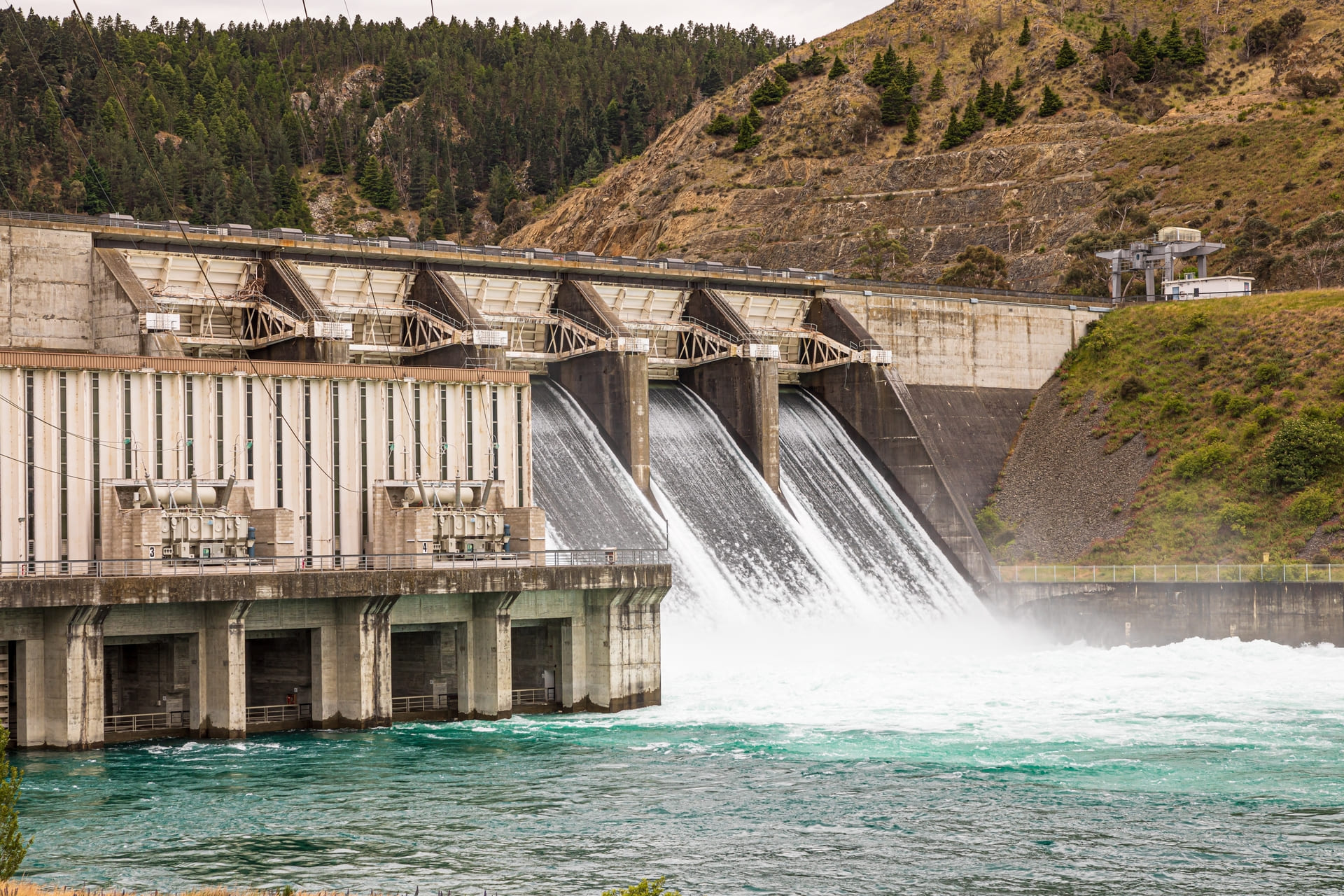 Aviemore Dam
 Data center interior
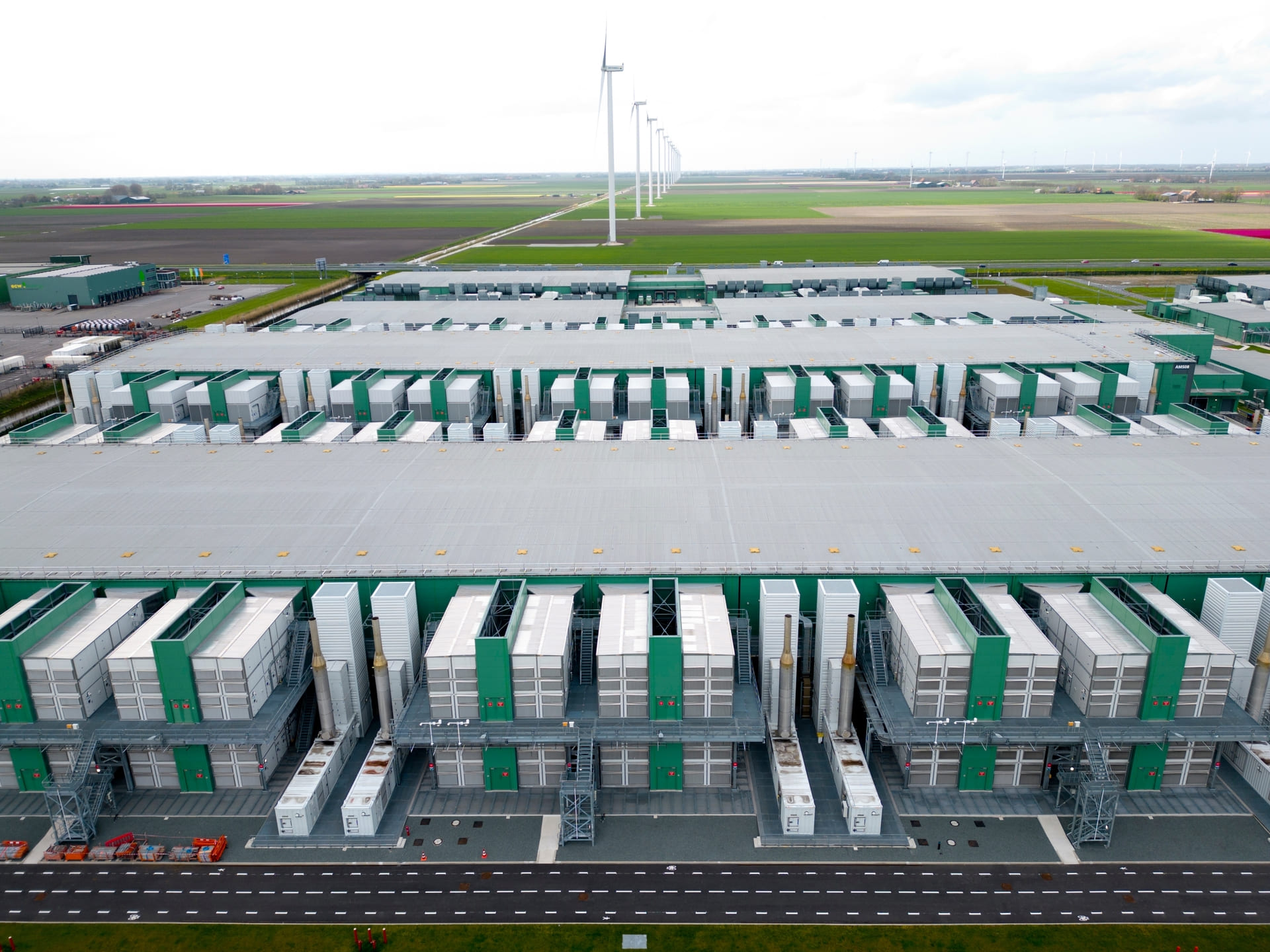 Data center, external view
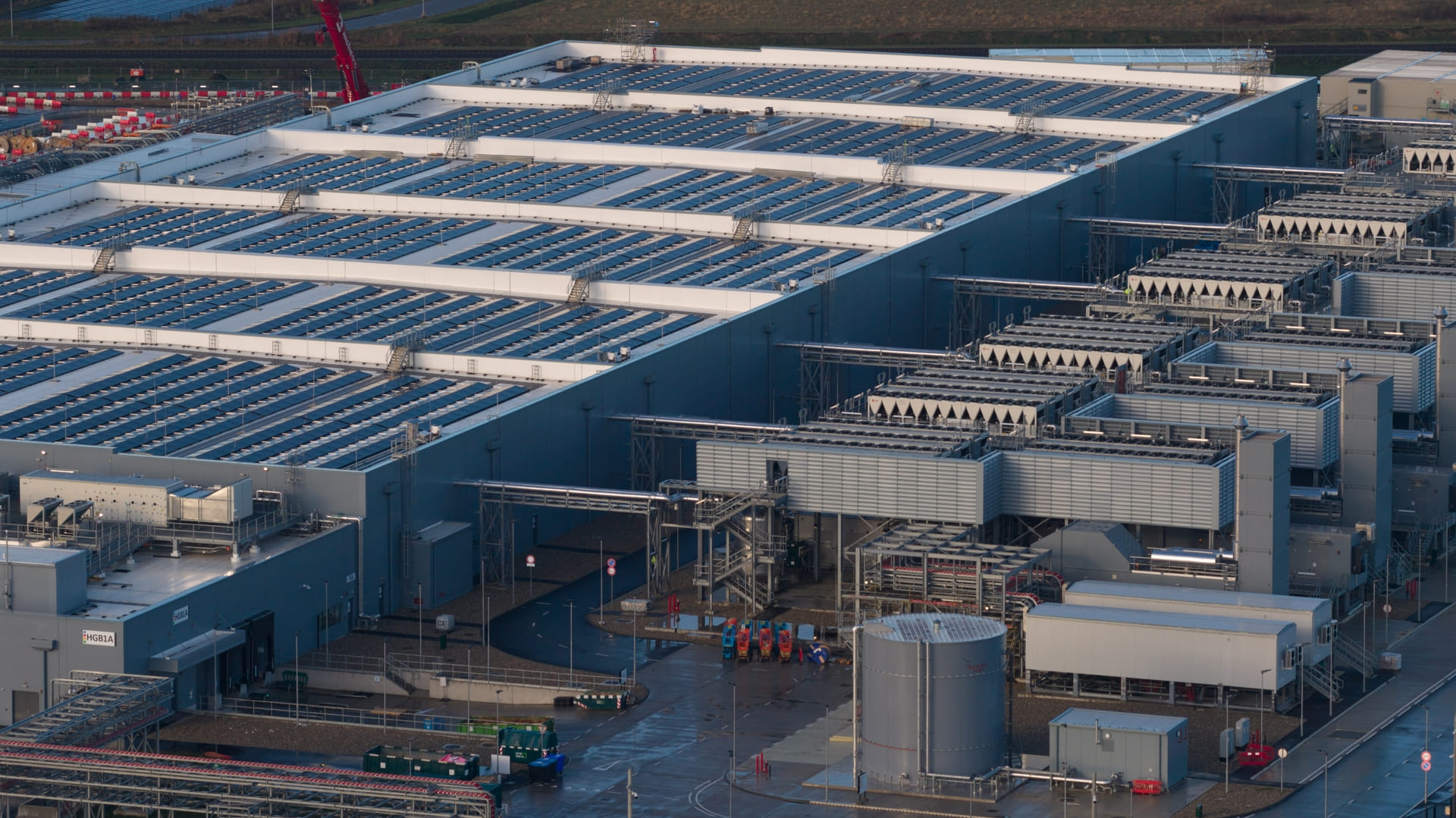 Data center, external view
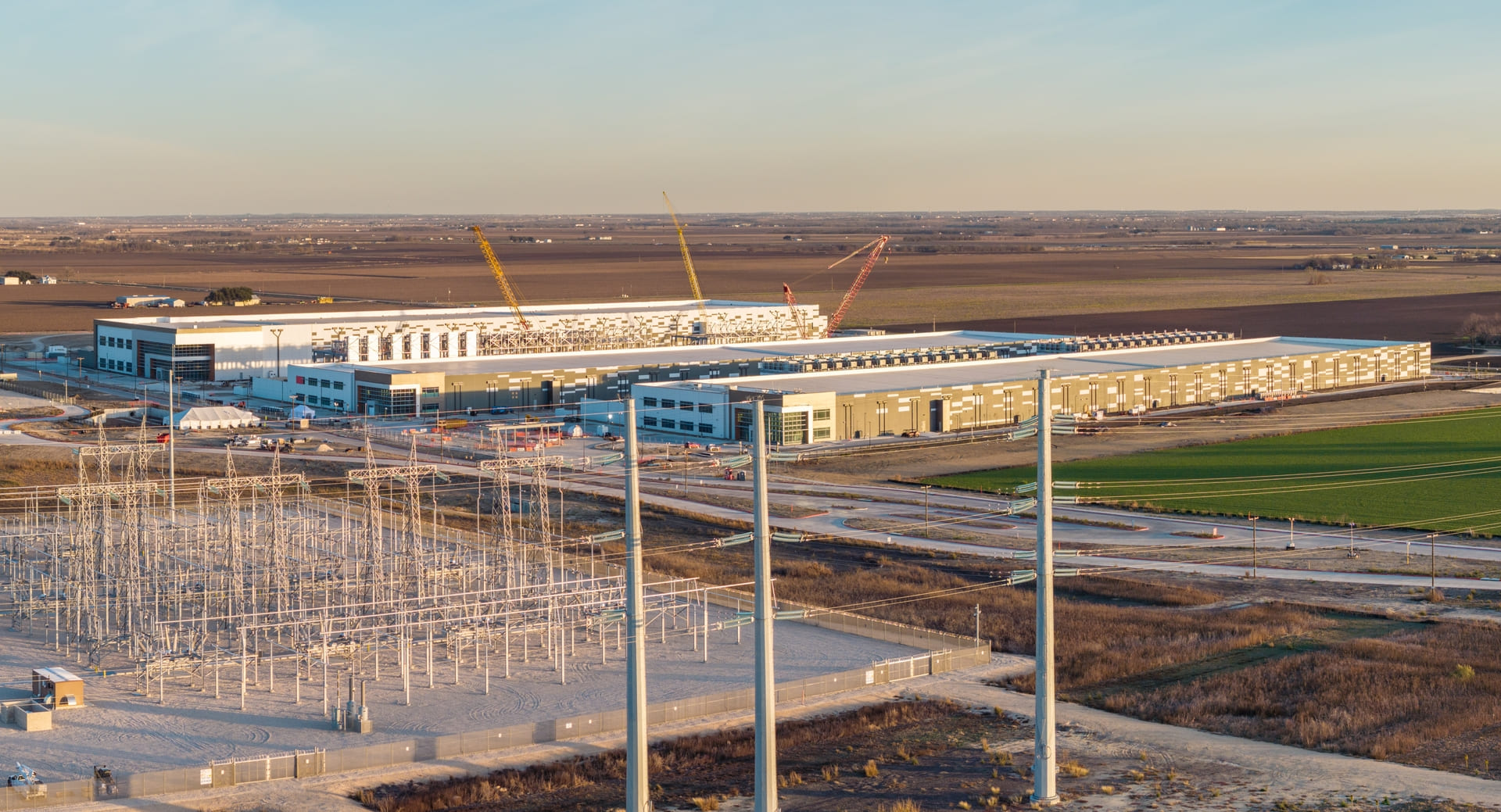 Data center, external view
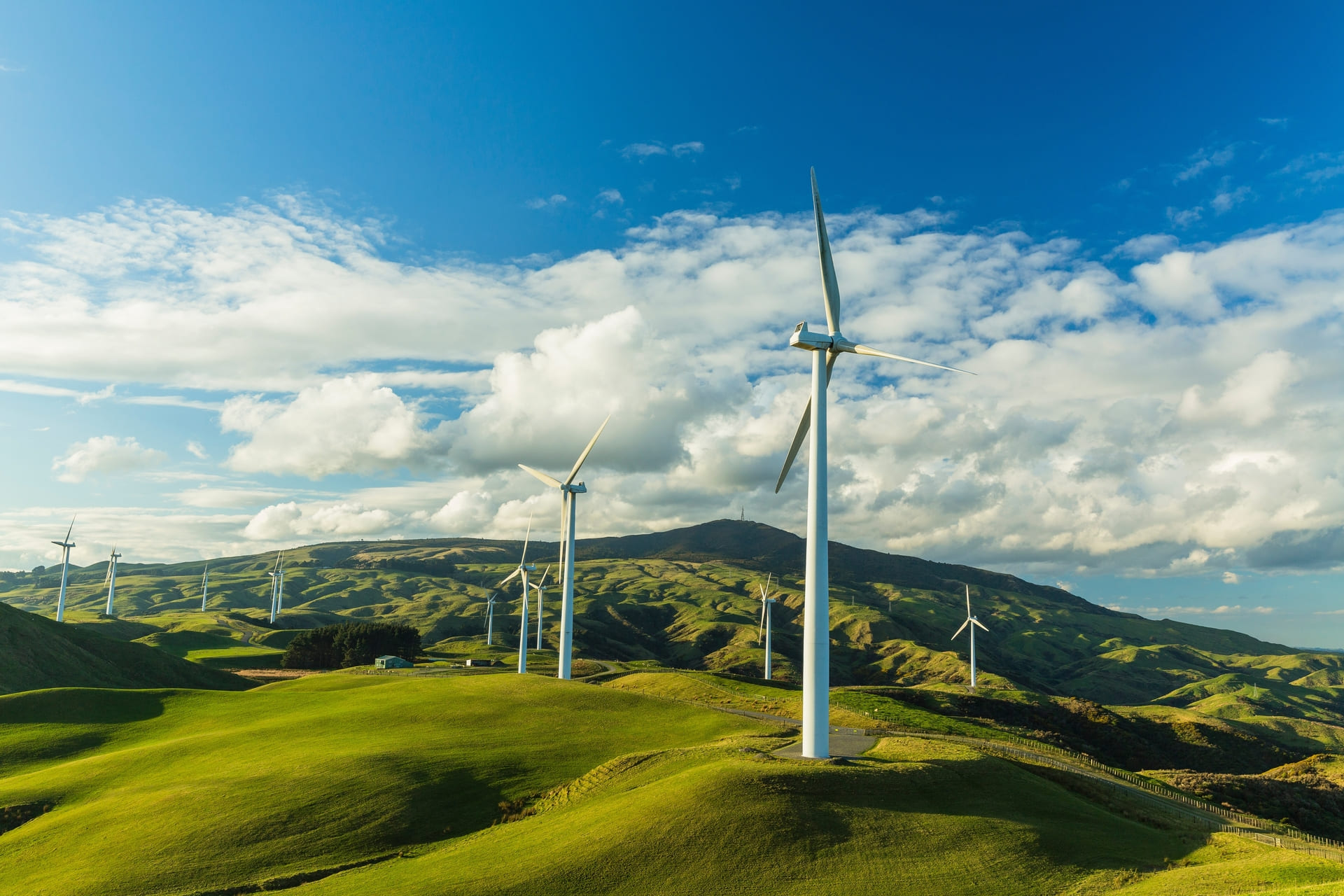 Te Apiti wind Farm
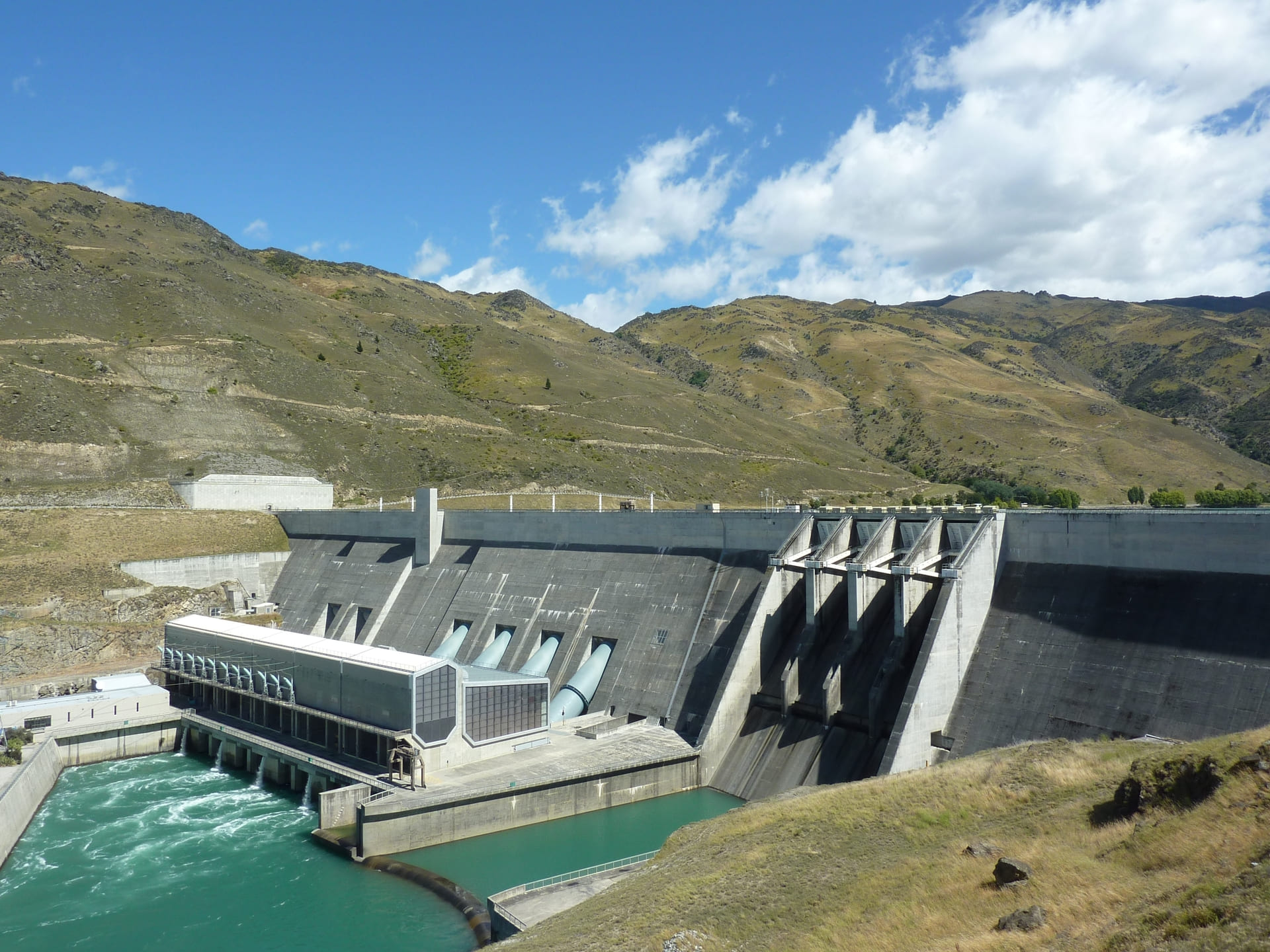 Clyde Dam
 Wellington, New Zealand
- Global data centre capacity is set to more than double by 2030, driven by artificial intelligence
- New Zealand starts from a unique position: abundant renewable energy, political stability and growing connectivity—a combination that makes it one of the most competitive destinations for new data centres
- New Zealand’s electricity system is targeting 95% renewable energy by 2028 and 98% by 2030
- If it succeeds in attracting investment, New Zealand could generate up to $70 billion in economic activity over ten years, creating a new high-value digital industry
- Building data centres requires advanced infrastructure expertise. In this context, groups such as Webuild, including through CSC, can play a key role in developing these new strategic infrastructures


A stable and open economic model, capable of adapting to global shifts, is now looking toward the frontier of innovation – one defined and sustained by the data revolution. New Zealand, a nation with a growing GDP and a strong drive toward modernity, is poised to capture new global trends, starting with investments in data centers, which have now emerged as strategic infrastructure on par with ports and power grids.
Infrastructure that houses the servers, algorithms, and artificial intelligence models which, in turn, power services, industries, and communications – and whose placement no longer follows traditional maps.
This reality is captured in a study by Boston Consulting Group entitled “Data centres as strategic infrastructure: unlocking value for NZ Inc”, which states that New Zealand’s global computing power is set to more than double by 2030. Such rapid growth is pushing investors and developers to seek new territories in which to build, thereby accelerating the country’s technological and infrastructural development.
Artificial Intelligence and Renewable Energy: New Zealand’s Competitive Advantage
Driving this acceleration is artificial intelligence, no longer merely a technological tool but a true industrial infrastructure. Increasingly complex generative models require vast amounts of computing power, and demand for capacity is growing at unprecedented rates, reshaping the entire sector.
By 2030, global capacity will not only double, but will be largely driven by AI-related workloads, with model training alone contributing significantly to overall growth.
This transformation has a decisive effect: many activities no longer need to be located close to users, but can be sited anywhere, provided there is abundant energy, efficient connectivity and a stable environment.
It is within this space that New Zealand finds its opportunity. The decisive factor is energy. Data centres are among the most energy-intensive infrastructures ever built, and electricity costs account for up to 30–40% of operating expenditure. It is not enough for energy to be available: it must be reliable, competitive and increasingly sustainable.
New Zealand starts from a privileged position. Its electric system is already among the cleanest in the world and is on track to reach 95% renewable power generation by 2028 and 98% by 2030.
More importantly, it is the untapped potential that makes the difference. Geothermal energy alone could provide around 21 TWh annually – equivalent to half of current national demand – while wind and solar offer further significant development potential.
This abundance enables something many other countries can no longer afford: building new data centers without diverting energy from the rest of the economy. On the contrary, growth can be supported by new sustainable energy generation, maintaining balance and system stability.
Data Centres: An Industry that Could Transform the Country
Today, New Zealand has around 125 MW of installed data centre capacity – just 0.15% of the global market – a figure that reflects a relative lag but also a vast scope for development.
According to the study’s projections, the domestic market could expand by around 300 MW by 2035. To this would be added a digital export component, which under the base scenario would contribute a further 300 MW and, under a more ambitious scenario, up to 1,000 MW. Within a few years, the sector could grow sixfold or even elevenfold compared with current levels.
The most striking figure, however, concerns economic impact. If New Zealand succeeds in positioning itself as a preferred destination for global investment, it could generate up to $70 billion in economic activity over the next decade, creating a new high-value industry. This impact does not depend solely on technology. Data centers bring skilled employment, regional development and demand for advanced infrastructure and services, becoming the engine of a profound economic transformation.
Behind the growth of data centers lies a factor that is often invisible: their construction. These digital infrastructure projects are among the most complex ever built, requiring advanced expertise, integration between digital and energy systems, and the ability to manage highly technological construction sites.
This is a domain in which the world of large-scale infrastructure plays a decisive role. Building data centers is not only about servers and software, but also about engineering, materials, networks, timelines and sustainability.
In this context, the contribution of global operators such as the Webuild Group becomes central. Through its expertise and also via its subsidiary CSC, the Group is active in delivering complex and technological infrastructure, including data center infrastructure, bringing know-how developed through the management of large-scale projects and the construction of strategic works.
In this sense, New Zealand, from a geographical periphery, can become one of the central nodes of the new global network – and an example of a new global paradigm in which the infrastructure of the future will no longer follow only trade routes, but those of energy and data.
A Resilient Economy That Boosts Investment in Infrastructure
Before becoming a frontier for data centers, New Zealand has built its development model upon a profound drive toward modernity and innovation.
After a slowdown linked to inflation and the interest rate cycle, the country has returned to a growth path: according to OECD estimates, GDP is expected to grow by 1.8% in 2026 and 2.8% in 2027. A gradual recovery, supported by the return of tourism, international demand for commodities and an economy that continues to demonstrate resilience.
Within this trajectory, infrastructure represents a central lever – not only to sustain growth, but also to address one of the country’s historical constraints: geographical distance and territorial fragmentation. In recent years, Wellington has therefore strengthened investment in transport, energy production and networks, with an increasingly integrated approach between the public sector and private capital.
The scale of this effort is significant. According to the Infrastructure Commission, New Zealand has already invested more than other OECD countries relative to GDP over the past decade and will need to continue allocating between 5% and 7% of GDP annually to infrastructure over the next thirty years.
Even more relevant is the energy front. The country has launched a cycle of major investments to support the transition and meet rising demand: around $24 billion in new investment in the electricity system is expected over the next thirty years, with a strong focus on renewable power generation.
It is on this foundation that the new digital economy is now being built. Traditional infrastructure—energy systems, transport, networks—is no longer merely a means of physical connection, but the prerequisite for attracting high-tech industries. In this sense, the growth of data centres is not an isolated phenomenon, but the natural evolution of a strategy aimed at transforming infrastructure quality into a global competitive advantage.