


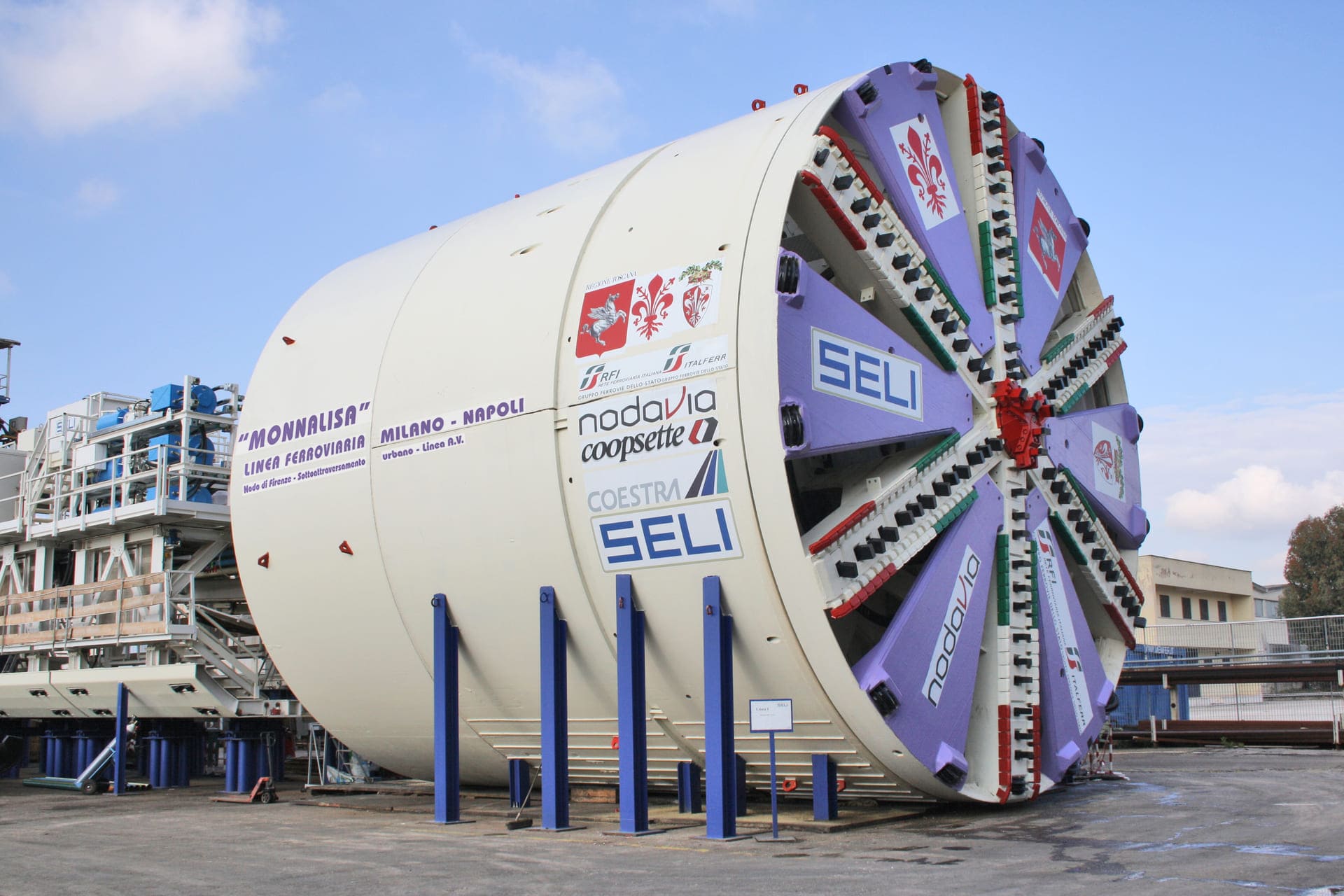
 SELI Tunnel Boring Machine
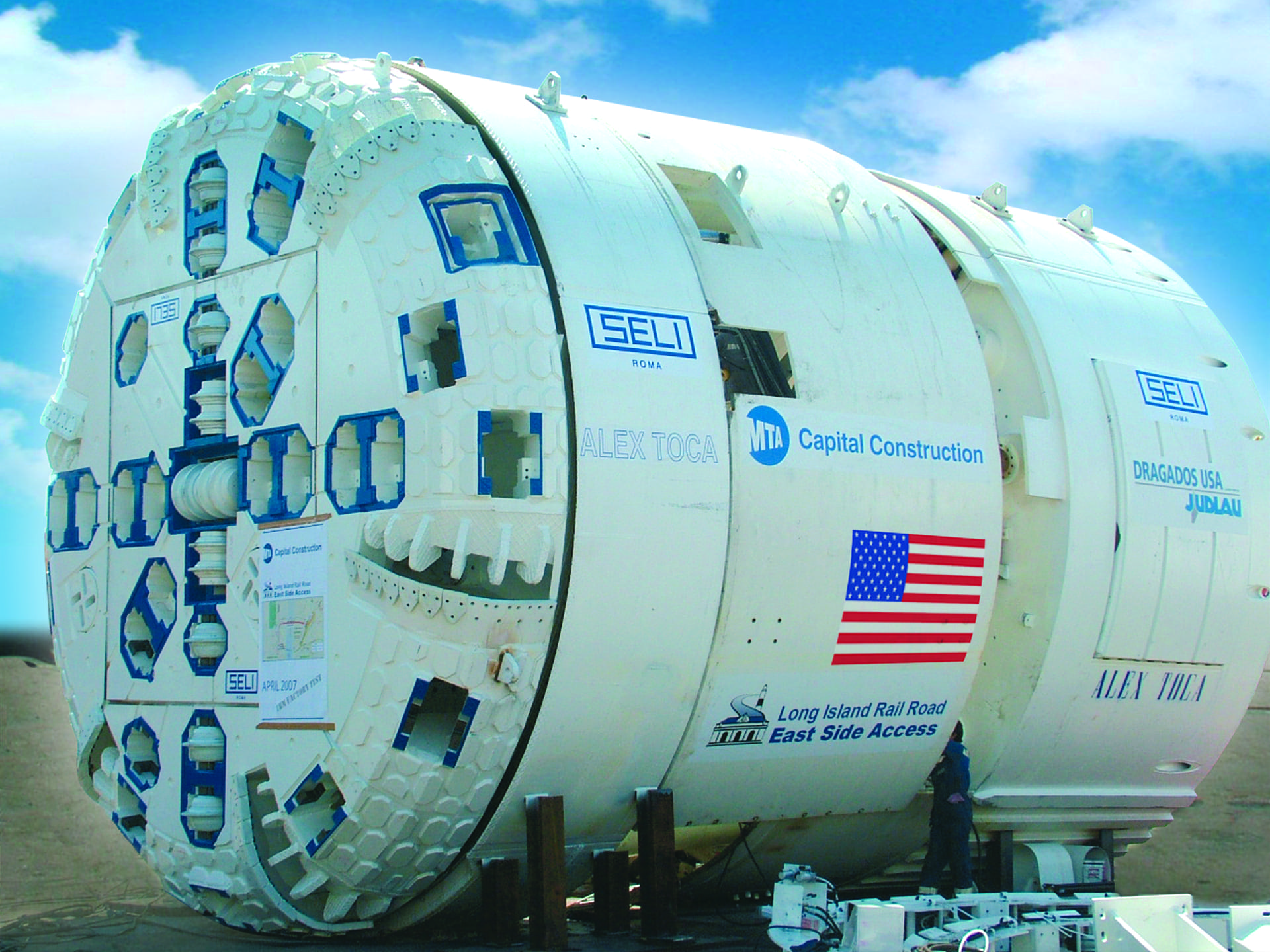 SELI Tunnel Boring Machine
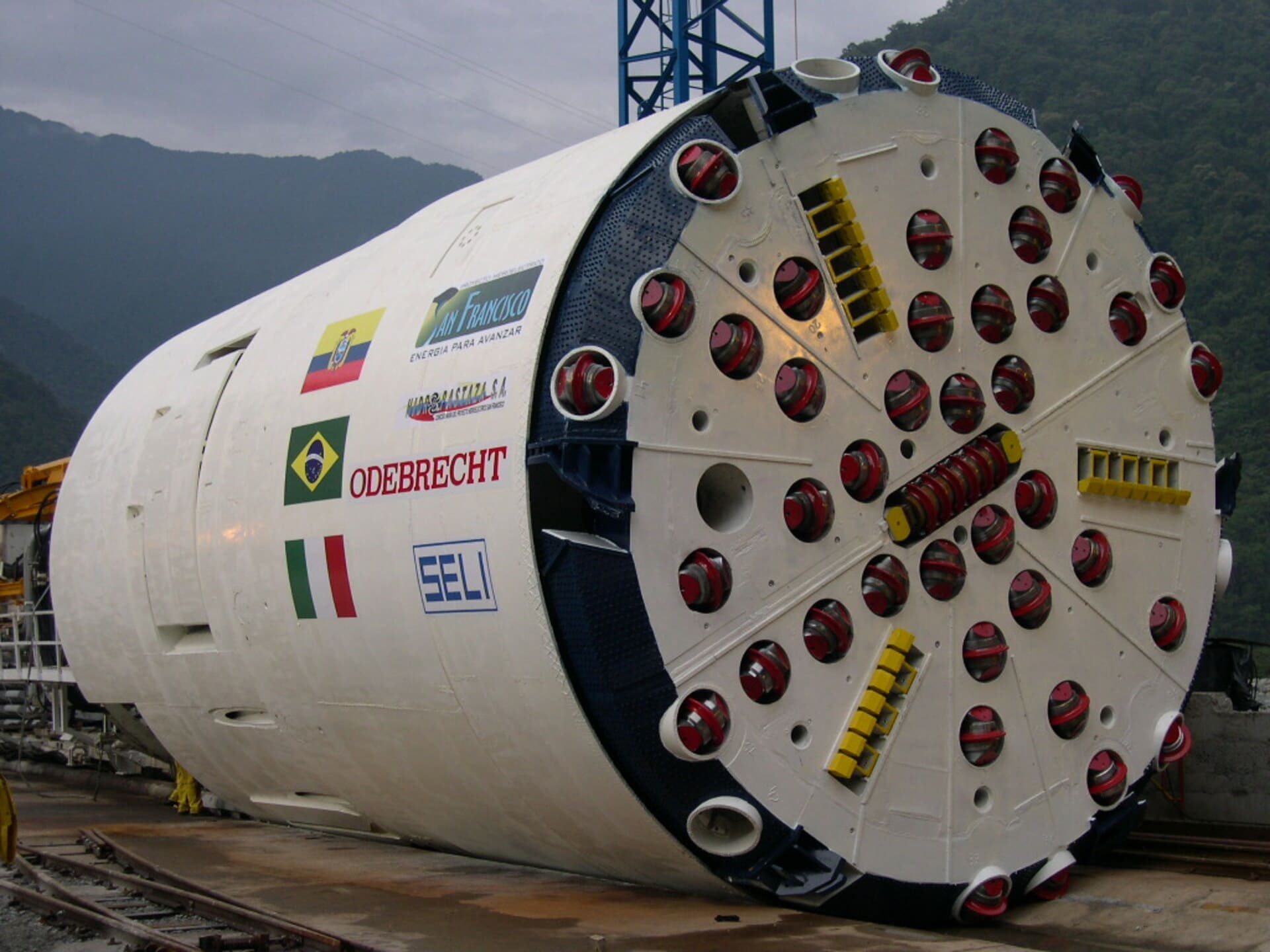 SELI Tunnel Boring Machine
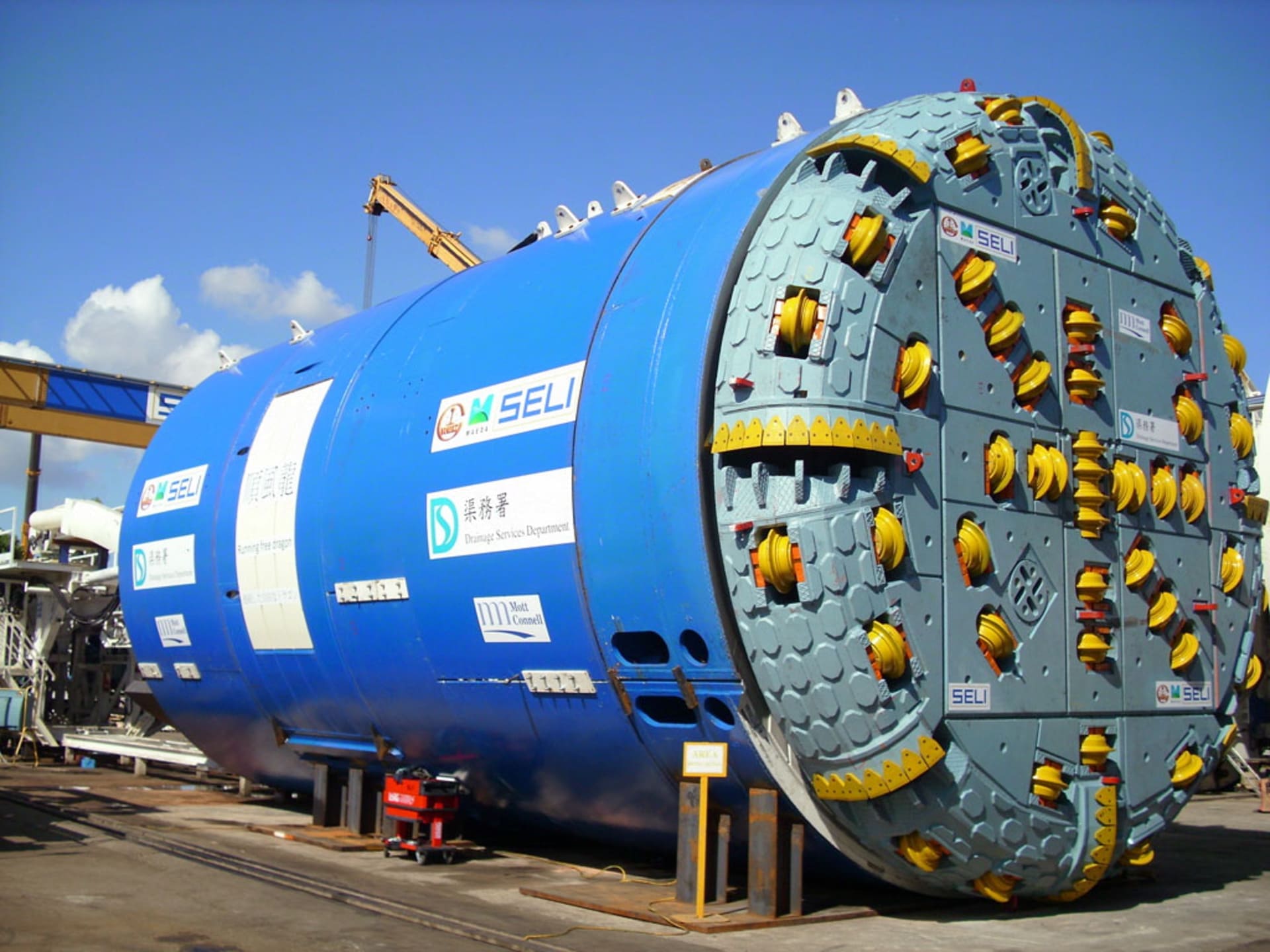 SELI Tunnel Boring Machine
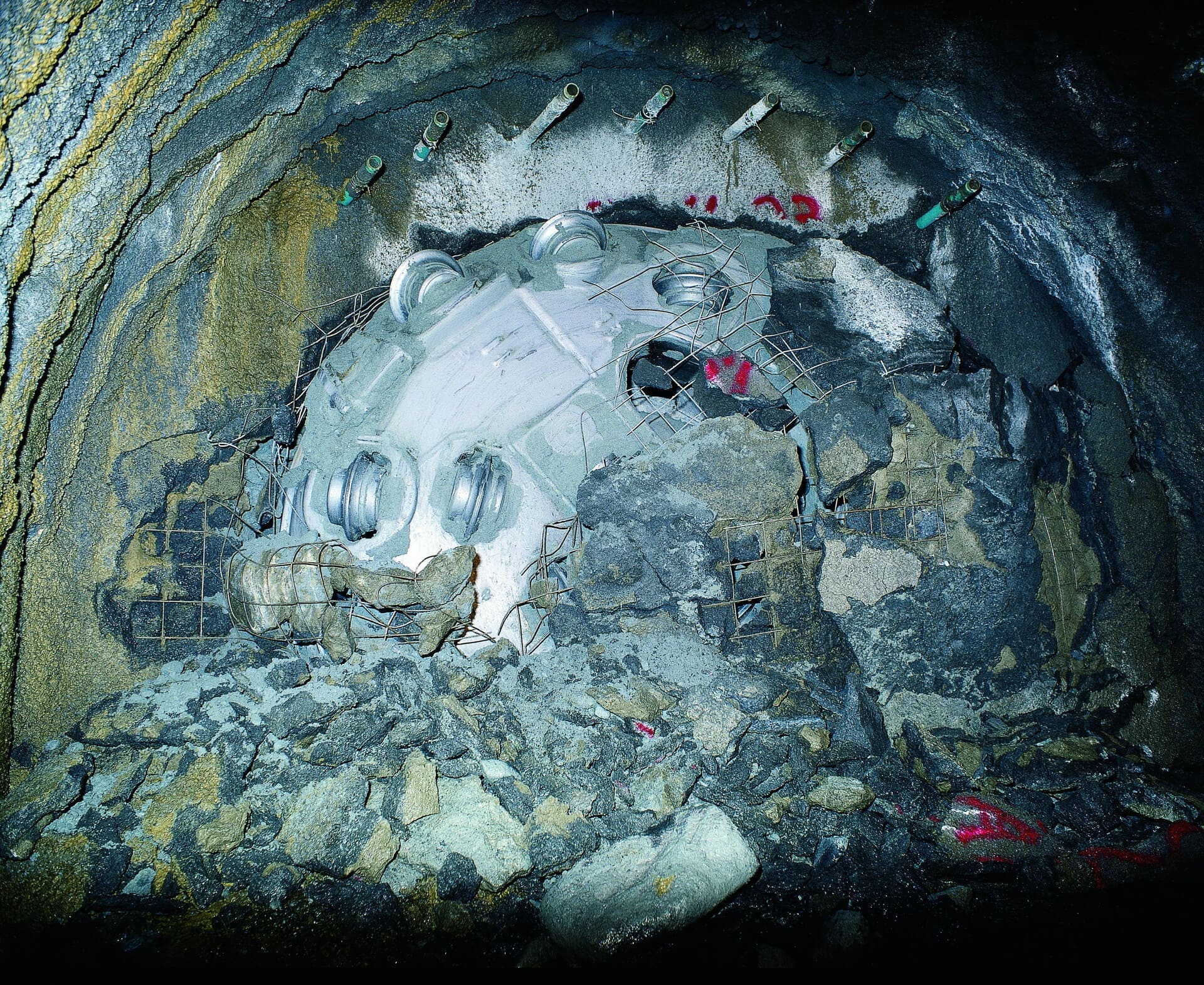 SELI TBM at work on the construction site
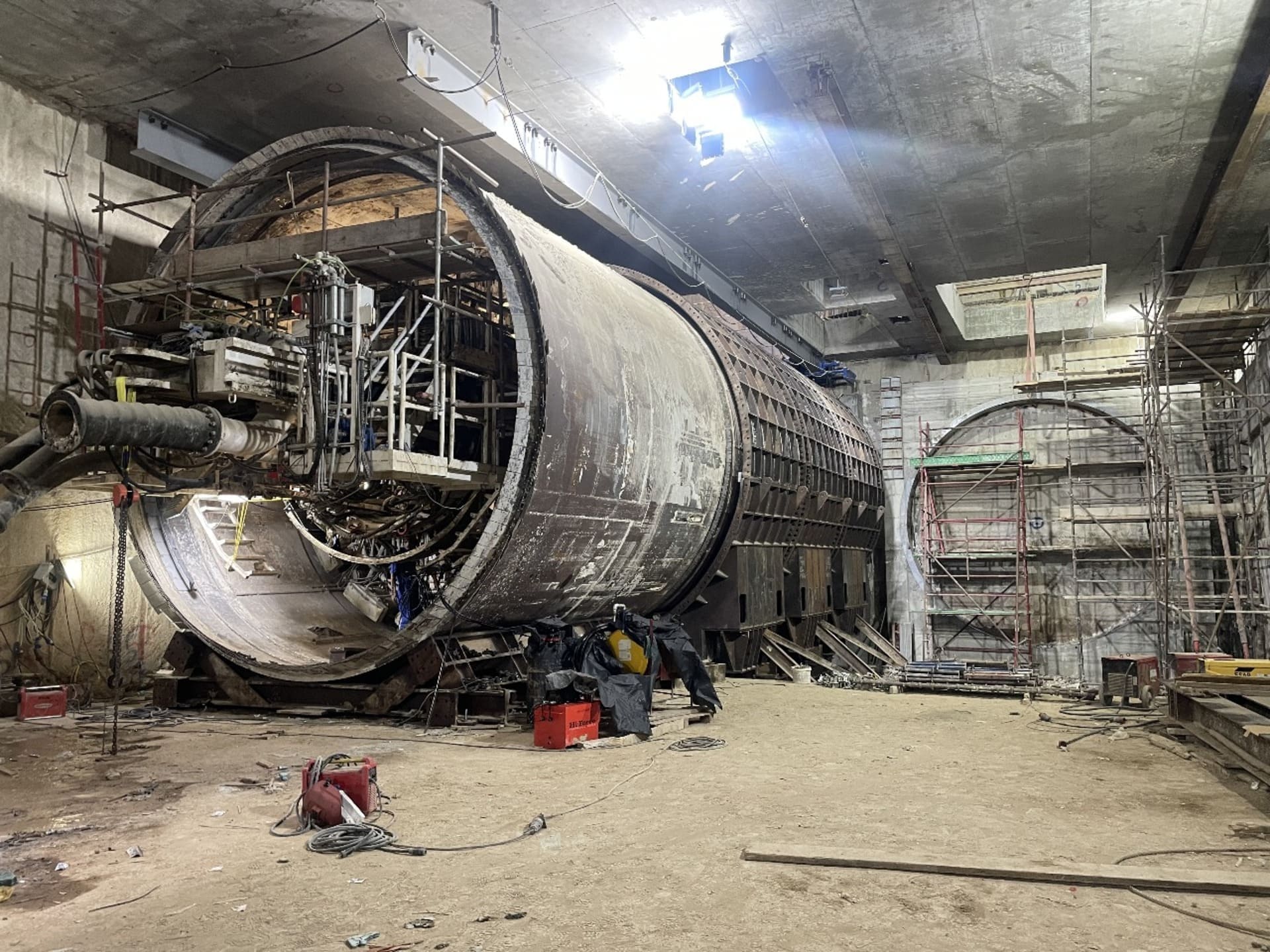 SELI TBM at work on the construction site
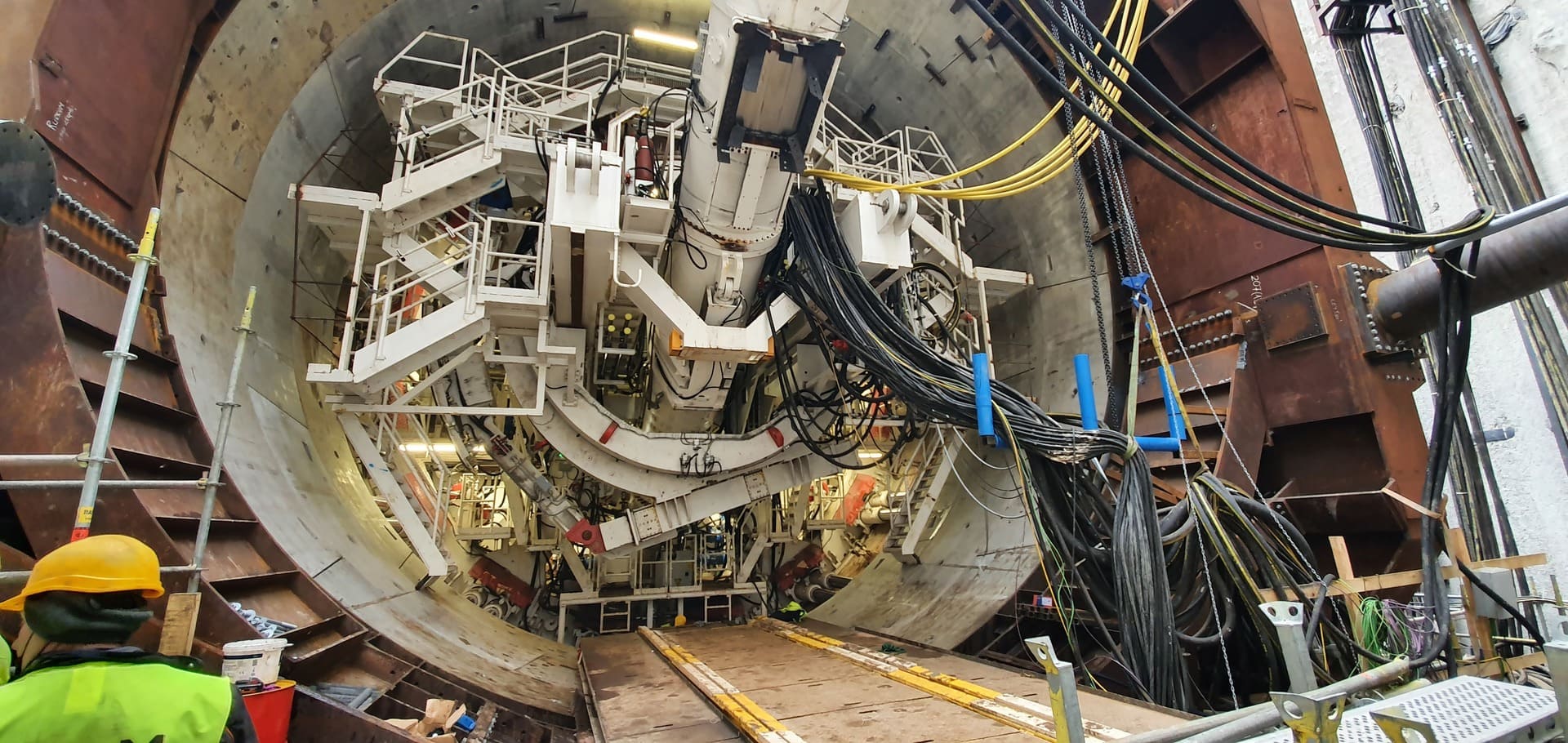 SELI TBM at work on the construction site
- From the first TBM in Italy in 1969 to tunnels built across the world, SELI Overseas celebrates 75 years as a key player in global underground engineering.
- The history of modern tunneling is interwoven with that of SELI: innovations, records and technologies that have redefined how tunnels are excavated on every continent.
- Today, the Webuild-owned company is a global centre of expertise, with more than 840 km of tunnels excavated in large and complex infrastructure and a presence in over 30 countries.
- In a world that is becoming increasingly urbanized, the subsoil is the new frontier for guaranteeing sustainable mobility infrastructure for cities

There are companies that have built their identity deep underground, where the darkness beneath our feet meets the precision of engineering. SELI Overseas is one of them.
Founded in 1950, at a time when post-war Italy was rethinking its infrastructure and modernity was beginning to push below the surface, the company currently owned by the Webuild Group is today celebrating its 75th anniversary: three generations of technicians, engineers and operators who have brought Italian excellence into some of the most complex tunnels on the planet.
Its anniversary arrives at a historic moment in which the value of infrastructure built underground is once again taking centre stage. More and more cities are shifting networks, transport and utilities below ground, while major European rail corridors, from the Brenner to Naples–Bari, are advancing thanks to an army of Tunnel Boring Machines (TBMs) that excavate, connect and transform the continent.
From Channel Tunnel to the Brenner Tunnel: When Tunneling Is Synonymous with Innovation
SELI was founded in 1950 with a clear mission: to improve safety and efficiency in tunneling through cutting-edge technical solutions. It was a time when underground excavation was still dominated by dynamite and pneumatic drills, and the first Tunnel Boring Machines (TBMs) were little more than prototypes. SELI set out to change the paradigm.
In 1969 it introduced Italy’s first TBM, between Brasimone and Suviana, opening a new path for the entire tunnel boring sector. Three years later, in 1972, came the decisive breakthrough: the patent for the telescopic double-shield TBM, developed with Robbins. A technology that would shape the history of modern tunneling (including underwater tunnels), used in iconic infrastructure projects such as the Eurotunnel and – years later – the Brenner Base Tunnel.
In the decades that followed, SELI travelled the world, from Colombia to China, culminating in a world record set in 2001 with underground advances of 2,500 metres per month.
The Tunneling Supply Chain: How TBMs Have Changed the World
The first operational TBM dates back to 1945, but only from the 1970s onwards – thanks also to Italian innovation – did the Tunnel Boring Machine begin to dominate mechanised excavation.
Today, statistics clearly show the strategic role of this technology. According to ITA-AITES – the leading international organization promoting the use of tunnels and underground space through knowledge sharing, technical advance – , more than 5,000 km of new tunnels are excavated every year worldwide, spanning railways, metros, water networks and hydroelectric systems, while McKinsey’s Global Infrastructure Outlook estimates that by 2035 the global tunneling market will exceed 90 billion dollars.
Expertise as a Method
SELI’s strength lies not only in its machines, but in the way it operates them. The company has developed an integrated, hands-on approach in which every Tunnel Boring Machine is configured, adapted, monitored and, if necessary, redesigned during the works.
From 1950 to today, SELI has managed the operation of 93 TBMs, excavating over 840 km of underground tunnels in large, complex infrastructure projects. This is a technical heritage – but above all a human one – that cannot be passed down through manuals, but through gestures, through the reading of the ground, through the ability to make decisions at the exact moment when the rock changes behaviour.
On its most complex infrastructure projects, SELI has developed operational protocols that were later adopted across the sector, as happened in 2021 during the Terzo Valico dei Giovi project (Genoa–Milan High-Speed Railway), when the company successfully completed – for the first time in Italy – excavation through asbestos-bearing rock.
Underground Tunnels: A Global Heritage Connecting Continents
From France to Canada, from the United States to Australia, from Peru to Romania, the sites where SELI operates form an underground network spanning geologies, cultures and latitudes.
In Italy alone, SELI is operating TBMs on the new railway line in Sicily between Messina and Catania, on the Brenner Base Tunnel, on the Salerno–Reggio Calabria route and along the Orsara–Bovino section.
Alongside tunneling, the company maintains a recognised leadership in technical training at a global level as well, and for this reason, the anniversary is not only a celebration but a passing of the baton, ready to meet the growing demand for technical expertise in the world of tunneling from across the globe. Cities demand space, infrastructure development needs continuity, and the climate requires resilience. And it will be tunneling – increasingly automated, digital, and guided by sensors and algorithms – that will provide the new routes of connection.