

Water is not just a natural resource: it is life, energy, and the future.
In many contexts, from urban management to large hydroelectric reservoirs, water is carefully protected and regulated, combining technological innovation, resilient infrastructure, and sustainable practices to ensure availability, quality, and equitable access for all.
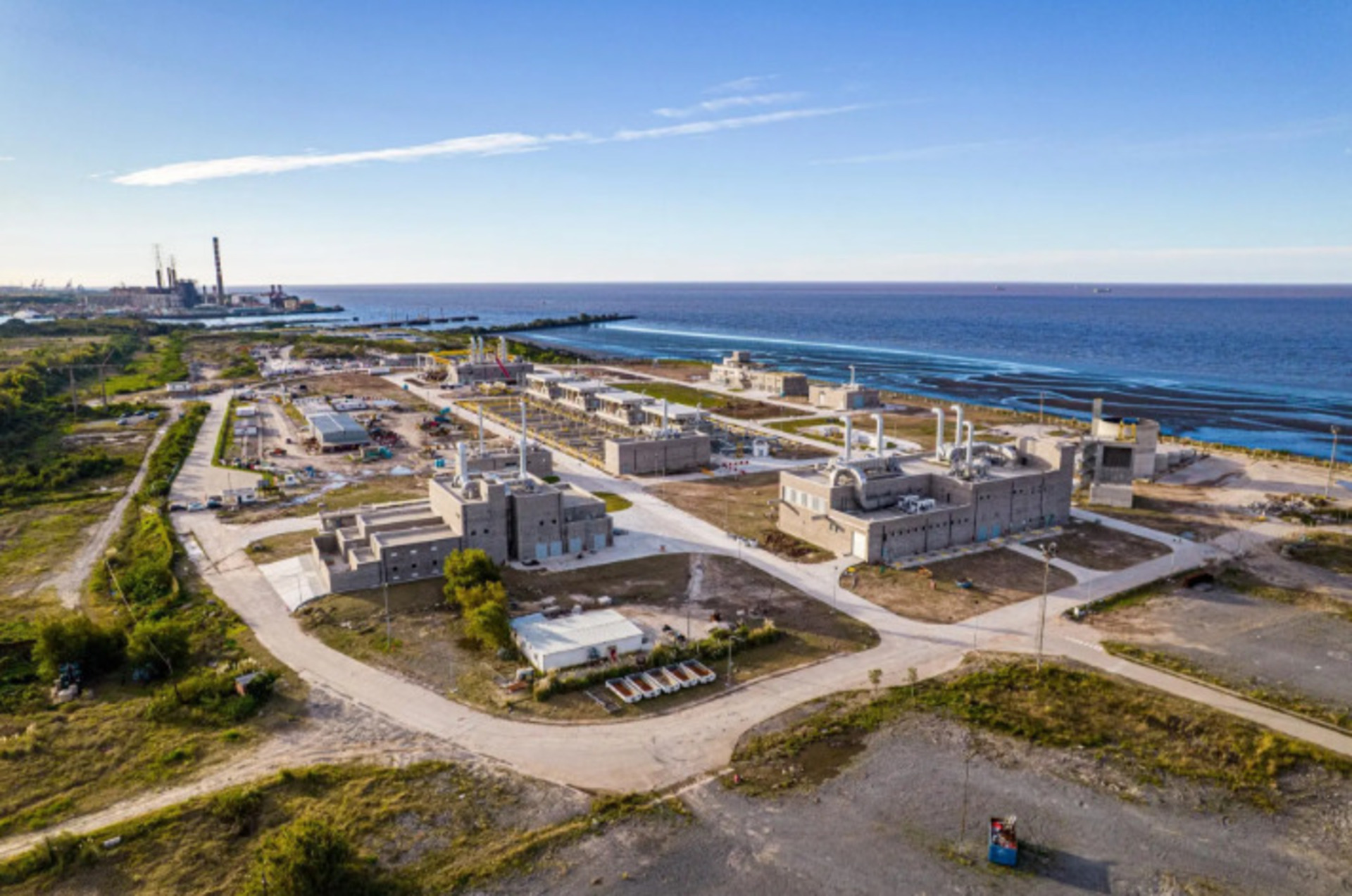
1 – Argentina
In Buenos Aires, Webuild‘s Riachuelo System is one of the largest water treatment plants in Latin America.
It serves over 4 million people, improving hygiene and quality of life. Moreover, thanks to a 12 km-long tunnel under the Río de la Plata, treated water is safely and efficiently discharged.
This water management plant is an example of how engineering can make an essential resource like potable water accessible.
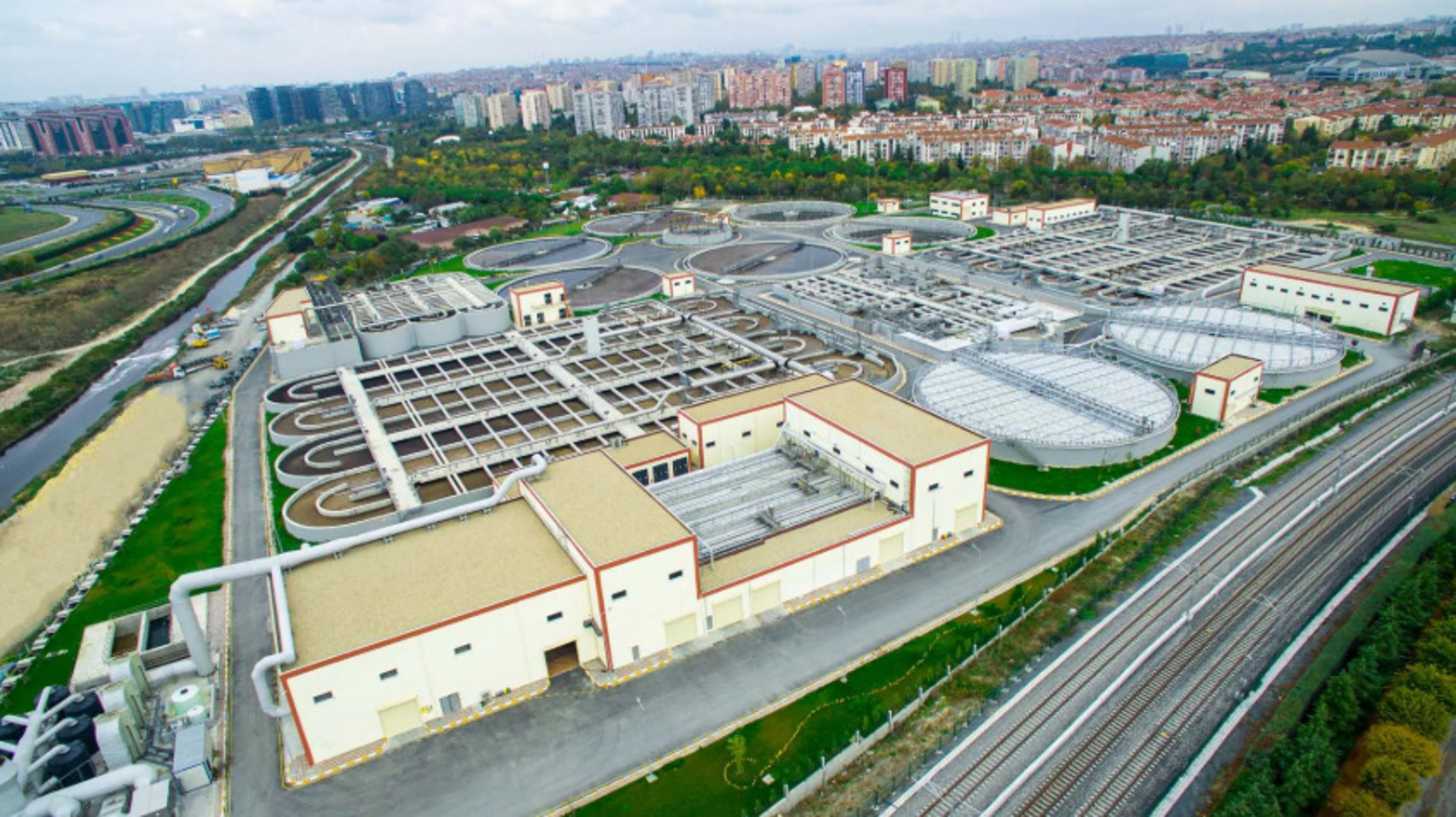
2 – Turkey
In Istanbul, the Ataköy wastewater treatment plant was completely upgraded by Webuild (through Fisia Italimpianti) to treat up to 240,000 m³ of wastewater per day, including 20,000 m³ using MBR membrane technology.
This upgrade not only improves the quality of water discharged into the Sea of Marmara but also enables the use of recycled water for urban irrigation and street cleaning. In this way, it contributes to a water cycle geared towards environmental sustainability.
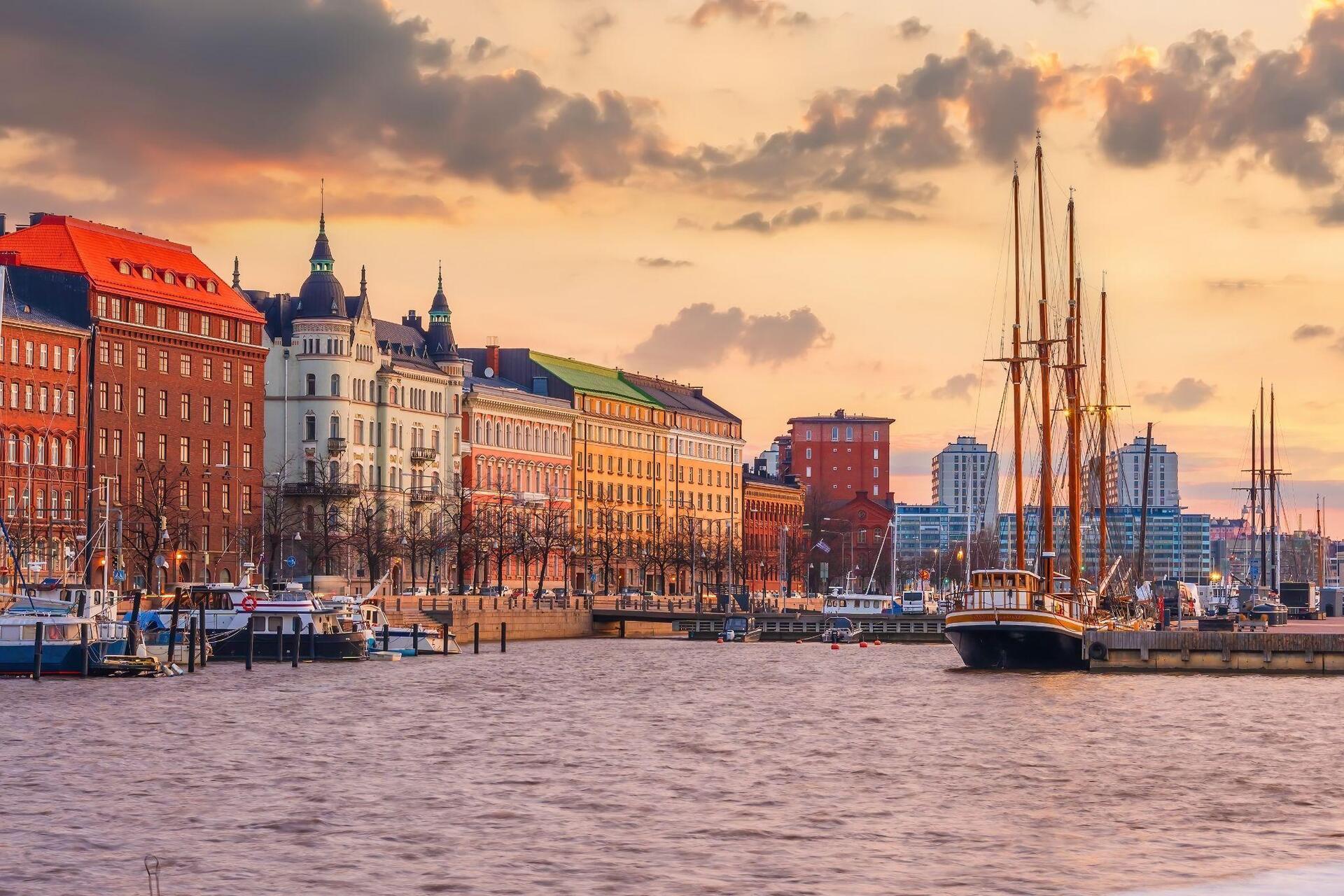
3 – Finland
Helsinki also demonstrates how carefully water can be managed. Its marine and freshwater ecosystems — from the archipelago islets to the Vantaa River and its springs — are valuable and diverse habitats.
The city has launched protection programs (such as the Baltic Sea Action Plan) to improve water quality, safeguard biodiversity, and reduce pollution, with measures ranging from continuous monitoring to the development of underwater protected areas.
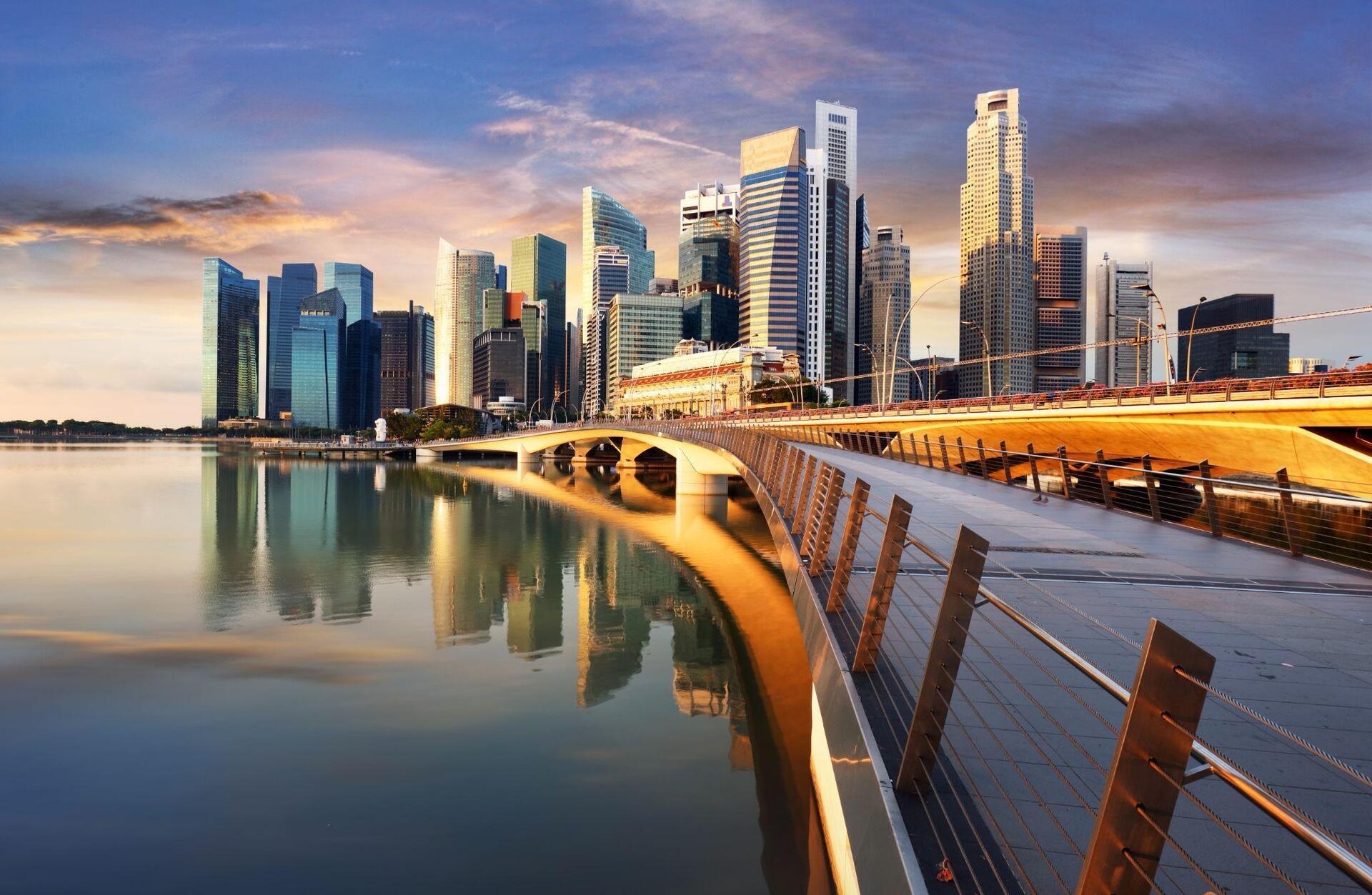
4 – Singapore
Singapore also showcases exemplary models of water management plants. Facing droughts, heavy rainfall, and rising sea levels, the country has built a resilient infrastructure based on four integrated sources: rainwater harvesting, imports, advanced recycling (known as “NEWater”), and desalination.
Thanks to wastewater management and advanced water purification techniques, Singapore is able to meet a large part of its water demand even during times of crisis.