


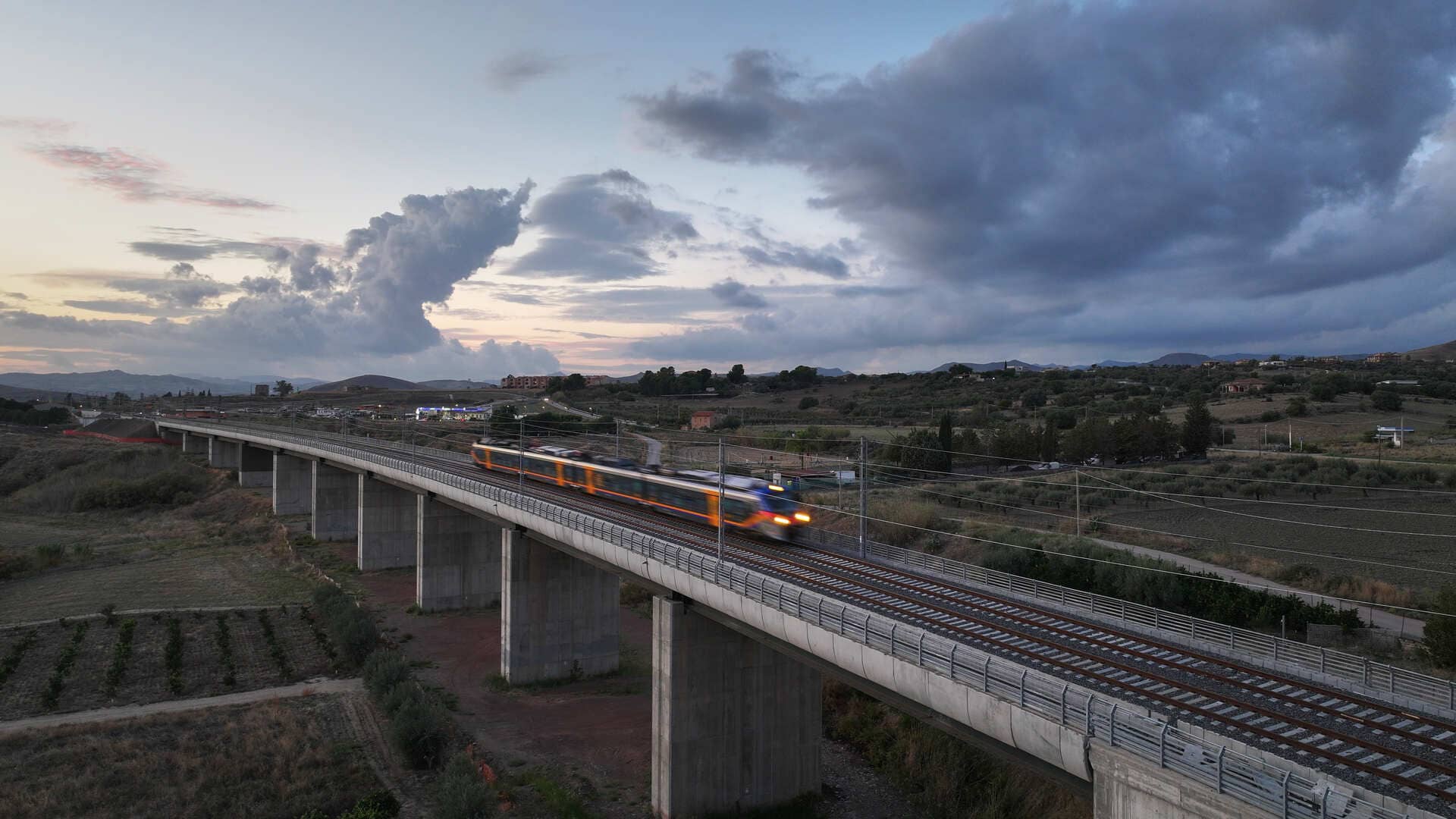
 Bicocca-Catenanuova line, Sicily
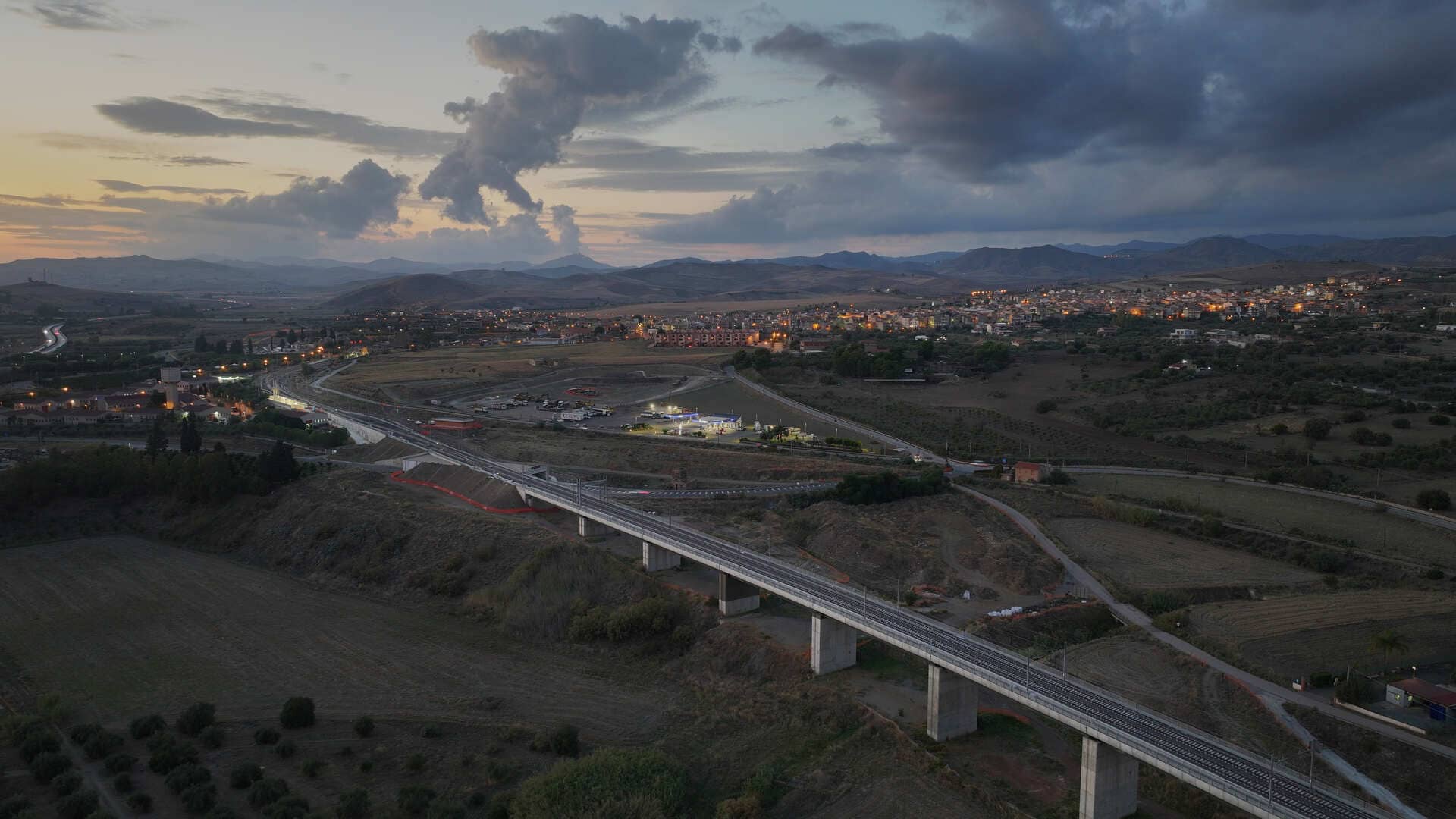 Bicocca-Catenanuova line, Sicily
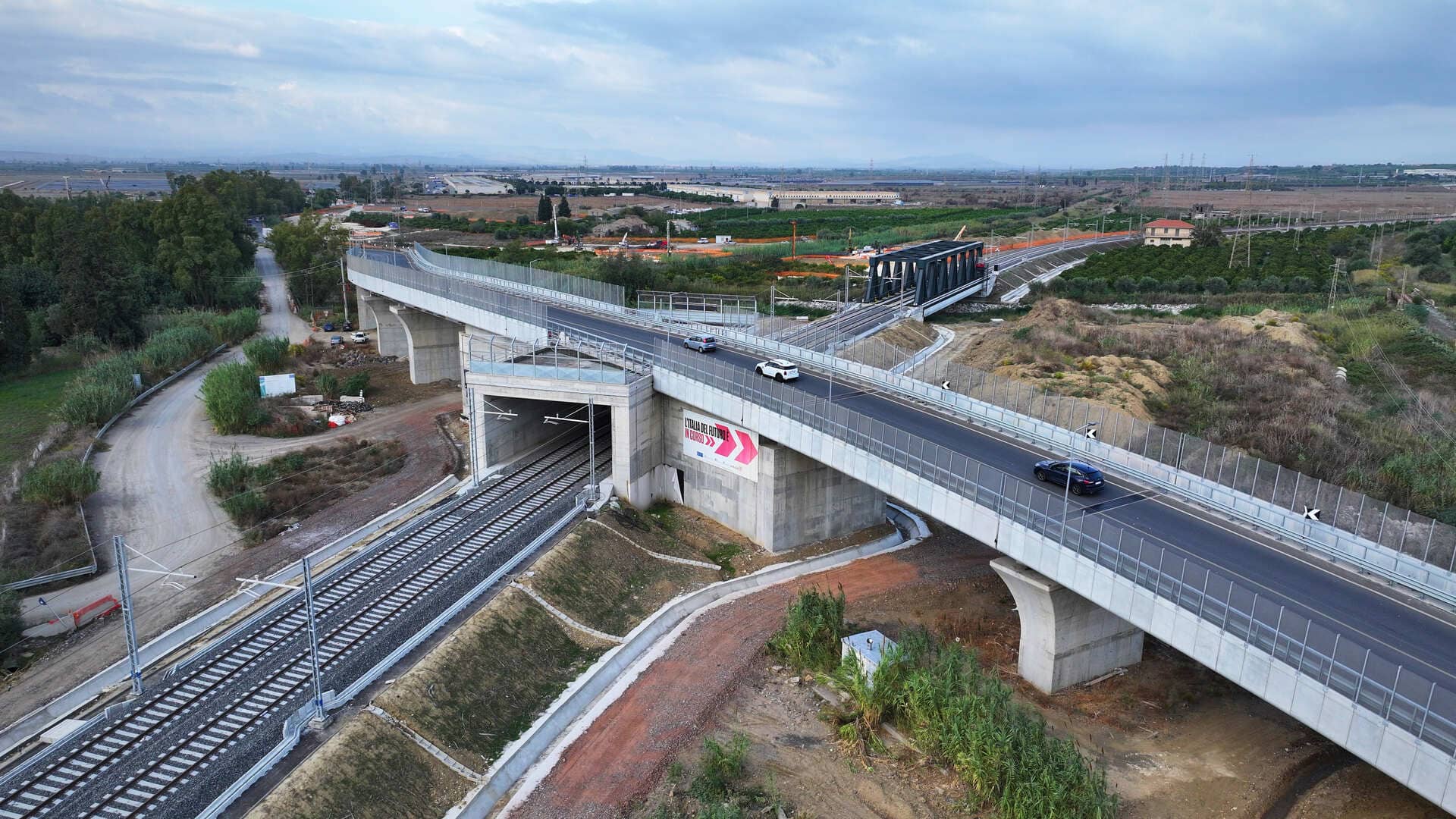 Bicocca-Catenanuova line, Sicily
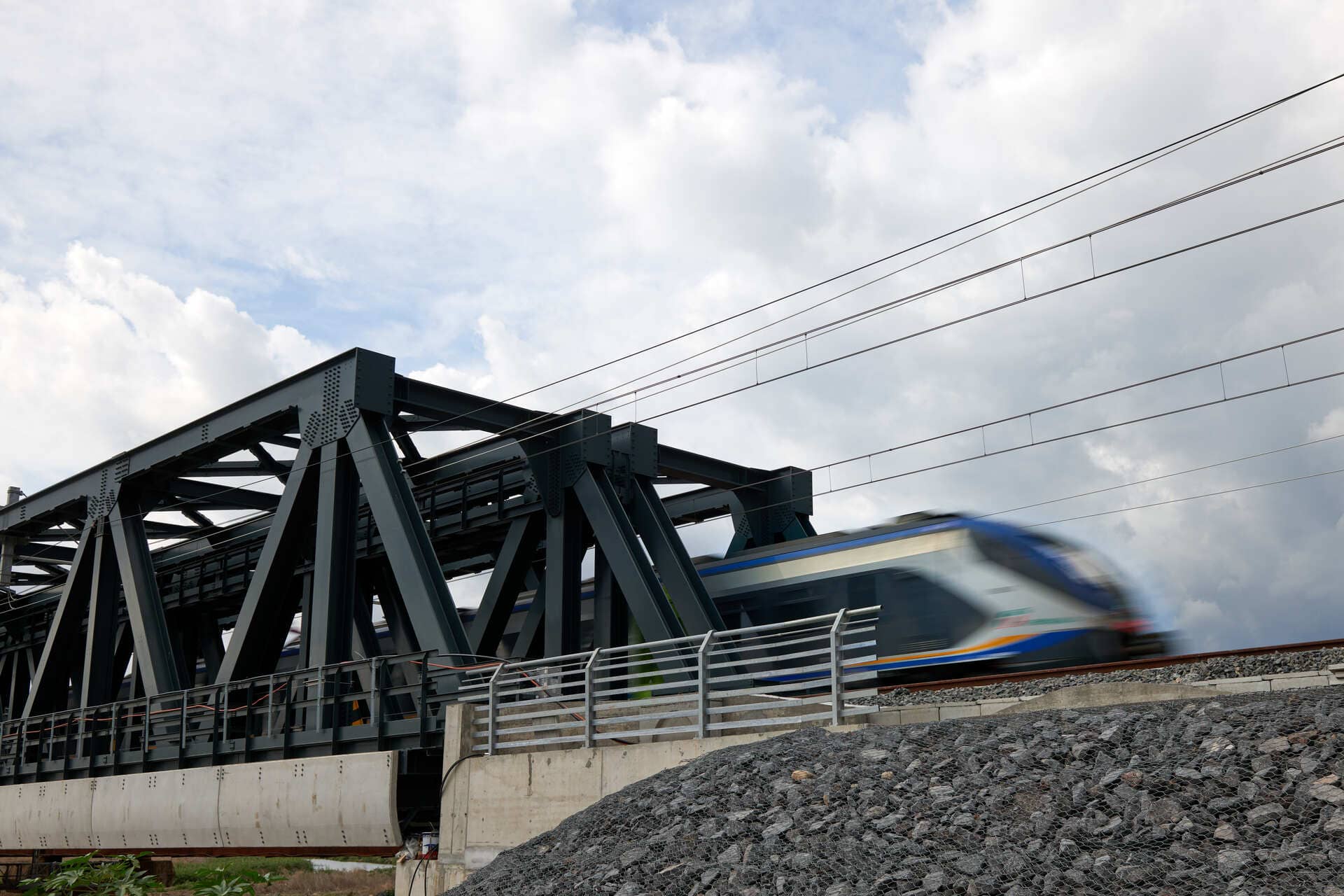 Bicocca-Catenanuova line, Sicily
 Bicocca-Catenanuova line, Sicily
 Bicocca-Catenanuova line, Sicily
 Incisa Valdarno section, Autostrada del Sole, 1964
 Autostrada del Sole, 1964
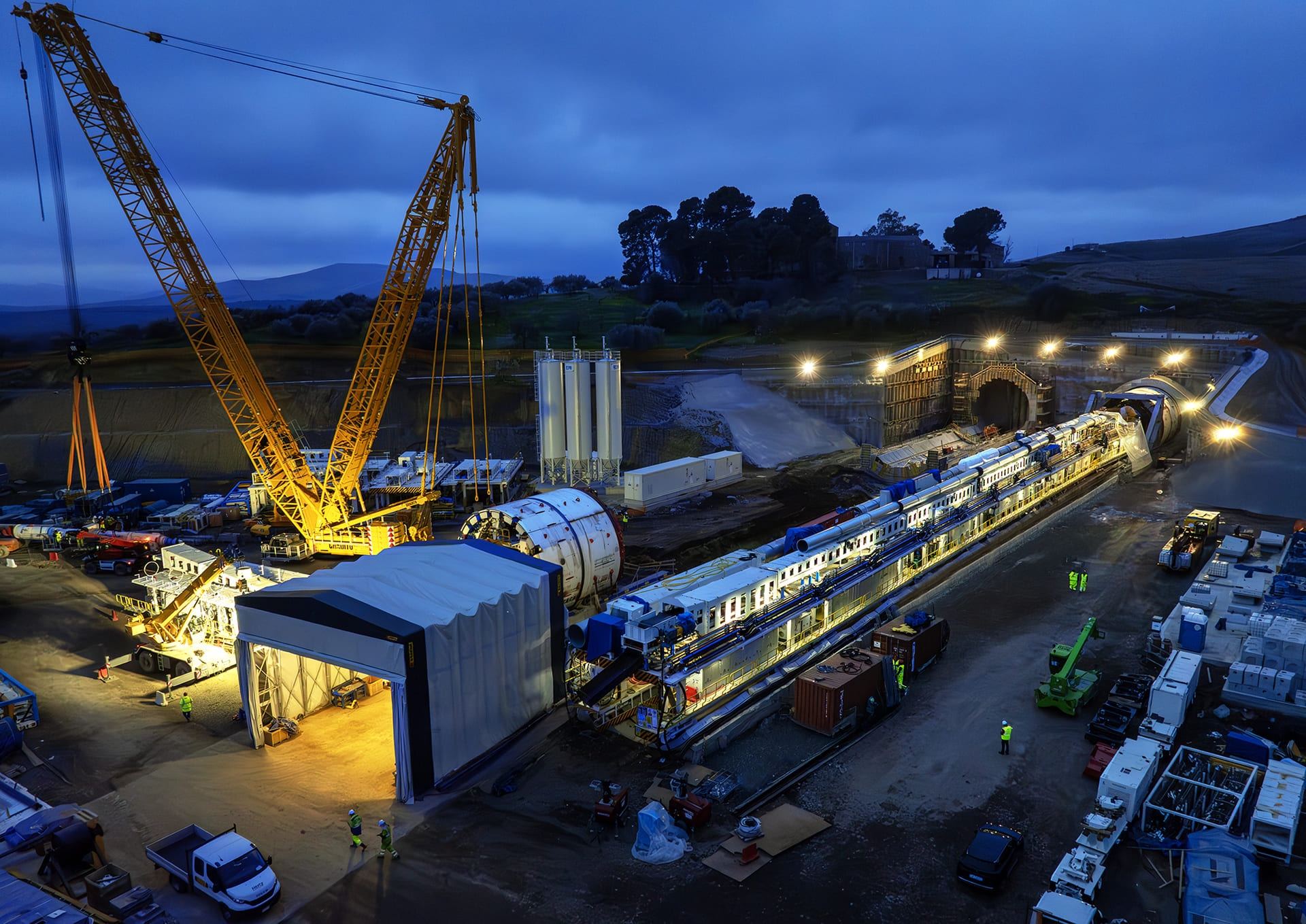 Construction site on the Palermo-Catania railway line
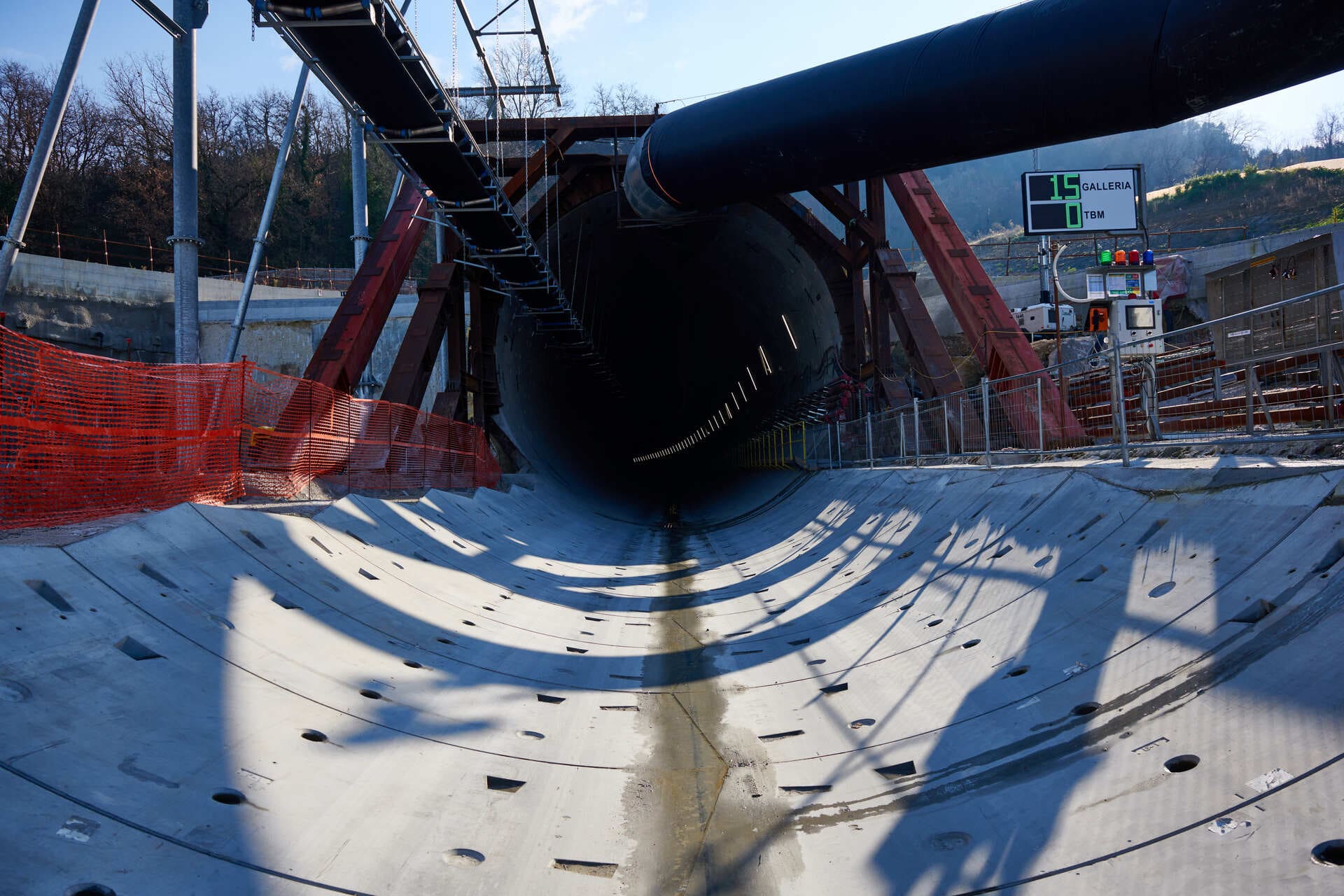 Construction site on the Naples-Bari high-speed railway line
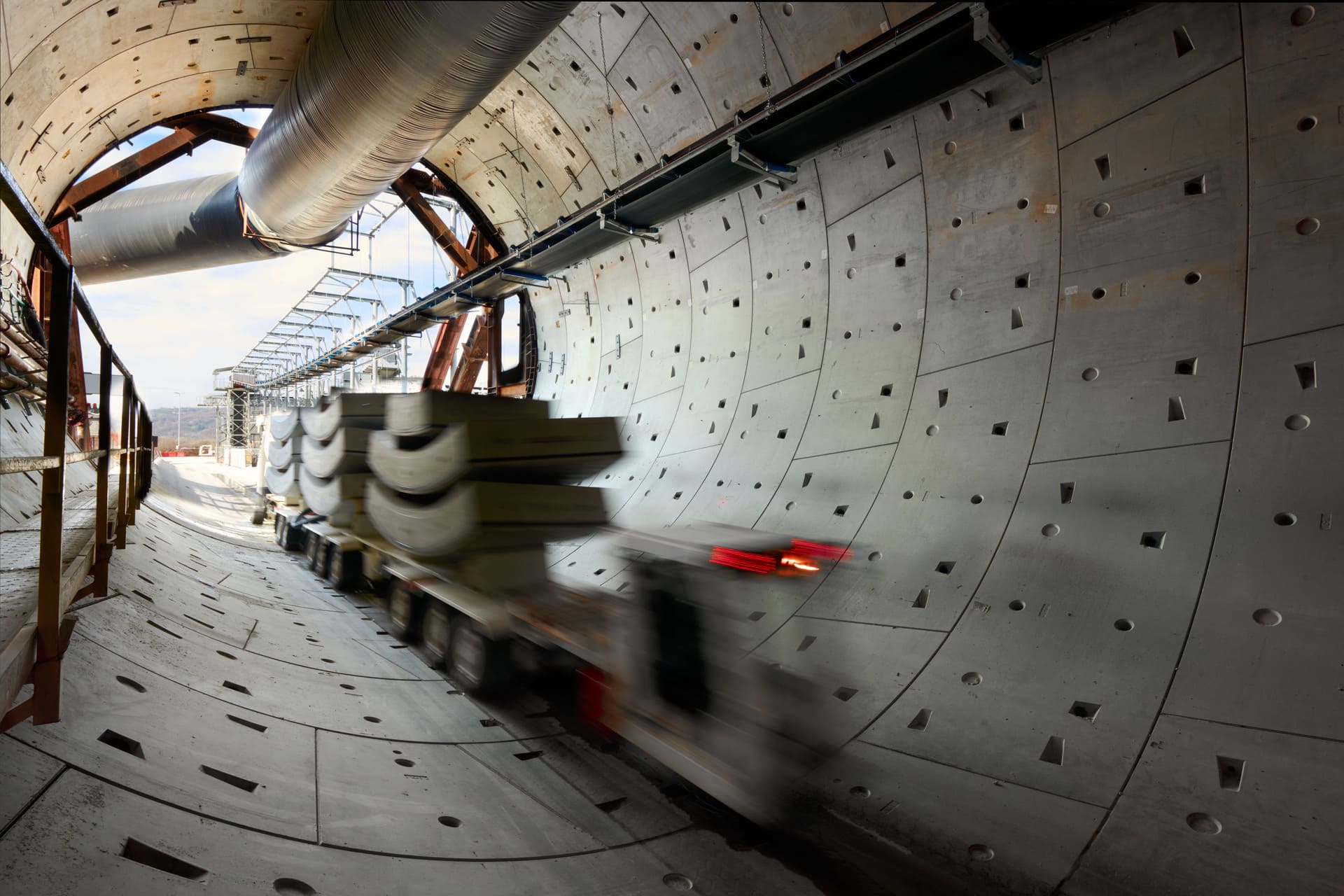 Construction site on the Naples-Bari high-speed railway line
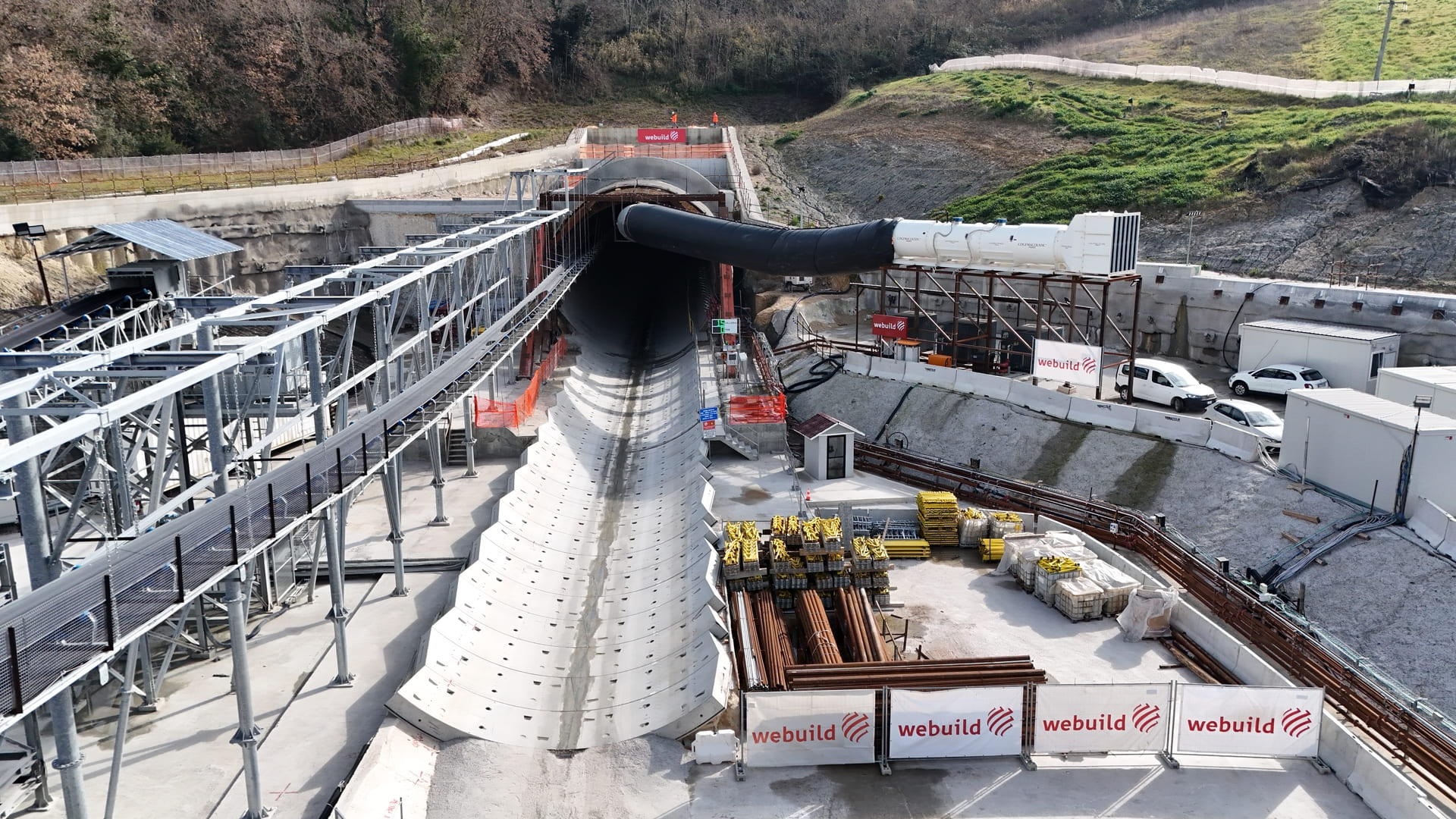 Construction site on the Naples-Bari high-speed railway line
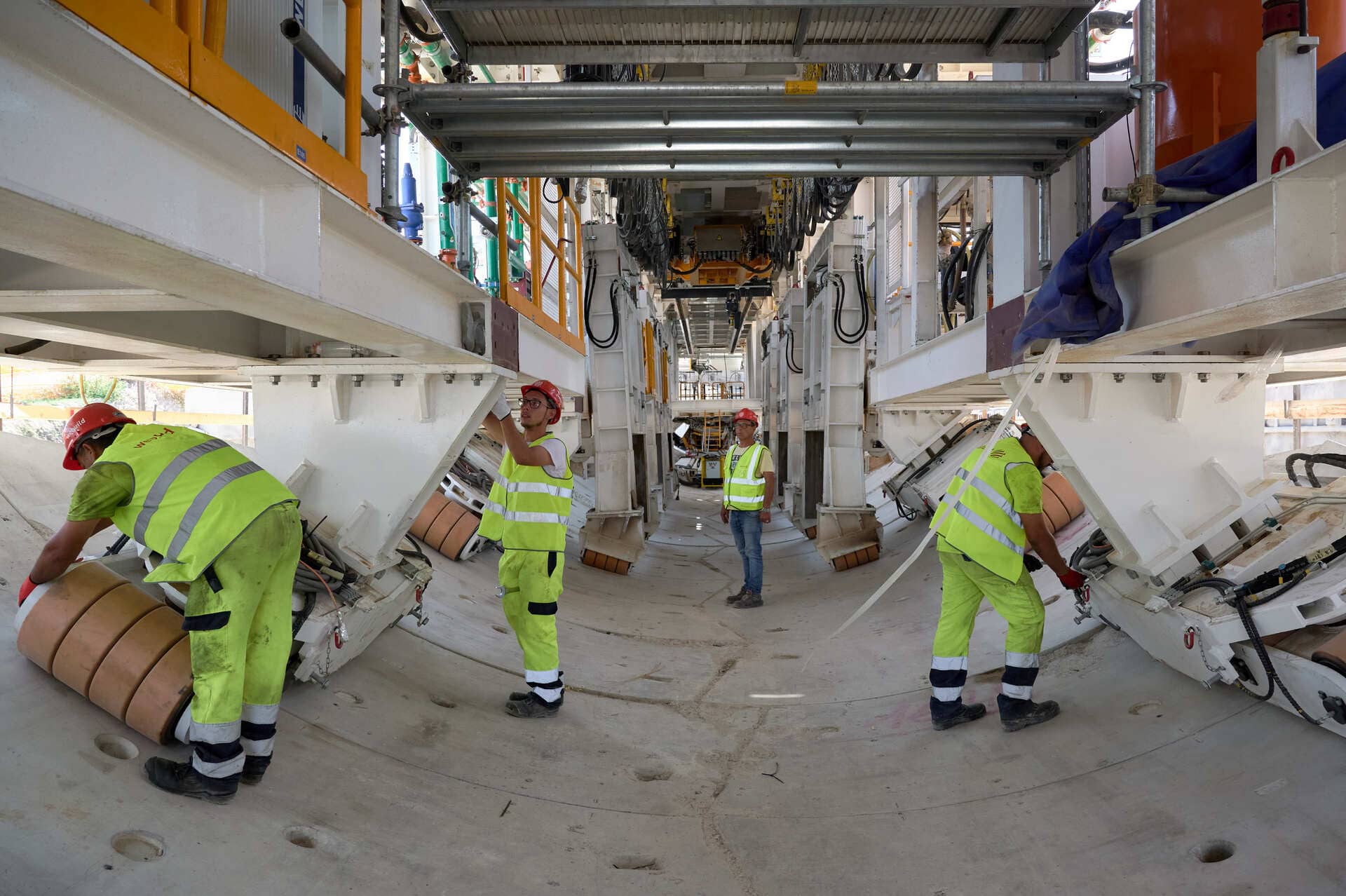 Construction site on the Naples-Bari high-speed railway line
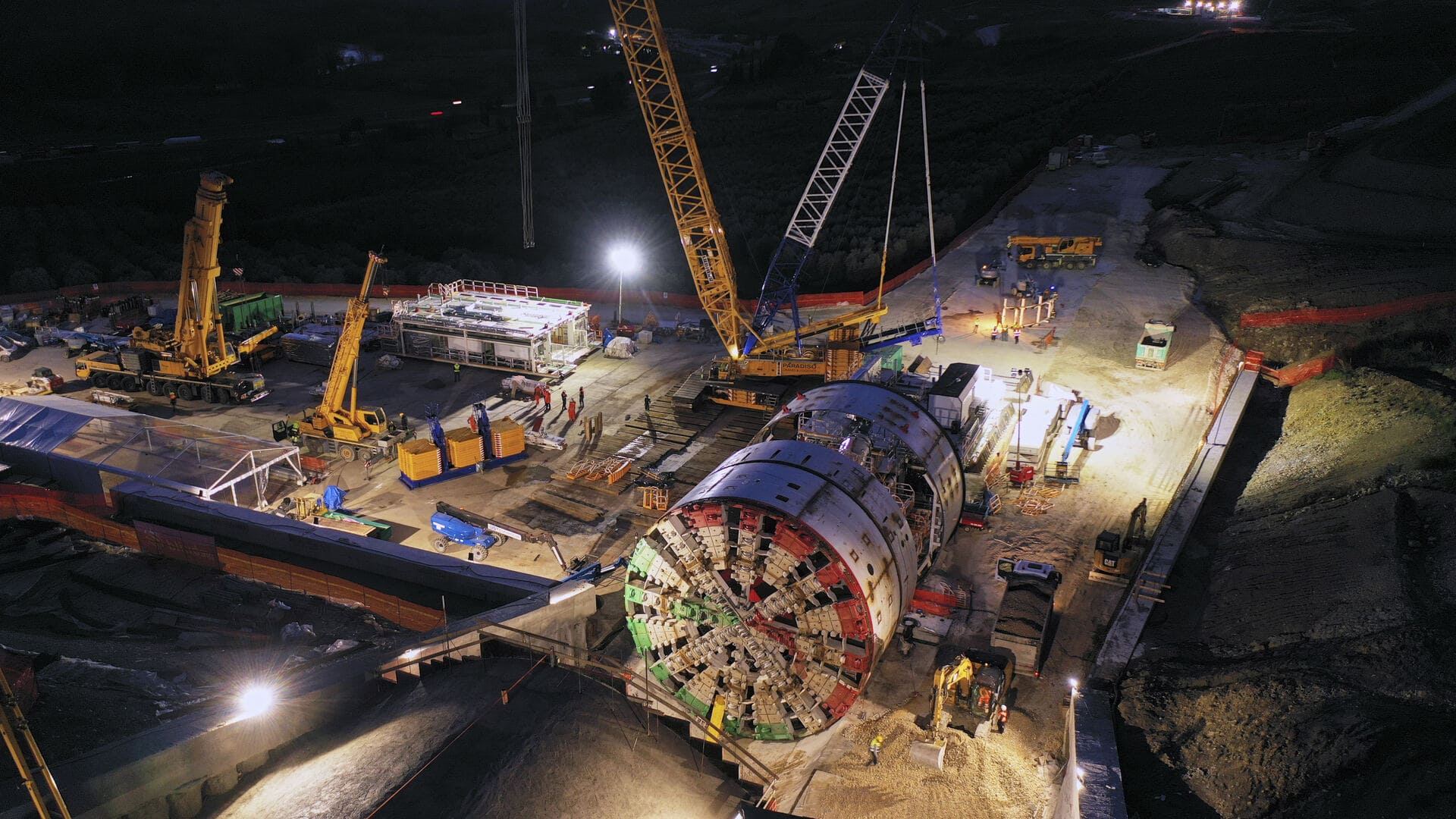 Construction site on the Salerno-Reggio Calabria railway line
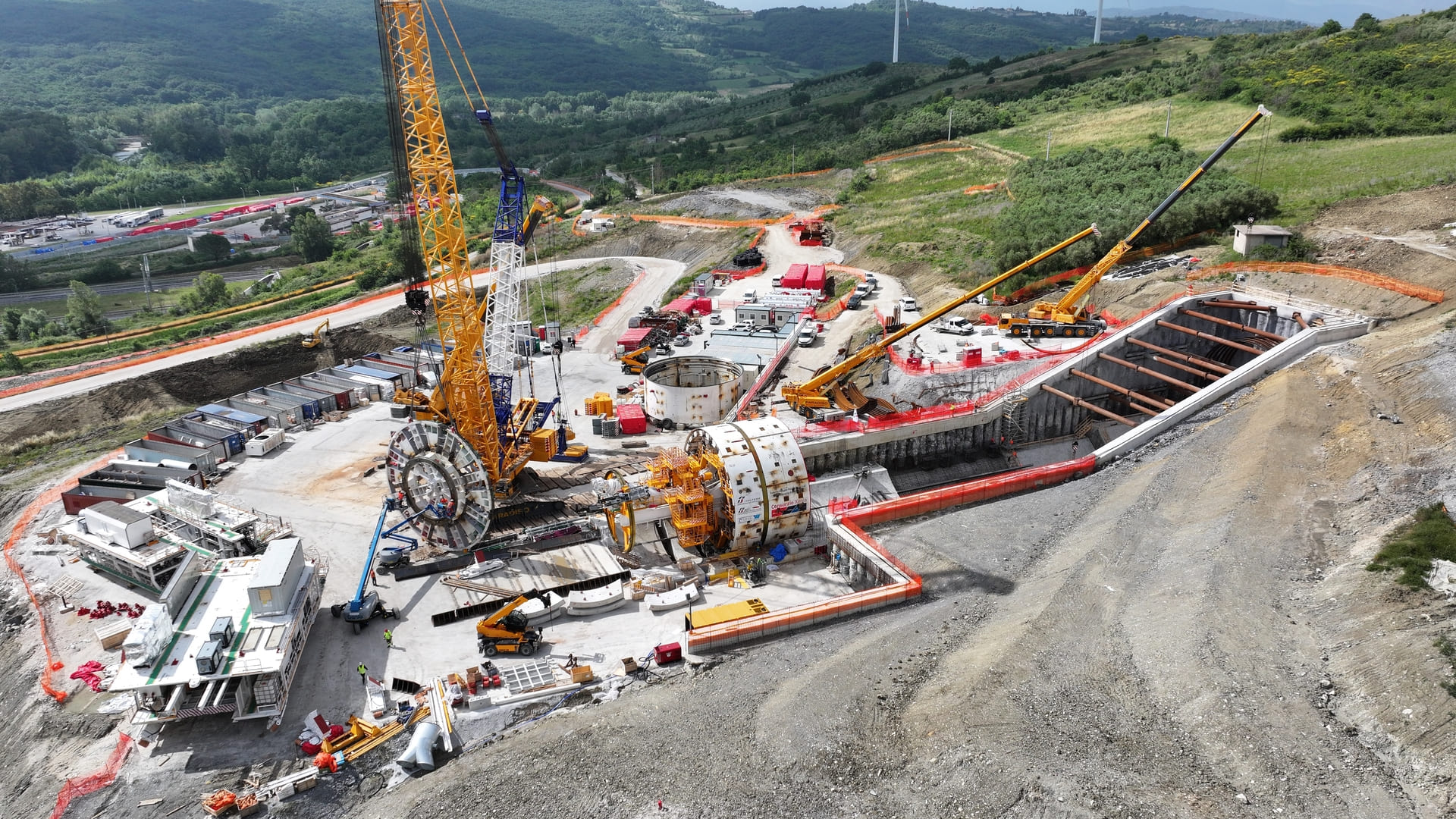 Construction site on the Salerno-Reggio Calabria railway line
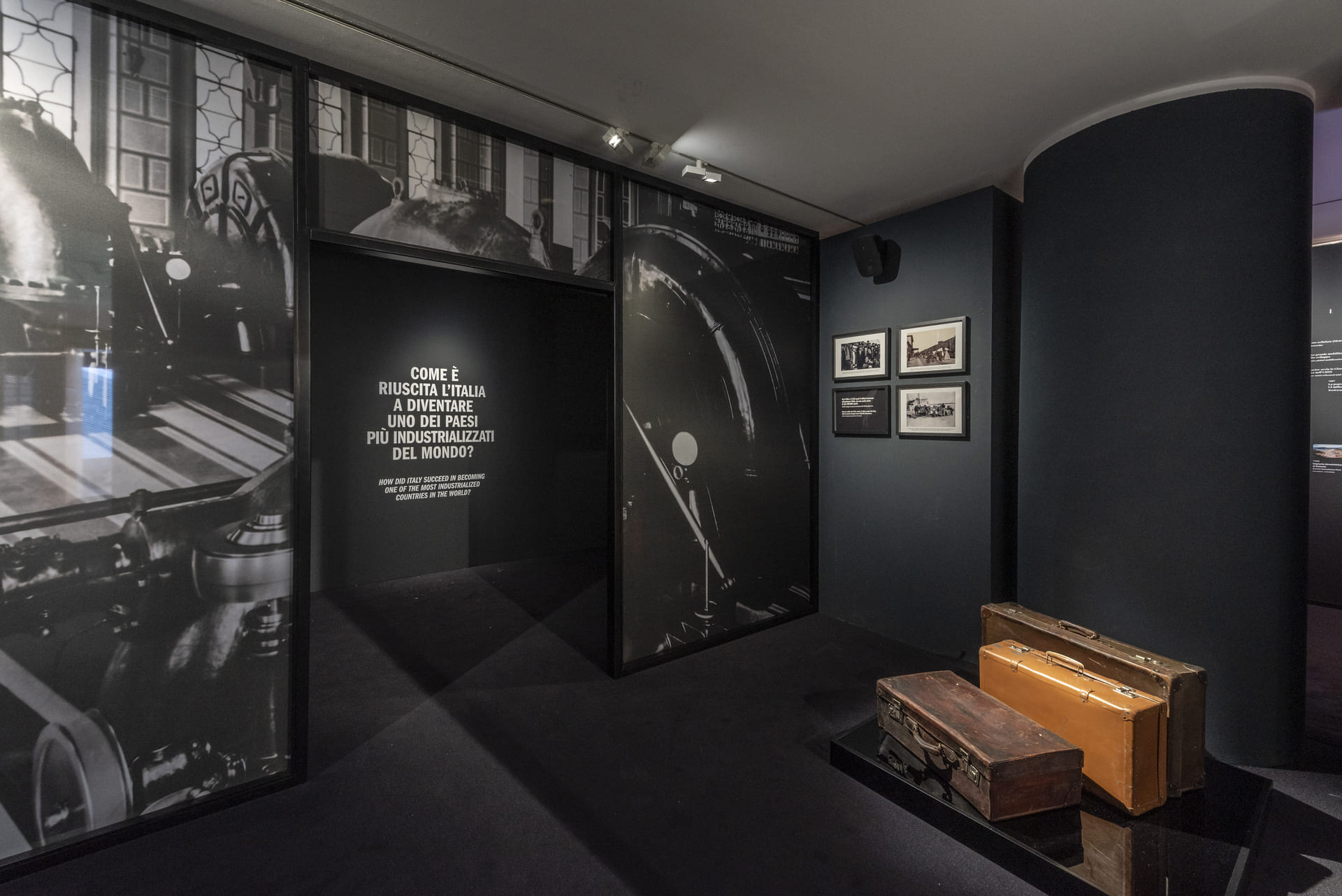 Evolutio Exhibition, Roma, 2025
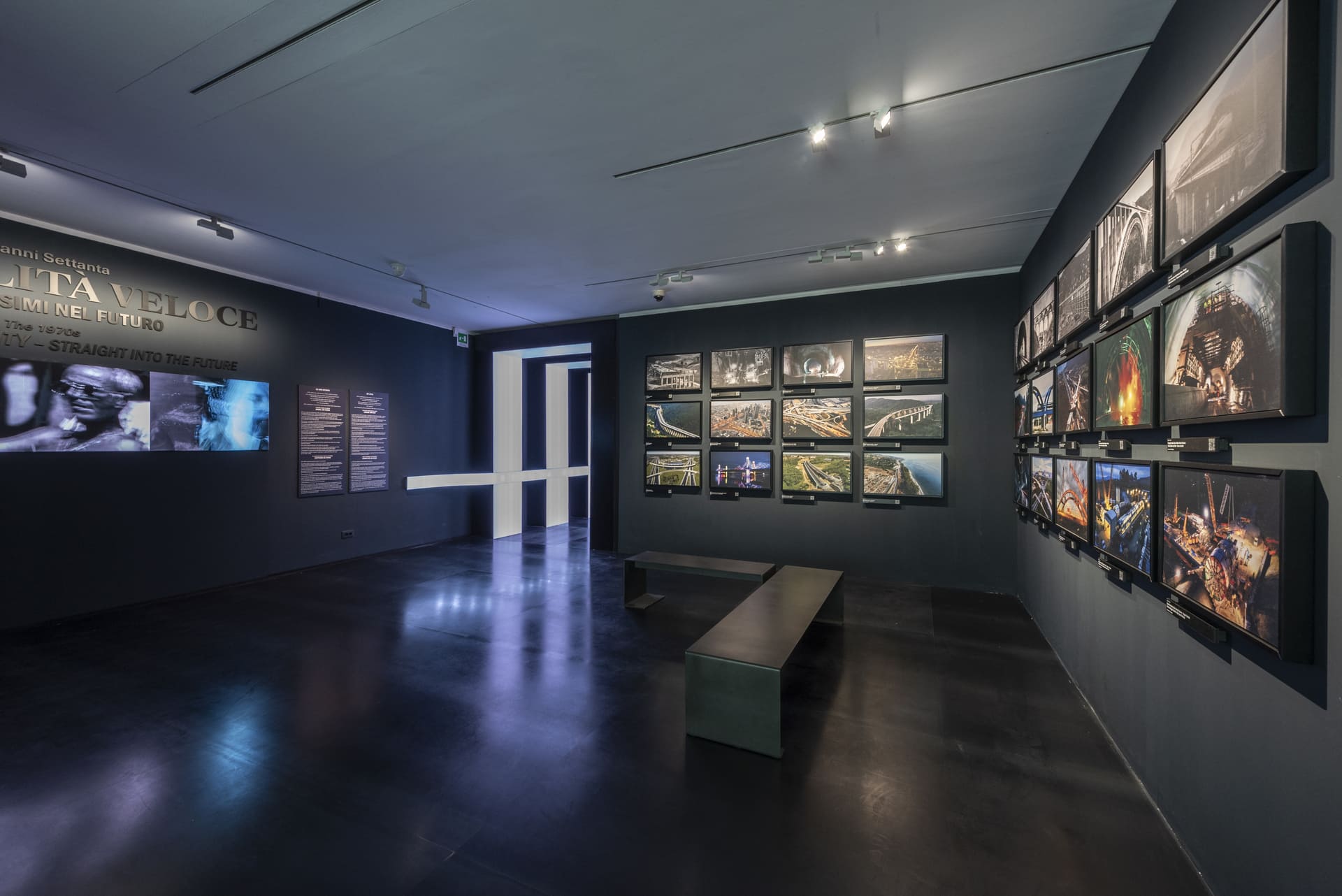 Evolutio Exhibition, Roma, 2025
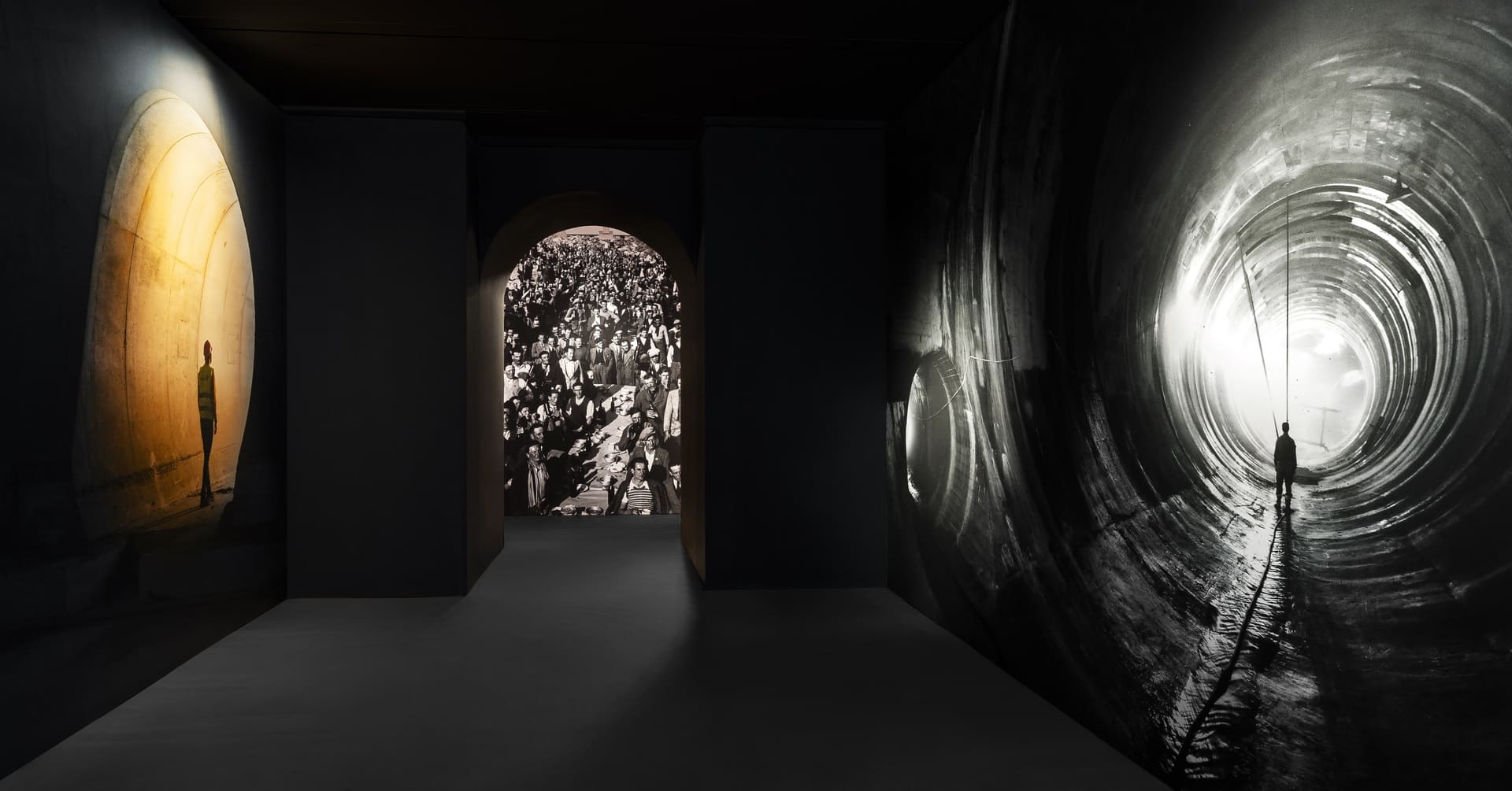 Evolutio Exhibition, Roma, 2025
- “Italy is a material project before it is a political one”, where infrastructure forms the backbone of the national community
- The Autostrada del Sole is a post-war myth that celebrates the dialogue between nature and artifice
- Reinforced concrete today shows structural fragilities: maintenance becomes the new cultural frontier
- New infrastructure projects under construction as a tool to overcome Sicily’s infrastructure gap, which has now become a historical and national issue, not just a technical one
- The Evolutio exhibition, which will open in February in Milan, will present infrastructure development as a tool for reading the present and interpreting the future
Read more

Italy has never been just an idea. It has always been, first and foremost, a material reality: a long, jagged body that demands connections, crossings, stitching together. A country “with challenging orography”, made up of mountains, valleys and rivers, where unity is not a political formula but a daily exercise in connection.
For this reason, writes Pietrangelo Buttafuoco, President of the Fondazione La Biennale di Venezia, “Italy is a material project before it is a political one.” This is how the contribution by the Italian journalist and writer begins, published in the volume Evolutio. Building the future for the last 120 years, the book released by Rizzoli that tells the story of how the major projects built by the Webuild Group over more than a hundred years have contributed to economic and social development.
It is a reflection that places critical infrastructure at the centre, not as mere engineering, but as an interface between architecture and the environment, and above all as a mirror of the country’s social transformation. It also represents an ideal bridge to the Evolutio exhibition, which will open in Milan in February, once again placing the relationship between structures, territories and the future at the heart of the debate.
Autostrada del Sole: The Italian Highway Symbolizing the Economic Boom
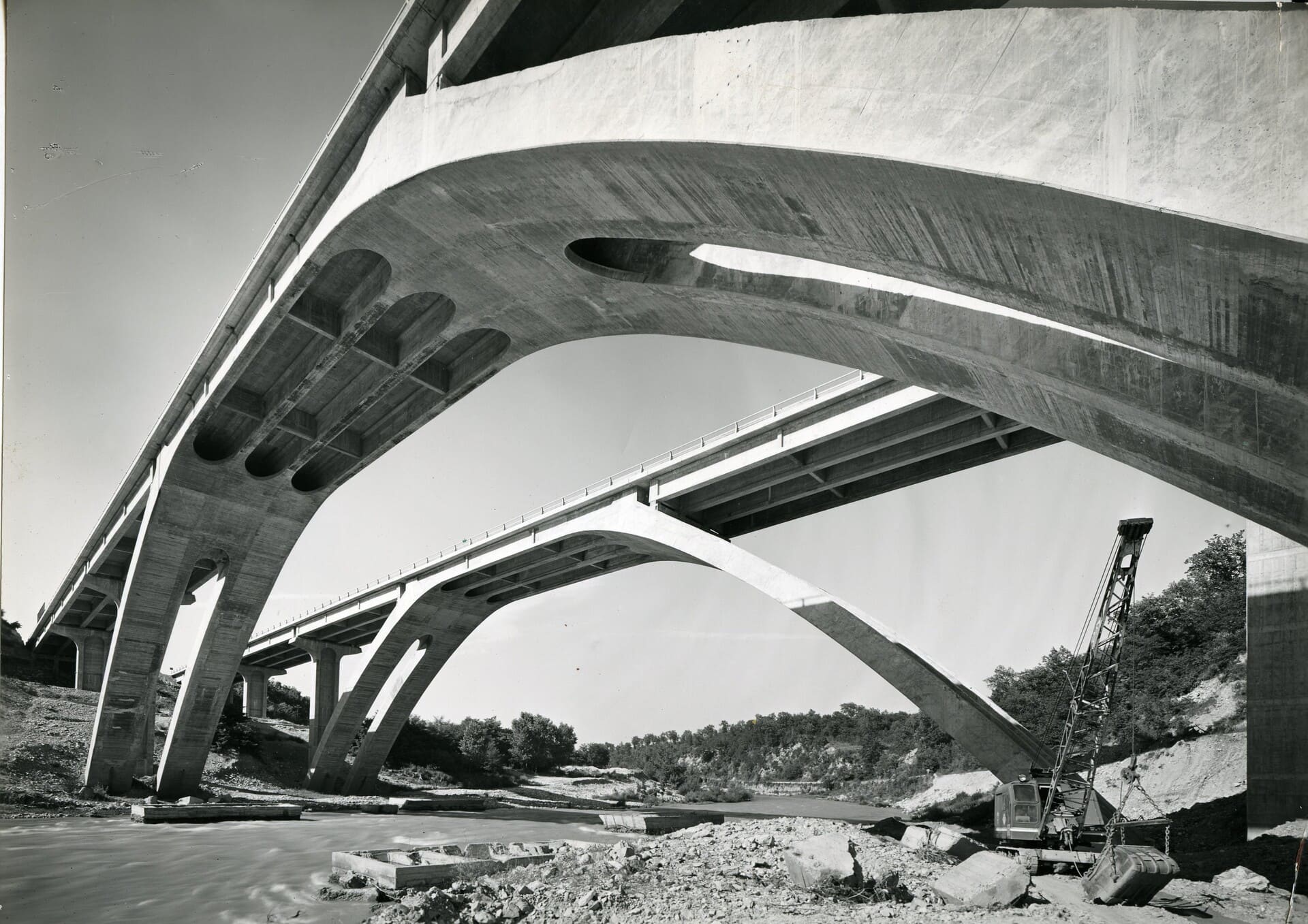
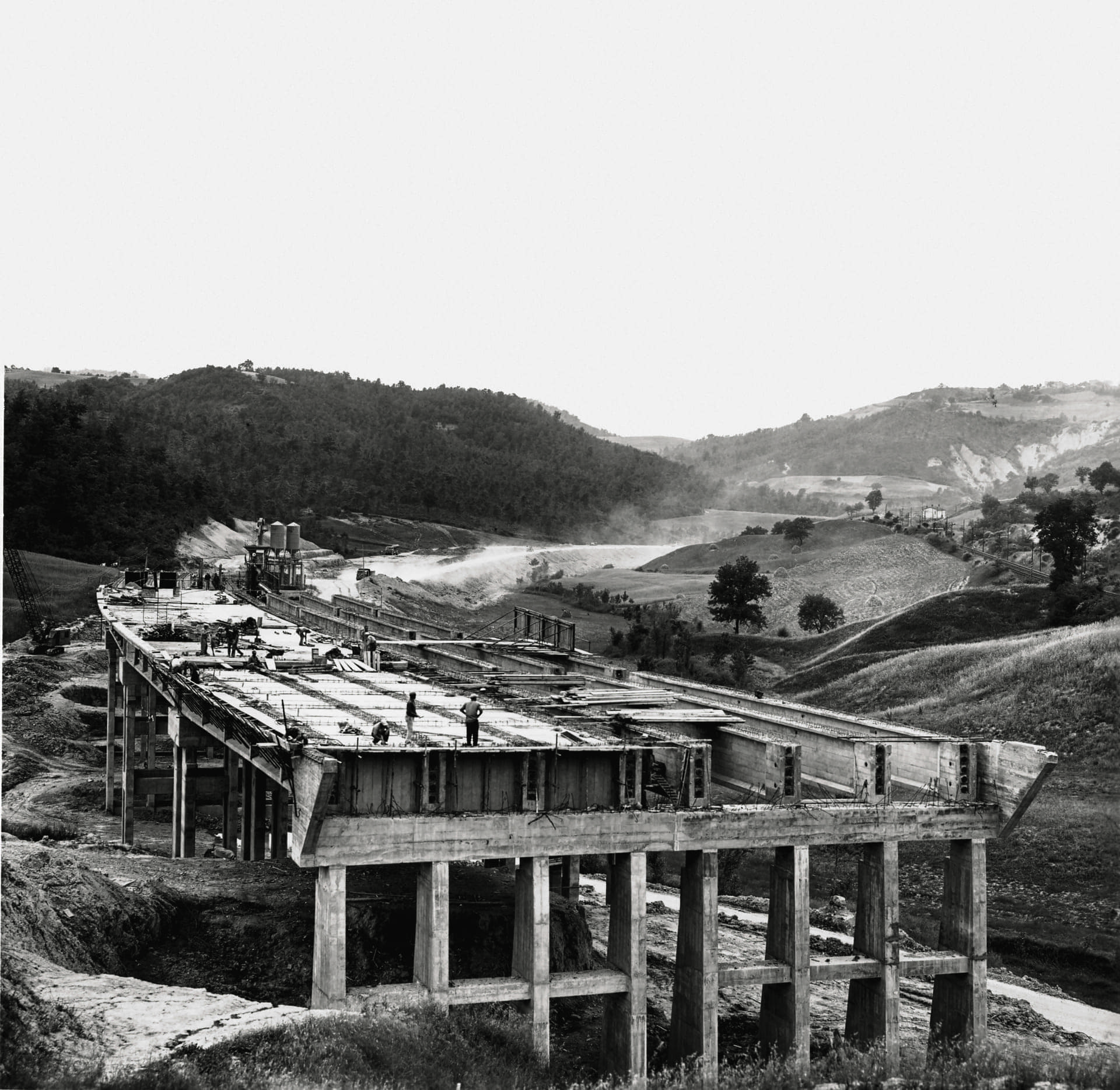
In the post-war boom years, when Italy got back on its feet and started moving again, the transportation infrastructure that more than any other epitomized the desire to race toward the future arrived: the Autostrada del Sole. Not just an Italian road artery, but a concrete idea of modernity.
In his contribution, Pietrangelo Buttafuoco describes it as a compact narrative of technology and vision: “Concrete, reinforced concrete and ideas, condensed into a story that still sounds epic today.” An infrastructural project that cuts across geography and challenge (mountains, rivers, the Apennines) and at the same time becomes the symbol of a country that reconnects its fragments and tries to be truly united.
What turns the Italian highway into a myth is not just its function, but its language: viaducts suspended “between sky and earth”, tunnels like gateways carved through matter. And above all, that constant relationship between artifice and nature which the President of the Fondazione La Biennale di Venezia sums up in a powerful formula: “a continuous dialogue between nature and artifice, man and landscape.”
It is the Italy of the economic boom, and it is the Italy rebuilding itself.
“Not for the Dead, but for the Living”: Infrastructure as Destiny
Public infrastructure soon becomes a monument to an era. Not in a celebratory sense, but in the most literal meaning: a mark left on the ground that changes people’s lives for decades.
In this regard, in his piece published in Evolutio, Buttafuoco describes the A1 (the Autostrada del Sole) as “the greatest post-war monument ‘not for the dead, but for the living’, the fundamental axis of the road system and the backbone of an Italy that wanted to run.”
Yet, like all the major projects, this too carries within it the most difficult question: how long does a structure really last? Above all, how long does the maintenance pact that a country enters into with itself when it builds actually endure?
“The myth of reinforced concrete, the raw material of the boom, has long been showing obvious cracks,” writes Buttafuoco. The tragedy of the Morandi Bridge in Genoa is the example everyone remembers: an event that became a watershed, a wound and at the same time a collective alarm. But it is precisely from that alarm that a new awareness is born: it is not enough to build well, it is also necessary to maintain, protect and monitor.
On this theme, Pietrangelo Buttafuoco cites the work of the 2025 Venice Architecture Biennale, directed by Carlo Ratti, valuable for highlighting various innovative projects precisely on the subject of materials.
“Designing Resilient Blue-Green Infrastructures in the Peri-Urban Landscape of Antananarivo in Madagascar; Hyper Sponge, which reimagines the urban villages of Kuala Lumpur as ecological sponges capable of absorbing and retaining water; Recypark, which shows how the use of recovered materials and the connection between infrastructure and community reduce environmental impact, giving back spaces for sport and leisure; Ocean City, an urban prototype that radically rethinks the relationship between architecture and the environment, encouraging the regeneration of marine life.”
The Urgency of Major Infrastructure Developments: The Case of Potenza
If the Autostrada del Sole told the story of rebirth, there are places where infrastructure projects reveal the need to intervene, protect and maintain. To describe this condition, Buttafuoco chooses a precise example: Potenza, the “southern capital of concrete”, where modernity shows not only its visionary beauty, but also its vulnerability.
The Musmeci Bridge, an extraordinary infrastructure of the 1970s, now shows signs of time. The “Serpentone” of the Cocuzzo district, created to house a growing population, appears as a marginal, emptied-out neighbourhood. And the Camastra dam, still not officially commissioned, came close to an extreme crisis in 2024.
Here the message becomes explicit: “In Italy, we almost always intervene too late, in the malfunction phase.” Not because technologies or expertise are lacking, but because there is often a lack of ability to turn maintenance into a stable culture, into planning, into a political priority.
The result is a public infrastructure network that can become fragile precisely because it is too vast and too stratified: viaducts, aqueducts, entire neighbourhoods calling for urgent intervention. But also, and above all, a new idea of design.
Sustainable Strategies: Sicily and a Fracture that is Not Only Geographical
If there is one point in the country where the infrastructure issue turns into a historical question, and therefore a political and social one, it is Sicily.
Buttafuoco writes it bluntly: it is not “just about bridging a technical gap”, but about tackling a knot that comes from far back and “dates back to the Unification of Italy”. Because as long as part of the country remains on the margins of modern networks, Italy will continue to be incomplete.
This is a central passage: not because it refers to an emergency, but because it reveals that critical infrastructure is, in the end, the architecture of citizenship. Where the network is weak, the very idea of community also weakens.
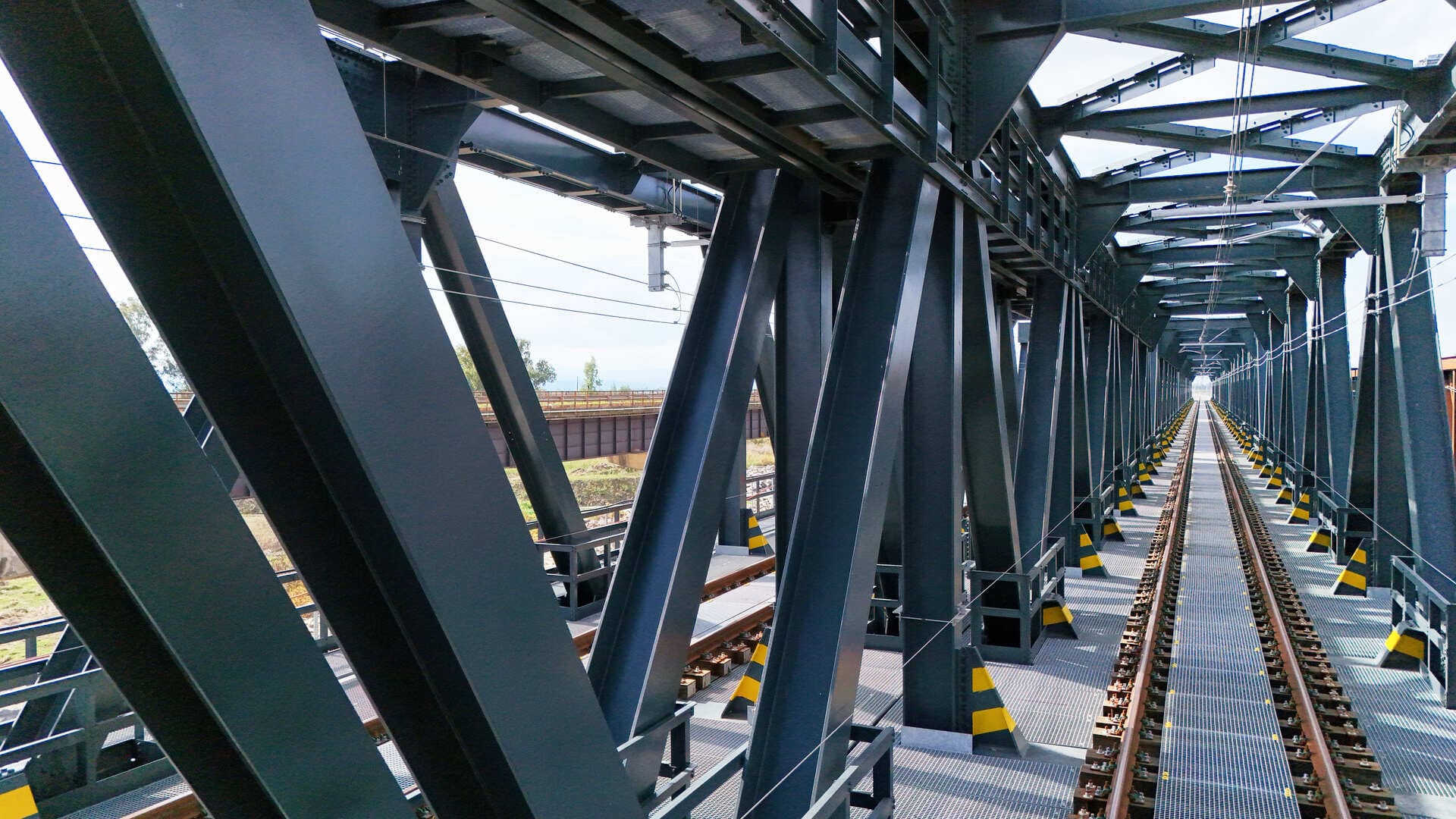
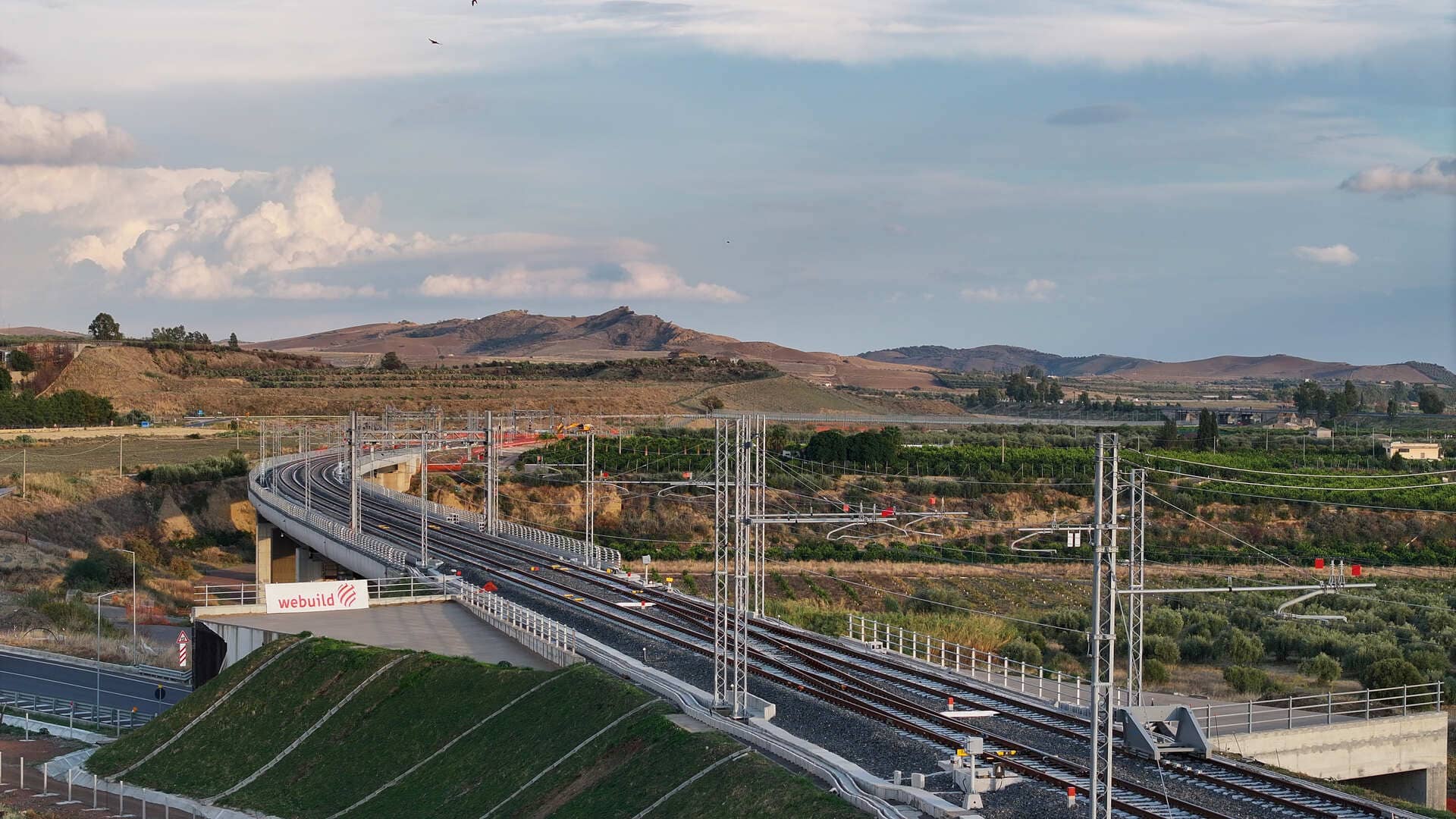
The response now comes from the commitment of the Webuild Group to modernising Sicily’s railway networks. Construction sites open from Catania to Palermo will make it possible to bring fast trains to Sicily by creating the first single-track railway line. A change of pace compared to the past, which looks at infrastructure development as a driving force for the region’s economic and social growth.
In this context, the investments of the PNRR are an opportunity: not just a simple list of construction projects, but a concrete possibility to change method.
“PNRR investments,” concludes Buttafuoco, “have begun to unlock redevelopment projects, but the real challenge is precisely cultural: moving from an emergency logic to a strategic vision. Sustainable, integrated infrastructures capable of reducing territorial inequalities today represent an appointment Italy cannot miss. Just as the Autostrada del Sole was able to redesign Italy, today we need a new season of projects born of the same spirit, the same vision, the same courage: projects capable of becoming real bridges between communities, territories and generations.”