


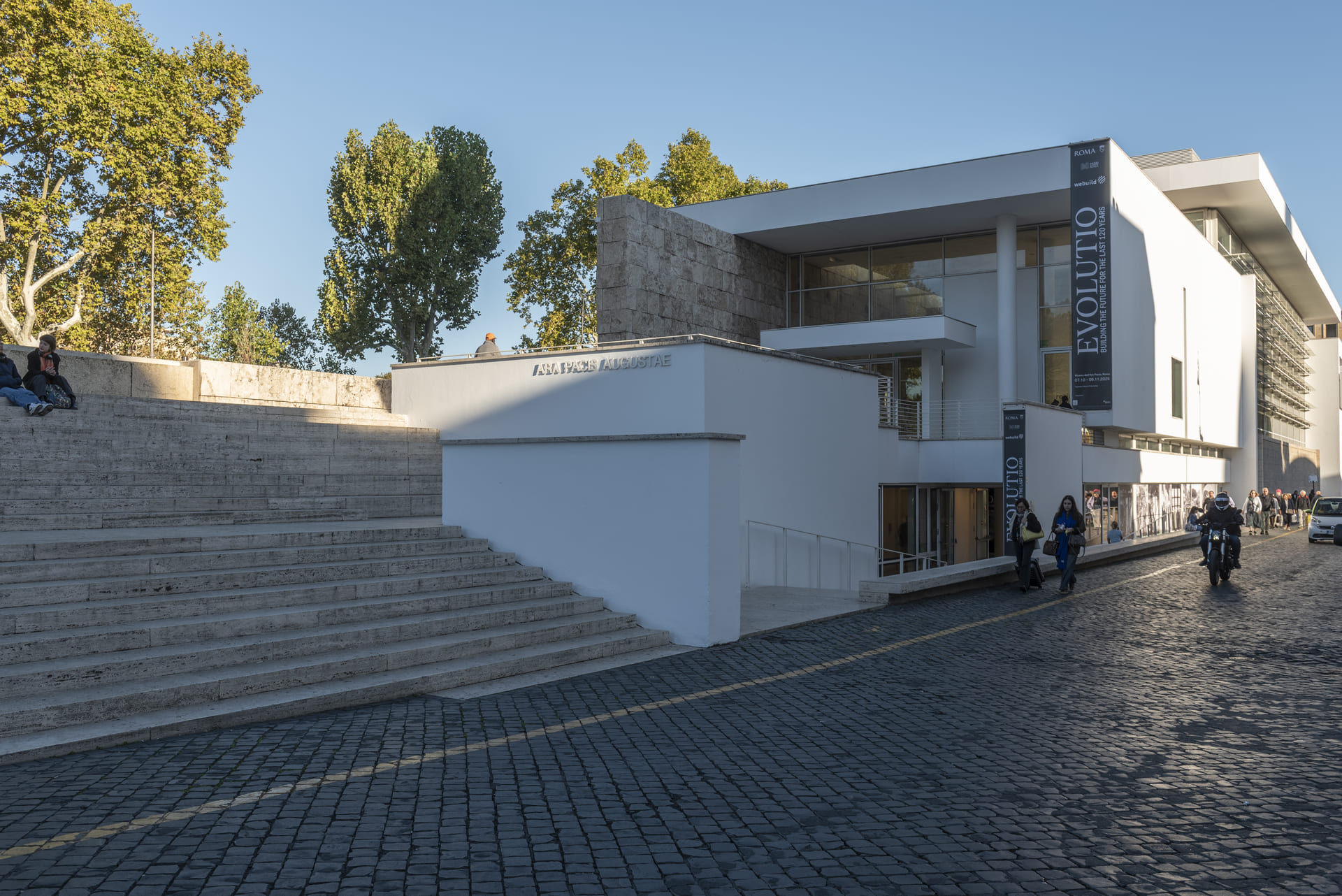
 Evolutio Exhibition, Rome, 2025
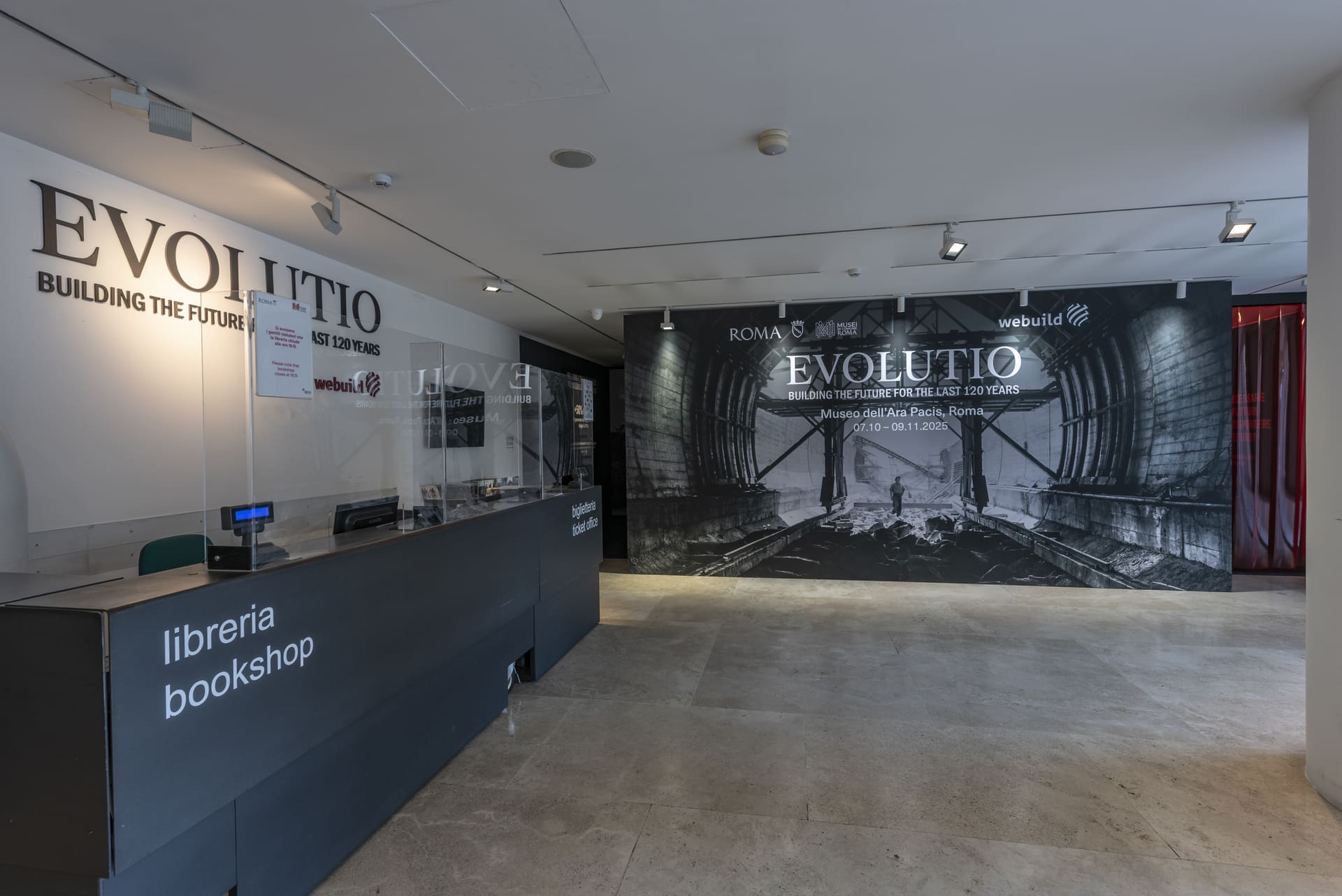 Evolutio Exhibition, Rome, 2025
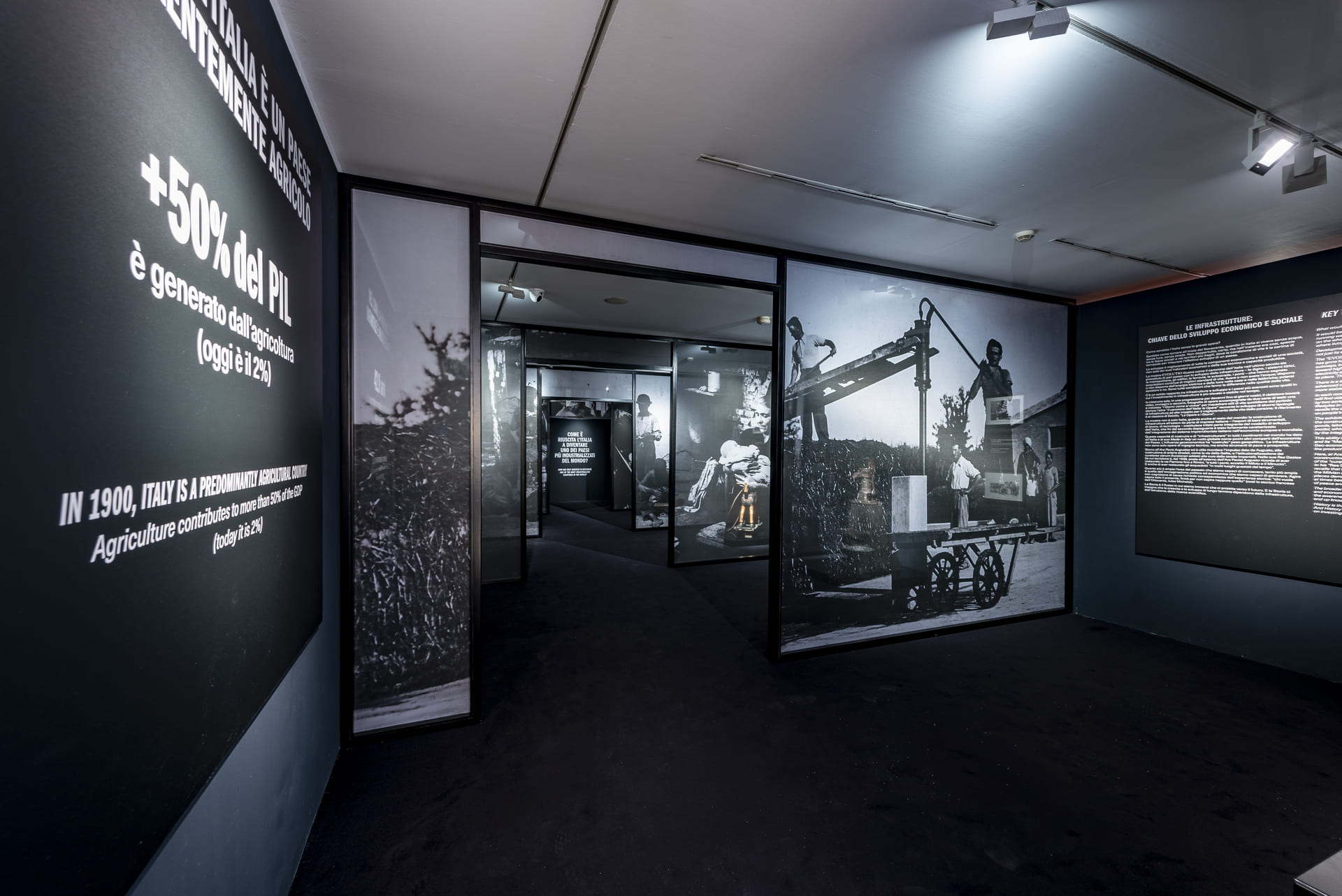 Evolutio Exhibition, Rome, 2025
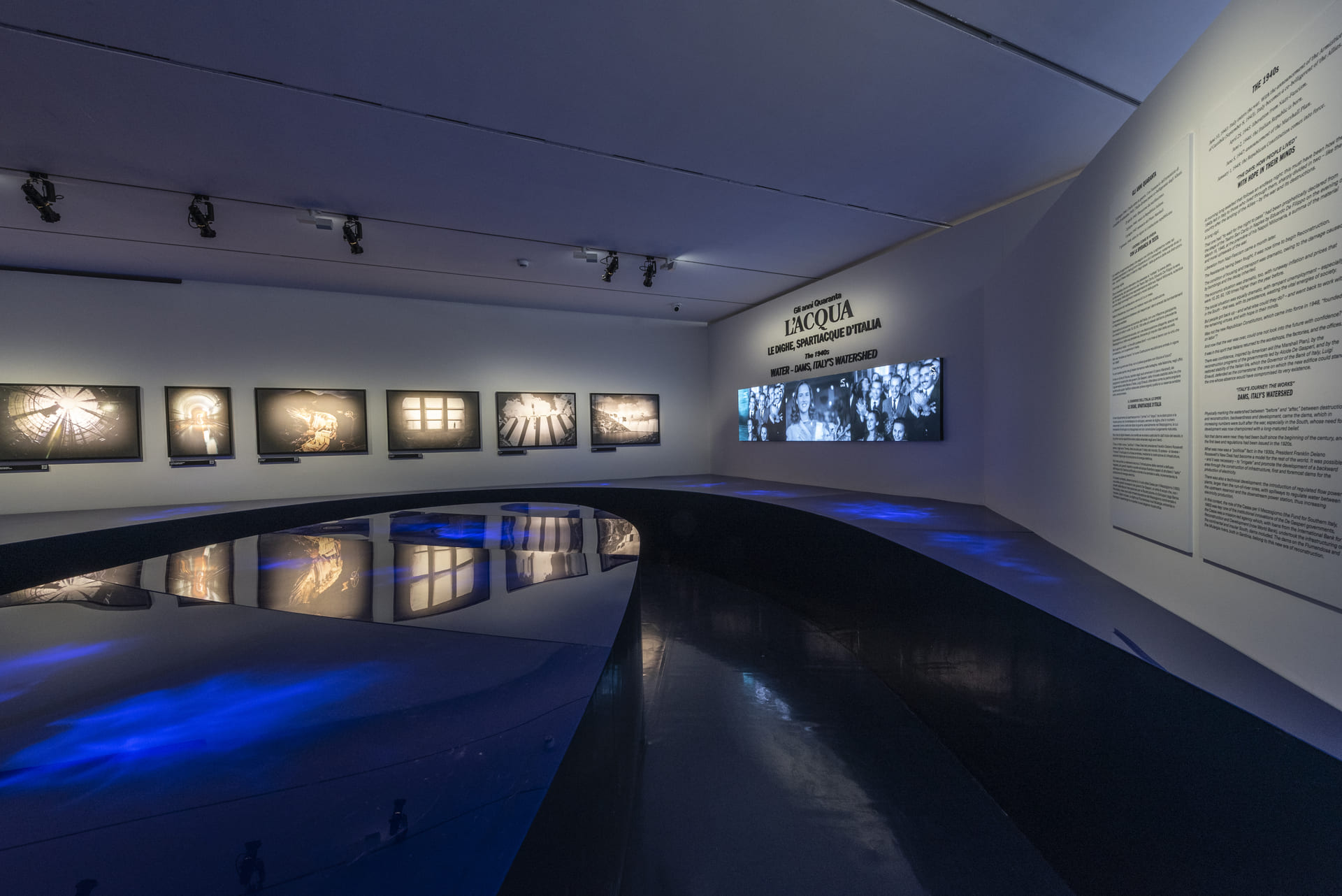 Evolutio Exhibition, Rome, 2025
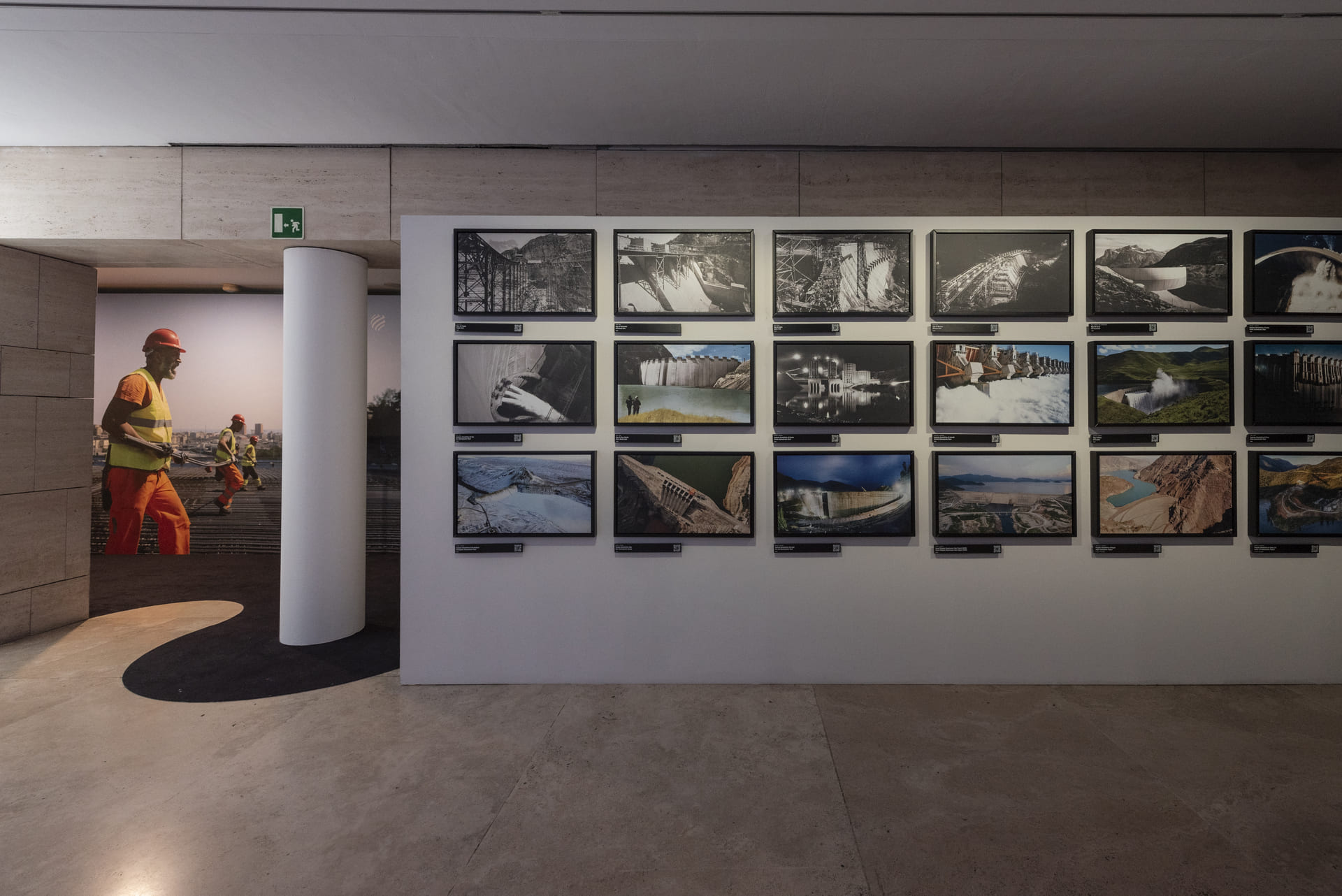 Evolutio Exhibition, Rome, 2025
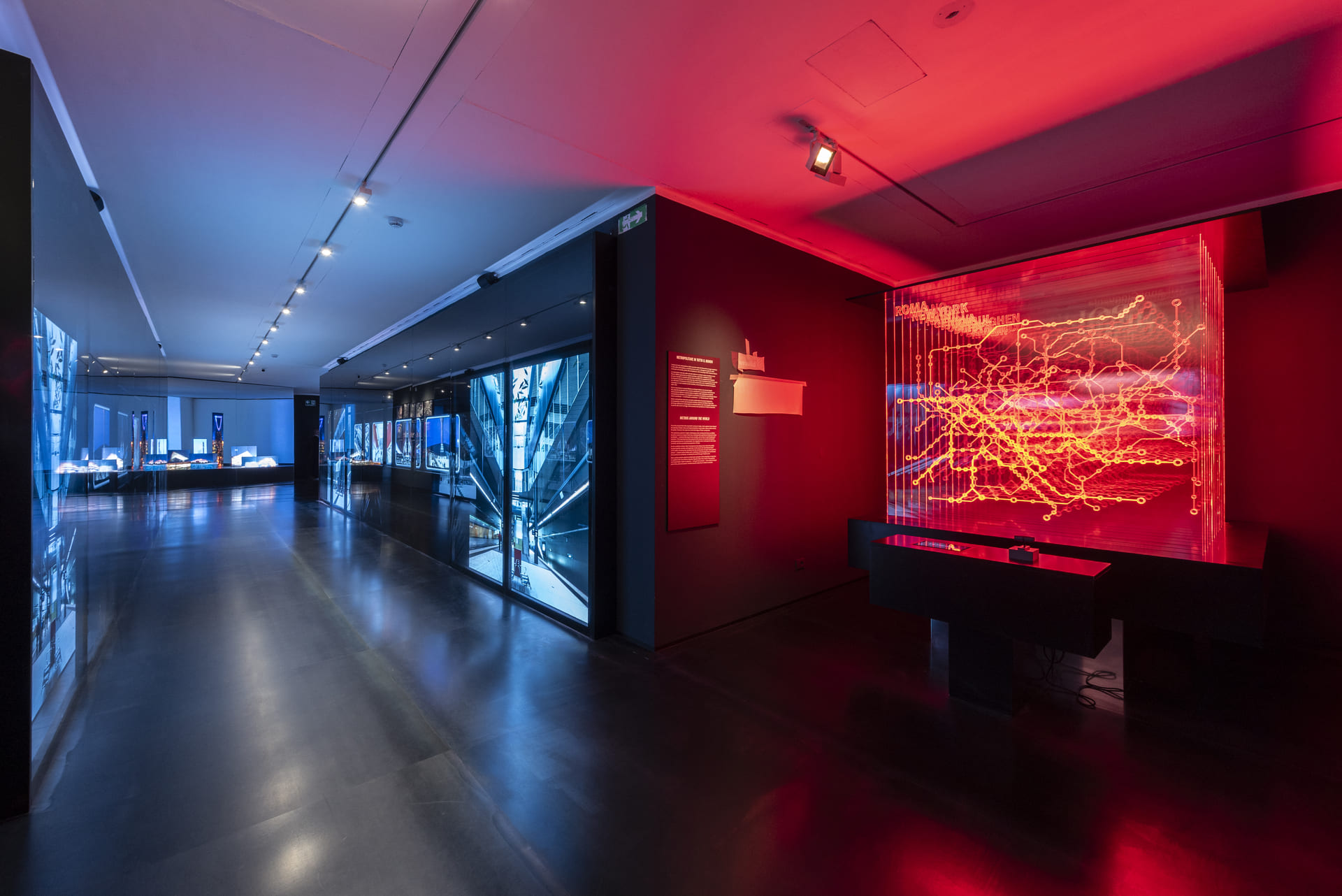 Evolutio Exhibition, Rome, 2025
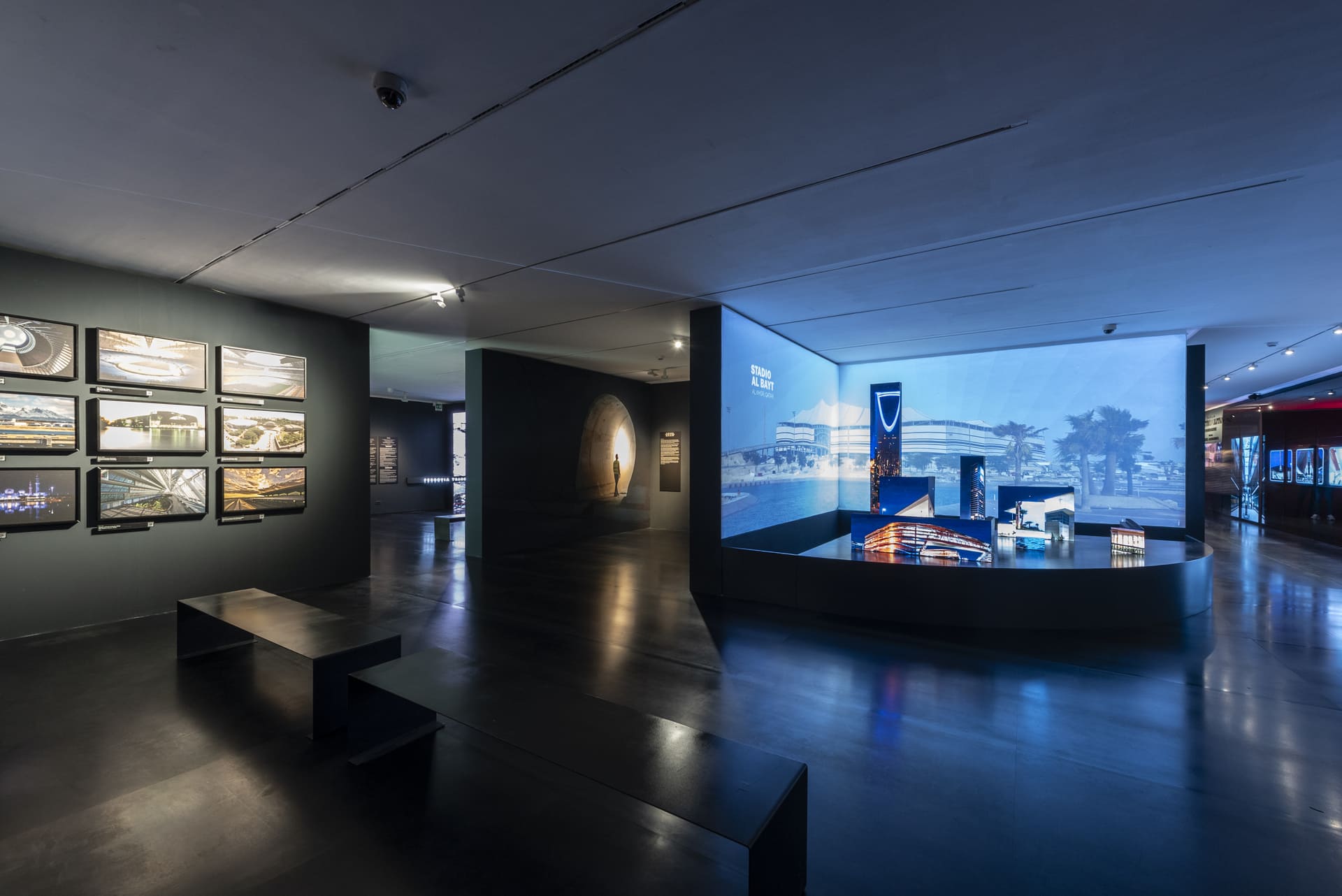 Evolutio Exhibition, Rome, 2025
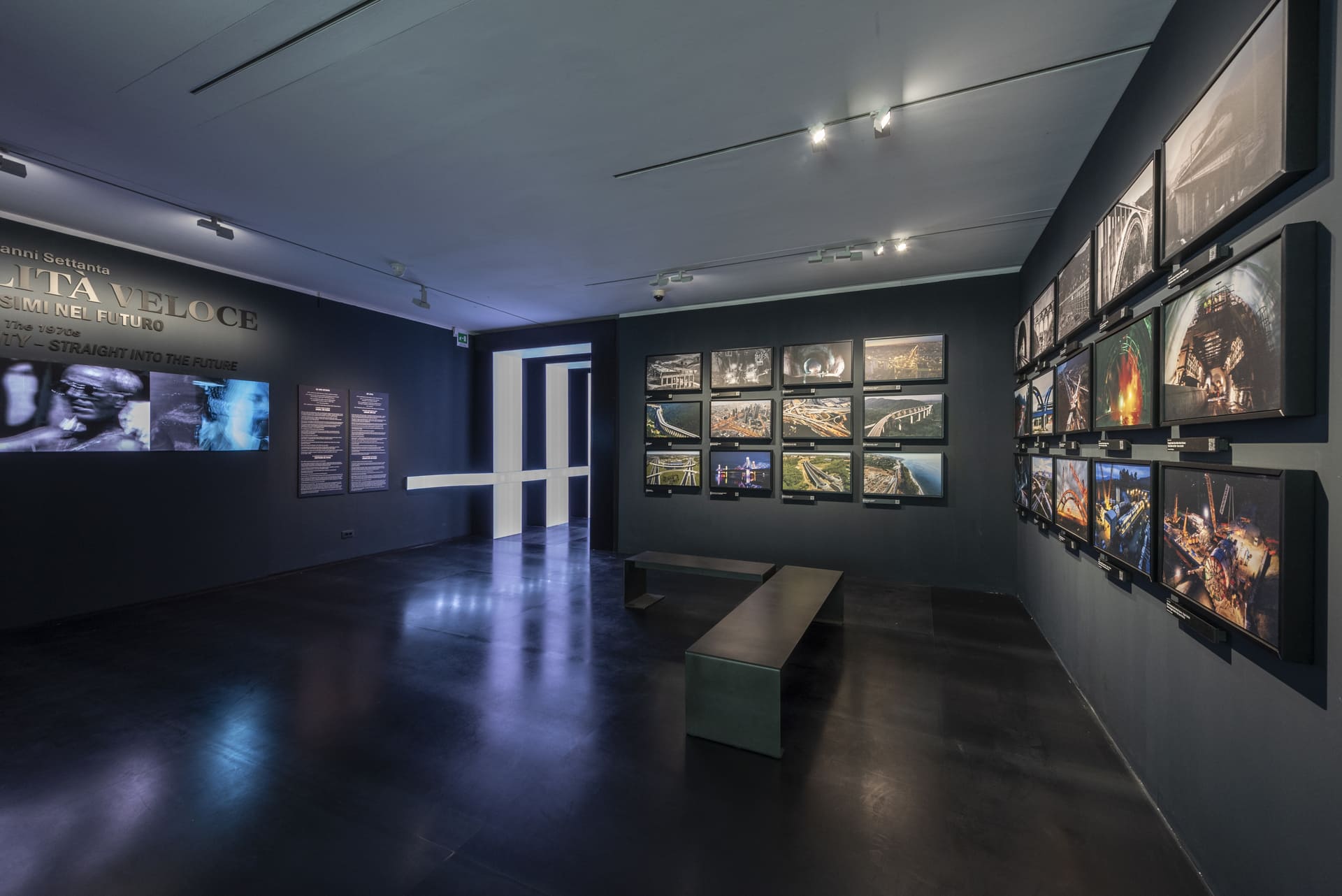 Evolutio Exhibition, Rome, 2025
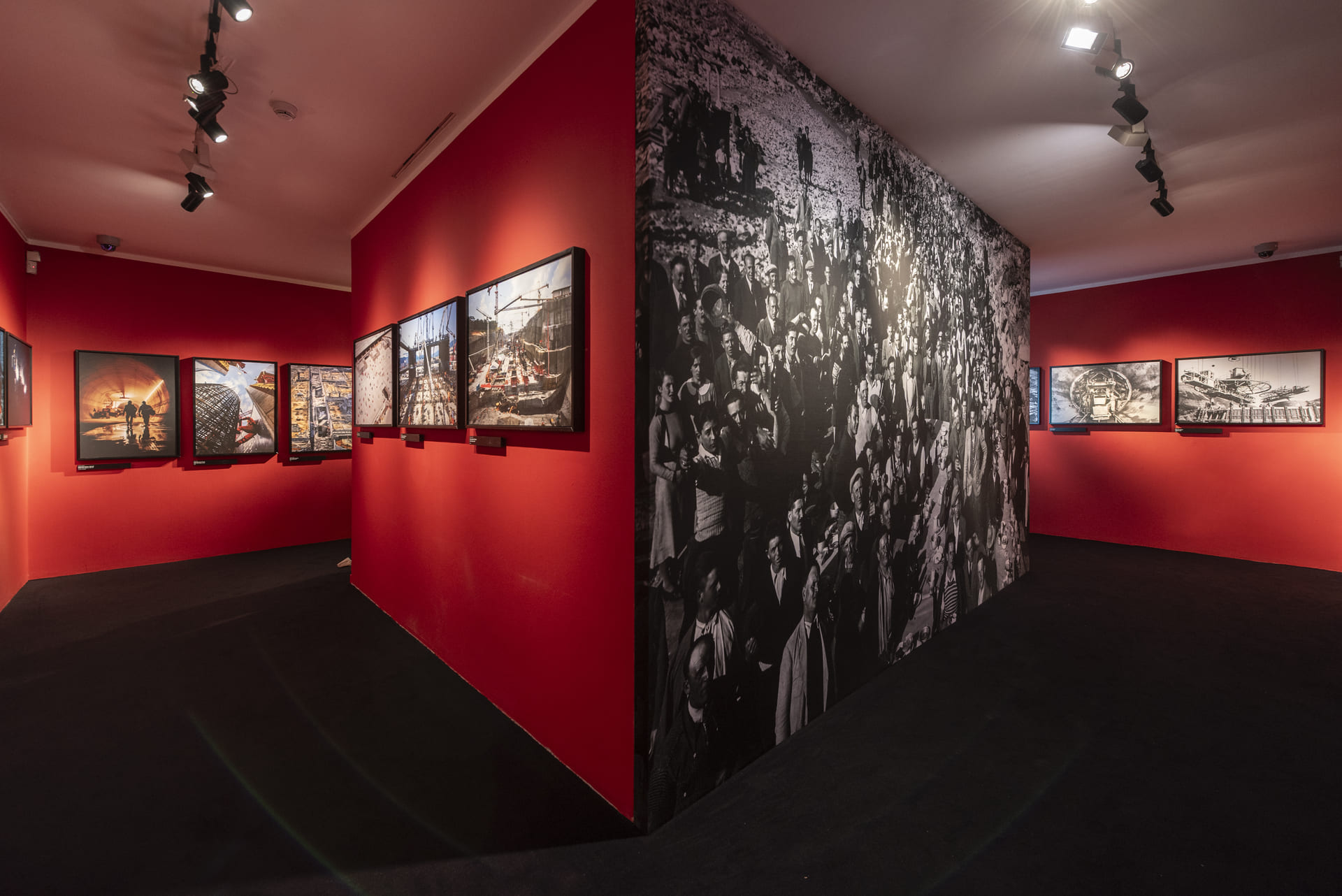 Evolutio Exhibition, Rome, 2025
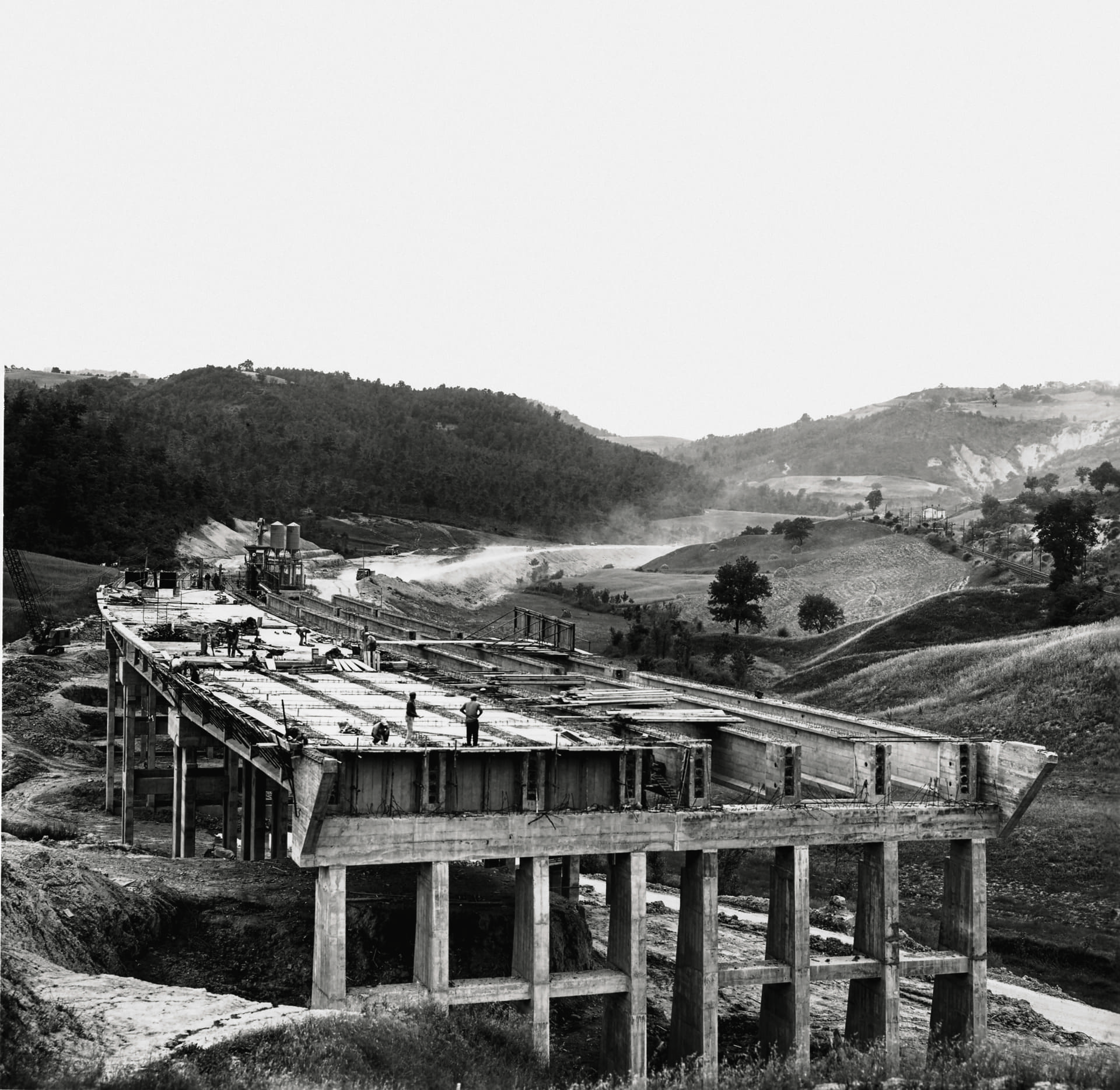 Autostrada del Sole A1, Italy, 1964
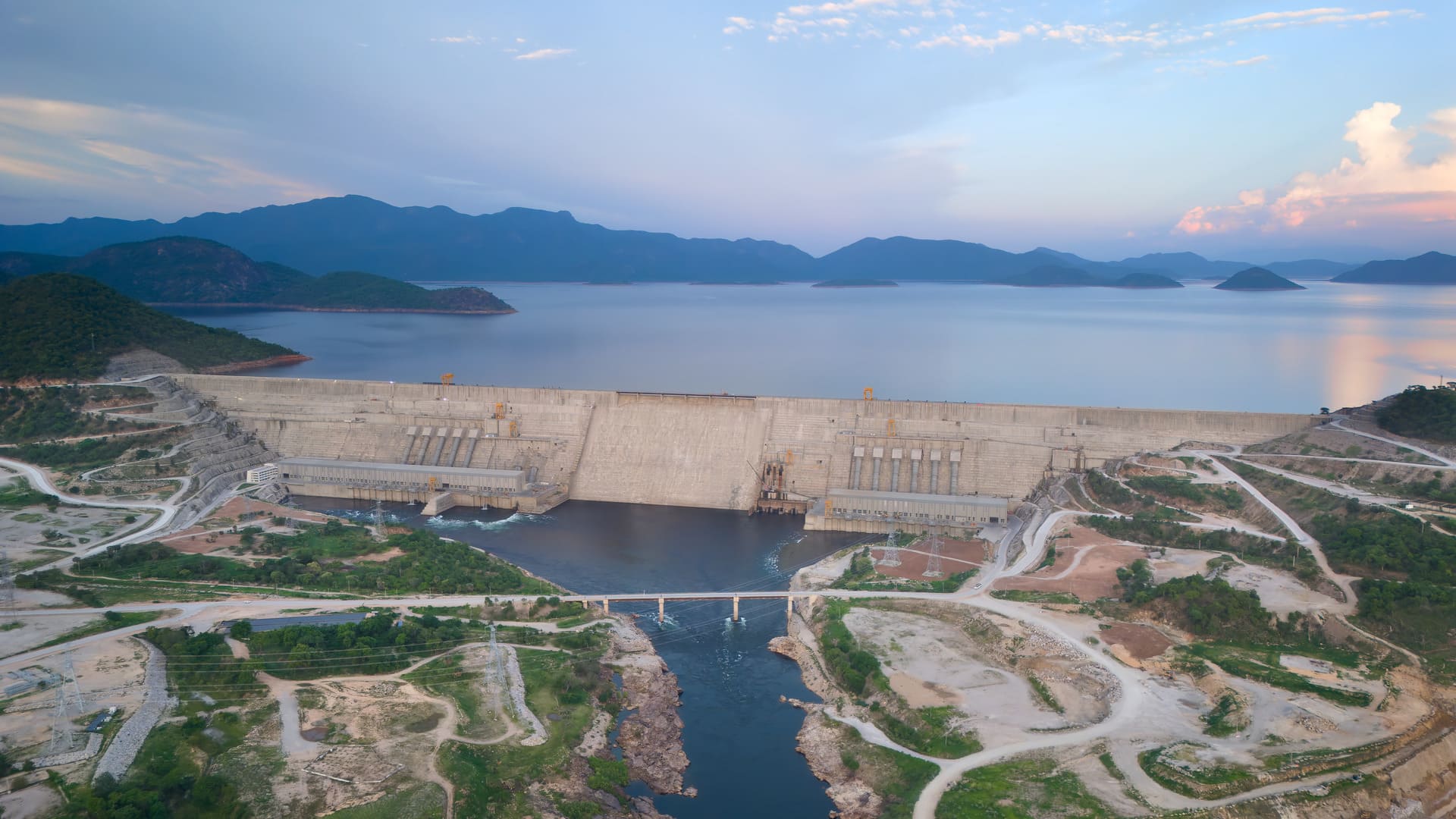 GERD Dam, Ethiopia, 2025
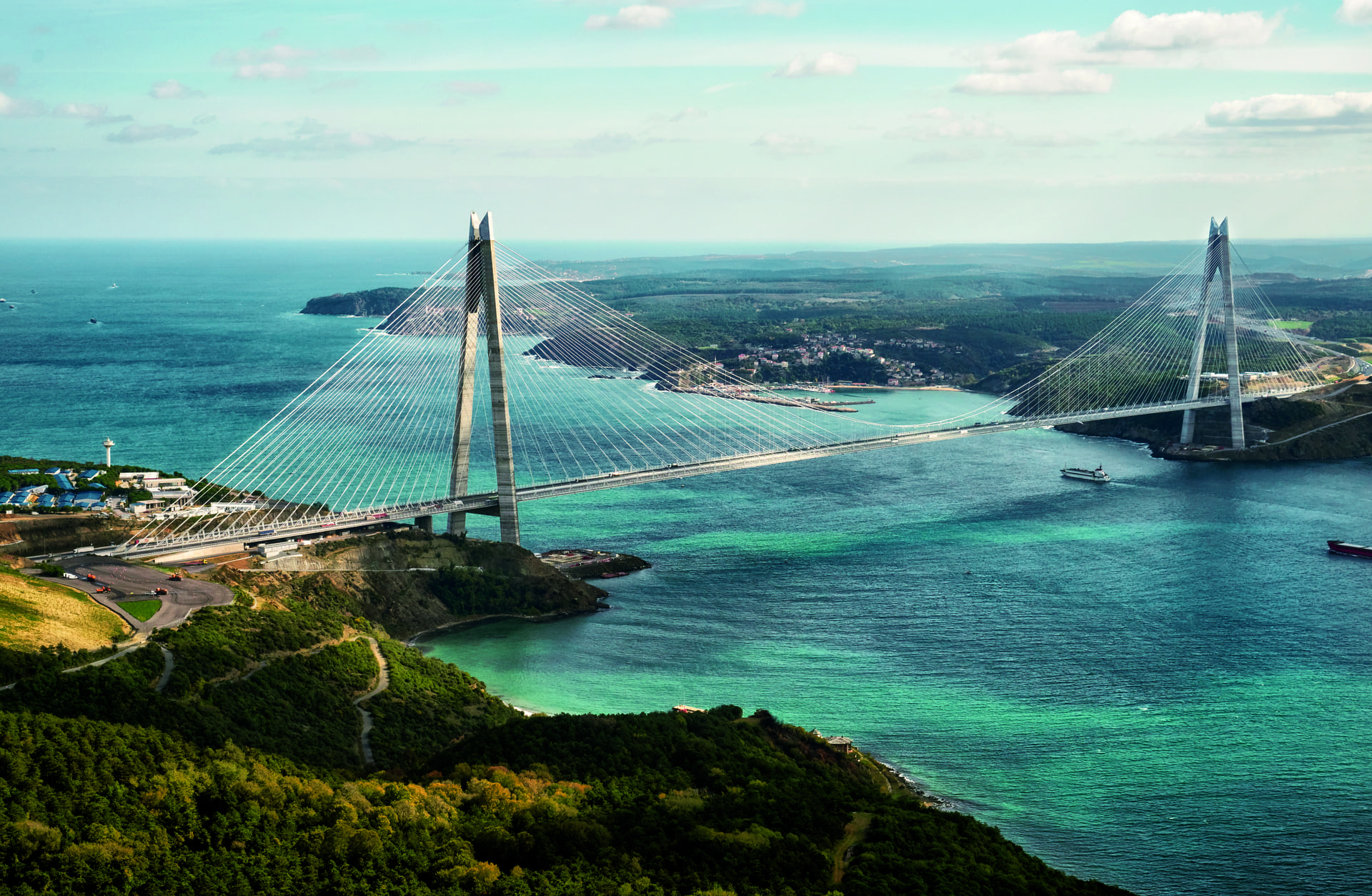 Third Bosphorus Bridge, Turkey, 2018
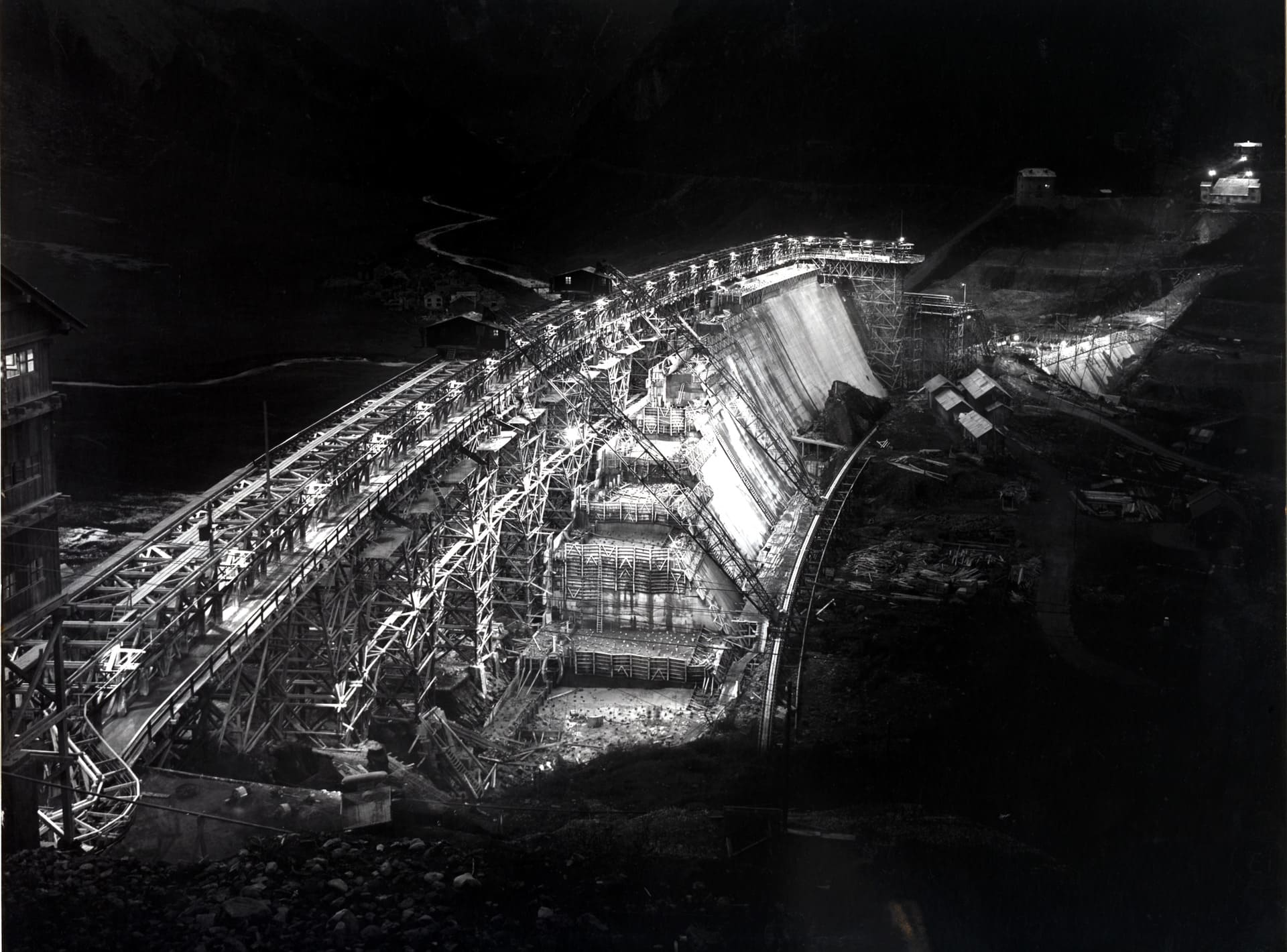 Morasco Dam, Italy 1940
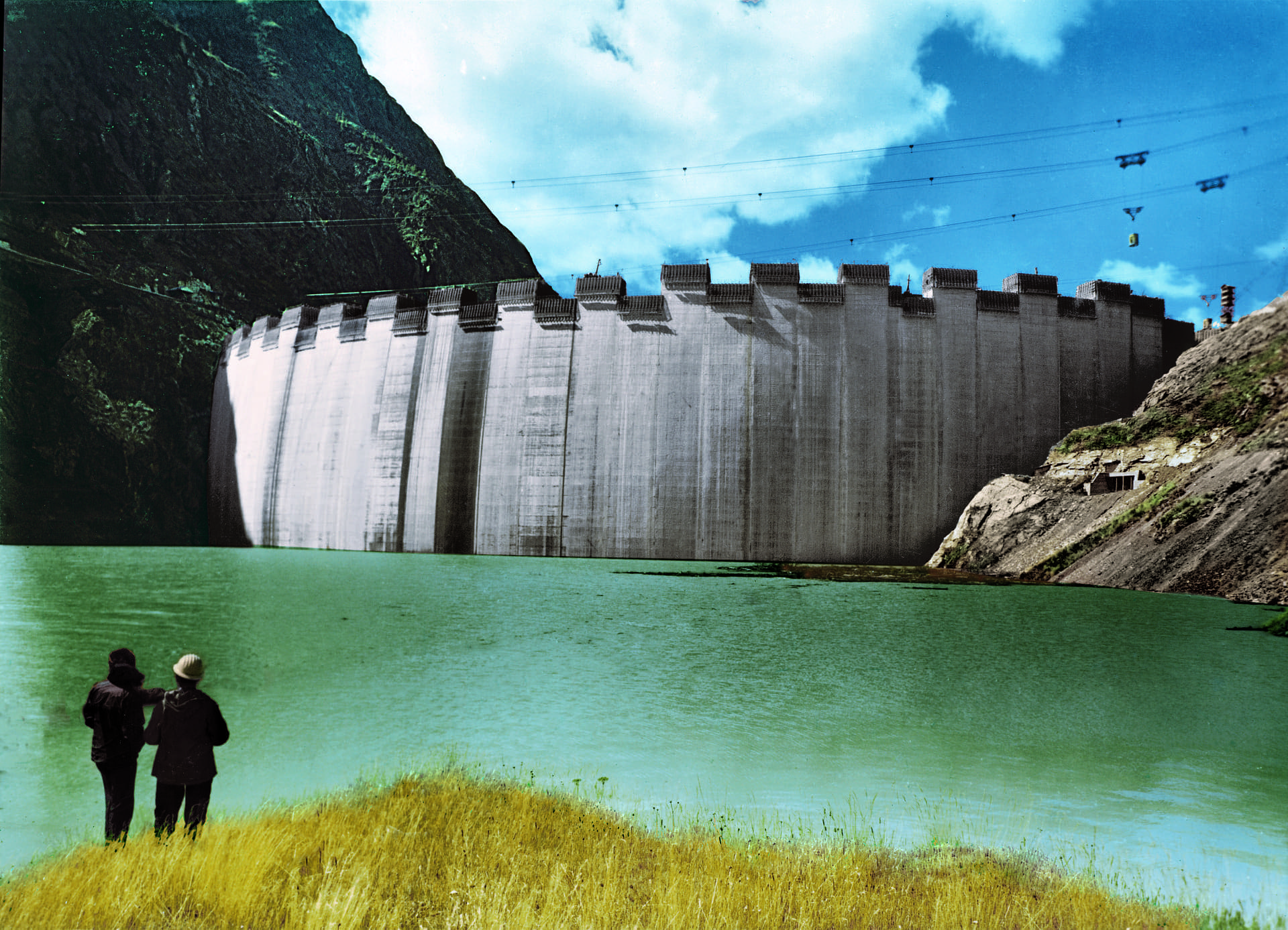 Place Moulin Dam, Italy, 1964
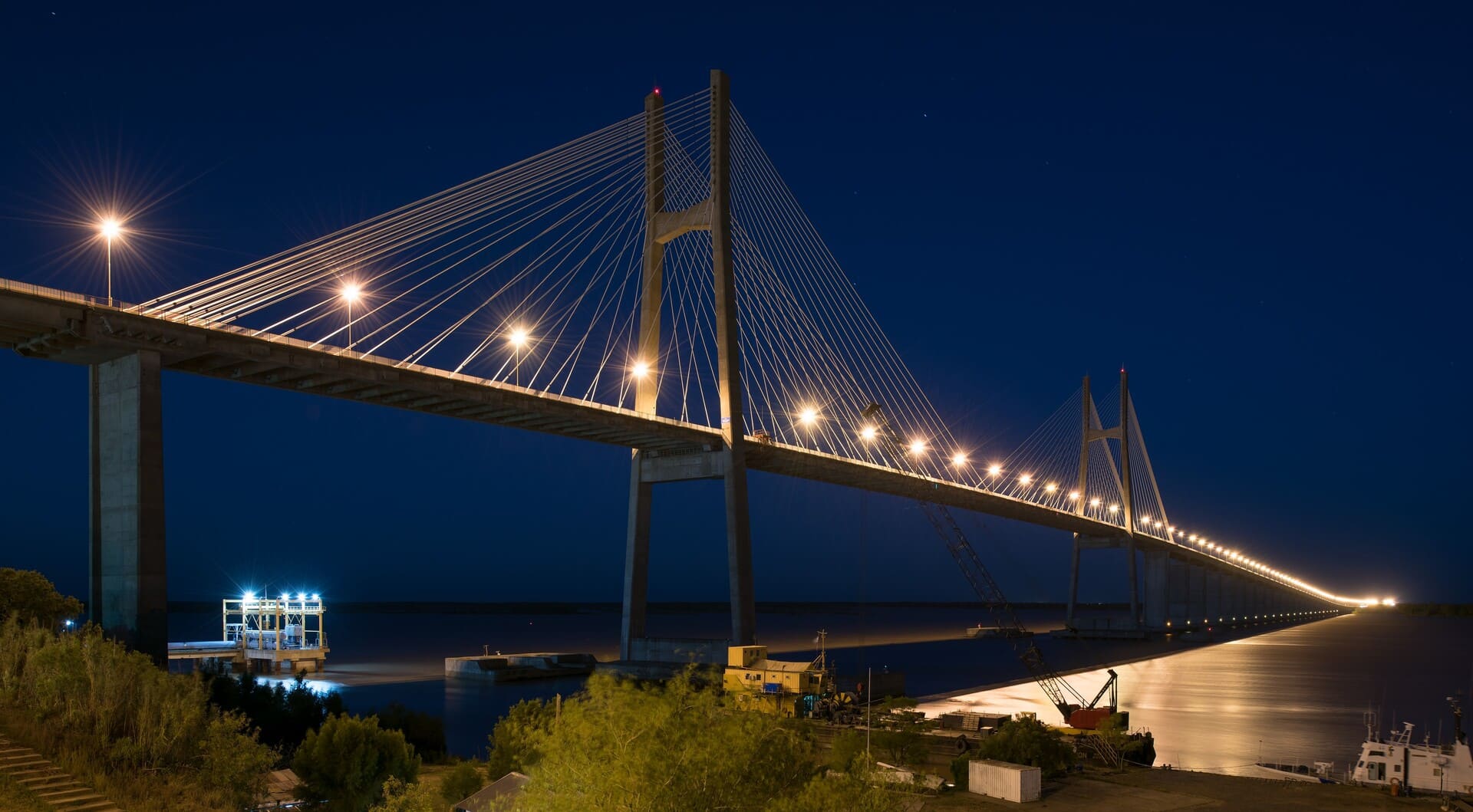 Rosario–Victoria Bridge, Argentina, 2003
- Evolutio recounts more than a century of infrastructure as a cultural, economic and social process that has built contemporary Italy.
- The new book promoted by Webuild and published by Rizzoli brings together authoritative voices from the worlds of science, art and history.
- From the Autostrada del Sole to the Panama Canal, from high-speed railways to the Naples Art Stations, Webuild’s public works become tools for interpreting progress.
- Infrastructure is now entering a new phase: intelligent, monitored and sustainable, called upon not only to build but to take care of the future.
- The Autostrada del Sole, which united Italy from North to South in the heart of the twentieth century, remains one of the most powerful examples of development driven by major public works projects.
read more

Evolutio tells the story of how infrastructure has built the world we live in, accelerating progress. Not as a simple sequence of public works, but as a cultural, economic and social process spanning more than a century of history.
An initiative conceived and created by the Webuild Group, it began with a Evolutio Exhibition at the Ara Pacis in Rome, following by the a Digital Museum (www.evolutio.museum) and, as of today, the publication of a new book published by Rizzoli entitled “Evolutio. Building the future for the last 120 years”.
The book – which previews the next stage of the exhibition opening to the public in Milan in 2026 – reconstructs the role of infrastructure through a collective lens. It brings together engineers, architects, historians, sociologists, and urban transformation scholars to examine what major works have represented, and continue to represent today internationally.
The contributors include Pietro Salini, Chief Executive Officer of Webuild; Jeffrey Schnapp, founder and director of MetaLab at Harvard University; Carlo Ratti, professor at MIT and the Politecnico di Milano and curator of the 2025 Architecture Biennale; Pietrangelo Buttafuoco, President of the Fondazione La Biennale di Venezia; Massimiliano Valerii, sociologist and Director General of Censis; and Giovanni Farese, Professor of the History of Economics and Business at Luiss Guido Carli.
Different voices that come together to form a unified narrative, in which infrastructure emerges as both the material and symbolic architecture of global development.
From the Autostrada del Sole to High-Speed Railways: Past Infrastructure as the Future's Foundation
Evolutio opens with a contribution by Pietro Salini, who defines infrastructure as the “silent engine” of progress. It is a vision embodied in public works capable of changing the destiny of territories and the collective imagination.
The Autostrada del Sole, which united Italy from North to South in the heart of the twentieth century, is one of the most powerful examples: not just another strip of asphalt among other Italian roads, but the backbone of a country that chose to grow through infrastructure construction.
Alongside this, the book recalls the decisive role of the Direttissima Rome–Florence line, Europe’s first high-speed rail line, which inaugurated a new relationship with time and space, anticipating a profound transformation in Italian mobility. Public infrastructure that does not merely connect places, but redefine habits, economies and possibilities.
It is from this legacy that Evolutio is born, not as a celebration of what has been built, but as an exercise in active memory. Remembering where we come from in order to understand where we want to go, at a time when infrastructure is increasingly required to be sustainable, resilient and capable of anticipating future needs.
Evolutio: From the Built Landscape to the Digital Artworks of Interactive Museums
Within the book, the perspective of Jeffrey Schnapp, founder and director of MetaLab at Harvard University, broadens the scope of the analysis.
From the major public works of the twentieth century – visible, monumental and often iconic – the narrative shifts towards infrastructures that are increasingly invisible yet decisive: data networks, digital systems and cultural platforms. If the Autostrada del Sole represents the triumph of physical infrastructure development, today the connective tissue of society also runs through knowledge and access to memory.
In this transition, a crucial role is played by Evolutio’s interactive museum (www.evolutio.museum), the first native digital museum dedicated to infrastructure. It brings together an immense archive of images and videos, allowing visitors to take virtual tours far and wide among the great public works that have shaped the history not only of Italy, but of the world.
Predictive Maintenance: The Era of Intelligent and Beautiful Infrastructure
The infrastructures of the twentieth century are now entering a new phase of their life thanks to sensors, data and predictive maintenance tools.
This is the focus of the contribution by Carlo Ratti, professor at MIT and the Politecnico di Milano. Ratti describes a transformation that also affects the symbolic works of our time, such as the Genoa San Giorgio Bridge, designed with a continuous monitoring system that turns it into a vigilant organism, capable of communicating its state of health.
Infrastructure development is no longer just about construction, but about care. A paradigm shift that Evolutio places at its core, linking the history of major public works to the need for a new culture of maintenance that looks after not only what is useful, but also what is beautiful.
The Naples Art Stations, included in the Evolutio itinerary, are an emblematic example: spaces of mobility that become cultural places, where beauty enters the daily lives of millions of people.
This is also the focus of the contribution by Pietrangelo Buttafuoco, President of the Fondazione La Biennale di Venezia, who underlines the role of infrastructure as the most powerful interface between architecture and environment, between technology and landscape. It is in this ability to intertwine function and meaning that infrastructure ceases to be mere artefact and becomes part of a collective identity.
Sustainability: The Social Dividend of Major Public Works
Beautiful and useful, but also accelerators of sustainable practices, social development and profound changes in the daily lives of millions of people.
Major public infrastructures unite territories, reduce distances and enable social mobility. They did so in the post-war period, when Italy built roads, schools, dams and energy networks. They can do so again today, in a historical phase marked by new inequalities.
This is explained by Massimiliano Valerii, Director General of Censis, who stresses how every major infrastructure project generates a dividend that goes beyond economics. Investing in infrastructure construction means investing in a community’s confidence in its own future.
This is further confirmed by the historical contribution of Giovanni Farese, professor at Luiss Guido Carli. History bears witness to it: twentieth-century Italy grows when it invests in infrastructure. From hydroelectric power to the industrial boom, from post-war reconstruction to high-speed railways. When those investments slow down, fragilities emerge that continue to weigh on the country’s system today.
Evolutio brings these trajectories together, showing how the public works built by Webuild and its historical companies are not isolated episodes, but chapters of the same story spanning more than a century. Because every infrastructural project is always a promise. And the future depends on how we choose to build it, preserve it and tell its story.
Beyond Italy: Public Works Projects That Span the World
The Evolutio narrative operates on a global scale, through public infrastructure that has transformed ways of life across entire continents.
The rescue of the temples of Abu Simbel in Egypt is one of the most emblematic examples. An engineering feat that demonstrates how technology can become the guardian of millennia-old memory, moving history in order to save it.
Similarly, major African dams, such as the Grand Ethiopian Renaissance Dam (GERD), tell the story of infrastructure projects as tools for emancipation: energy, water and development for entire nations. Then there is the New Panama Canal, which redefined global trade routes, showing how a single work can alter the balance of the world economy.
In Evolutio, these infrastructures built by the Webuild Group are not presented as engineering records, but as nodes within a broader story, in which building means assuming responsibility towards communities, cultures and the future.