


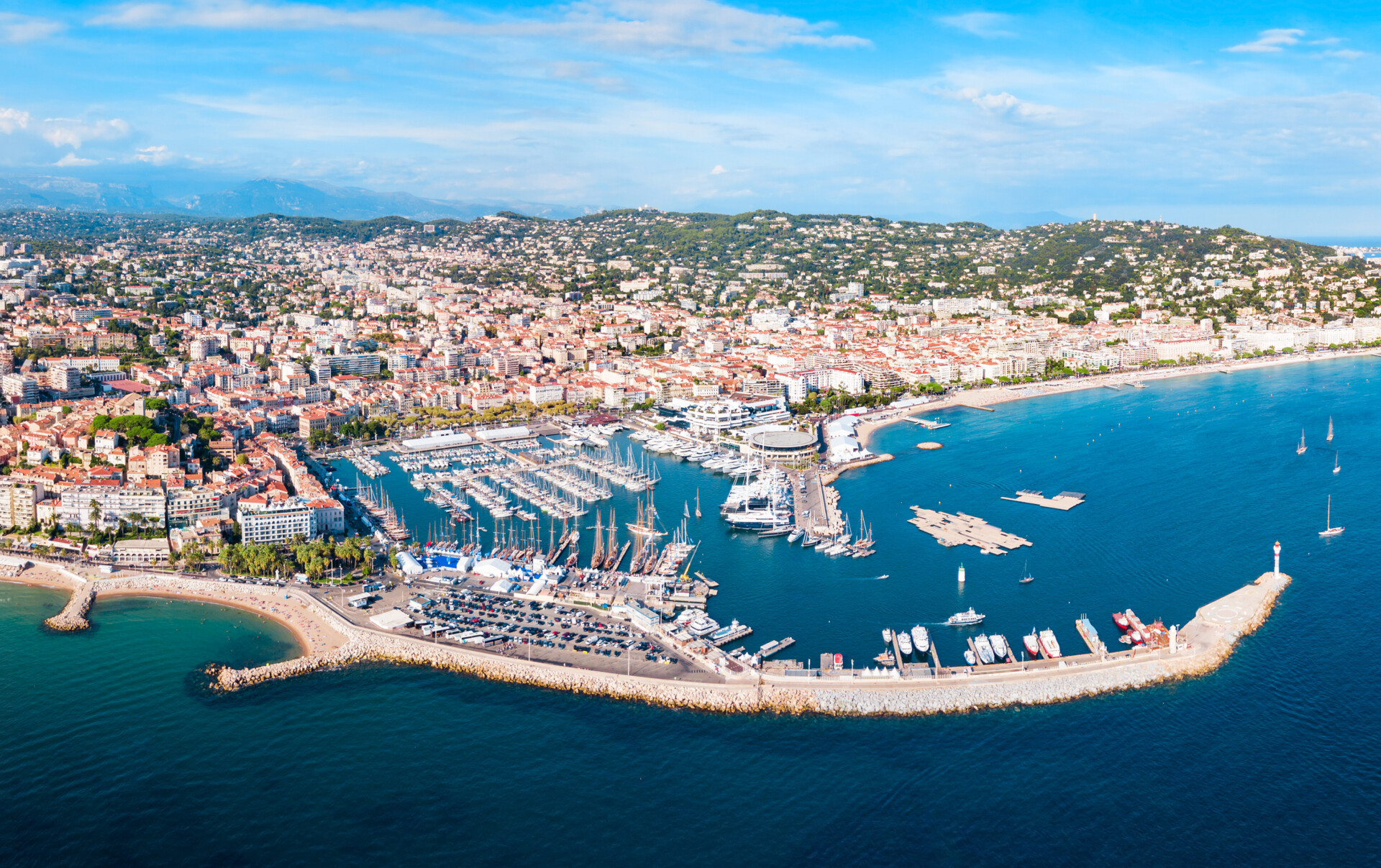
 Cannes, France
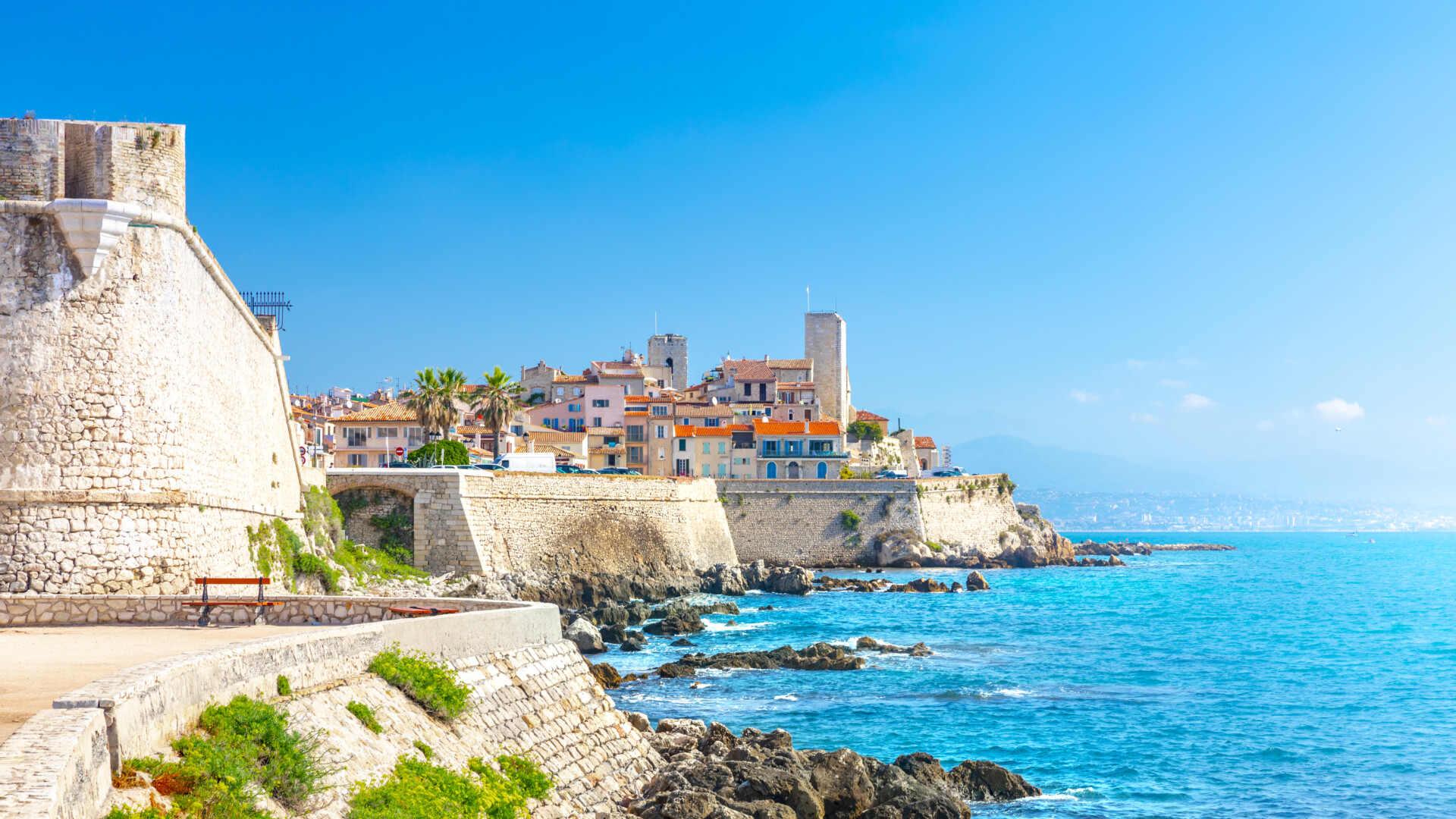 Historic centre of Antibes, France
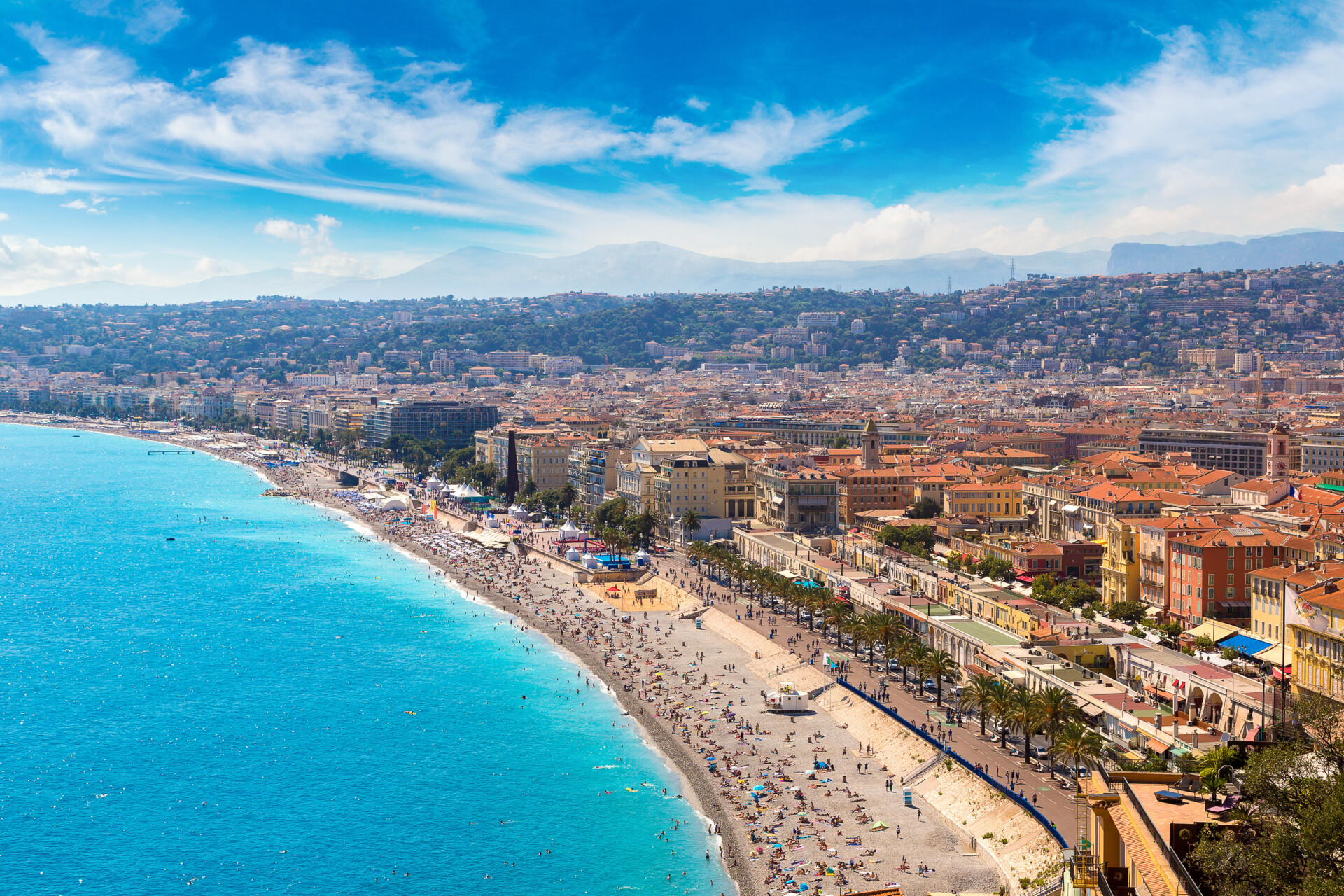 Nice, France
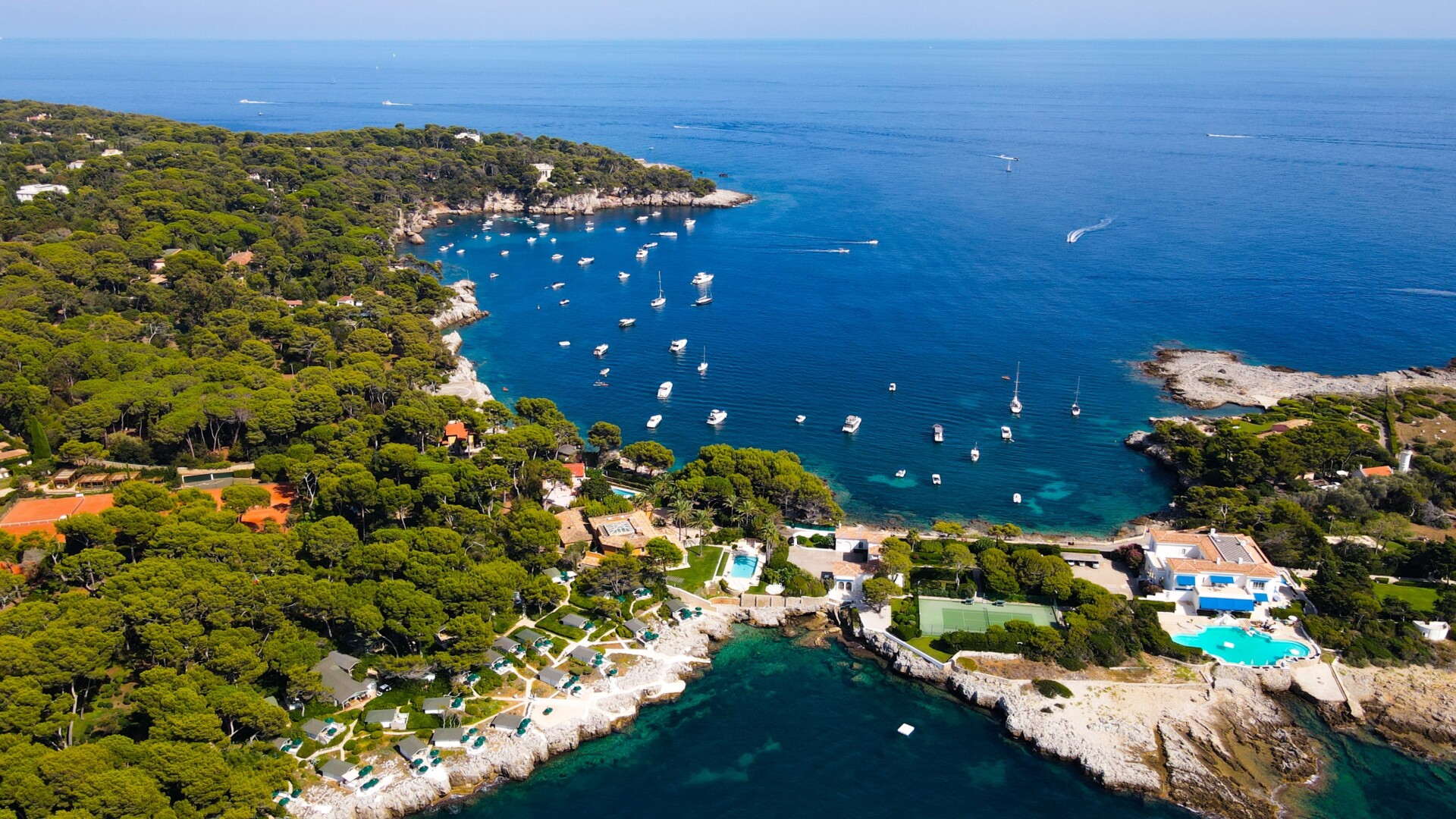 Beaches at Cap d'Antibes, French Riviera
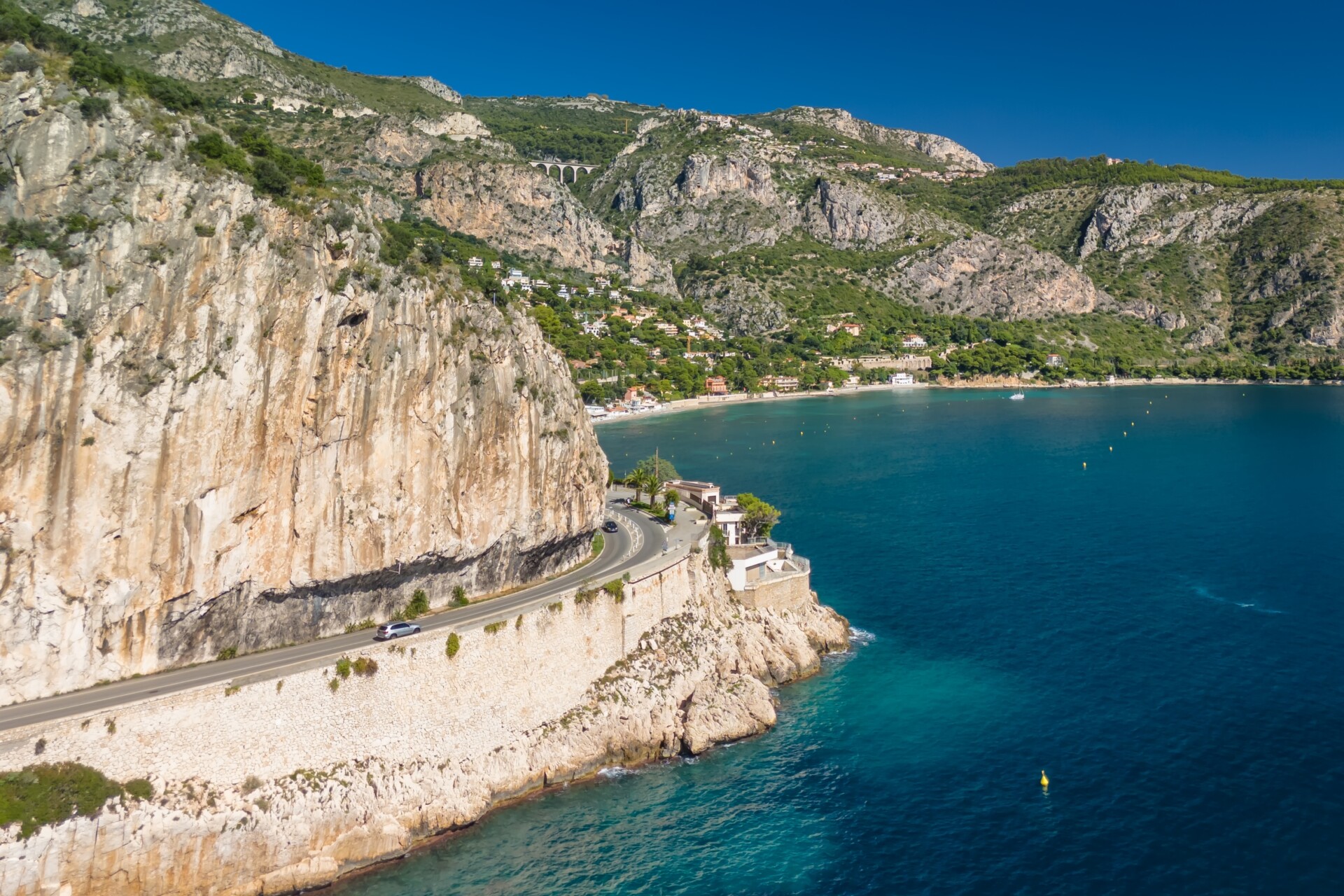 French Riviera between Nice and Monaco, France
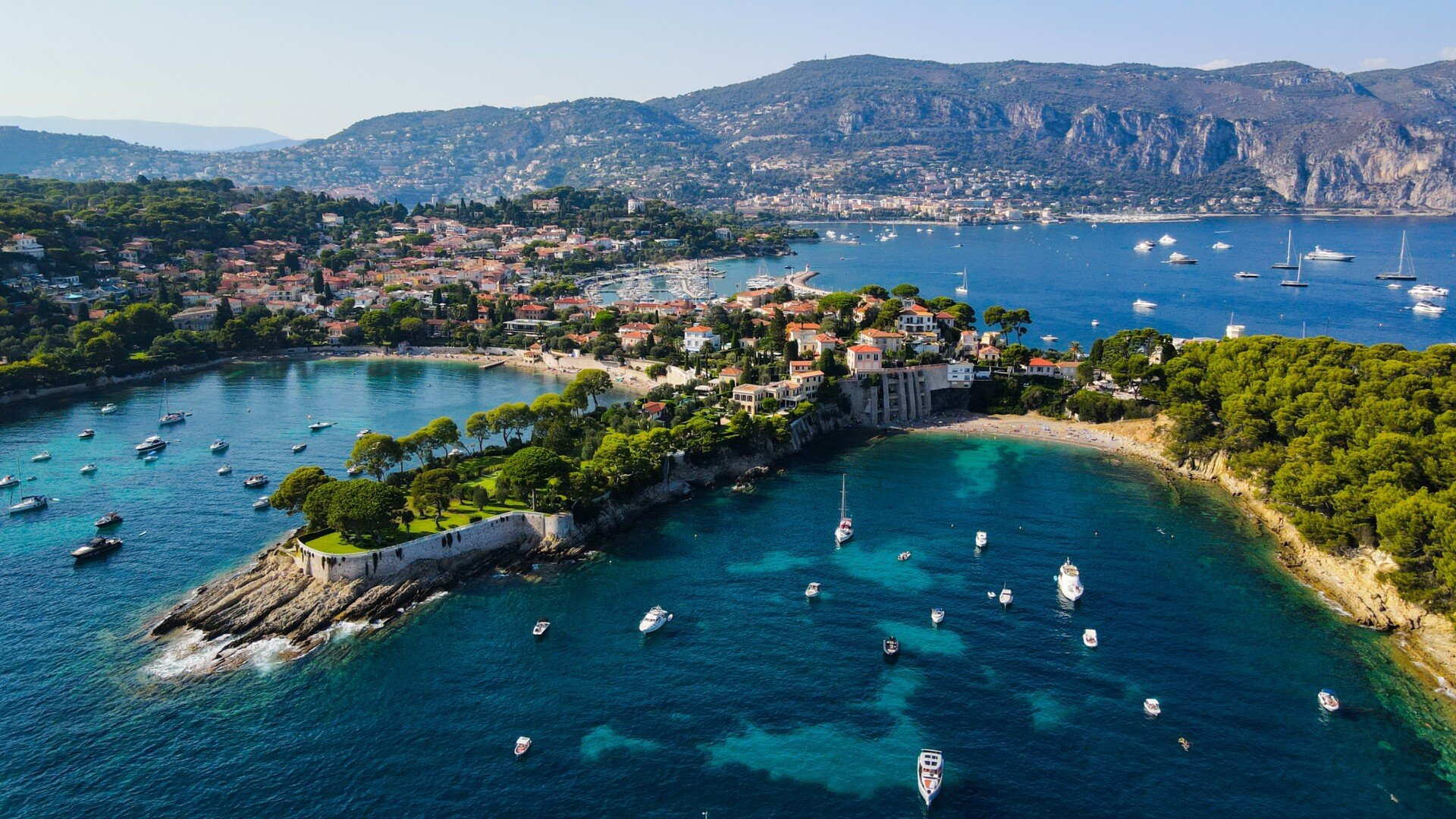 Aerial view of Saint-Jean-Cap-Ferrat, French Riviera, France
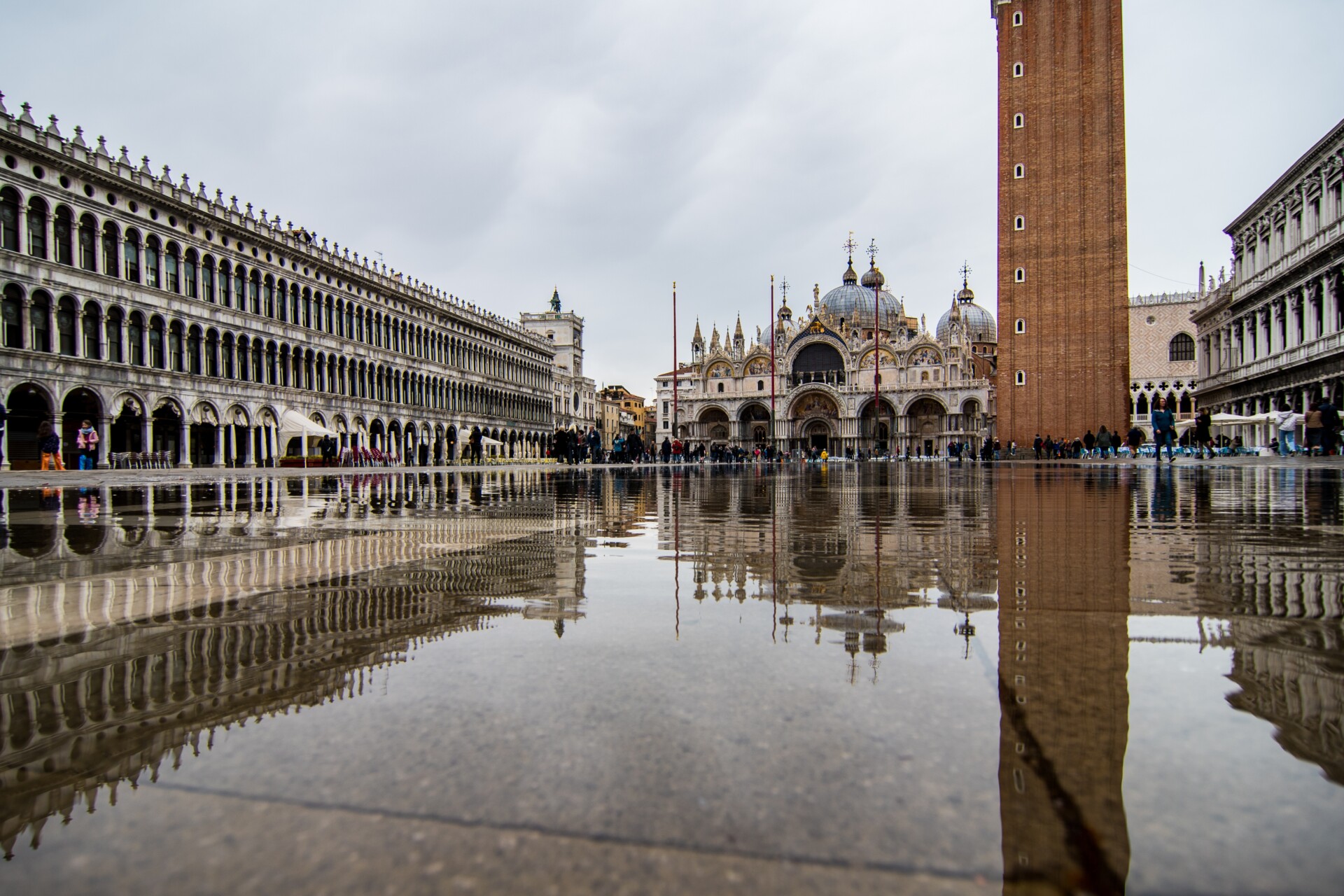 St. Mark's Square in Venice during high water
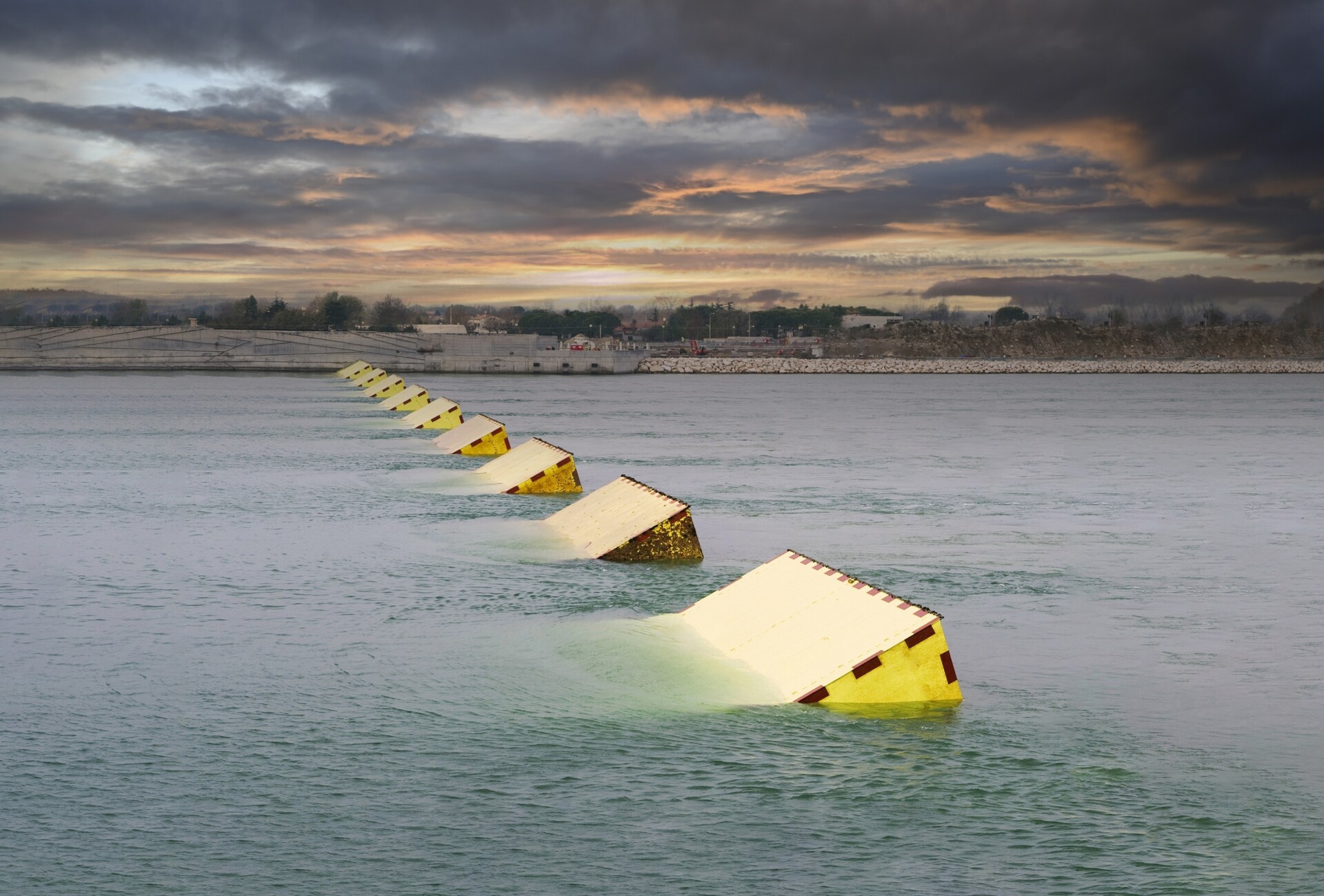 The MOSE system in operation in the Venetian Lagoon
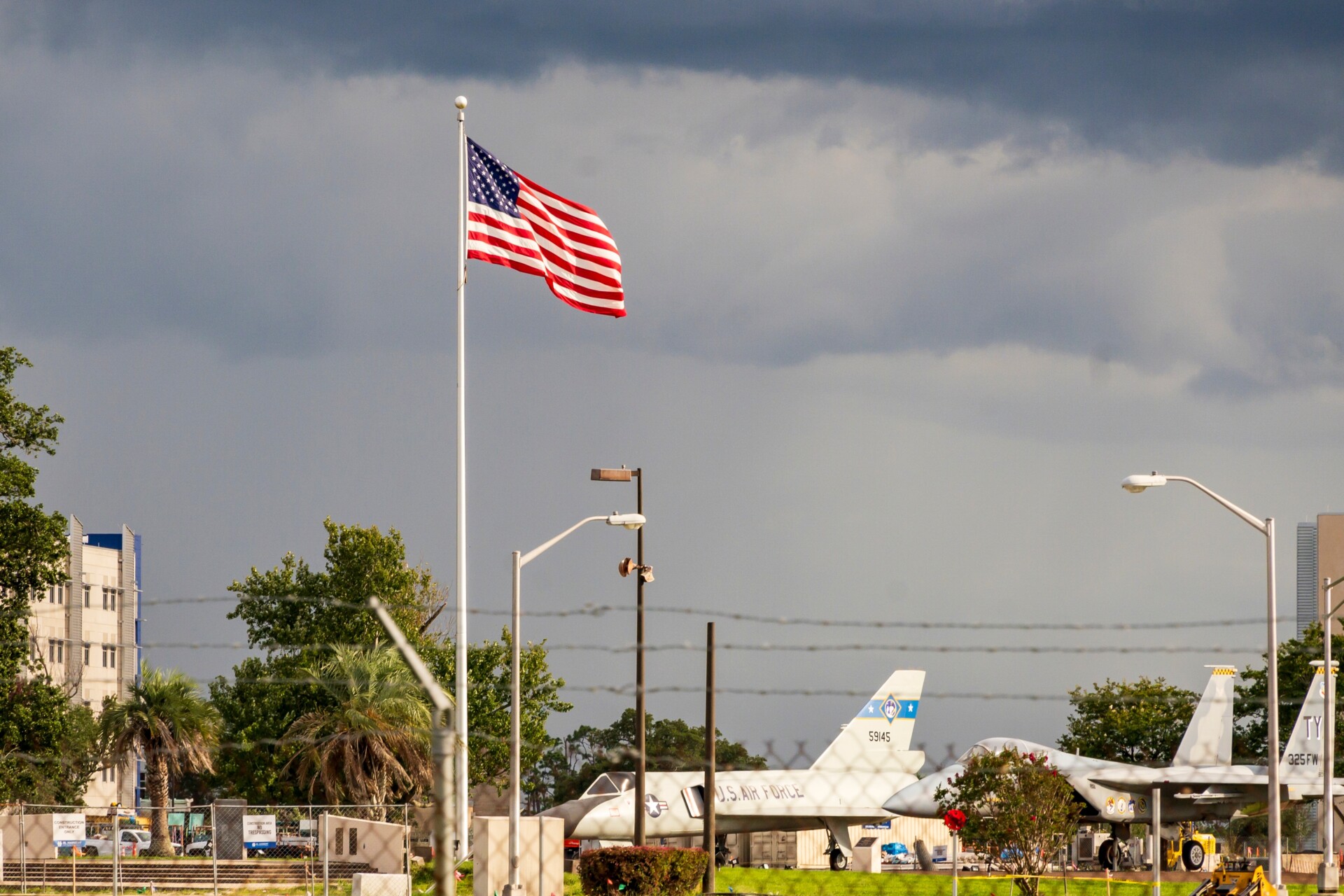 Tropical Storm Debby approaches Tyndall Air Force Base, Florida
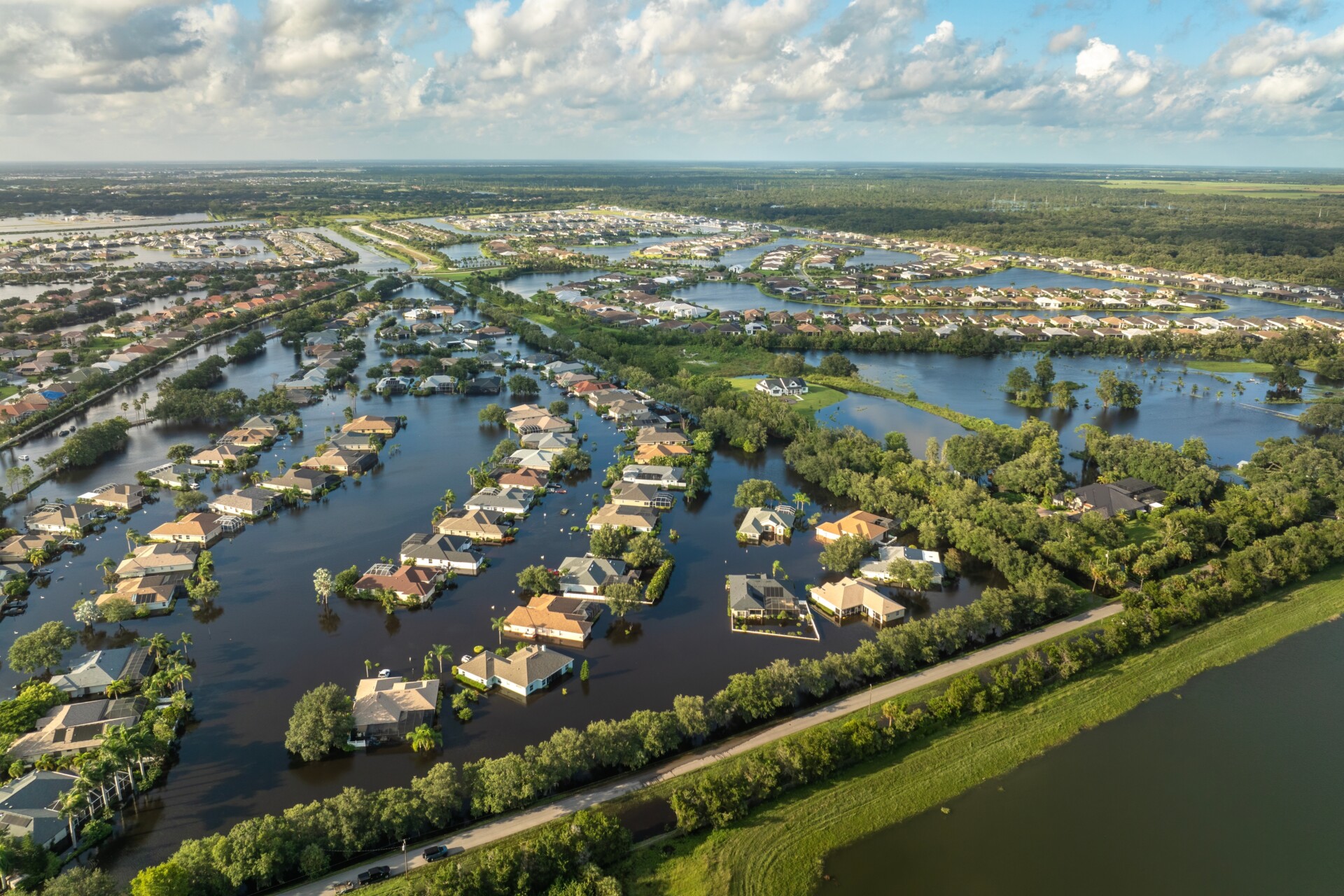 Flooding in Florida following Tropical Storm Debby
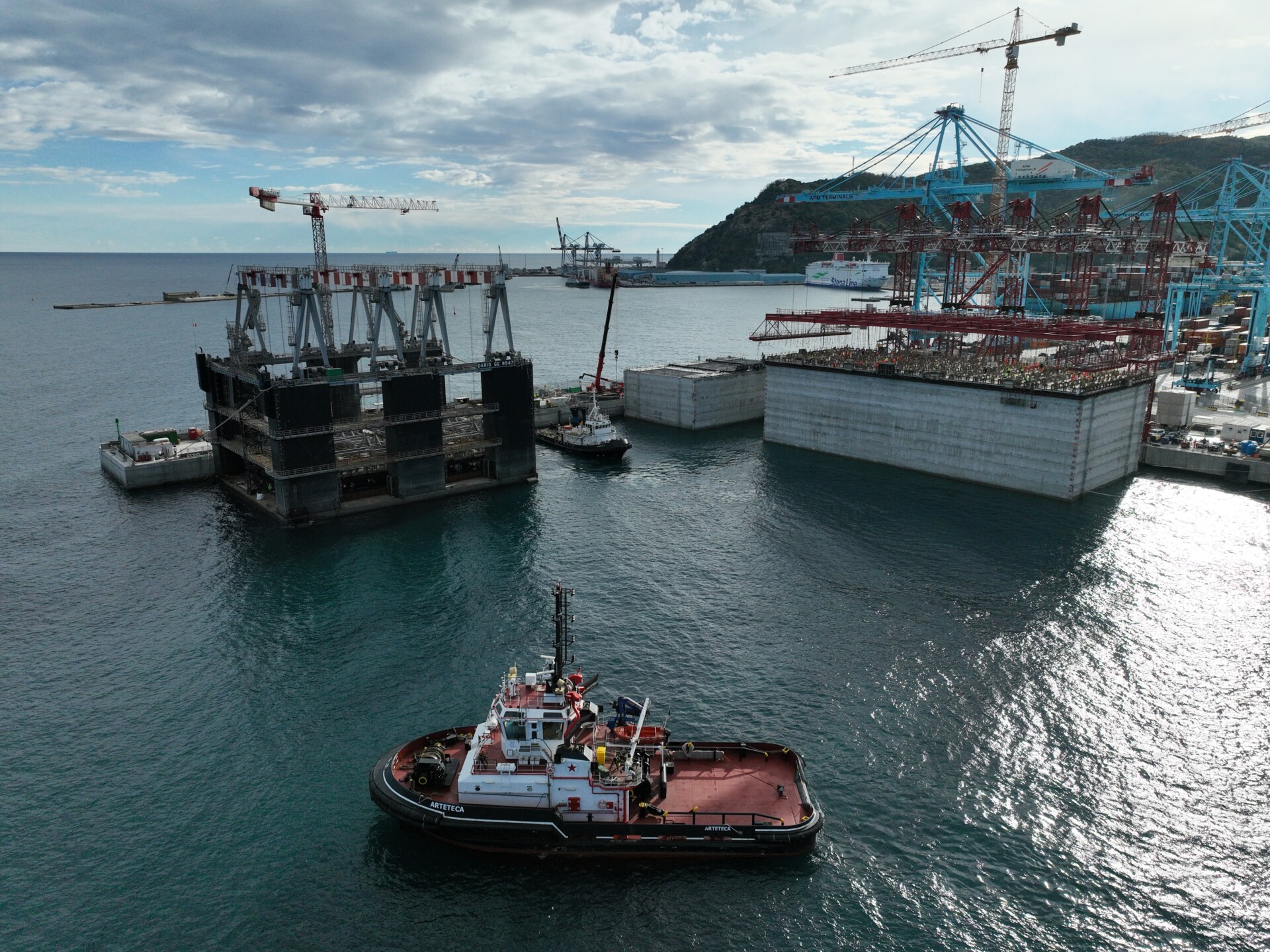 The New Breakwater of Genoa, Italy
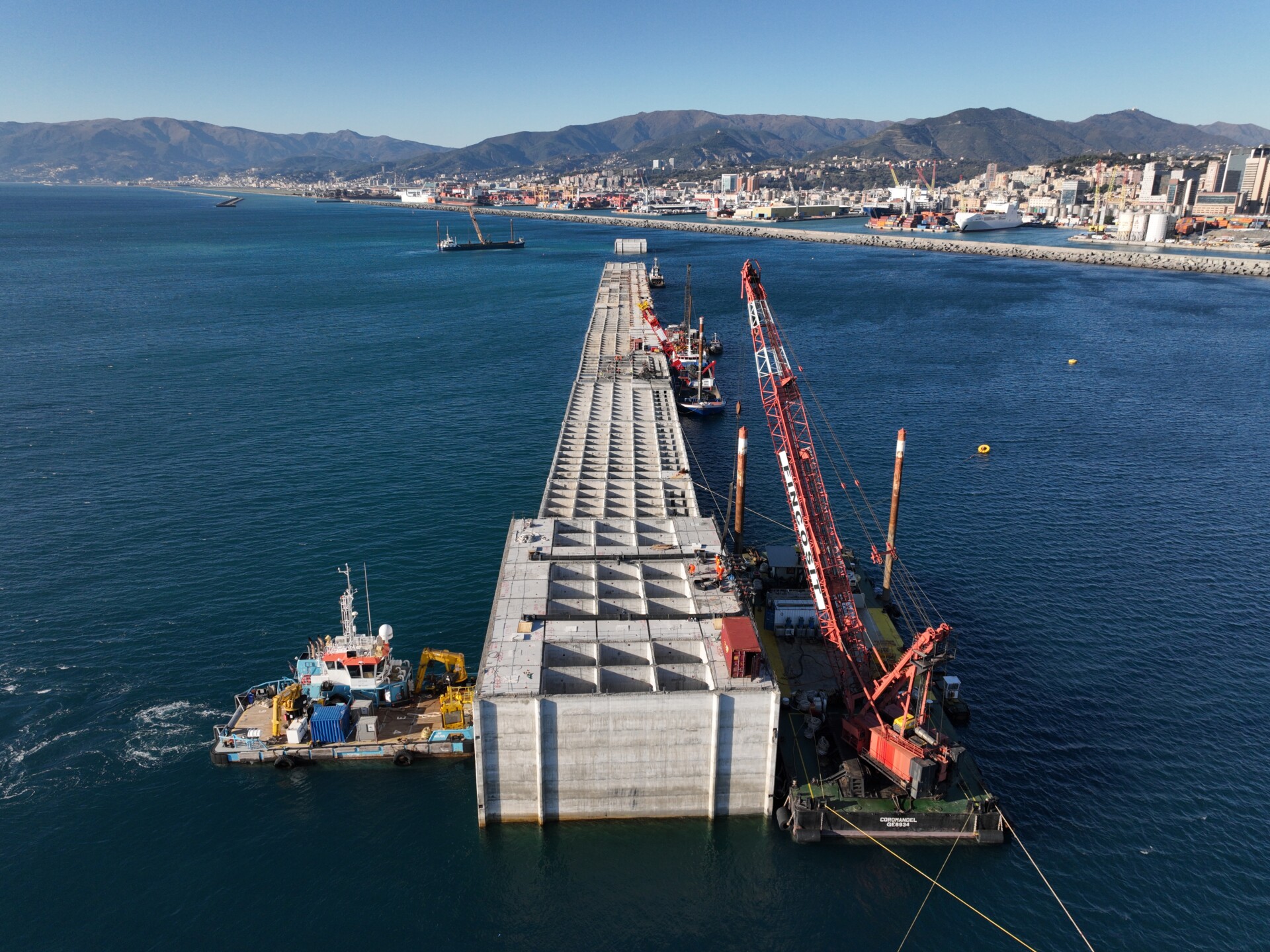 The New Breakwater of Genoa, Italy
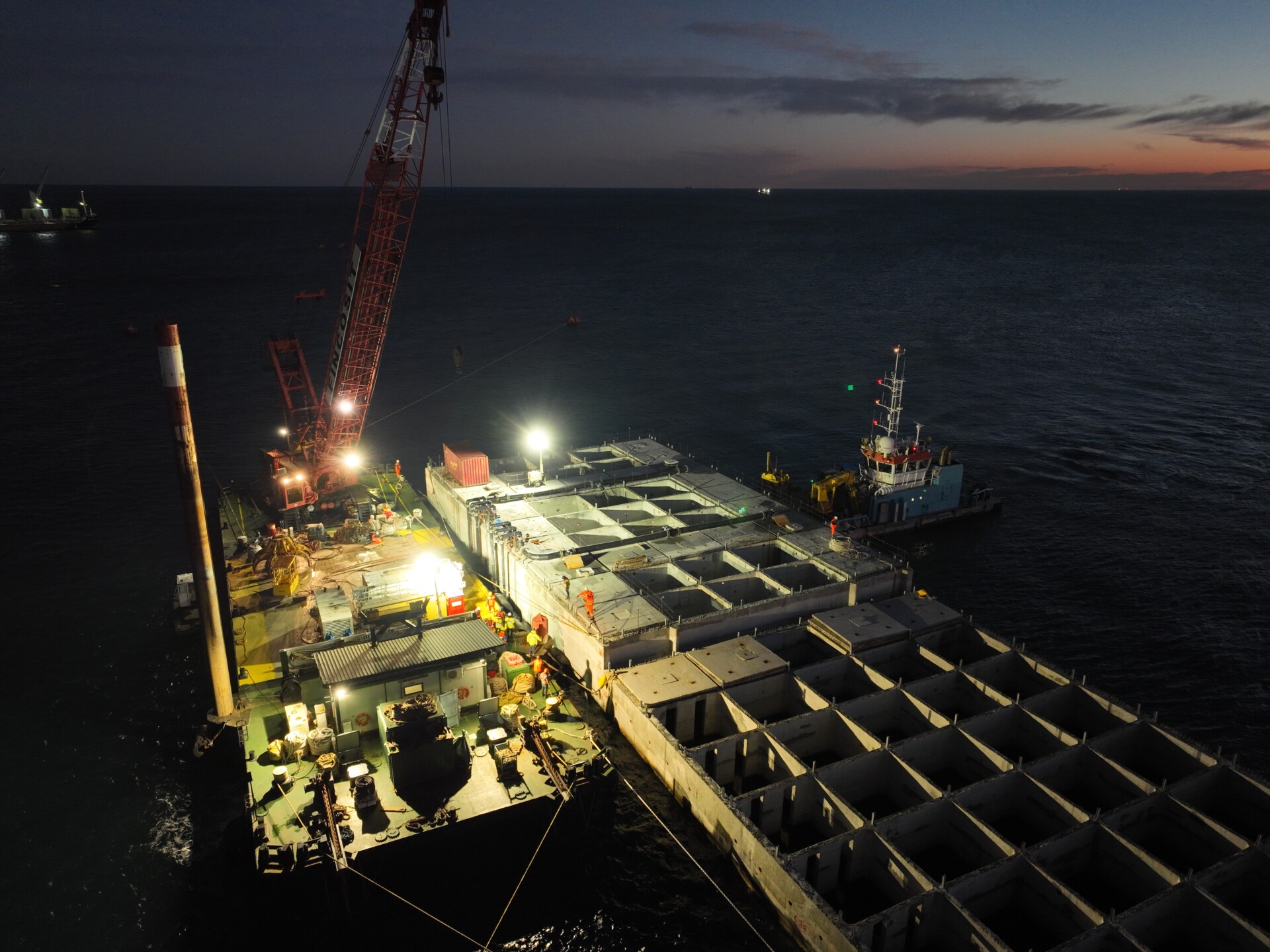 The New Breakwater of Genoa, Italy
- In mid-March, UNESCO’s Intergovernmental Oceanographic Commission issued an alert about the risk of Nice being hit by a tsunami within the next 30 years
- UNESCO-IOC made an explicit appeal to administrative authorities along the French coast to invest in resilient infrastructure
- According to the US National Oceanic and Atmospheric Administration, the average sea level along American coasts has risen by approximately 20–25 cm since 1920
- Construction is progressing on the New Breakwater Dam in Genoa, an infrastructure project designed to protect the port from violent storm surges and turn it into a global maritime hub
- In Florida, following the devastation caused by Hurricane Michael, Lane Construction has redesigned Tyndall Air Force Base according to advanced resilience criteria
read more

Less than three months before the start of the summer season, tourists on the French Riviera – drawn by its clear waters and orderly beaches – received an unexpected shock. “Warning: there is a tsunami risk in Nice…”.
The notice, issued in mid-March by UNESCO’s Intergovernmental Oceanographic Commission, specified that this is a statistical probability over the next 30 years. Yet that was enough to revive memories of the anomalous wave of October 1979, which caused eight fatalities and damage along the coasts of Antibes, Cannes and Nice.
In reality, that event was caused by a submarine landslide triggered by seabed failure during the expansion of Nice Airport, and not by a natural phenomenon. UNESCO, by contrast, refers to natural events, classifying coastal communities in the northern French Mediterranean as part of an area with a high probability of being affected by anomalous waves in the coming decades.
With this tsunami alert, UNESCO-IOC issued an explicit call to administrative authorities along the French Riviera: evacuation maps, safe shelters, public signage, emergency centres and warning systems. In essence, if the risk is not immediate, preparation is essential.
Against Flooding: Italy's Key to Coastal Protection
In Europe, and particularly in Italy, coastal protection is achieved through engineering and large-scale infrastructure works, some of which are conceived and developed in such an innovative way that they seem almost impossible to implement.
The MOSE system in Venice, for example, represents one of the most advanced coastal defence systems against the force of water. Since its first operational raising on 3 October 2020, it has been activated more than 150 times, including 39 times in the 2025–2026 season alone, protecting the city, its alleyways, and its historic and artistic heritage from high tides.
MOSE—with its 78 yellow steel gates hinged to the seabed, up to 30 metres long and weighing as much as 350 tonnes each—rises like a giant to defend the Venetian lagoon when tides exceed 110 cm.
The gates are emptied of water and filled with compressed air. As they become lighter, they rotate and lift, creating a barrier that closes the inlets and separates the lagoon from the sea.
Another key solution for managing coexistence between the sea and coastal communities is under construction in the Port of Genoa. This is the New Breakwater Dam, the infrastructure that will redefine the maritime geography around the Ligurian city: it will protect the port from the most violent storm surges and provide safe manoeuvring space for major international routes and next-generation vessels up to 400 metres long. Thus, the Port of Genoa will become a strategic logistics hub for maritime transport in the Mediterranean.
Construction is progressing with the nineteenth caisson – 40 metres long, 28 metres wide and 18.70 metres high – installed in April. At the same time, production has begun on the so-called “guardian blocks”, prefabricated reinforced concrete elements designed to protect the base of the structure.
Each measuring 2.5 metres wide by 5 metres long and up to 2.5 metres high, these components are intended to absorb wave pressure, ensuring the dam’s stability and resistance to marine stresses.
Hurricanes, Coastal Erosion and Rising Sea Levels: The U.S. Response
From the Mediterranean – with tsunami alerts on the French Riviera and new coastal safety systems in Italian port cities – the step to the United States is shorter than geography might suggest. There too, attention is focused on infrastructure designed to defend territory, where coastlines are exposed to hurricanes as well as a gradual process of erosion and rising sea levels.
According to the National Oceanic and Atmospheric Administration, the average sea level along US coastlines has risen by approximately 20–25 cm since 1920, with significant acceleration in recent decades. By 2050, a further average increase of 25–30 cm is expected, with direct consequences for coastal flooding, coastal erosion and storm surges.
In states such as Florida and along the Gulf Coast, the risk is not linked to isolated extreme events, but to constant pressure: higher tides, more intense storms, and urban systems built close to the water. According to the Federal Emergency Management Agency, coastal flooding already represents one of the main economic risk factors for US infrastructure, with annual damages estimated in the tens of billions of dollars.
Florida: Resilient Infrastructure for Military Bases
An equally innovative approach can be seen in the reconstruction project of Tyndall Air Force Base in Florida. Following the devastation caused by Hurricane Michael, Lane Construction has redesigned the base according to advanced resilience criteria: buildings engineered to withstand extreme winds, elevated systems to reduce flood risk, and distributed critical infrastructure to avoid single points of vulnerability.
In this case, resilient infrastructure is no longer viewed as static works, but as dynamic systems designed to interact with a changing environment. From sudden waves that may strike Mediterranean coasts to the steadily advancing waters along American shorelines, climate change does not manifest uniformly. For this reason, it requires a coherent response: investing in infrastructure capable of integrating risk, adaptation, and a long-term vision.