


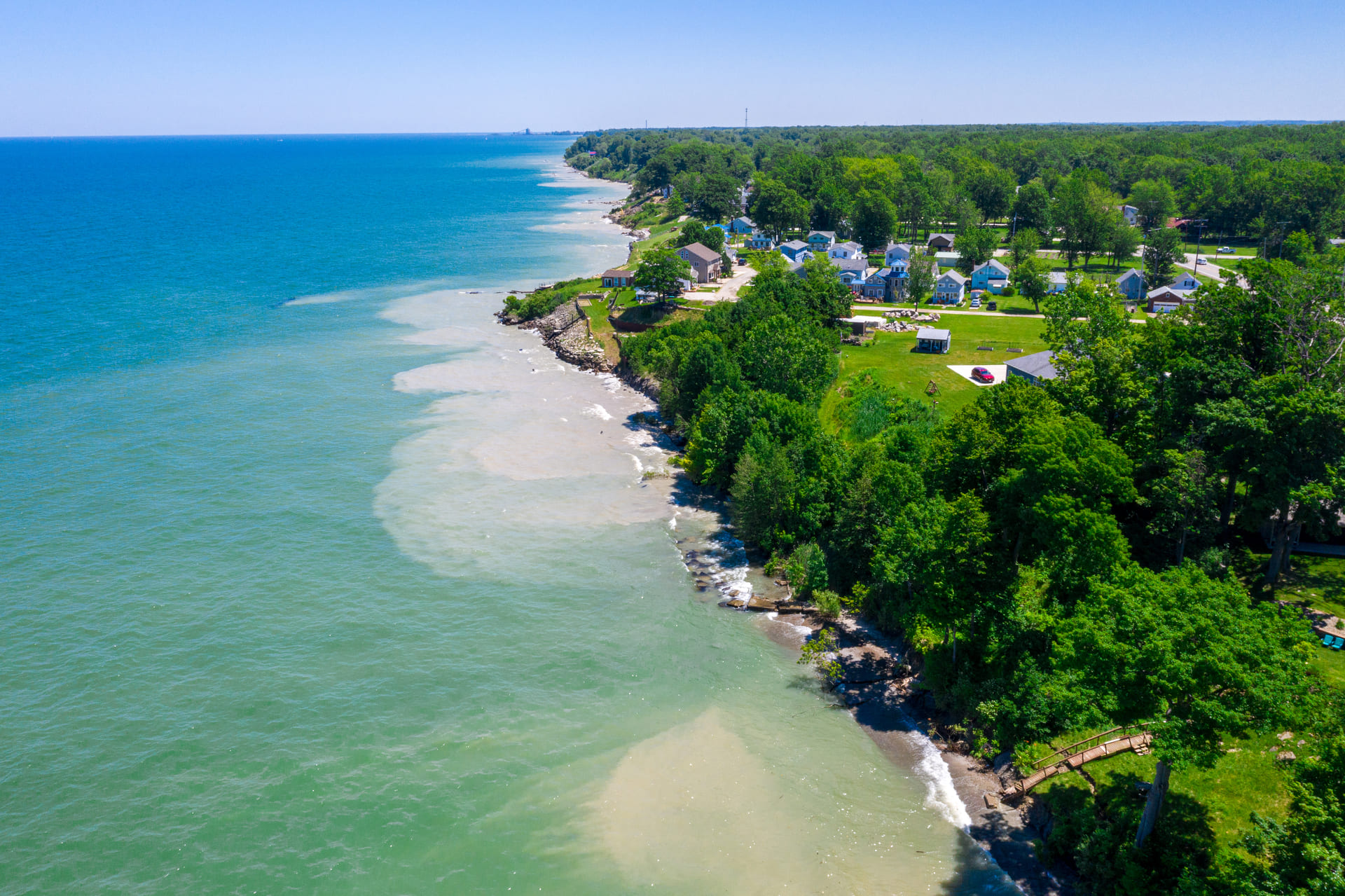
 Lake Erie, North America
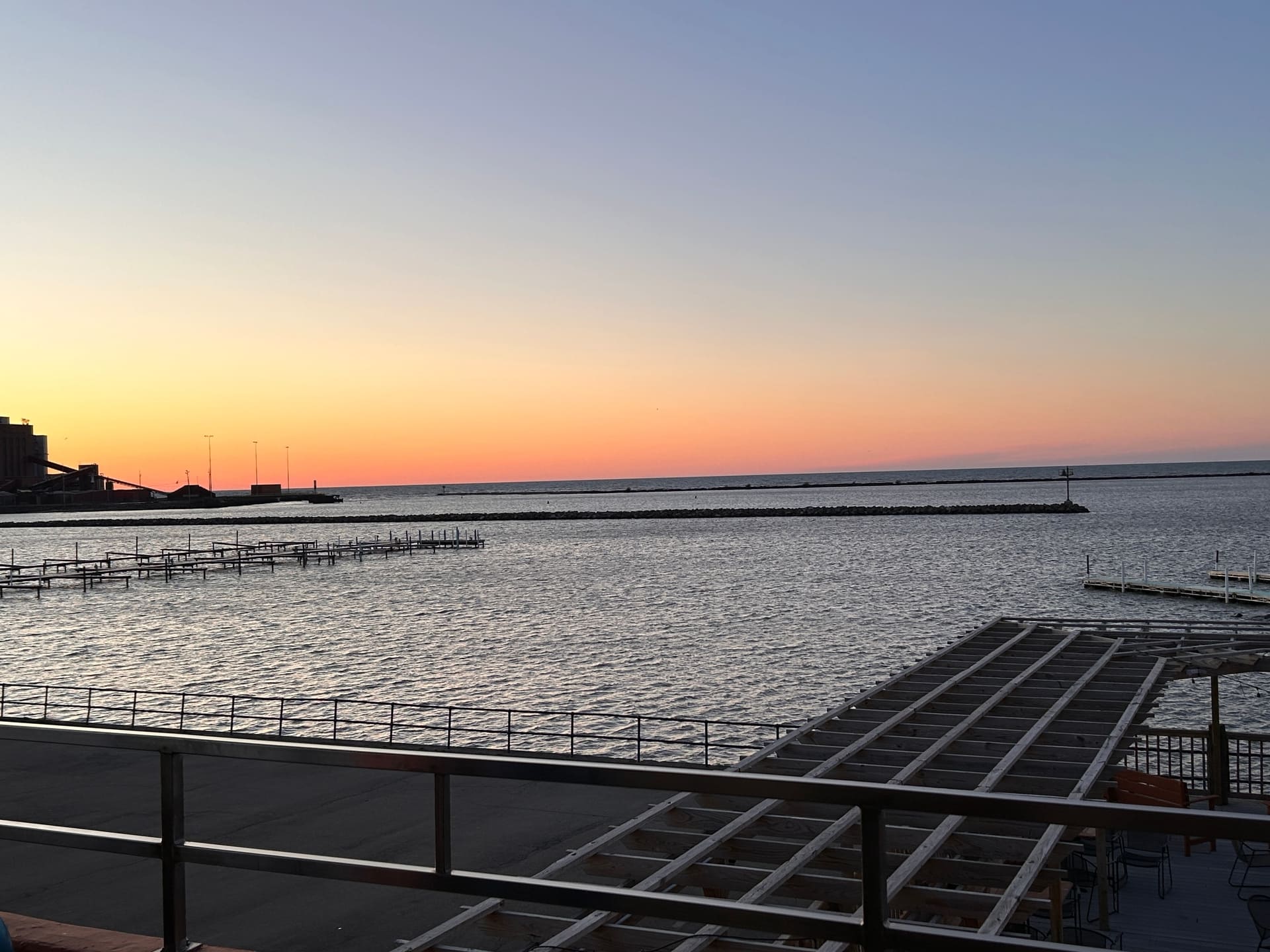 Lake Erie, North America
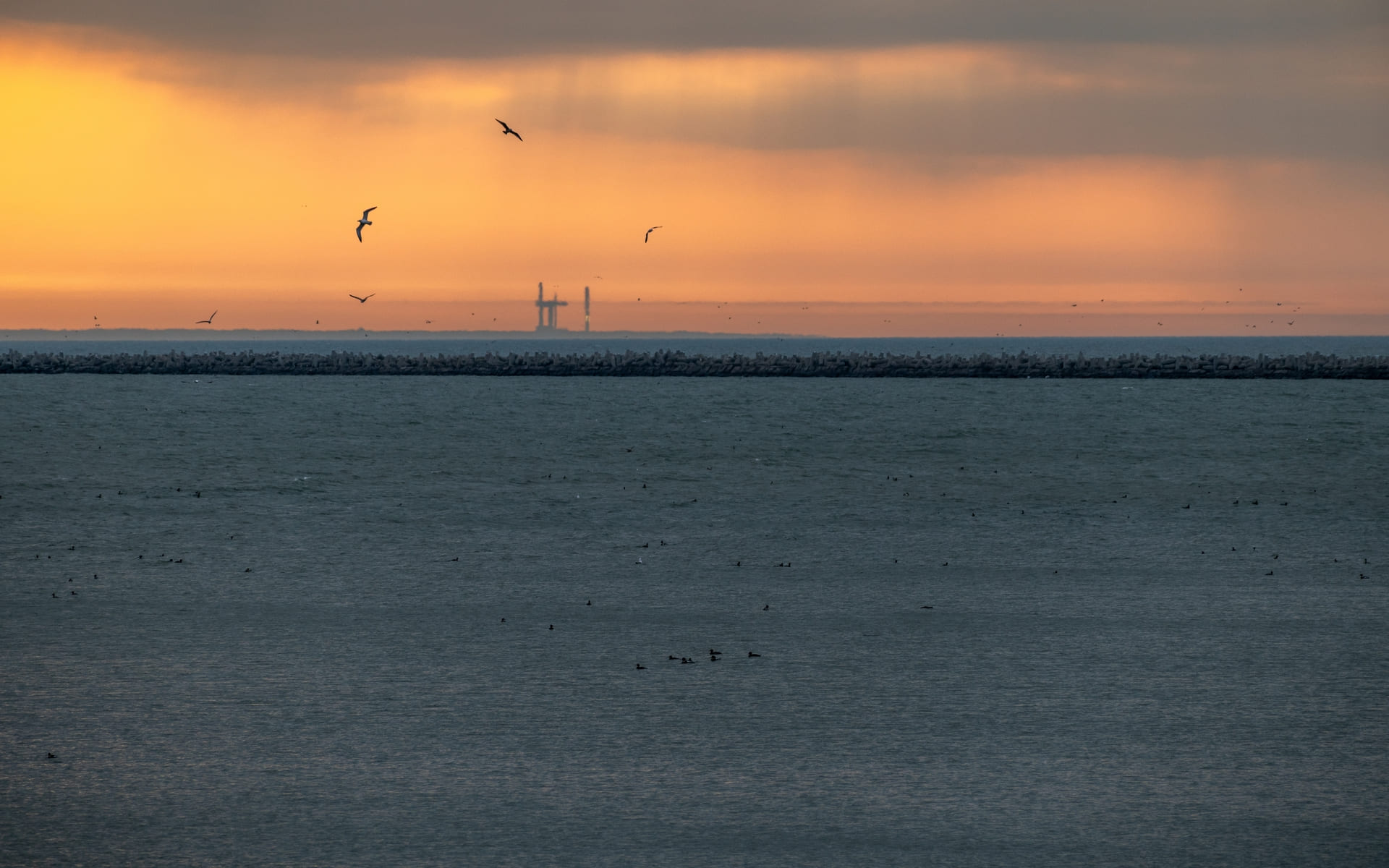 Lake Erie, North America
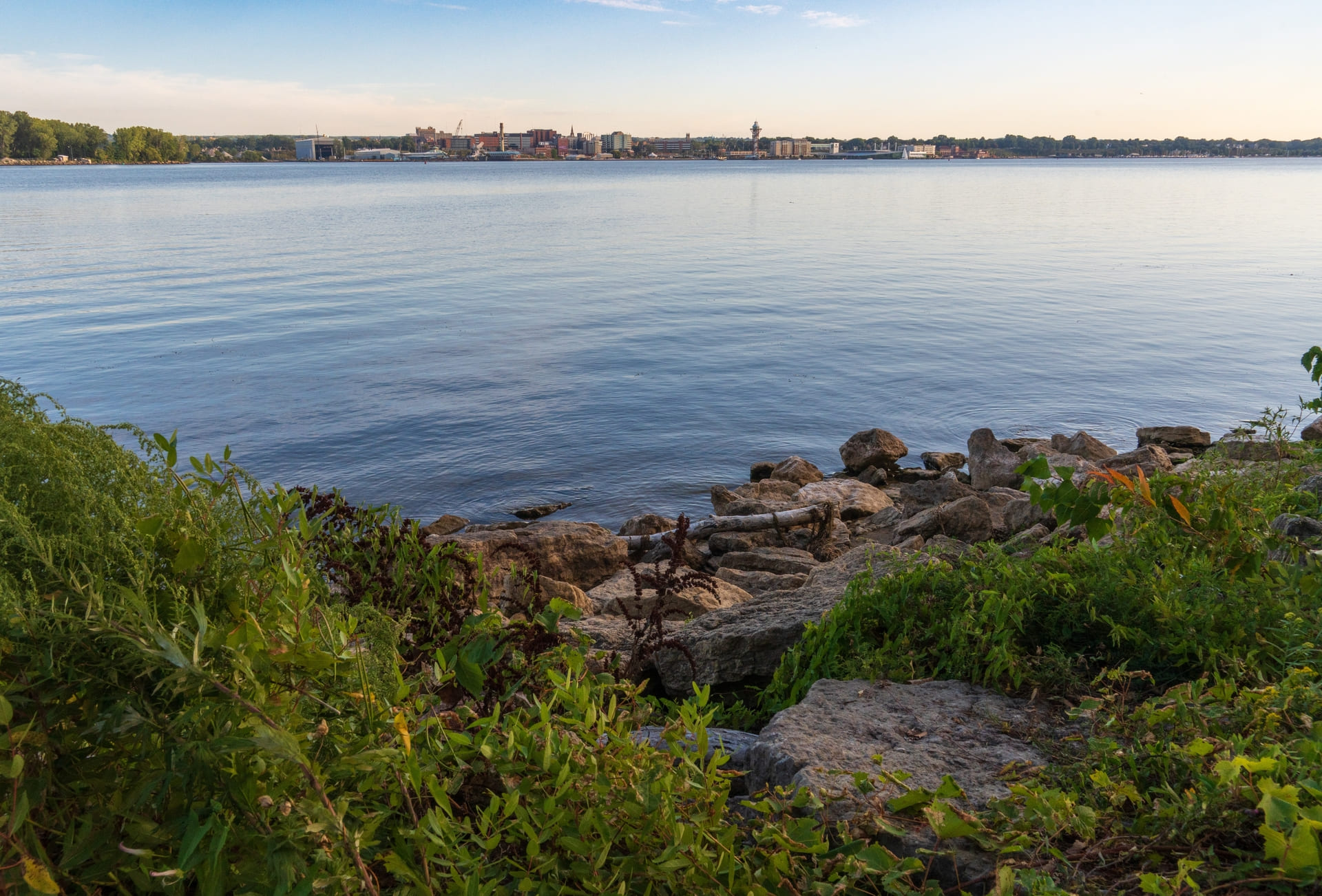 Lake Erie, North America
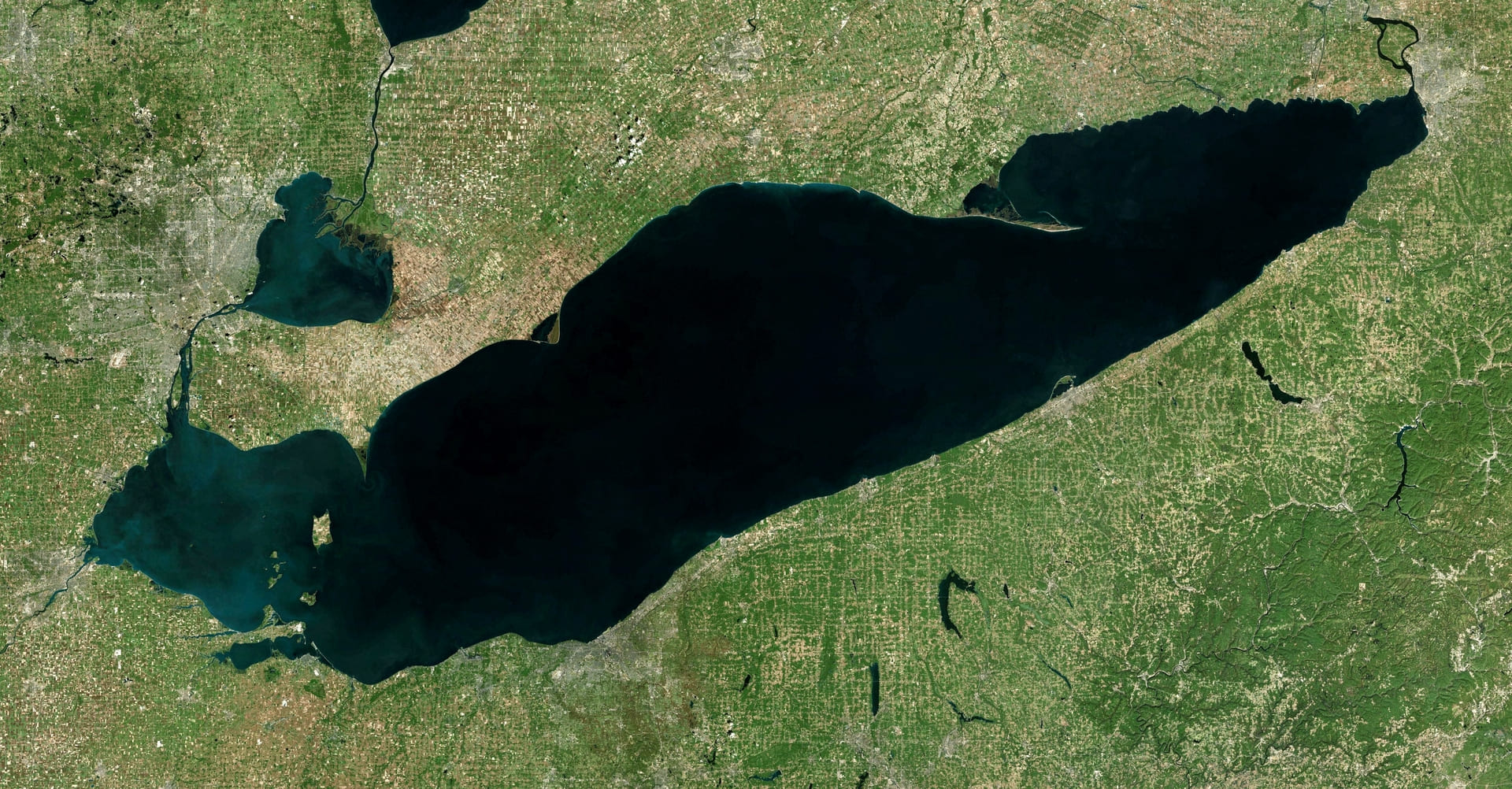 Satellite view of Lake Erie
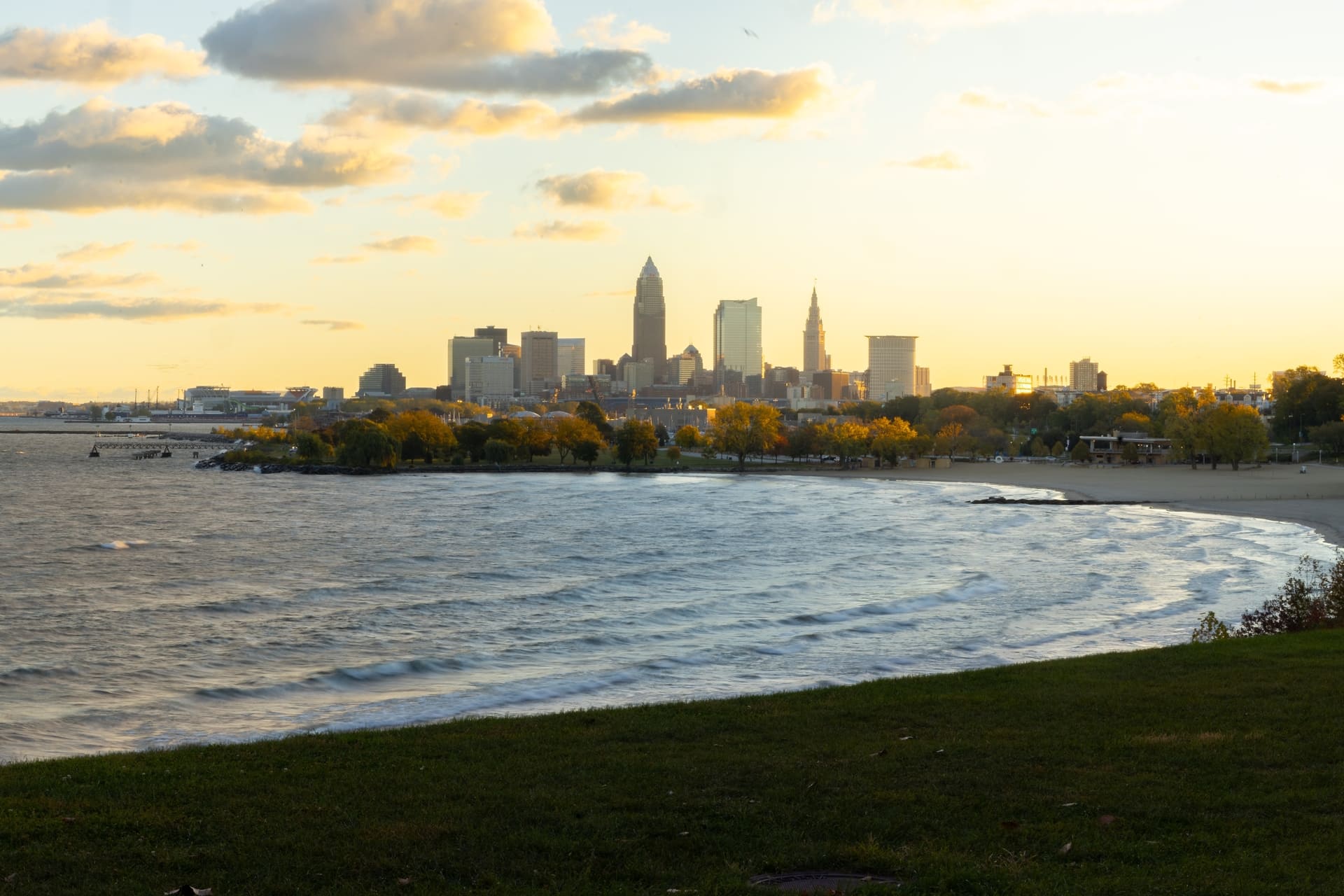 View of Cleveland on Lake Erie, Ohio
- Lake Erie spans approximately 25,700 square kilometres, with a watershed that supports a population of over 12 million people.
- More than 20 billion litres of freshwater are withdrawn daily from the lake for municipal and industrial use.
- A fleet of autonomous saildrones has been deployed to monitor the lake’s conditions and environmental safety in real time.
- Powered by hundreds of environmental sensors and smart buoys, Lake Erie has become the world’s largest digitally connected freshwater system.
- The Riachuelo System, delivered by Webuild and Fisia Italimpianti, stands as the largest wastewater treatment project in Latin America.


At night, across the dark waters of Lake Erie – one of the Great Lakes separating the United States and Canada between Cleveland, Detroit, and Niagara Falls – unusual silhouettes can be seen moving along the horizon. Faintly lit by the reflections on the surface of the lake, they resemble small UFOs.
In fact, they are saildrones: unmanned surface vessels equipped with radar, cameras, and collision avoidance systems that the U.S. Coast Guard has begun deploying for surveillance, environmental monitoring, and search and rescue missions. Primarily wind-powered and capable of remaining out on the water for months without docking, the saildrones collect data on currents, waves, vessel traffic, and meteorological conditions of a body of water that, in terms of scale and behavior, resembles a sea far more than a lake.
This is perhaps key to understanding Lake Erie’s transformation: no longer is it merely a fragile ecosystem to be protected, but a smart infrastructure, with real-time monitoring via sensor networks, autonomous platforms, and widespread digital systems.
Although the word ‘lake’ suggests a relatively small body of water, Lake Erie completely defies this categorisation. Its name is derived from a Native American people of the same name who lived on the lake’s shores before the arrival of Europeans. Moreover, the word ‘eerie’ – pronounced almost identically – means ‘unsettling’ or ‘ghostly’ in English, a description that captures the lake’s atmosphere: sudden fogs, fierce storms and a legacy of heavy industrial pollution.
Lake Erie: A Freshwater Sea in the Heart of North America
For people of the U.S. Midwest, Lake Erie is perceived more as an inland sea than a lake. For decades, it was notorious for an acrid odour caused by industrial discharge and toxic algal blooms, particularly around Cleveland and Toledo. Today, the situation has vastly improved, although the lake’s environmental fragility remains evident.
Spanning approximately 25,700 square kilometers, it is one hundred times smaller than the Mediterranean Sea, yet it stretches 388 kilometers in length and up to 92 kilometres in width. Along its shores lies a concentration of cities, industries, commercial ports, and vast agricultural areas shared between the United States and Canada. More than 12 million people live within its watershed, while over 5.5 billion gallons of freshwater (20 billion litres) are withdrawn daily for municipal and industrial use – enough to fill more than 8,000 Olympic-sized swimming pools every day.
However, its size belies its extreme vulnerability. Of the Great Lakes, it is the shallowest: its average depth is just 19 metres. This detail changes everything. The lake warms rapidly in the spring and summer, reacts almost instantaneously to climate variations, and easily accumulates intense pollution. In some ways, it functions as a giant organic climate sensor.
According to forecasts released in May 2026 by the National Oceanic and Atmospheric Administration (NOAA) in collaboration with Heidelberg University, persistent spring rains could trigger a resurgence of algal blooms stronger than those seen in 2025, following exceptional rainfall that multiplied agricultural runoff from the Maumee River basin. To this day, approximately 90 percent of the phosphorus fueling the lake’s toxic algae originates from that very runoff.
Internet of Things for Environmental Monitoring: When Water Becomes a Digital Network
In the 1960s, the industrial waters surrounding Cleveland came to represent a global symbol of pollution. The nearby Cuyahoga River even famously caught fire on several occasions due to petrochemical discharge. Today, however, the scenario is radically different.
As recently reported by the British newspaper The Guardian, hundreds of environmental sensors and smart buoys are transforming Lake Erie into what is being defined as the world’s largest digitally connected freshwater system.
The platforms enable real-time monitoring of bacteria, water turbidity, dissolved oxygen, temperature, solar radiation, microplastics and pollution levels. This monitoring extends across thousands of square kilometres, creating a seamless network for environmental observation.
The true innovation here is not merely technological, but cultural. For more than a century, water infrastructure was conceived as public works: dams, aqueducts, wastewater treatment plants, and canals. Today, a new paradigm is emerging: facilities that do not just transport water, but interpret it, predict its behavior, and react in real time.
In the case of this North American “sea”, the lake itself has become a massive operational laboratory where universities, public agencies, and private companies test solutions replicable elsewhere: water systems capable of intercepting microplastics directly in washing machines, electrochemical water treatment technologies, predictive ice monitoring to protect water intakes during winter, and local disinfectant production to reduce transportation and logistical risks.
The Coast Guard’s new saildrones fit precisely into this evolution: they are not just surveillance assets, but mobile nodes within a distributed infrastructural network.
Water Infrastructure Becomes Smart Infrastructure: The Case of the Río de la Plata
What is unfolding in the Great Lakes might anticipate a global transformation. Driven by urban growth, climate change pressure, and rising energy and water demand, water systems are entering a new phase: more digital, more decentralised, and more predictive.
In this context, international groups such as Webuild stand as global benchmarks in the delivery of complex, large-scale water infrastructure. This global standing was recently highlighted by the American magazine Time, which named the Webuild Group in its ‘Time100 Most Influential Companies 2026’, the annual ranking dedicated to the world’s most influential businesses. This achievement reflects the Group’s commitment to constructing complex, mega-projects, ranging from the Grand Ethiopian Renaissance Dam (GERD) to Argentina’s Riachuelo System – Latin America’s largest wastewater treatment project which became operational last year.
Webuild and its subsidiary, Fisia Italimpianti, delivered two of the project’s three lots, contributing to the improvement of the sewage and sanitation systems in the Buenos Aires metropolitan area and the environmental quality of the Río de la Plata. The project stands as a landmark of engineering, sustainability, and social transformation.