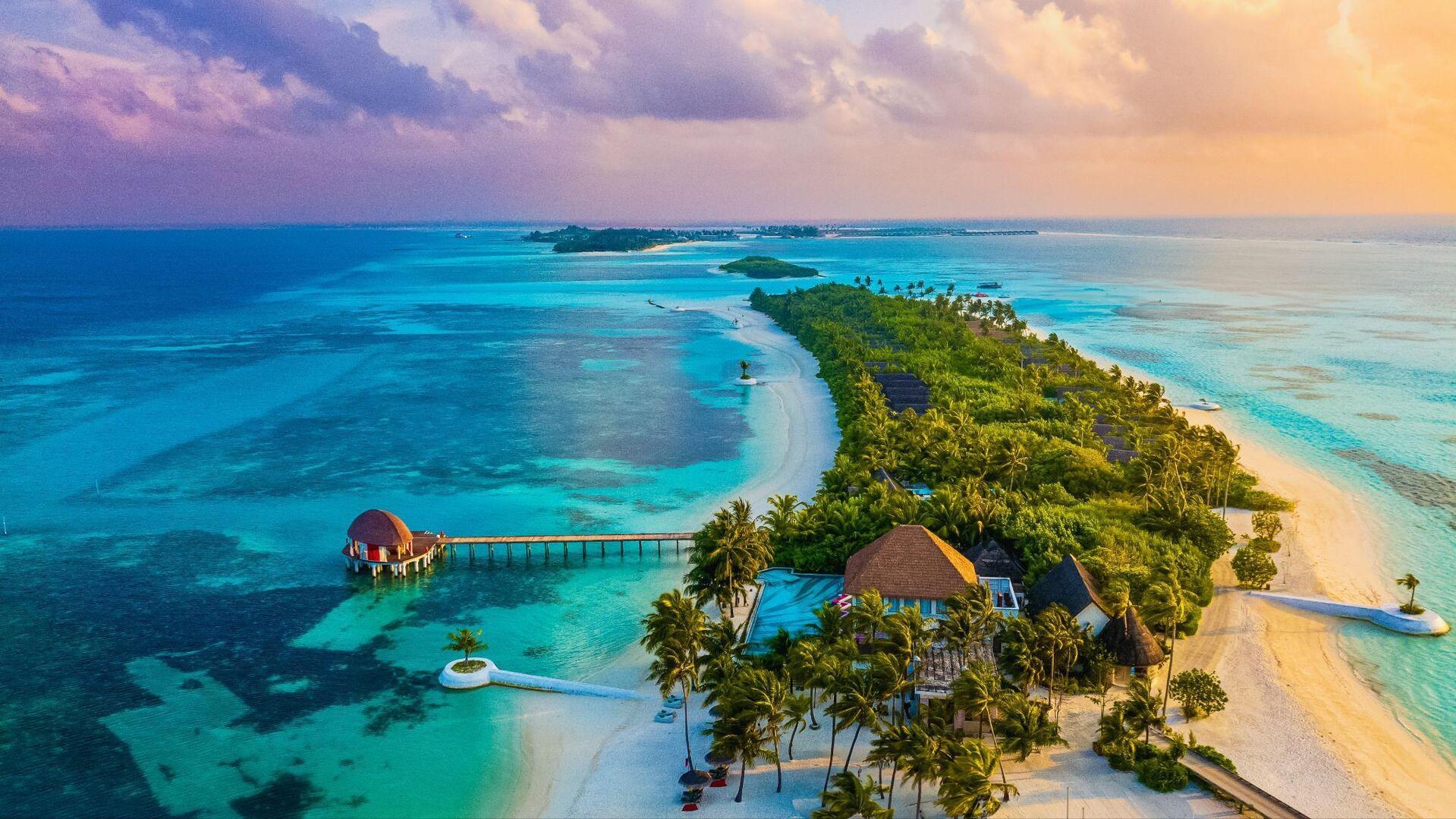


Ensuring access to water and water management in the most isolated places on the planet means dealing with extreme environmental conditions, large distances, scarce infrastructure, and territories that are often difficult to access.
In these contexts, hydraulic engineering is not limited to distributing an essential resource; it becomes a tool for connection, survival, and development, capable of adapting to deserts, mountains, Arctic regions, or remote areas far from major urban centers.
Through dams, desalination plants, underground networks, and water treatment infrastructures, water is collected, transported, and made available in environments where its management represents a continuous technical challenge.
The result: engineering works that transform seemingly inhospitable territories into habitable and resilient systems, redefining the relationship between natural resources, technology, and human presence.
1 – The Riachuelo System, Buenos Aires, Argentina
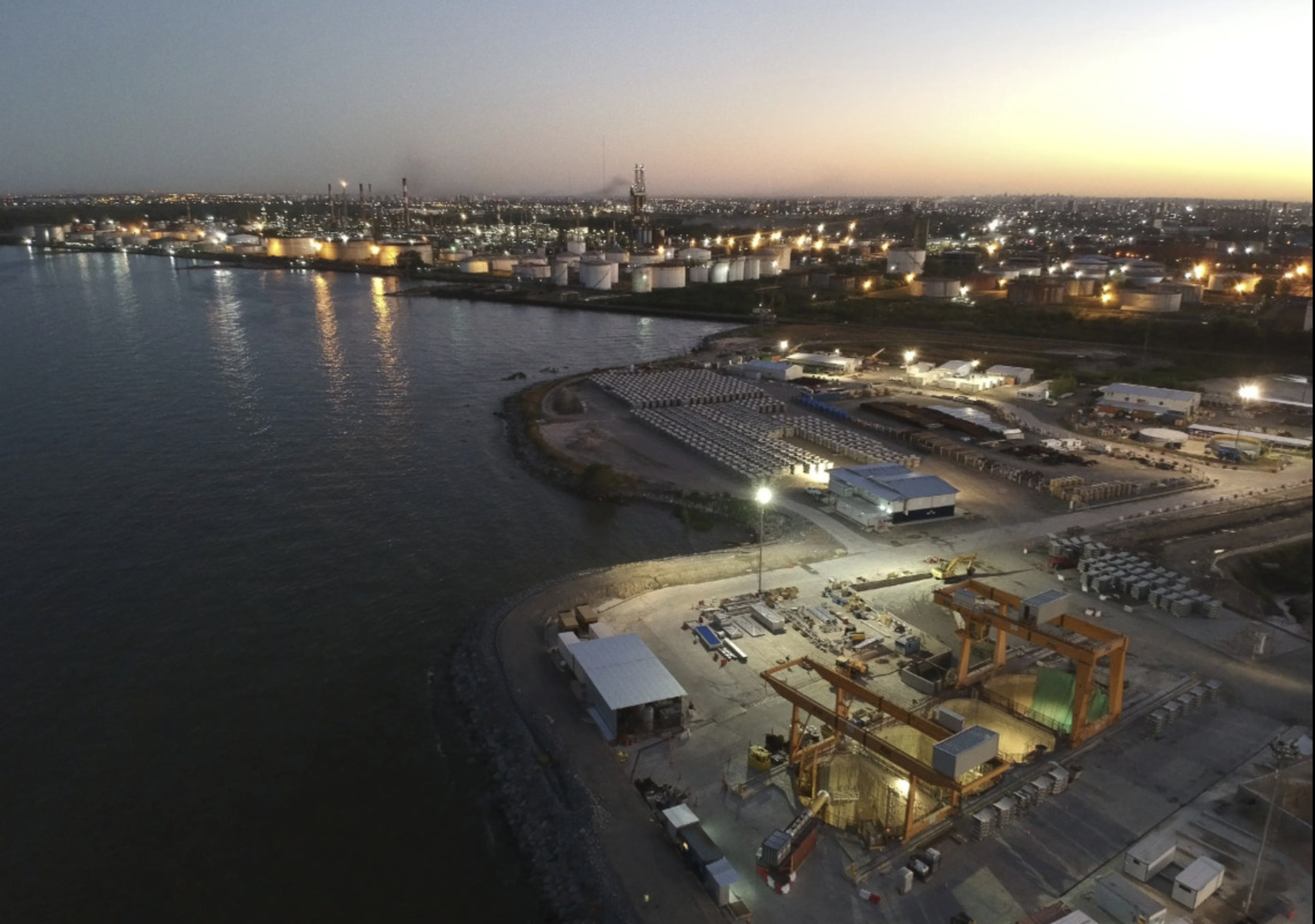
In the heart of Buenos Aires, in Argentina, the Riachuelo environmental restoration system represents one of the largest hydraulic and environmental infrastructures in the world, designed to address one of the most complex cases of river pollution on the planet.
The project, developed with the contribution of the Webuild Group, is part of the Matanza-Riachuelo basin remediation program and combines an integrated system of wastewater treatment and a network of underground works, including a sub-river tunnel about 12 kilometers long and situated at great depth beneath the Río de la Plata.
In this highly engineered system, the water is collected, treated, and returned to the river through a complex mechanism of controlled diffusion, transforming a historically critical area into a strategic infrastructure for environmental improvement and the quality of life of millions of inhabitants.
2 – Snowy 2.0, Snowy Mountains, Australia
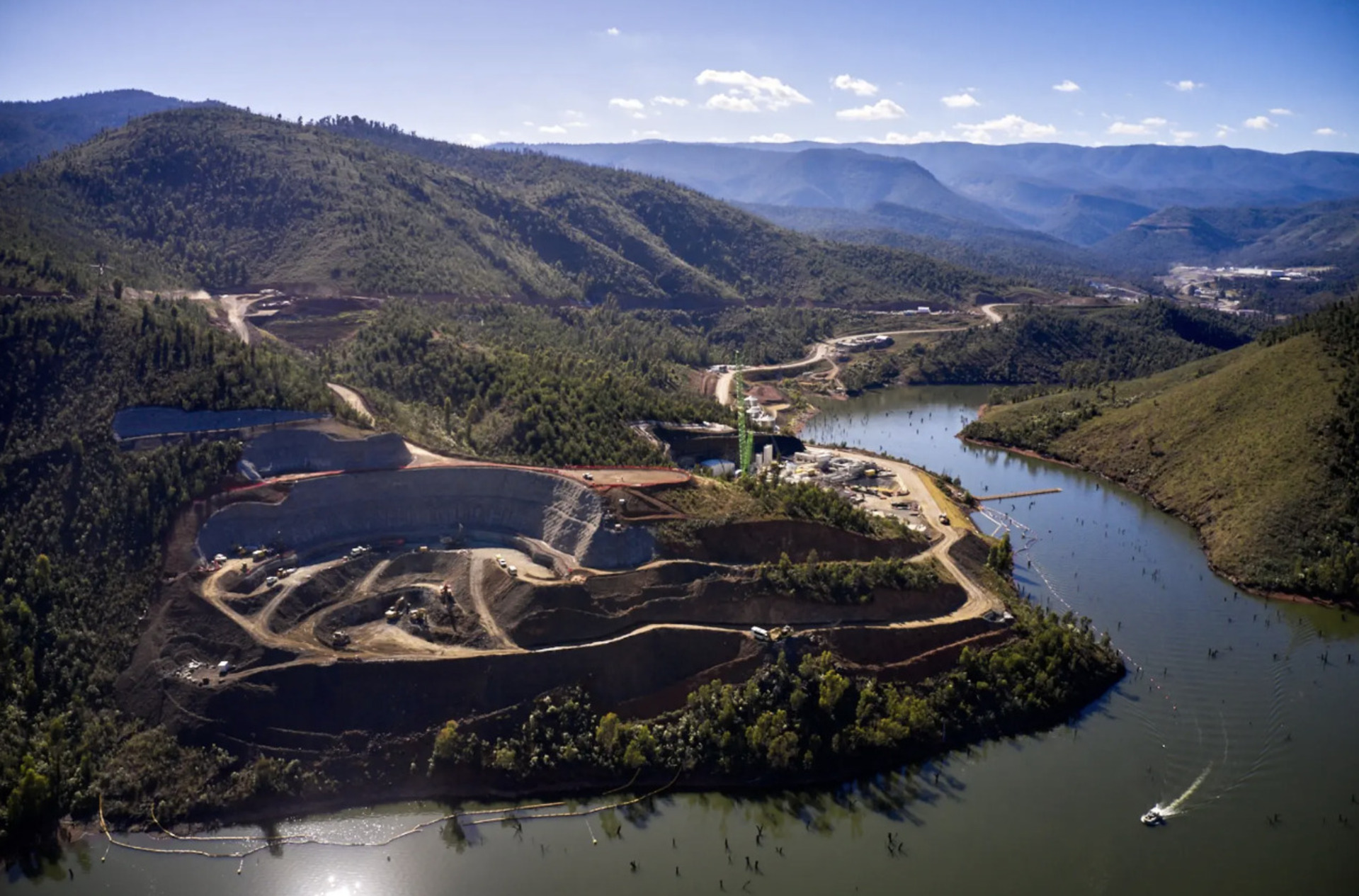
Snowy 2.0 is one of the most complex water management systems ever conceived in a remote context, where hydraulic engineering faces an extreme mountainous geography and the need to ensure storage, production, and energy flexibility on a national scale.
The hydroelectric project, currently being developed by the Webuild Group, involves linking two existing basins through about 27 kilometers of tunnels and the construction of an underground hydropower plant located about 800 meters deep, capable of operating as a giant pumped storage system.
In this continuous cycle, water is lifted and released between the basins based on energy demand, transforming the interior landscape of the Snowy Mountains in Australia into a strategic infrastructure for the stability of the Australian power grid and the integration of renewable sources.
3 – Te Mato Vai, Rarotonga, Cook Islands
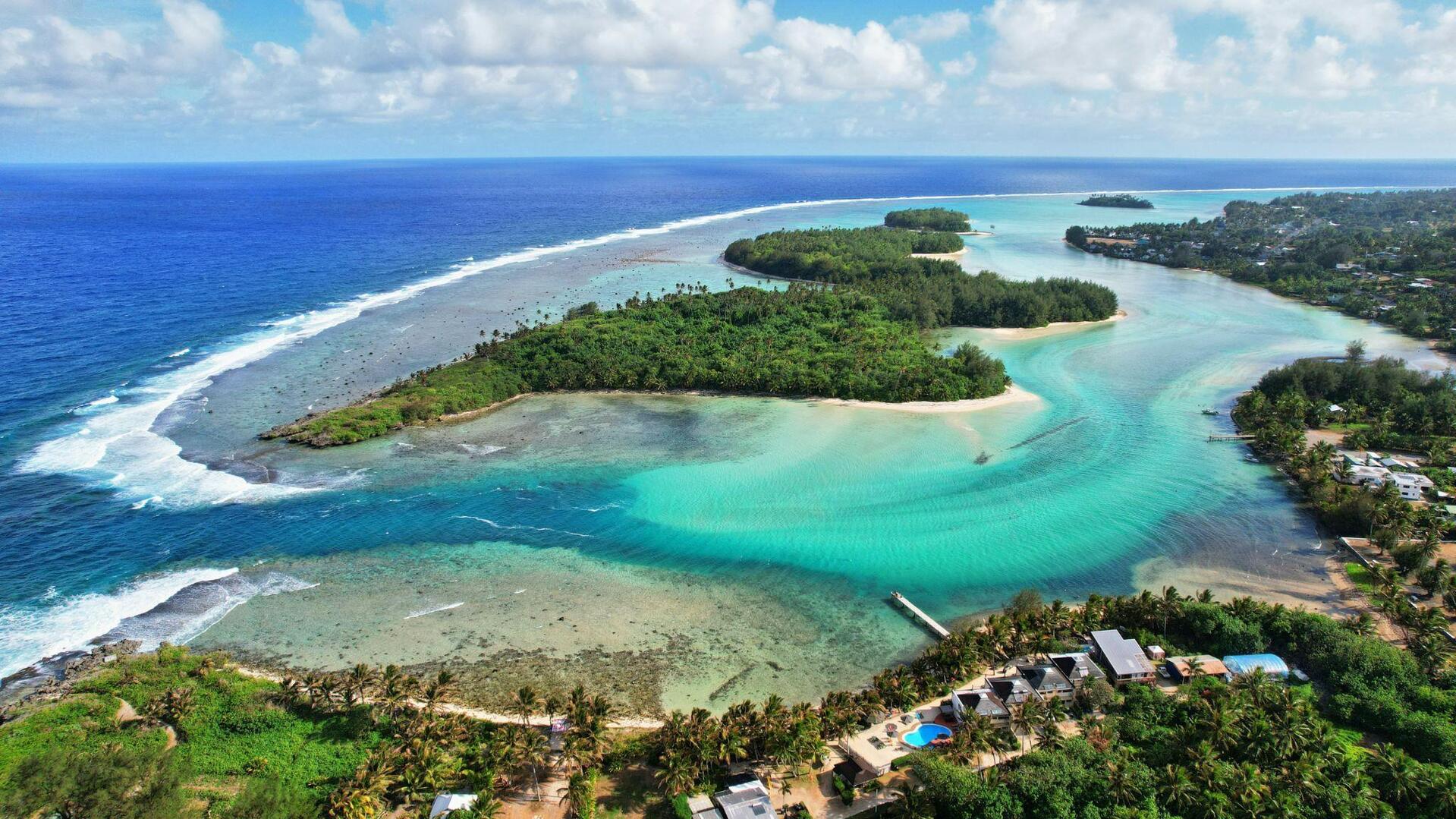
The Te Mato Vai project, carried out on Rarotonga in the Cook Islands, is one of the most significant hydraulic engineering interventions in remote island contexts, where water management becomes a structural challenge tied to geographic isolation, mountainous terrain, and limited availability of infrastructural resources.
The project, developed to ensure a safe and continuous water supply for the local population, involved a major upgrade of the existing system, with the construction of new water intakes, distribution networks, and water treatment plants capable of collecting water from the island’s natural basins and turning it into drinking water through filtration and quality control processes.
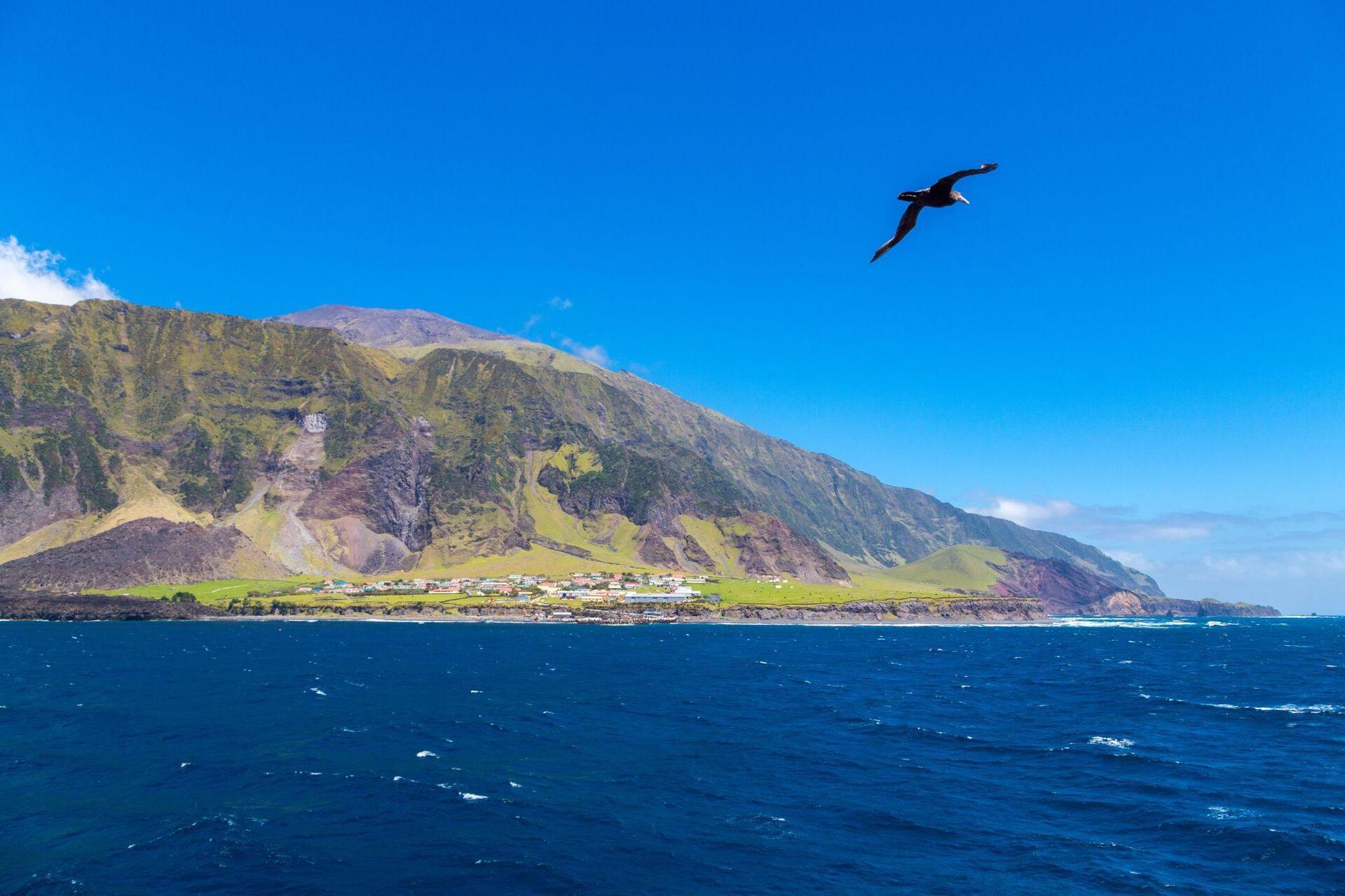
4 – Tristan da Cunha
In the most remote reaches of the Atlantic Ocean, islands such as Tristan da Cunha stand among the most extreme examples of inhabited isolation in the world, where water management and essential resources management become a daily matter of survival and collective organisation.
In these territories, thousands of kilometres from the nearest population centres, hydraulic engineering cannot rely on extensive networks or complex support systems. Instead, it must adapt to minimal infrastructure and essential solutions, often dependent on natural springs, small storage facilities, and local distribution systems.
In this balance between geographical isolation and self-sufficiency, drinking water becomes a strategic resource to be protected and optimised, making every piece of infrastructure a fundamental piece in ensuring the continuity of life in the most hard-to-reach communities.
5 – The Maldives
In the outer islands of the Maldives, water security represents one of the most urgent and complex challenges, where the geographical dispersal of the atolls, fresh water scarcity, and growing climate pressures demand flexible infrastructure solutions that are deeply integrated with local communities.
It is within this context that community-led water management initiatives have emerged, combining rainwater harvesting systems, desalination plants, and improved distribution networks to ensure more stable and reliable access to water resources.
This approach goes beyond the mere construction of infrastructure. It aims to strengthen local resilience through shared maintenance practices and greater awareness of responsible drinking water use.