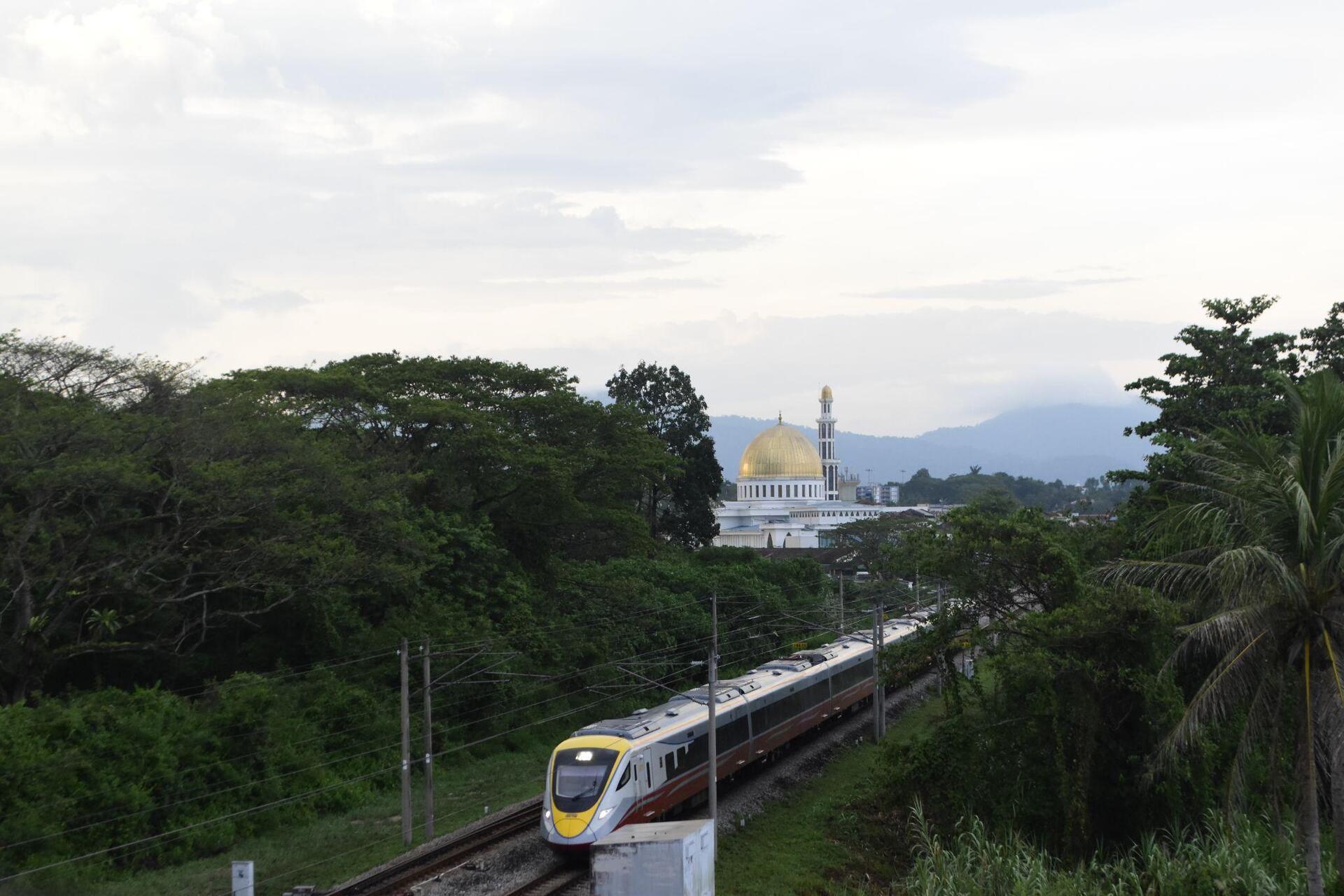


When sea conditions, route disruptions or critical issues affecting port systems compromise the continuity of maritime transport, railway infrastructure becomes an essential alternative to ensure the stability of global freight transport and connections.
In such scenarios, rail transport plays a decisive role as a redundancy and integration system, capable of absorbing and redistributing logistics volumes with continuity, overcoming the typical vulnerabilities of maritime routes.
Through high-capacity land corridors and increasingly efficient intermodal transport connections, railway engineering helps maintain international trade networks even under uncertain conditions, strengthening the overall resilience of transport systems.
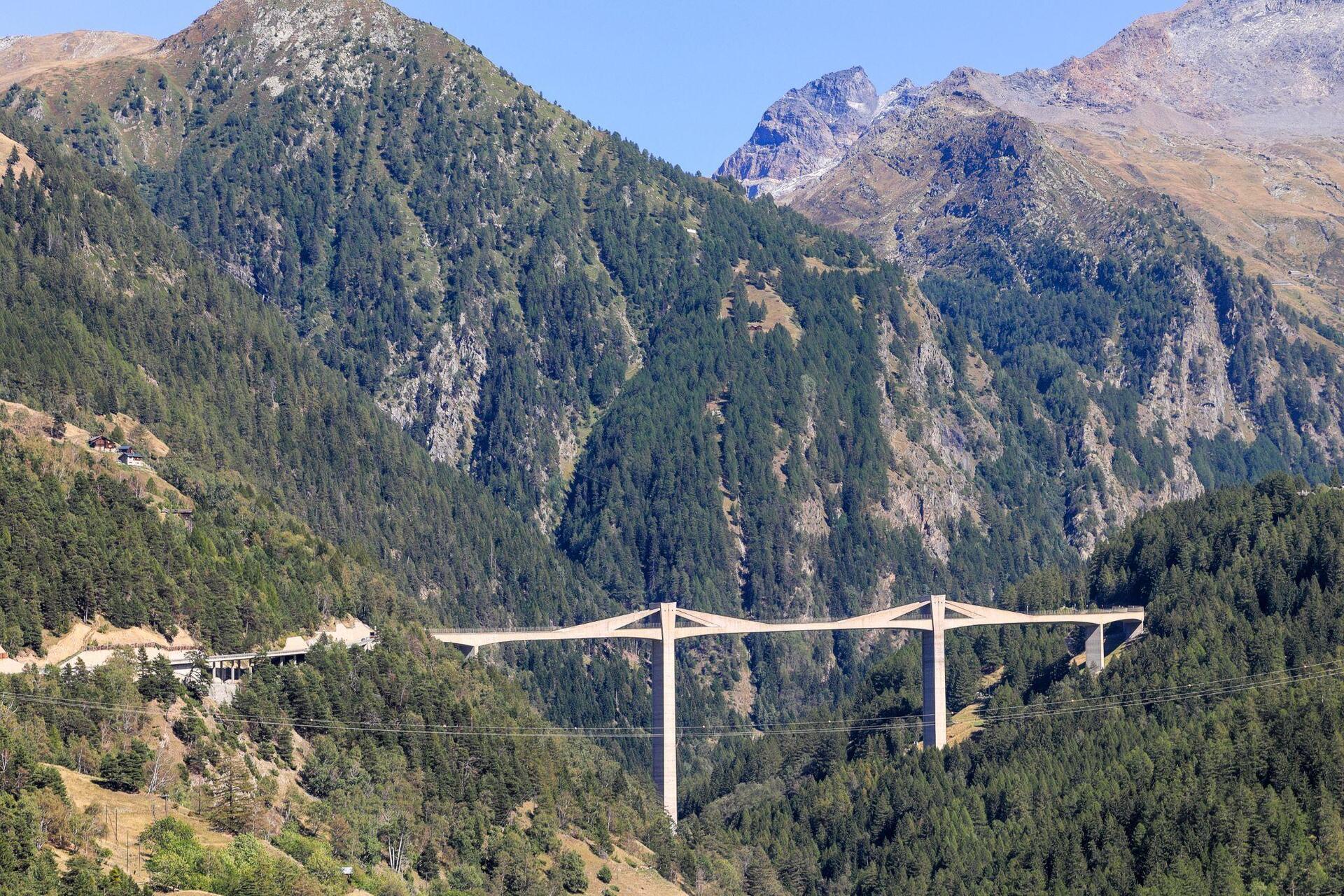
1- The Simplon Railway Line, Italy-Switzerland (Domodossola-Brig)
The Simplon Railway Line, connecting Italy and Switzerland across the Alps between Domodossola and Brig, is one of the most important historical examples of railway infrastructure designed to ensure continuity of international connections in highly complex geographical conditions.
Inaugurated at the beginning of the 20th century with the Simplon Tunnel – at the time the longest railway tunnel in the world – the line enabled a stable link between Northern Italy and the heart of Central Europe, overcoming a natural barrier that had limited exchanges for centuries.
Within this infrastructure system, the Alpine tunnel becomes the key element of a network that transformed rail transport into a strategic axis for both passenger and freight transport, and which over time has also benefited from the contribution of the Webuild Group in various upgrades and developments of the Alpine rail network.
2 – Terzo Valico dei Giovi, Italy
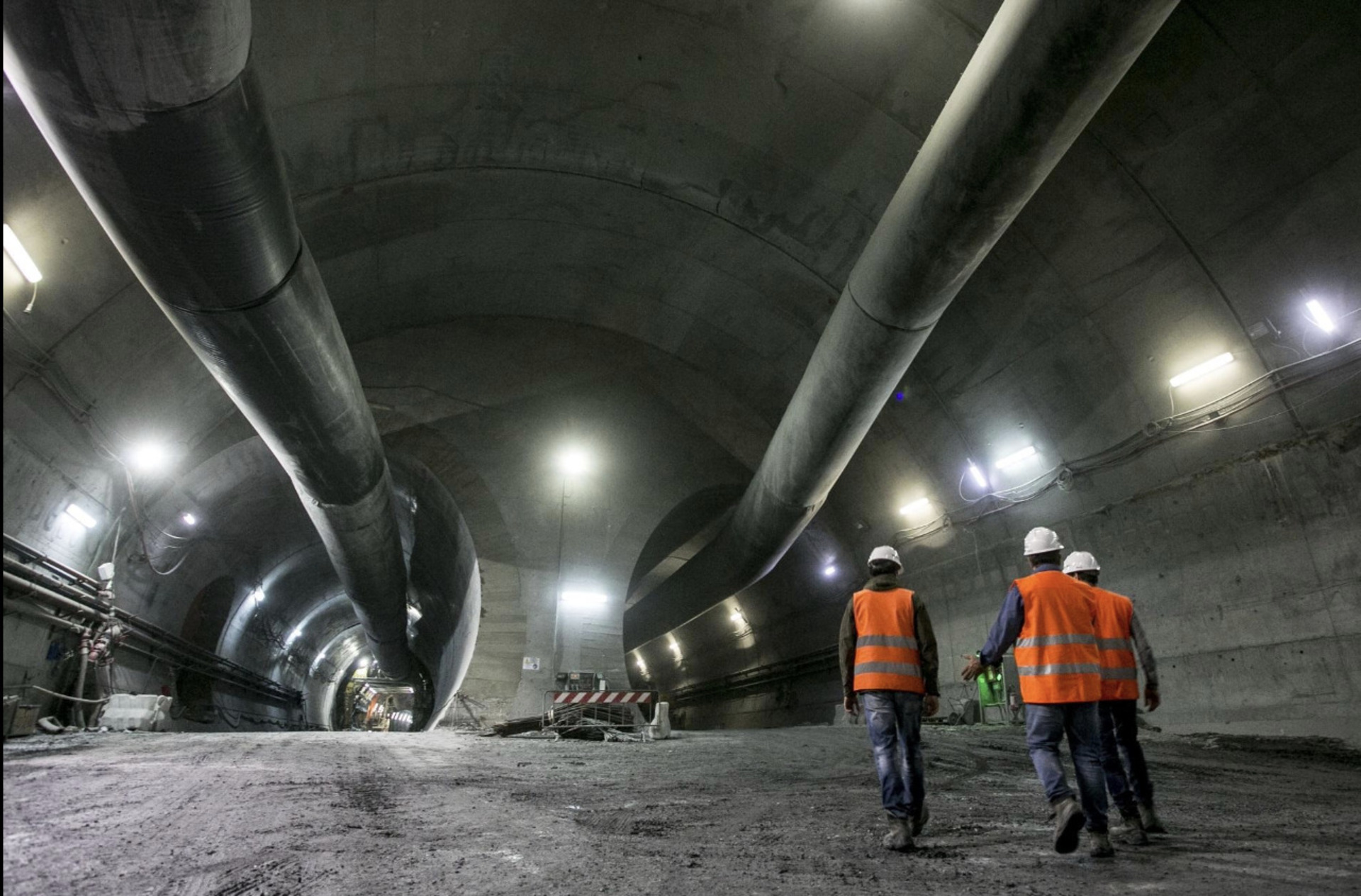
The Terzo Valico dei Giovi is one of the most important high-capacity railway infrastructures in Northern Italy, designed to strengthen the connection between the port of Genoa and the main European corridors towards Milan and beyond.
The project, delivered with the contribution of the Webuild Group, features a largely underground alignment, with approximately 27 kilometres of main railway tunnel and a total excavation system exceeding 90 kilometres, aimed at significantly increasing passenger and freight transport capacity along the Ligurian–Po Valley corridor.
In this highly complex engineering context, tunnelling is the central element of the project, carried out using advanced techniques that allow excavation through a geologically diverse territory.
3 – China Railway High-speed, China
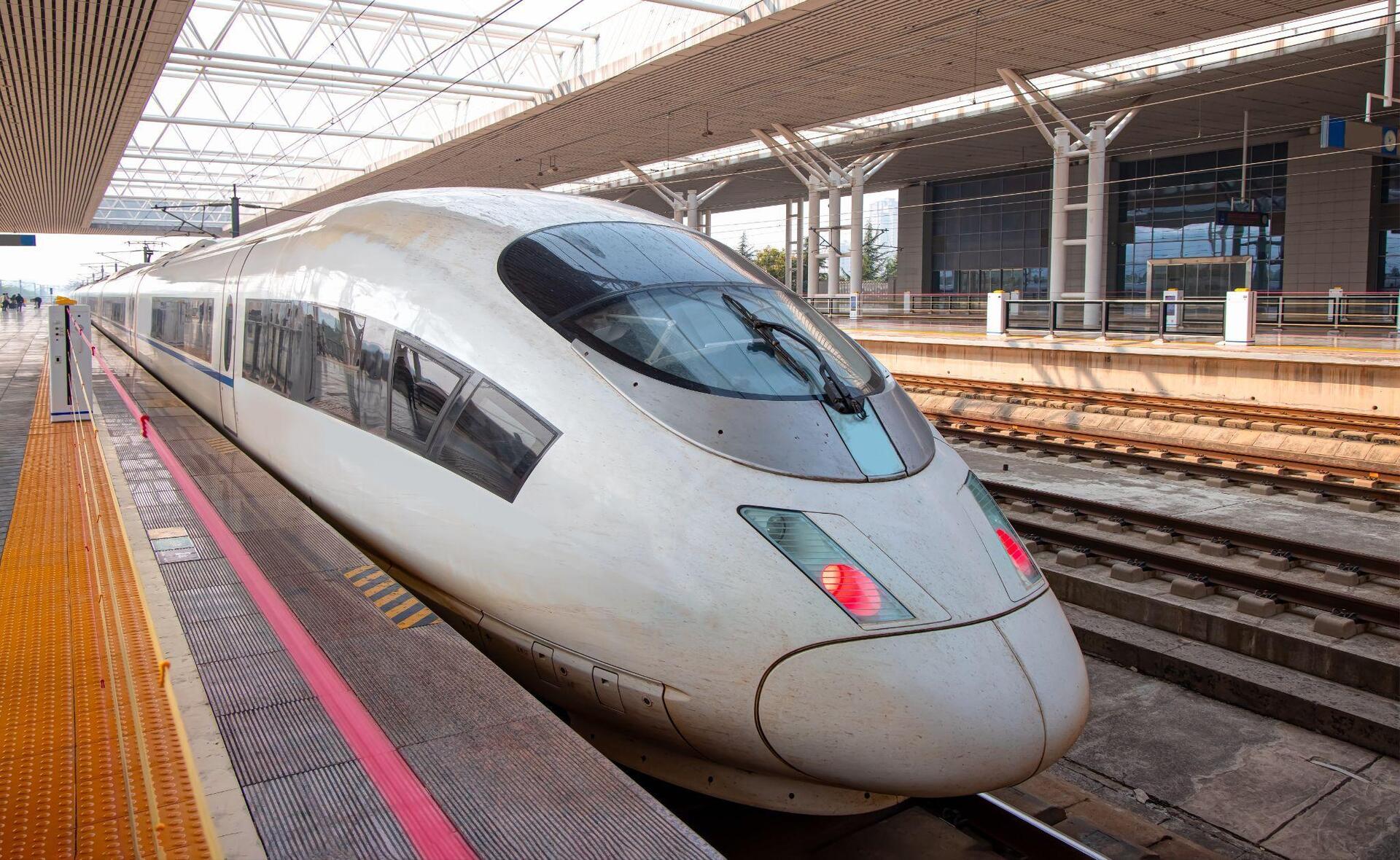
The China Railway High-speed network, developed from the early 2000s onwards, represents one of the largest and fastest expansions of high-speed rail in the world, designed to connect major urban and productive areas through an integrated national-scale infrastructure.
In just a few decades, high-speed rail in China has expanded across tens of thousands of kilometres, radically transforming domestic mobility and significantly reducing travel times between major metropolitan areas, industrial regions and coastal hubs.
In this development model, high-speed trains become not only a means of transport but a backbone of China’s economic and territorial growth.
4 – Trans-Siberian Railway, Russia
The Trans-Siberian Railway, stretching across Russia from Moscow to the Far East, is one of the most extensive and strategic infrastructure projects, conceived to ensure connectivity across vast and scarcely accessible territories.
With a length of over 9,000 kilometres, the railway crosses time zones, extreme climatic regions and areas of very low population density, becoming over time a fundamental axis for rail freight and passenger transport between Europe and Asia.
In this linear system spanning the entire Eurasian continent, the railway is not merely a mobility infrastructure, but a true framework for territorial integration.

5 – KTM Intercity, Malaysia
The KTM Intercity railway system, operated by Keretapi Tanah Melayu in Malaysia, is one of the main medium and long-distance transport infrastructures in Southeast Asia, designed to ensure continuous connections between the main cities of the Malay Peninsula.
Through a network extending along the north-south axis of the country, the intercity service integrates urban areas, industrial hubs and rural regions, providing stable mobility in a geographical context marked by strong territorial and climatic contrasts.
In this rail network, the train becomes an essential connection element for the country’s economic and social cohesion.