


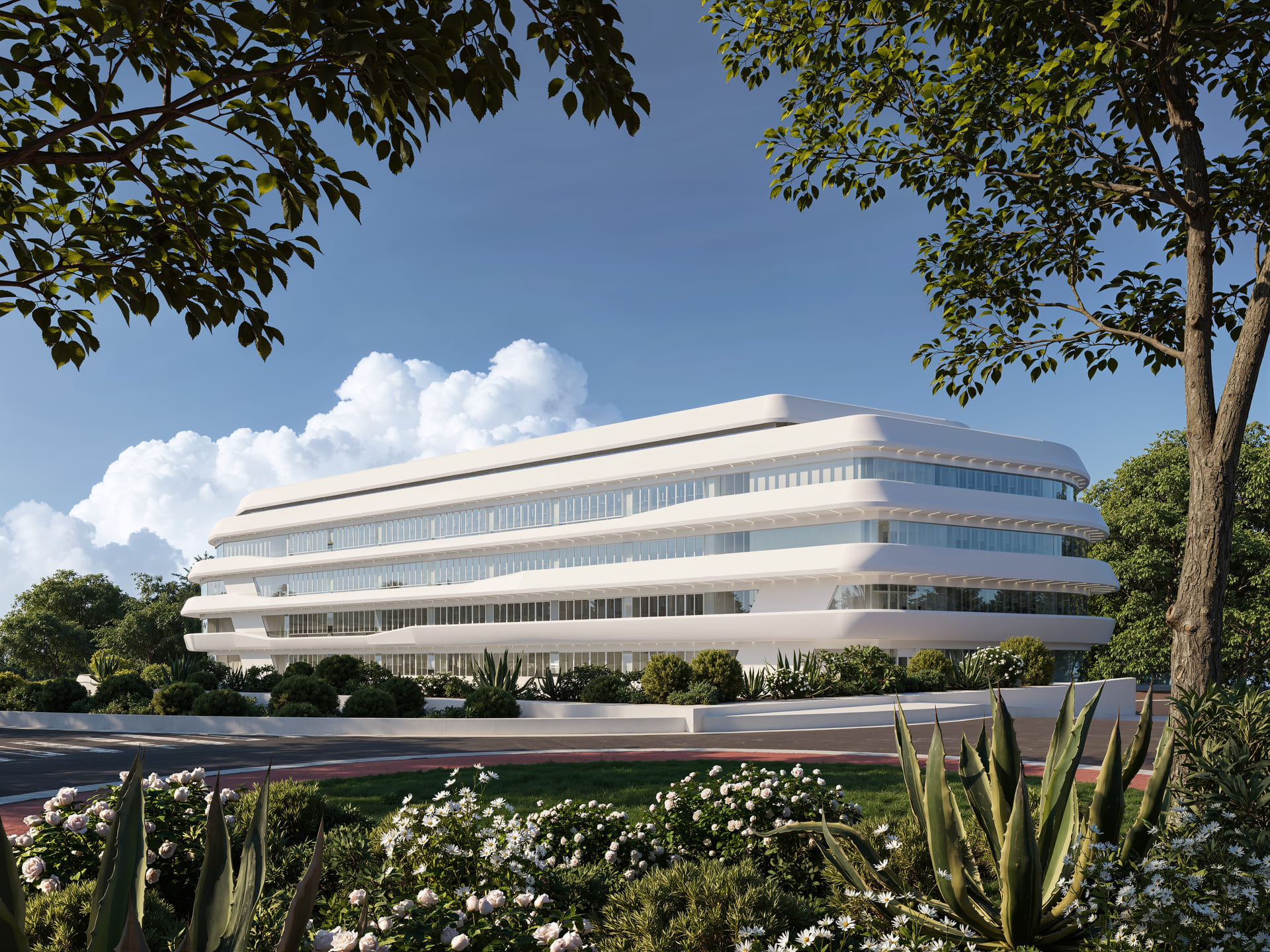
 Rendering of the new CUORE center at Policlinico Gemelli, Rome
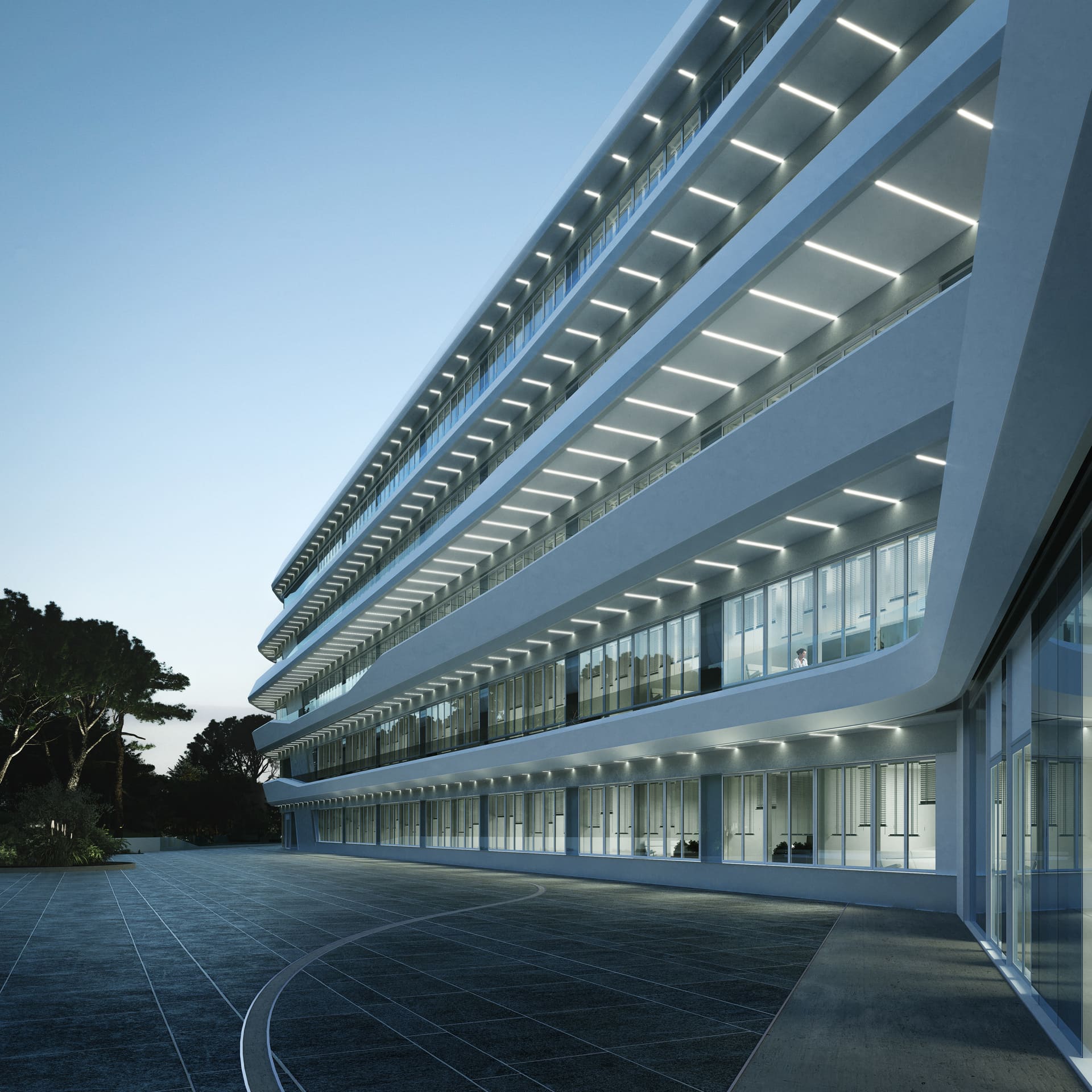 Rendering of the new CUORE center at Policlinico Gemelli, Rome
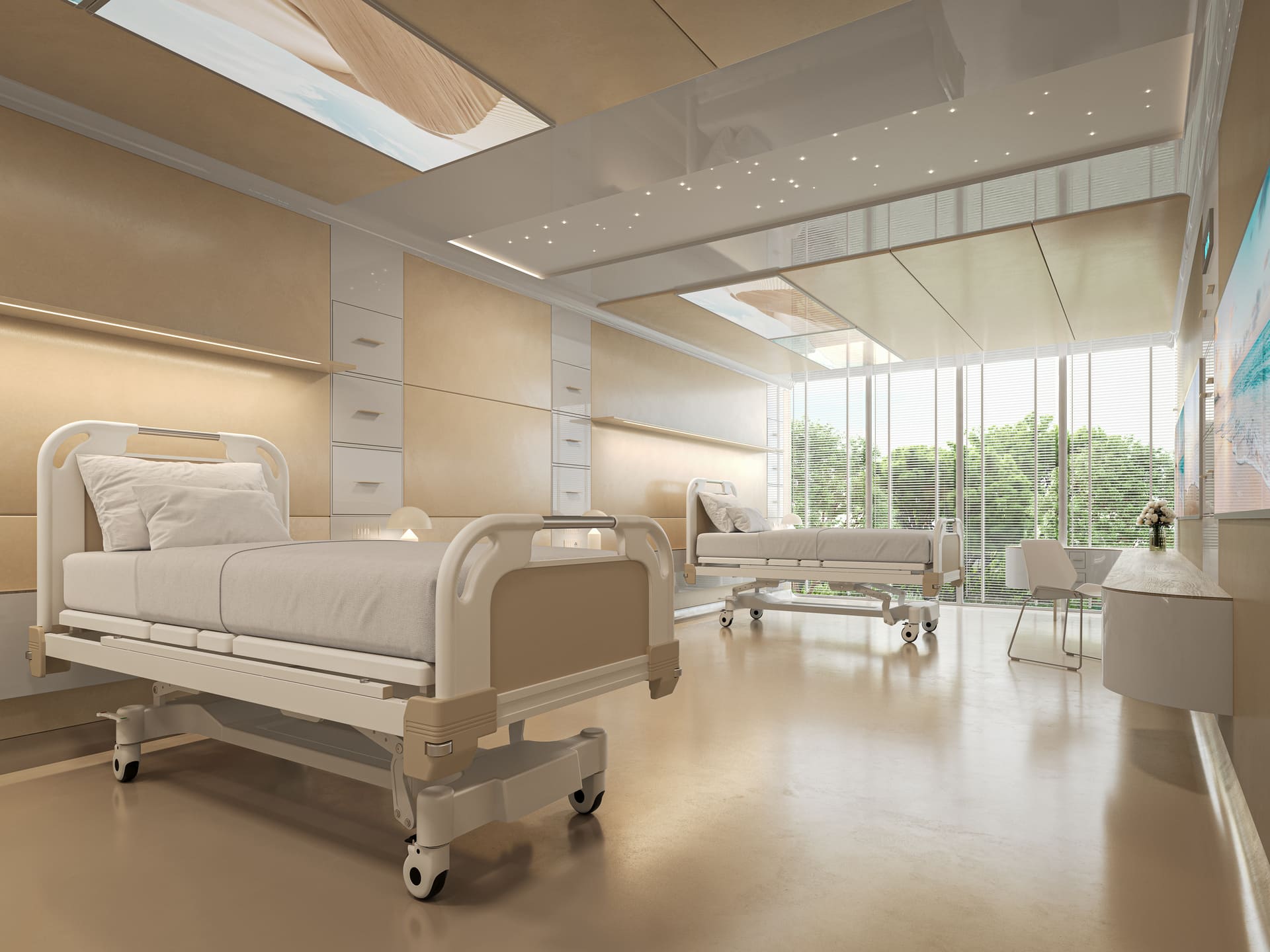 Rendering of the new CUORE center at Policlinico Gemelli, Rome
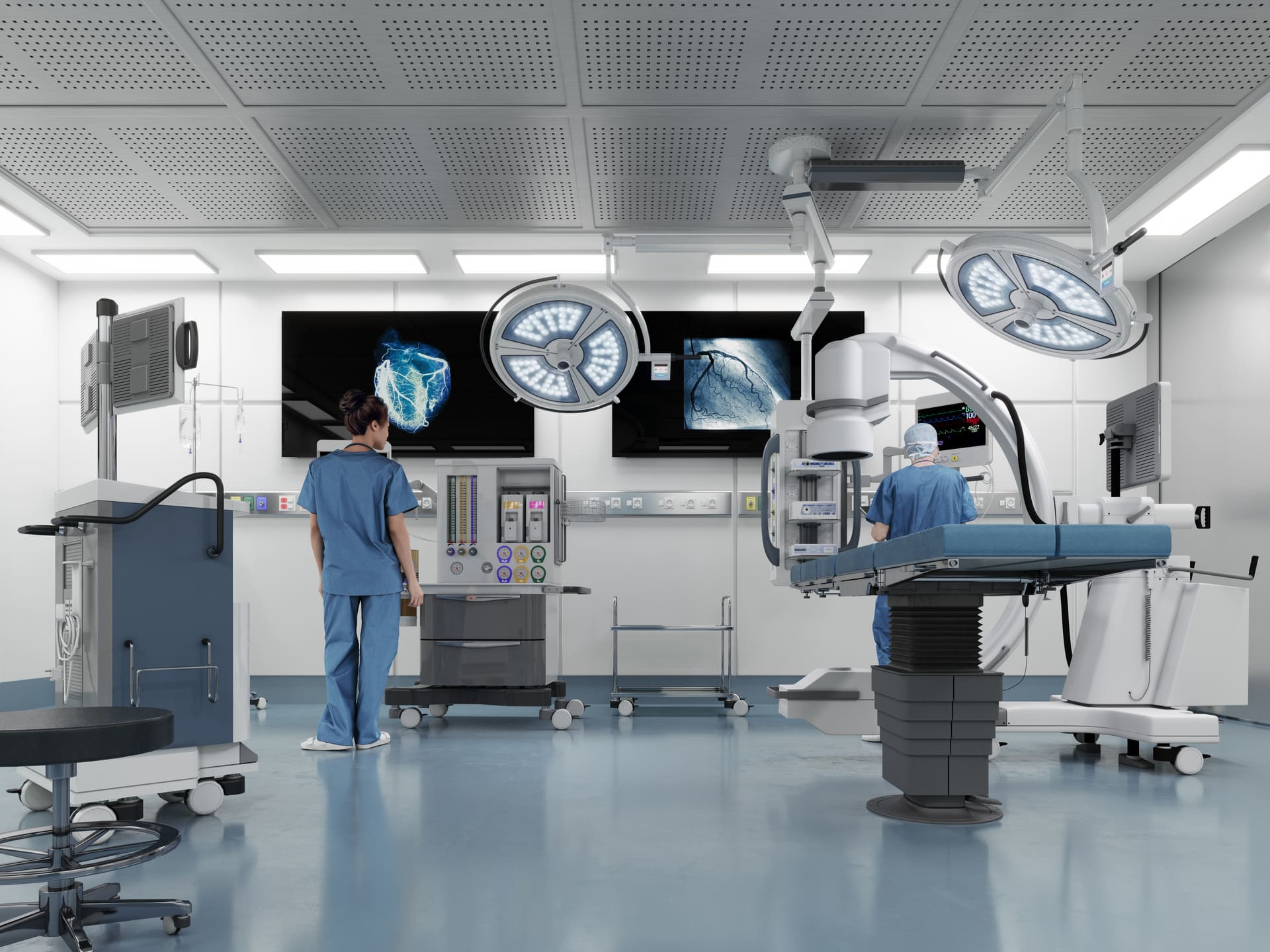 Rendering of the new CUORE center at Policlinico Gemelli, Rome
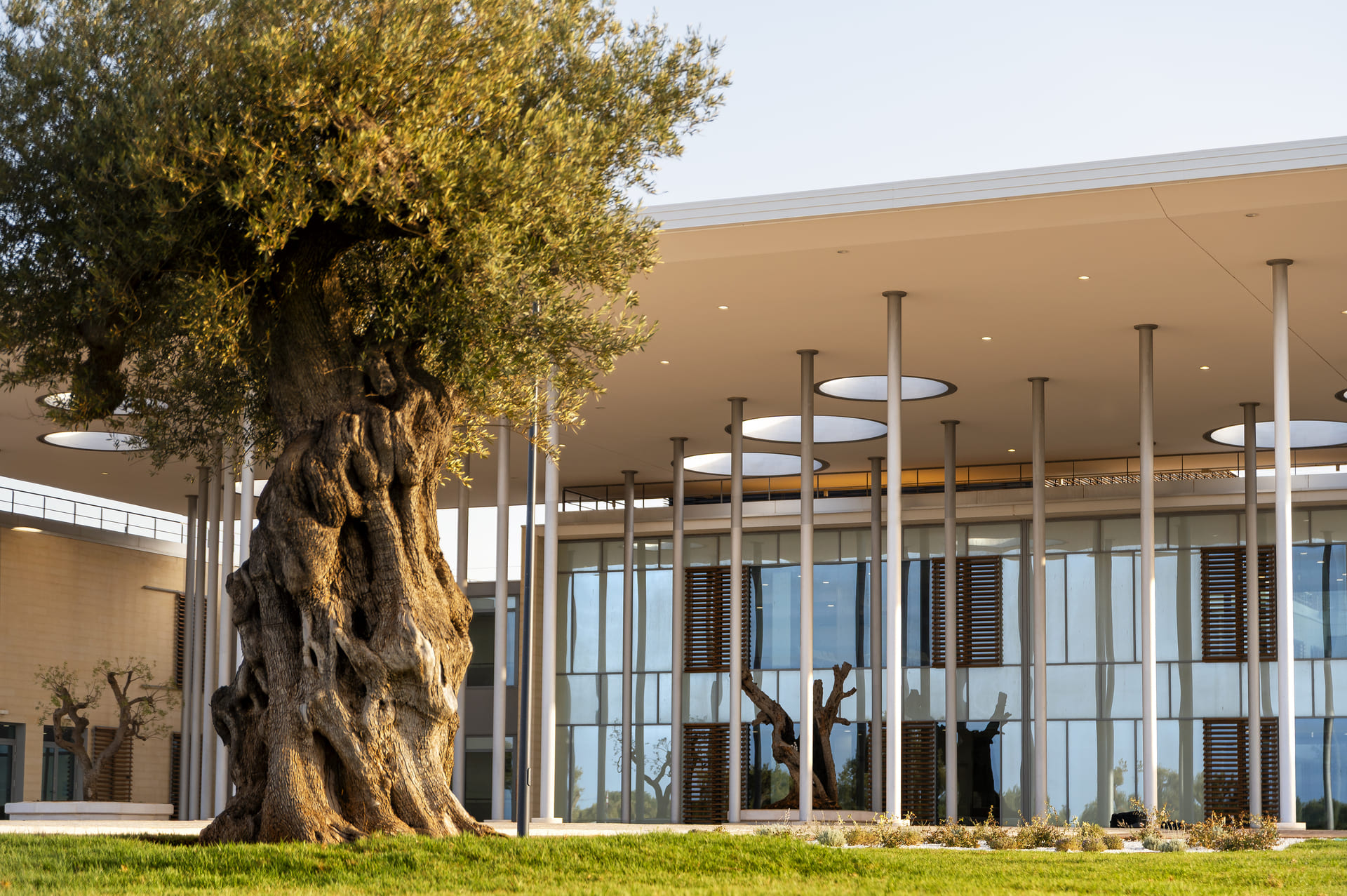 Monopoli-Fasano Southeast Bari Hospital
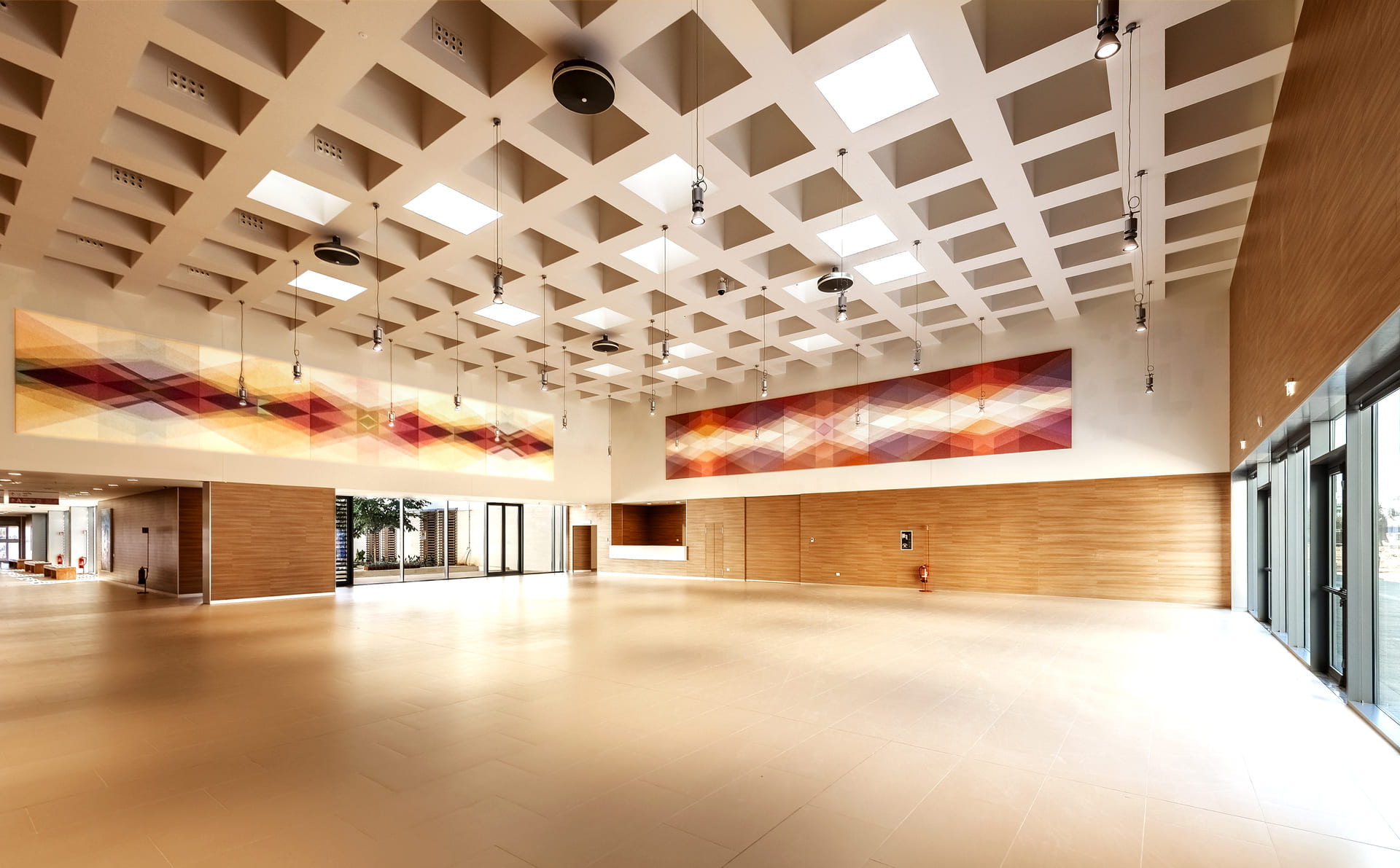 Monopoli-Fasano Southeast Bari Hospital
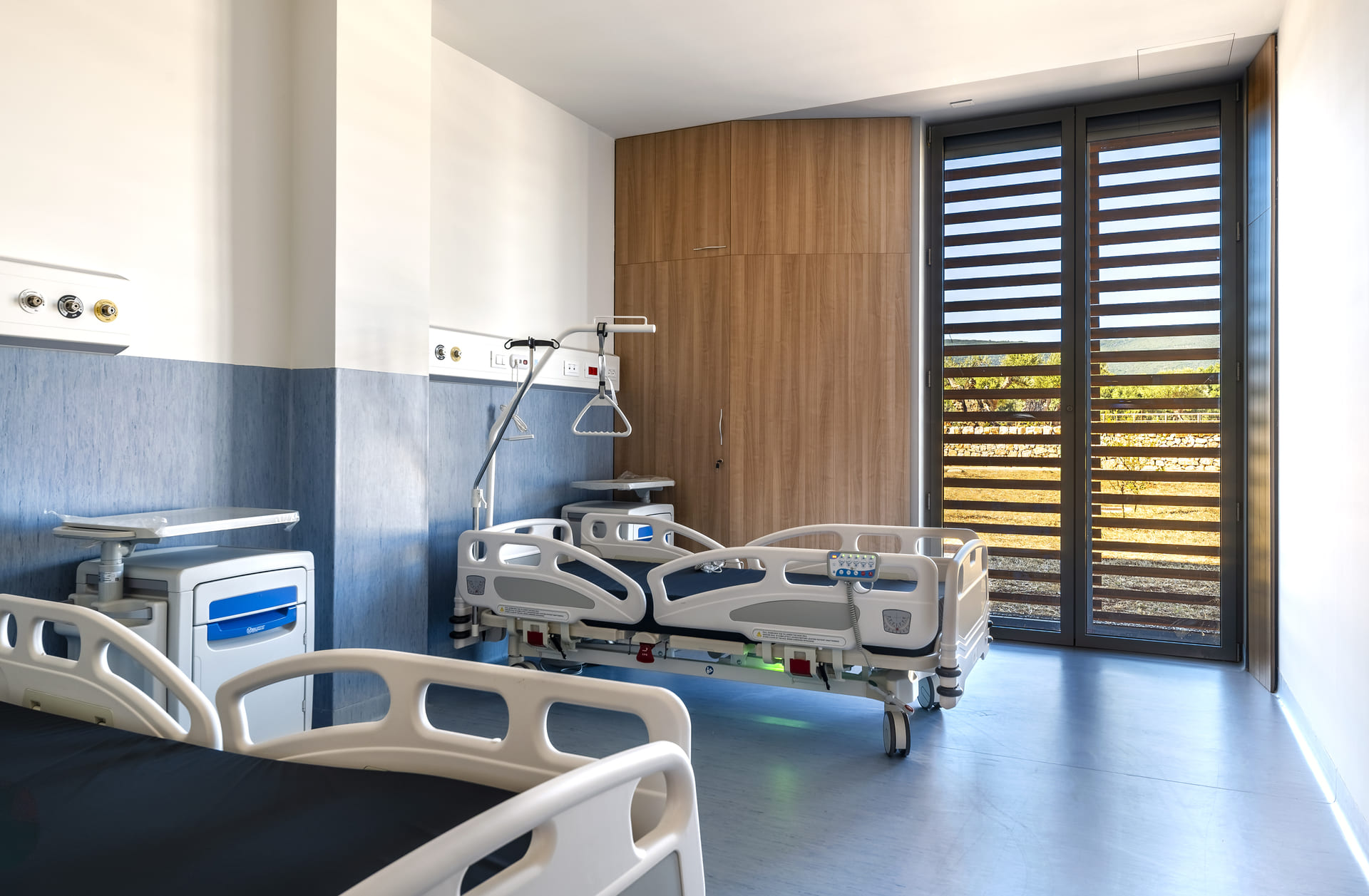 Monopoli-Fasano Southeast Bari Hospital
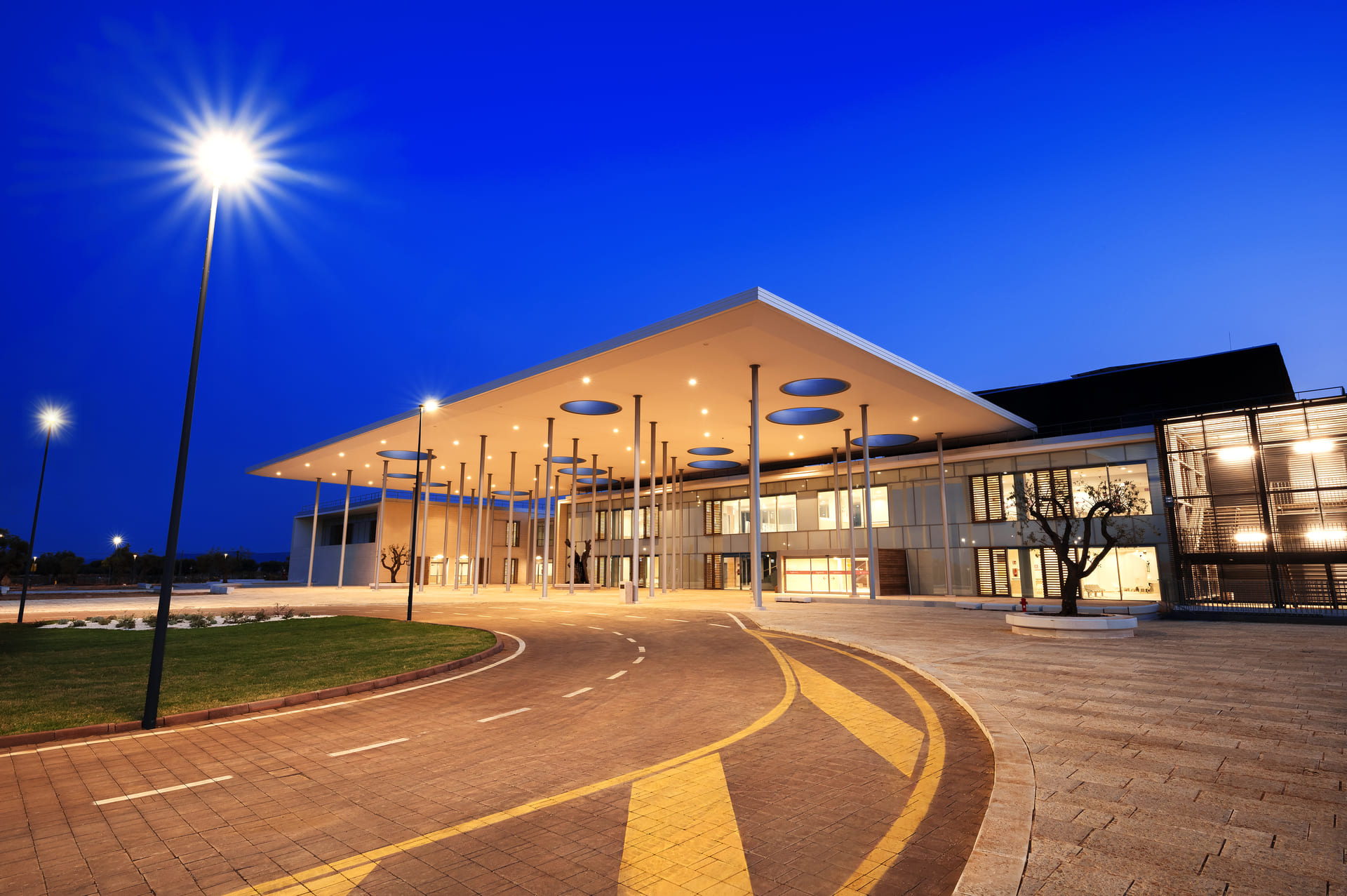 Monopoli-Fasano Southeast Bari Hospital
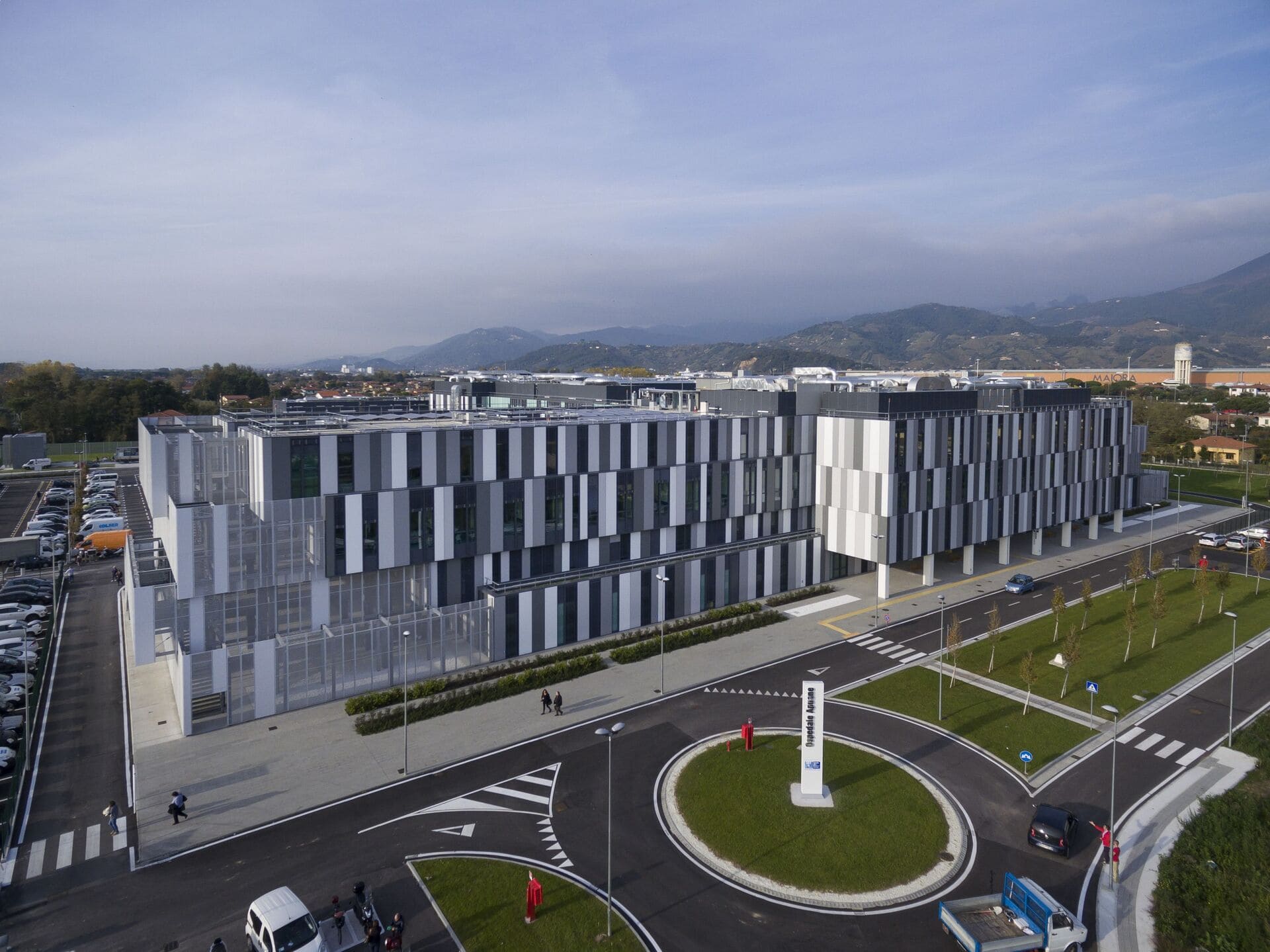 Apuane Hospital, Massa Carrara
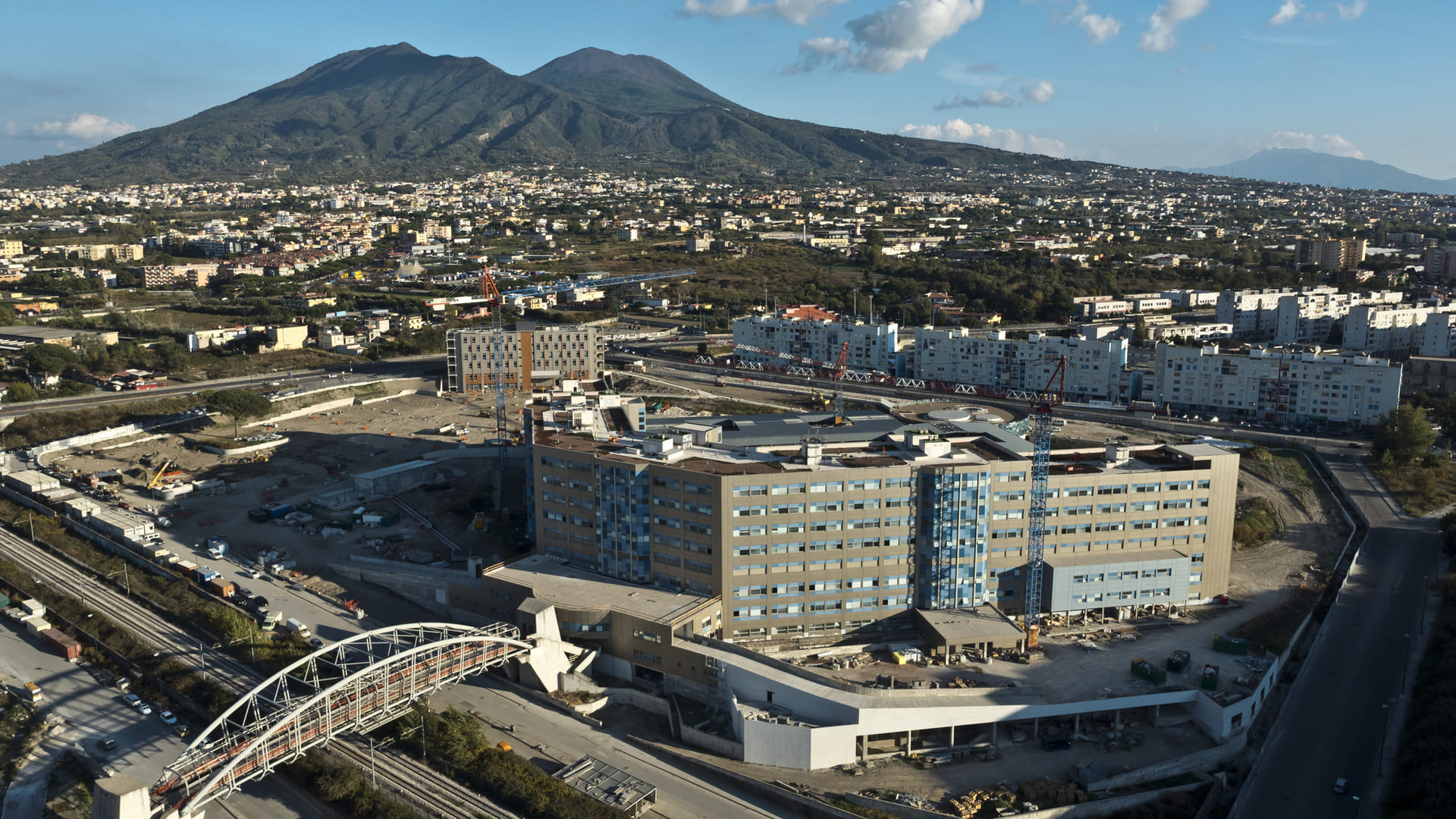 Ospedale del Mare, Naples
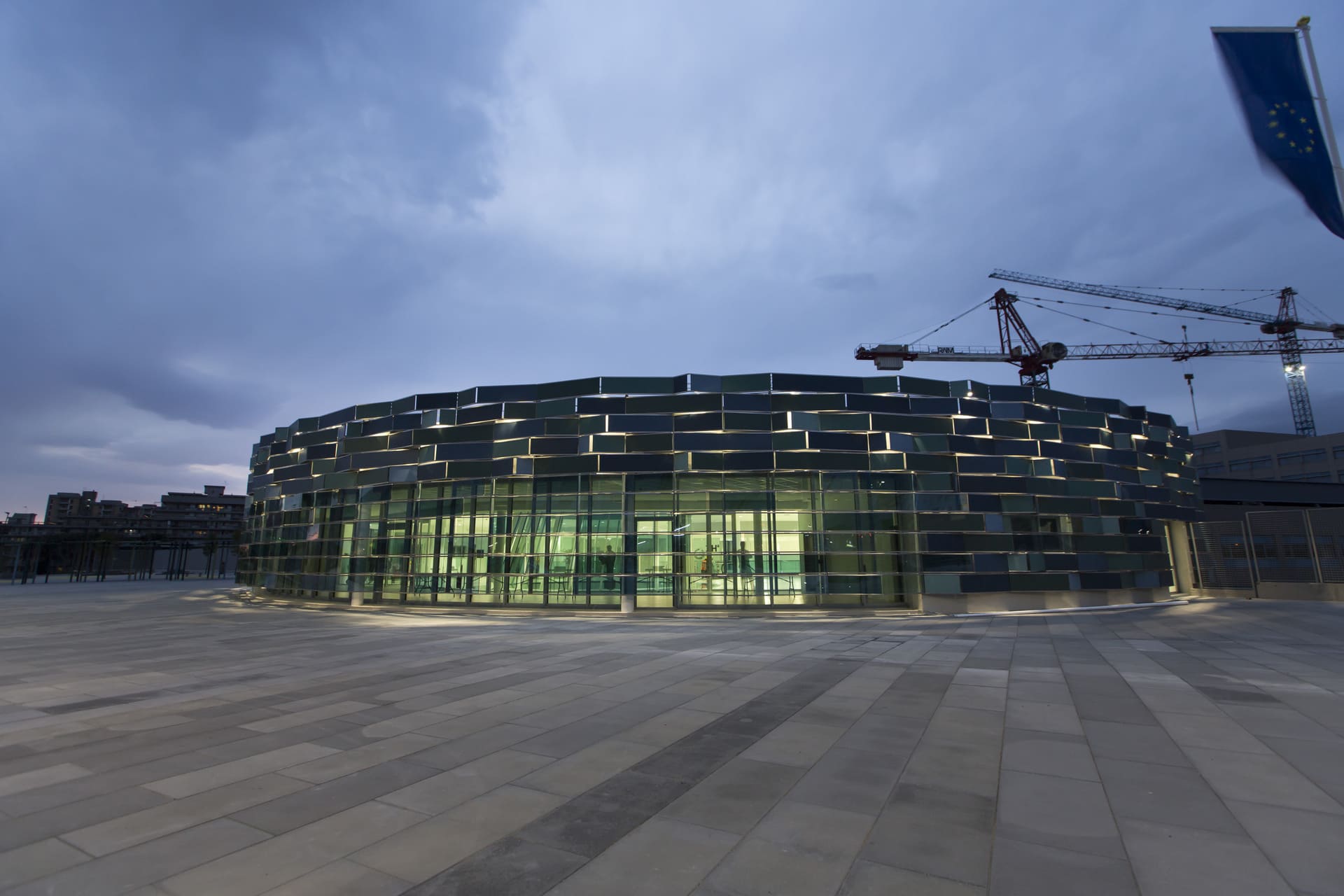 Ospedale del Mare, Naples
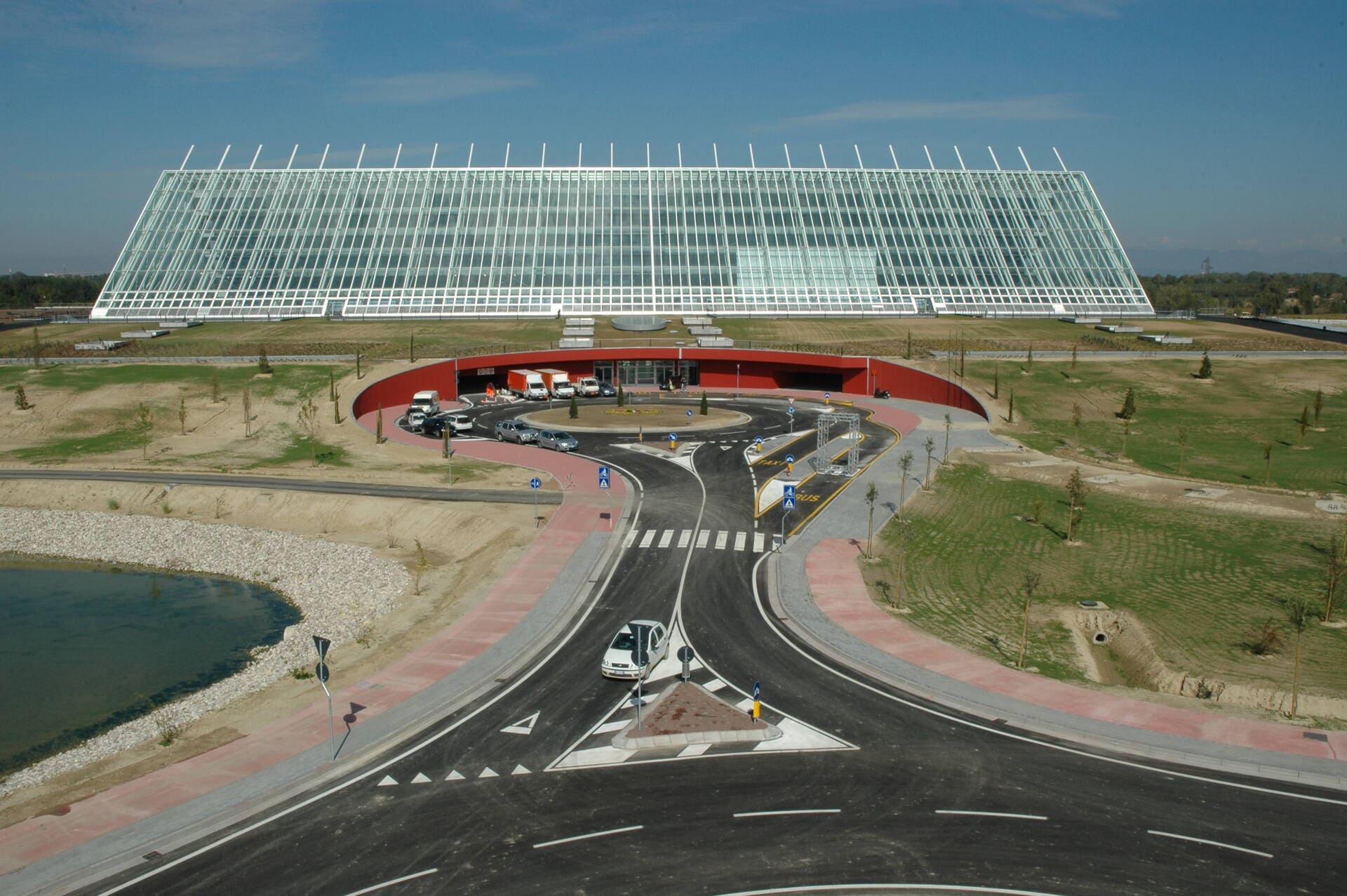 Dell'Angelo Hospital, Venice-Mestre
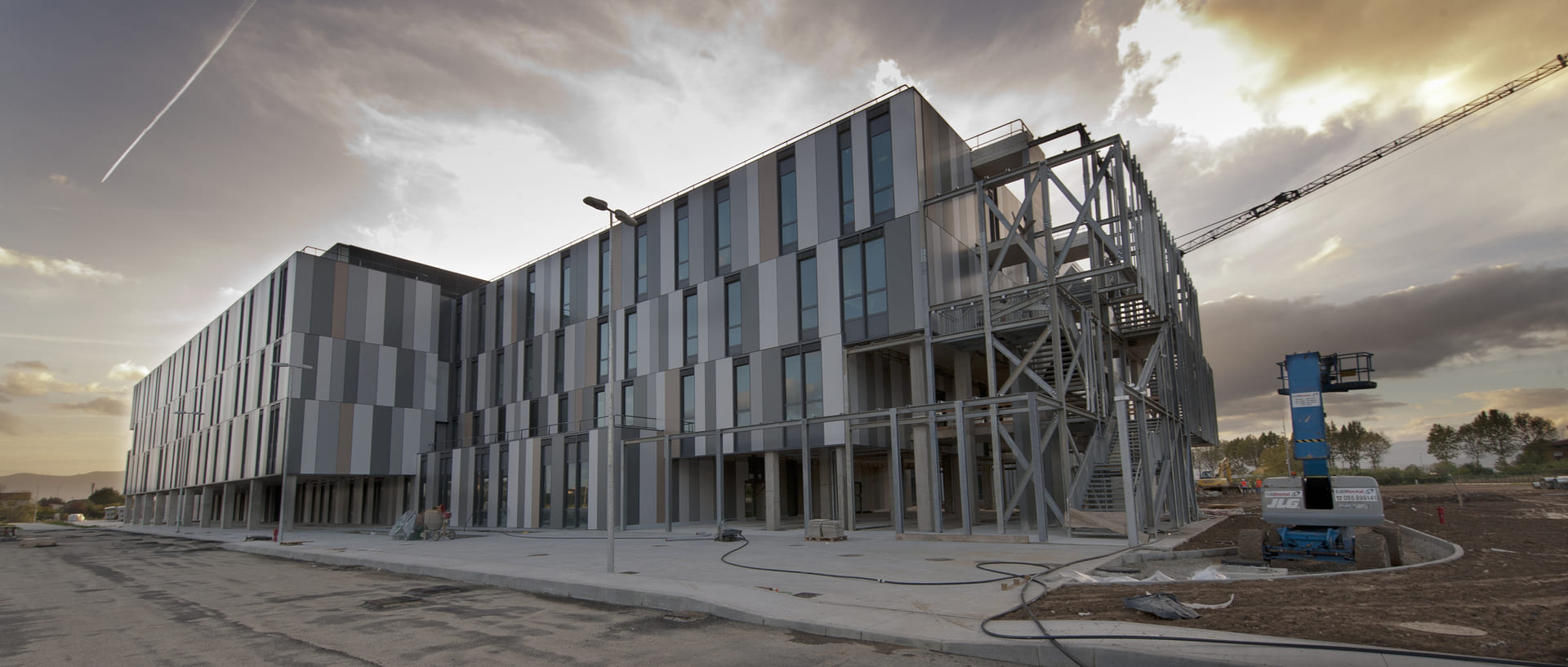 San Jacopo Hospital, Pistoia
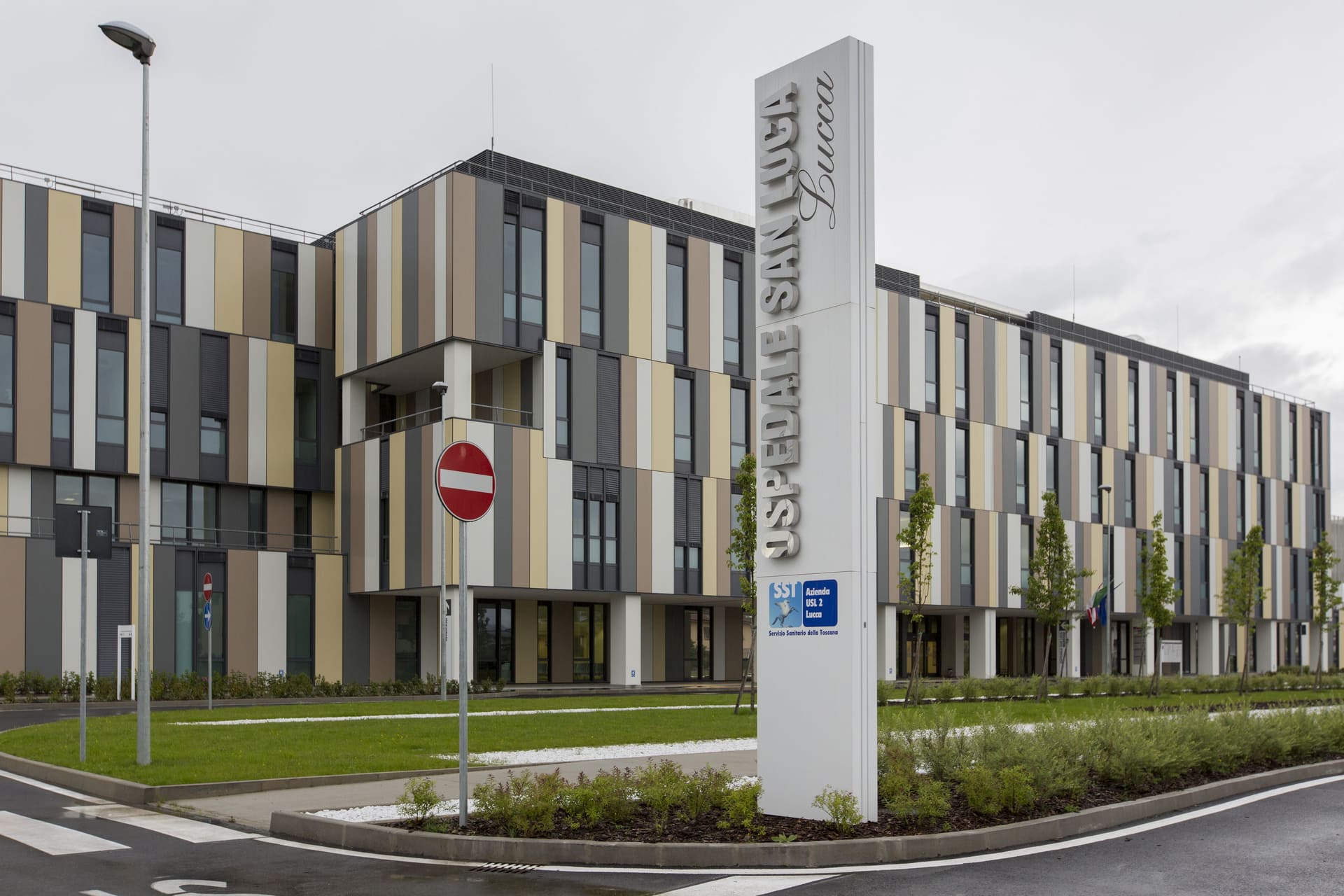 San Luca Hospital, Lucca
- Cardiovascular diseases cause nearly 20 million deaths worldwide each year, accounting for approximately one-third of global mortality.
- The new CUORE center at the Policlinico Gemelli will span 27,000 square meters and will bring together all cardiovascular activities into a single facility.
- The project includes over 100 beds, nearly 30 intensive care beds, advanced operating rooms, and a digital control room for integrated patient management.
- Telemedicine, remote monitoring, and artificial intelligence will be structural elements of the new care model.
- From the 93,000 square meters of the Cleveland Clinic to the 120,000 of Beijing's Fuwai Hospital, new cardiovascular hubs are becoming healthcare innovation laboratories on a global scale.

Healthcare engineering in recent decades has focused on building spaces capable of housing increasingly sophisticated medical technologies. Today, however, the challenge has changed. The aging population, the growth of chronic diseases, and the opportunities offered by digital technology and artificial intelligence are transforming the very concept of healthcare infrastructure.
It is no longer enough to build efficient and socially sustainable buildings. The goal now is to design care ecosystems capable of accompanying the patient throughout the entire clinical journey, from early detection of the pathology to remote monitoring after discharge.
And the heart represents the most significant testing ground for this evolution. Indeed, cardiovascular diseases, including heart attack and heart failure, continue to be the leading cause of death. According to data from the World Health Organization, nearly 20 million people die each year from cardiac dysfunction, and these fatalities account for one-third of all global deaths.
The guidelines for new heart disease infrastructure therefore aim to integrate preventive medicine, diagnosis, specialized intervention, scientific research, and continuous cardiac care. For this reason, new cardiology and cardiovascular hubs are emerging.
The CUORE Center: Cardiovascular Excellence under construction at Rome's Gemelli Hospital
Among the most recent and significant projects in Europe is the new CUORE (Cardiovascular Unique Offer ReEngineered) center at the Policlinico Gemelli in Rome, destined to become one of the continent’s most advanced cardiovascular hubs.
The Webuild Group is constructing the center within the Università Cattolica del Sacro Cuore campus, commissioned by the Fondazione Policlinico Gemelli in collaboration with the Università Cattolica del Sacro Cuore, the G. Toniolo Institute of Higher Education, and with the vital support of Fondazione Roma. The complex will represent an example of how healthcare infrastructure can become an integral part of the cardiac care model.
With a surface area of 27,000 square meters distributed over six levels, the new building will bring together all the activities of the Gemelli Hospital’s Department of Cardiovascular Sciences into a single facility, overcoming the traditional fragmentation of clinical pathways. The project includes over 100 beds, nearly 30 intensive care beds, multidisciplinary outpatient clinics, next-generation operating rooms, areas dedicated to advanced diagnostics, and a digital control room capable of coordinating the patients’ journey in real time.
The innovation does not only concern technology. In fact, the organizational model of the CUORE center is built according to a value-based logic, which places the individual at the center rather than the single healthcare service. Telemedicine, remote monitoring, artificial intelligence, and continuity of care with the local territory become structural elements of the project.
Sustainability also plays a central role, thanks to 180 kW photovoltaic systems, low-environmental-impact energy systems, and a healing garden designed to promote the psychophysical well-being of both patients and healthcare workers.
From the Cleveland Clinic to China: New Medical Center Models Tested Worldwide
In the United States, the Sydell and Arnold Miller Family Heart, Vascular & Thoracic Institute at the Cleveland Clinic has been considered one of the world’s leading benchmarks for cardiology for years. Housed within a complex of approximately 93,000 square meters, it features over 240 dedicated beds and 110 cardiovascular intensive care beds.
The cardiovascular center stands out for its large curved glass facade that maximizes natural light intake and for the seamless integration of operating rooms, robotics, and real-time imaging systems. More than a hospital, it is a clinical ecosystem designed to tackle the most complex heart diseases on the planet.
Meanwhile, in the heart of the world’s largest medical district, the Texas Medical Center in Houston, sits the Texas Heart Institute. The medical center stands as one of the symbols of modern cardiac care, thanks to the close integration between medical research and clinical activity.
Its translational research laboratories are directly linked to the operating rooms and hemodynamics labs through a system of dedicated pathways that accelerates the transfer of innovations from the bench to the bedside. Across approximately 30,000 square meters, the Texas Heart Institute houses twelve advanced operating rooms, six cardiac catheterization laboratories, and over one hundred specialized beds.
In the United Kingdom, the benchmark is the Barts Heart Centre in London. Created by consolidating the cardiology and cardiac surgery services of three historic London hospitals, the hub features 300 beds, ten operating rooms, and ten hemodynamics labs. Every year, over 80,000 patients are treated.
The project is particularly interesting because it demonstrates how a highly technological healthcare infrastructure can be integrated within a historic urban fabric, while simultaneously improving efficiency and emergency response capabilities for a global metropolis.
Operating on a completely different scale is the Fuwai Hospital in Beijing, the largest specialized cardiovascular center in the world by volume of activity. The complex exceeds 120,000 square meters and has more than 1,200 beds dedicated exclusively to cardiovascular diseases. The facility is designed to support more than 14,000 cardiovascular surgeries per year, integrating genetic research, advanced diagnostics, and clinical care into a single system.