


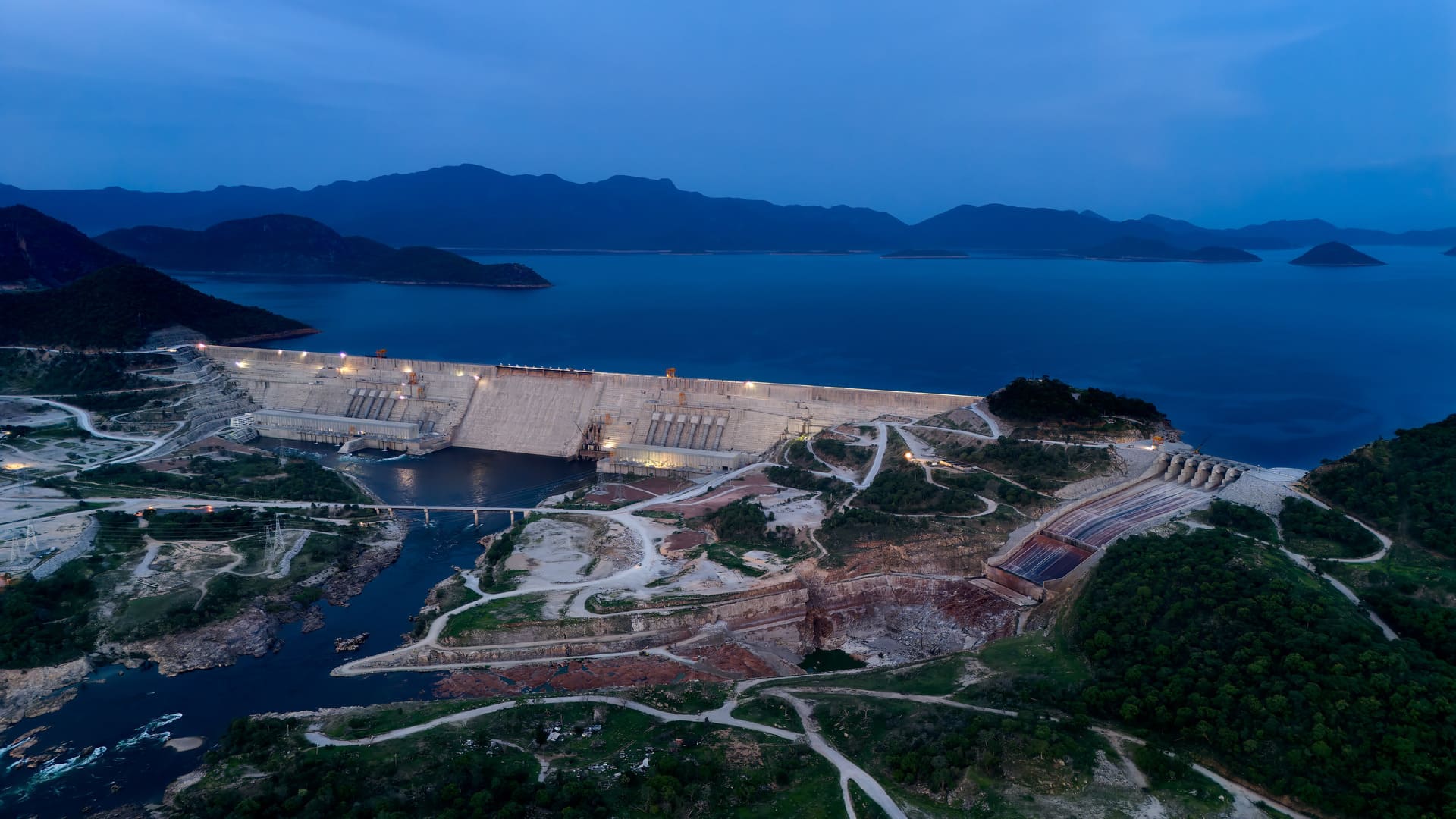
 GERD hydroelectric power plant, Ethiopia
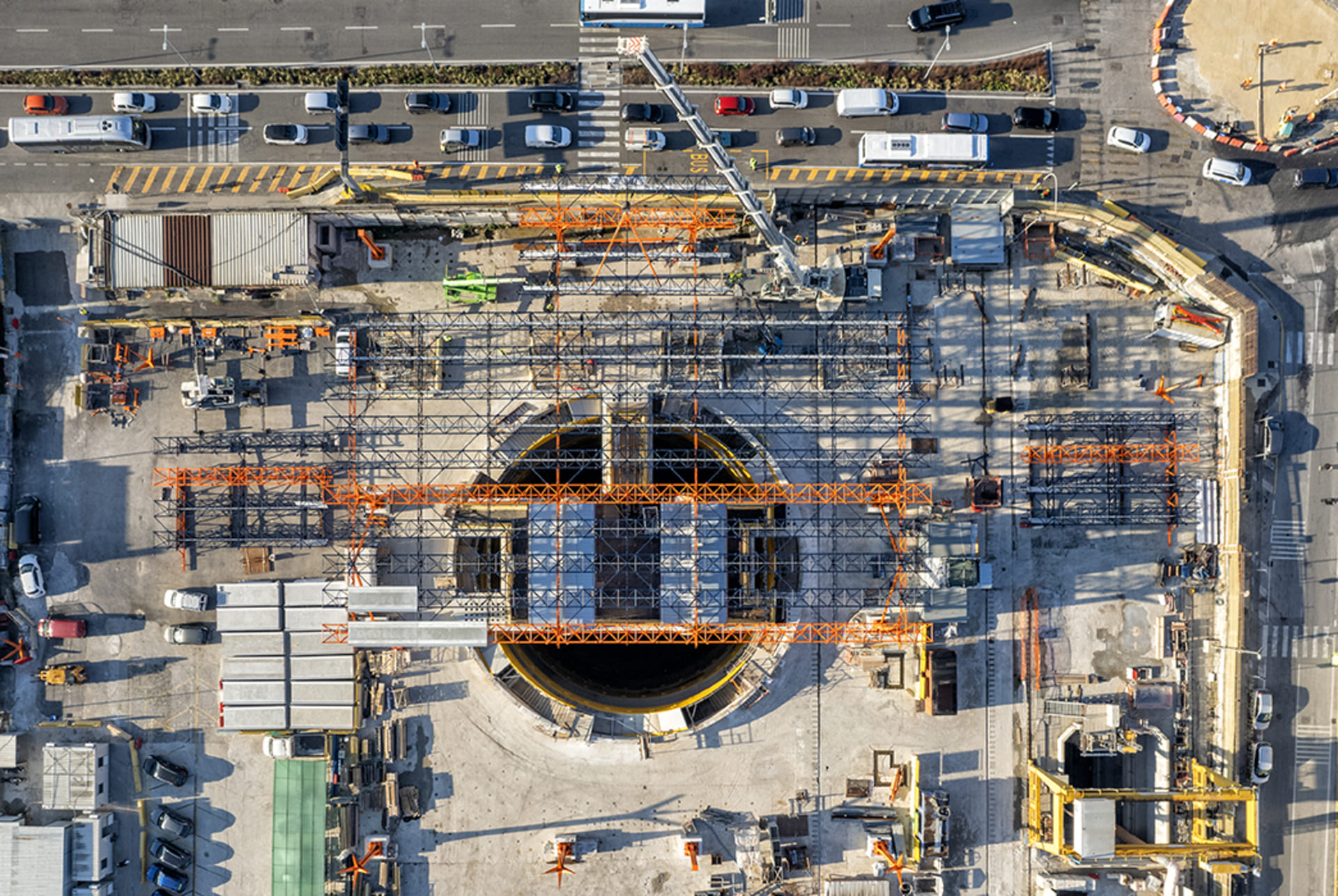 Capodichino station construction site, Naples
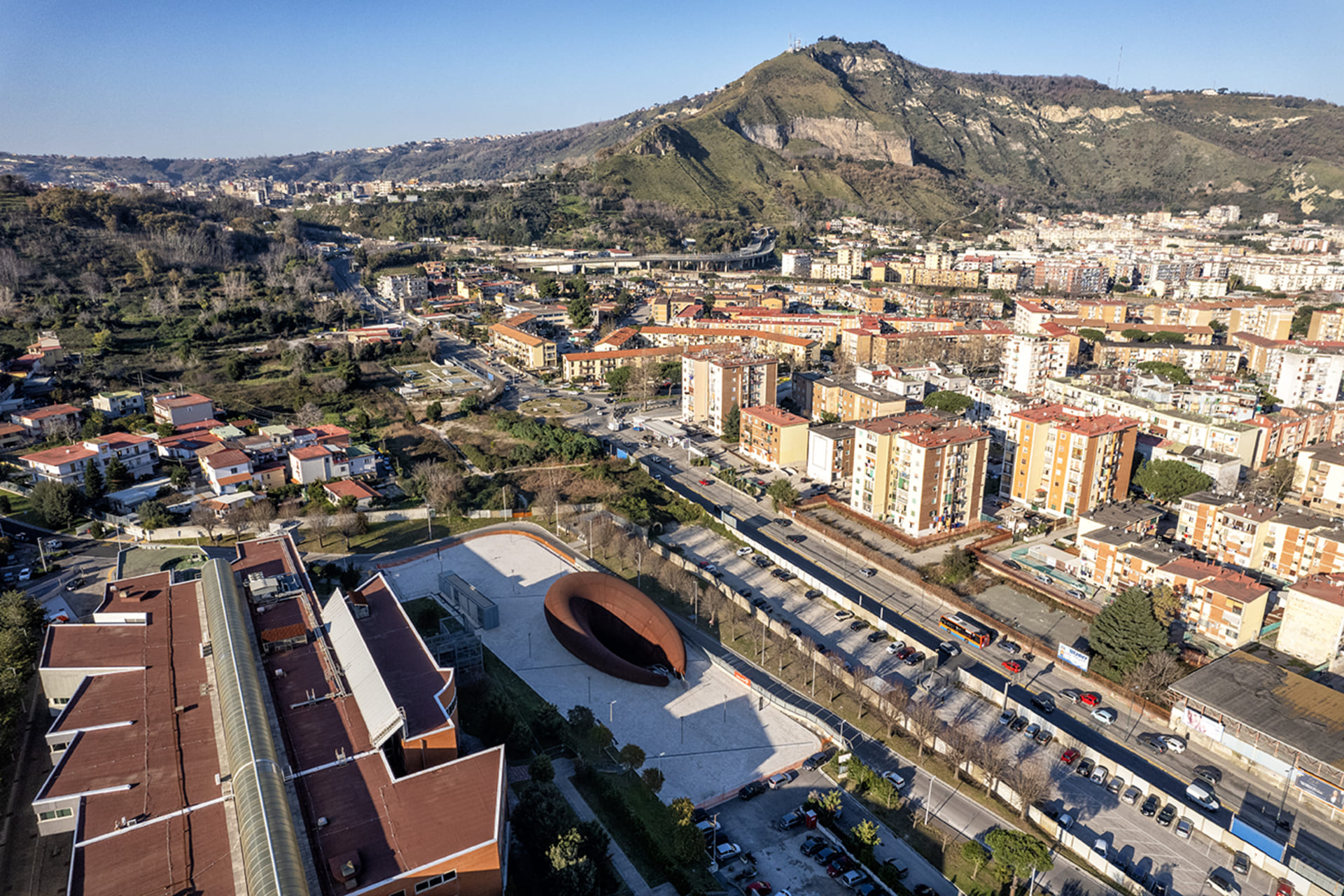 Monte Sant'Angelo station, Naples
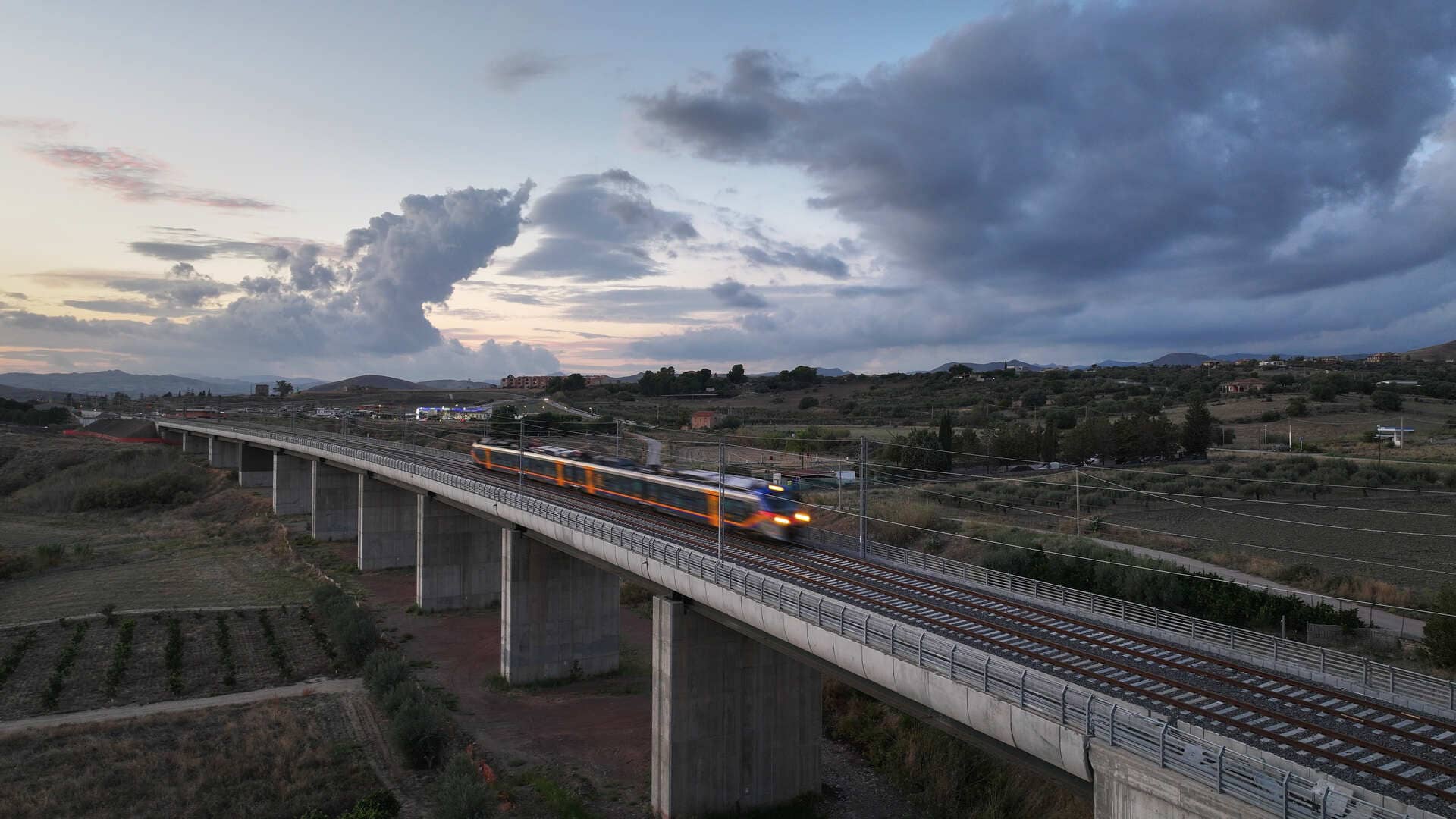 Palermo-Catania high-capacity railway
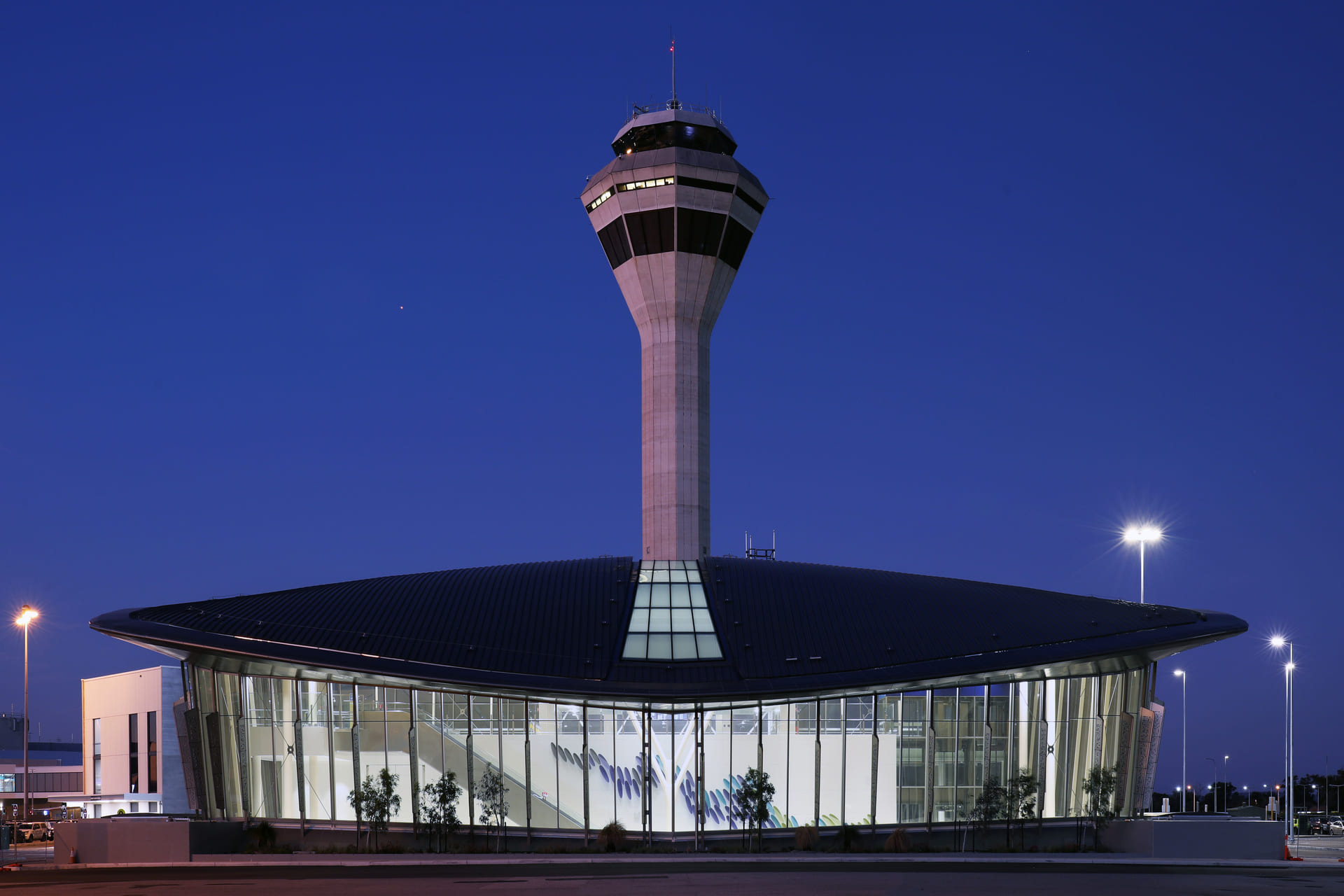 Forrestfield-Airport Link, Perth
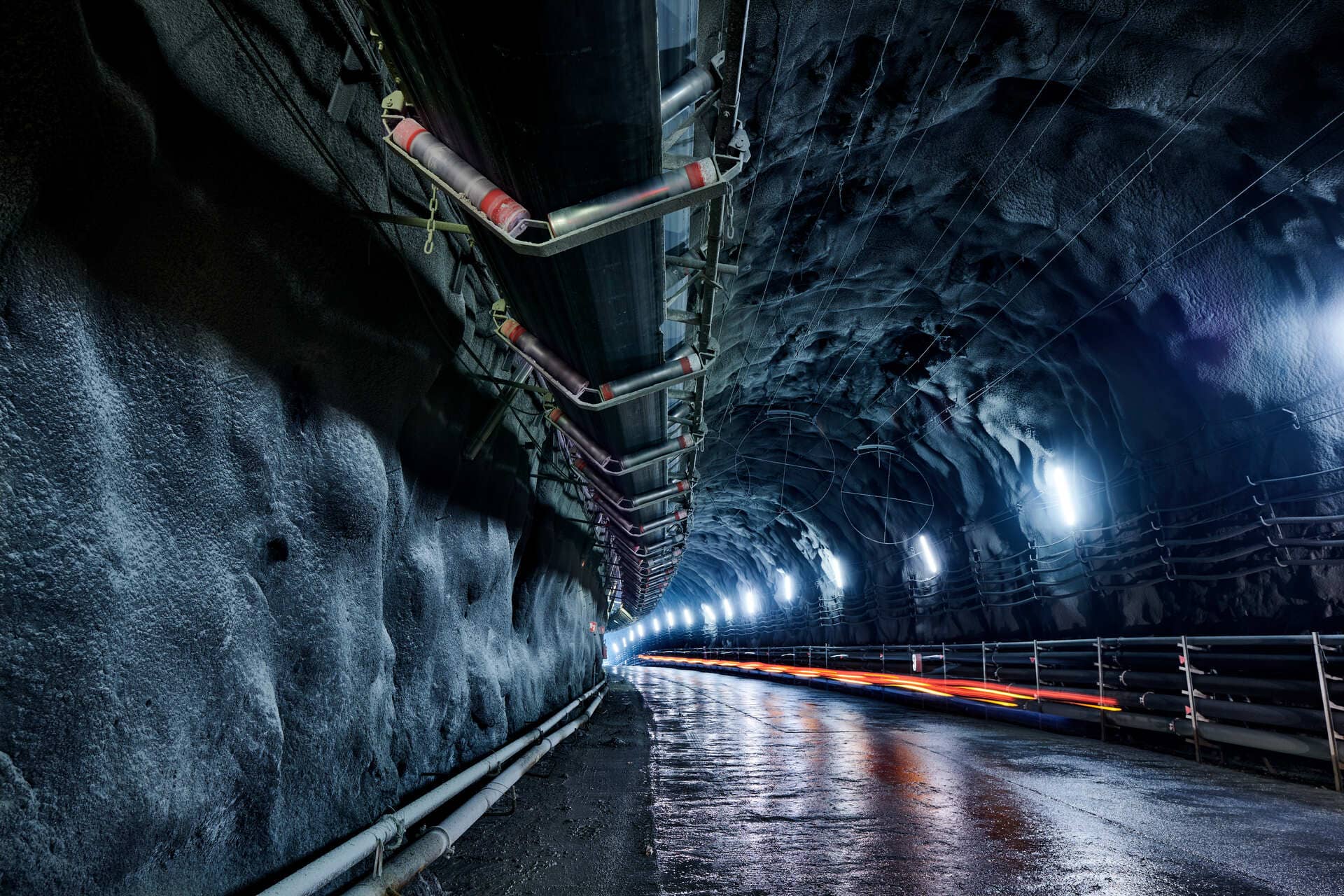 Brenner Base Tunnel construction site
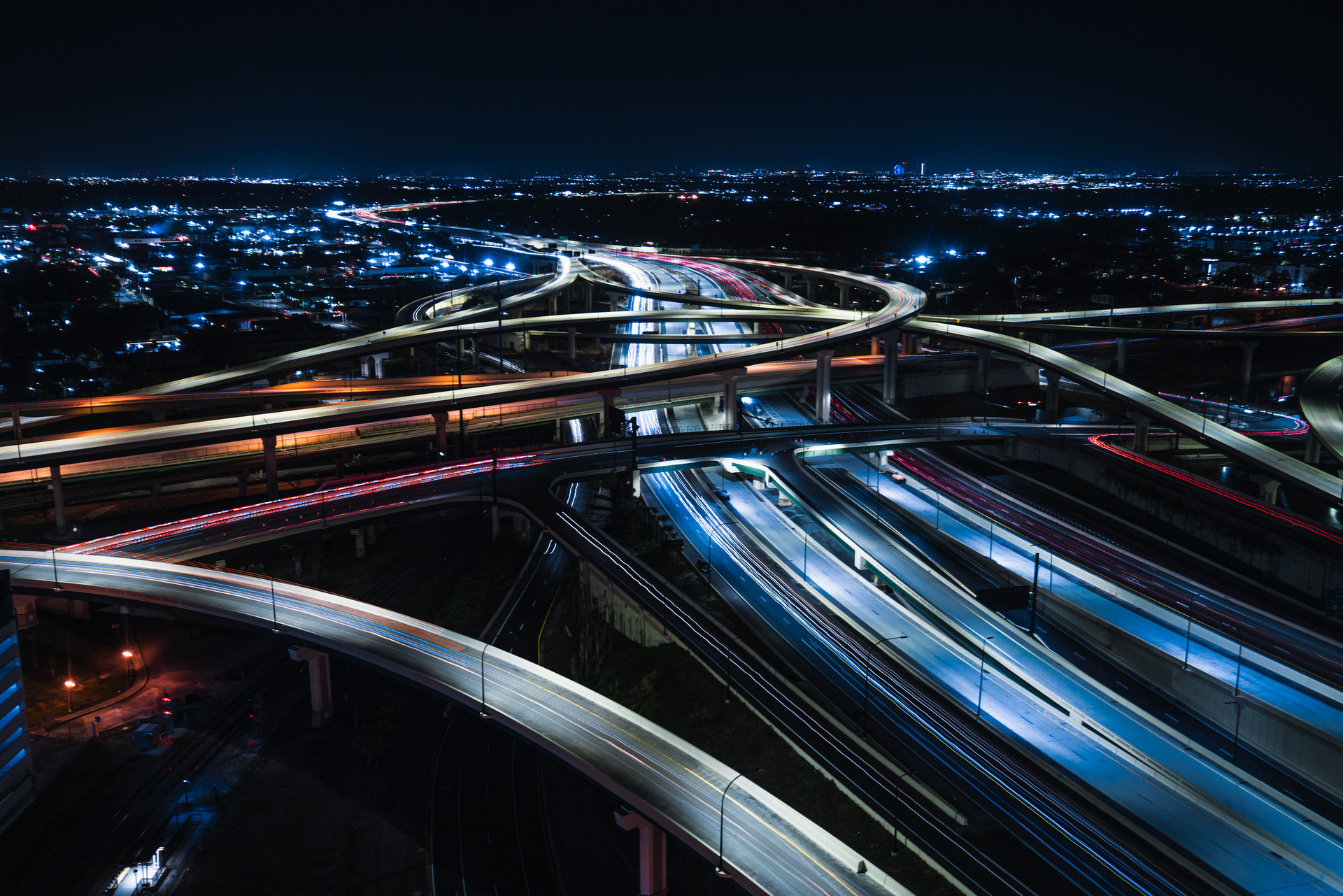 I-4 Ultimate Improvement Project, Orlando, Florida
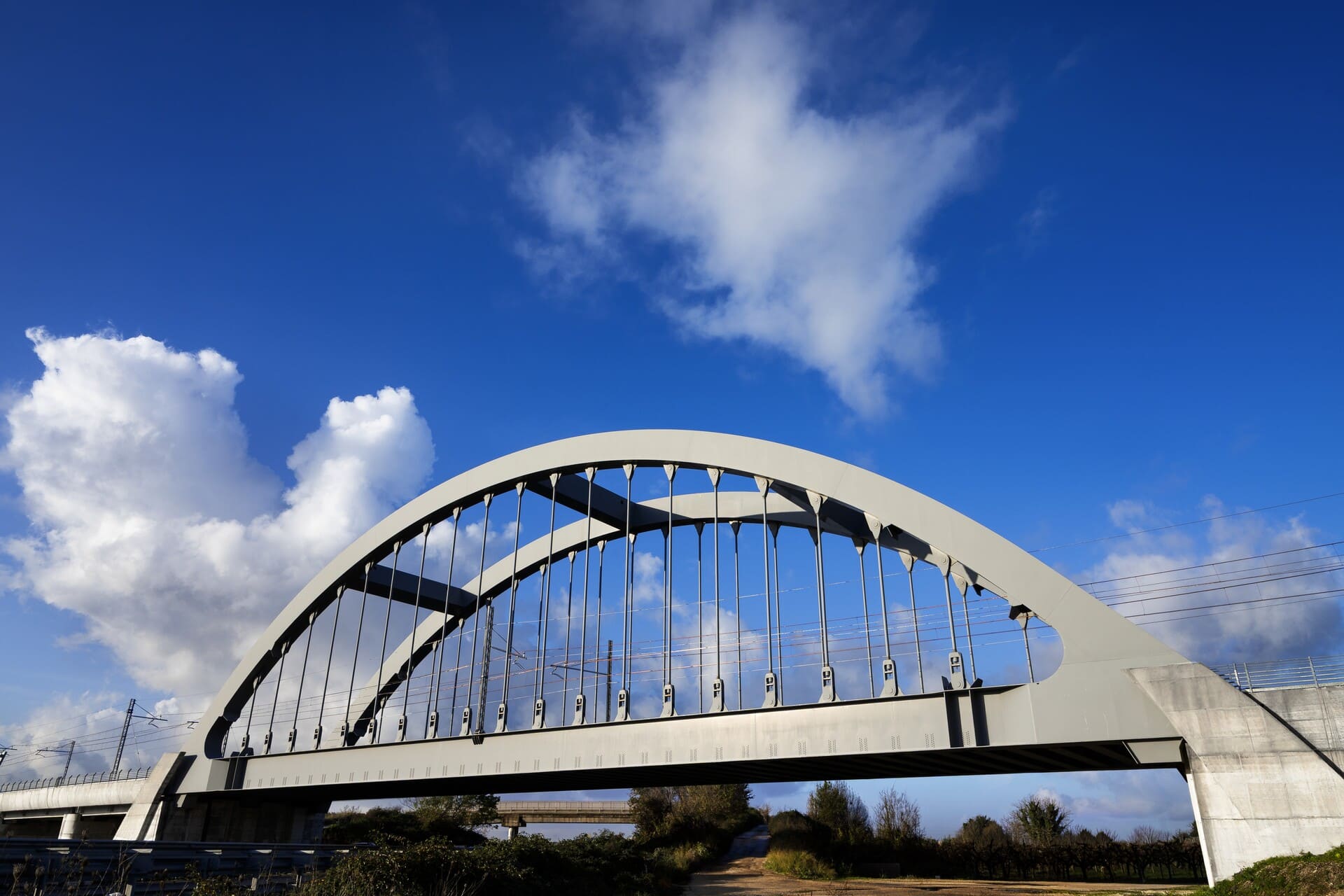 High-speed railway construction site, Naples-Cancello section
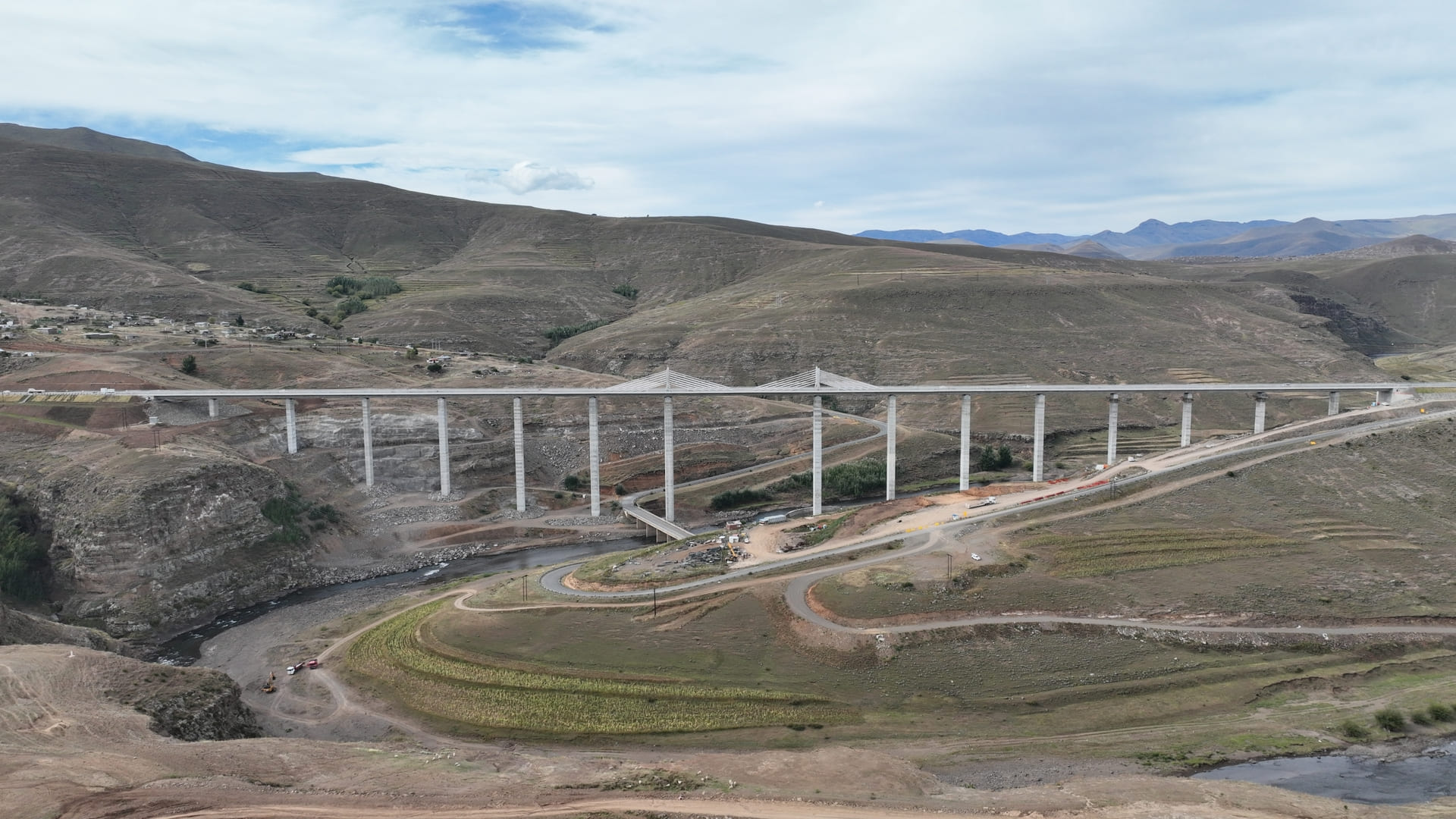 Senqu Bridge, Lesotho
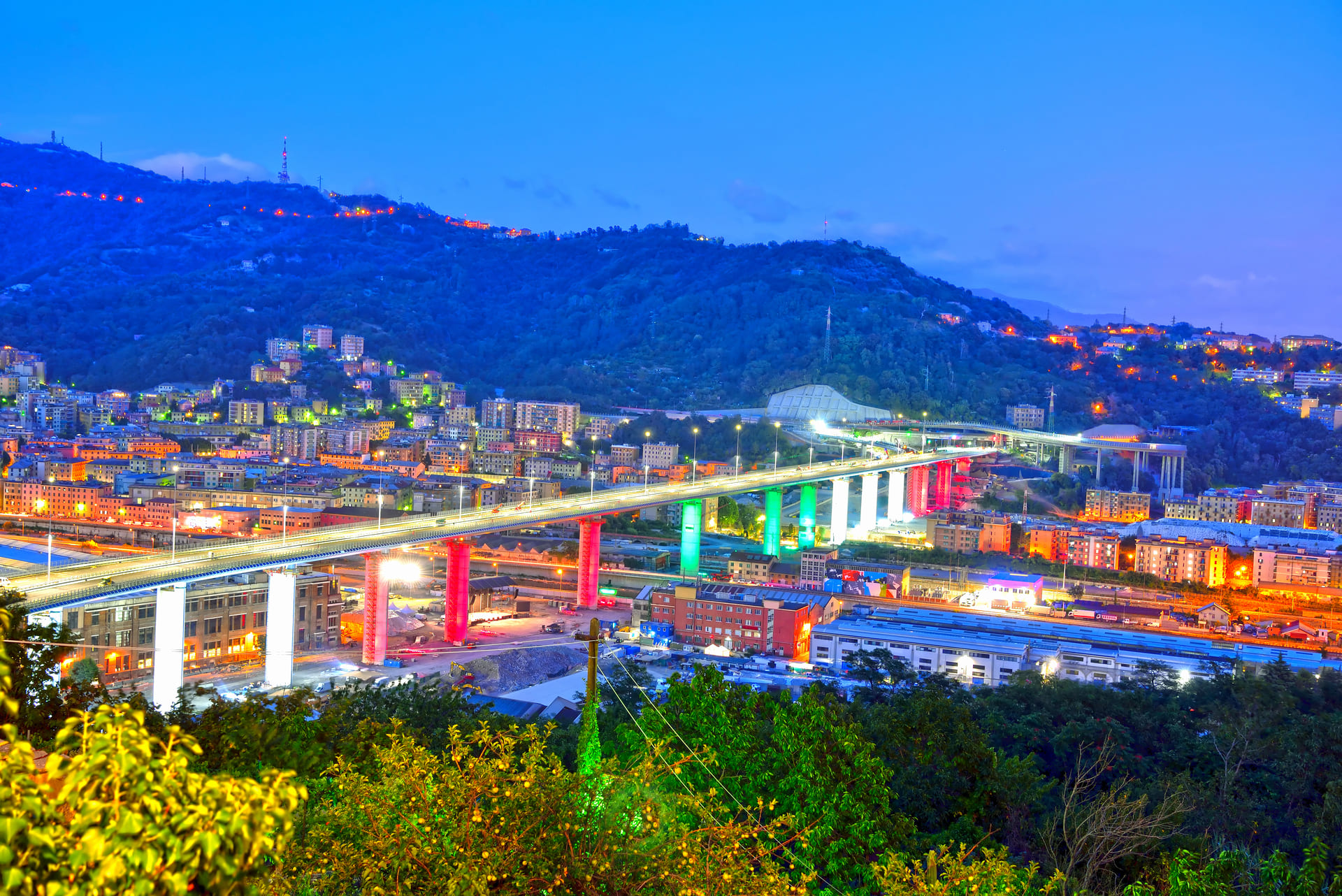 San Giorgio Bridge, Genoa
 Colosseo station, Metro Line C, Rome
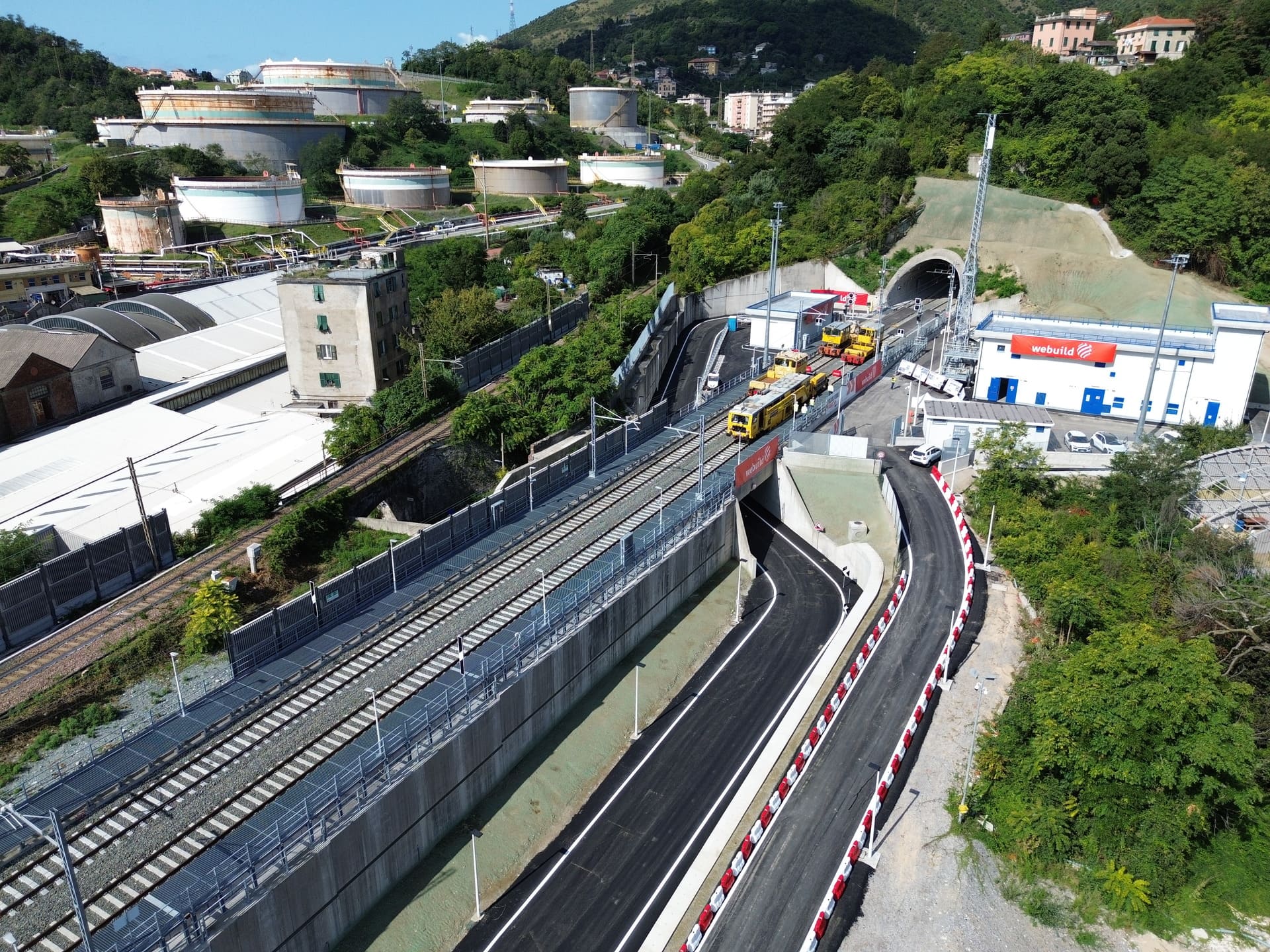 Terzo Valico dei Giovi construction site
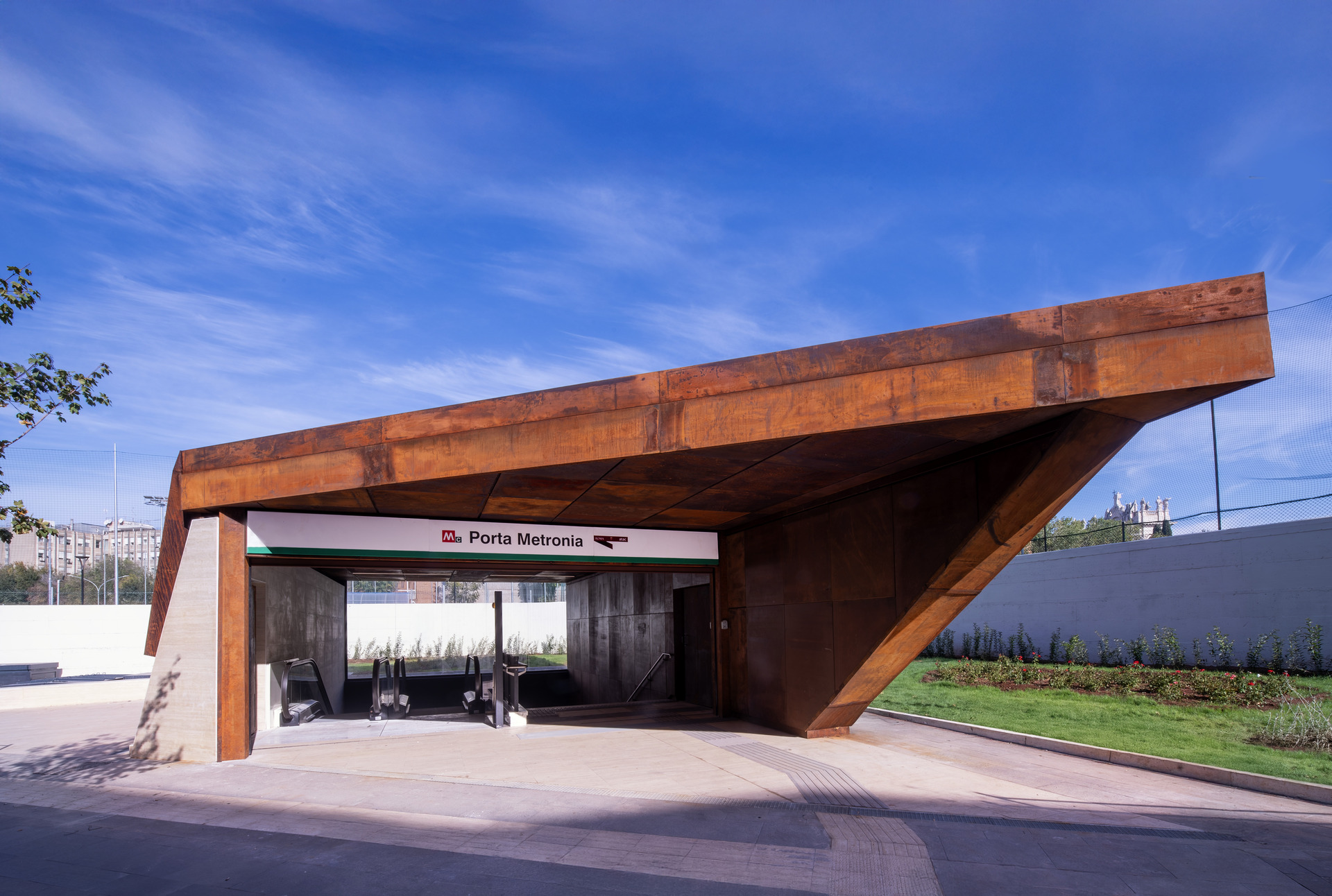 Porta Metronia station, Metro Line C, Rome
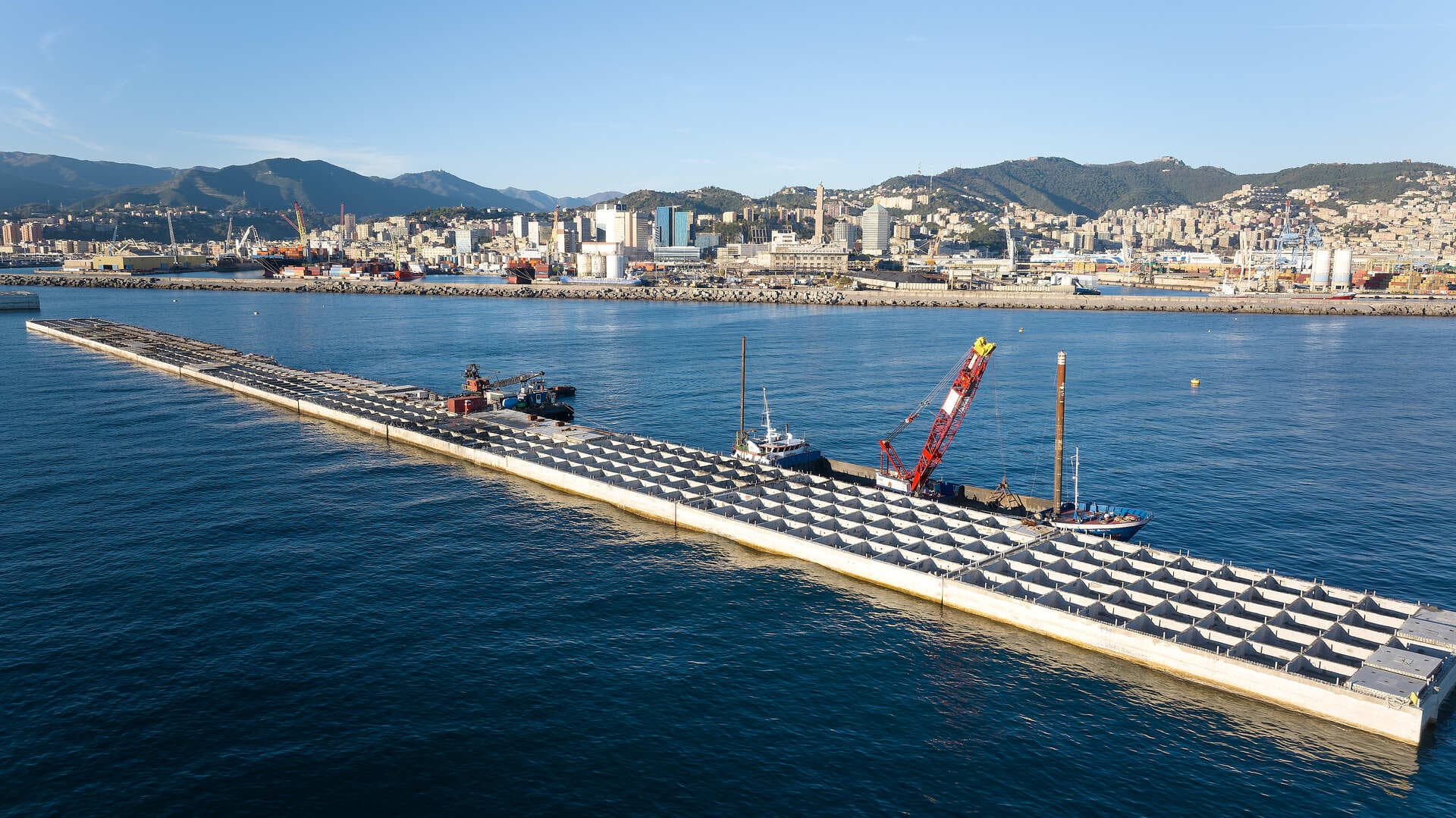 Genoa Breakwater construction site
- PwC foresees an unprecedented investment cycle for global infrastructure
- The transportation sector is seen receiving the most - a third - of the $151.1 trillion in total accumulated spending expected to be made by 2050
- The expansion of the high-speed rail network in Italy, a lot of it done by the Webuild Group, confirms the push towards sustainable mobility
- The energy sector stands to receive the second biggest amount of spending after transport
- Large public infrastructure works like the Grand Ethiopian Renaissance Dam (GERD), the largest of its kind in Africa, contribute to the growth in sustainable energy
read more

Roads. Railways. Tunnels. Bridges. These are some of the most obvious examples of public infrastructure. But despite their ubiquitousness, more of them need to be built.
How much more? A lot more – trillions of dollars more, according to PwC, the global professional services firm. “Global infrastructure is entering an unprecedented investment cycle,” it says.
Major Infrastructure Investment to Tackle Climate Change and Urbanization
In its latest outlook, PwC foresees a total of $151.1 trillion in accumulated investments being made by 2050 as cities and countries prepare to meet the challenges posed by urban migration, climate change and other megatrends.
“Countries …(need) to ensure they are fit for future purpose,” it says. And transportation is so important for preparing for these challenges that PwC sees it receiving a third of that staggering amount – more than any other sector reviewed for the outlook, including agriculture and defence.
“More people moving around… will require substantial investment in transport infrastructure—including the renewal of existing assets, as well as the maintenance and construction (of others),” it says.
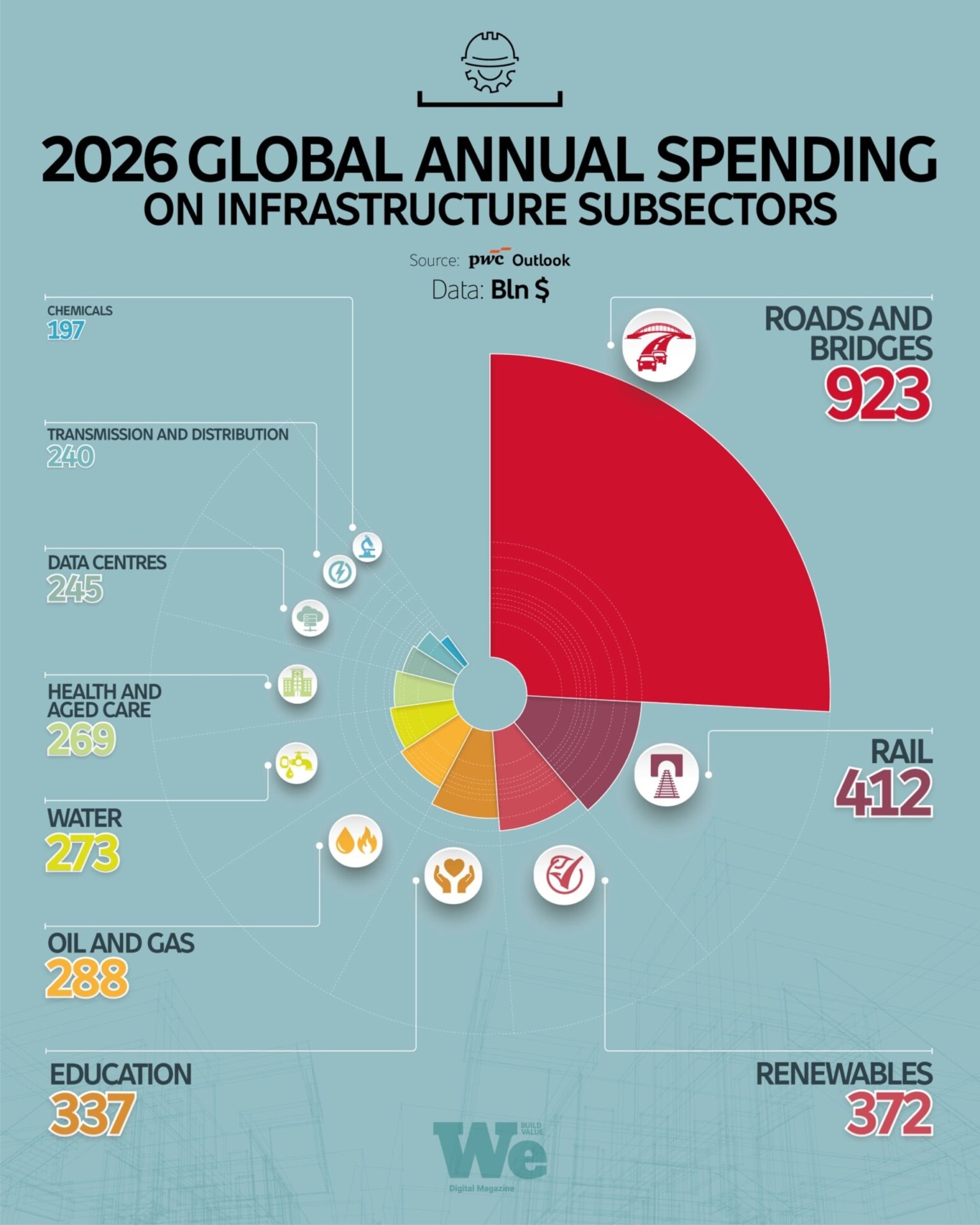
Of those accumulated $50 trillion that would be invested in transportation during the next 25 years, land infrastructure would receive the bulk of the total. Roads and bridges would make up 60.5 percent, or $30.6 trillion, while rail could get $14.1 trillion.
“(Rail transport will) be buoyed by urbanization and (its) status as a relatively low-carbon and efficient transport mode,” says PwC.
Roads, Bridges and Tunnels: From High-Speed Rail in Italy to Florida and Lesotho
Examples of investment in transportation infrastructure abound.
In the United States, the Florida Department of Transport in April awarded a $582-million contract to Lane Construction, a subsidiary of the Webuild Group, to rebuild and widen a five-kilometre stretch of the Interstate 4 highway.
More recently, the Senqu Bridge was inaugurated in the highlands of Lesotho. It crosses over a valley that will become part of the reservoir of a future dam.
In Italy, scores of tunnel-boring machines (TBMs) are excavating kilometres of tunnels to expand the country’s high-speed/high-capacity railway network to southern parts of the country including Puglia and Reggio Calabria. Many of these TBMs are being marshalled by Webuild.
Sensors and Robots for Infrastructure: The Case of San Giorgio Bridge in Genoa
However elementary roads, high-speed rail lines and other transport infrastructure might appear, they have all started to incorporate a digital component. And PwC says more of it is coming.
“The convergence of digital and physical infrastructure will create the resilient and sustainable mobility systems of tomorrow,” it says. “These transport systems will comprise integrated, multimodal infrastructure, combining roads, rail, ports, airports, and digital networks.”
The San Giorgio Bridge in Genoa set an example for future crossings. Built in just twelve months following the collapse of the Morandi Bridge, it has a web of sensors that monitor its soundness, while robots inspect and clean its deck on a regular basis.
Renewable Energy: More Reliable, Safe and Affordable Energy
In light of the growing demand for electricity, the energy sector that would receive the second biggest amount of investment after transportation would be power, according to PwC.
“(That would include) the fixed assets and structures used for the generation, storage, and distribution of electricity, including renewable assets, fossil fuel and nuclear power plants (with growing momentum behind small modular reactors), transmission and distribution… and battery storage.”
Annual spending would rise slightly faster than that for the transportation sector, up 79 percent from $631 billion in 2024 to $1.1 trillion in 2050, leading to an accumulated $25 trillion. “The growth reflects the fundamental global challenge of shrinking the world’s carbon footprint and ensuring reliable, secure, and affordable supplies of fuel and power,” says PwC.
One crucial component, renewable energy production, could see spending rise 52 percent, from $329 billion to $499 billion in 2050.
The ability to produce energy in a sustainable and perpetual way can have a massive impact on a country. In September, Ethiopia celebrated the inauguration of the Grand Ethiopian Renaissance Dam, also known as the GERD. With a production capacity of over 5,000 MW, it is the largest hydropower project in Africa.
The GERD not only helps the country reduce its reliance on fossil fuels for its development, but also transforms it into a regional energy hub, able to export electricity to neighbouring countries like Sudan and Kenya.
Renewal, Expansion, Resilience: China and Asia-Pacific Lead the Way
For PwC, the region that remains the engine of this growth in infrastructure investment is the Asia-Pacific. It saw it being responsible for more than 52 percent of the total amount that would be invested during the period to 2050.
“Advanced economies in the region, including Australia, Japan, New Zealand, and South Korea, are increasingly focused on the renewal of ageing assets, the expansion of digital and defence infrastructure, and the resilience of core networks,” it says.
“China will likewise pursue upgrades to its existing infrastructure and telecommunications networks. It will also focus on building out non-fossil energy systems, as well as energy transmission and storage facilities,” it adds.
Meanwhile, emerging economies such as India, Indonesia, the Philippines, and Vietnam were seen delivering some of the strongest growth in infrastructure investment due to young populations and rapid urbanization, among other factors.