


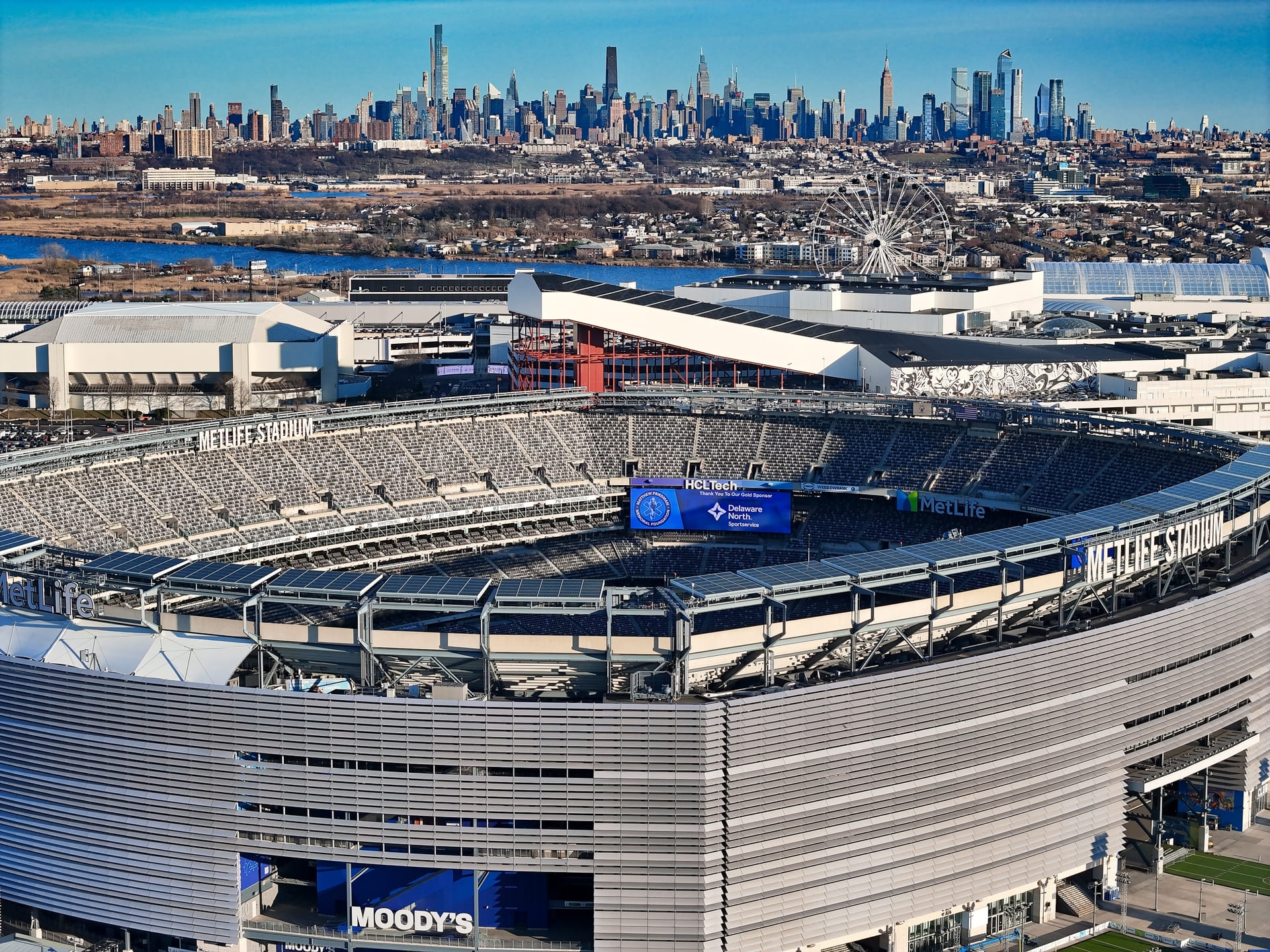
 MetLife Stadium, East Rutherford, New Jersey
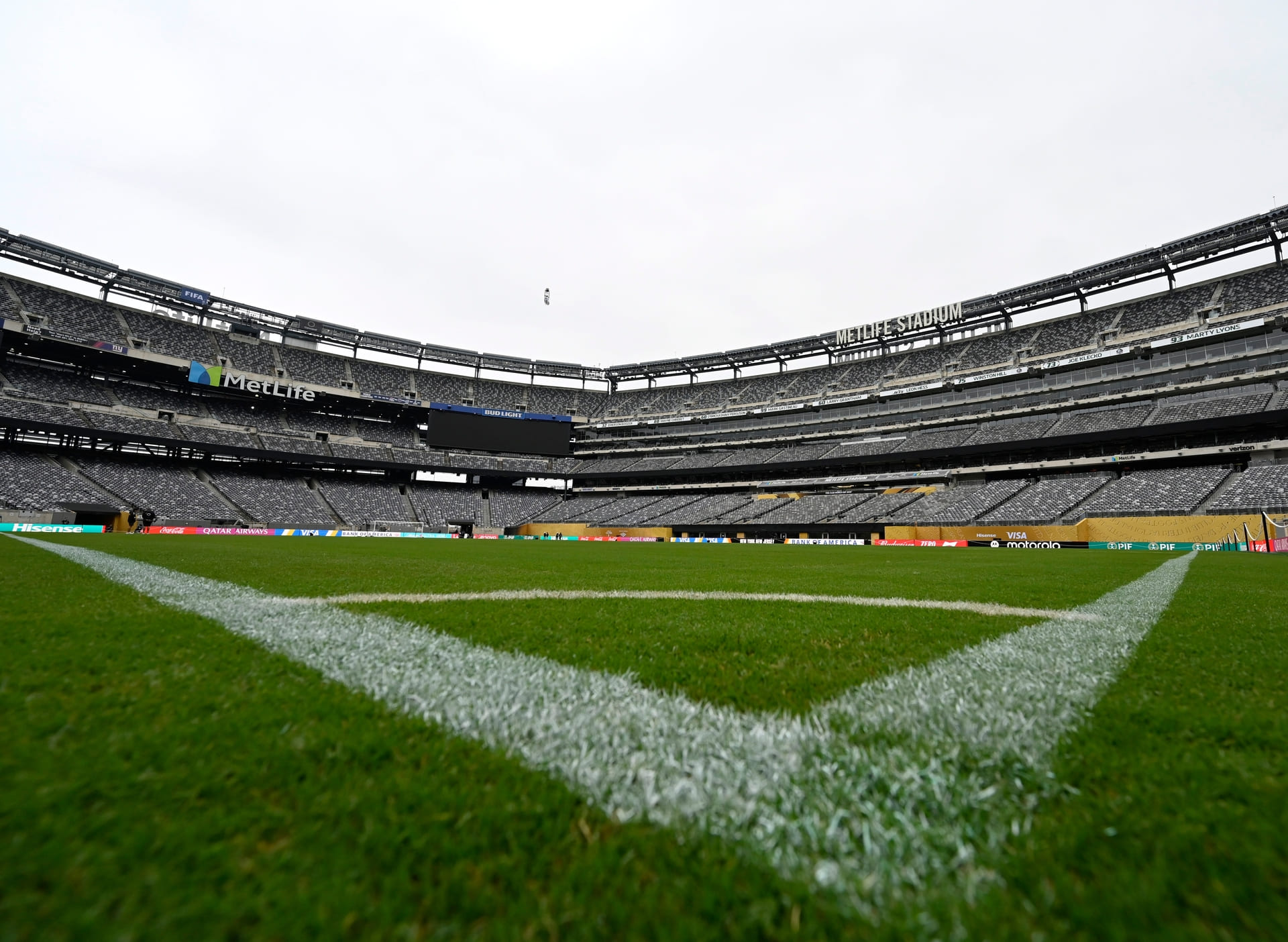 MetLife Stadium, East Rutherford, New Jersey
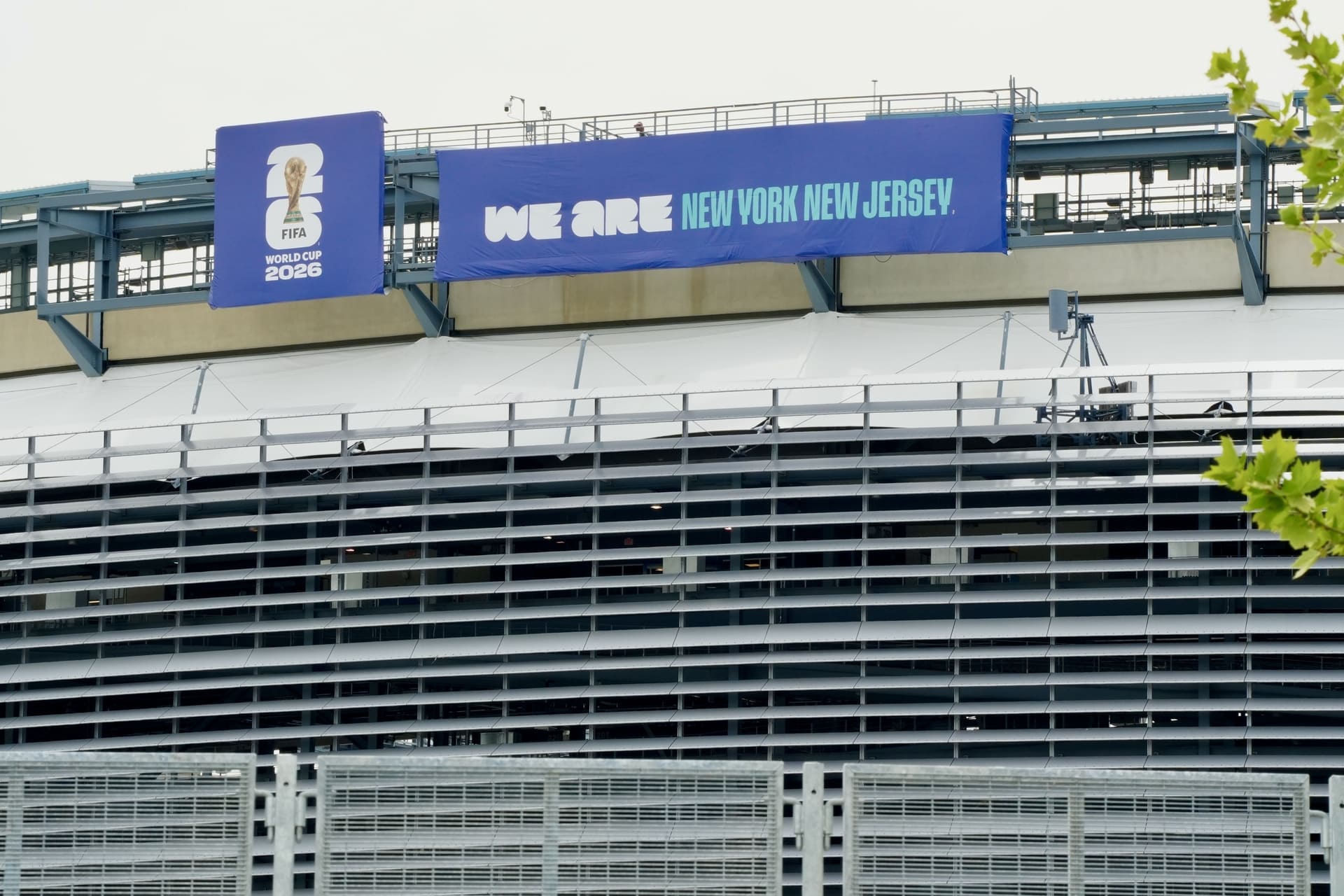 MetLife Stadium, East Rutherford, New Jersey
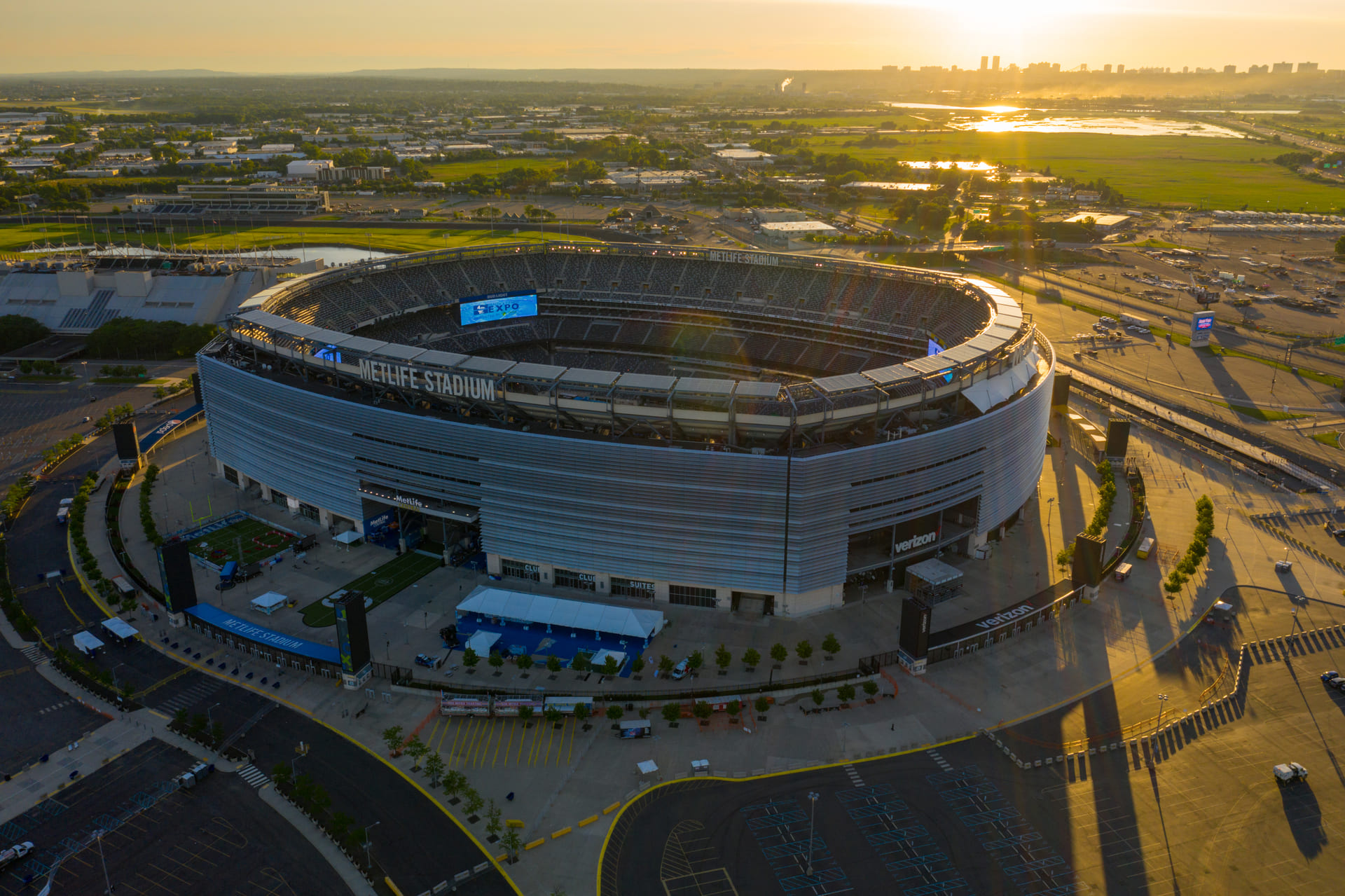 MetLife Stadium, East Rutherford, New Jersey
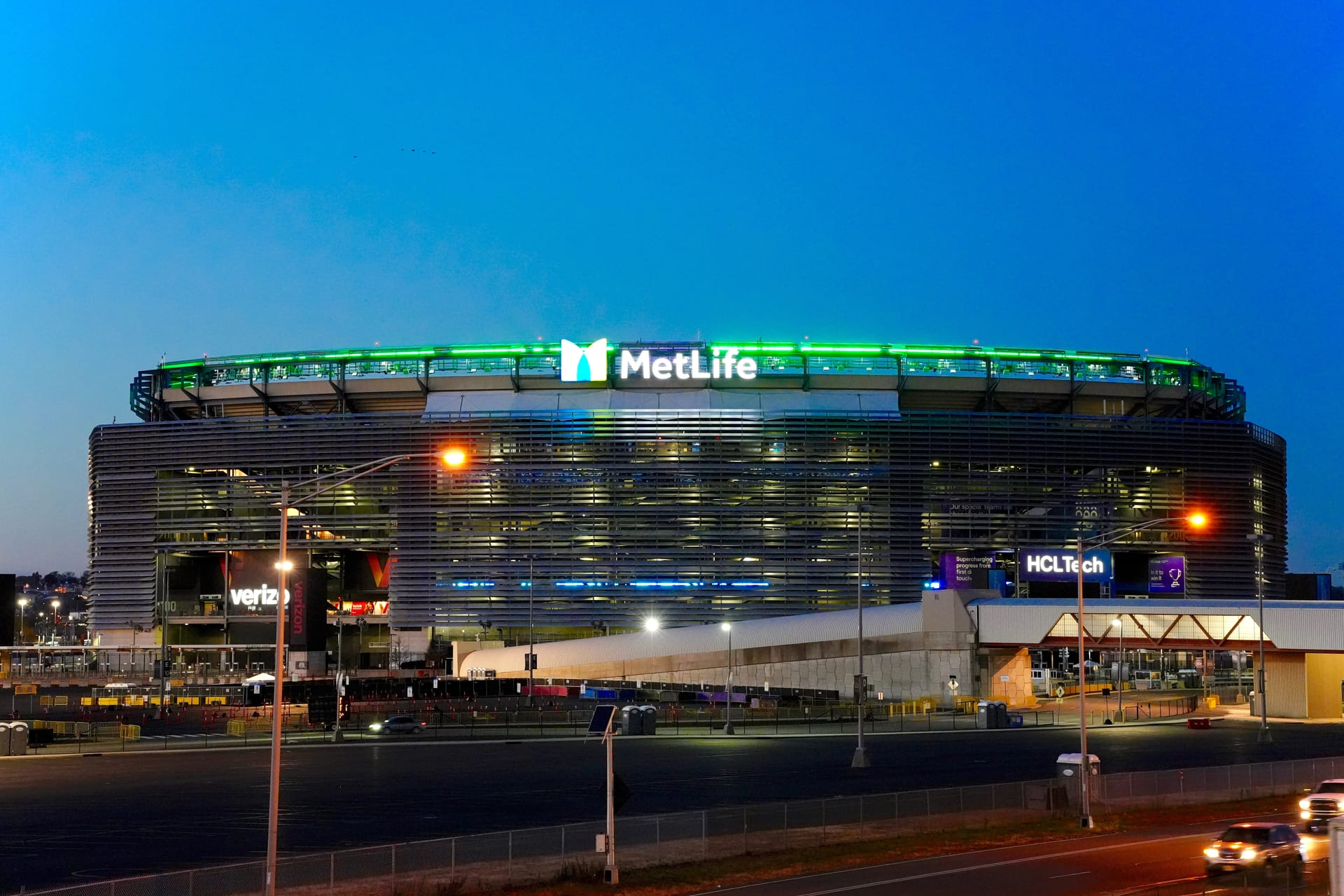 MetLife Stadium, East Rutherford, New Jersey
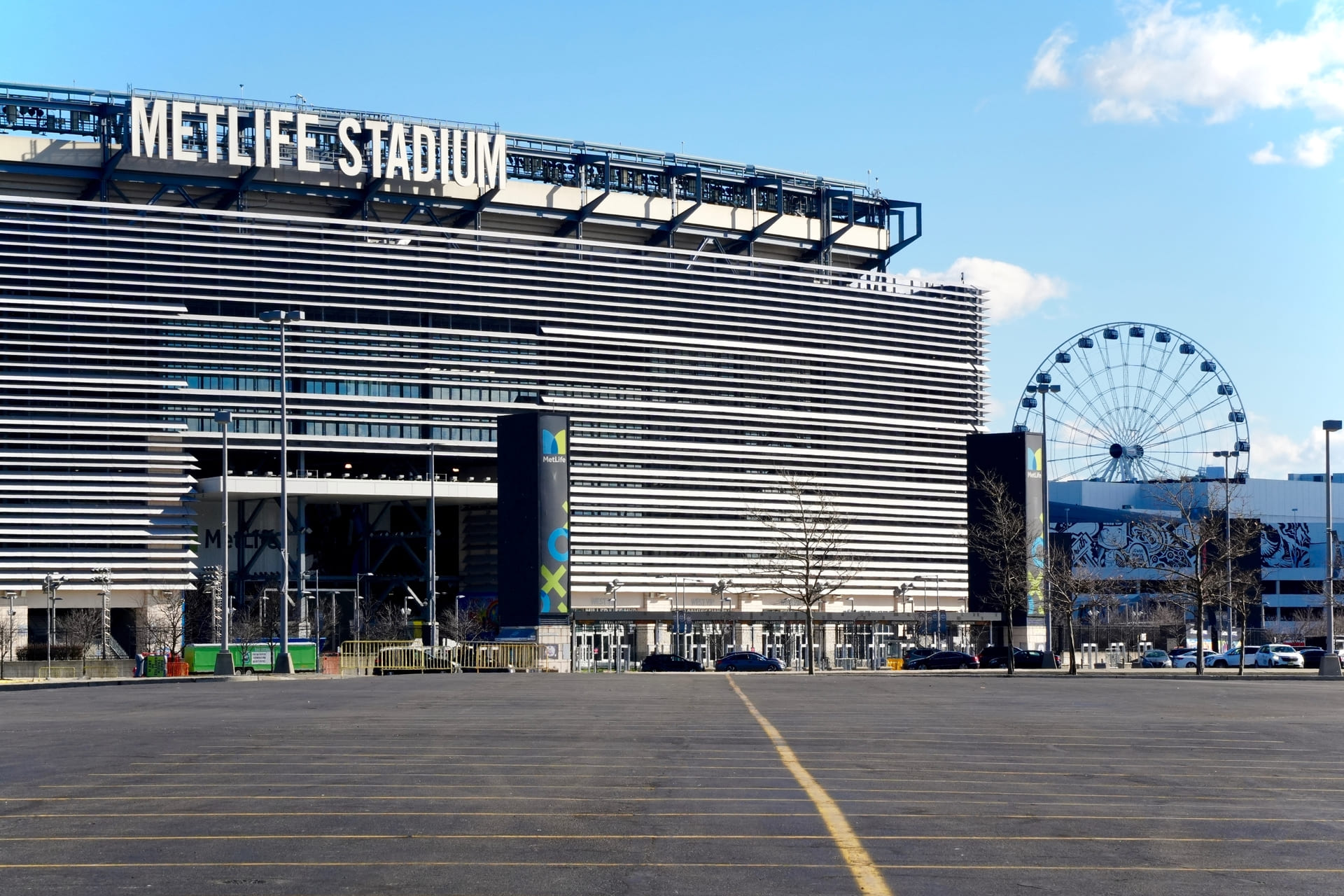 MetLife Stadium, East Rutherford, New Jersey
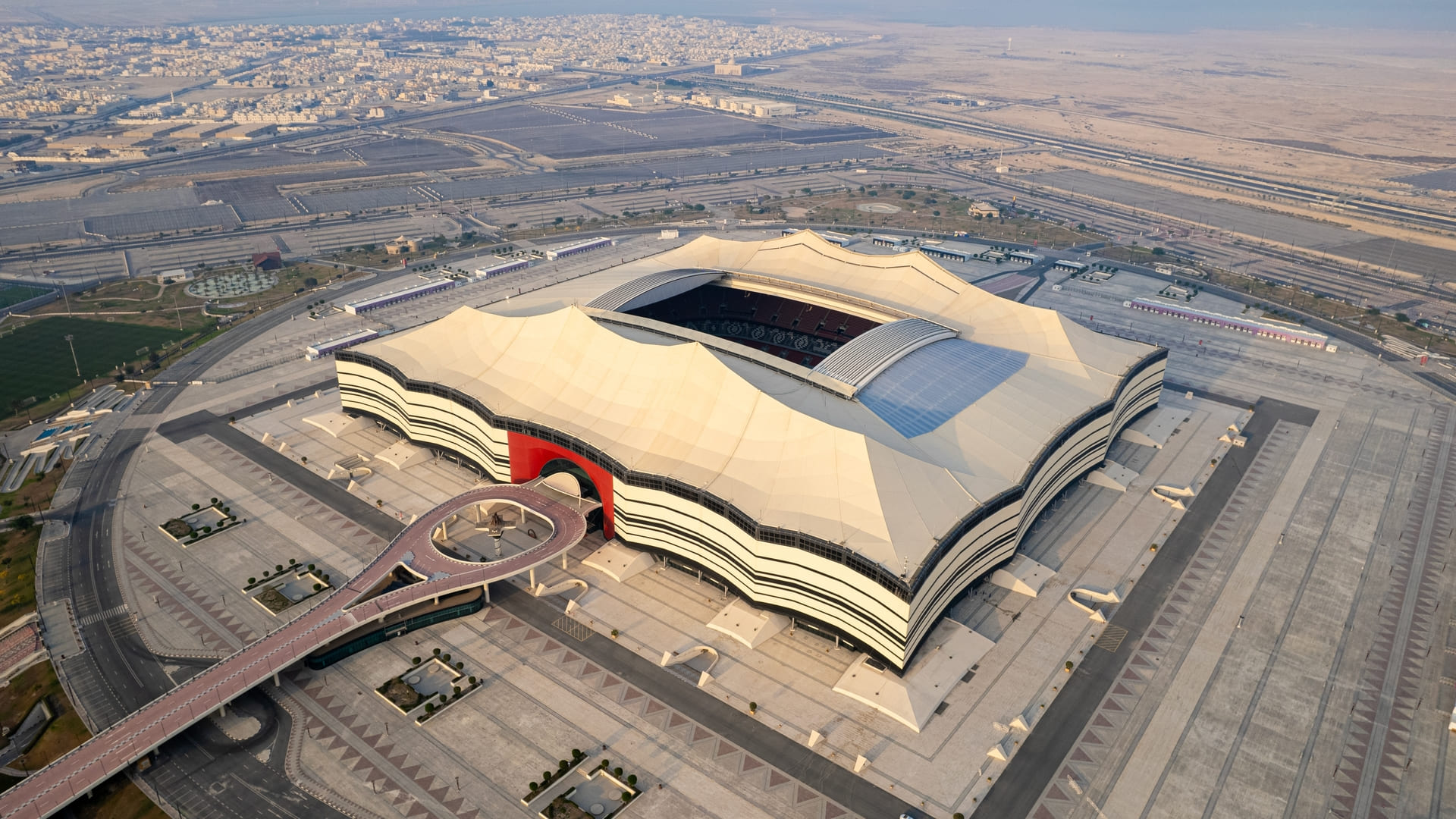 Al Bayt Stadium, Al Khor
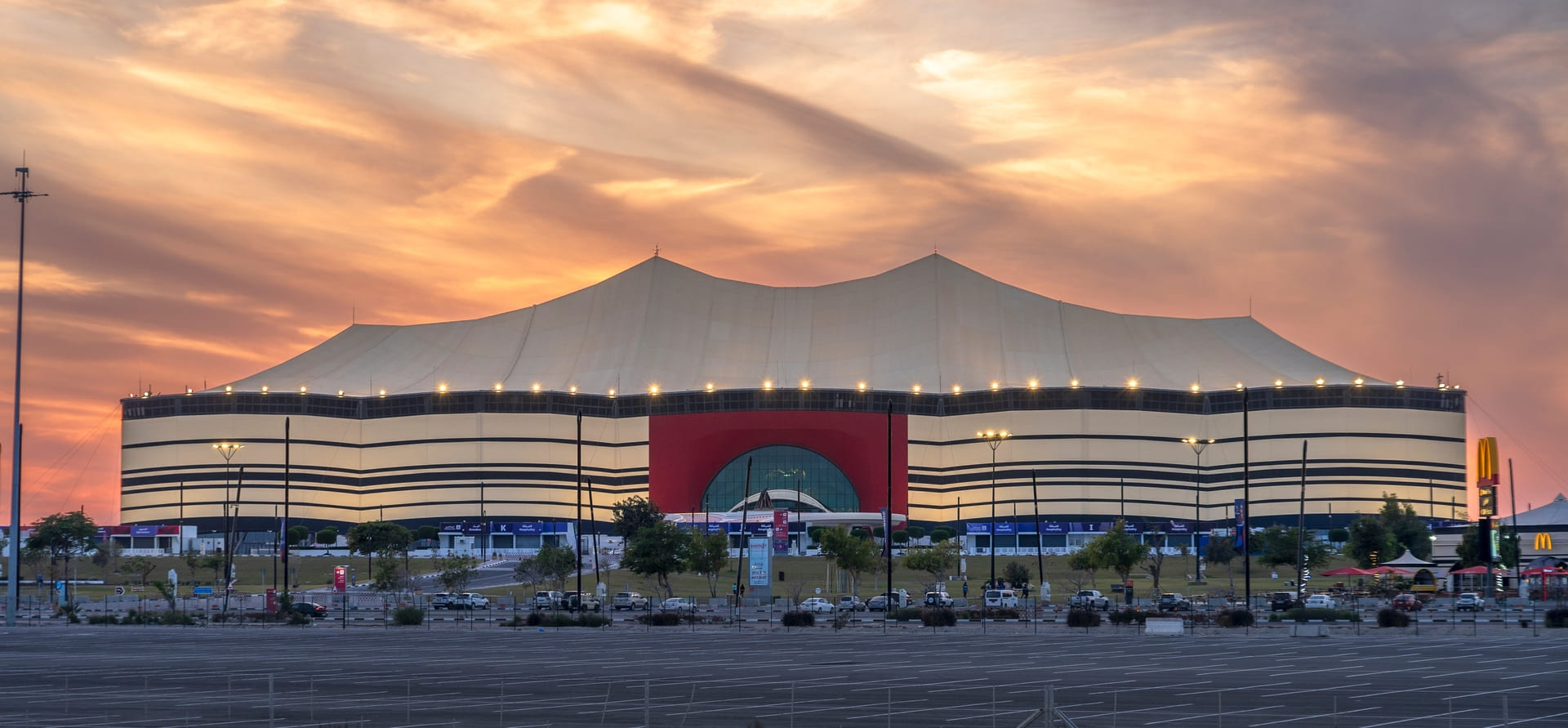 Al Bayt Stadium, Al Khor
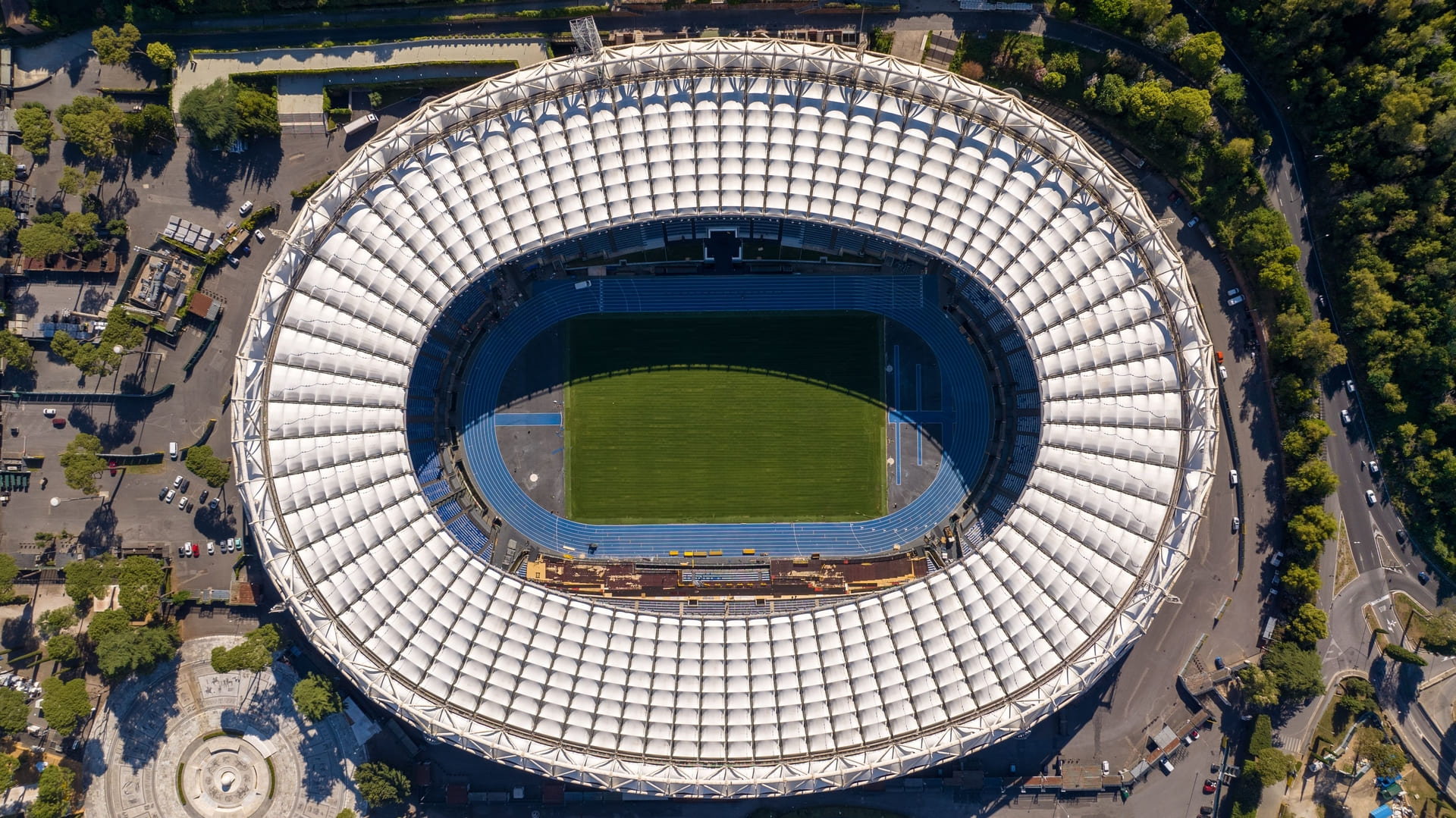 Olympic Stadium, Rome
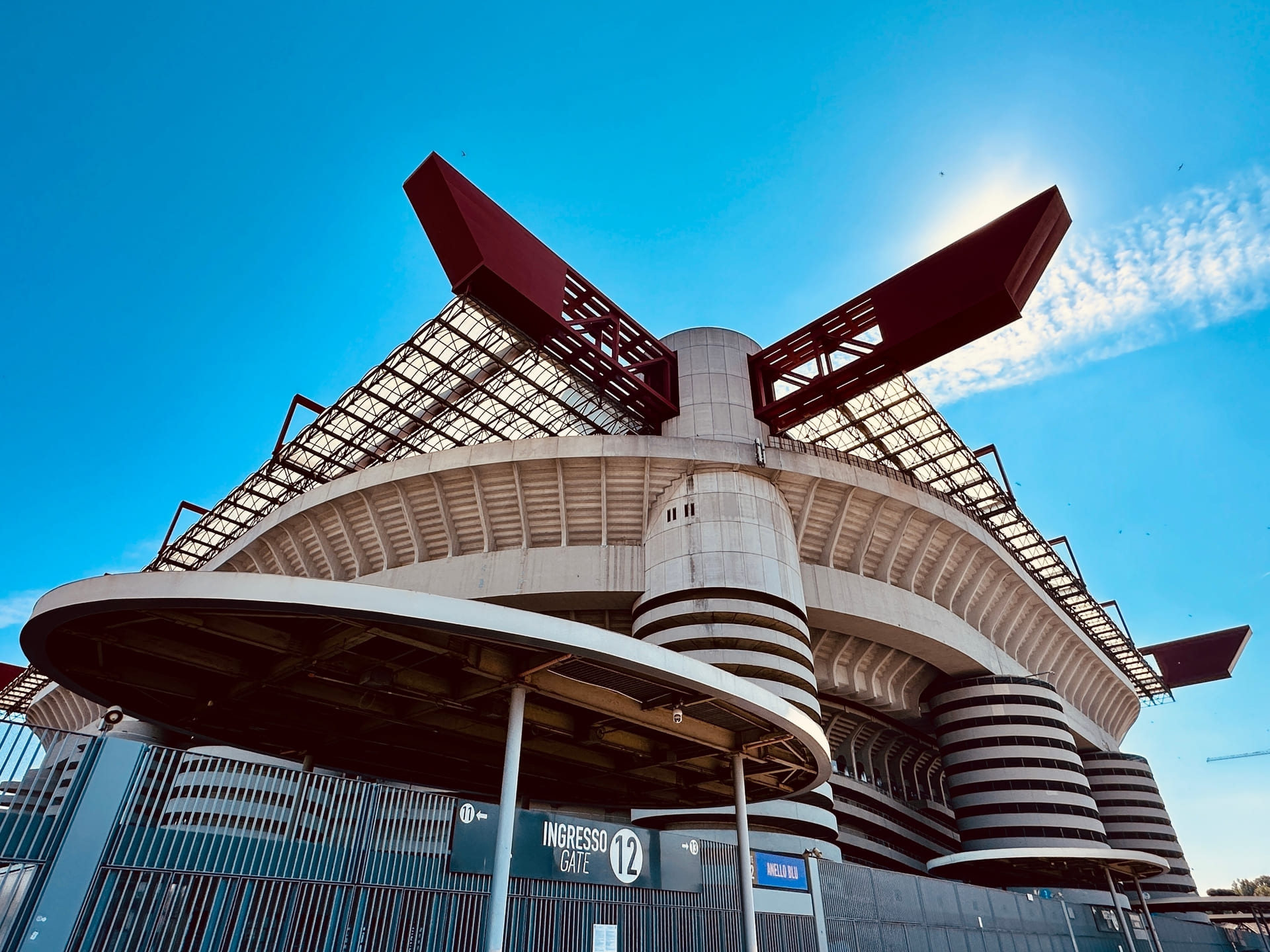 San Siro Stadium, Milan
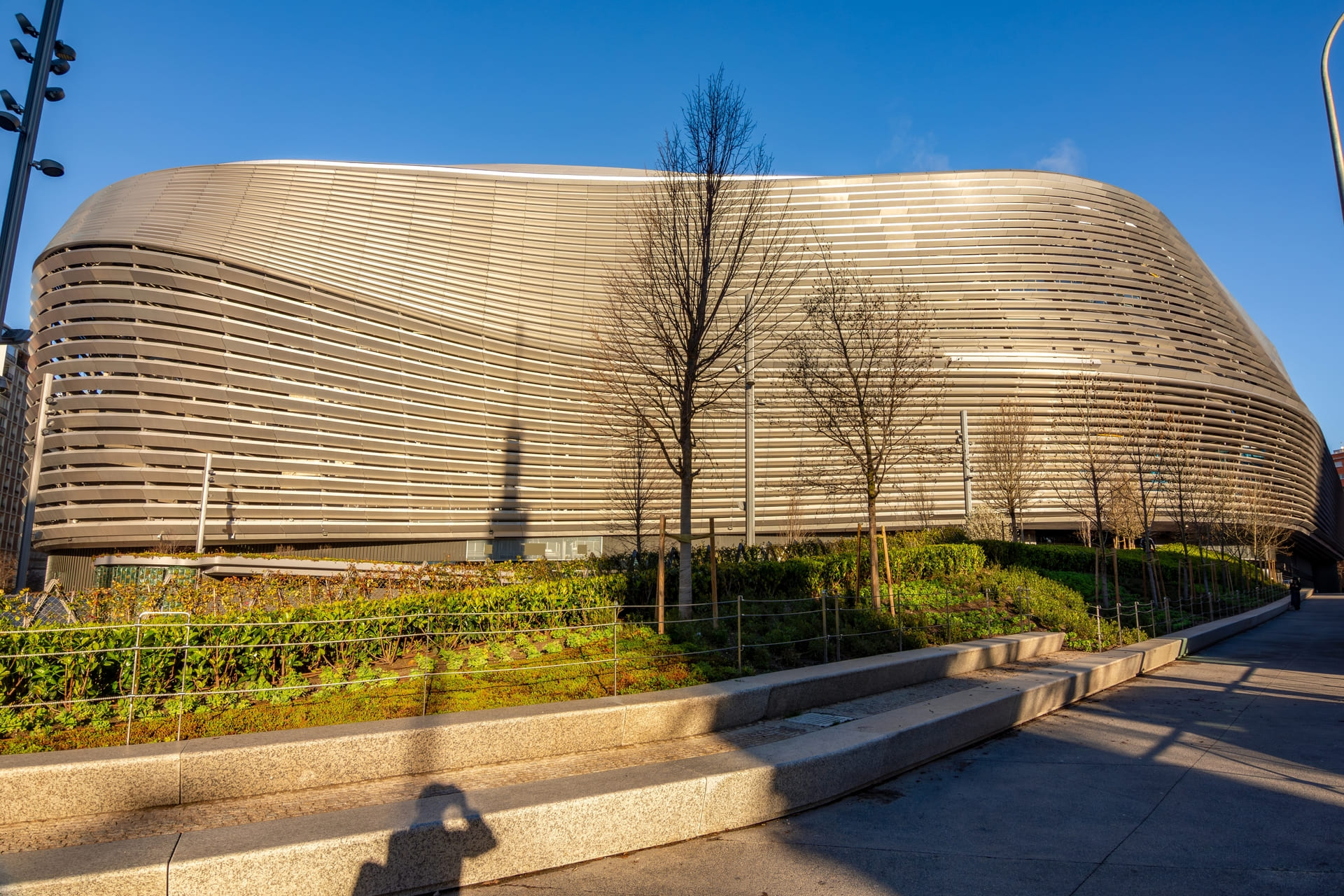 Santiago Bernabeu, Madrid
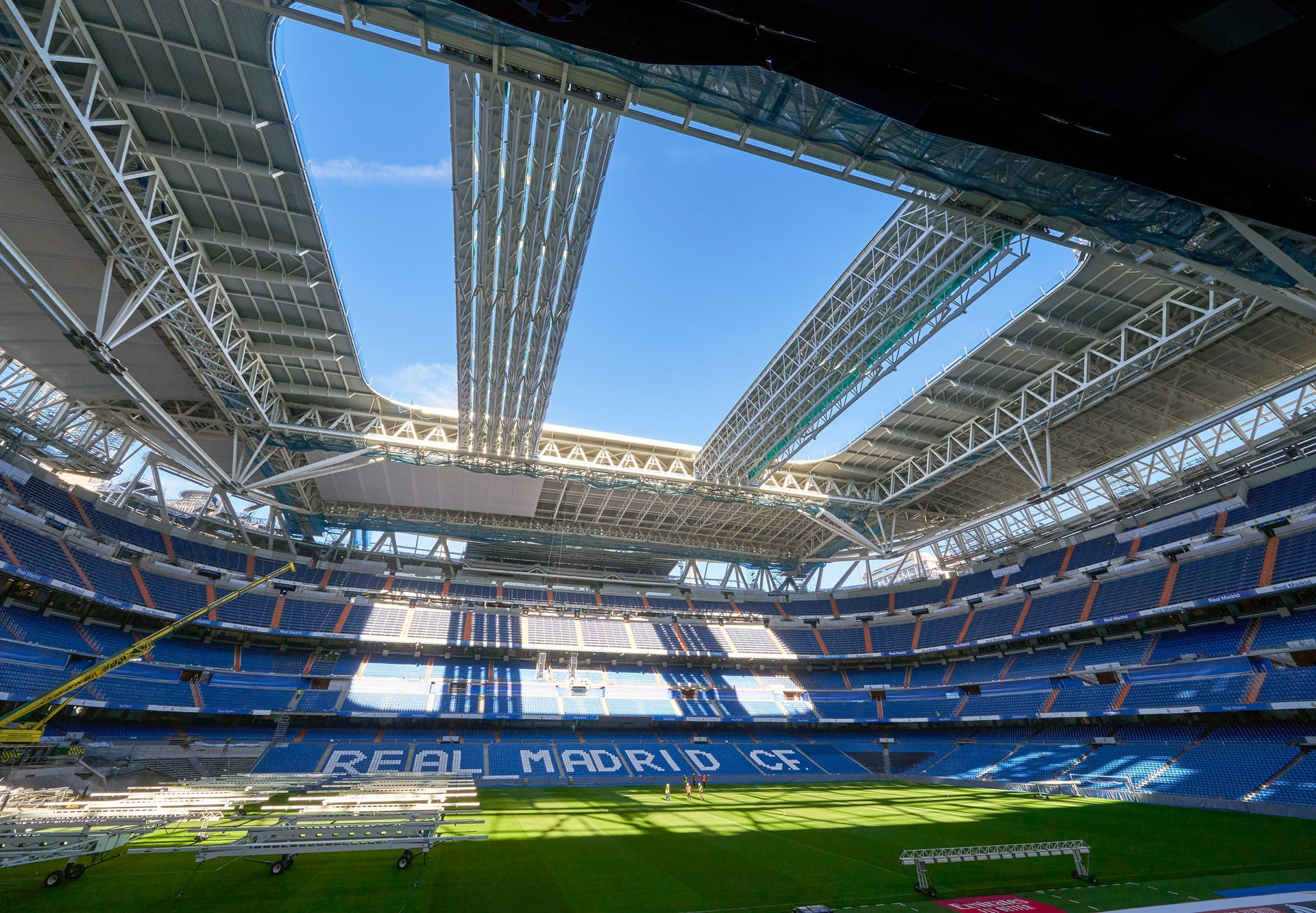 Santiago Bernabeu, Madrid
- On July 19, 2026, MetLife Stadium will host the final of the FIFA World Cup 2026, the first World Cup featuring 48 participating teams.
- Inaugurated in 2010, the stadium can accommodate over 82,000 spectators and is one of the largest sports venues in North America.
- For the FIFA tournament, the infrastructure was adapted to international soccer standards, confirming the flexibility of modern large-scale sports projects.
- Among the most innovative stadium models are the Tottenham Hotspur Stadium in London and the renovated Santiago Bernabéu in Madrid.
- Al Bayt Stadium, built by Webuild for Qatar 2022, represents an example of integration between engineering innovation, cultural identity, and environmental sustainability.
read more

The countdown has begun. On July 19, 2026, the eyes of the world will be on MetLife Stadium in East Rutherford, New Jersey, where the final of the FIFA World Cup 2026 will be played. This will be the first World Cup in history jointly hosted by the United States, Canada, and Mexico, and the largest ever, featuring 48 participating national teams and 104 scheduled matches.
For global soccer, it will be the concluding act of a tournament destined to break every record, while for MetLife Stadium, it will represent the ultimate consecration as one of the great sporting cathedrals of the 21st century, having already hosted events such as the Super Bowl, the final of the Copa América Centenario, and numerous international events.
MetLife Stadium: The Home of New York's NFL Teams Becomes the Capital of the World
With a capacity exceeding 82,000 spectators, MetLife Stadium is one of the largest stadiums in North America. Built within the Meadowlands Sports Complex, just a few miles from Manhattan, it is the home of New York’s two NFL franchises, the New York Giants and the New York Jets.
FIFA’s choice was no accident. MetLife is located at the center of the largest metropolitan area in the United States and can rely on a logistical network capable of welcoming hundreds of thousands of visitors from all over the world.
To qualify as a World Cup stadium, the facility was also brought up to FIFA standards, featuring the installation of a natural grass field and modifications that allow the dimensions of the playing surface to be widened compared to the configurations normally used for American football.
Some corner seating has been removed specifically to ensure the width required by international soccer, while access systems and public transportation have been significantly upgraded, with new dedicated lanes and special connections designed to manage the influx of tens of thousands of fans on match days.
Beyond the FIFA World Cup 2026: A Machine Worth Over a Billion Dollars
When it was inaugurated on April 10, 2010, MetLife Stadium represented one of the most significant sports investments of its era. The project required investments of approximately $1.6 billion and was conceived as a sports venue shared by two professional teams – a rare solution within the American landscape.
The true complexity was not merely structural, as the project had to integrate different sporting requirements, guarantee maximum flexibility of use, and ensure high standards of safety and accessibility for millions of visitors each year.
Like many contemporary large-scale projects, MetLife demonstrates how stadiums have now become multifunctional infrastructure facilities that generate economic development, attract investment, and transform entire urban areas.
From San Siro to Tottenham Hotspur Stadium: When Stadiums Become Major Infrastructure Projects
Over the course of the last century, stadiums have assumed an increasingly strategic role in urban development.
This is demonstrated by iconic facilities such as San Siro in Milan and the Stadio Olimpico in Rome – both of which underwent profound restyling projects for the World Cup hosted by Italy in 1990 – as well as modern venues like the Tottenham Hotspur Stadium in London, which cost approximately one billion pounds and features an innovative retractable pitch, and the renovated Santiago Bernabéu in Madrid, transformed into a multifunctional platform for sports, shows, and entertainment.
This represents a true evolution, first and foremost an engineering one, which has placed topics such as sustainability, cultural identity, and infrastructure innovation at its core.
Indeed, stadiums are community hubs, tourist attractions, employment generators, and engines of urban regeneration. This is why their design requires expertise ranging from structural engineering to mobility, and from safety to environmental sustainability.
The Example of Al Bayt Stadium: Qatar 2022 as the Sustainability World Cup
Among the most innovative stadiums built in recent years is the Al Bayt Stadium in Al Khor, Qatar, constructed by the Webuild Group for Qatar 2022.
With a capacity of approximately 60,000 seats, the sports venue was designed drawing inspiration from the traditional Bedouin tents that for centuries characterized the Qatari desert landscape. The result is a highly technological structure that combines cultural identity and engineering innovation.
Beyond this, however, Al Bayt Stadium represents, above all, a model of sustainability. During design and construction, low environmental impact materials and advanced solutions for energy efficiency and resource management were adopted. These features allowed the facility to obtain the most prestigious certifications from the Global Sustainability Assessment System (GSAS), becoming an international benchmark for sustainability in the sports sector.
The design was also conceived according to a long-term approach. Certain parts of the infrastructure can be reconfigured after major events, reducing the risk of over-sizing and fostering a more efficient use of space.