


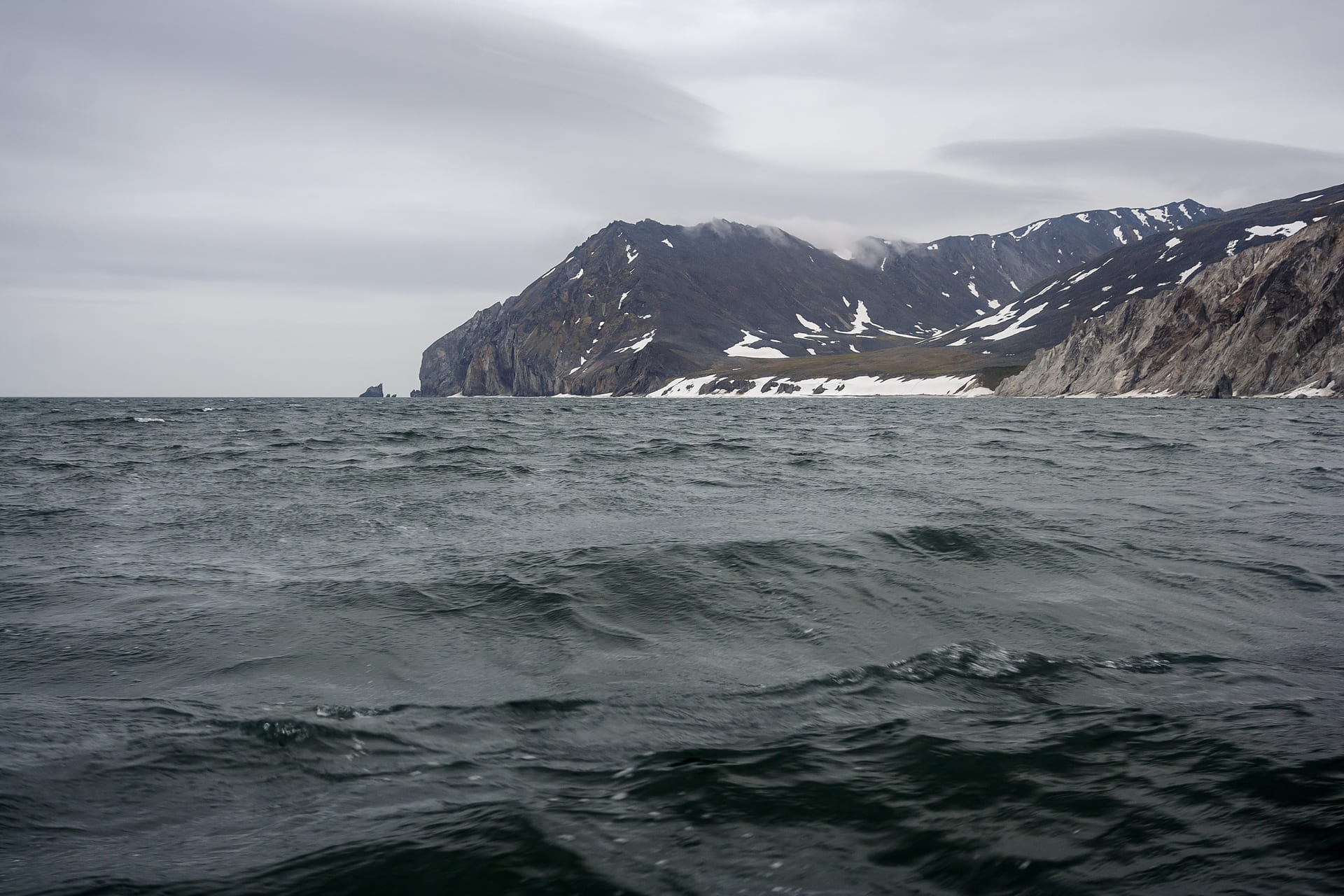
 Bering Strait and Cape Dezhnev
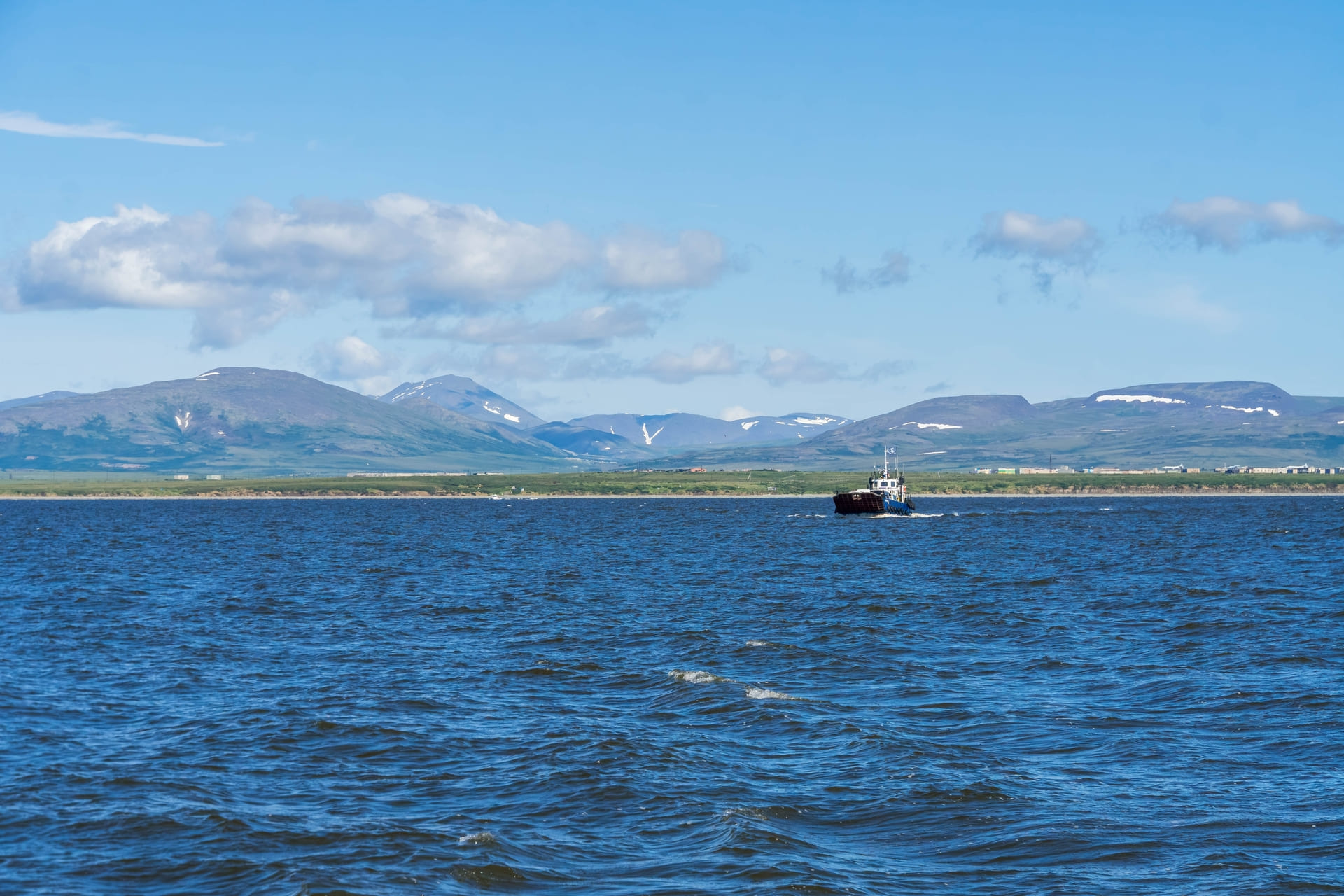 Bering sea
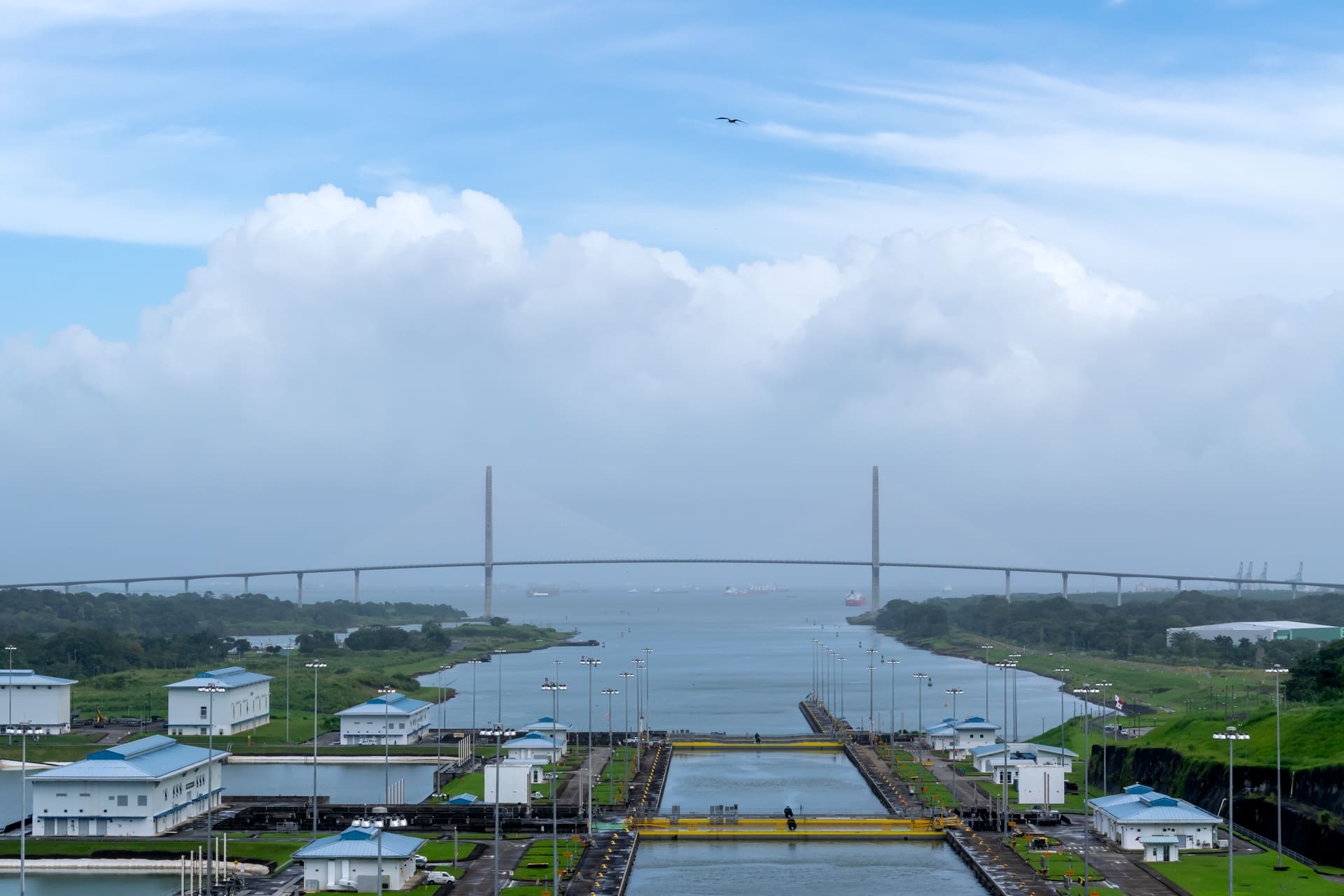 Clara and Gatun Locks of the Panama Canal
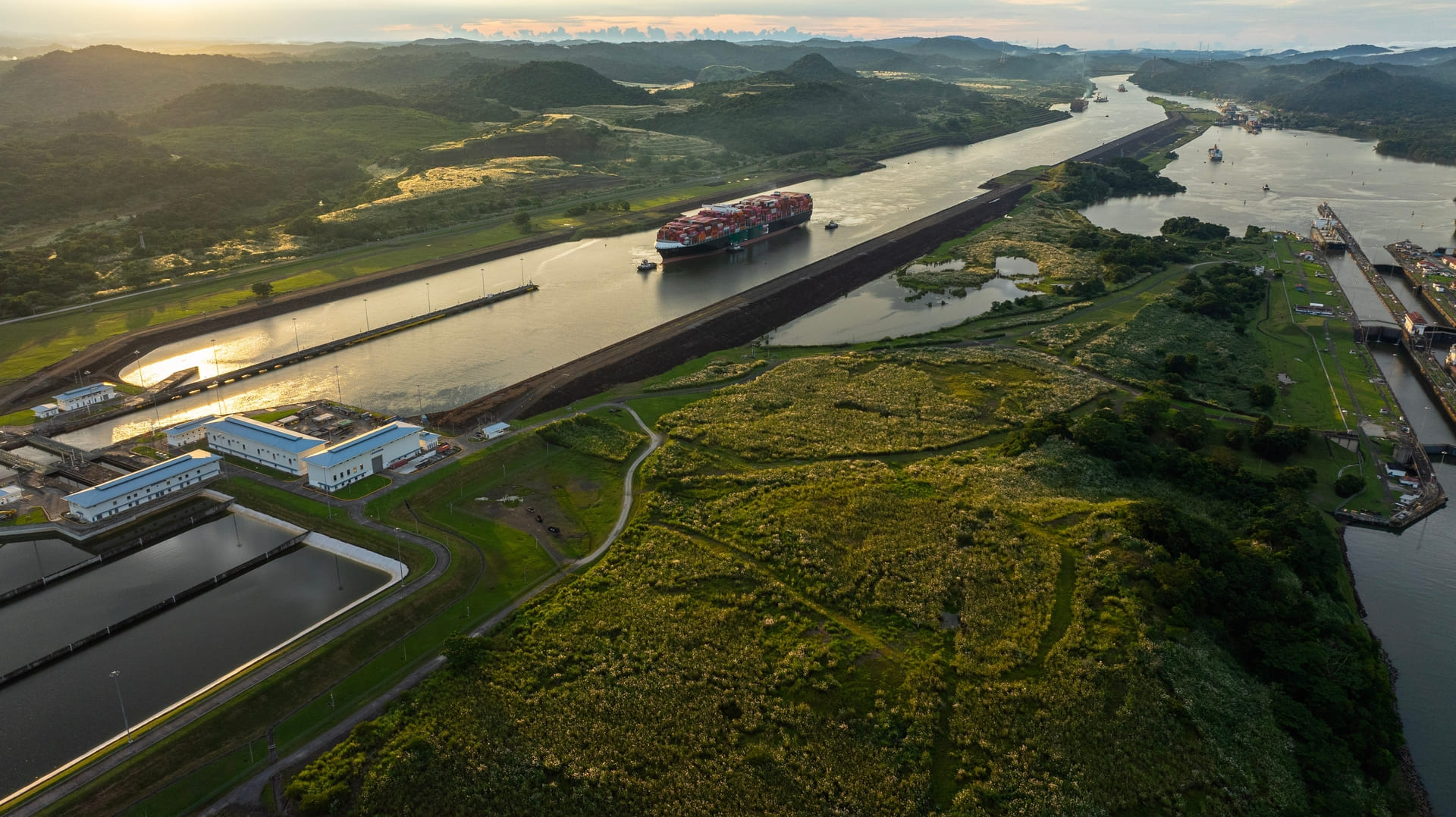 Panama Canal
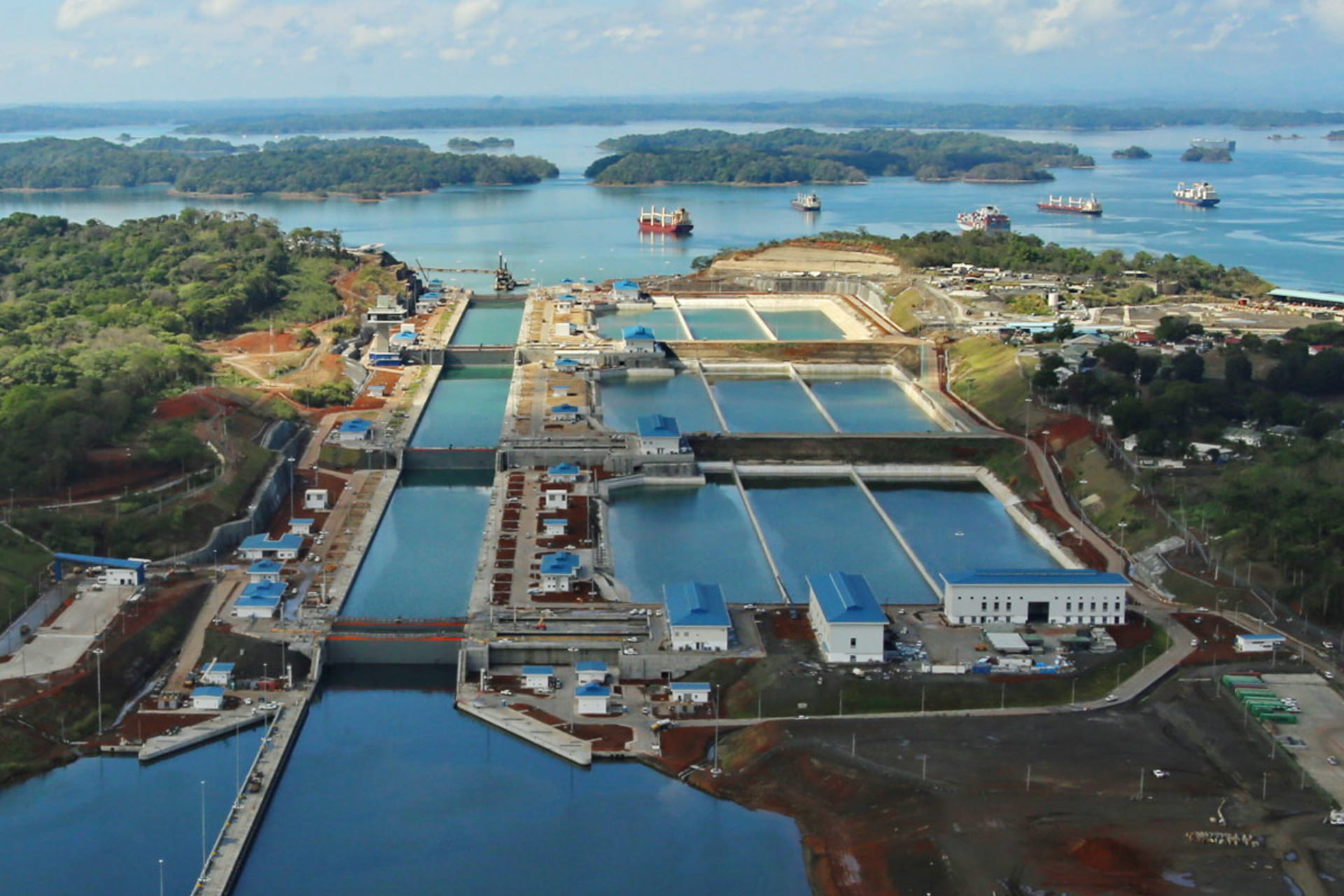 New Panama Canal
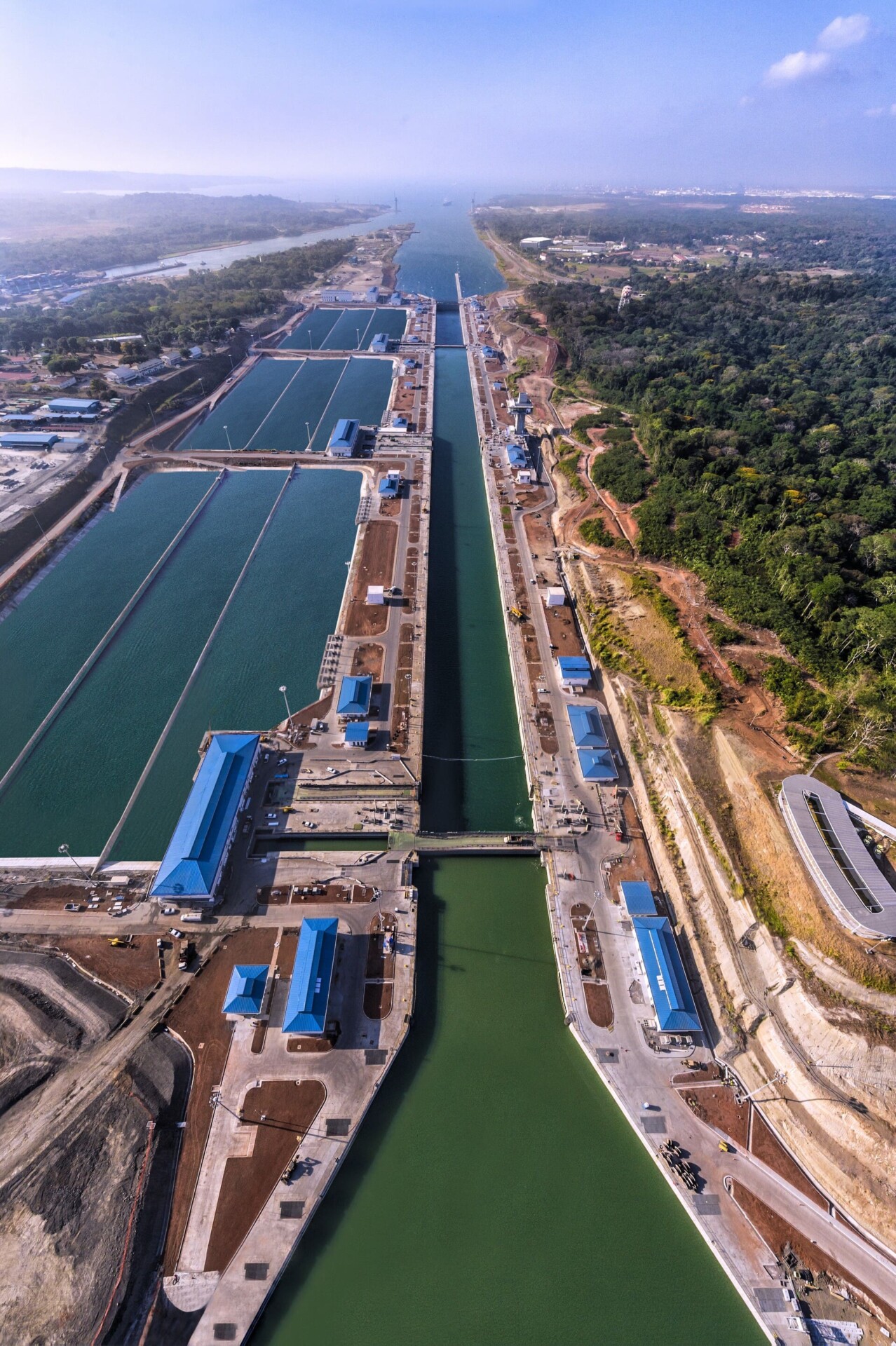 New Panama Canal
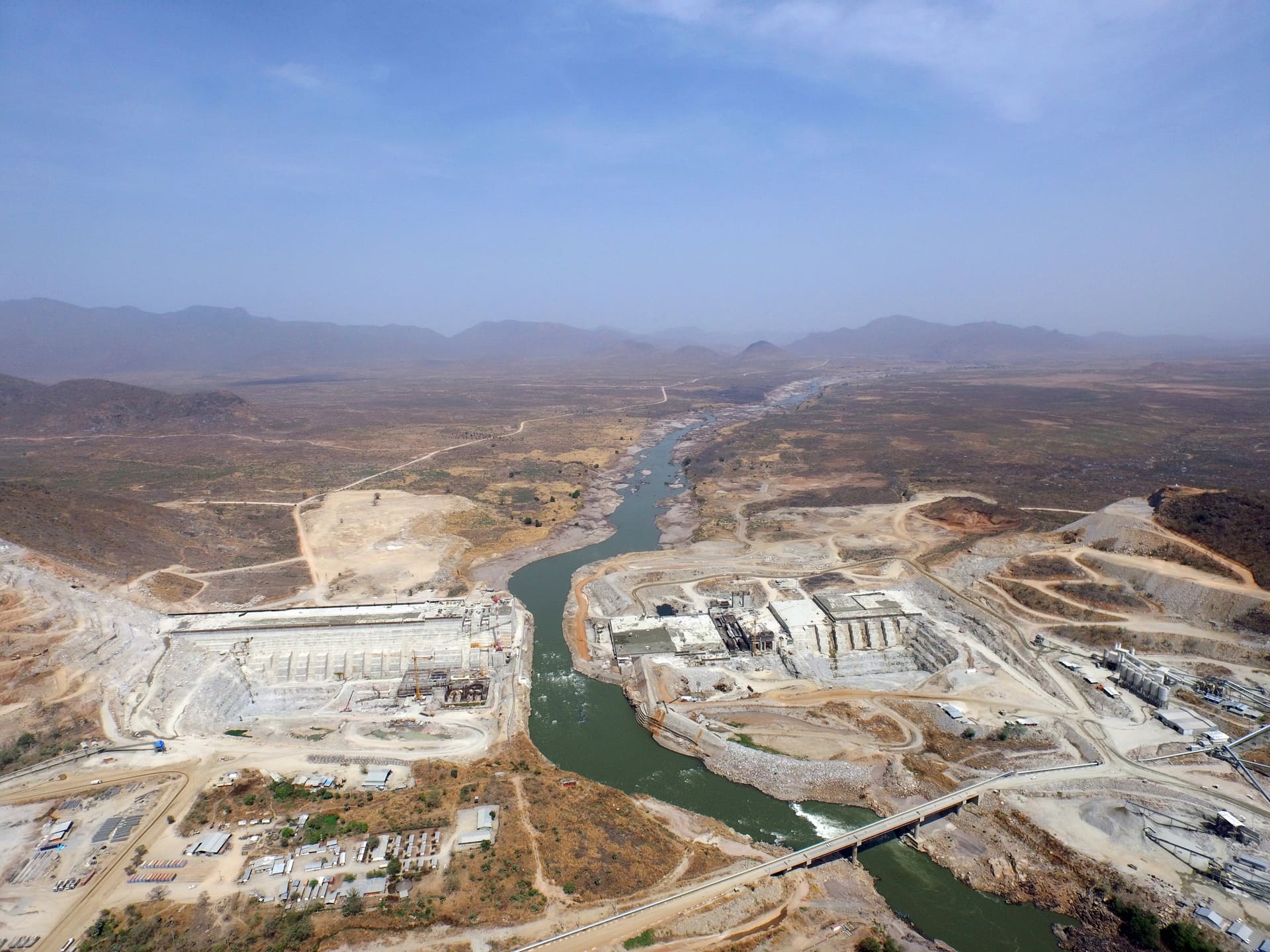 GERD project under construction, Ethiopia
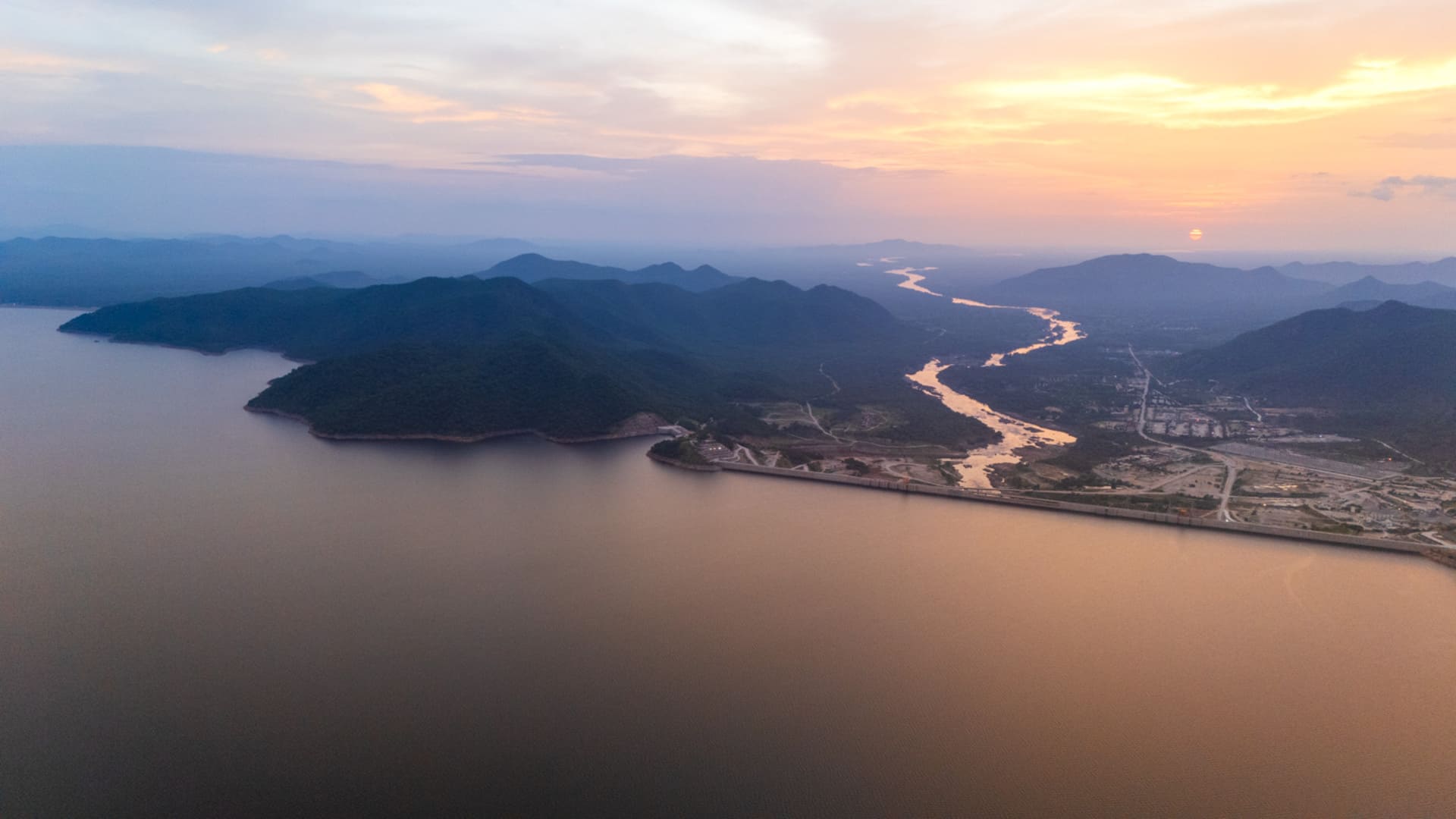 GERD hydroelectric project, Ethiopia
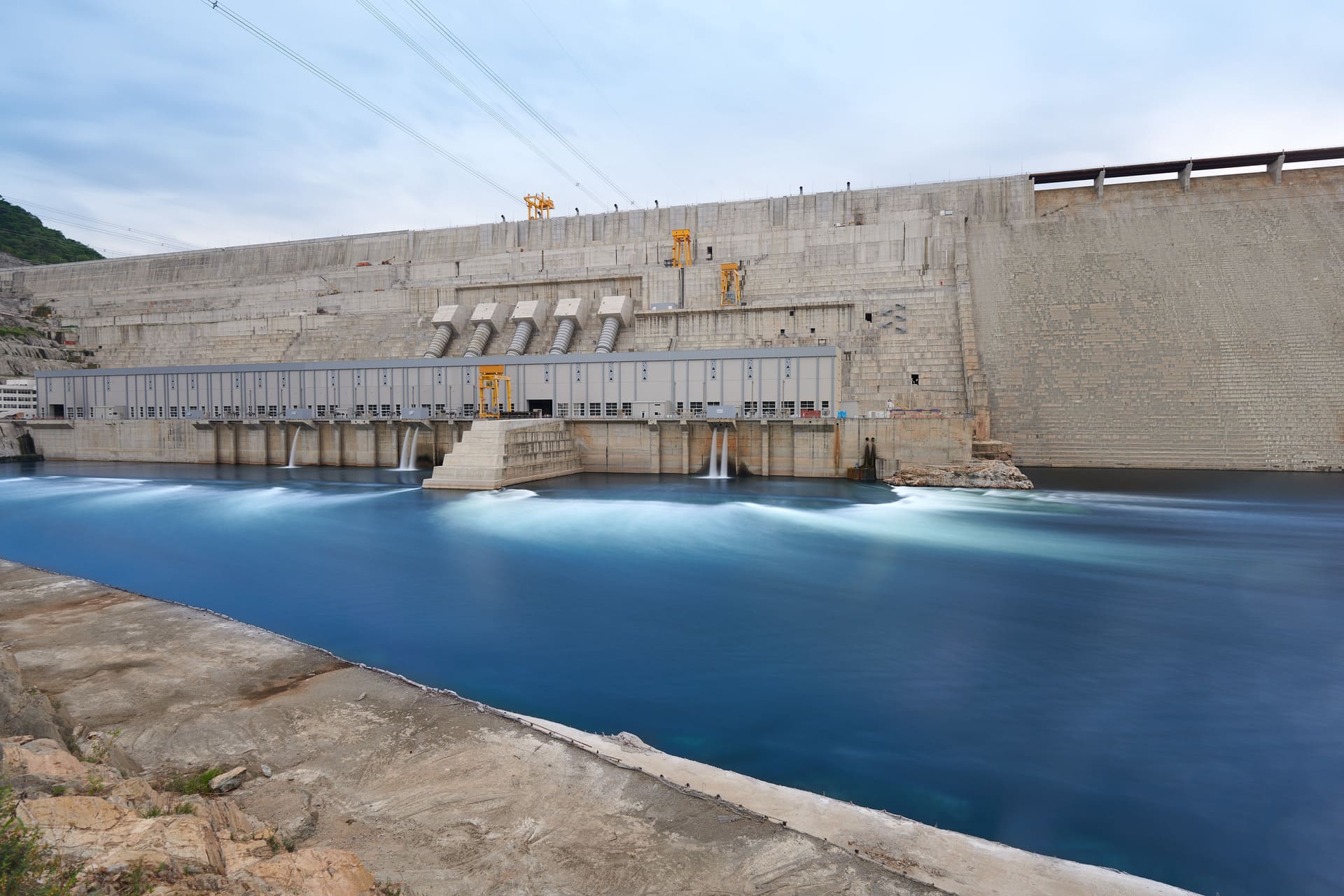 GERD hydroelectric project, Ethiopia
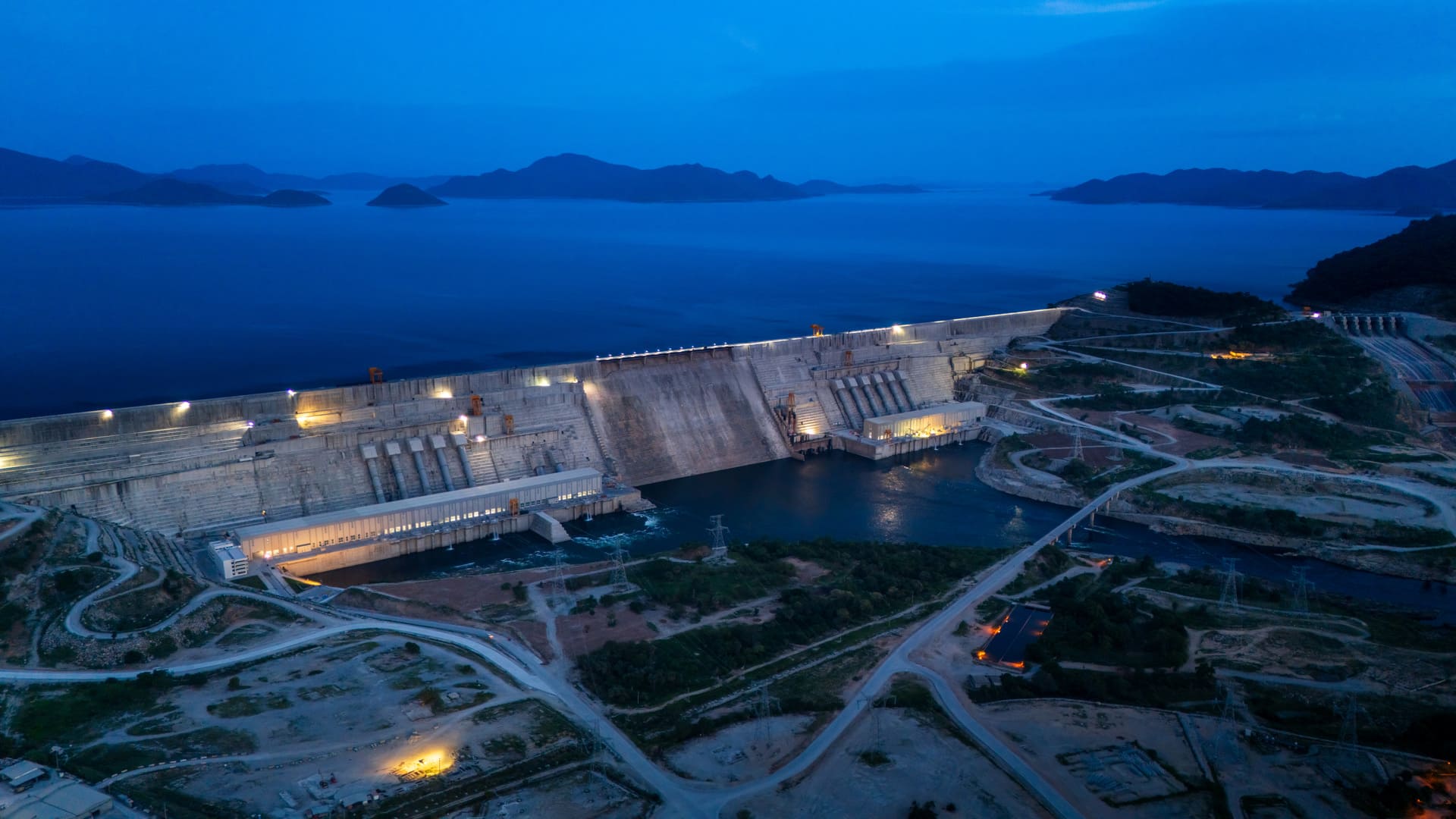 GERD hydroelectric project, Ethiopia
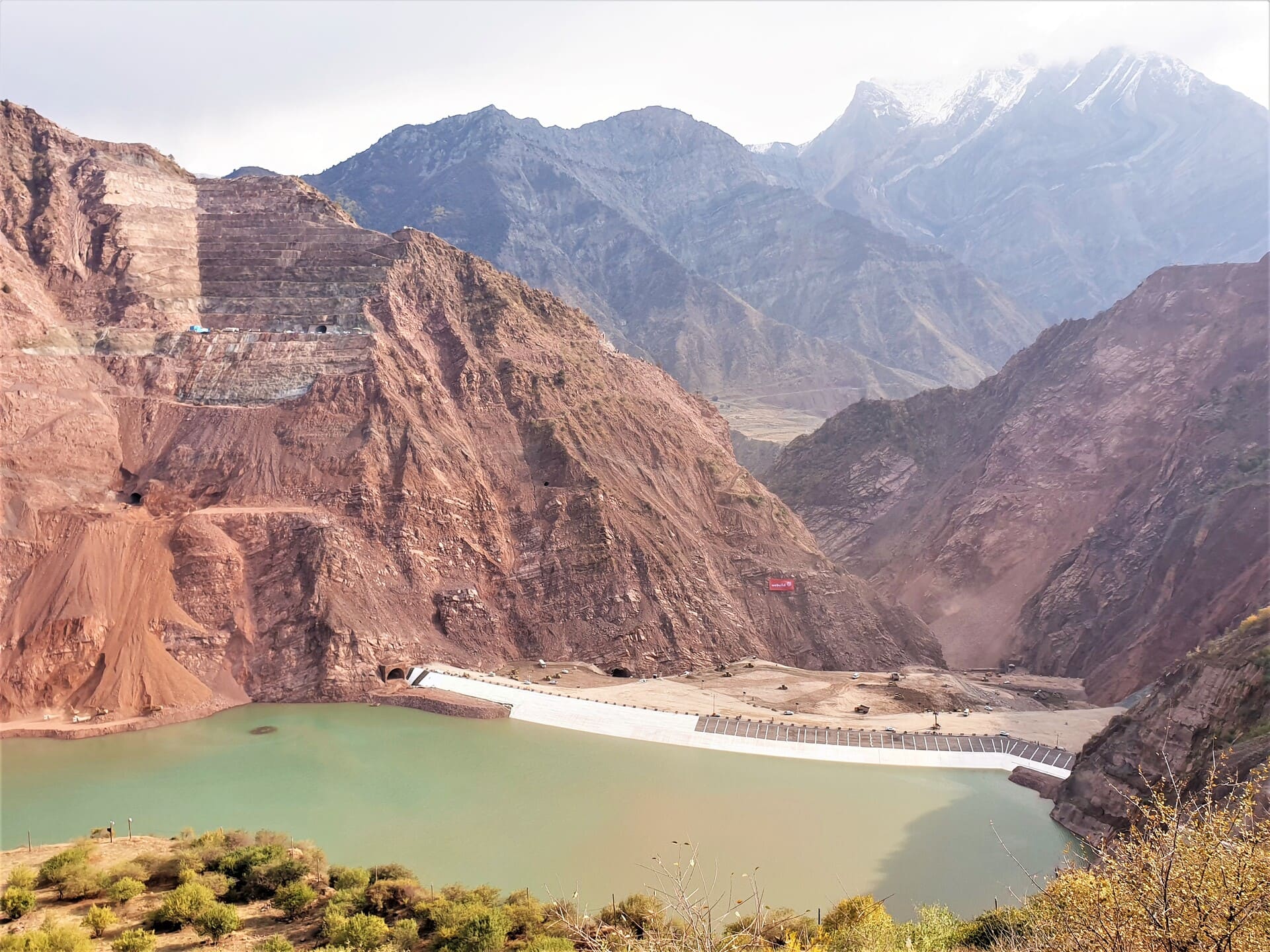 Rogun Dam construction site, Tajikistan
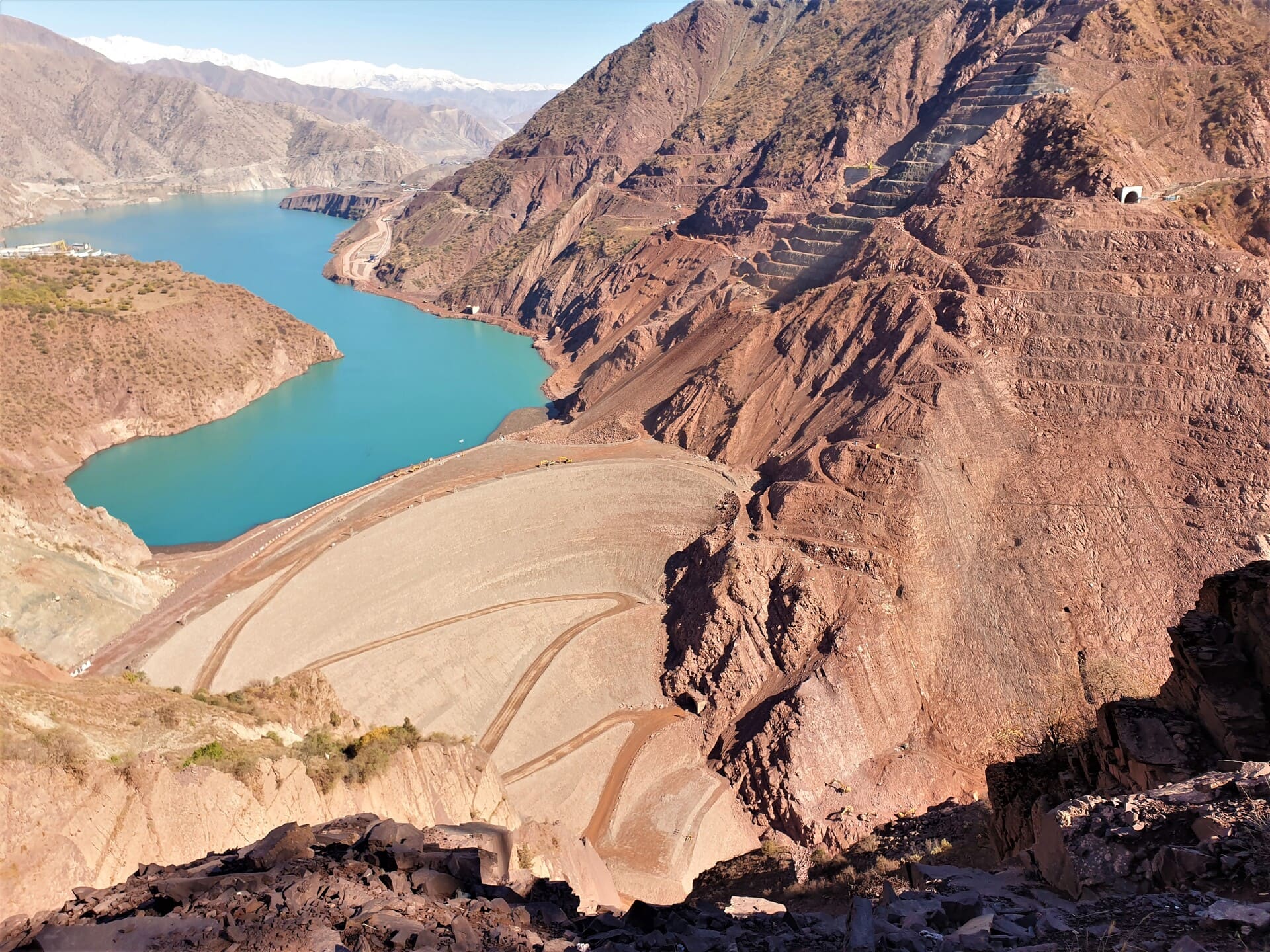 Rogun Dam construction site, Tajikistan
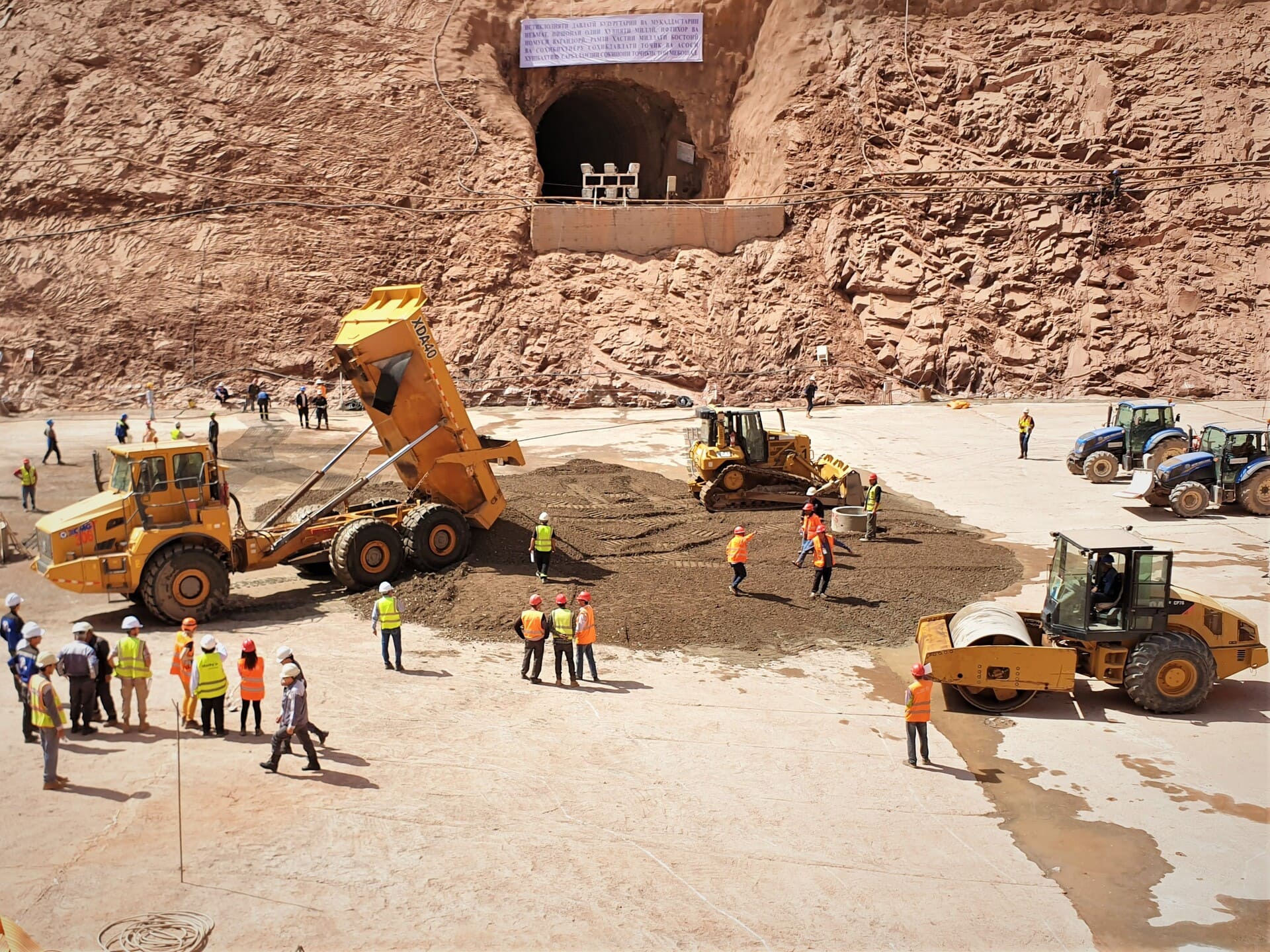 Rogun Dam construction site, Tajikistan
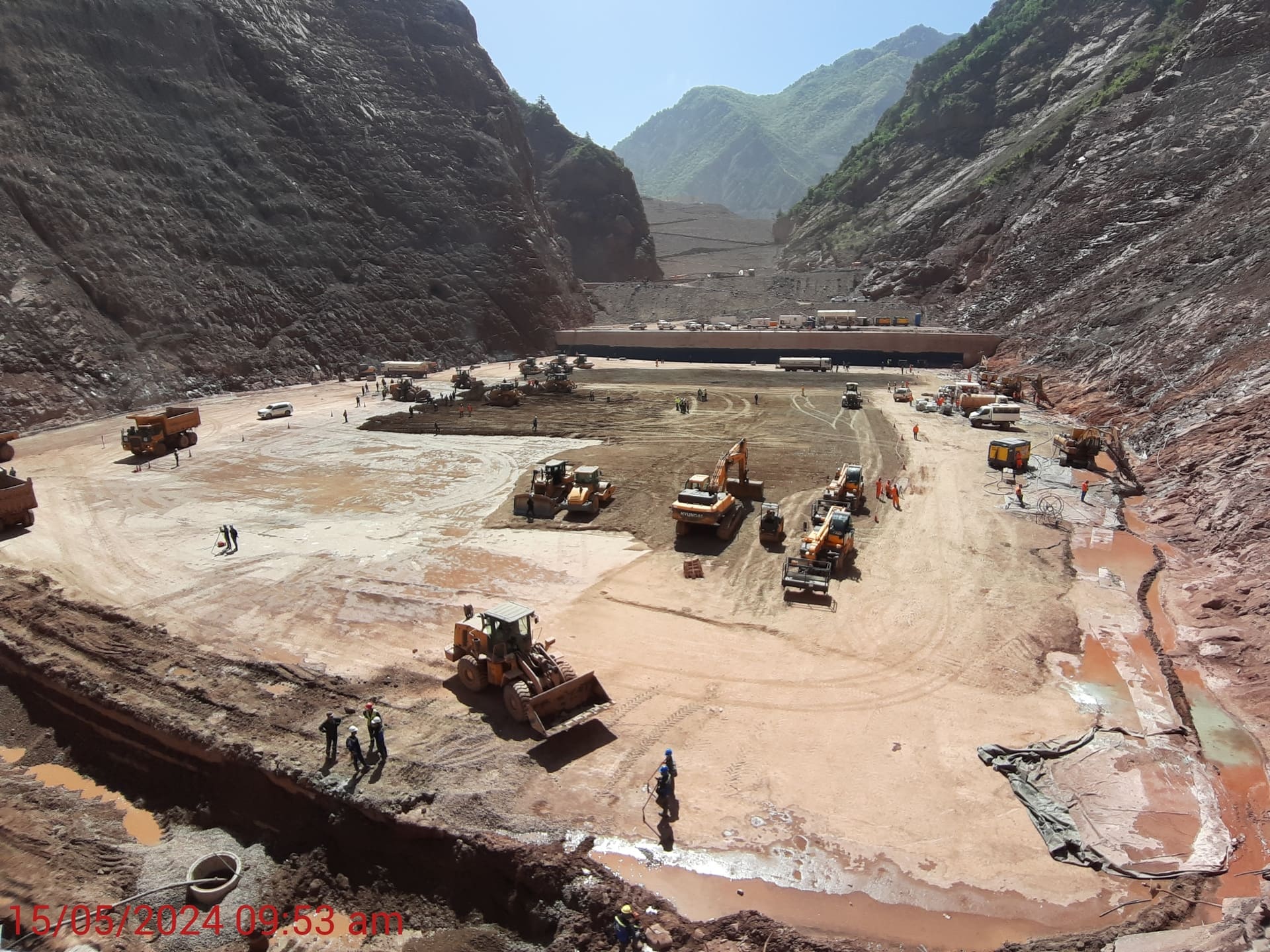 Rogun Dam construction site, Tajikistan
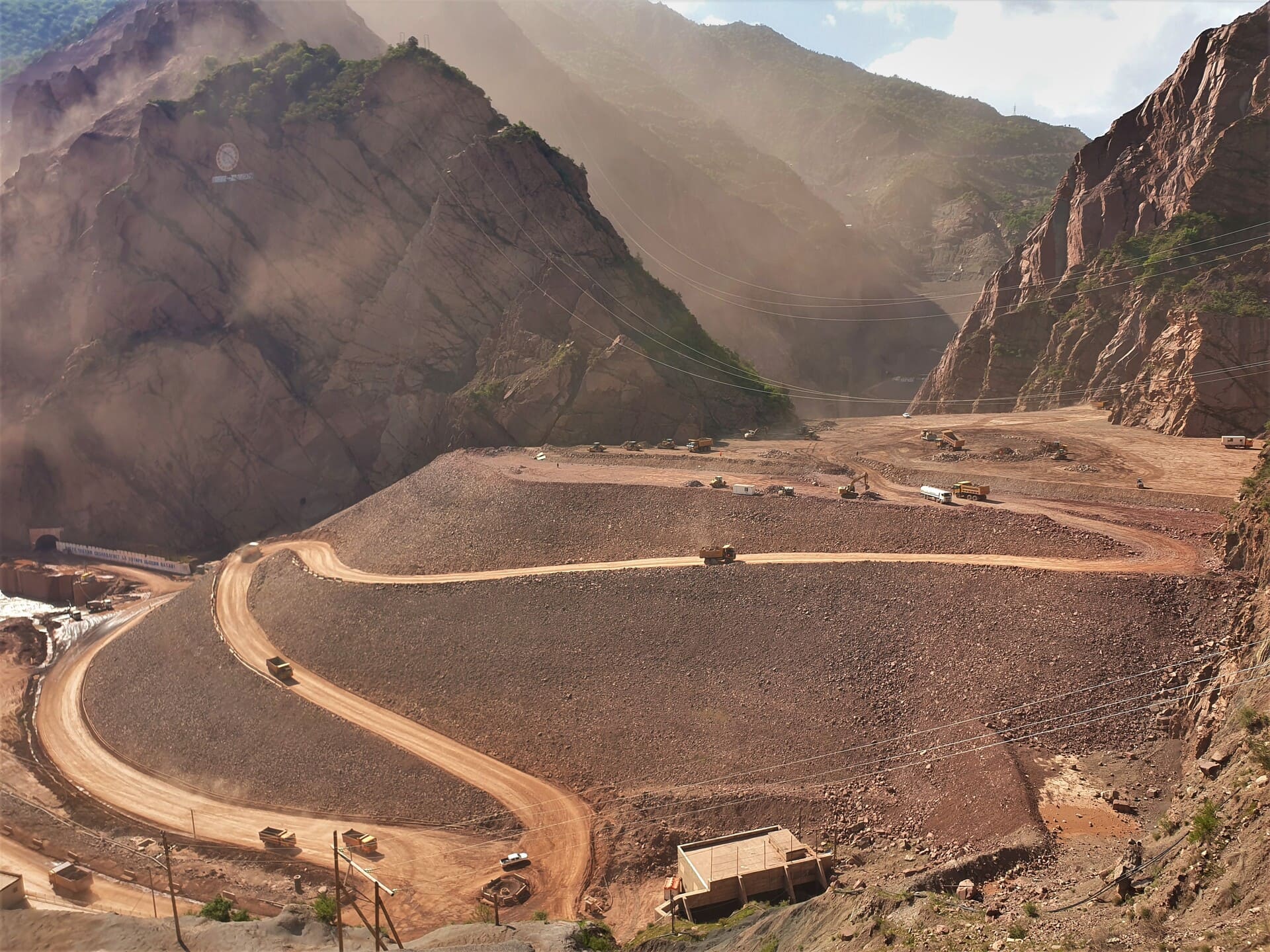 Rogun Dam construction site, Tajikistan
- From the dream of the Bering Strait tunnel to the reality of strategic large-scale projects, infrastructure is taking on an increasingly central role in global geopolitical balances.
- The proposed link between the United States and Russia across the Bering Strait could create the first permanent land corridor between North America and Eurasia.
- Energy, trade, and security: projects like the GERD in Ethiopia and the Rogun dam in Tajikistan demonstrate how infrastructure can secure benefits for entire regions.
- Large-scale engineering works do not merely connect territories, but foster economic integration, industrial development, and new relations between states.
- The geopolitics of infrastructure is one of the great challenges of the 21st century, in an increasingly connected and interdependent world.

There is a place on the planet where the United States and Russia come close enough to almost touch. It is the Bering Strait, a strip of sea just 82 kilometers wide that separates Alaska from the Russian Chukotka Peninsula. In the middle lie the two Diomede Islands: one American, the other Russian. Only four kilometers of distance and an invisible line that divides two continents, two economic systems, and two of the world’s major powers.
For over a century, engineers, politicians, and visionaries have imagined transforming that stretch of sea into a physical link between Asia and North America. It is a dream that in recent months has returned to the center of the international debate, thanks to the re-emergence of proposals to construct a railway tunnel beneath the Bering Strait, capable of directly connecting Russia and the United States.
According to the most widely accepted hypotheses, the infrastructure project could feature a tunnel over 100 kilometers long, destined to become one of the most extensive underground works ever built. Financial estimates fluctuate considerably: ranging from historical assessments of around 65 billion dollars for the entire infrastructure corridor to projections exceeding 100 billion dollars when factoring in the railway lines, power grids, and access infrastructure required in the most remote territories of Alaska and Siberia.
The most compelling element, however, is not the engineering work itself, but what the Bering Strait tunnel represents. For the first time in modern history, a permanent land connection would be created between the American continent and Eurasia. Not just a railway, but a potential multimodal corridor capable of hosting freight transport, power lines, fiber-optic digital connections, and even energy infrastructure.
Infrastructure as Tools of Power
From China’s rail networks to Europe’s new energy routes, by way of the major logistical corridors crossing the Middle East, Africa, and Central Asia, competition between states is increasingly played out through the ability to build connections.
Large-scale infrastructure projects have become instruments through which countries consolidate their economic influence, guarantee energy security, attract investment, and strengthen their strategic positioning.
In this scenario, some of the world’s most massive infrastructure projects take on a value that goes far beyond their original function.
GERD: The Dam That Changed the Balance of the Nile
One of the most significant examples is the Grand Ethiopian Renaissance Dam (GERD), built by Webuild on the Blue Nile and inaugurated in September 2025.
With an installed capacity of 5,150 MW and a reservoir capable of holding approximately 74 billion cubic meters of water, the Grand Ethiopian Renaissance Dam represents the largest hydroelectric plant in Africa and one of the top ten in the world.
From an energy perspective, the hydropower project enables Ethiopia to double its electricity production capacity and position itself to become a regional energy hub through the export of energy to neighboring countries.
Precisely because of this incredible capacity, the Grand Ethiopian Renaissance Dam has altered the geopolitical balance of the entire Nile basin, directly involving Ethiopia, Sudan, and Egypt in one of the most important African diplomatic matches of recent decades. Indeed, the hydropower project represents the key to the industrial development and electrification of the region, as well as one of contemporary Africa’s primary strategic dossiers.
Rogun Dam: Central Asia's Energy Battery
A role similar to that of the Grand Ethiopian Renaissance Dam is destined to be played by the Rogun Dam in Tajikistan, another hydropower project aimed at redefining regional energy balances.
Located on the Vakhsh River, Rogun – built by the Webuild Group – is set to become the tallest dam in the world. Once completed, it will enable Tajikistan to leverage its enormous water potential and export energy to Afghanistan, Pakistan, and other Central Asian countries.
In a region historically characterized by water and energy tensions, the control of hydroelectricity represents a fundamental strategic factor. It is no coincidence that the Rogun Dam is considered not just an energy project, but a tool for economic stabilization and regional integration.
Panama Canal: The Infrastructure Project That Changed Global Trade
If there is an infrastructure that demonstrates the geopolitical power of civil works, it is the Panama Canal. Since its inauguration, the canal has altered global trade routes, drastically reducing transport times and costs between the Atlantic and Pacific.
The expansion inaugurated in 2016, built by a consortium led by Webuild, enabled the transit of Neo-Panamax ships, significantly increasing the waterway’s capacity and strengthening its strategic role in global supply chains.
Today, approximately 6% of global maritime trade transits through Panama, and the Canal continues to be one of the planet’s primary hubs in global geopolitics, demonstrating how an infrastructure project can directly influence international economic balances.
From Railway Tunnels to Hydropower Plants: The Diplomacy of Major Infrastructure Projects
From the Panama Canal to the Grand Ethiopian Renaissance Dam, and from the future Rogun Dam to the potential Bering Strait tunnel, a common element emerges: major infrastructure projects are increasingly functioning less as isolated works and more as geopolitical platforms. They produce energy, transport goods, reduce distances, and generate economic development.
Yet, at the same time, they reshape balances of power, build new interdependencies, and open channels of cooperation between countries. For this reason, large-scale projects continue to occupy a central role in government strategies and international development policies.
The Bering Strait tunnel will likely remain a project on paper for a long time to come, yet its symbolic power tells us something very concrete: in the contemporary world, infrastructure does not merely connect locations, but economies, strategic interests, and visions of the future.