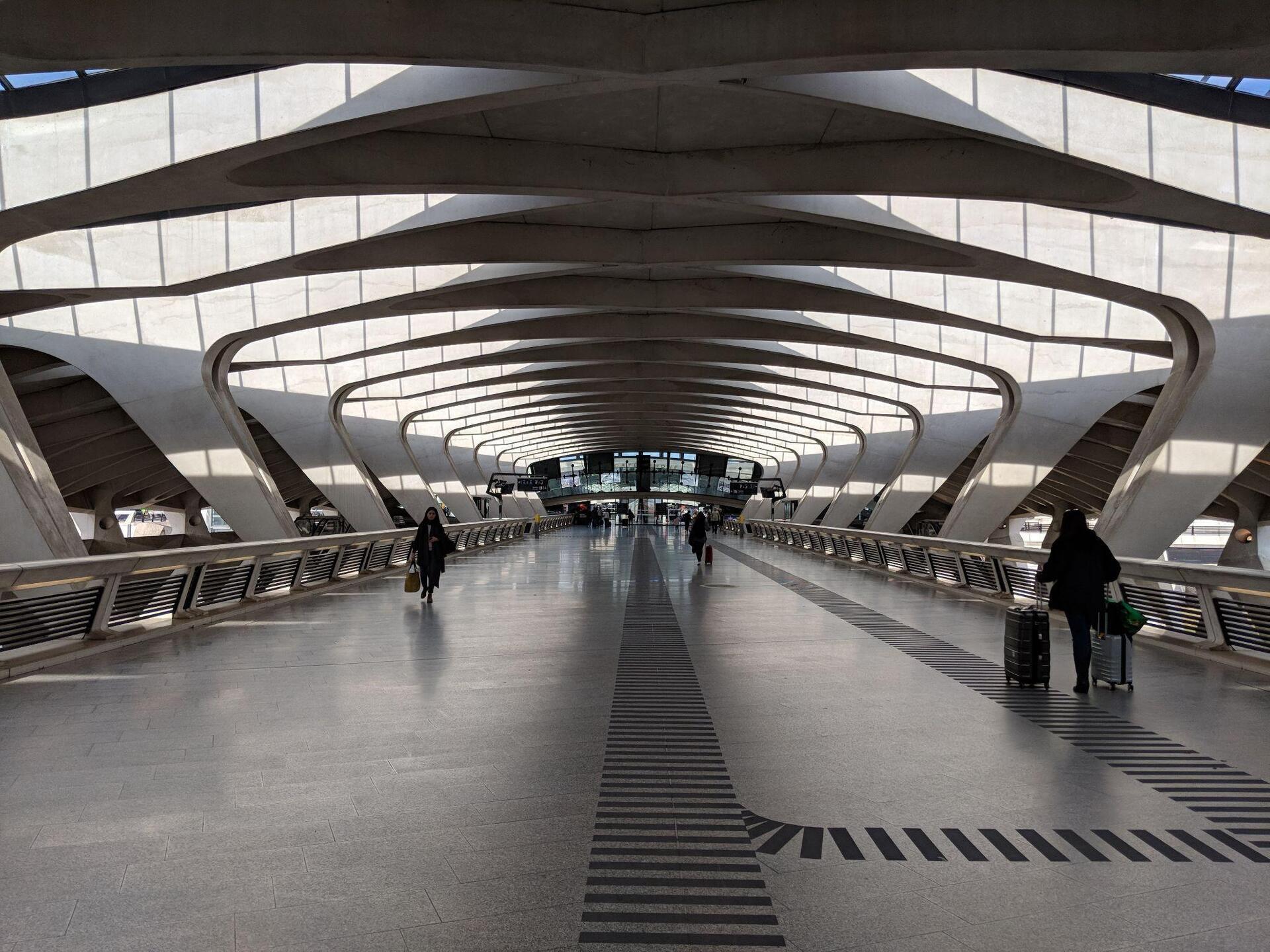


When art and architecture meet, the built space ceases to be mere function and becomes a language. It is no longer just about designing buildings, but about giving shape to places capable of expressing identity, generating emotions, and establishing a dialogue with those who inhabit them.
In this balance between technique and vision, materials, light, and volumes are transformed into narrative tools, helping to redefine the relationship between people and the environment. Thus, architecture opens up to a broader dimension, becoming not just urban infrastructure, but a shared cultural experience.
1 – Naples Art Stations
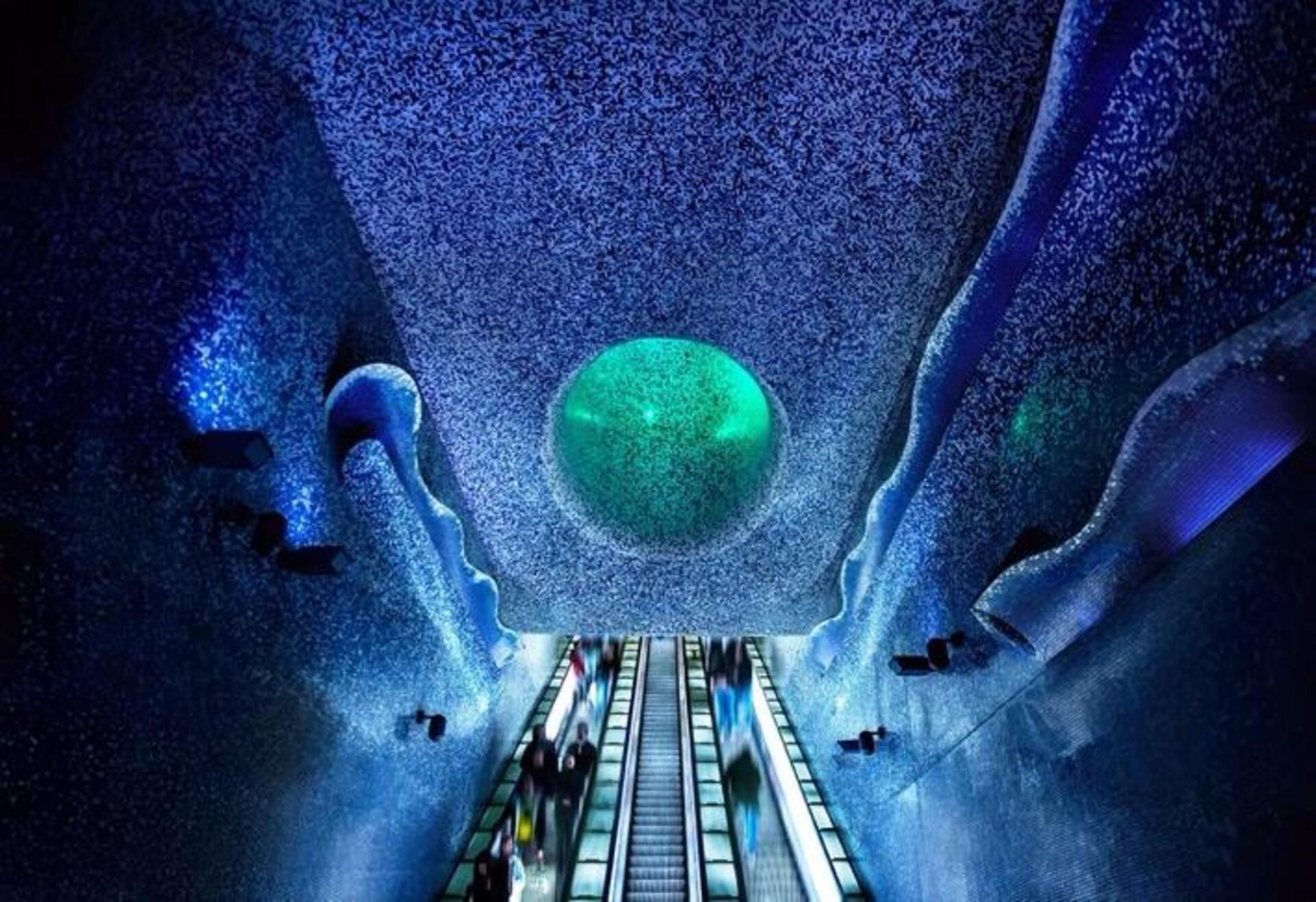
In the case of Naples’ Art Stations, this encounter between contemporary art and architecture becomes an integral part of the daily journey.
Realised with the aim of transforming the metro into a system that is not only functional but also cultural, these stations involve world-renowned artists and architects, creating public spaces where installations, contemporary infrastructure, and design solutions merge into a single narrative.
In this context, Webuild‘s contribution takes shape in some of the most iconic metro stations on Line 1—such as Toledo, Università, and Municipio—where light, materials, and artistic languages renew the very idea of urban mobility infrastructure, making every transit an immersive experience.
2 – Rome Metro Line C
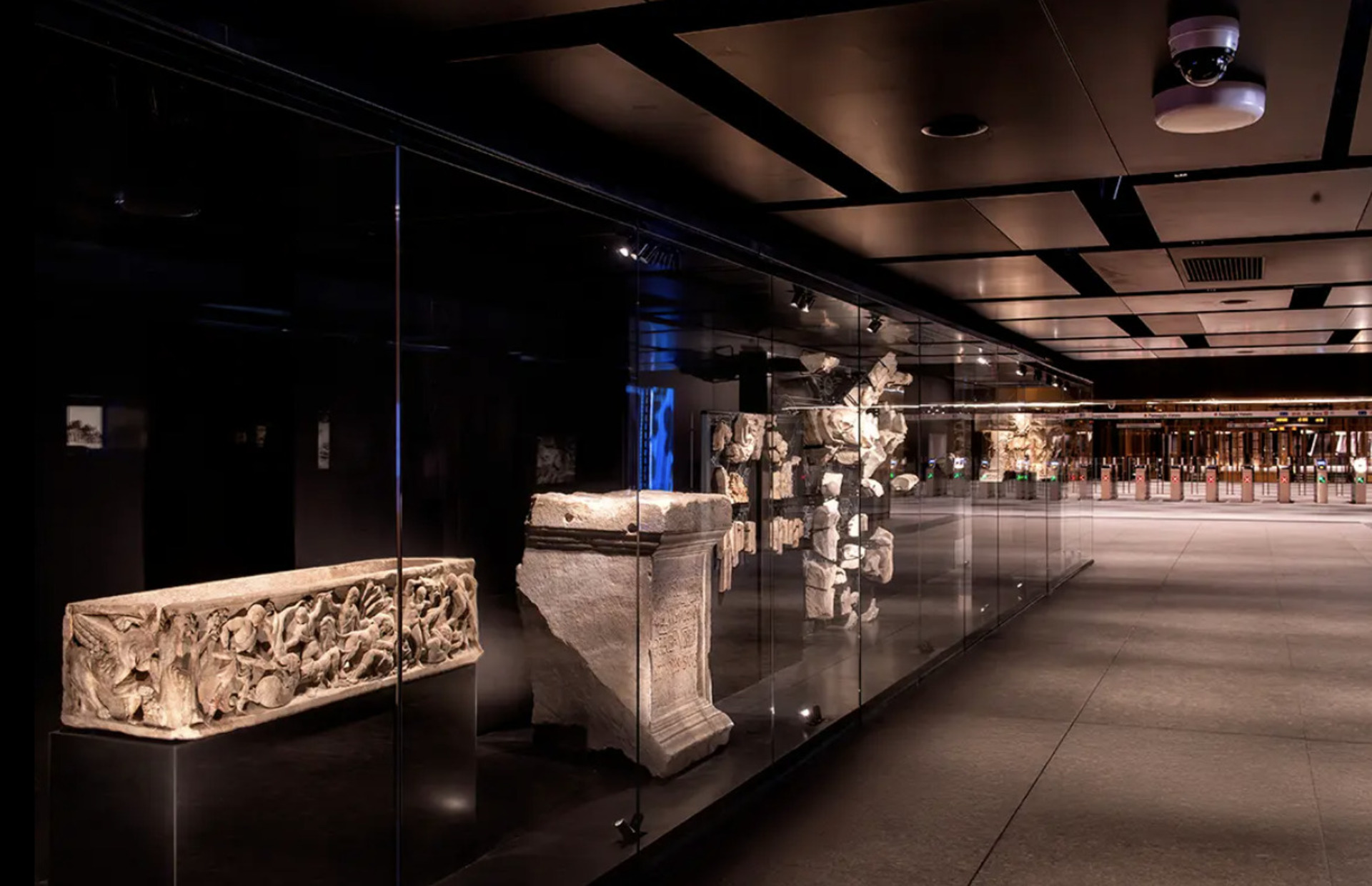
With Rome’s Metro Line C, the dialogue between art and contemporary architecture faces an even more complex dimension: that of the city’s layered history. During excavation, every advancement becomes an opportunity for discovery, bringing to light artefacts and archaeological structures that become part of the project itself.
Built with the contribution of Webuild, the metro line integrates advanced engineering solutions with the enhancement of historical heritage, transforming metro stations into public spaces where the contemporary and memory coexist.
In this balance, the infrastructure is not limited to connecting places but becomes a device capable of telling the story of the city’s cultural depth along its route.
3 – World Trade Center Transportation Hub
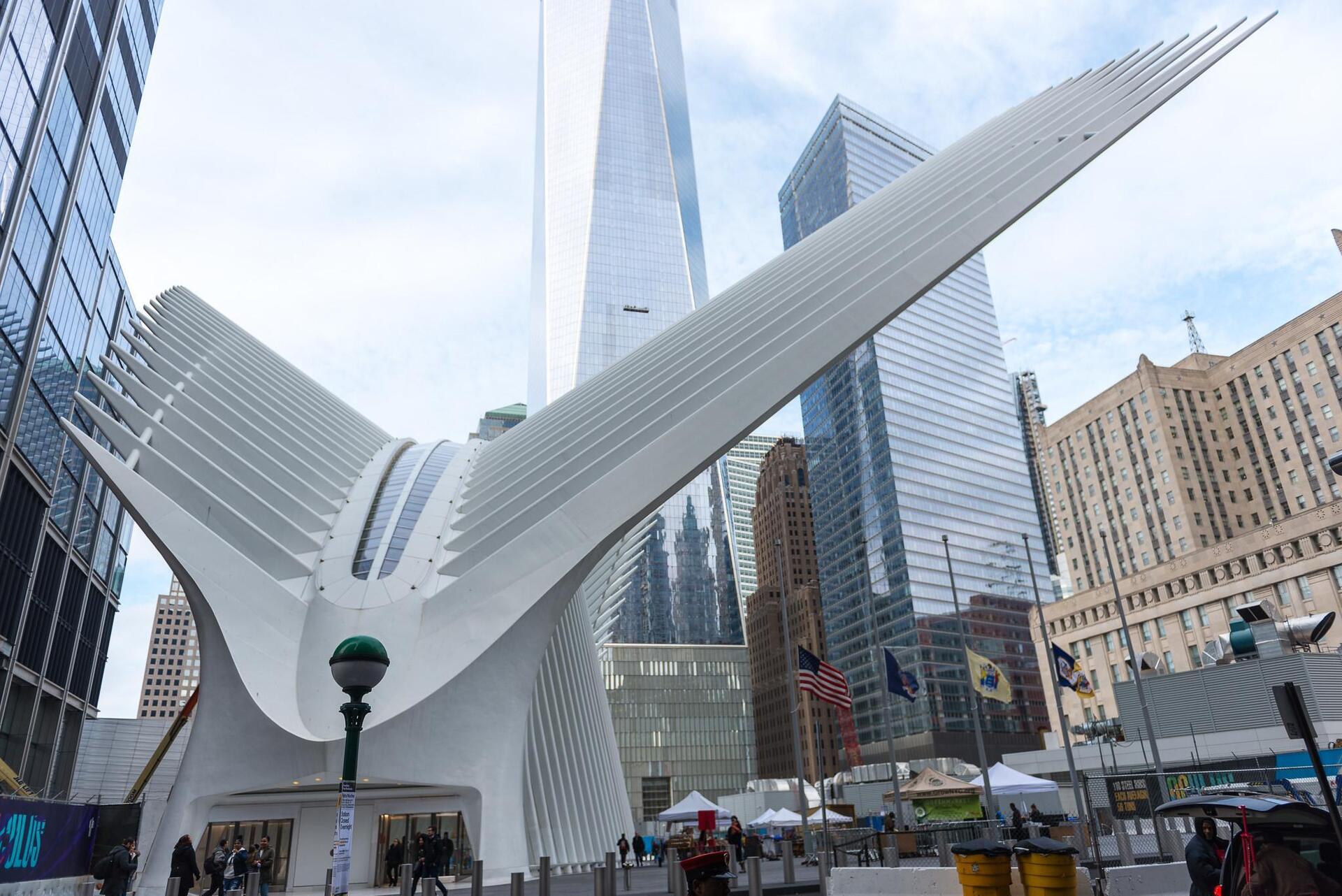
The World Trade Center Transportation Hub in New York, designed by Santiago Calatrava, represents one of the most iconic examples of the fusion of contemporary art and architecture on an infrastructural scale.
Conceived as wings spread ready for flight, the shapes of the Oculus transform a transport hub into a visual and symbolic experience, where natural light and structure are in constant dialogue.
More than a transit space, the hub becomes a place of memory and rebirth, capable of connecting urban mobility and identity, and demonstrating how even large urban infrastructure can take on expressive and cultural value.
4 – Kansai Airport
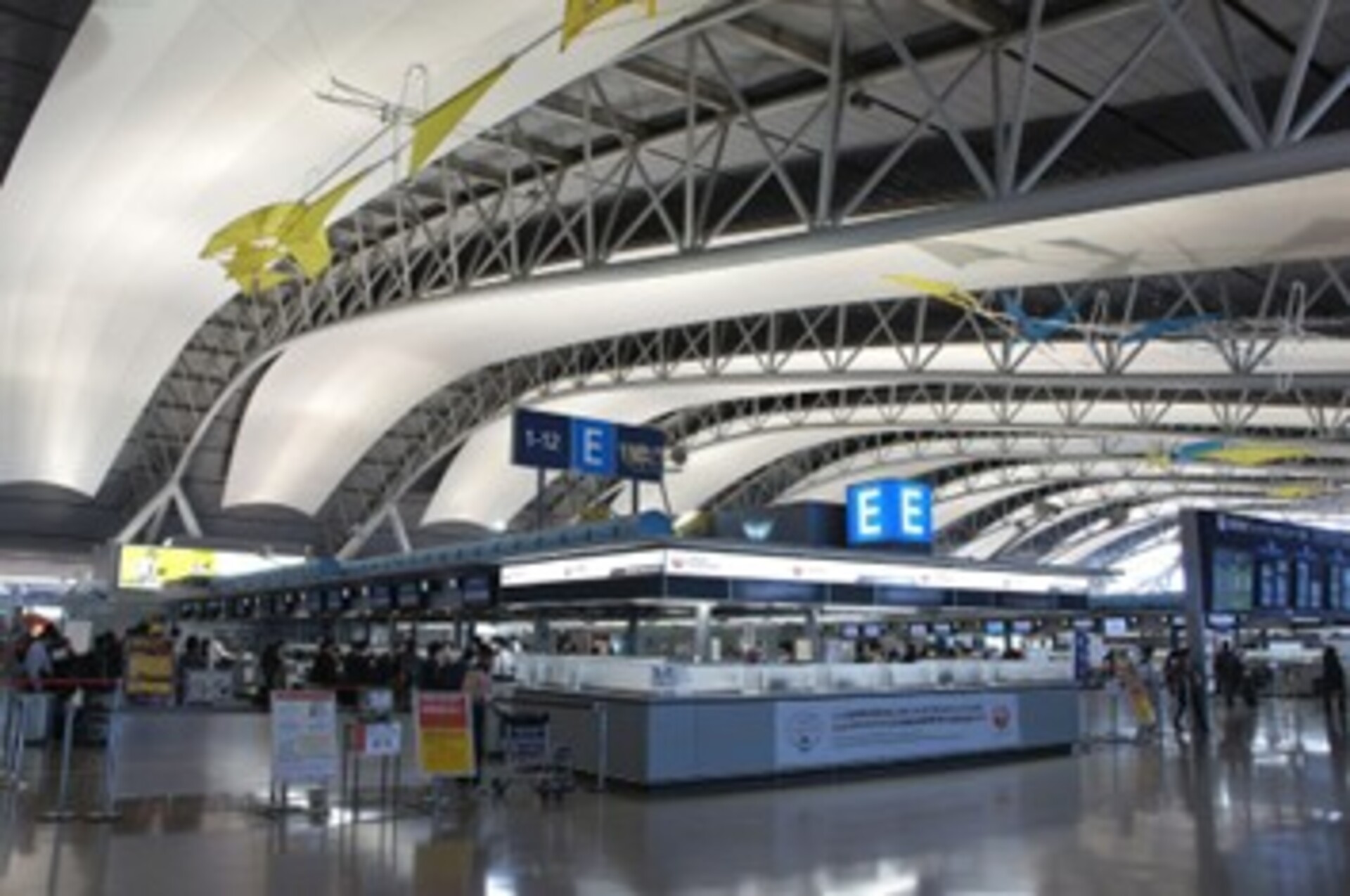
Kansai International Airport, designed by Renzo Piano, is an emblematic example of how contemporary architecture can unite aesthetics, efficiency, and technical innovation in a single vision.
Built on an artificial island in Osaka Bay, the terminal is distinguished by a linear and fluid structure, designed to naturally accompany passenger movement and simplify every stage of the journey.
The clarity of the spaces, the use of light, and the attention to detail transform the infrastructure into a legible and harmonious environment, proving that even a highly functional place can become an expression of balance between engineering and architectural design sensitivity.
5 – Lyon-Saint-Exupéry TGV Station
The Lyon-Saint Exupéry (Satolas) TGV station, also among the architectural projects by Santiago Calatrava, takes this tension between engineering and artistic gesture to the extreme.
The structure, which recalls the shapes of a large bird in motion, transforms the railway station into a recognizable landmark in the landscape, capable of making the dynamism of travel itself visible.
Here, architecture is not limited to organizing flows and functions but becomes a plastic expression of movement, demonstrating how even a railway station can take on a symbolic and almost sculptural dimension.