


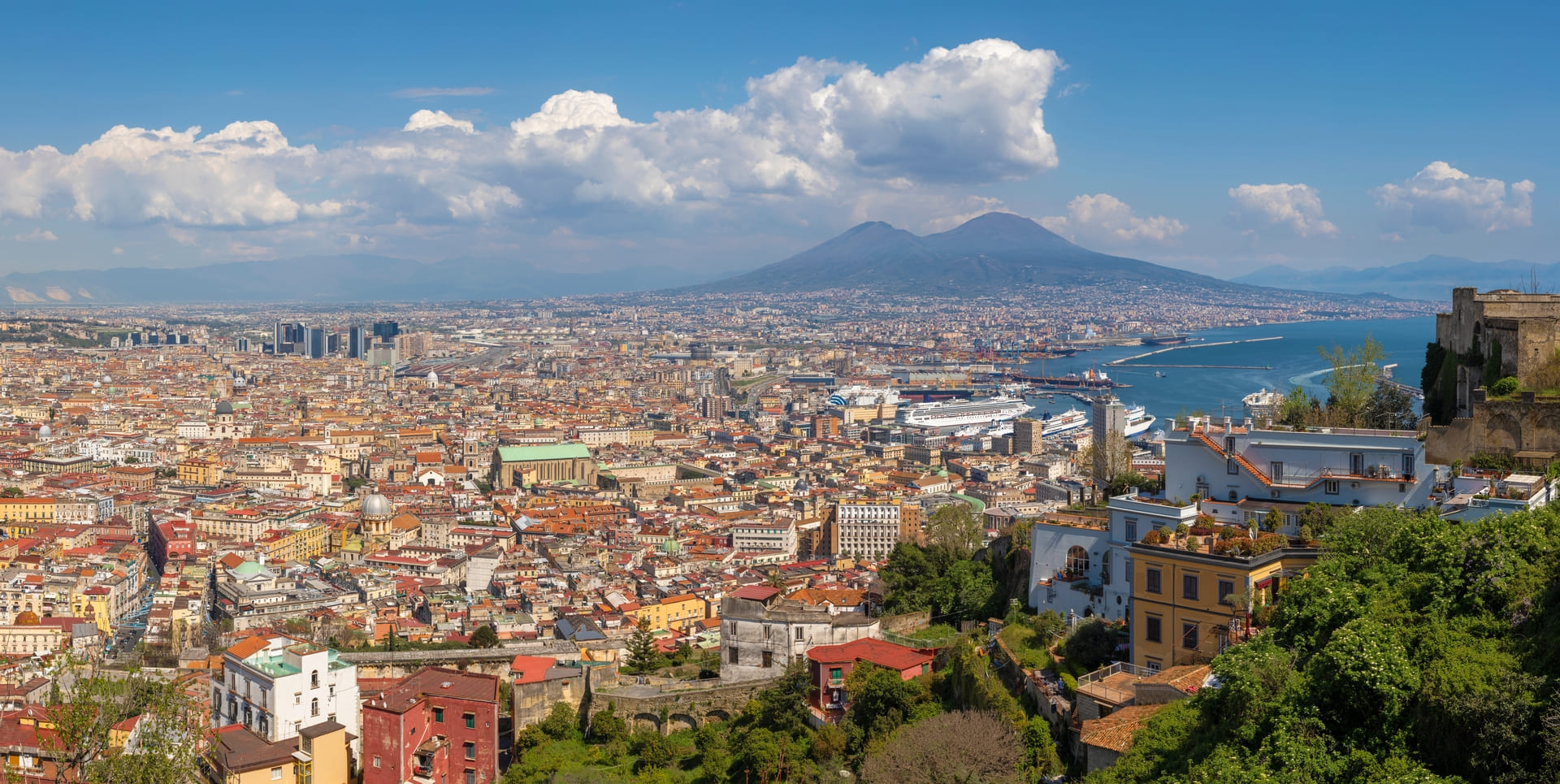
 Panoramic view of Naples
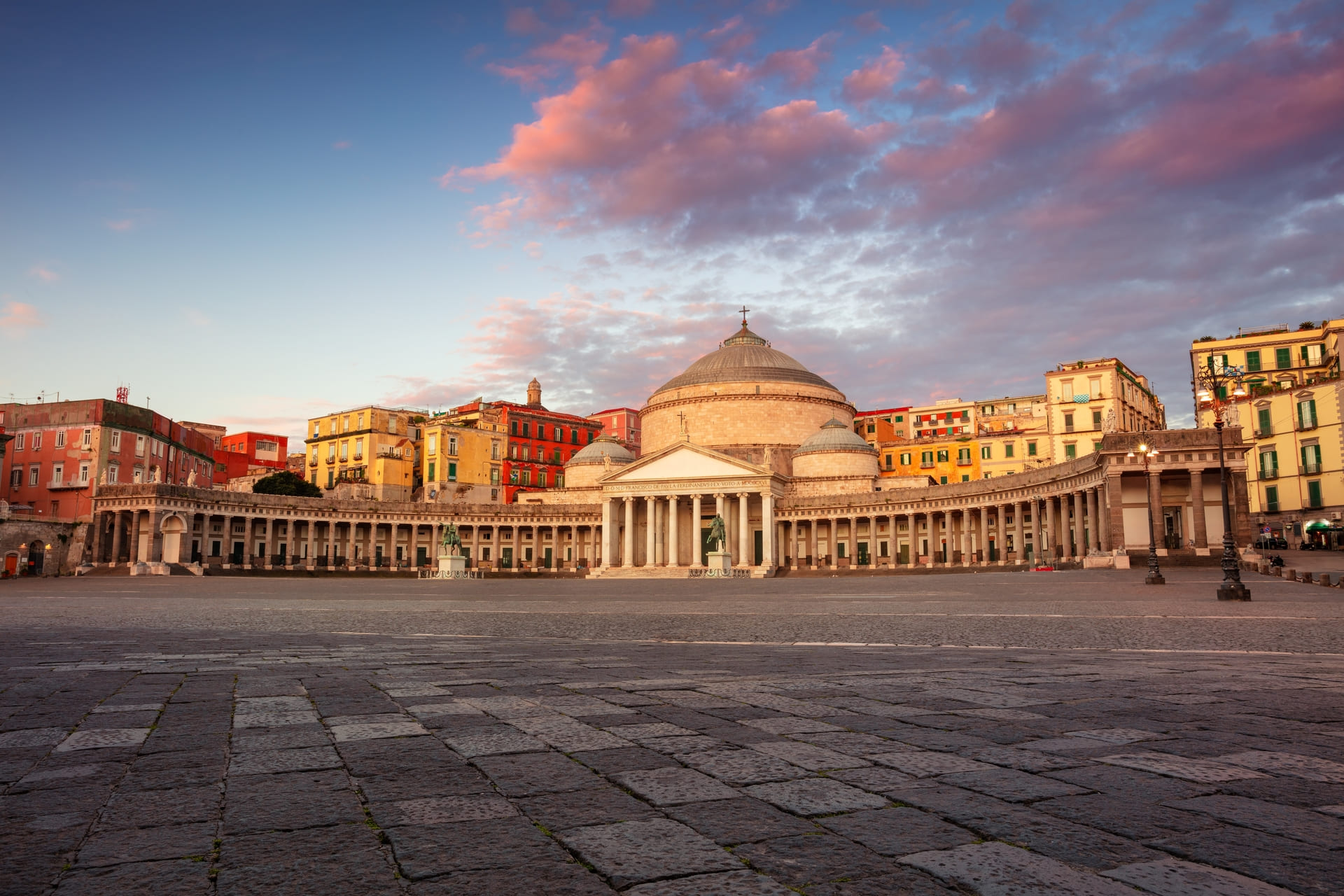 Piazza del Plebiscito, Naples
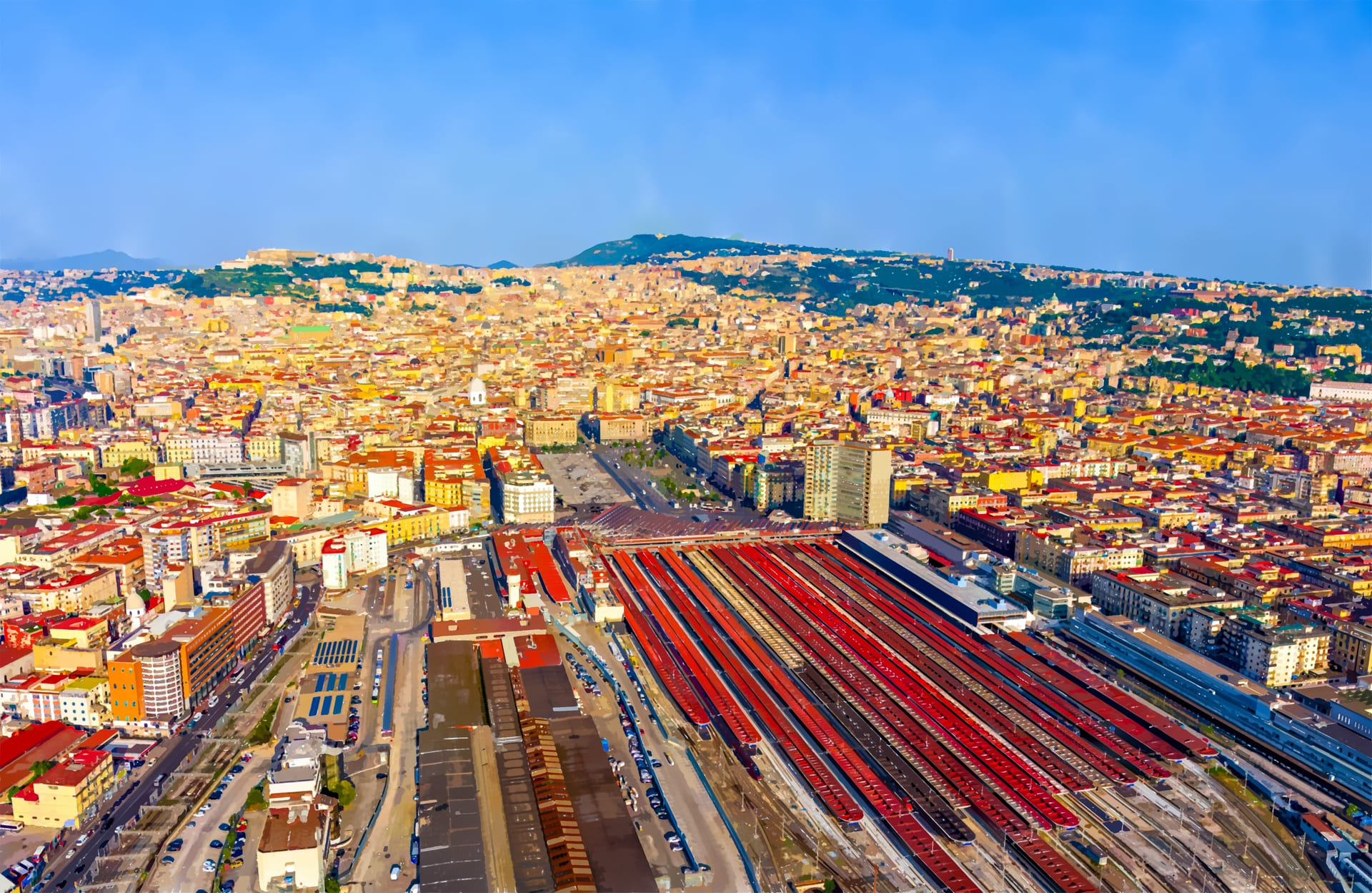 Napoli Centrale Railway Station
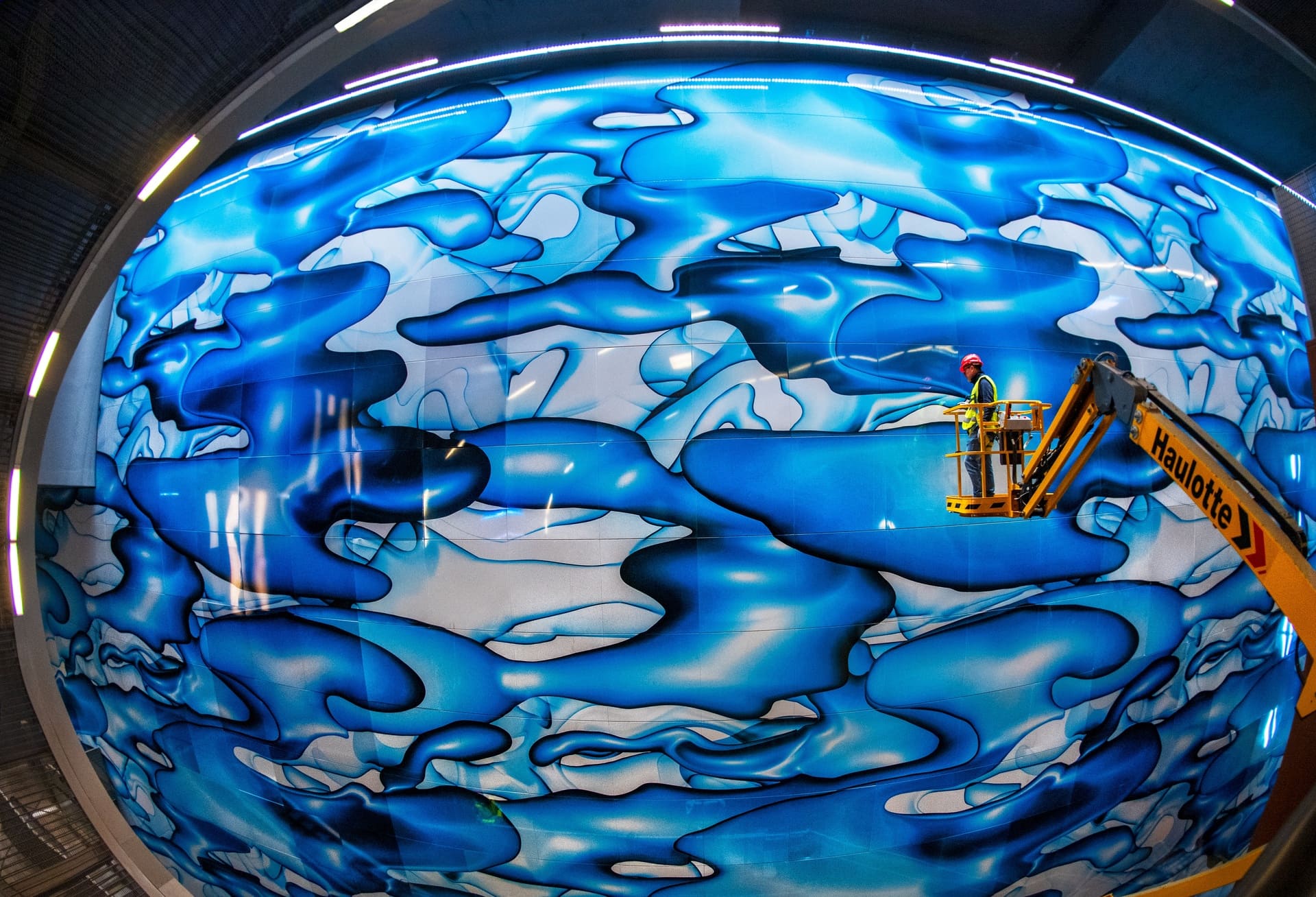 San Pasquale Station, Line 6, Naples
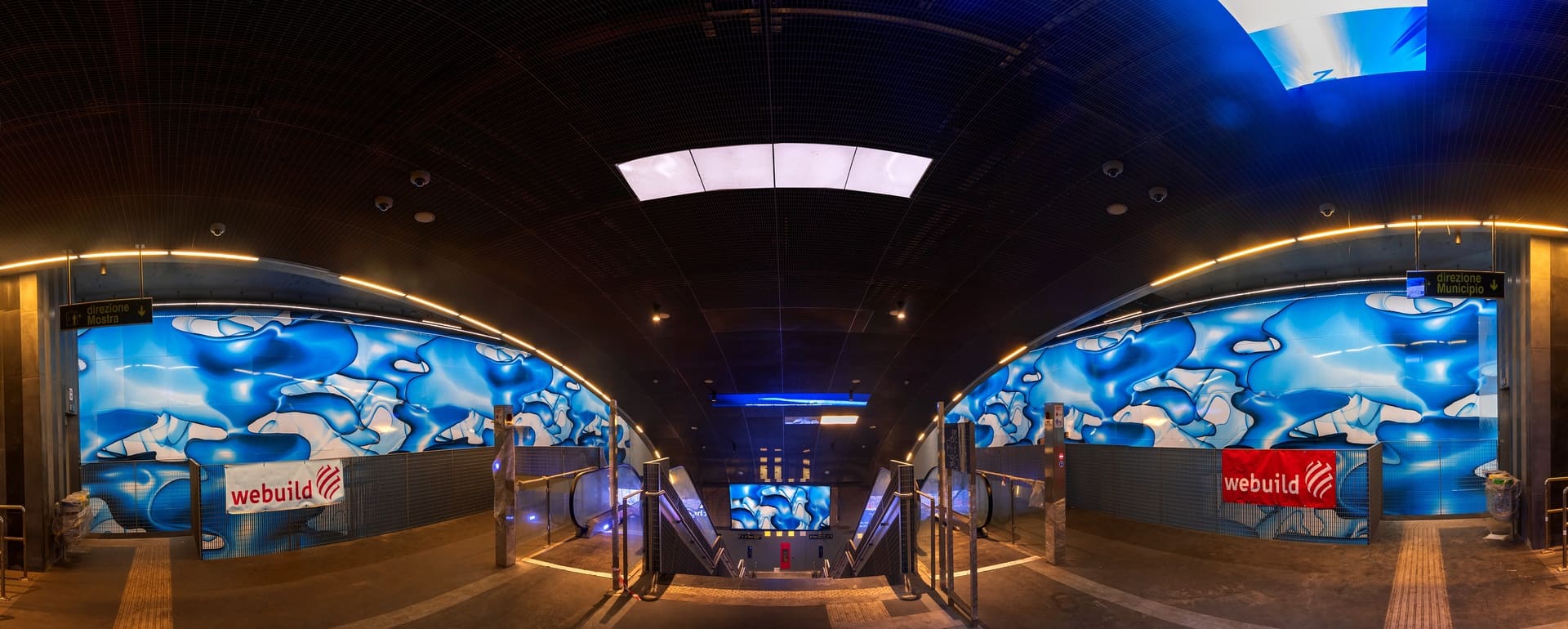 San Pasquale Station, Line 6, Naples
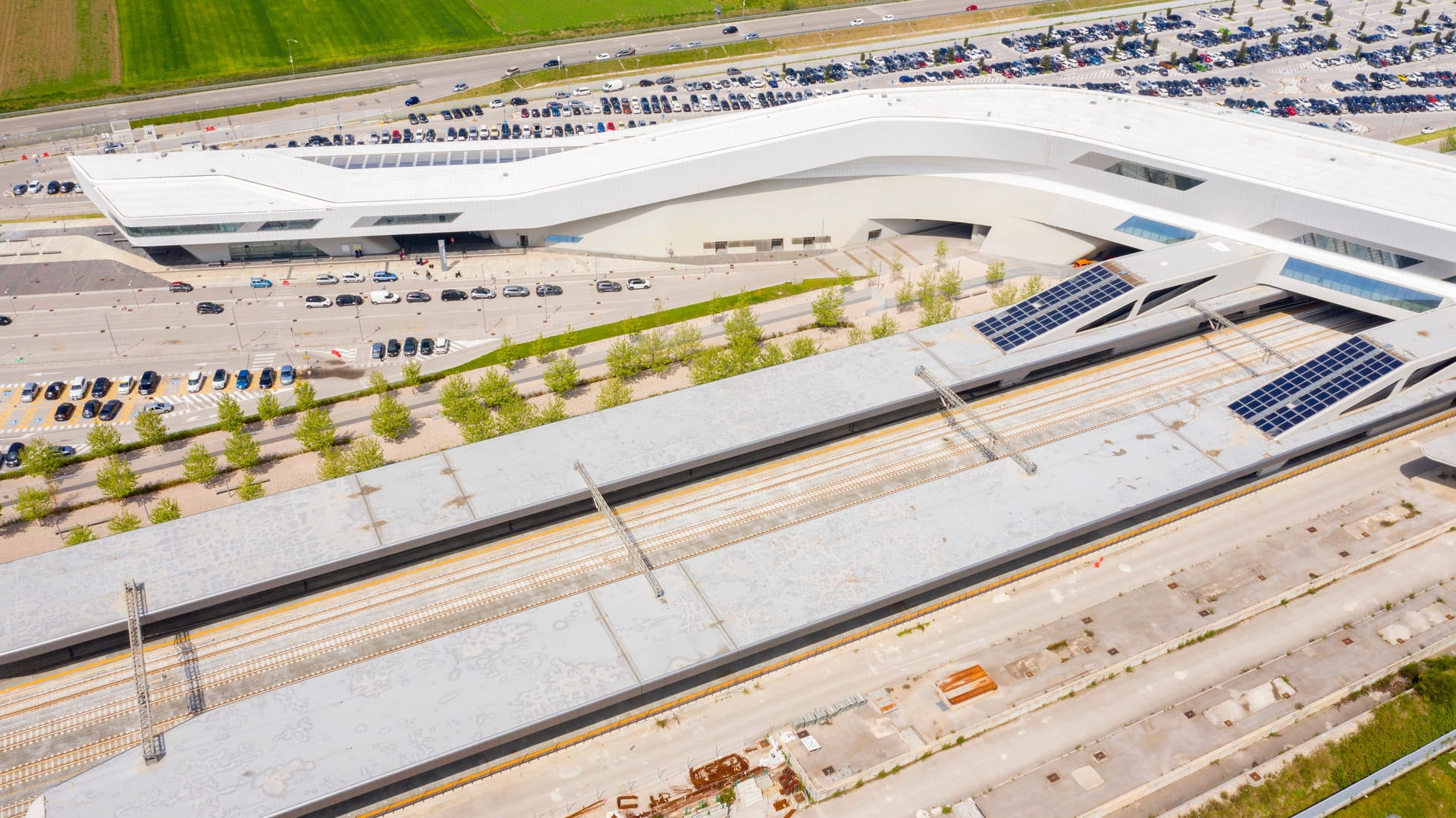 Afragola High-Speed Railway Station, Naples
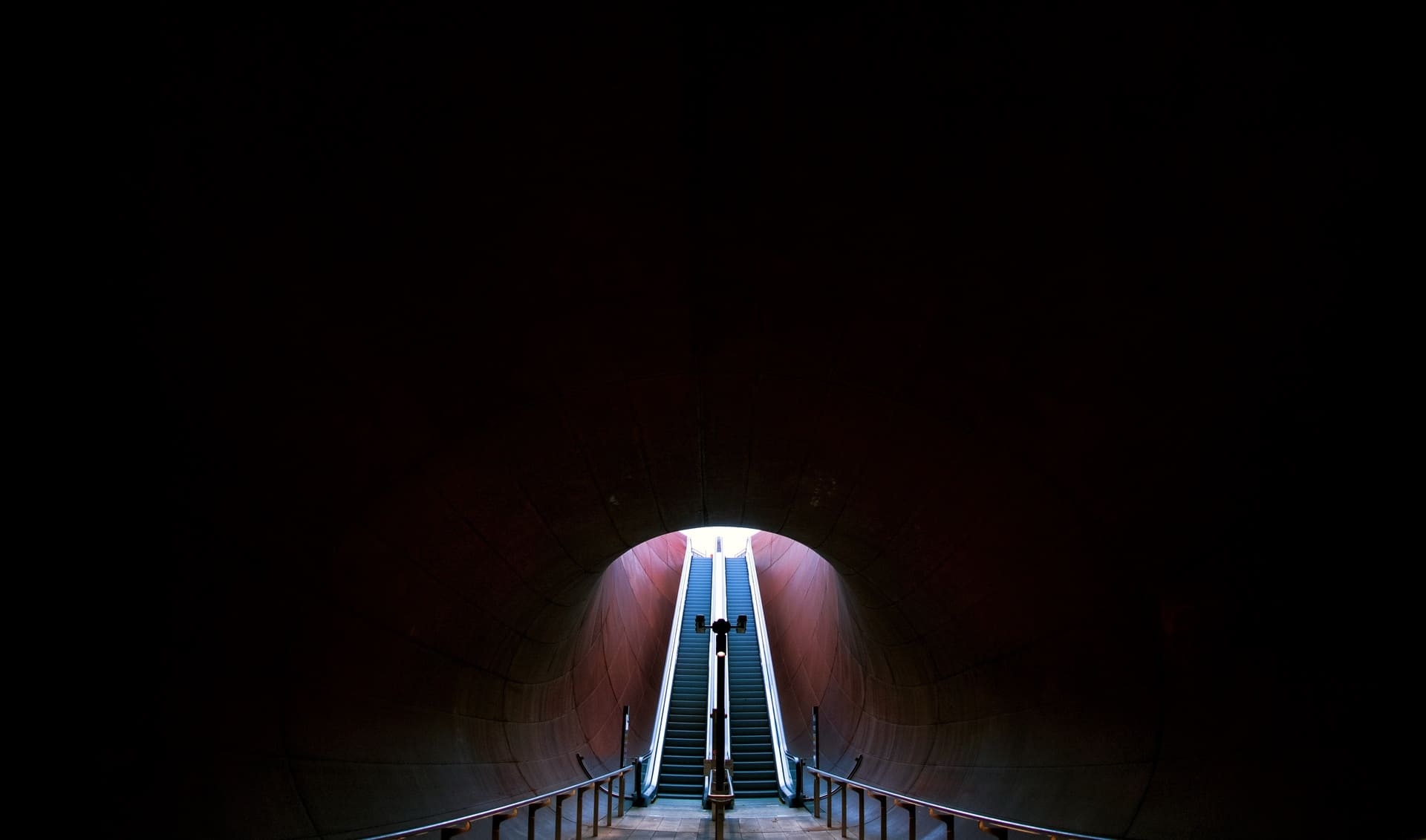 Monte Sant'Angelo Station, Line 7
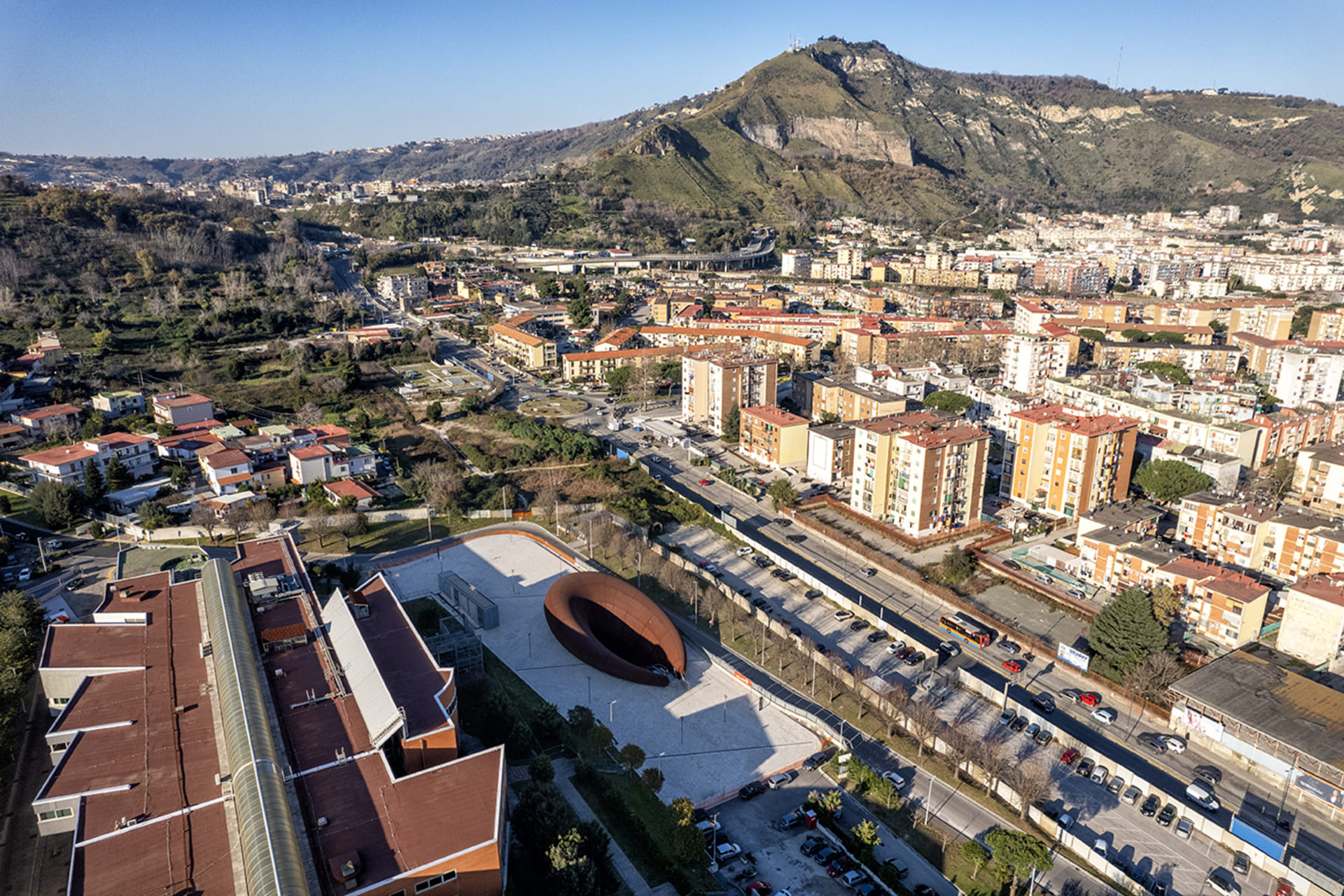 Monte Sant'Angelo Station, Line 7
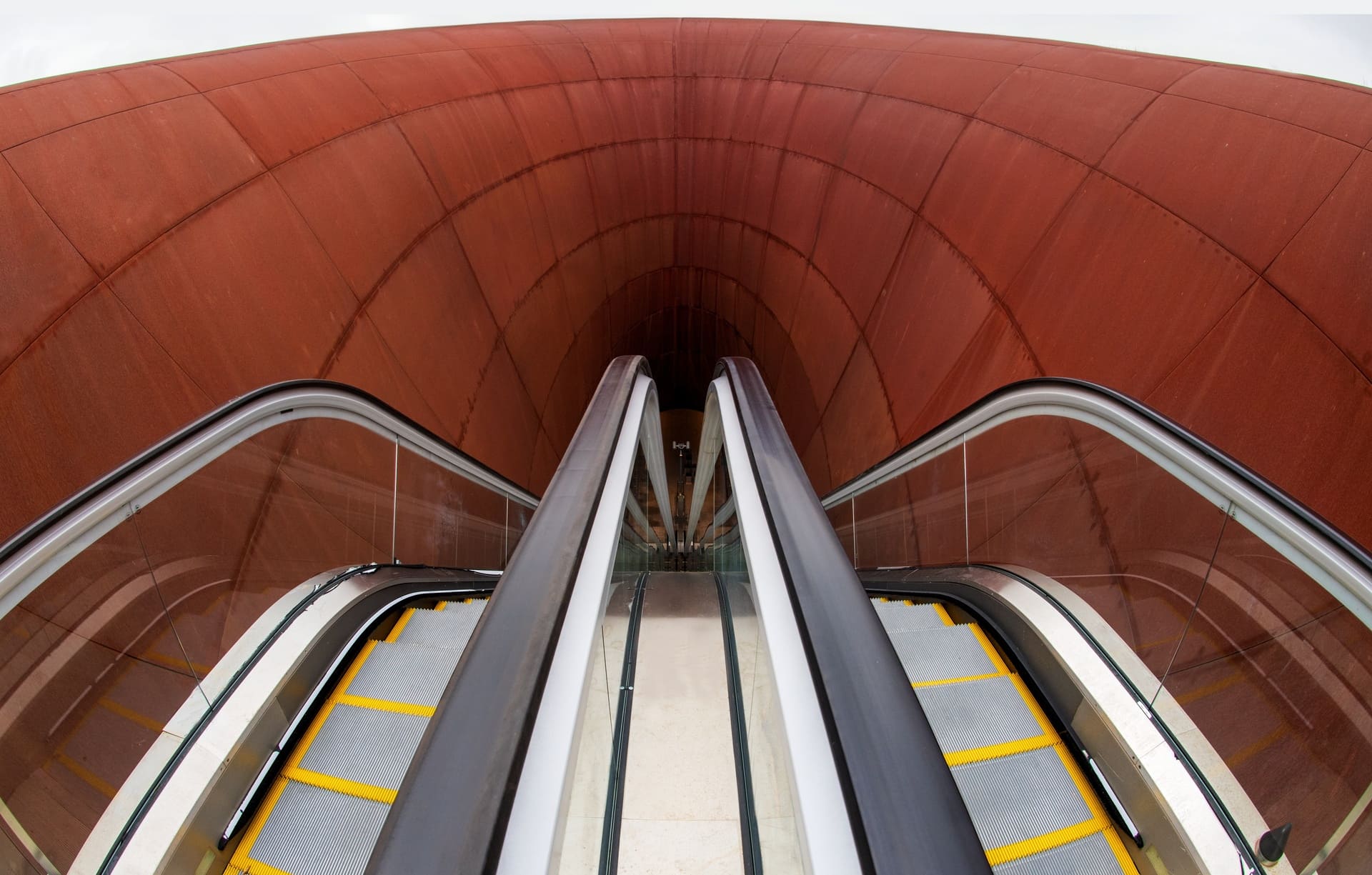 Monte Sant'Angelo Station, Line 7
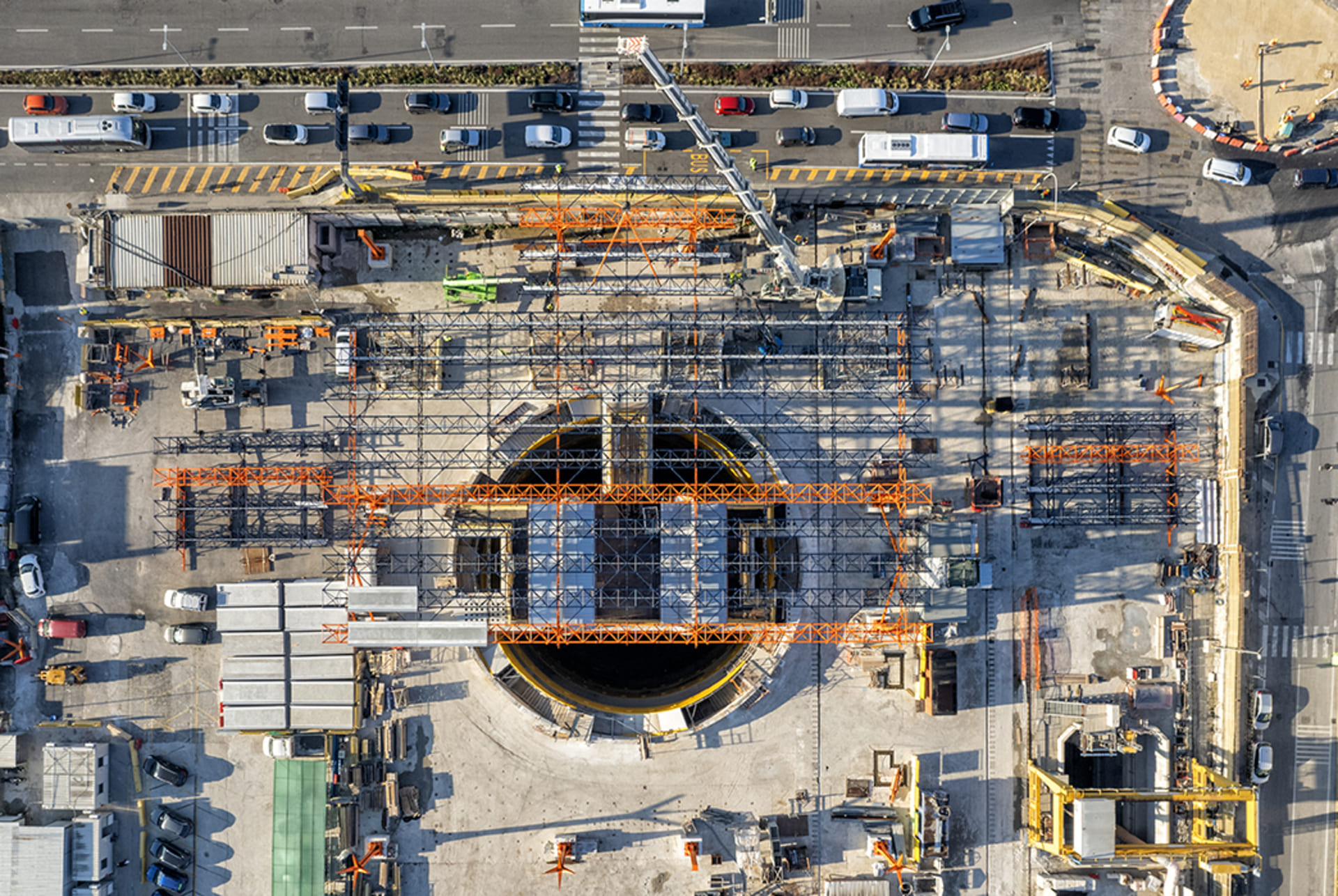 Capodichino Station construction site
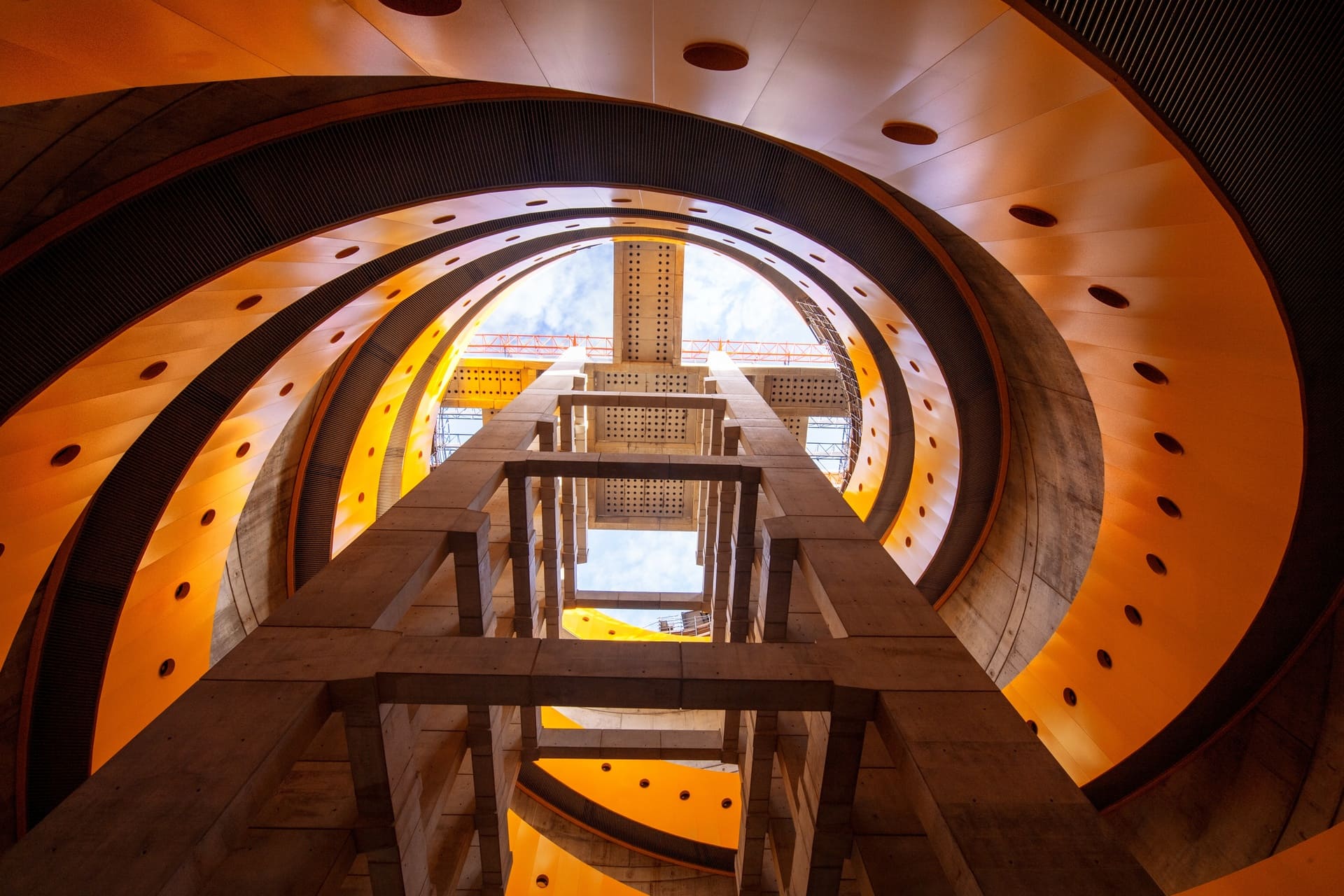 Capodichino Station construction site
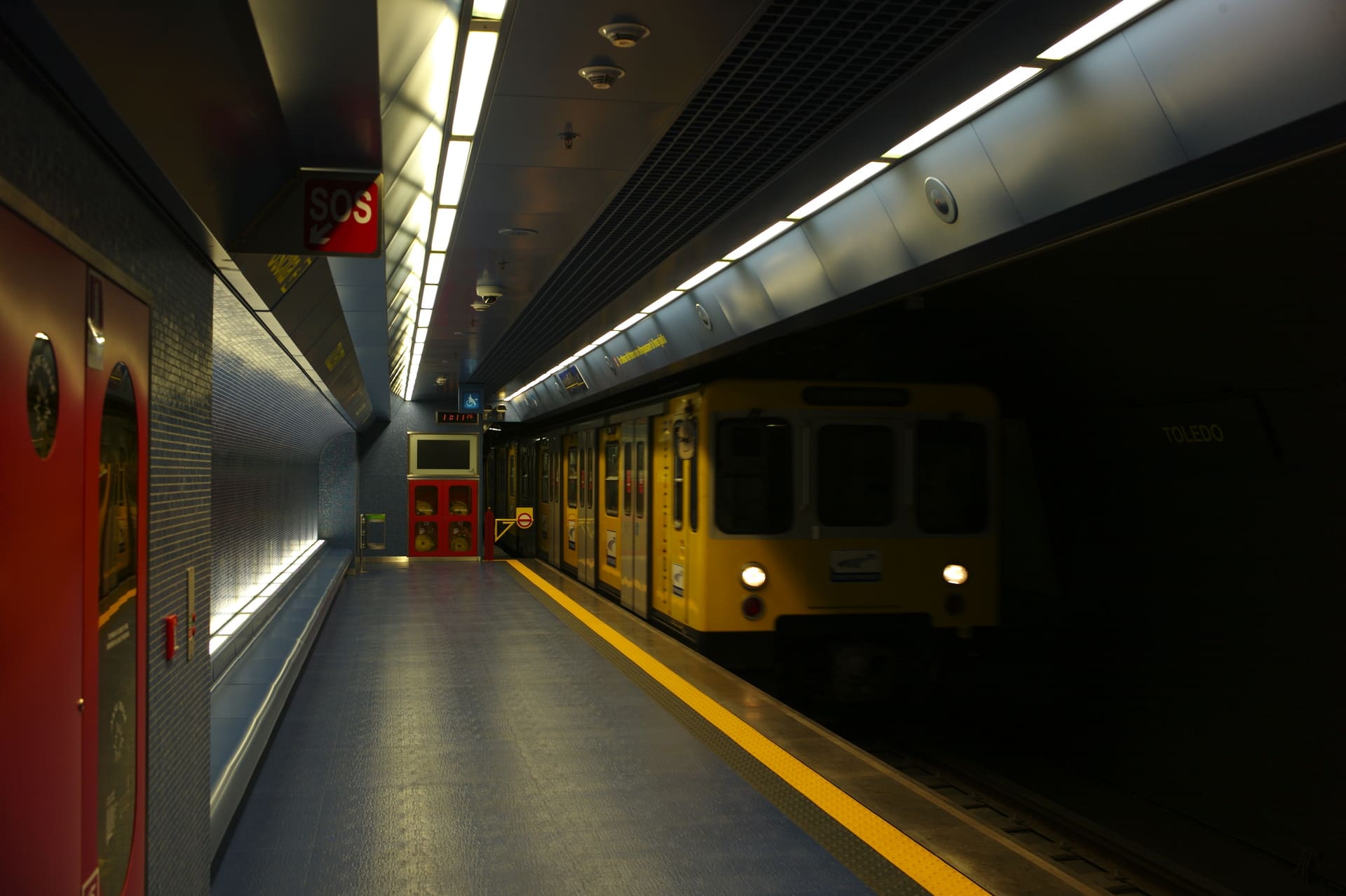 Toledo Station, Line 1, Naples
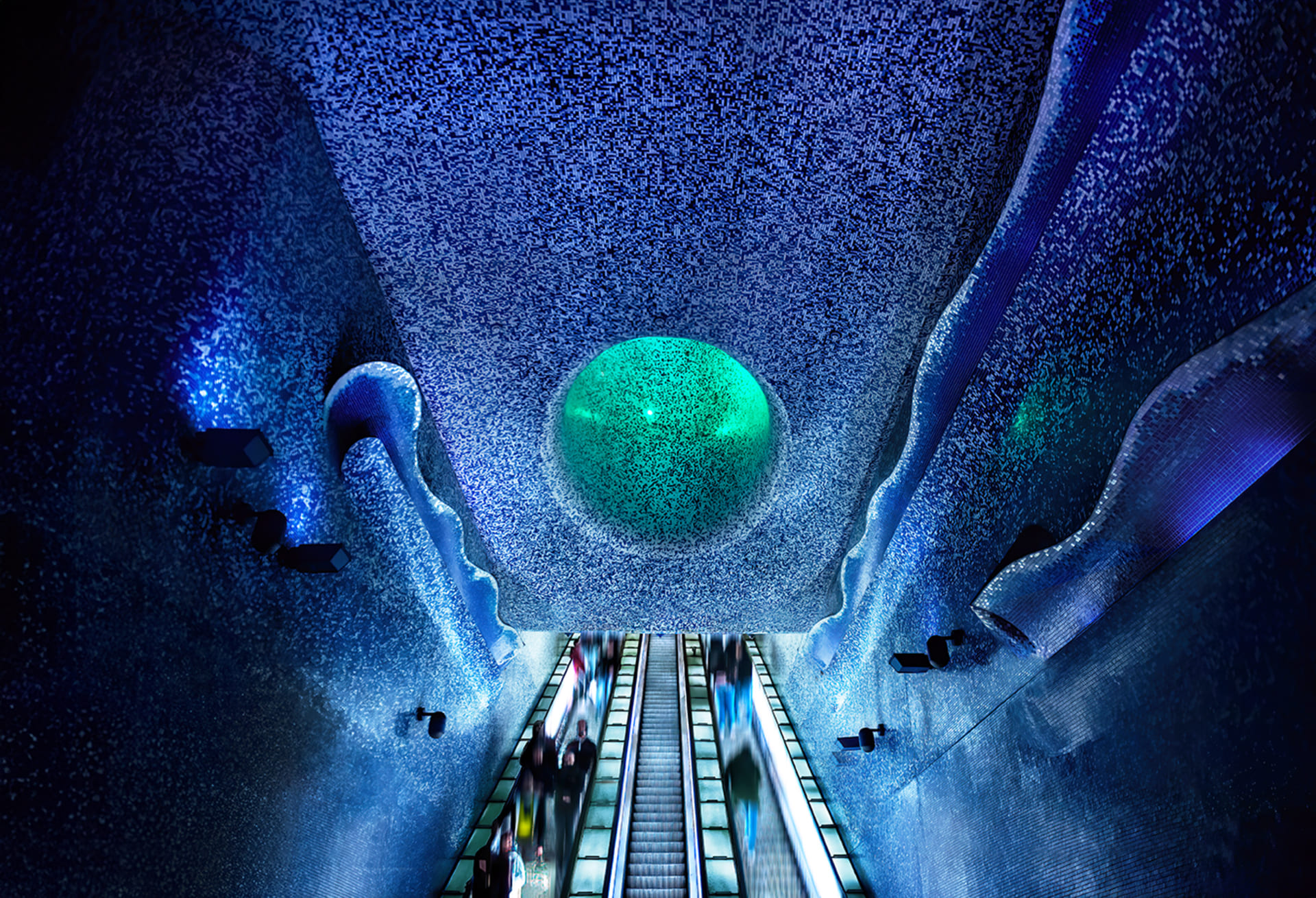 Toledo Station, Line 1, Naples
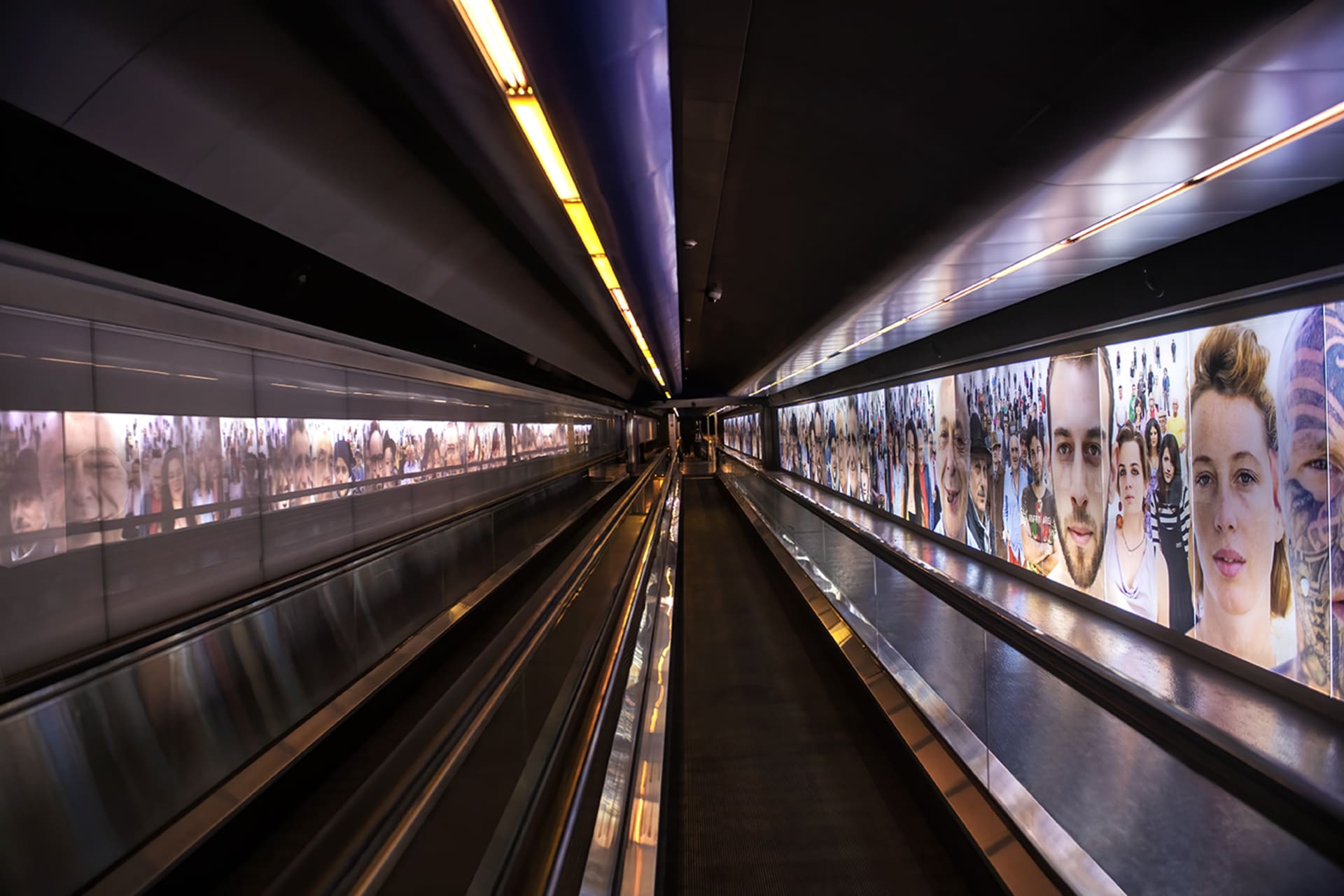 Toledo Station, Line 1, Naples
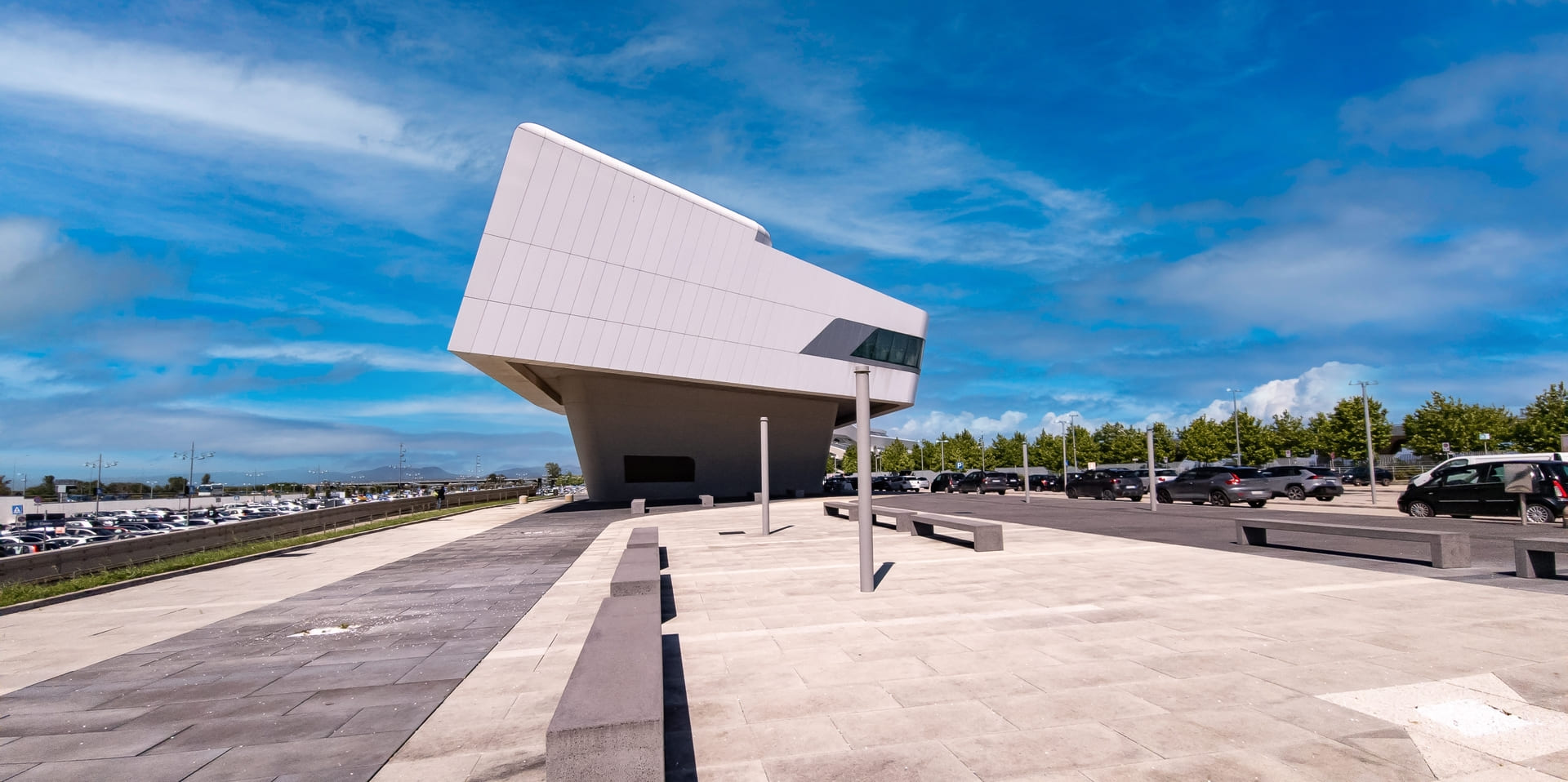 Afragola High-Speed Railway Station, Naples
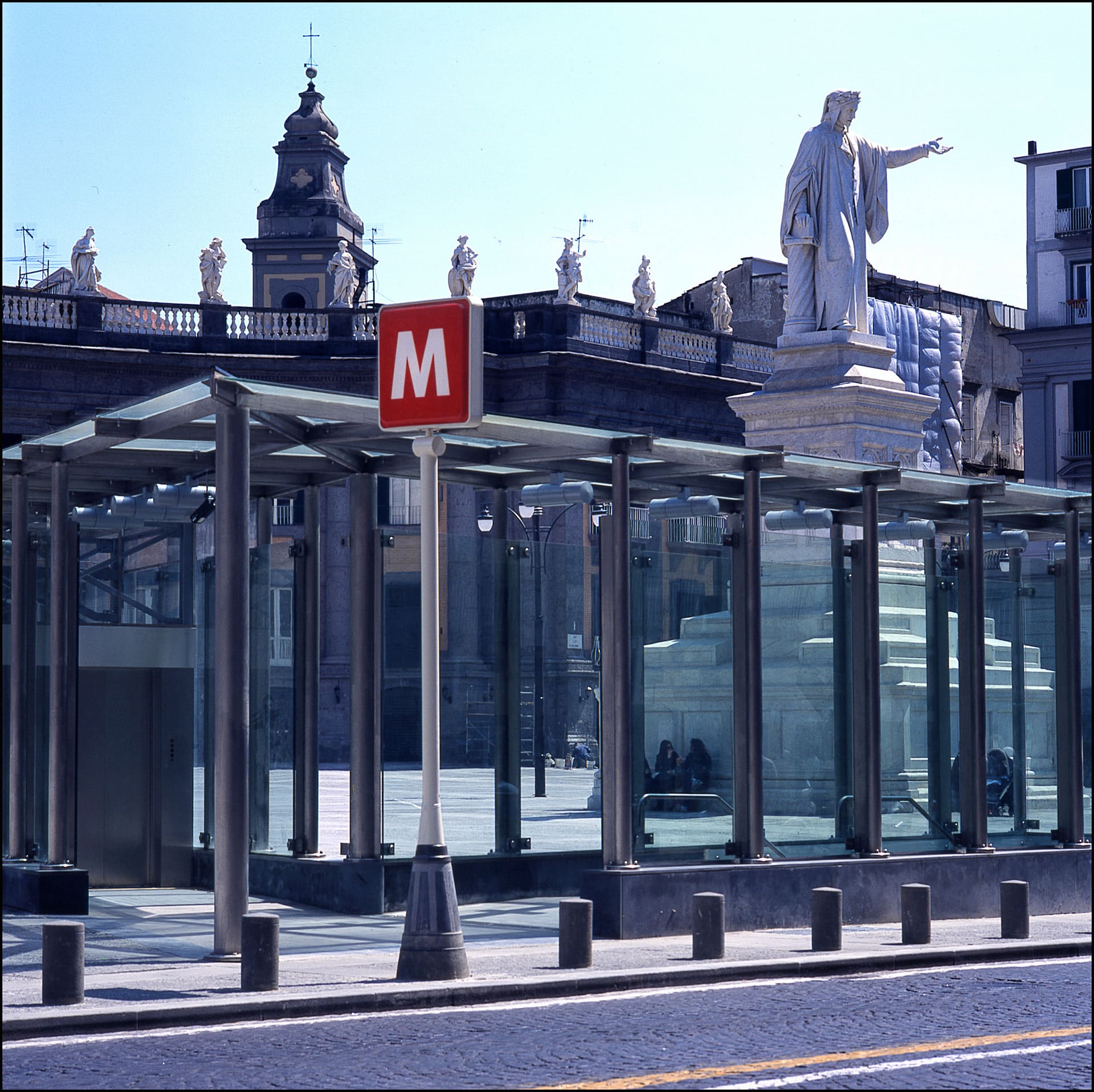 Dante Station, Line 1, Naples
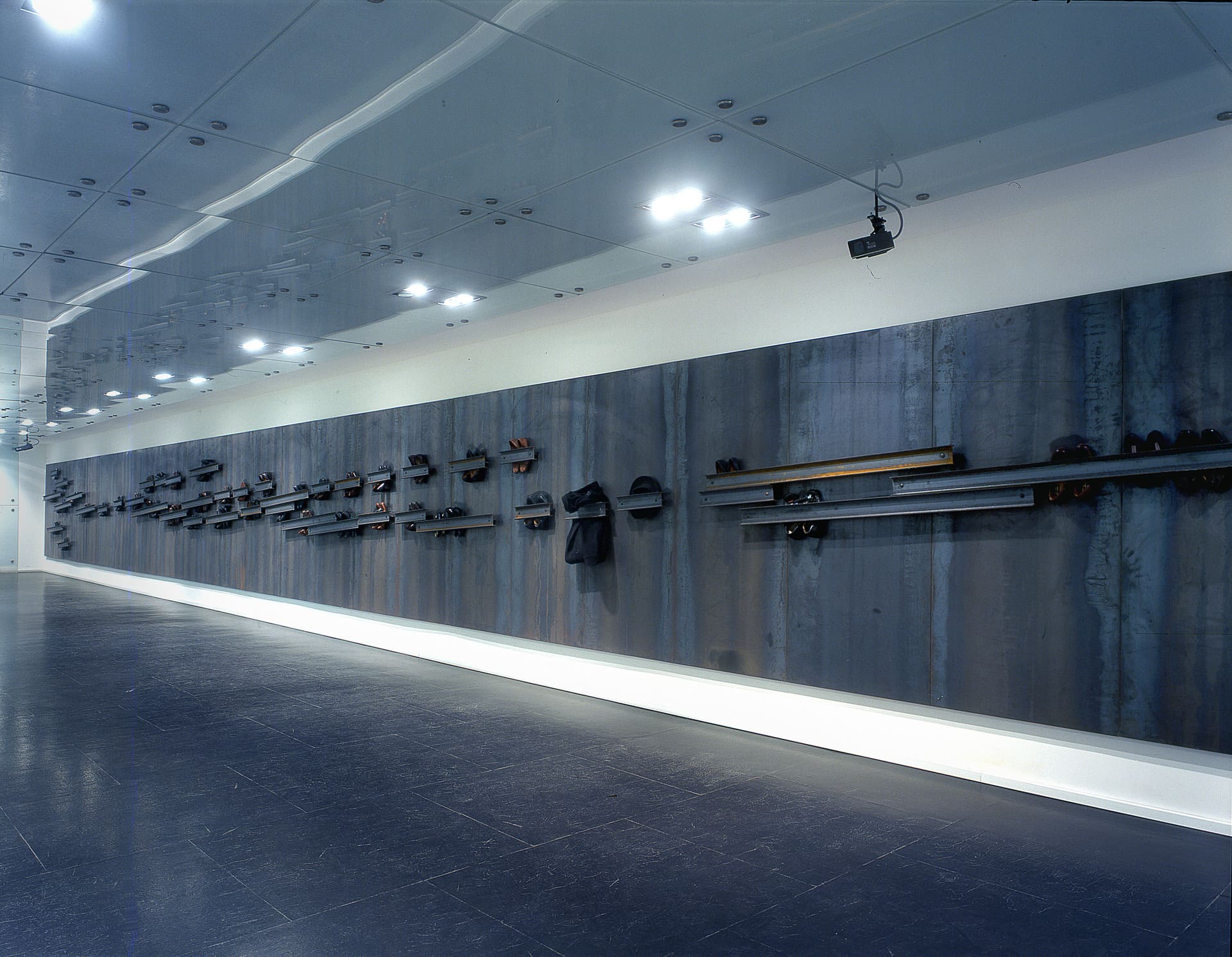 Dante Station, Line 1, Naples
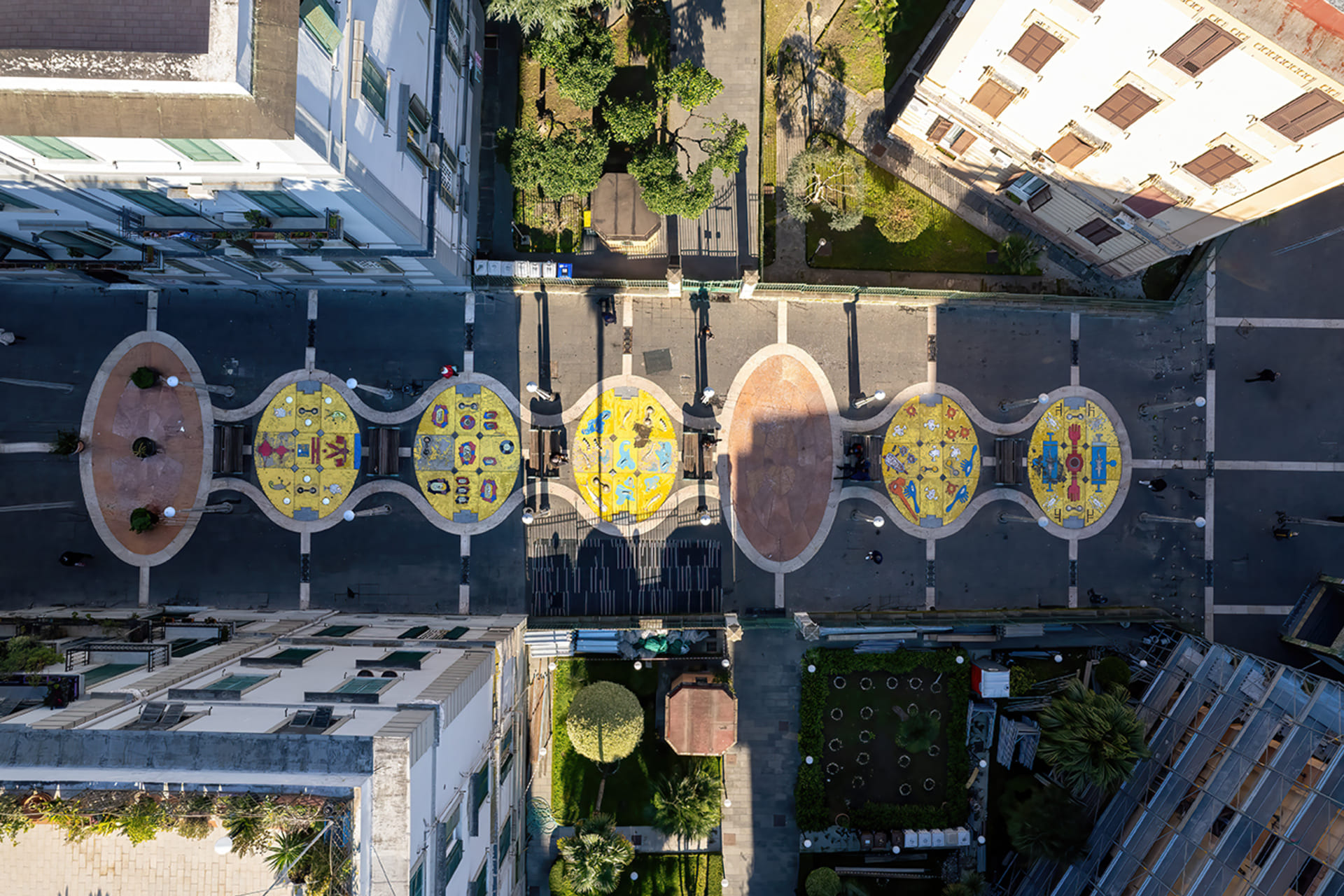 Materdei Station, Line 1, Naples
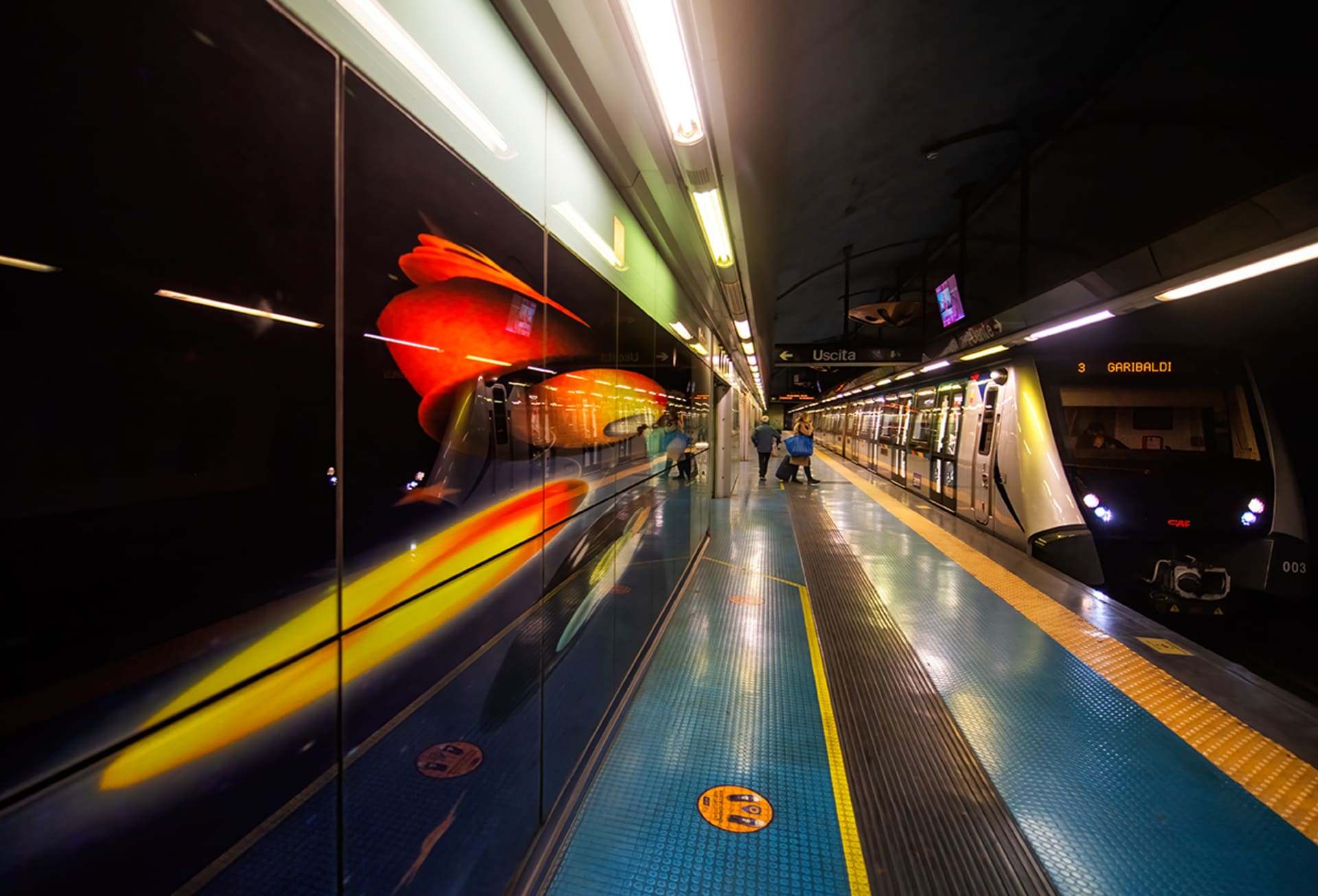 Materdei Station, Line 1, Naples
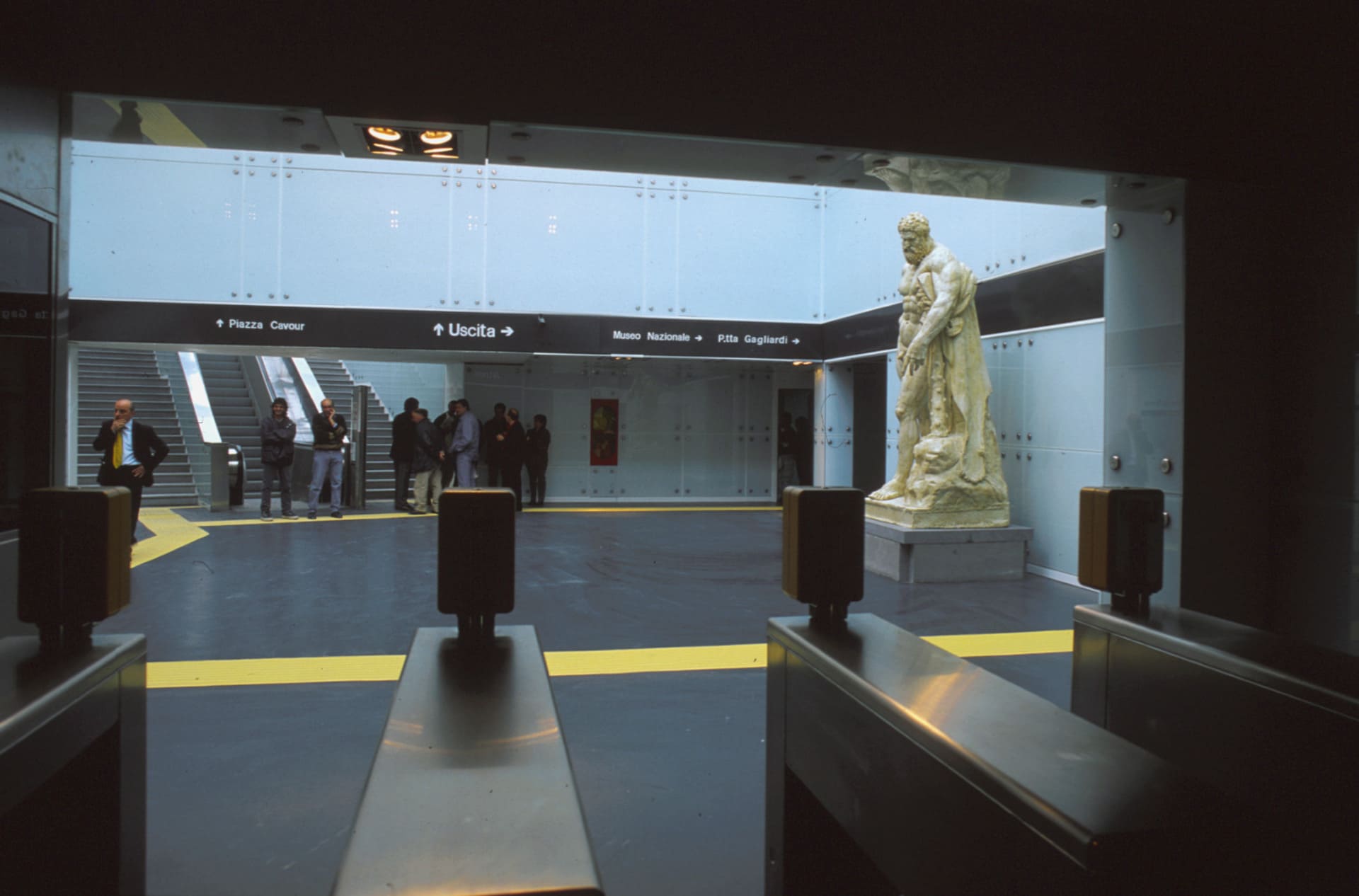 Museo Station, Line 1, Naples
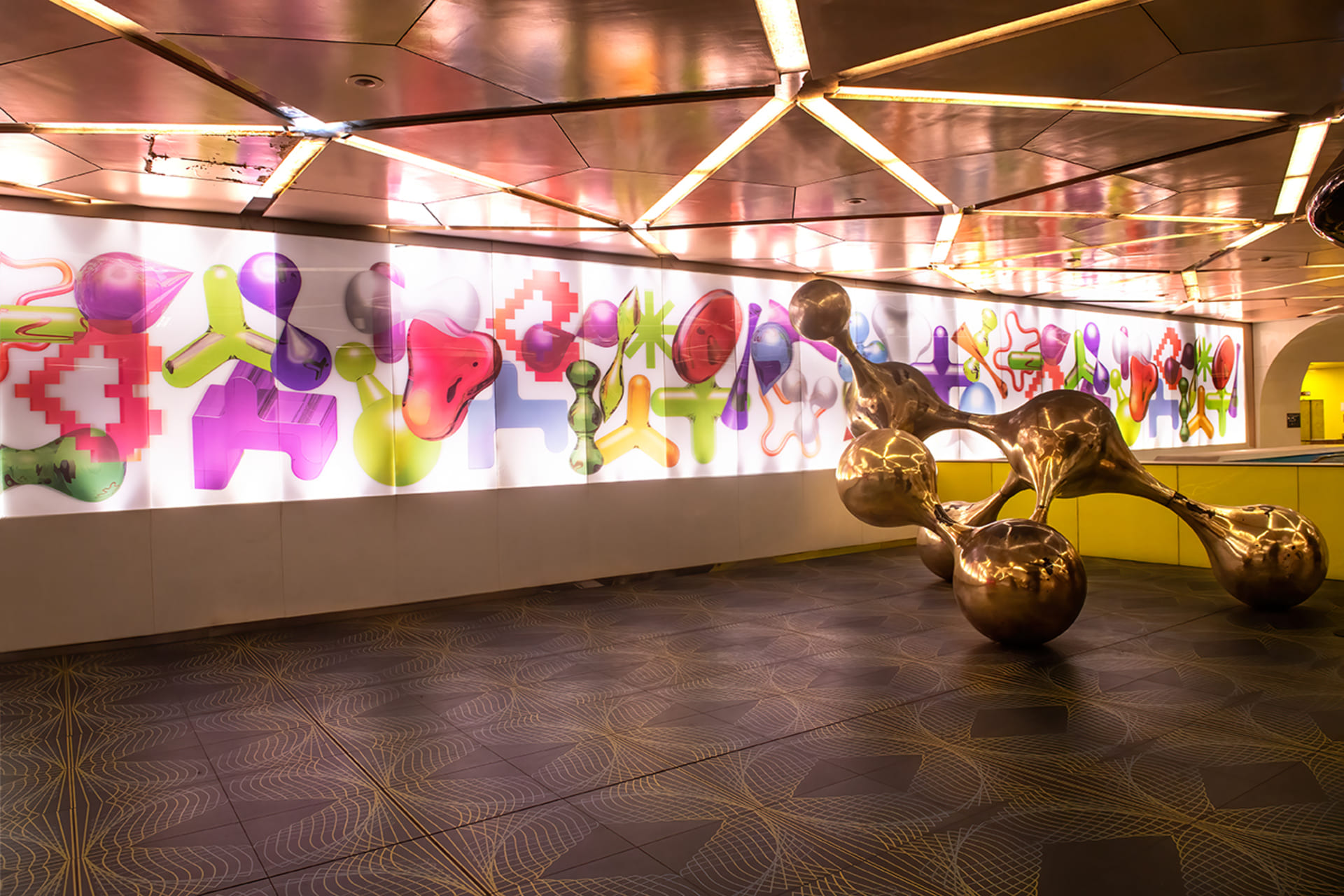 Università Station, Line 1, Naples
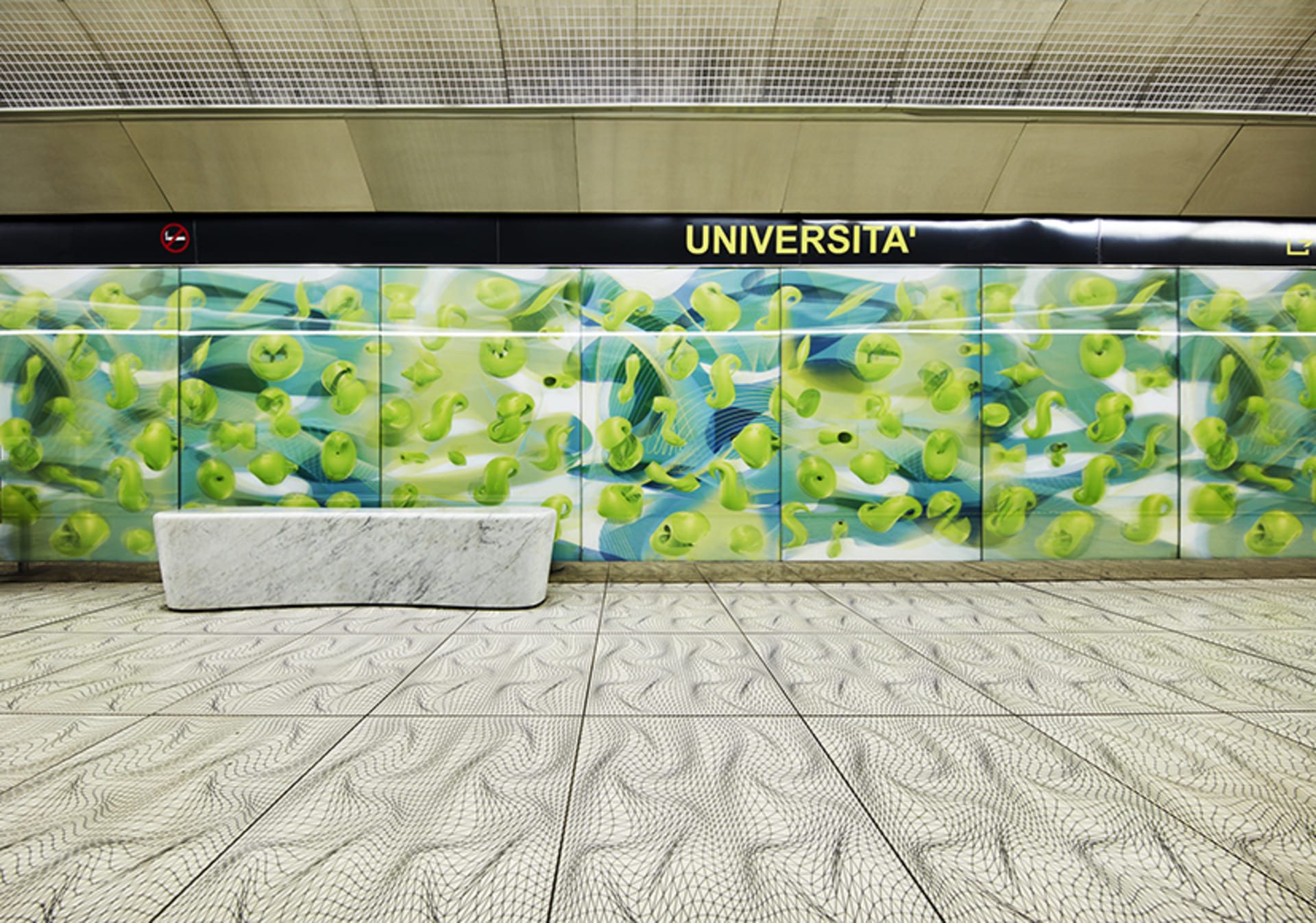 Università Station, Line 1, Naples
- Between the spring and summer of 2027, Naples will host the 38th edition of the America’s Cup
- The future Line 10 will connect Naples with the Afragola high-speed rail station, serving more than 400,000 citizens
- The new Naples subway line will integrate with the existing metro system, improving accessibility to strategic districts and regeneration areas such as Piazza Carlo III
- Naples’ metro is increasingly becoming an integrated sustainable mobility system serving millions of people
- Webuild has contributed to the construction of several of Naples’ renowned “Art Stations”, starting with Toledo, a symbol of mobility transformed into a cultural experience

The countdown has already begun, together with the urban regeneration projects that will reshape historic areas of Naples such as Bagnoli. Between the spring and summer of 2027, the capital of the Campania region will host the racing yachts competing for the America’s Cup, the oldest and most prestigious sailing competition in the world.
Naples has in fact been selected as the host city for the 38th edition, while Bagnoli itself will be the central hub of the project, where the operational bases of the world’s leading sailing teams will be established.
The choice of Naples, the result of the joint efforts of the Presidency of the Council of Ministers, the Ministry for Sport and Youth and the Mayor of Naples, Gaetano Manfredi, rewards the city’s path of growth and development. A metropolis that continues to safeguard its unique beauty while supporting profound change, beginning first and foremost with mobility infrastructure development.
The latest project announced, which will also be decisive in meeting the mobility demand generated by the America’s Cup, is the construction of Metro Line 10, whose first section has been awarded to Webuild as part of a consortium led by the Group. The line will connect the Napoli-Afragola high-speed rail station with the city.
The new Naples subway line was conceived precisely as a concrete response to the demand for sustainable mobility in the north-eastern area of the city, one of the most densely populated in southern Italy.
The overall route will extend for approximately 14 kilometres, almost entirely underground, with tunnels excavated partly using TBMs and reaching depths of up to 45 metres. Twelve stations are planned in total, seven of which are included in the first phase. Yet the real revolution is not only engineering-related: it will be Naples’ first metro line with fully automated, driverless trains. A technological leap that aligns Naples with Europe’s major urban transport systems.
Line 10 is not merely a transport infrastructure, but an urban device connecting districts, municipalities and economies — an axis linking Afragola, Casoria, Casavatore and Naples within a single integrated metropolitan system.
Napoli-Afragola Railway Station: High-Speed Rail Hub in Southern Italy
To understand the strategic value of Line 10, one must begin with Afragola. Here stands the Naples–Afragola high-speed railway station, designed by star architect Zaha Hadid: an iconic infrastructure conceived as a major hinge between the national and regional railway lines.
Today this hub is already a key interchange along the North–South Italy corridor, but with the completion of the Naples–Bari high-speed rail line — of which Webuild is constructing four sections — its centrality will become even more evident. The Napoli-Afragola railway station will thus become the meeting point between the Tyrrhenian and Adriatic corridors, between Rome and Apulia, between Milan and Bari.
Line 10 transforms this station from an isolated infrastructure into a fully integrated urban node. No longer just a railway terminal, but a metropolitan gateway. No longer a transit point, but a generator of development.
Naples Metro: The City beneath the City
Naples is a city that grows underground. Over the past twenty years, the metro transportation has changed the way people move, reducing traffic and emissions while reconnecting suburbs and the historic centre. Line 10 will integrate into this metro system, interfacing with Line 1, Line 2, Line 11 and the Circumvesuviana railway.
The new Naples subway’s route will serve densely populated urban areas and districts undergoing transformation. Among these is Piazza Carlo III, where the regeneration of the Albergo dei Poveri is underway, set to become one of Europe’s largest cultural hubs thanks to PNRR funding.
Here, mobility and urban regeneration advance together: the station is not merely a boarding point, but a catalyst for functions, where the metro system becomes social infrastructure capable of redistributing opportunities, time and quality of life.
Naples Line 1: Engineering Meets Culture in the Art Stations
Naples is the only city in the world where a metro system has also become a widespread museum.
The Art Stations, developed along Line 1, have transformed technical spaces into places of identity. Among them, Toledo station has become an international icon, repeatedly ranked among the most beautiful stations in Europe.
Webuild has contributed to the construction of many of these stations, helping to shape a model that has set a benchmark: mobility as an aesthetic and cultural experience. Here infrastructure projects do not simply connect geographical points but create a sense of belonging. Travelling by metro means passing through installations, light effects and architectural designs that engage in dialogue with the city.
Rail Transportation in Naples: An Integrated System of Metros and High-Speed Trains
In addition to meeting mobility needs, the Line 10 project will also provide an important employment opportunity. The construction site will generate up to 700 jobs in the first phase, rising to 1,500 upon completion of the works — a direct impact on the local area, alongside the wider supply chain and industrial ecosystem involved.
The tunnels, with an internal diameter of 8.6 metres, will be excavated partly using traditional methods and partly with TBMs, within a complex urban environment requiring precision, innovation and advanced expertise.
The true strength of this infrastructure construction project nevertheless lies in its ability to create an intermodal hub. Line 10 is not an isolated infrastructure, just as the Napoli-Afragola railway station is not a standalone element. Together with the Naples–Bari line currently under construction, they form a multi-level system: urban, regional and national.
Sustainable mobility in Naples therefore does not arise from a single line, but from the connection between metro services, high-speed rail, the regional network and urban regeneration. A widespread network of infrastructures dedicated to people and their need to move — one that now looks to the America’s Cup as a major opportunity to showcase its full potential.