

Water is essential to urban life, but managing it is also one of the greatest challenges facing cities where millions of people share the same space. Ensuring access to clean drinking water, preventing floods and protecting rivers and seas from pollution all depend on infrastructure that works quietly behind the scenes, making a tangible difference to everyday life.
Often out of sight, these projects help cities grow, become more resilient to climate change and find a new balance with the water that flows through them.
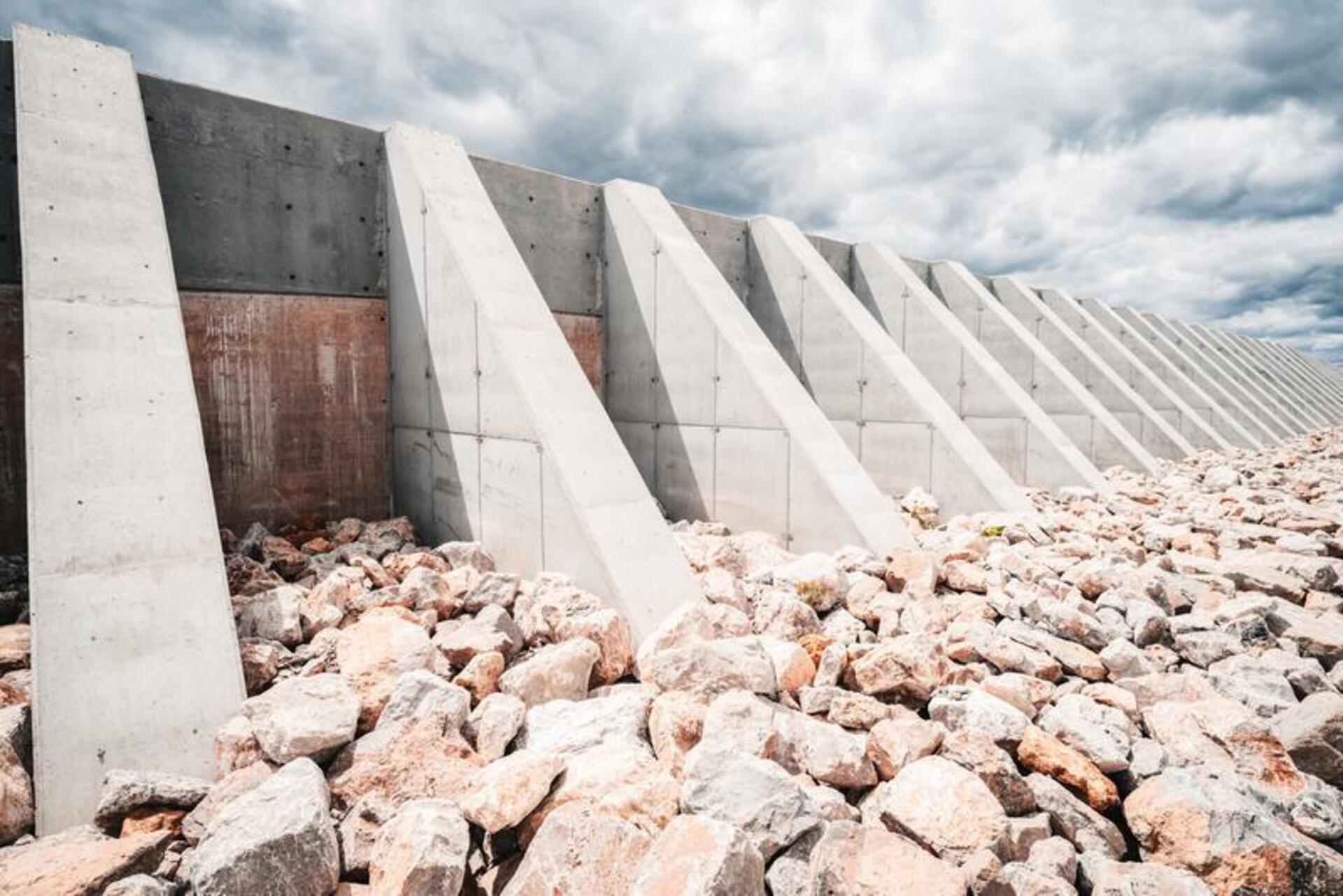
1 – Kansas City’s Levees Flood Risk Management Project
In Kansas City, USA, protecting a city from water also means safeguarding its economic engine. Along the Kansas River, the Levees Flood Risk Management project, carried out by Webuild’s US subsidiary Lane, aims to strengthen levees and flood barriers, reducing the risk of flooding in industrial and commercial districts.
The work covers approximately 17 miles of levees across Kansas and Missouri, including the raising of existing structures and the construction of new sections. The goal is to protect around 27,000 residents and workers, as well as more than $10 billion worth of strategic infrastructure, including one of the largest rail yard networks in the United States.
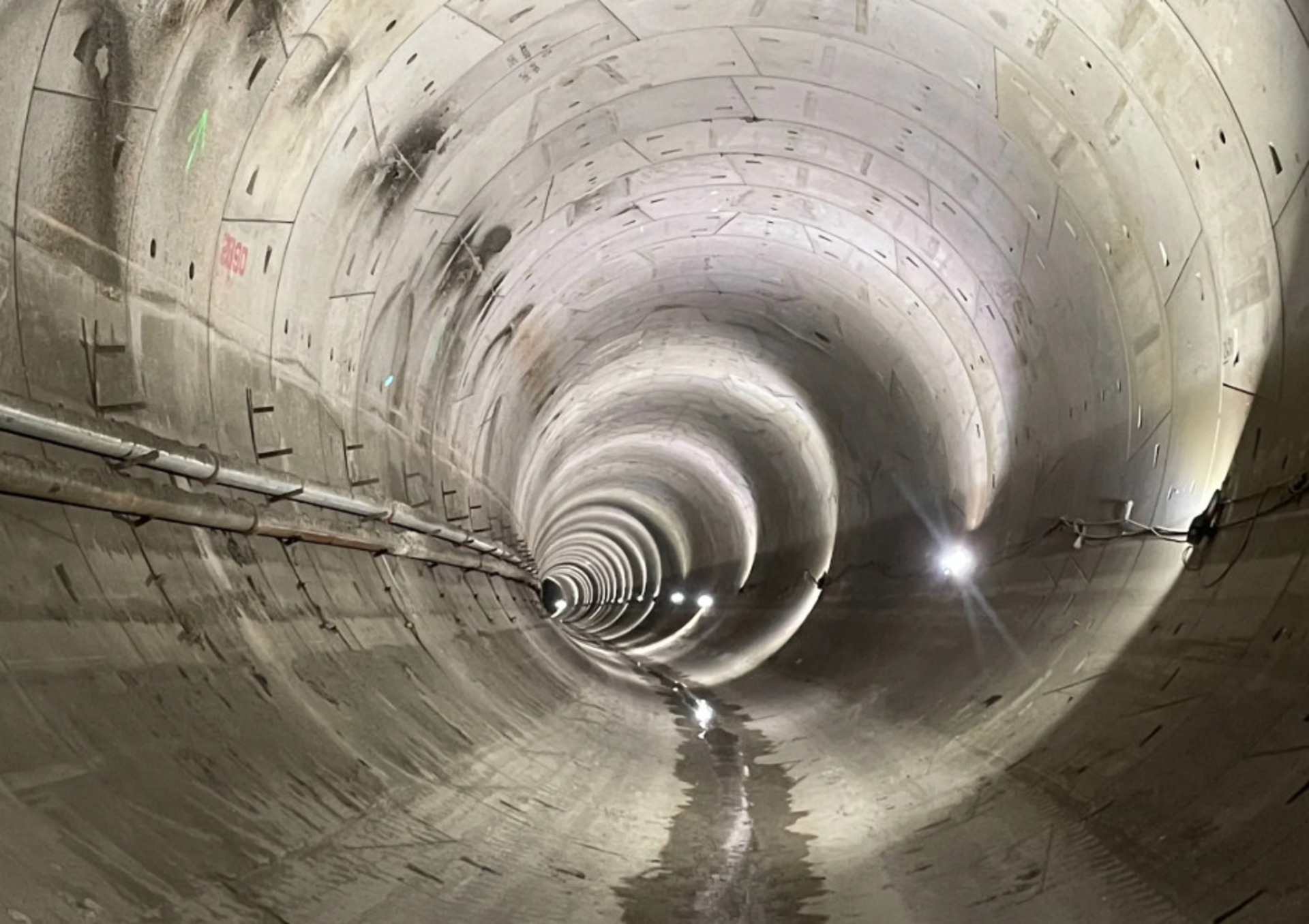
2 – Northeast Boundary Tunnel, Washington, D.C.
In Washington, D.C., heavy rainfall can cause problems that start underground and eventually spill onto the streets: sewer systems risk becoming overwhelmed, releasing contaminated water into rivers and causing flooding.
To tackle this challenge, Lane Construction, a Webuild Group company, built the Northeast Boundary Tunnel, a massive underground tunnel stretching for more than 8 kilometres and reaching depths of up to 48 metres. During storms, the tunnel captures excess water and channels it towards treatment facilities, preventing it from flowing directly into waterways.
The result is a 98% reduction in combined sewer overflows into the Anacostia River, alongside greater protection against flooding.
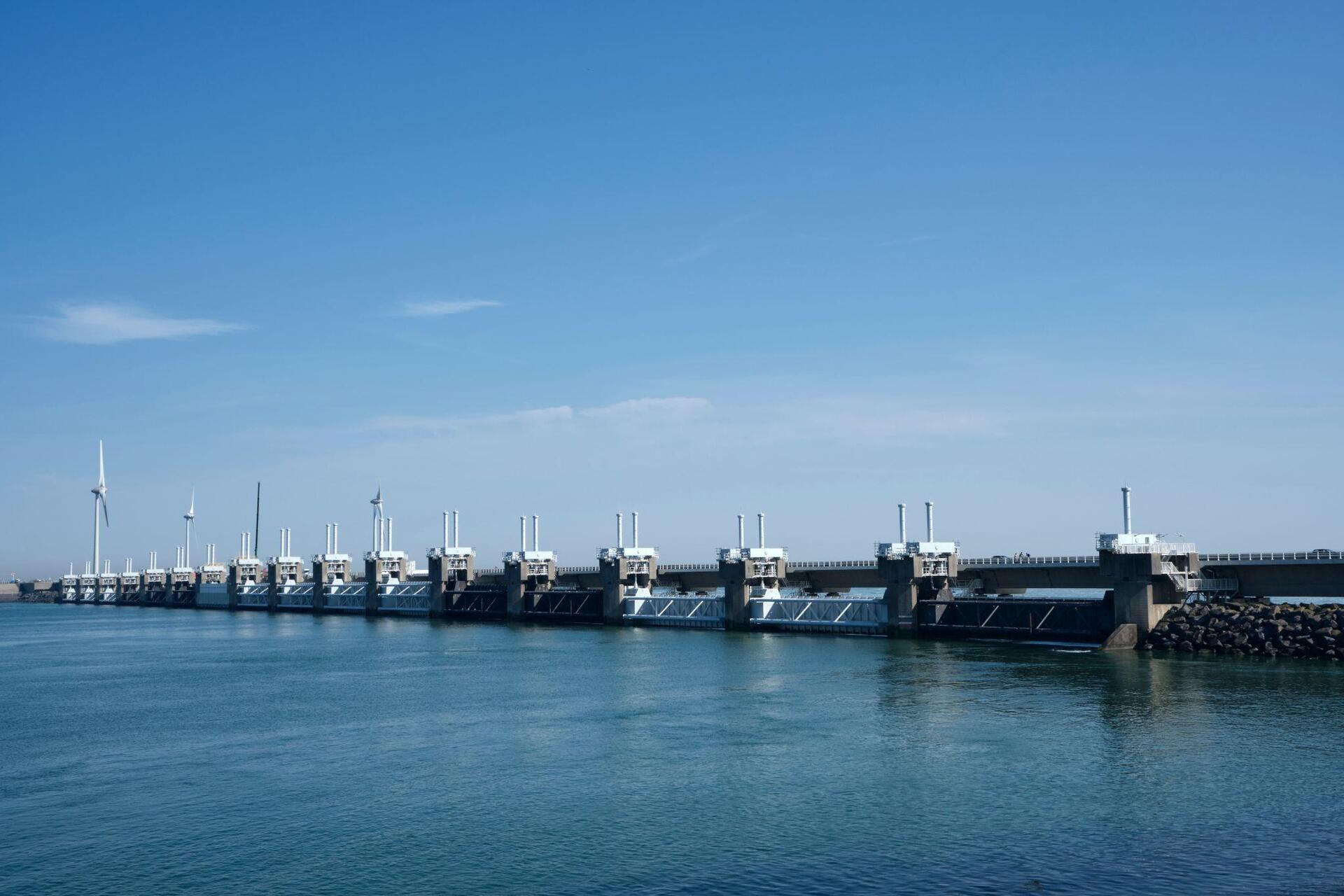
3 – Delta Works, Netherlands
In the Netherlands, where large areas of land lie below sea level, water management is an everyday challenge.
One of the most remarkable solutions is the Eastern Scheldt Barrier, a 9-kilometre-long movable storm surge barrier built between 1976 and 1986 as part of the Delta Works, the vast system of infrastructure designed to protect the country from floods.
The Eastern Scheldt Barrier does not keep the sea out all the time: under normal conditions, its gates remain open, allowing the tides to flow through and preserving the natural environment and fishing activities. They close only when water levels threaten to rise too high, turning the enormous structure into a shield against storm surges.
It is an ingenious balance between safety and nature, protecting hundreds of thousands of people without disrupting the ecosystem’s natural rhythms.
4 – MOSE, Venice Lagoon
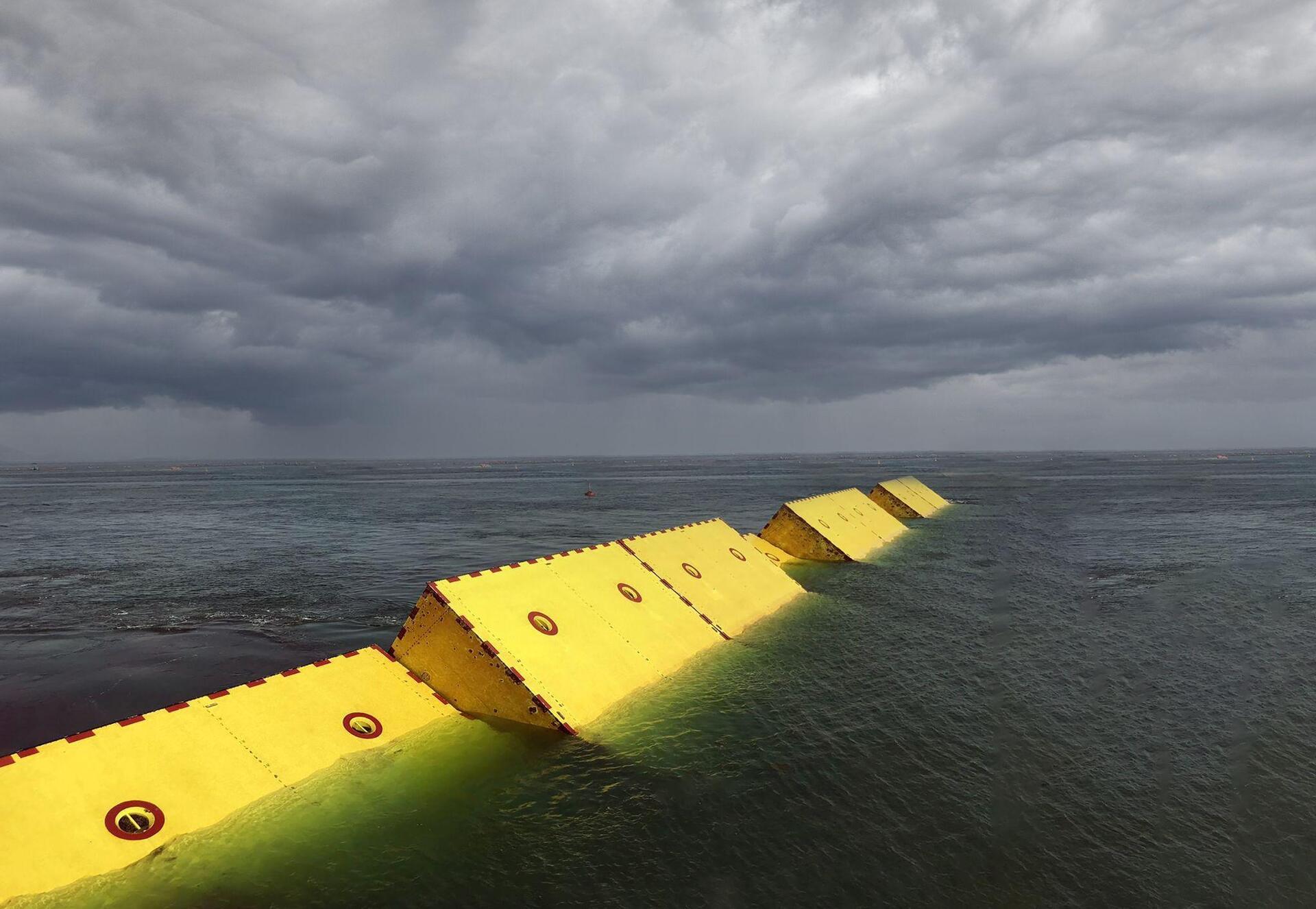
In Venice, water is part of the city’s beauty, but when the tide rises too high, it can become a threat to its narrow streets, squares and historic buildings. To protect the city, the MOSE system was built: a storm surge barrier made up of 78 movable gates, arranged in four barriers across the inlets of Lido, Malamocco and Chioggia.
Its operation is as ingenious as it is impressive. Under normal conditions, the gates lie flat on the seabed, allowing water and boats to pass freely. When a high tide above the established threshold is forecast, compressed air is used to raise them, creating a temporary barrier that holds back Venice flooding, sealing the lagoon off from the Adriatic Sea.
First activated in October 2020, MOSE is one of the most ambitious engineering projects ever built to protect a city from the effects of rising tides.
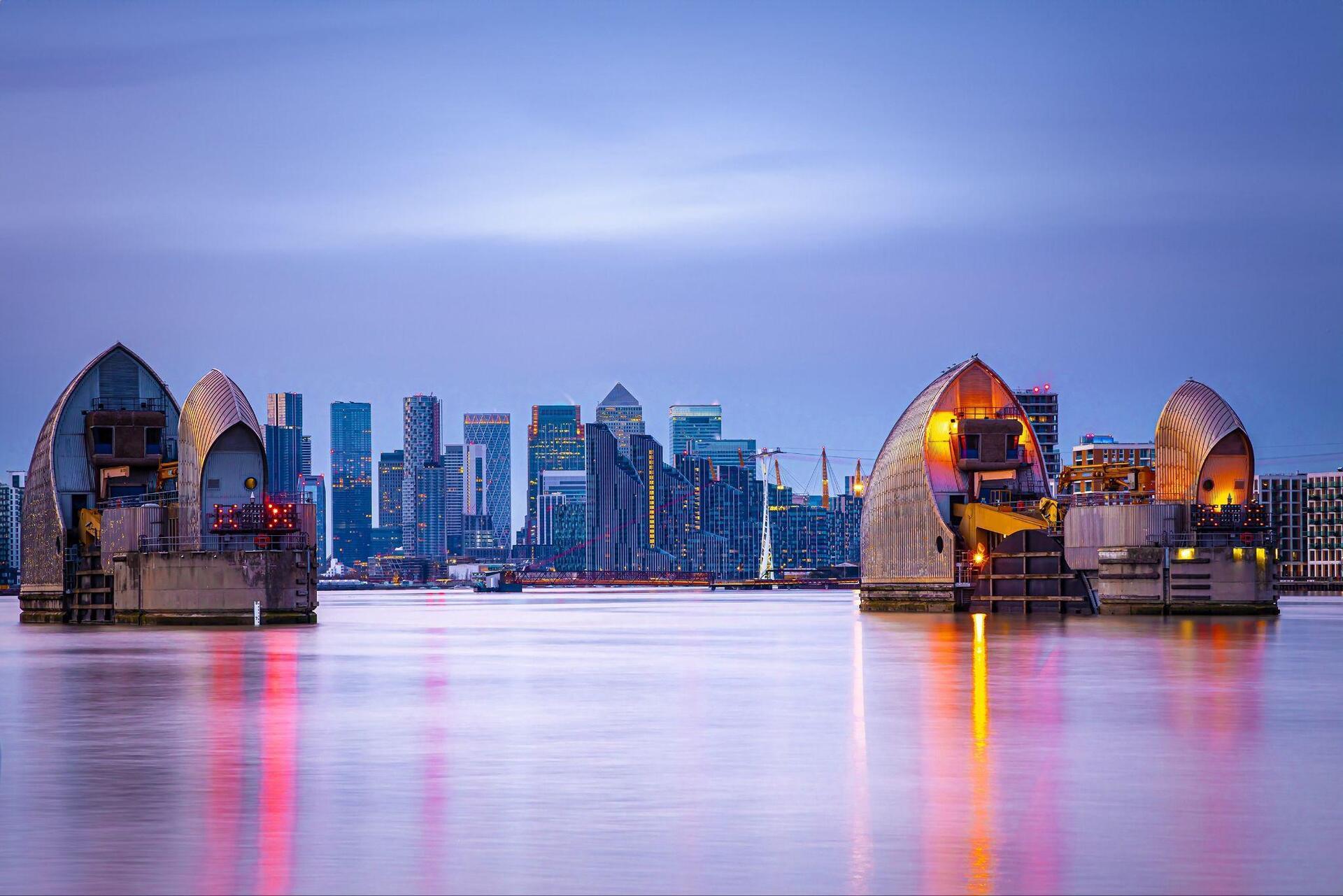
5 – Thames Barrier, London
In London, the River Thames is one of the city’s most iconic landmarks, but tides and storms can turn it into a threat to the urban areas along its banks. To reduce the risk of London flooding, the Thames Barrier came into operation in 1982, becoming one of the largest movable flood barriers in the world.
The structure stretches for 520 metres near Woolwich and features 10 massive steel gates, each weighing around 3,300 tonnes. When raised, they can reach the height of a five-storey building. The barrier is activated when forecasts indicate that an exceptionally high tide or a storm surge could push the river beyond the existing flood protection.
In this way, the Thames Barrier shields around 125 square kilometres of central London from flooding. An engineering feat that works in rhythm with the river, stepping in only when needed.