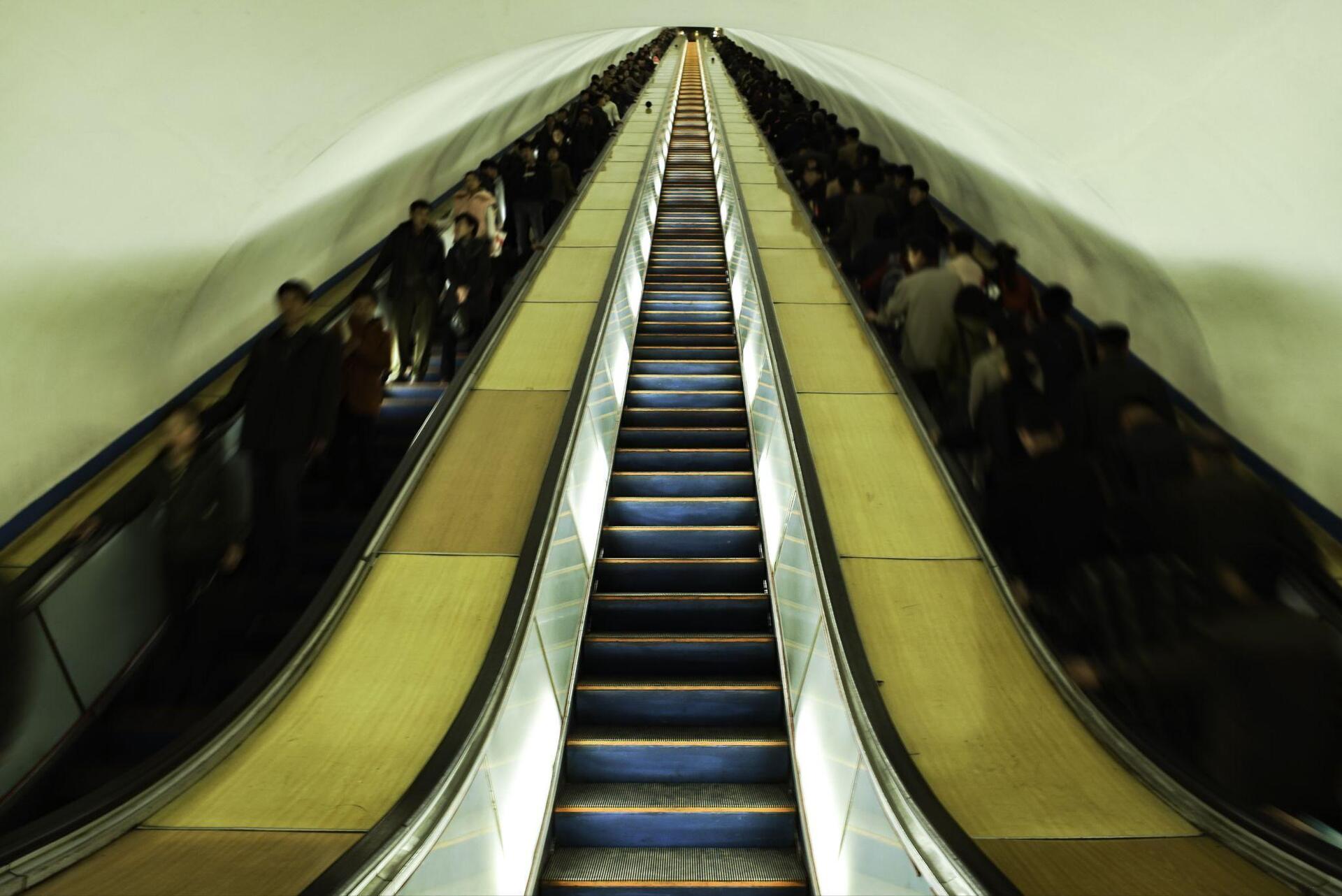


Subways are born in the heart of cities, where space is dense and complex: beneath historic buildings, busy streets, and challenging ground conditions. Every line that descends underground is an extreme engineering challenge, requiring bold technical choices. Engineers must navigate unpredictable water tables, tight spaces, and strict environmental constraints without compromising safety or functionality.
It is in these conditions that innovation becomes essential, turning tunnels and excavations into works that combine technical precision, environmental sustainability, and harmony with the surrounding urban fabric.
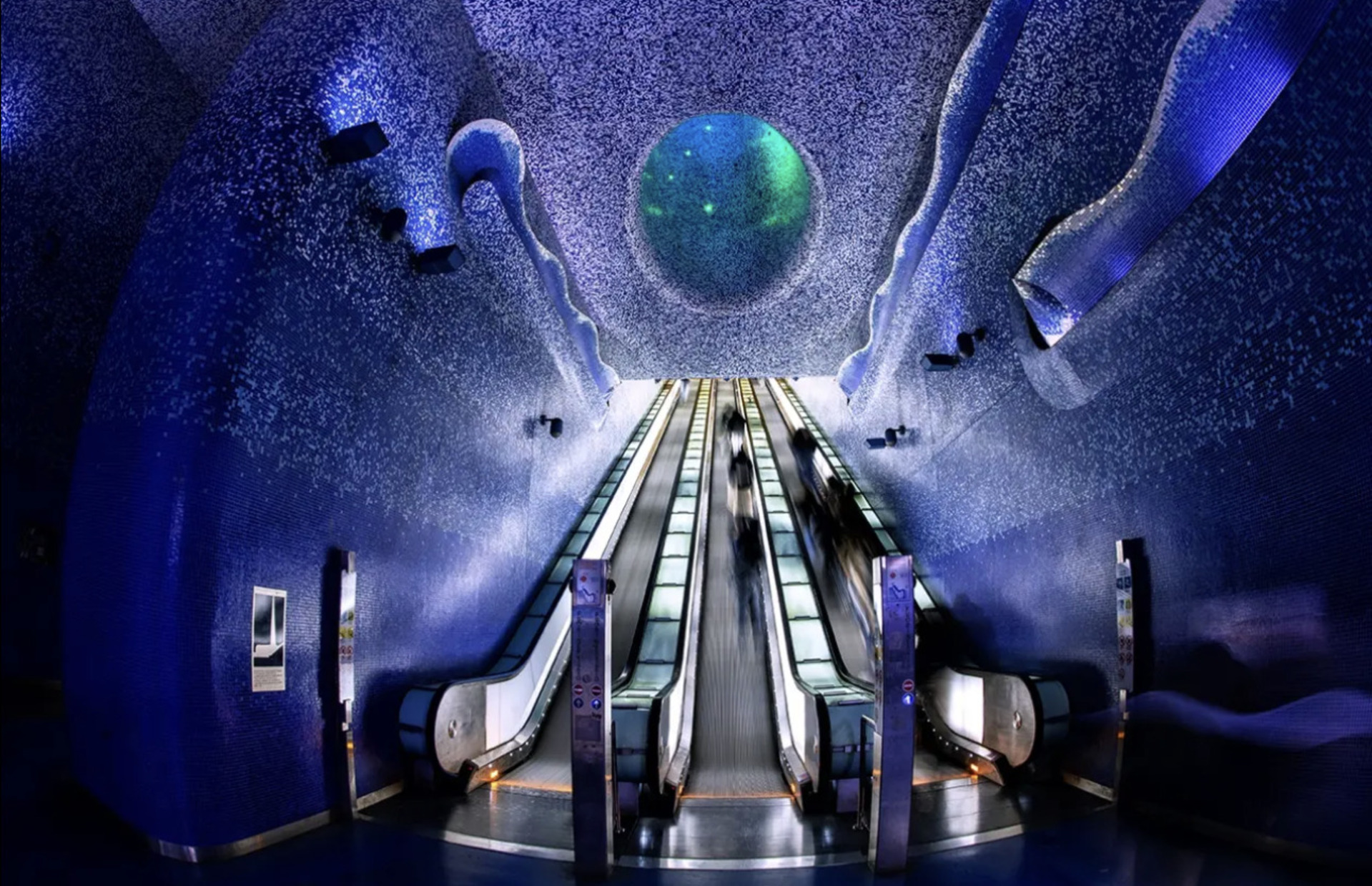
1 – Naples Metro – Line 1
Naples Metro – Line 1 is a striking example of how underground transport services can transform even the most complex urban fabrics into functional, safe, and livable spaces.
The line today spans over 20 km with 20 stations, 10 of which were built by Webuild, including some of the most iconic “Stations of Art” such as Toledo, Università, Dante, Materdei, and Museo. Here, engineering excellence and architectural impact combine, creating striking underground environments.
Constructing this Naples public transport project posed significant engineering challenges: excavations in densely populated areas, the use of advanced technologies to manage highly corrosive water tables to ensure structural stability just steps from the sea (as in the case of San Pasquale station), and strict archaeological and environmental constraints. All carried out without disrupting the daily life of the city.
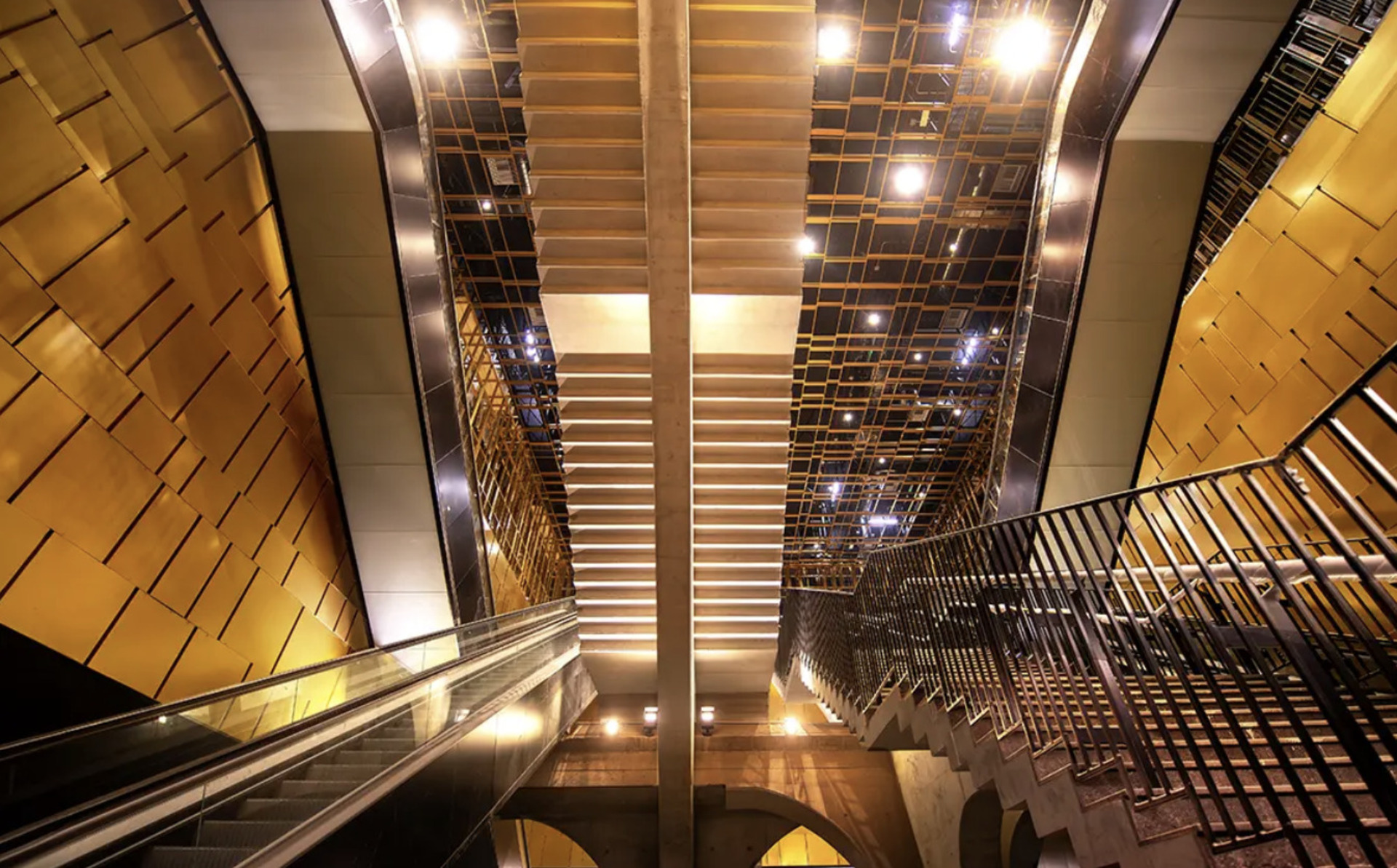
2 – Rome Metro – Line C
Rome Metro, Line C, demonstrates how infrastructure can transform urban mobility even in extremely complex contexts.
Built by Webuild and its partners, the new Rome underground crosses historic neighborhoods and archaeological areas, combining innovative tunneling techniques with the preservation of cultural heritage.
Stations such as Porta Metronia and Colosseo‑Fori Imperiali become points of convergence between functionality, design, and urban enhancement, showing that a metro is not just urban transport, but also regeneration and connection for the city.
With advanced engineering approaches and a long-term vision, Rome subway’s Line C confirms the strategic role of infrastructure in urban growth and cohesion.
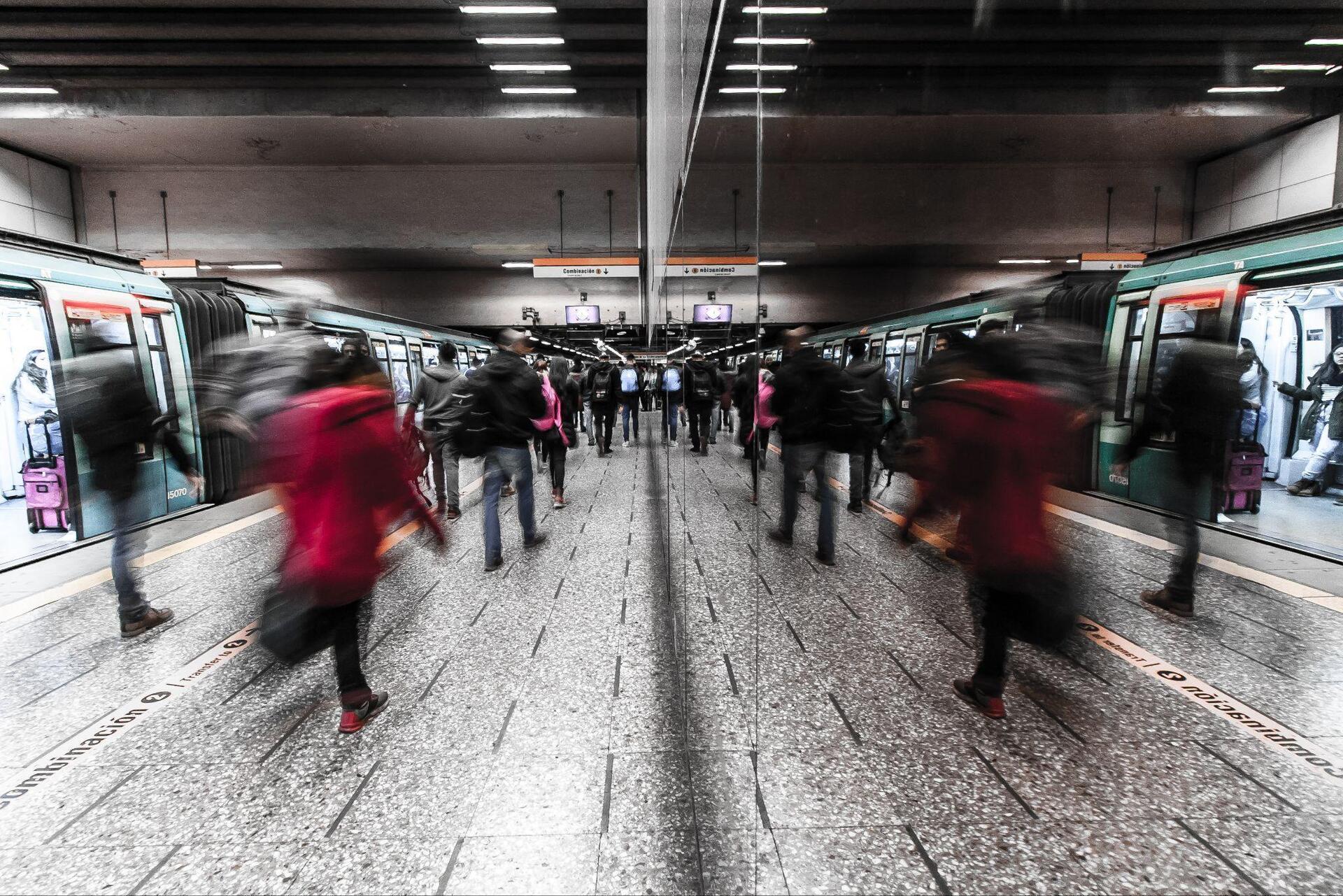
3 – Santiago Metro – Line 9 (Chile)
The Santiago Metro in Chile highlights the challenges of building underground public transport infrastructure in complex urban contexts. The network must contend with high seismic activity, water infiltration in tunnels, and erosion risks, requiring advanced waterproofing and drainage systems.
Continuous monitoring of structural and track deformations ensures safety and operational continuity, demonstrating how design and management must integrate advanced engineering solutions to withstand intense geological and urban pressures.
4 – London Underground – Deep Level Lines (Great Britain)
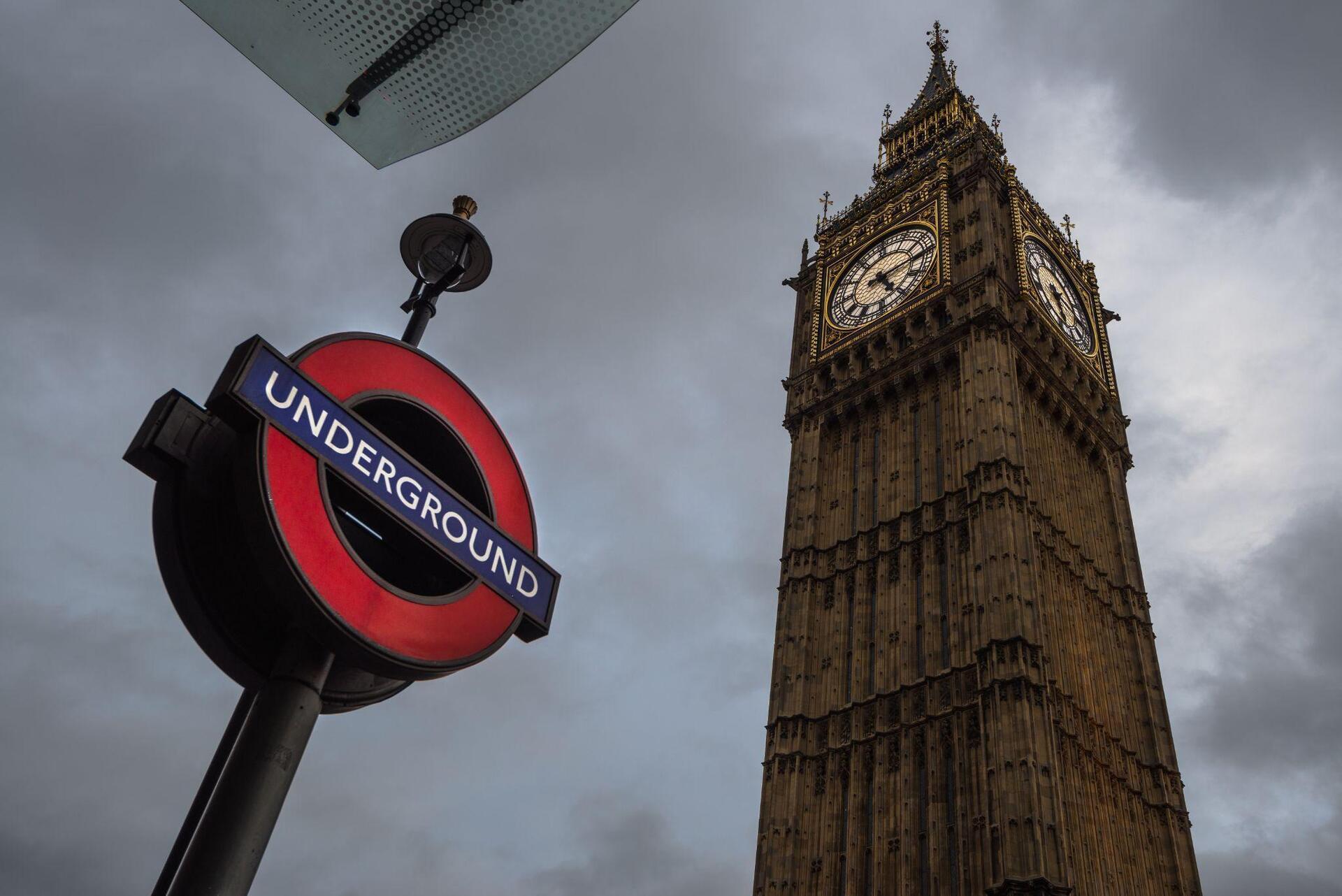
The London Underground is also a historic example of a subway system built in highly complex underground conditions.
The network, the oldest in the world and one of the largest in Europe, combines sub-surface lines excavated just a few meters below street level with deep-level lines, tunnels dug more than 20 m underground to cross the city center without interfering with existing urban structures.
These deep-level lines of the London subway, such as the Northern, Piccadilly, and Jubilee, are built with small-diameter circular tunnels to adapt to subterranean constraints and require specialized shield tunneling techniques and careful design to manage tight spaces, limited ventilation, and interactions with pre-existing infrastructure.
5 – Kolkata Metro (Indian Metro)
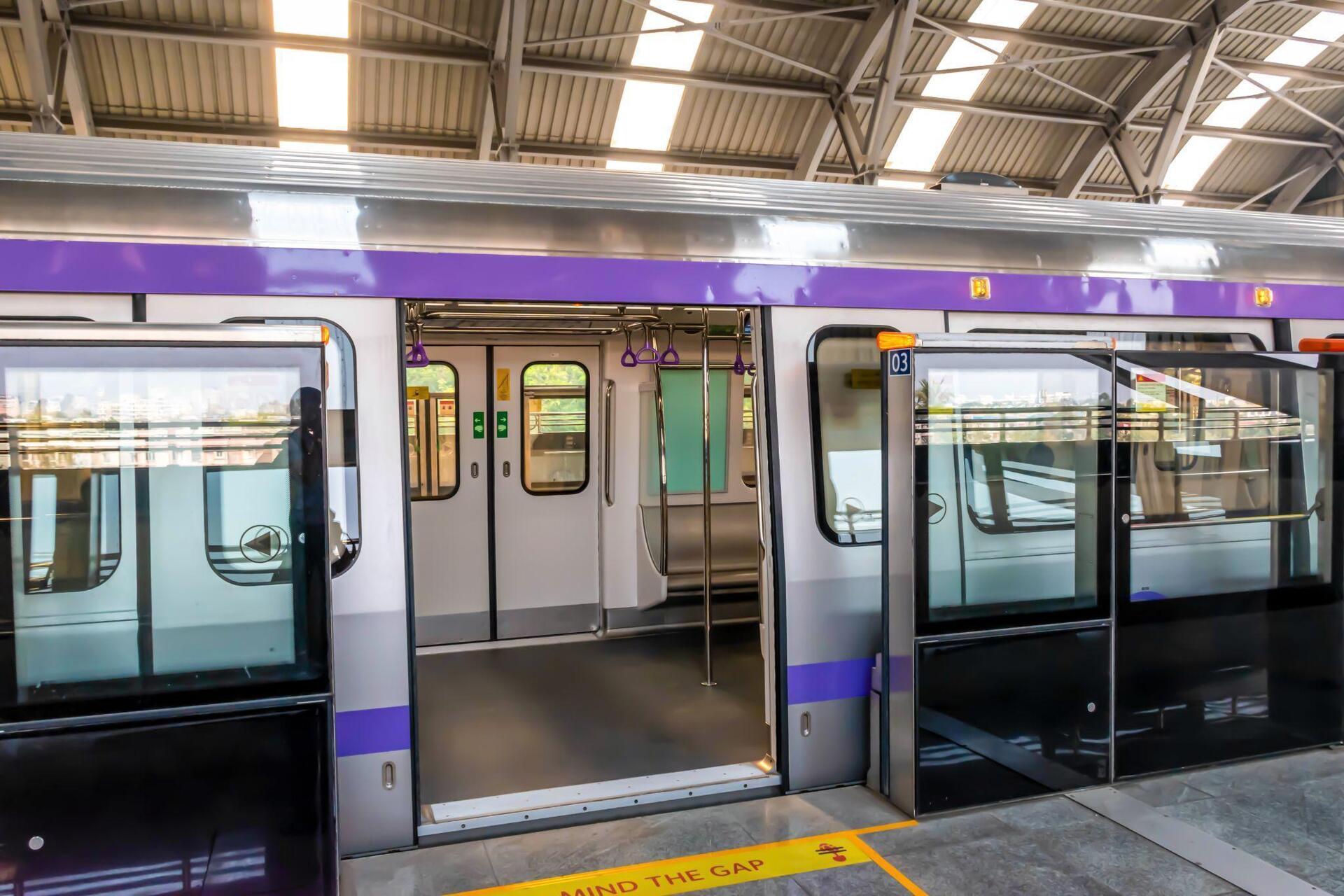
The East‑West Metro in Kolkata, India, is another example of a metro built under complex and innovative conditions. The project covers approximately 17 km, most of it in underground tunnels, including a historic section beneath the Hooghly River, with a 520‑meter stretch under the riverbed, the first metro tunnel of its kind in the country.
To construct this section of the Indian metro, two Tunnel Boring Machines (TBMs) were used, meeting beneath the river, navigating variable soil conditions and tight urban constraints while safeguarding existing structures along the route.
6 – Pyongyang Metro (North Korea)
A unique case in the world of metro systems is the Pyongyang Metro in North Korea, famous for being located approximately 110 meters below ground level, one of the deepest urban transport systems in the world.
This distinctive feature stems from a design approach that combines urban mobility needs with the ability to serve as an air-raid shelter, featuring entrances equipped with reinforced steel doors for protection in case of conflict.
The network, composed of two lines and around 17 fully underground stations, illustrates how geological and functional constraints can profoundly shape the layout and experience of a metro system.