


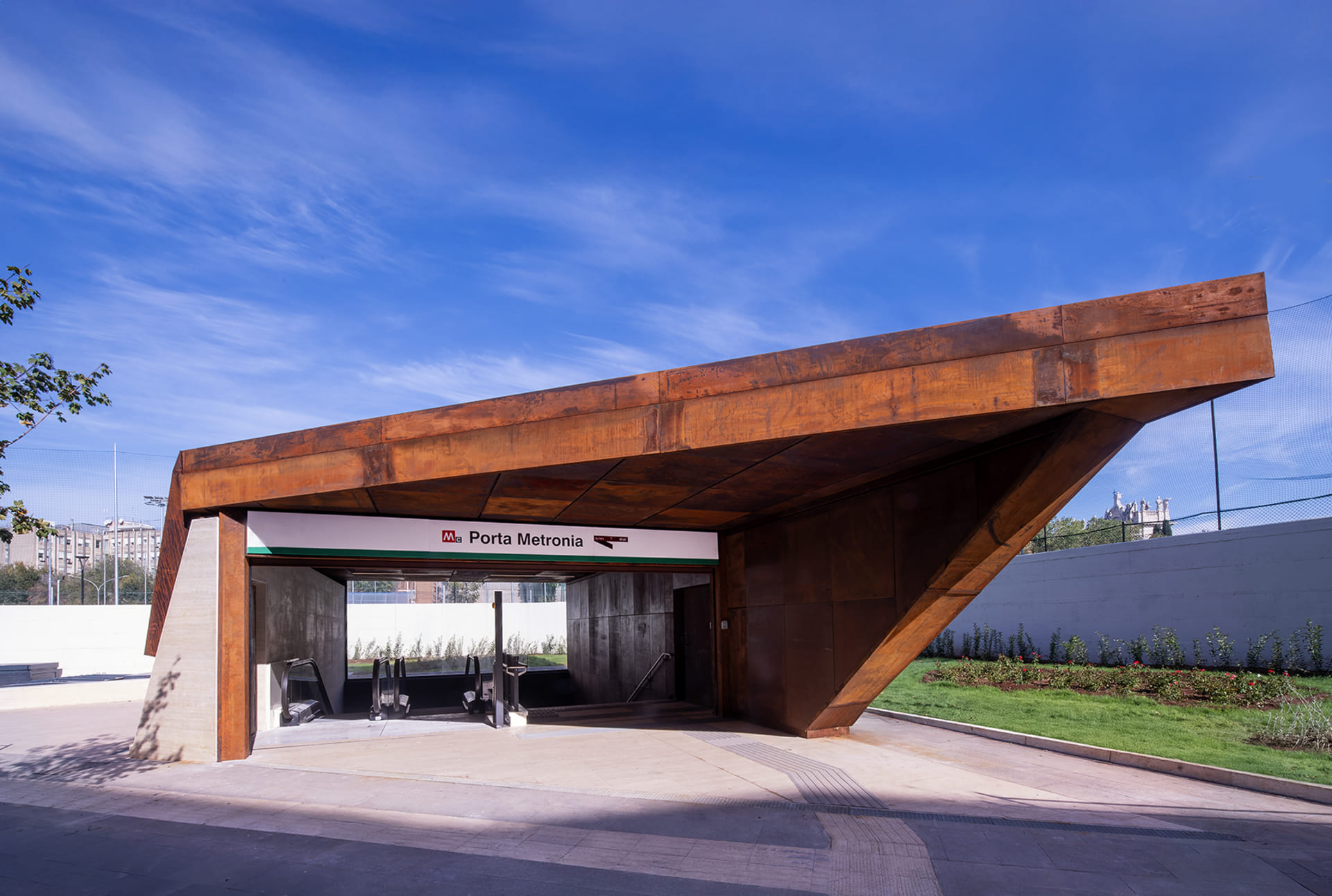
 Porta Metronia, the new Metro C station in Rome
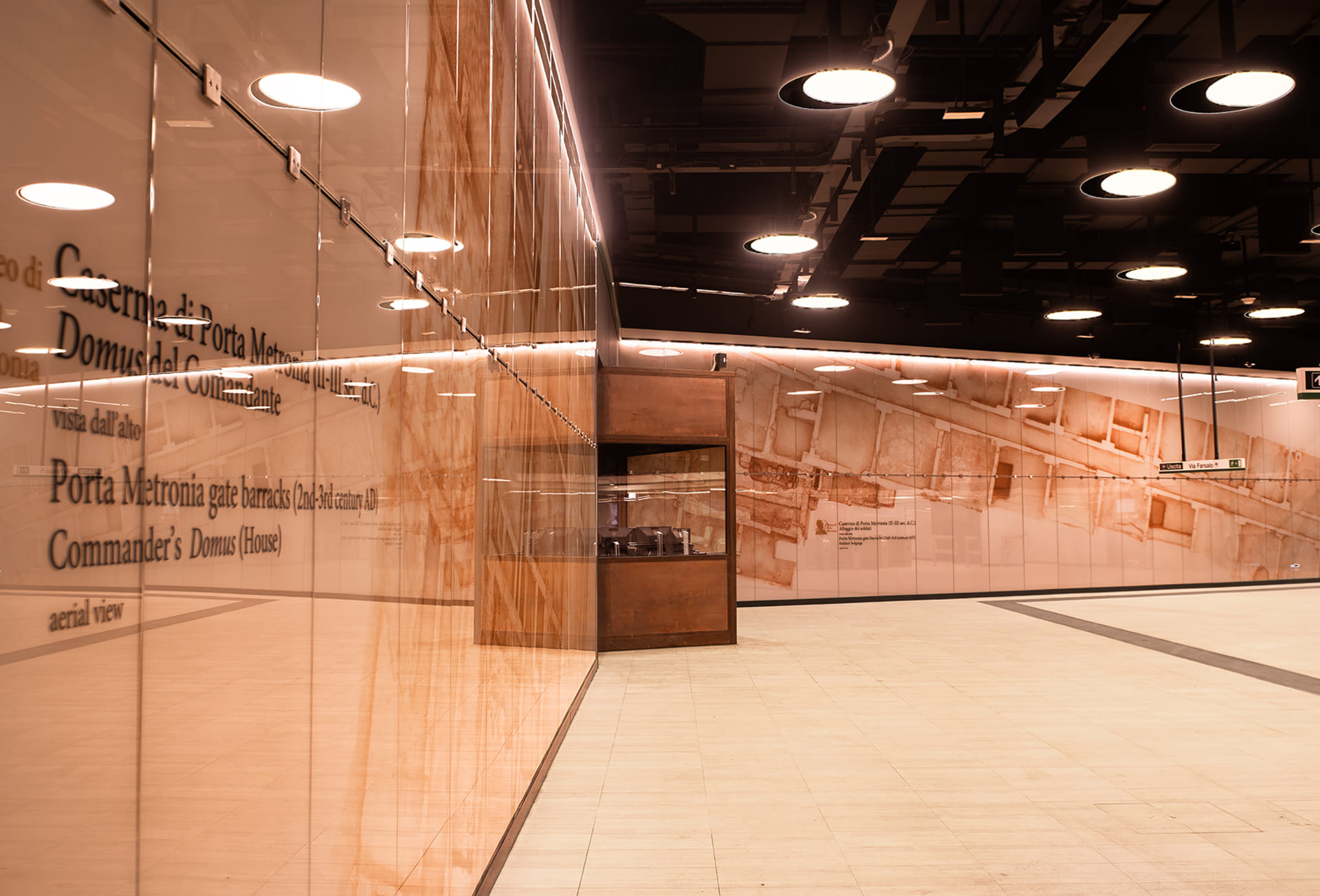 Porta Metronia, the new Metro C station in Rome
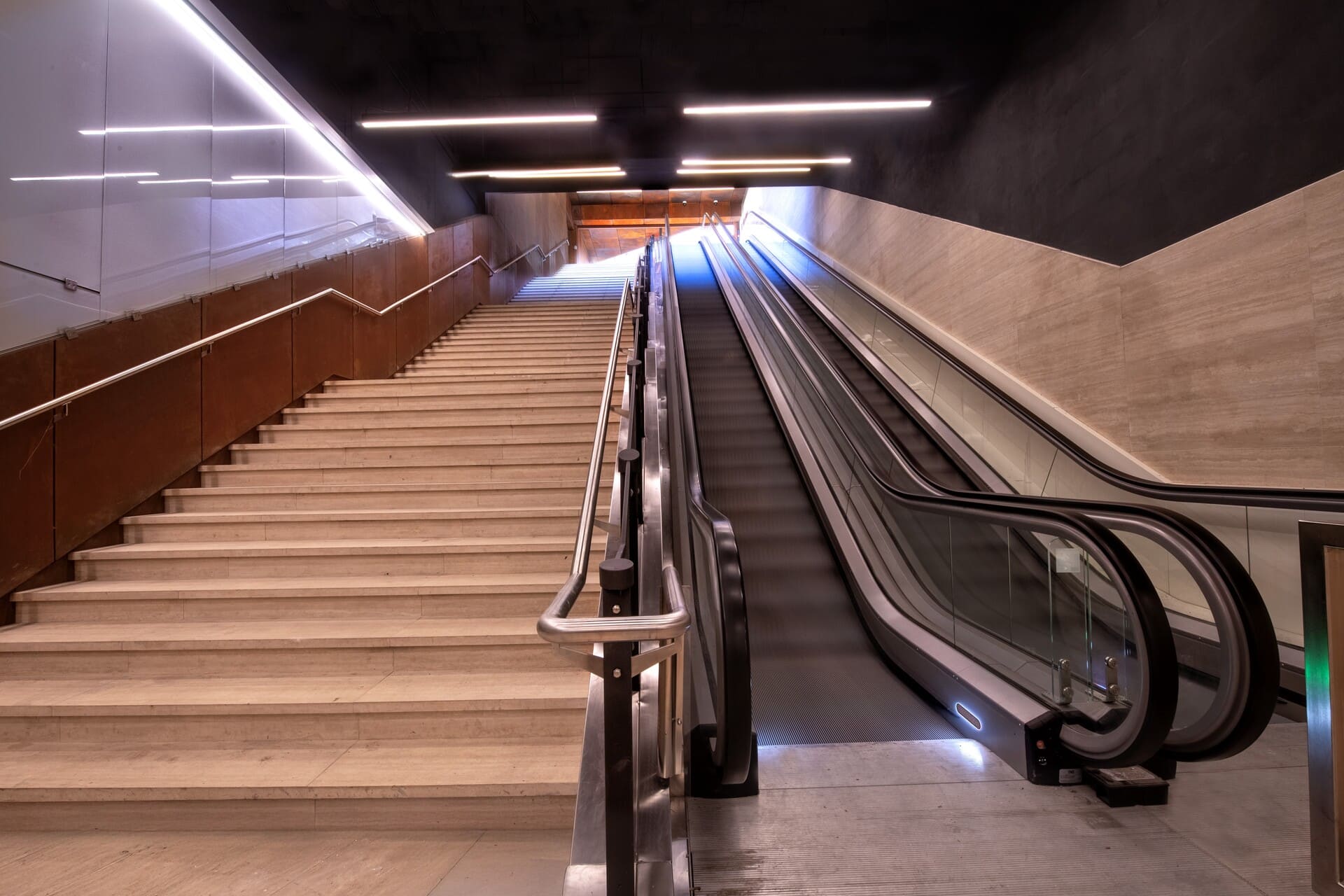 Porta Metronia, the new Metro C station in Rome
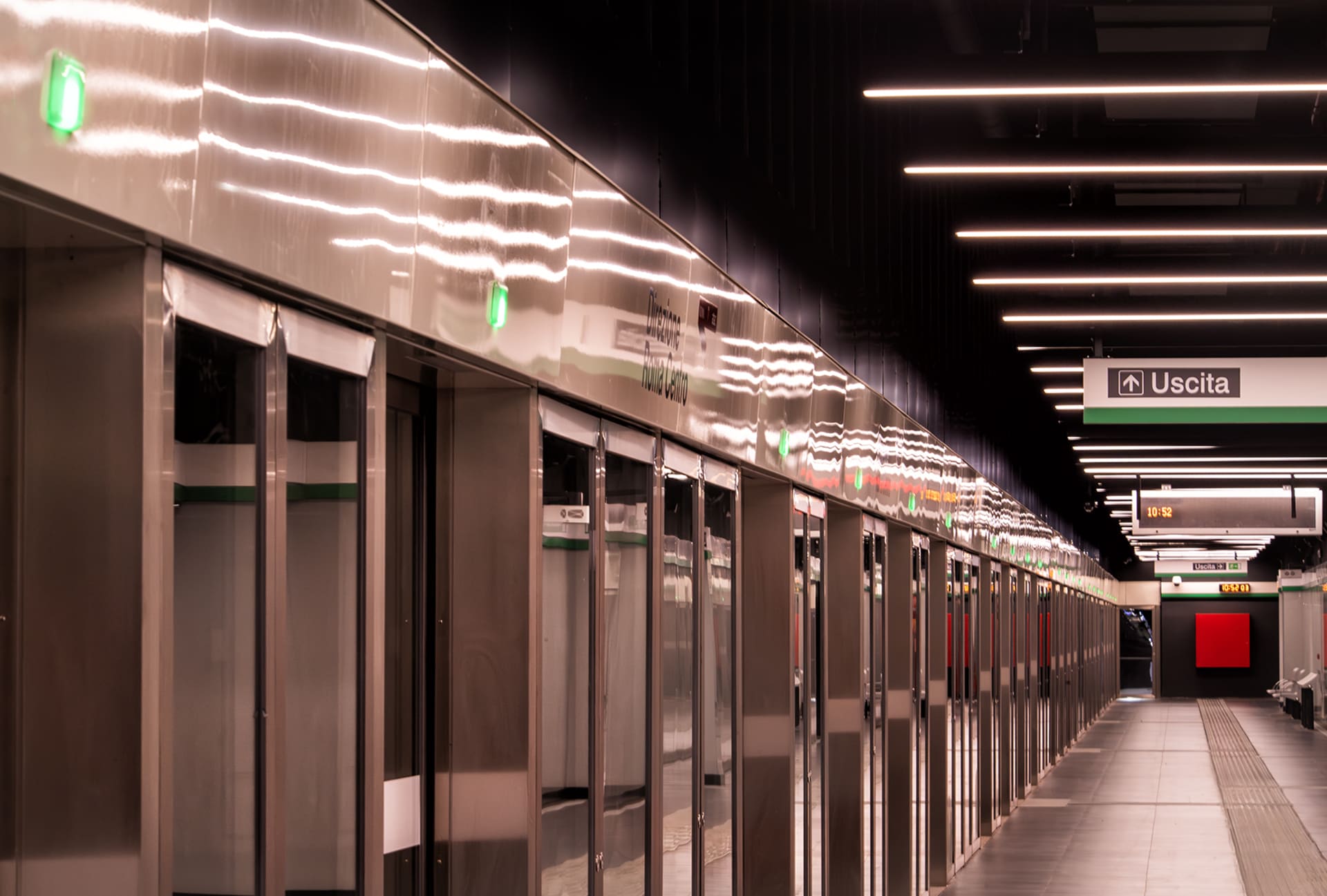 Porta Metronia, the new Metro C station in Rome
 Porta Metronia, the new Metro C station in Rome
 Porta Metronia, the new Metro C station in Rome
 Porta Metronia, the new Metro C station in Rome
- The new Porta Metronia metro station on Line C gives Rome an underground museum where modernity meets the remnants of the Roman Empire.
- Built using the top-down method, the structure reaches a depth of thirty metres, balancing technological innovation and archaeological protection in one of Rome’s most delicate archaeological sites.
- During the excavations a second-century AD military barracks re-emerged, complete with mosaics, frescoes and the commander’s domus.
- To preserve the complex, archaeologists dismantled and reassembled the barracks inside the station.
- The number of completed Line C metro stations rises to 24. The next step will be the Piazza Venezia station, a new gateway between archaeology and the city’s future.
read more

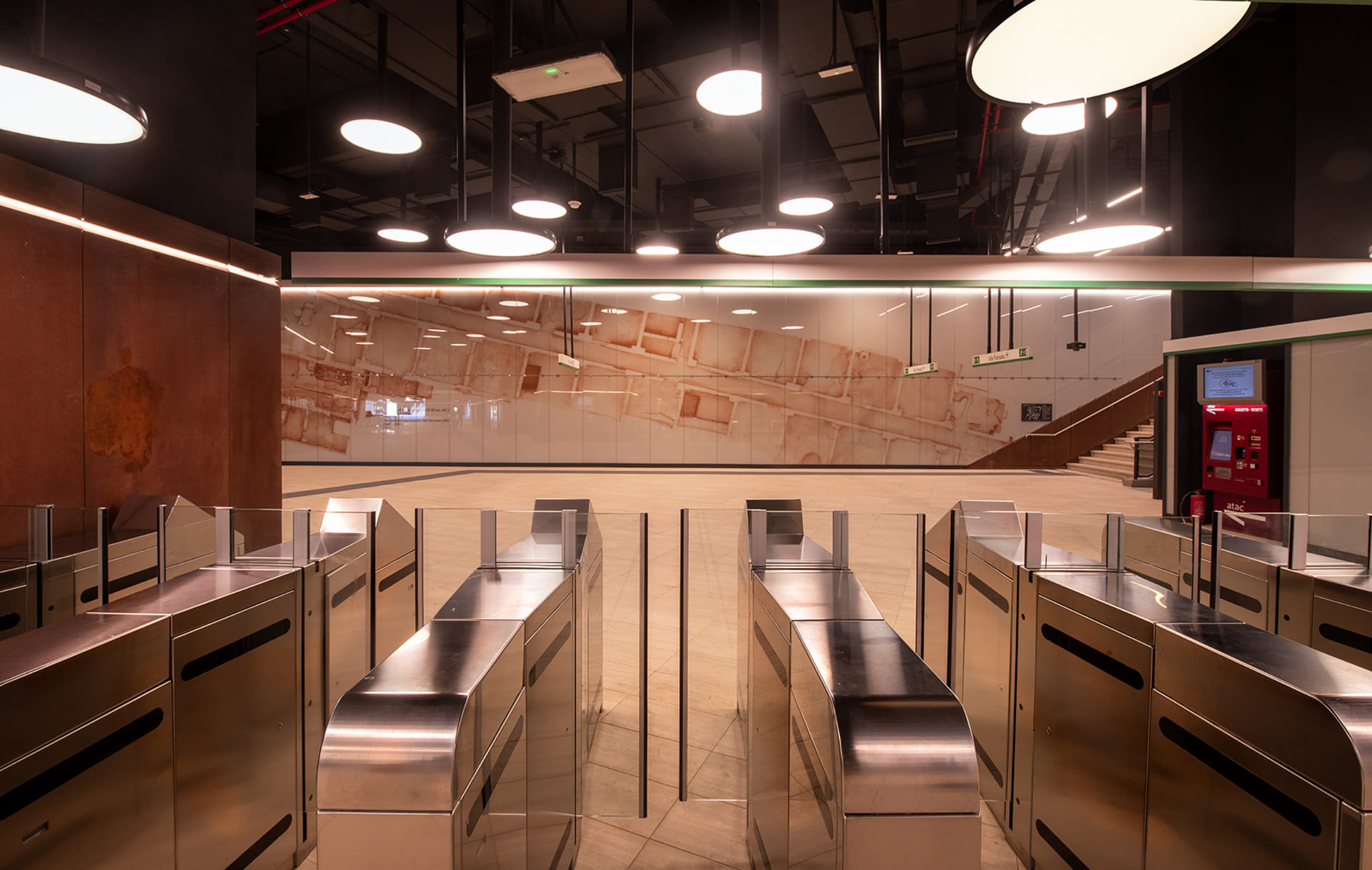
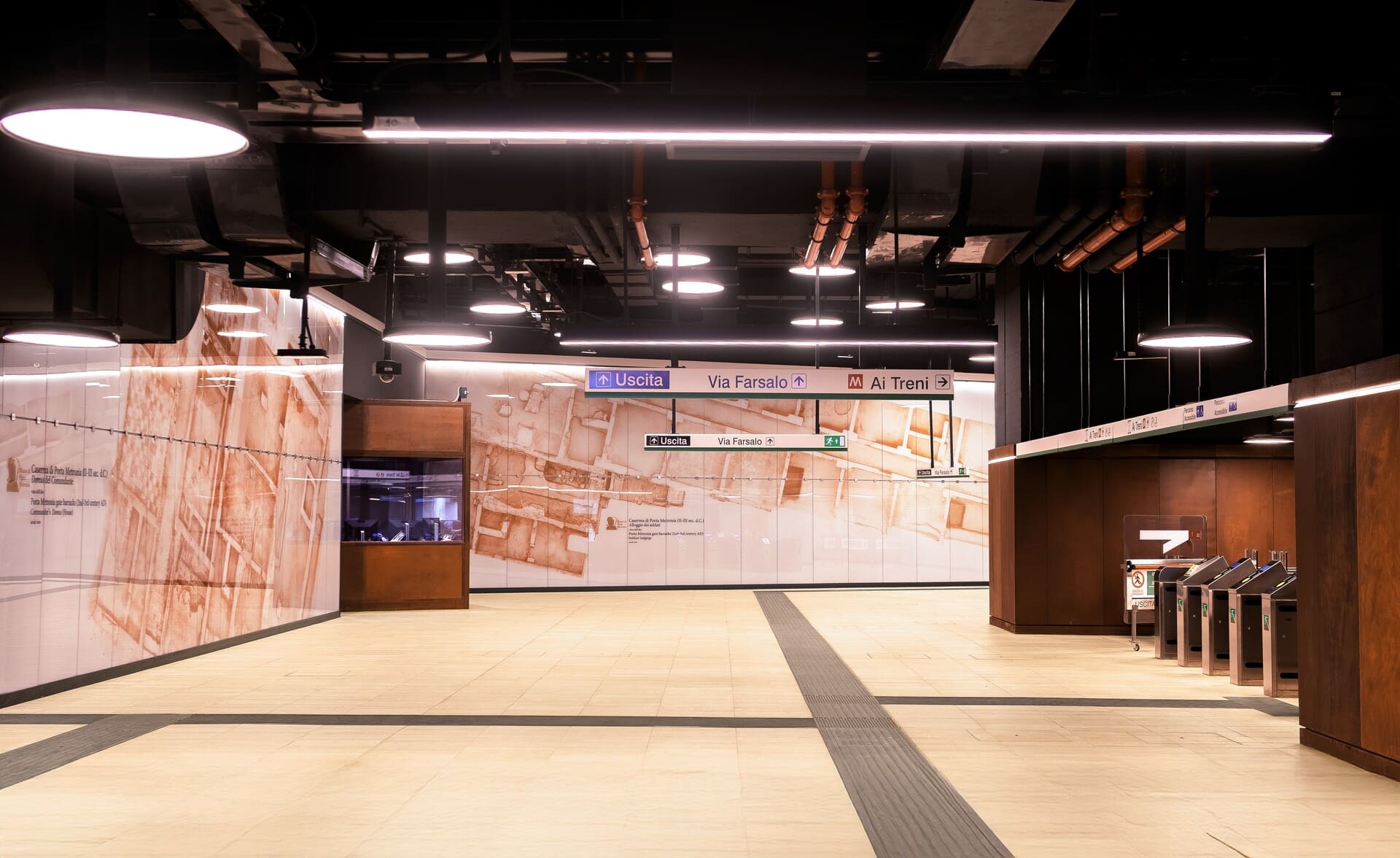
Beneath Piazzale Ipponio, just a few steps from Rome’s Aurelian Walls, time has come to a halt. In the heart of the Celio district shines the new Porta Metronia station on Metro Line C: a structure that is both infrastructure and museum, a journey through history where concrete coexists with ancient marble, and contemporary lighting falls upon mosaics and frescoes dating back two thousand years.
Commissioned by Roma Metropolitane and built by the Metro C Consortium, led by Webuild and Vianini Lavori, the metro station extends across five underground levels and reaches a depth of around 30 metres. At 118 metres long and 28 metres wide, it was constructed using the top-down method, which made it possible to excavate safely beneath one of the most sensitive archaeological sites in the city.
The numbers capture the scale of the undertaking: 63,000 cubic metres of concrete, 13,000 tonnes of steel, 103,000 cubic metres of excavation and 65,000 cubic metres of archaeological digs. But the true essence of the work is not in the materials: it lies in the ability to allow contemporary engineering to coexist with the vestiges of imperial Rome.
“Building in an area like this,” says Marco Cervone, construction manager for the Metro C Consortium, “meant operating in a delicate balance between safeguarding the past and embracing modernity. Every step forward with the diggers corresponded to a step backwards in time.”
The Discovery of the Lost Barracks thanks to Archaeological Excavations
It was 2015 when, during the first core samplings beneath Piazzale Ipponio, archaeologists identified an extraordinarily well-preserved military complex from the Roman Empire. A second-century AD barracks covering more than 1,300 square metres, complete with rooms, corridors, mosaics, frescoes, and a commander’s domus equipped with an ancient hypocaust heating system.
The archaeological site, dating back to the age of the Roman emperor Trajan, formed part of the castra urbani, the military facilities dedicated to maintaining control over the city. When the Aurelian Walls, the Roman walls commissioned by Emperor Aurelian, were built in the third century, the barracks were demolished and buried for defensive reasons, remaining hidden for almost two millennia.
The decision to dismantle and reinstall it within the new metro station was an unprecedented challenge. “It was far too significant a find to remain on paper,” explains engineer Cervone. “So we decided to do what, in other eras, would have seemed impossible: rebuild a Roman building inside a metro station.”
The walls were numbered, catalogued and stored in eight climate-controlled containers before being relocated exactly in their original positions. An operation that has turned Porta Metronia into a global one-off, a model of integration between engineering and archaeology.
Rome Metro Stations: Sustainable Transportation Connects the Past and the Future
With the new metro station of Porta Metronia, built in collaboration with the Special Superintendency of Rome and the Ministry of Culture, the Line C takes another step toward the historic centre. The number of completed stations connecting the eastern outskirts with the heart of the city rises to 24.
The next milestone is Piazza Venezia, where another station-museum will rise, a strategic interchange between archaeological sites and sustainable mobility.
Once the entire line is completed, it will carry more than 800,000 passengers a day, helping reduce CO₂ emissions by over 310,000 tonnes a year and reshaping the way people move around the Capital.
“Rome’s metro,” notes engineer Cervone, “is not just infrastructure. It’s a chance to rediscover the city. Every excavation yields a fragment of memory, and every wall brought back into view reminds us that the future, here, is born from the past.”
Porta Metronia isn’t just a station. It’s an ideal bridge between two civilisations: the ancient one rising from the depths of the earth, and the contemporary one travelling swiftly through the tunnels of modernity.