

Major engineering works are created to solve real-world challenges, yet some go on to live a second life on the big screen. Bridges, tunnels, dams, and complex infrastructures become natural backdrops: places of tension, wonder, and transformation that imprint themselves on collective memory.
Cinema crosses them, reinterprets them, and loads them with symbolic meaning, turning functional structures into visual icons. In this shift, engineering meets storytelling: projects designed to endure and perform, such as the Panama Canal or the Brooklyn Bridge, become part of narratives about ambition, progress, and the relationship between people and the spaces they build.
1 – Panama Canal
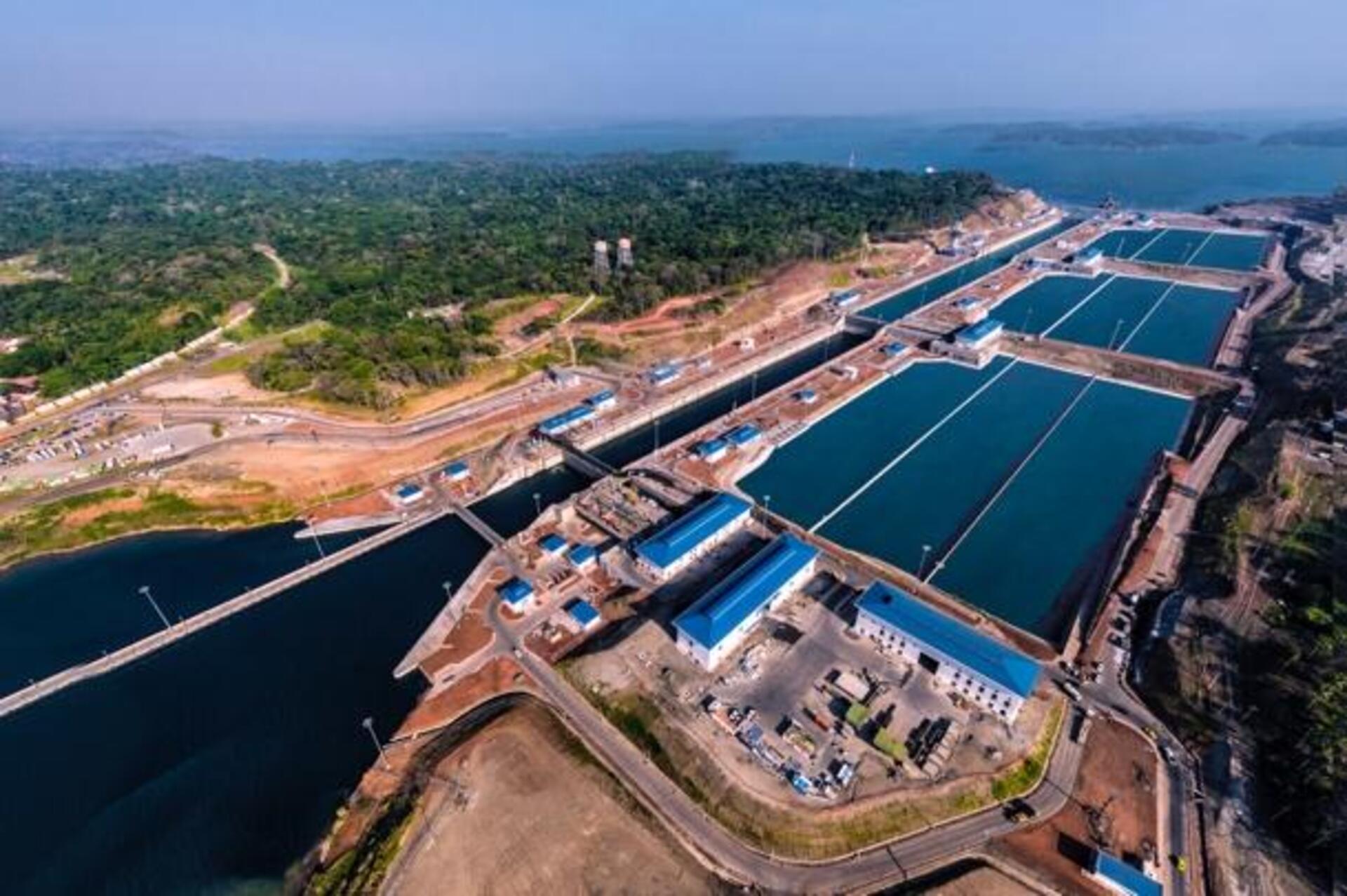
The expansion of the Panama Canal stands as one of the defining engineering achievements of our time, strengthening the strategic role of an infrastructure already central to global trade.
The Third Set of Locks, delivered also with the contribution of Webuild, extended the original system with more than 6 kilometers of new structures, enabling the transit of Neopanamax vessels and reshaping connections between the Atlantic and Pacific Oceans. The challenges were immense: large-scale excavations, the management of vast volumes of water, and the introduction of water-saving basins to reduce environmental impact.
This monumental and highly visual dimension has also made the Canal a natural film set, featured in productions such as The Tailor of Panama and numerous action and spy movies, where the Panama Canal locks and the slow passage of ships become metaphors of power, control, and the strategic crossroads of global routes.
2 – Hoover Dam
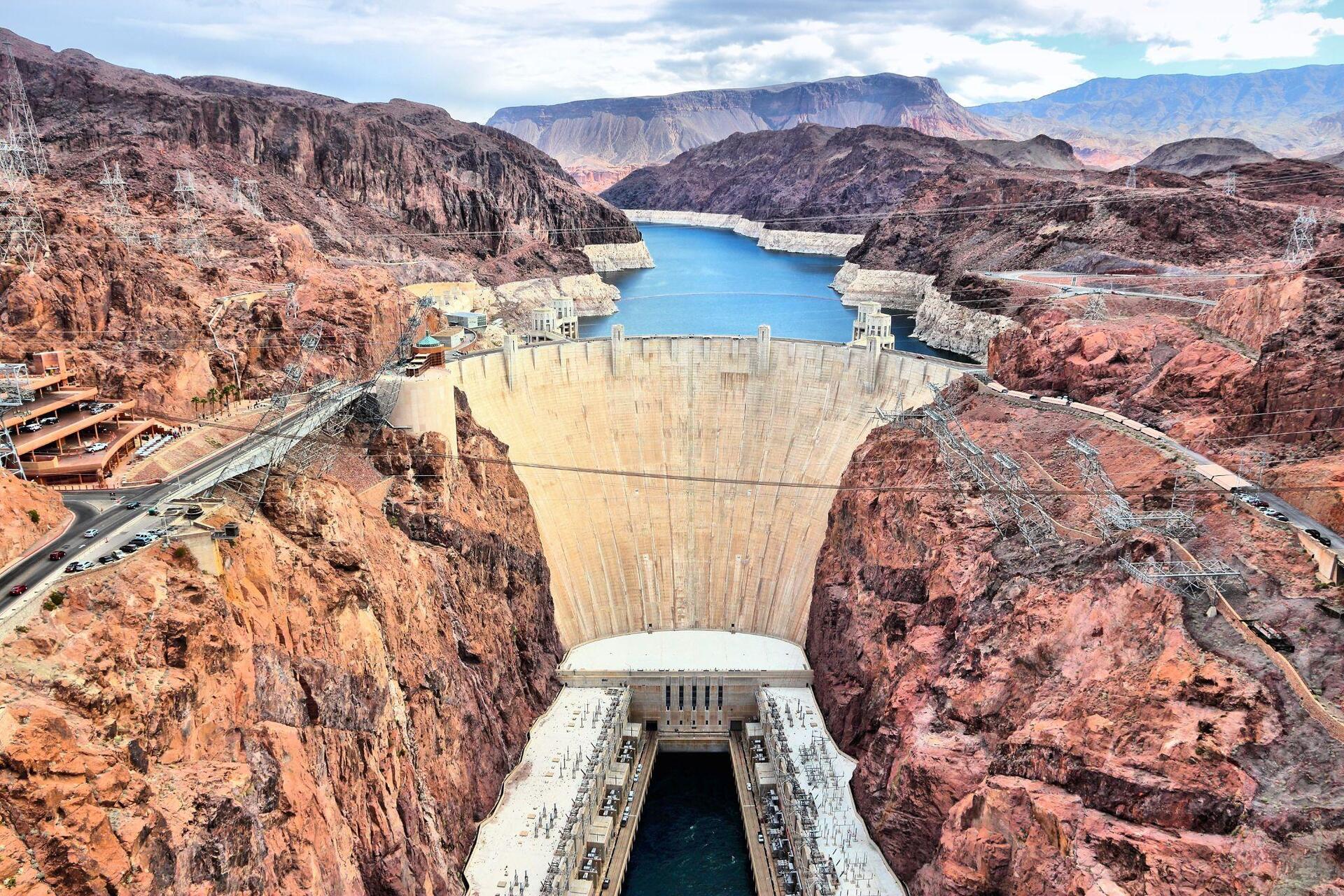
The Hoover Dam is far more than an iconic structure on the Colorado River: it is a place where monumental engineering meets cinematic language. Built in the 1930s in the Black Canyon, its imposing scale has drawn the attention of directors across generations, transforming this big dam in America into a memorable film location.
Over the years, the Hoover Dam has appeared in films such as Superman (1978), where its massive concrete walls frame dramatic action scenes; Transformers (2007), with Autobots and Decepticons clashing around the structure; and Vegas Vacation (1997), featuring Clark Griswold’s chaotic tourist visit.
3 – Brooklyn Bridge
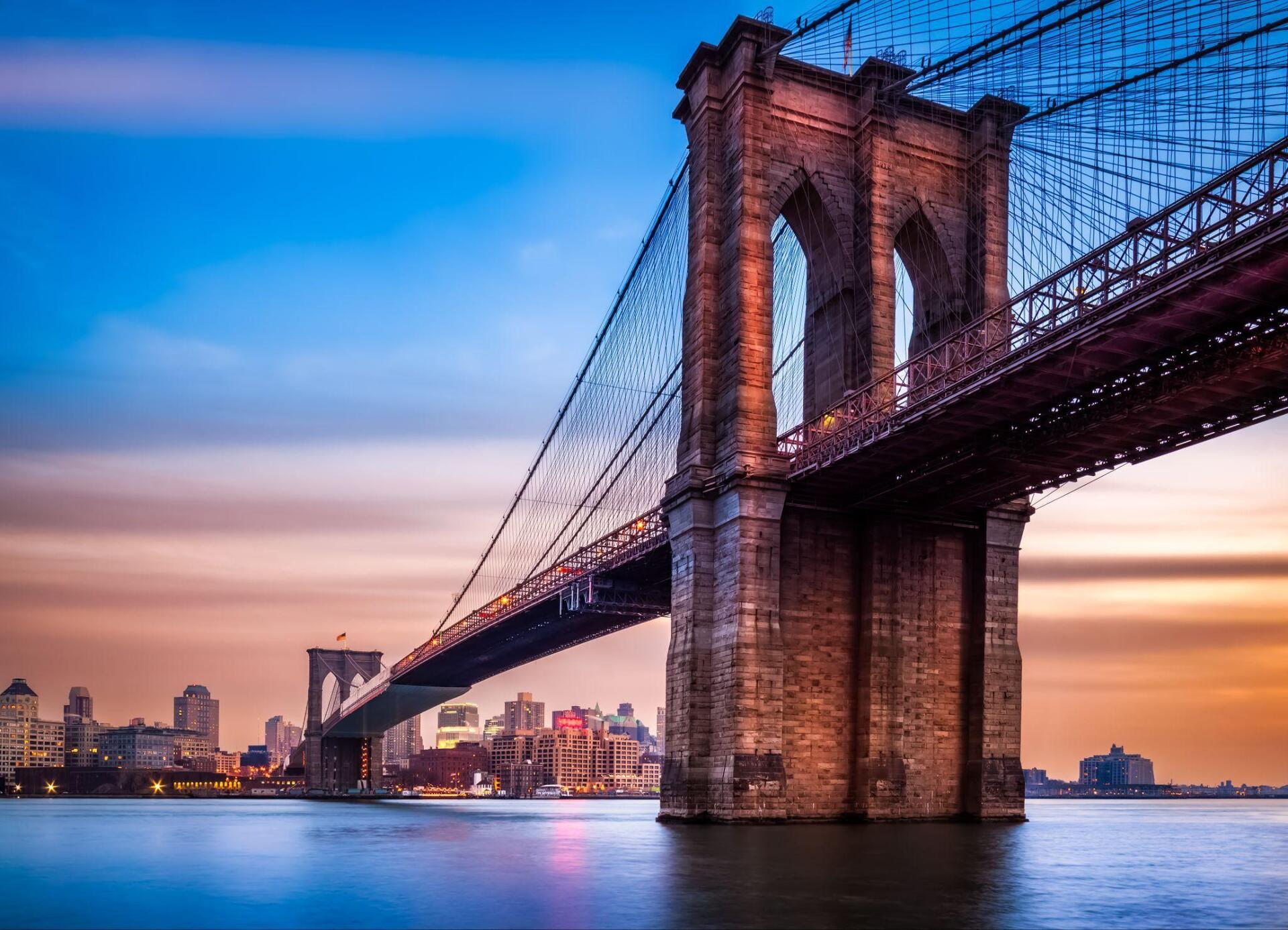
The Brooklyn Bridge is not only the most famous bridge in New York, but also a constant presence in cinema history, embodying both the symbol of a city and the link between different worlds.
Inaugurated in 1883 as the first fixed crossing between Manhattan and Brooklyn, its striking silhouette over the East River has captivated filmmakers for decades. Movies such as Over the Brooklyn Bridge (1984), along with more recent blockbusters like I Am Legend and The Amazing Spider-Man 2, use this New York bridge to frame moments of tension, transformation, or pure urban wonder, turning this engineering masterpiece into a lasting icon of cinematic pop culture.
4 – Shibuya Station
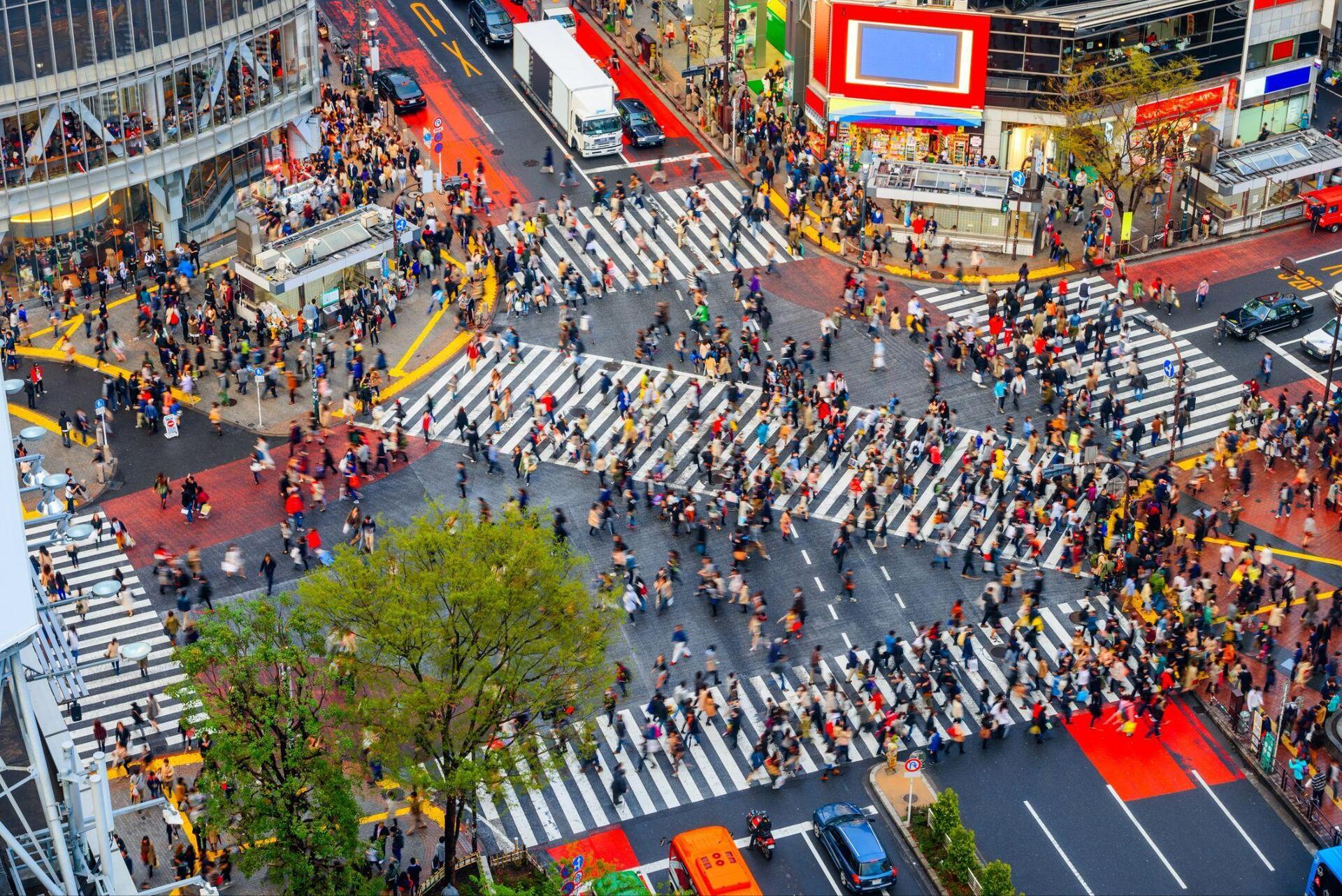
The Shibuya Scramble Crossing, the famous crossing in Tokyo, is one of the most recognizable urban spaces in the world, and cinema has transformed it into a visual emblem of the contemporary metropolis. The intersection outside Shibuya Station, passed through daily by thousands of people beneath luminous screens and digital billboards, has become a symbol of movement, solitude, and orchestrated chaos.
In Lost in Translation (2003), the Shibuya crosswalk represents one of the film’s most evocative moments, while productions such as The Fast and the Furious: Tokyo Drift and Resident Evil have used it as a natural stage for high-intensity sequences. A space designed to manage urban flows becomes, on screen, one of the most powerful images of cinematic Tokyo.
5 – Los Angeles River
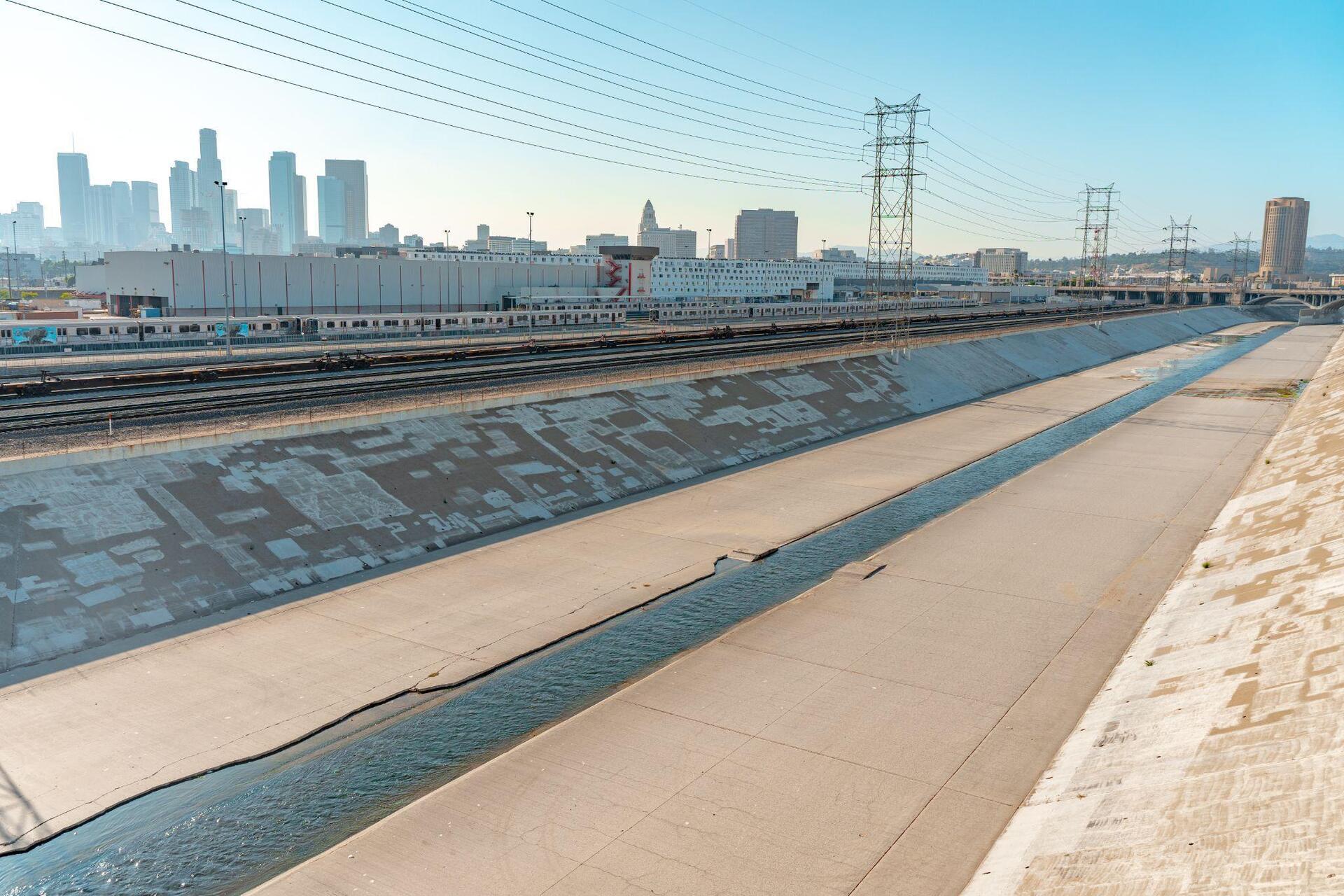
The Los Angeles River has entered the collective imagination not only as a natural space but also as a film set.
Its concrete channel, often dry, has been used in numerous iconic films for chase scenes and metropolitan dramas, from Terminator 2 to Chinatown, taking advantage of the Los Angeles canals’ vast open surfaces and distinctive visual aesthetic.
An engineered landscape conceived to control water flows thus becomes a dramatic stage, once again demonstrating how infrastructure can transcend its function and shape the stories through which we interpret the world.