

Infrastructure doesn’t only connect places or support growth: some projects are designed to prevent problems before they become emergencies. Dams controlling rivers, water collection and drainage systems, reinforced bridges, and resilient tunnels are engineered to protect cities and territories from natural events or unexpected stresses.
Each infrastructural project is the result of careful analysis, advanced technology, and forward-looking strategies, turning prevention into a form of engineering that saves lives, reduces risks, and ensures the uninterrupted flow of daily life.
1 – Port of Genoa Breakwater
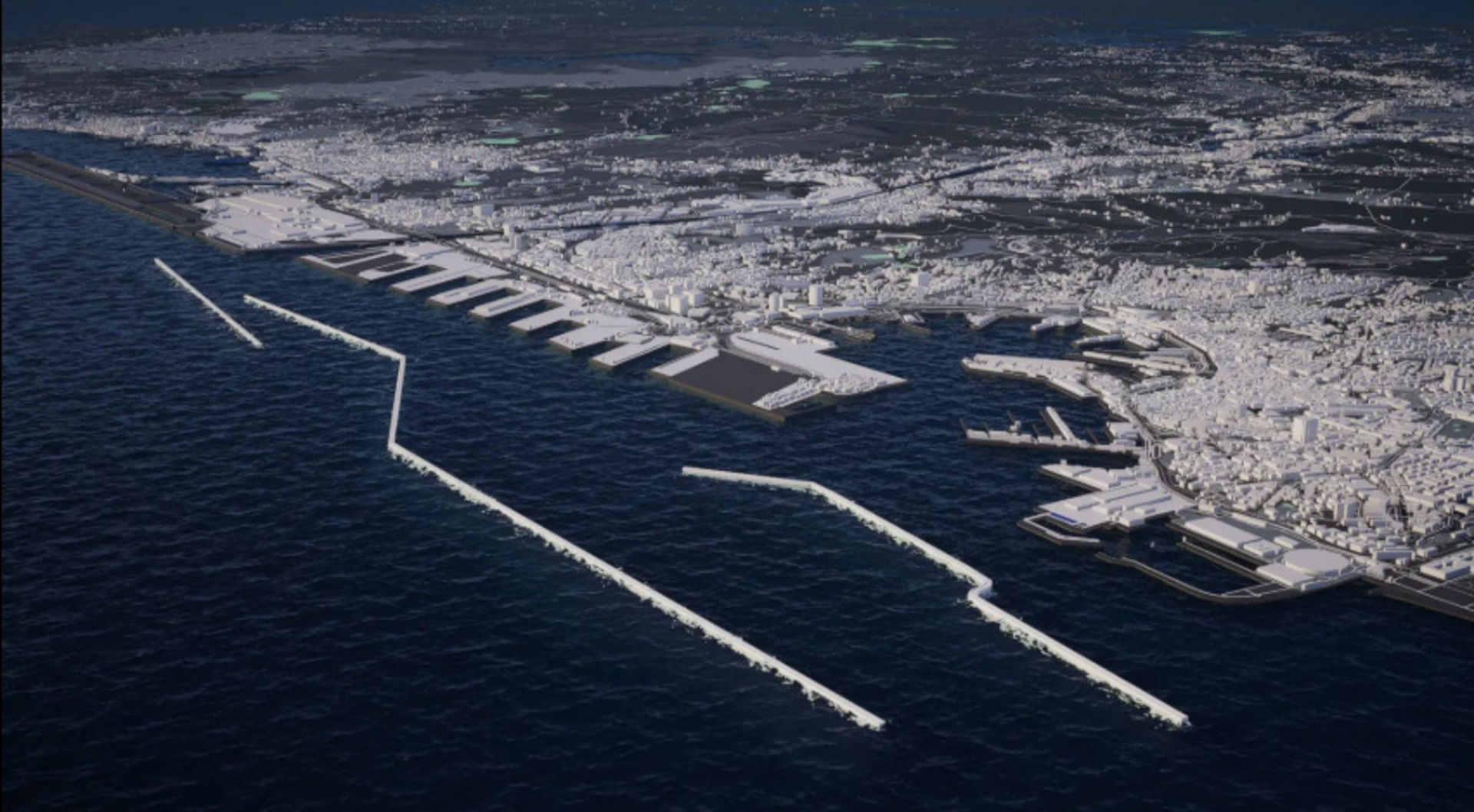
The new Port of Genoa Breakwater, under construction by Webuild, is more than a port structure: it is a bulwark designed to prevent future difficulties and safeguard one of the Mediterranean’s most strategic ports.
Over 6 km long and built on seabeds up to 50 meters deep, the Genoa port breakwater will protect quays and maritime traffic from the most intense storms, turning an engineering intervention into a concrete barrier against natural and logistical risks.
Every stage of this infrastructure construction combines cutting-edge technologies, carefully selected materials, and environmental sustainability considerations, making it a project of both technical and social impact that protects lives, assets, and the city’s economic continuity.
2 – Taipei 101
Taipei 101 is an extraordinary example of how preventive engineering can safeguard the stability of an entire structure in areas affected by wind, typhoons, and earthquakes.
At the top of the tower, a massive tuned mass damper — a 660-ton steel sphere suspended between the highest floors — moves in opposition to building oscillations, significantly reducing motion during extreme natural events.
The Taipei 101 pendulum not only protects the tower from external stresses, but also enhances the comfort of those working or visiting inside, anticipating potential difficulties before they arise.
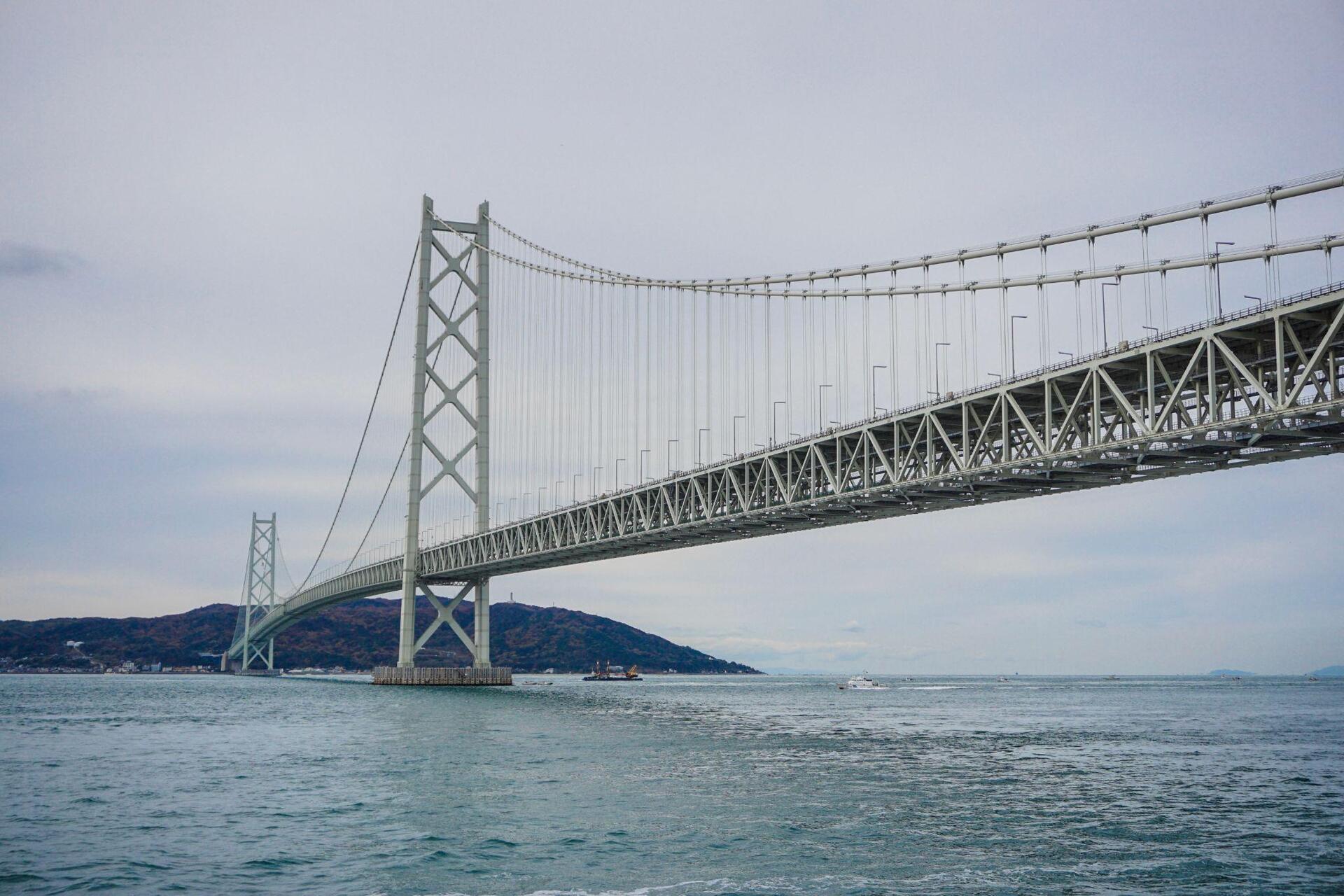
3 – Akashi Kaikyō Bridge
The Akashi Kaikyō Bridge exemplifies how prevention lies at the heart of major infrastructure development. Spanning the Akashi Strait, the suspension bridge has a central span of over 1,990 meters (the longest in the world), and is engineered to withstand earthquakes, extreme winds, and unprecedented marine stresses.
Through careful seismic analysis and the use of advanced materials and technology, this bridge in Japan was designed not only to connect the islands of Honshū and Awaji, but also to prevent structural and natural risks, ensuring long-term reliability and safety in one of the most seismically active regions on the planet.
4 – Port of Rotterdam
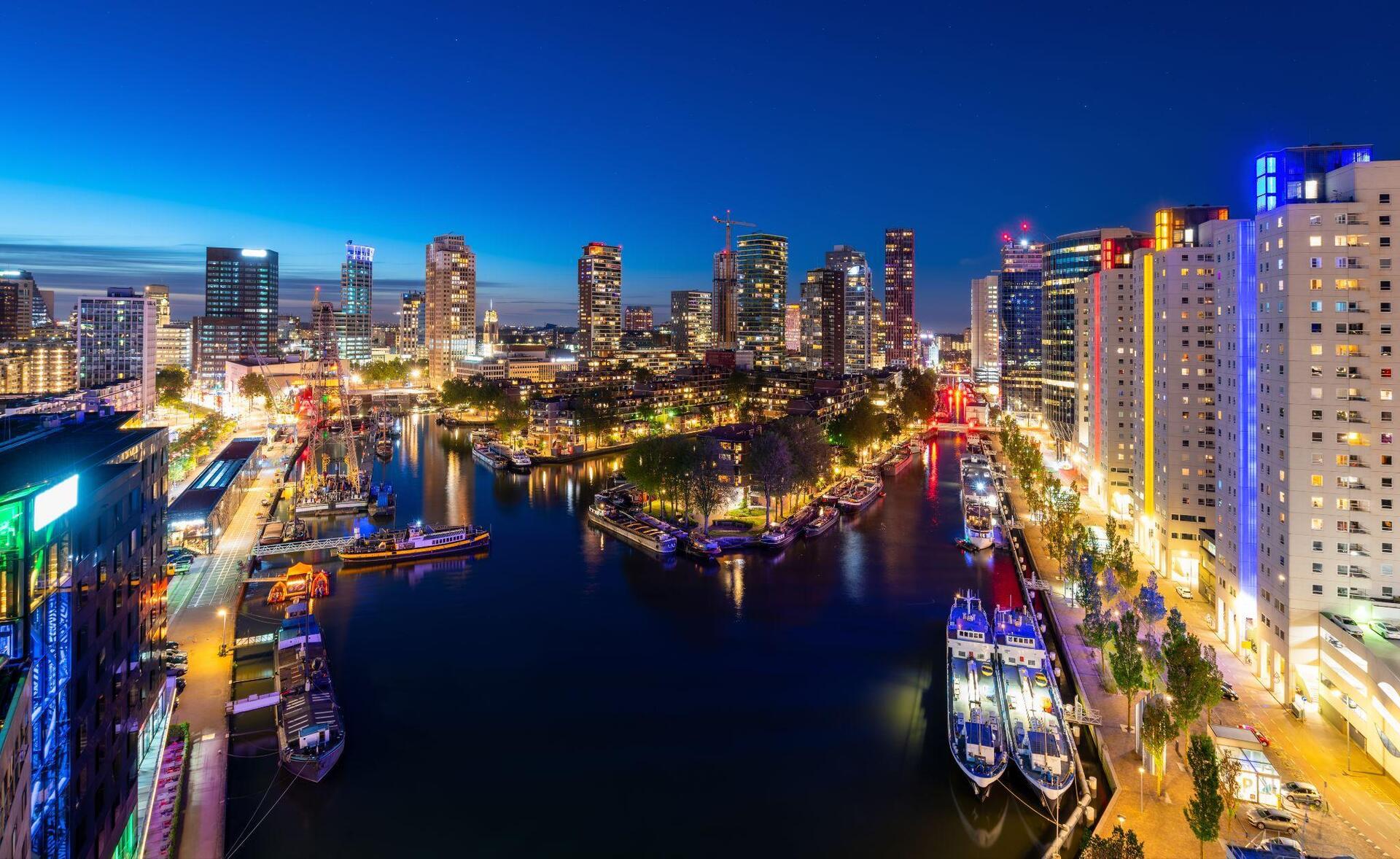
At the Port of Rotterdam, the largest port in Europe and one of the continent’s biggest commercial hubs, infrastructure development is underway to prevent future challenges linked to emissions and energy security.
Among these initiatives is a large green hydrogen electrolyzer on the Maasvlakte, converting North Sea wind energy into renewable hydrogen, reducing dependence on fossil fuels, and paving the way for a more sustainable and efficient energy supply chain.
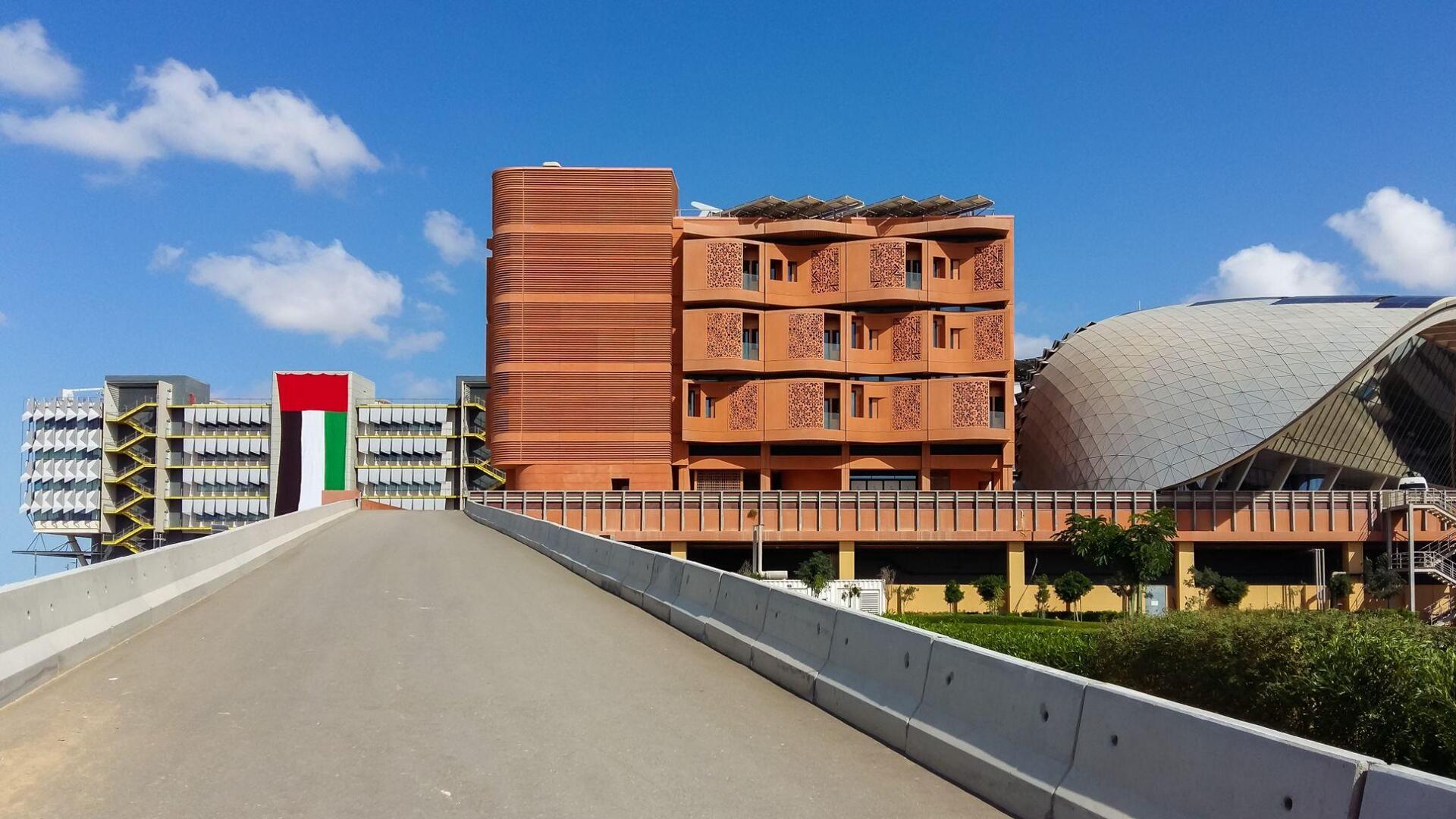
5 – Masdar City
Masdar City in Abu Dhabi demonstrates an urban approach where preventing social challenges and boosting sustainable practices is central to planning.
Conceived as a sustainable community and innovation hub, the city integrates design strategies and advanced technologies to drastically reduce building energy and resource consumption.
From building shapes that maximize thermal comfort to the use of low-impact local materials, Masdar City proves that resilient urban environments can anticipate problems before they arise, serving as a replicable model for sustainable projects worldwide.