

Connecting cities, countries, and continents is not merely a matter of kilometers or lines on a map: it means bringing the world closer and making people more connected. Roads that cut through mountains, bridges that span rushing rivers, railways that link regions, and ports that network entire continents are infrastructural projects that transform geography into opportunity.
Behind each of them lie advanced planning, engineering excellence, and technologies capable of anticipating future challenges and needs, creating critical infrastructure that not only moves goods and people, but also brings cultures, economies, and communities closer together.
1 – Panama Canal
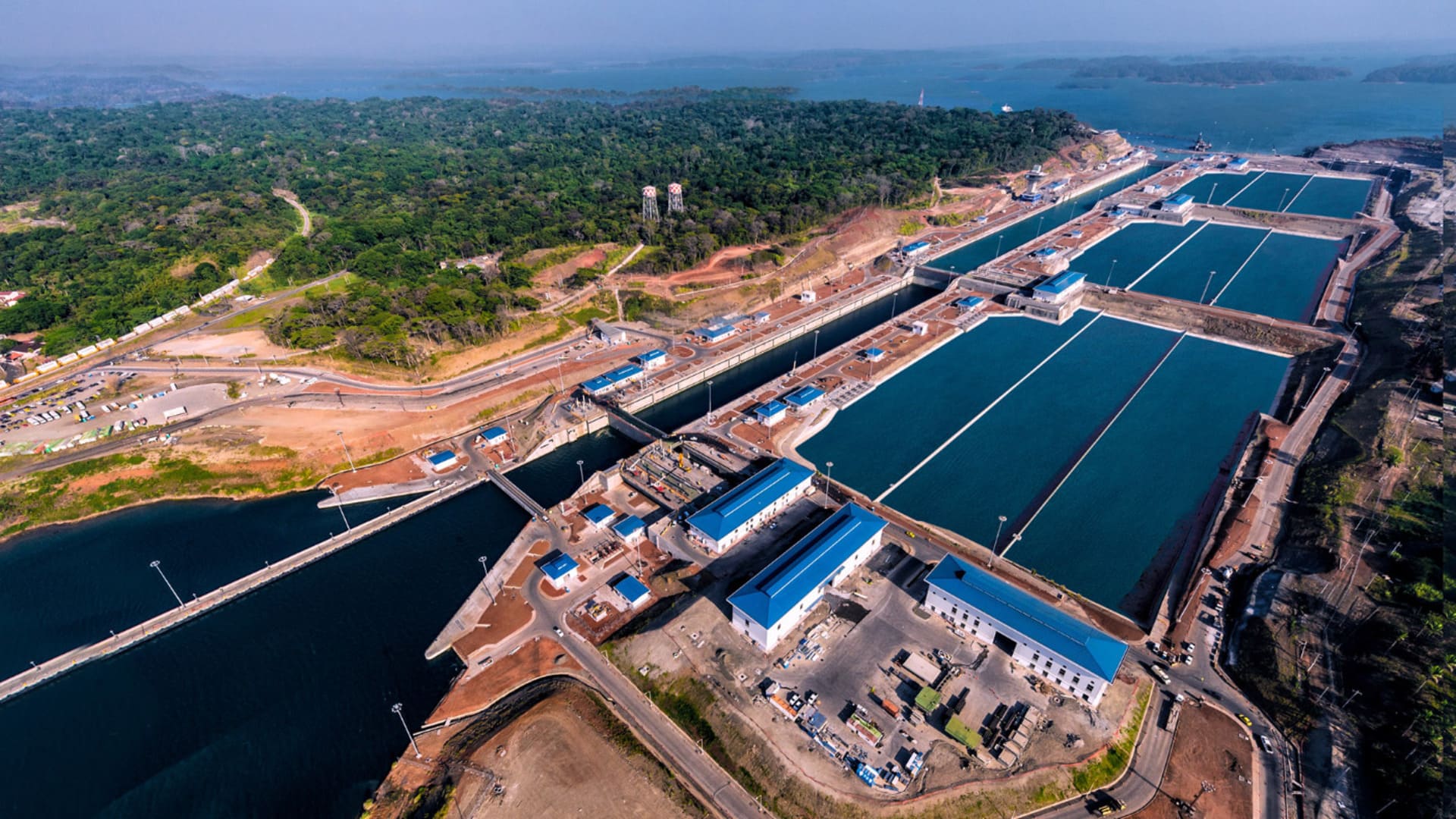
The expansion of the Panama Canal represents one of the most ambitious and complex engineering achievements of recent decades, extending and modernizing the historic waterway that connects the Atlantic Ocean and the Pacific Ocean.
Completed in 2016, the project now allows the transit of Neo-Panamax vessels over 366 meters long and capable of carrying more than twice the number of containers compared to the original canal, multiplying trade opportunities and reducing both transit times and emissions in global maritime transport.
Among the key players involved in the construction of the new Panama Canal locks is Webuild, which contributed its expertise in complex infrastructure development to overcome the technical and environmental challenges of the site, demonstrating how engineering vision can remove physical barriers and connect markets, cultures, and continents.
2 – Rosario–Victoria Highway Connection
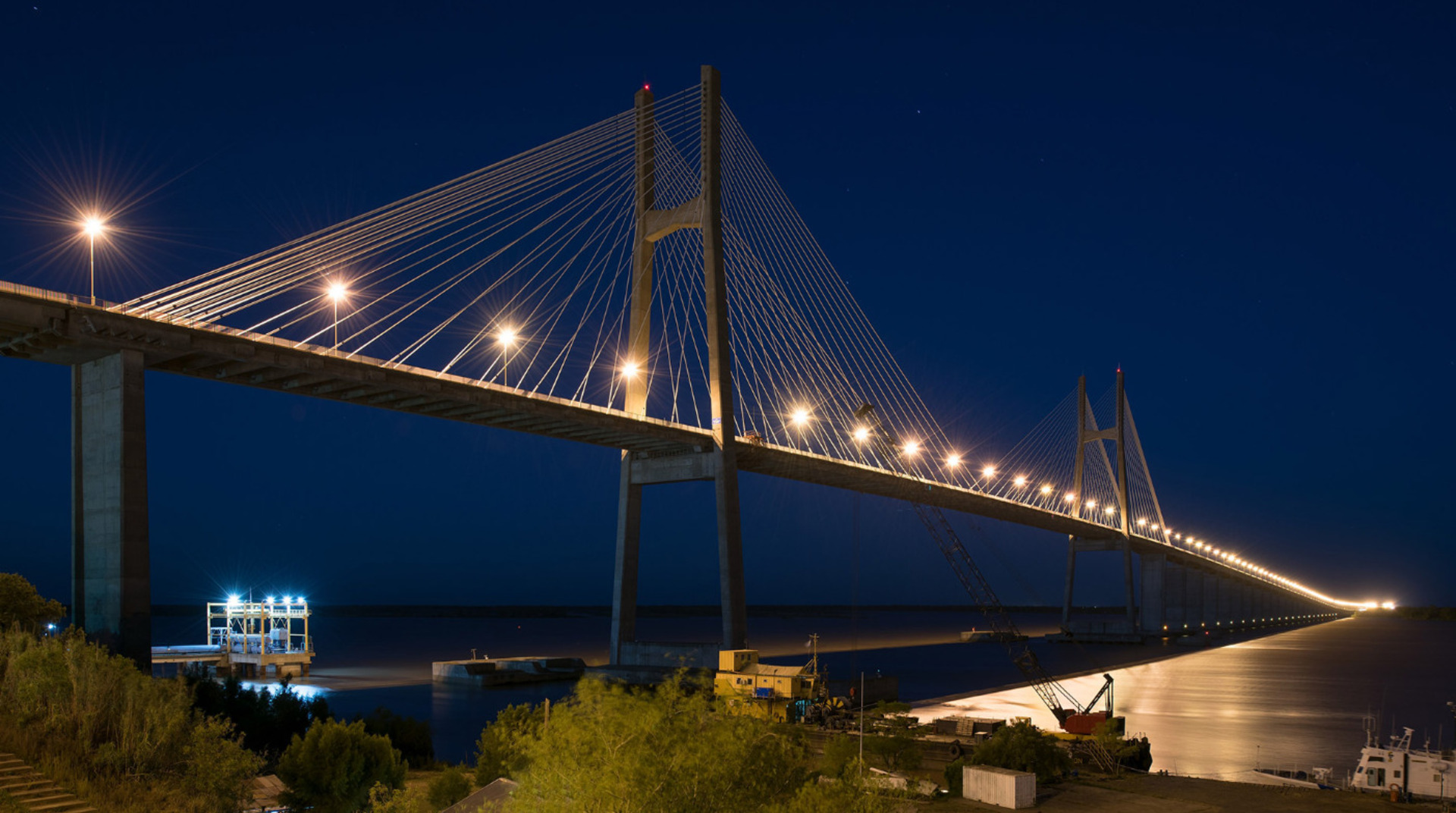
The Rosario–Victoria highway connection is a significant example of how engineering can reduce physical distances, fostering economic development and territorial integration.
Before its opening in 2003, crossing the vast Paraná River required over 120 km of overland travel. Thanks to a complex system of bridges, viaducts, and embankments, the distance was reduced to approximately 59.4 km, creating a more direct and efficient road corridor for commercial and passenger traffic.
In carrying out this major infrastructure project, Webuild brought its experience and expertise, helping to overcome the technical challenges of the site and strengthening the connection’s role within the Mercosur communications network and the logistical development of the region, bringing regions, communities, and markets closer together.
3 – Orient Express
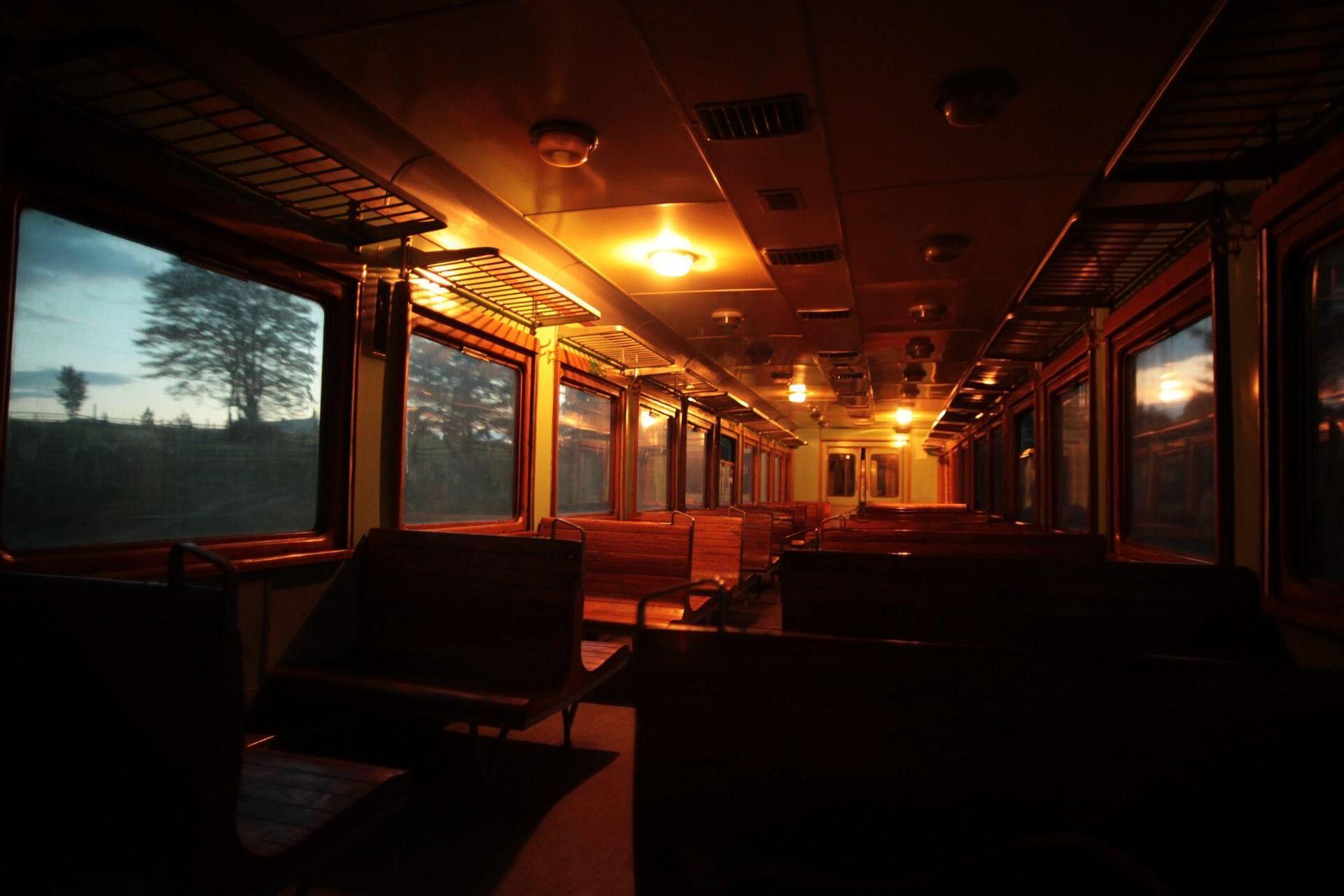
Among the stories that best embody the role of infrastructure in reducing distances is that of the legendary Orient Express, the luxury train that at the end of the 19th century transformed travel between Western and Eastern Europe into not only a journey, but an experience of cultural connection.
With its elegant carriages and some of the era’s most iconic routes, the Orient Express enabled people, ideas, and goods to cross hundreds of kilometers directly for the first time, encouraging exchange between capitals such as Paris, Vienna, and Istanbul.
More than just luxury train travel, this railway service became a symbol of the breaking down of geographical barriers and of the emergence of an increasingly interconnected Europe, anticipating modern concepts of international mobility and infrastructure integration.
4 – Route 66
Another symbol of infrastructure construction’s impact on people’s lives is America’s Route 66, the iconic American highway that, since its opening in 1926, has embodied the spirit of mobility and freedom within American society.
Connecting Chicago to Santa Monica for over 3,900 km, this famous highway made landscapes, communities, and territories that had previously been isolated finally accessible, fostering the rise of large-scale tourism, the development of towns along its path, and the birth of a four-wheel travel culture.

5 – Suez Canal
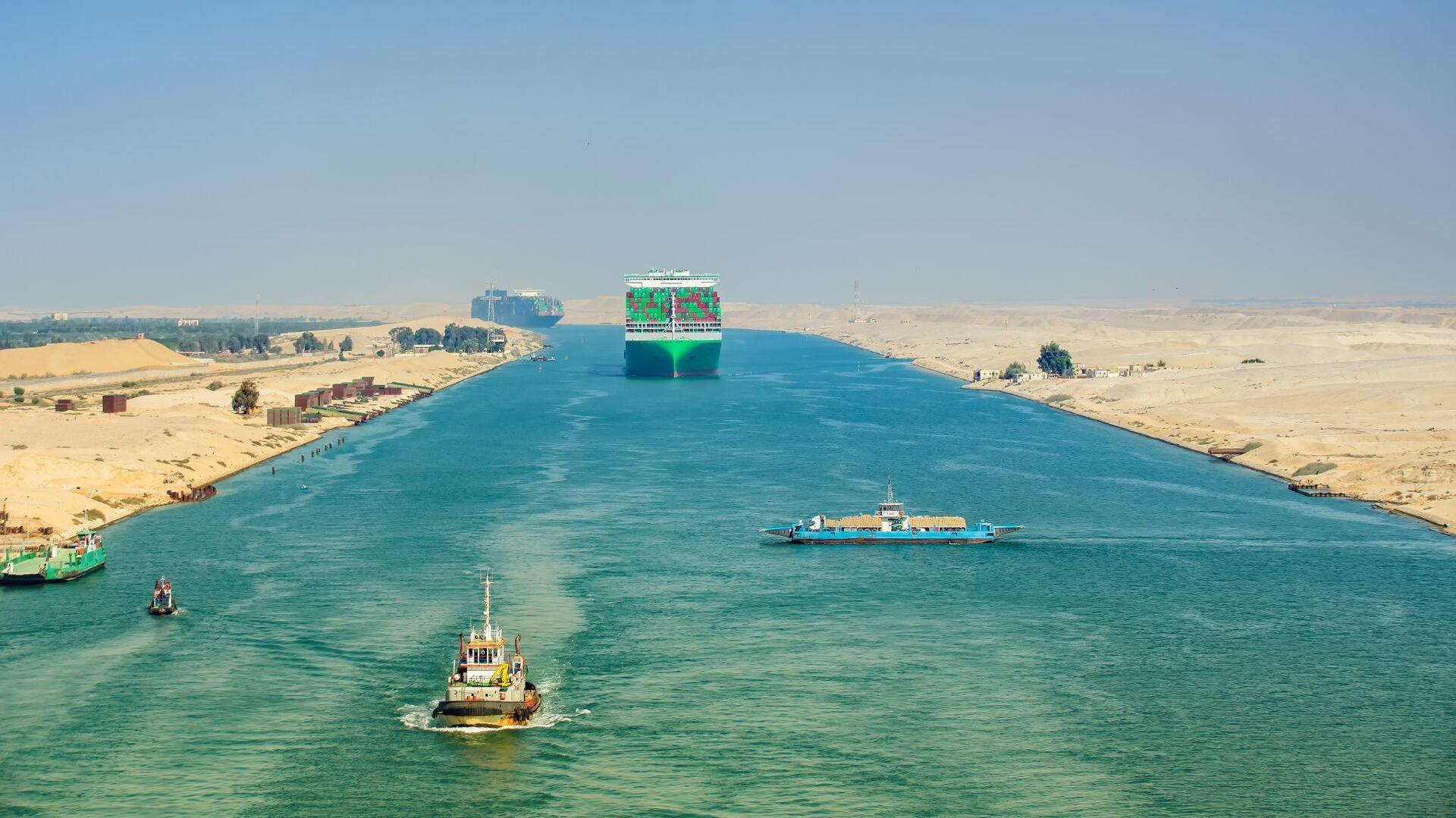
Another feat that changed the face of global communications is the Suez Canal, inaugurated in 1869 and conceived to connect the Mediterranean Sea directly with the Red Sea without having to circumnavigate Africa.
An artificial waterway, the Suez Canal revolutionized maritime trade, cutting thousands of kilometers from the journey between Europe and Asia and transforming centuries-old routes into fast and strategic connections.
Beyond facilitating the exchange of goods and cultures, the Suez Canal became a symbol of the technological and political ambitions of its era, marking a fundamental milestone in the reduction of global distances in the modern age and in the consolidation of worldwide trade networks.