

Infrastructure is not merely functional: at times it becomes a true work of art, a cultural space, or a place that tells a story. Some museums do more than preserve memory: they are designed to intertwine with stations, bridges, and urban systems, eventually becoming an integral part of the fabric that surrounds them.
In these projects, engineering and culture meet, transforming technical structures into landmarks of identity and community participation. It is here that critical infrastructure transcends its operational dimension and establishes itself as an element capable of connecting people, territories, and future visions.
1 – Evolutio (Milan, Italy)
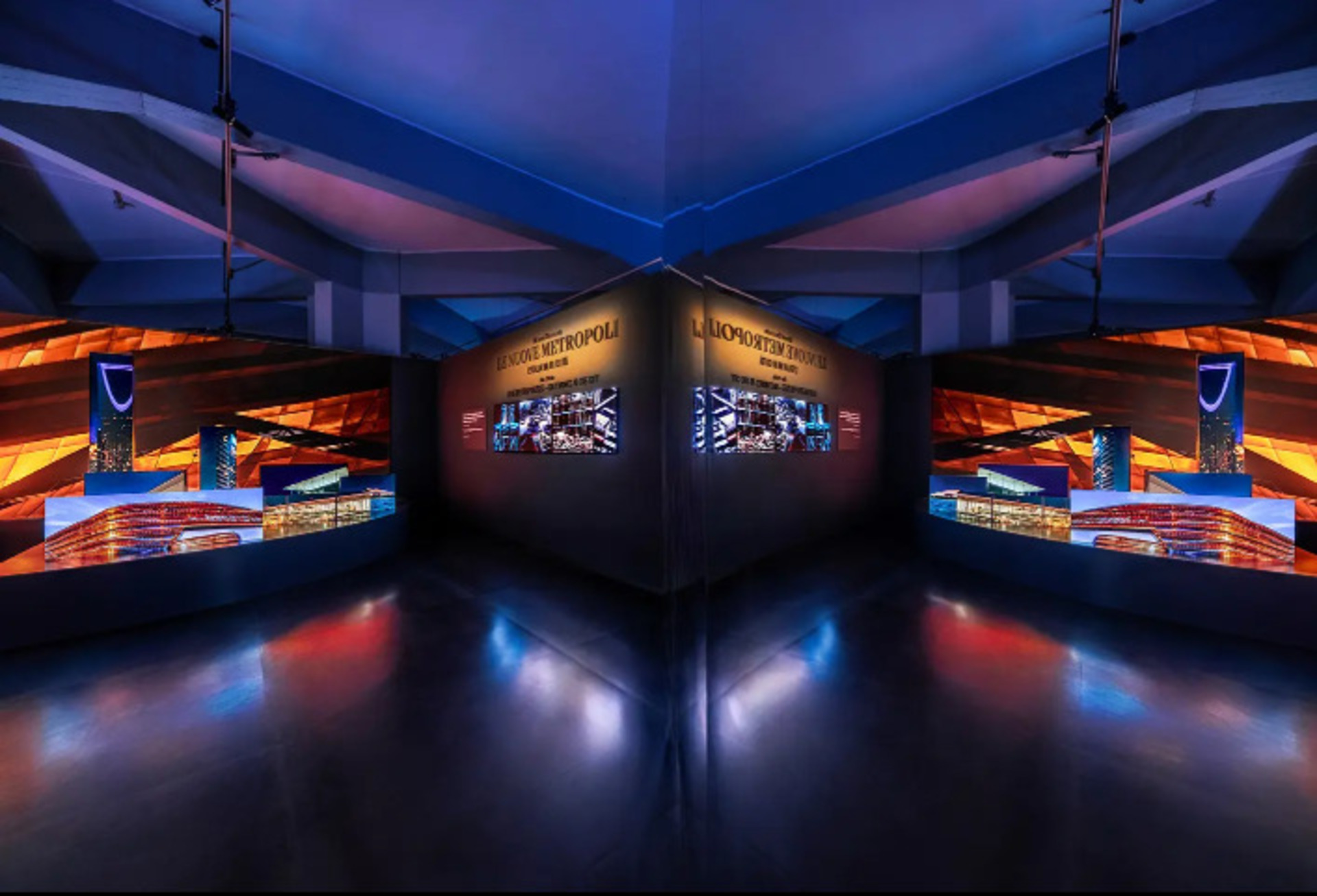
EVOLUTIO is a cultural initiative by Webuild that proposes a new narrative about infrastructure construction as a driver of economic, social, and industrial development, capable of energizing an entire productive and financial system. It is a story that weaves together memory and future, showing how critical infrastructure has contributed to building the country over the past 120 years and how they now represent a strategic asset.
The project unfolds across two complementary dimensions: the physical Exhibition and the Digital Museum.
The physical exhibition, currently hosted at the Museo Nazionale Scienza e Tecnologia Leonardo da Vinci in Milan until April 7, 2026, presents, through an immersive and multimedia traveling journey, the impact of infrastructure development on people’s lives and on the country’s transformation, using photographs, installations, videos, and testimonials.
The virtual museum is a permanent, digital-native, interactive exhibition of the major infrastructural projects that Webuild and the companies that have merged into the Group have built over 120 years of history around the world.
Through various collections, it allows the public to continue discovering the secrets behind large-scale infrastructures and their relationship with lifestyles and with the cinematic, musical, and artistic culture of the years in which they were constructed.
2 – “Elektrownia” Gallery of Contemporary Art (Poland)
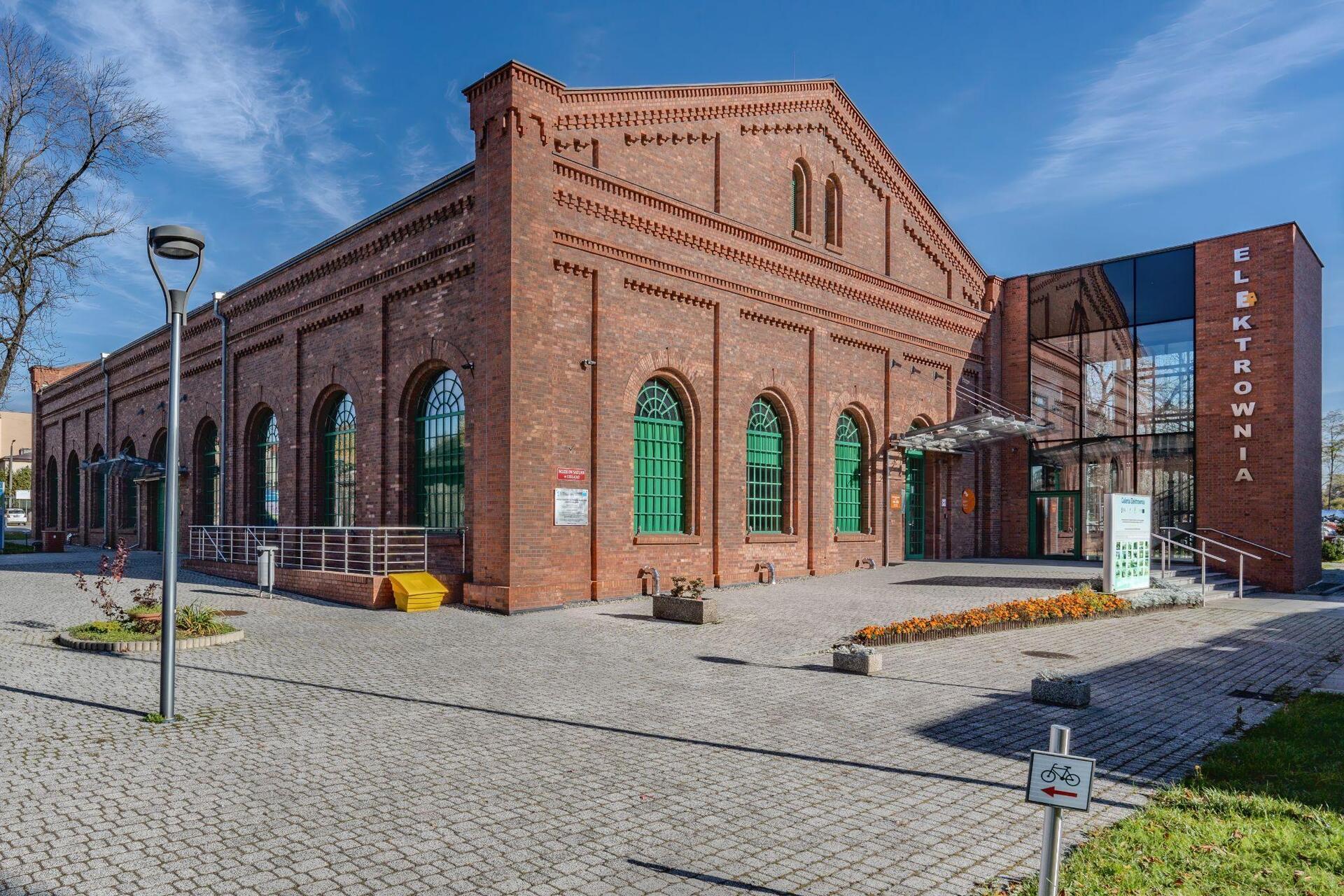
An example of how industrial heritage can be reinterpreted through a cultural lens is the “Elektrownia” Gallery of Contemporary Art in Czeladź, Poland.
Established in 2005 inside the former Saturn mine power plant, the historic building was restored and adapted into an exhibition space while preserving original elements such as period machinery and generators. Today, the gallery hosts contemporary art exhibitions and cultural events.
3 – Ferropolis (Germany)
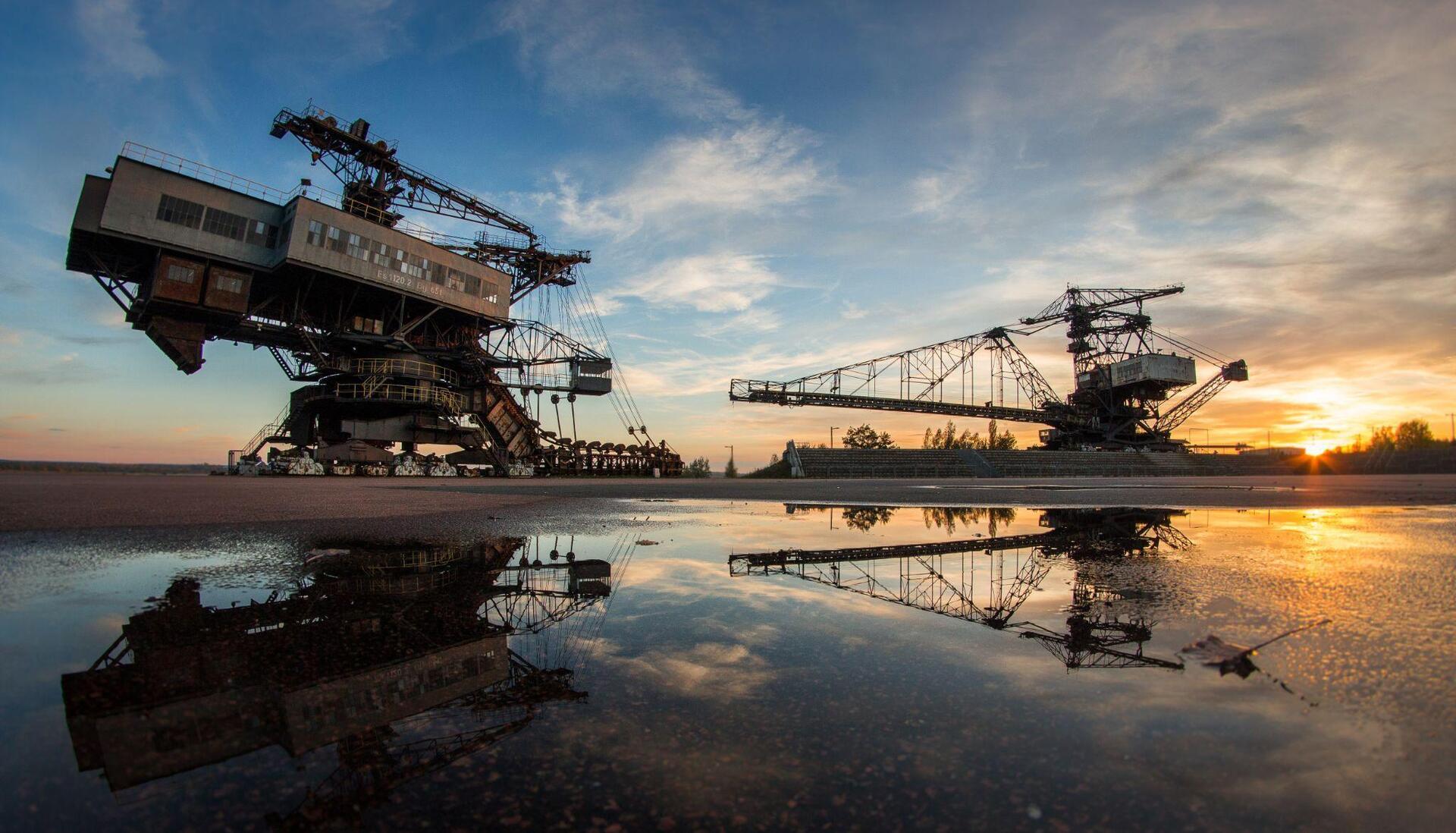
Another example of how industrial legacy can be transformed into a cultural and social space is Ferropolis, the so-called “City of Iron” in Germany.
Created on the site of a former open-pit mine in the region of Gräfenhainichen, this museum displays gigantic mid-20th-century excavating machines: steel colossi over 30 meters high and more than 100 meters long, recalling the importance of industry and labor in Europe’s past.
Today, Ferropolis is not only a historical testimony but also a venue for cultural and musical events, a stage for festivals and performances set between industrial architecture and natural landscape.
4 – Centrale Montemartini (Rome, Italy)
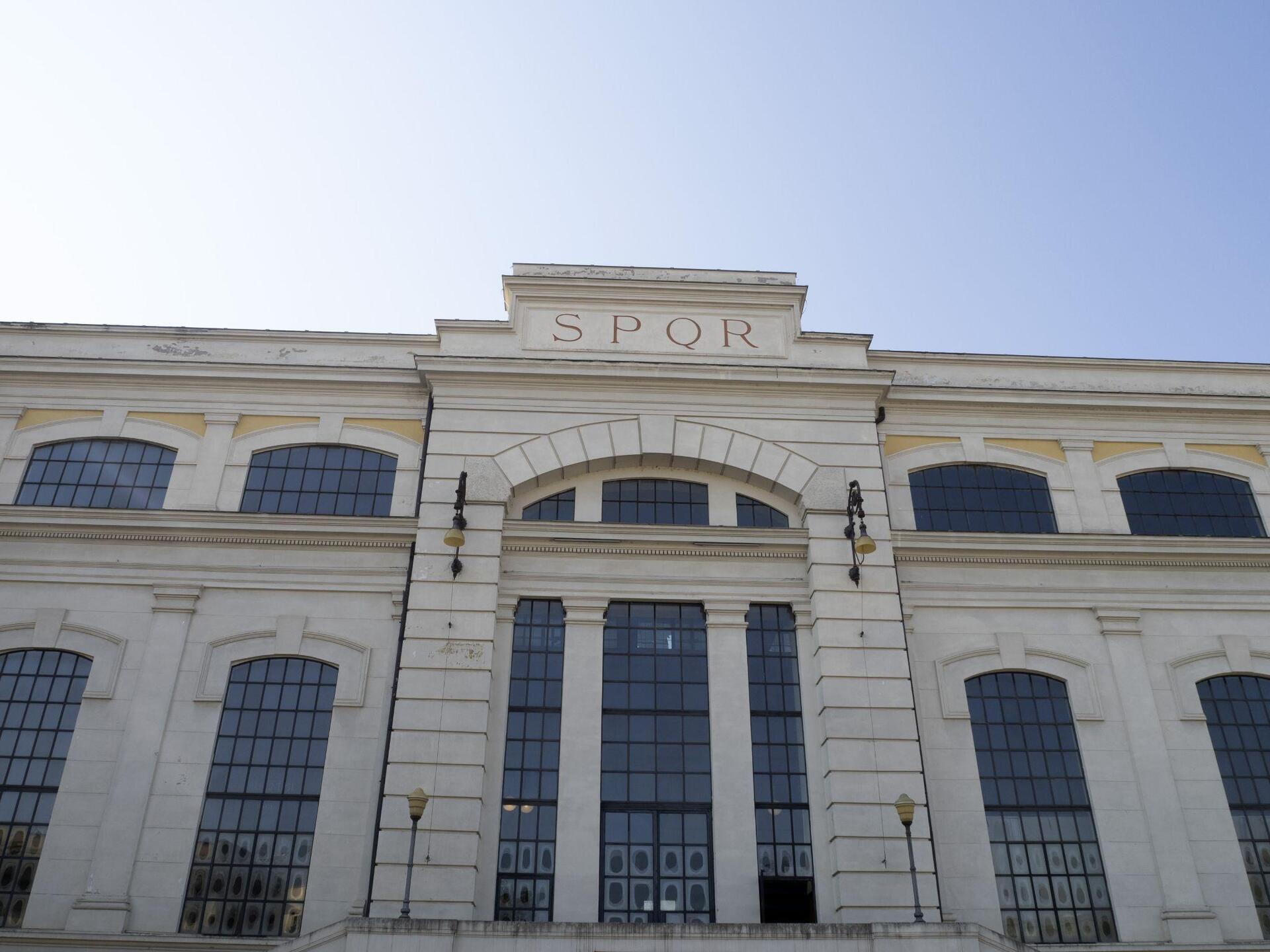
An extraordinary example of industrial archaeology transformed into an exhibition space is Centrale Montemartini in Rome.
Originally inaugurated in 1912 as the city’s first public power plant, this large industrial structure was converted in the 1990s into a museum venue. It now houses a vast collection of sculptures and mosaics from classical antiquity, displayed among the turbines and machinery of the original plant.
5 – Power Station of Art (China)
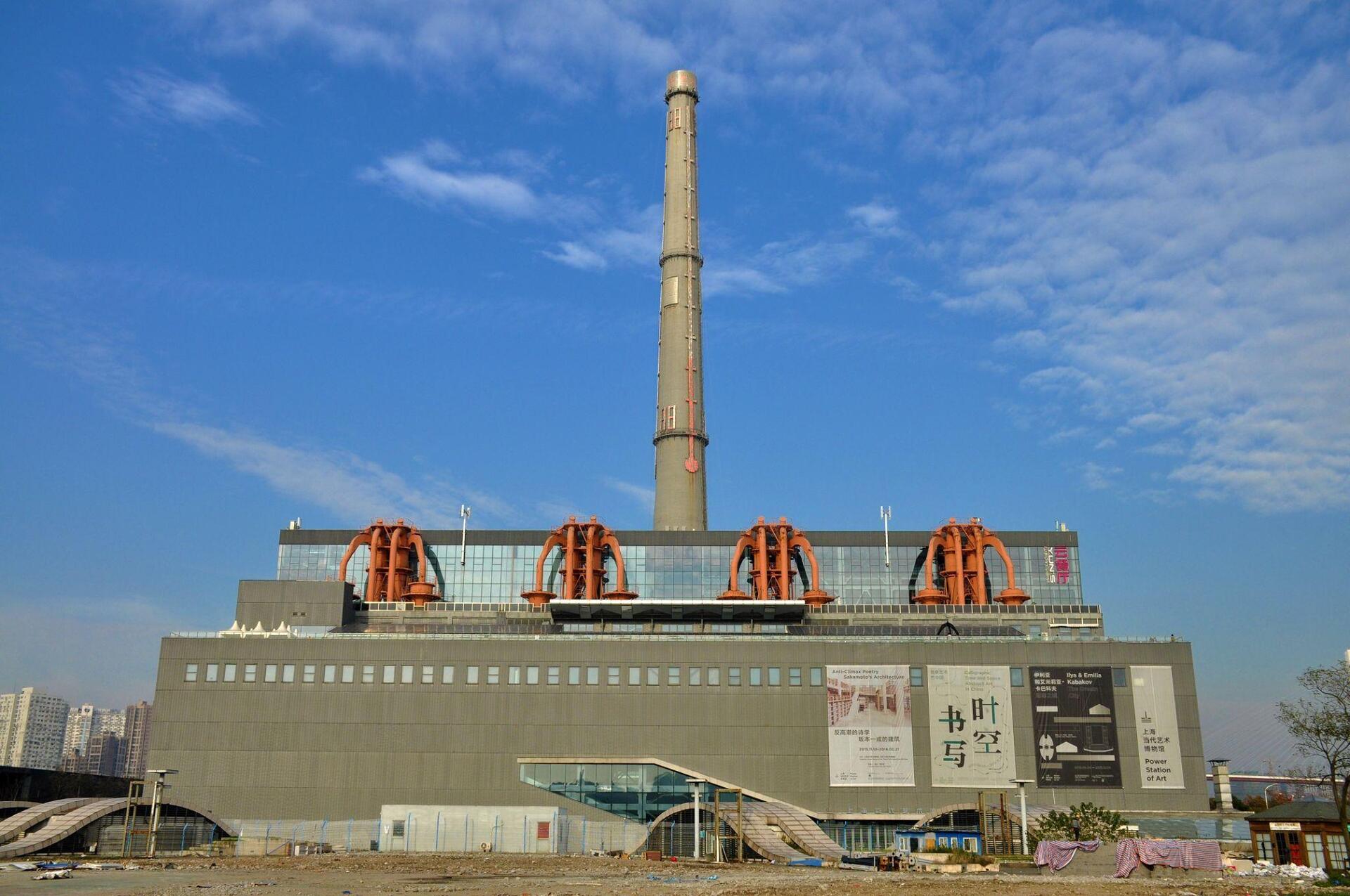
An international example of infrastructure transformed into a cultural hub is the Power Station of Art in Shanghai, the first state-run contemporary art museum in mainland China.
Opened in 2012 inside the former Nanshi Power Plant and located along the banks of the Huangpu River, the space preserves features of its original industrial architecture while combining them with large exhibition areas dedicated to contemporary artists, including collaborations with major international institutions and the Shanghai Biennale.