


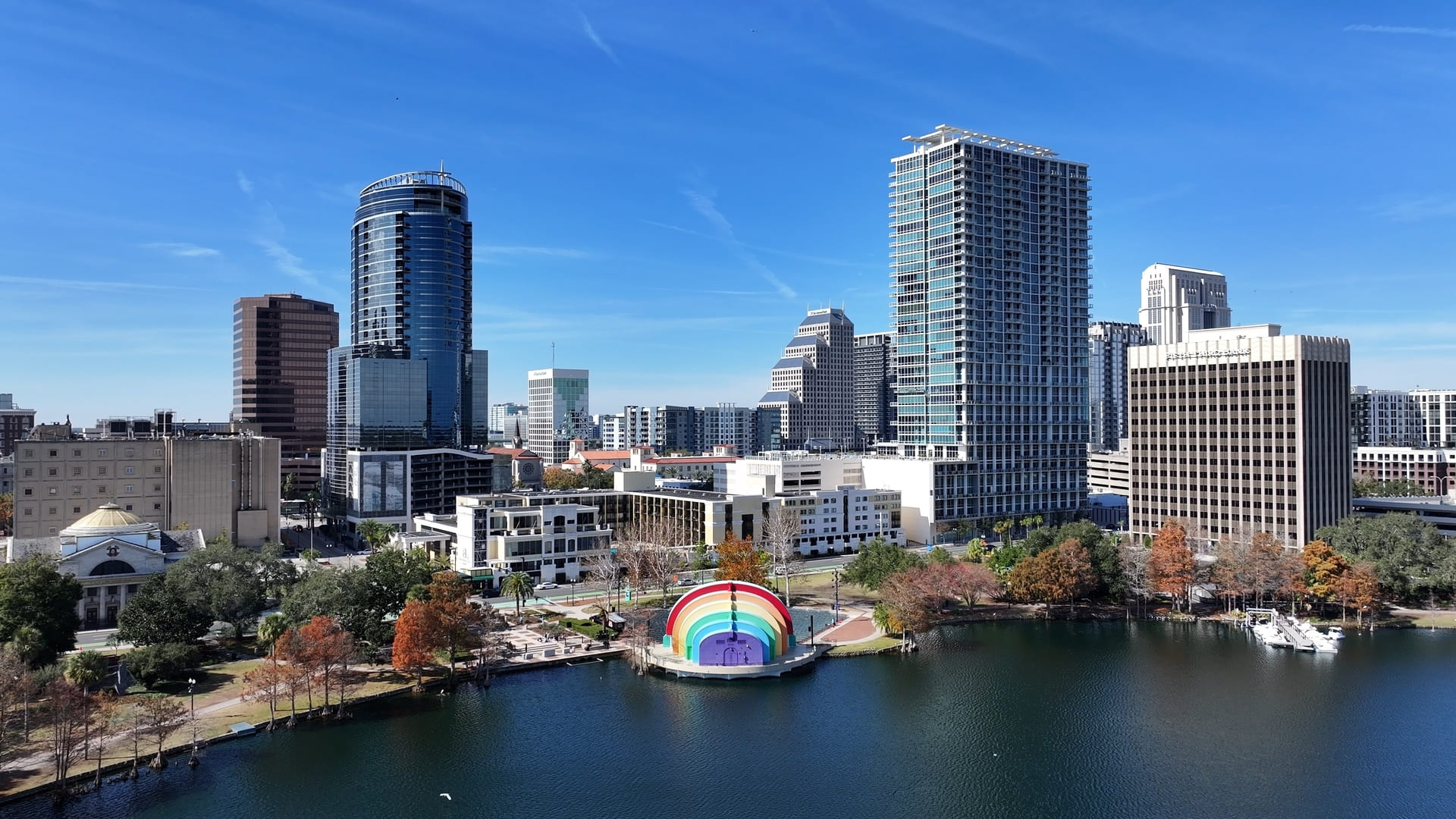
 Orlando, Florida
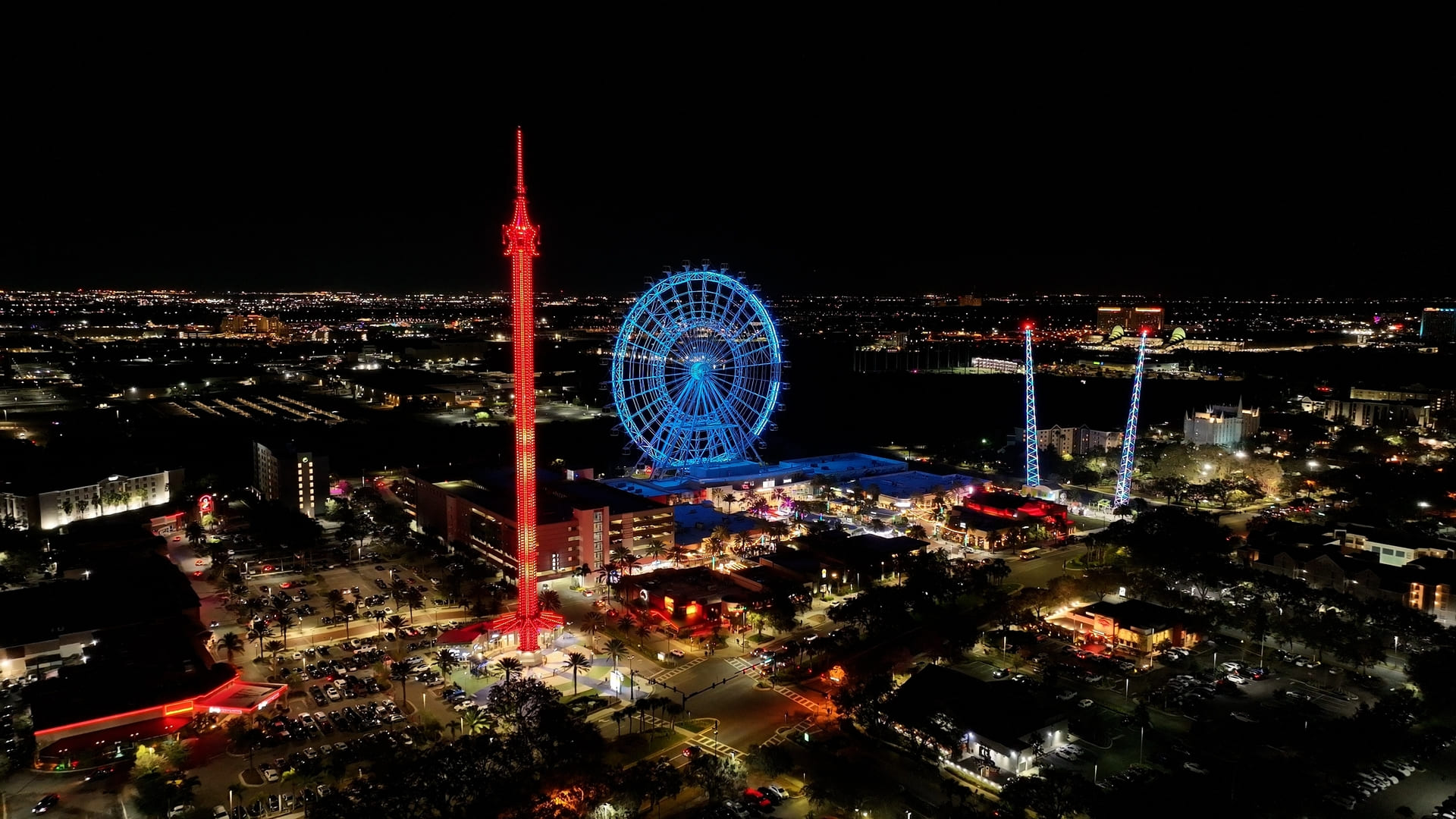 Orlando, Florida
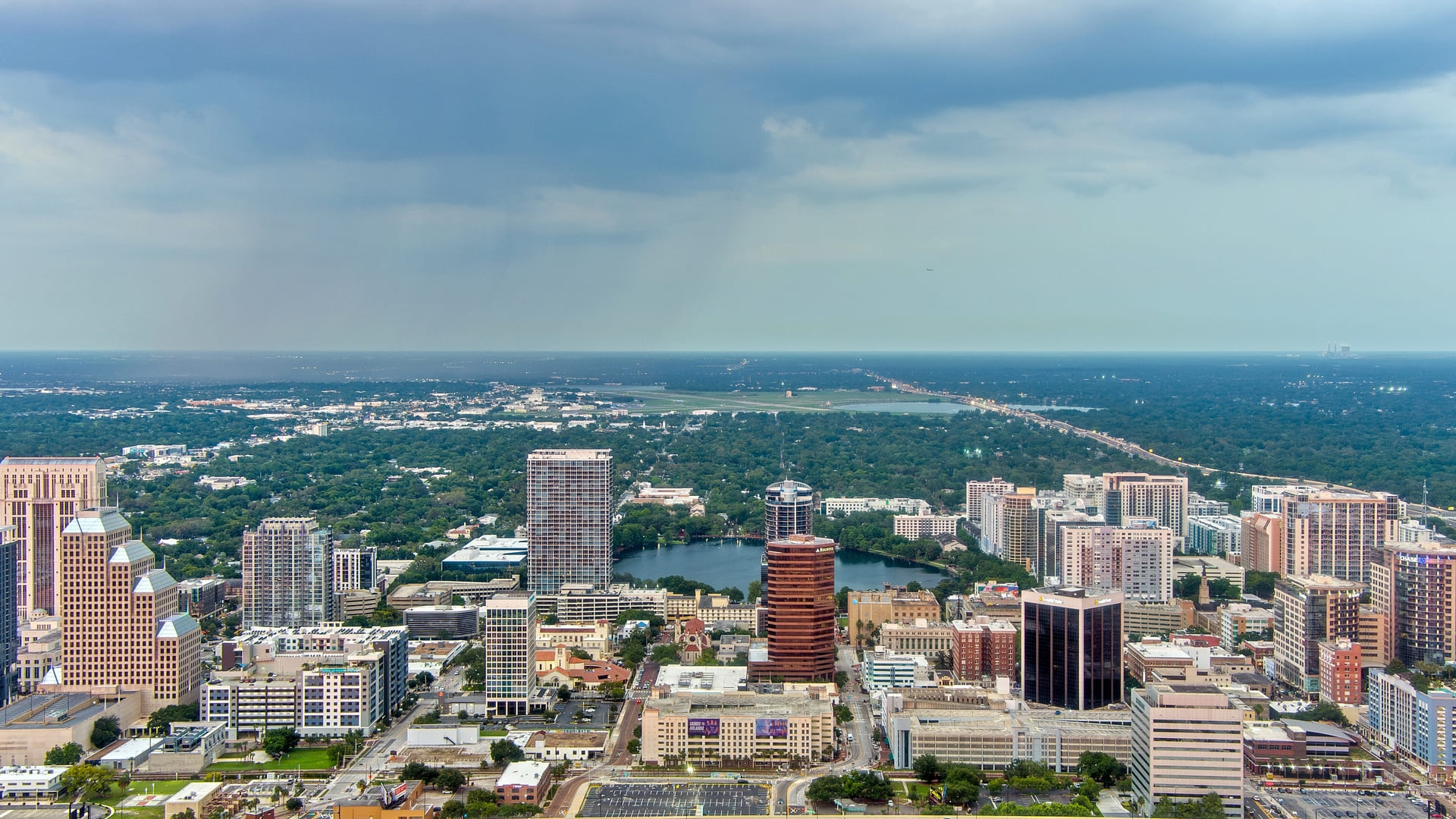 Orlando, Florida
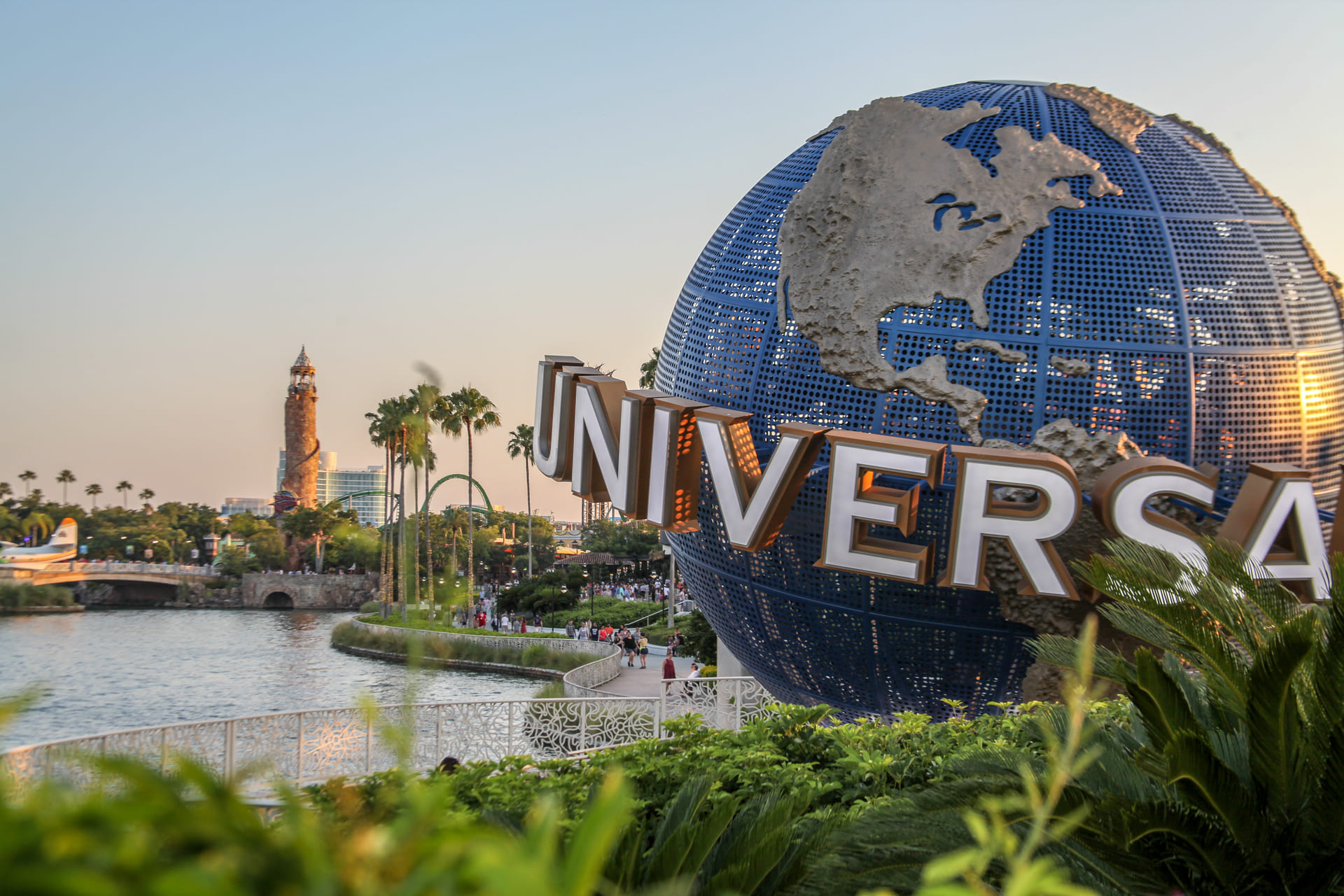 Universal Studios, Orlando
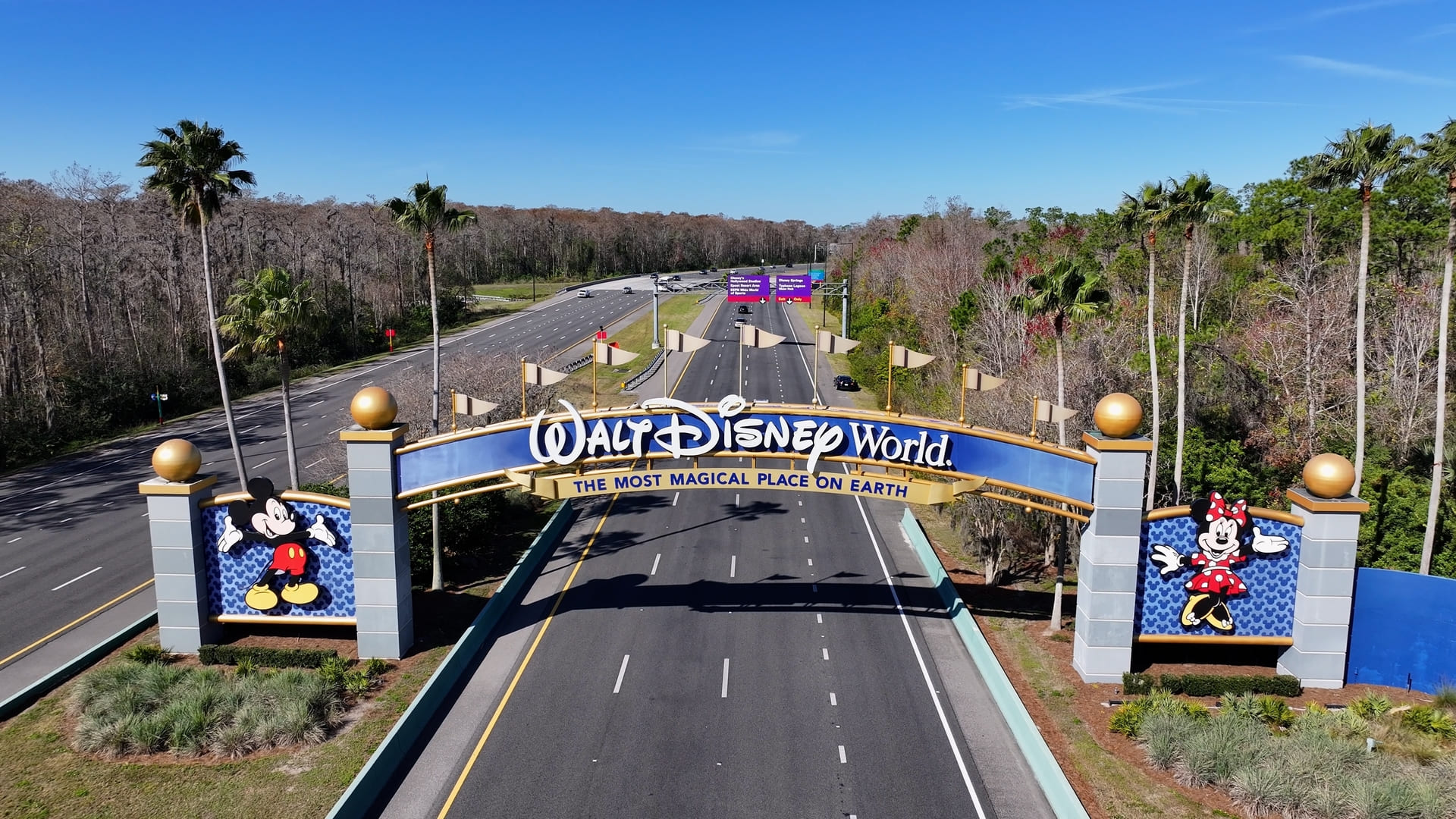 Walt Disney World, Orlando
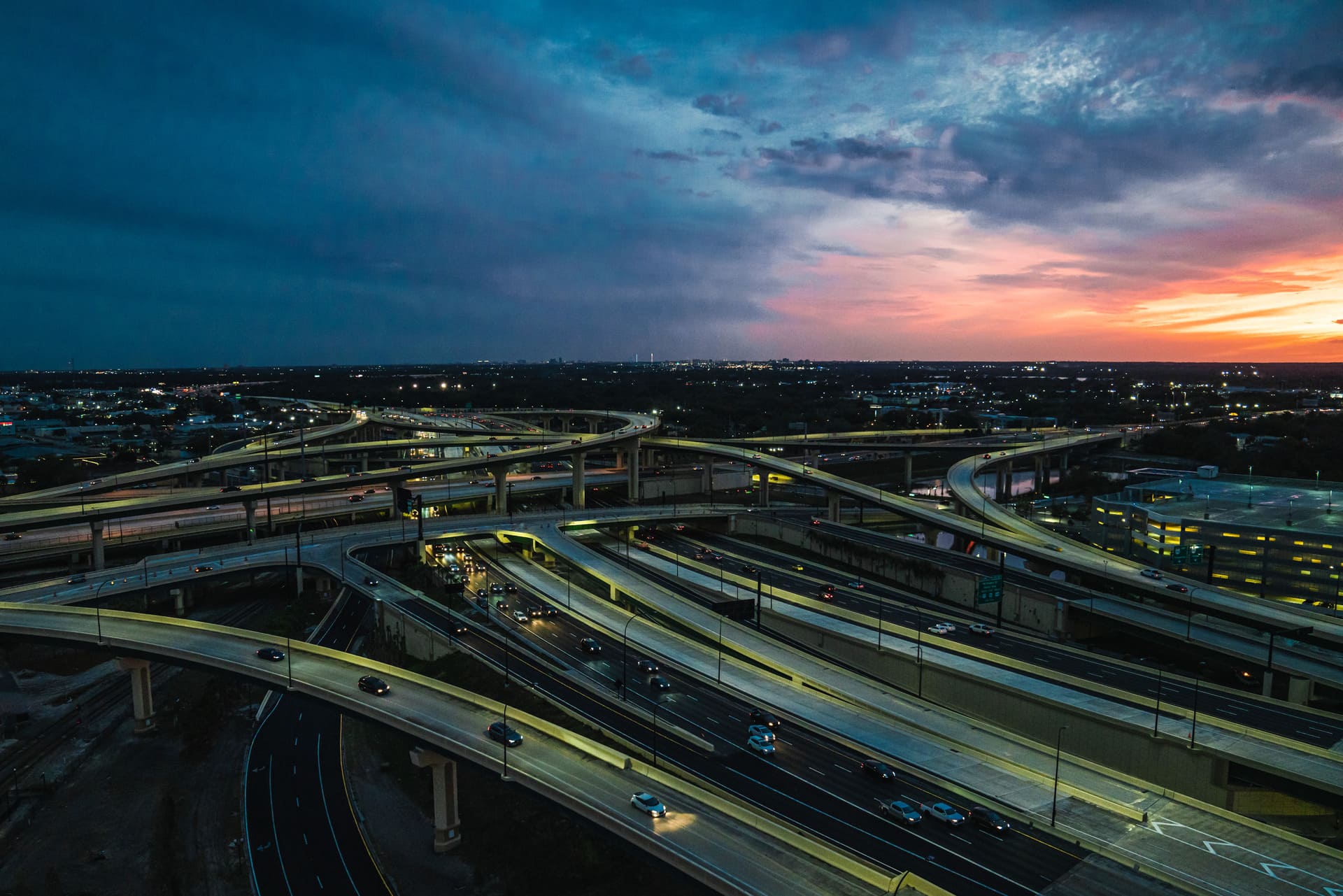 I-4 Ultimate Improvement Project – Orlando, Florida
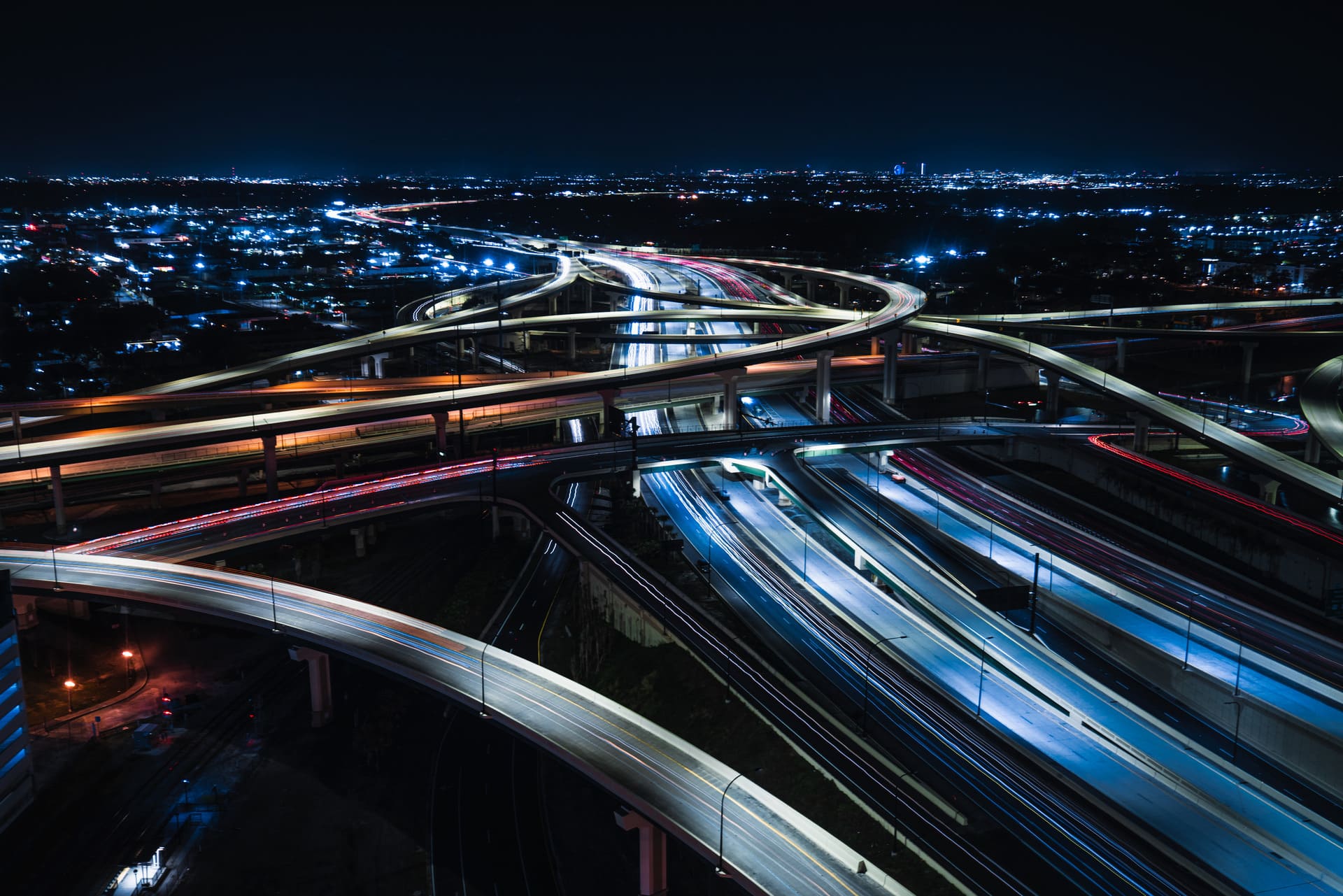 I-4 Ultimate Improvement Project – Orlando, Florida
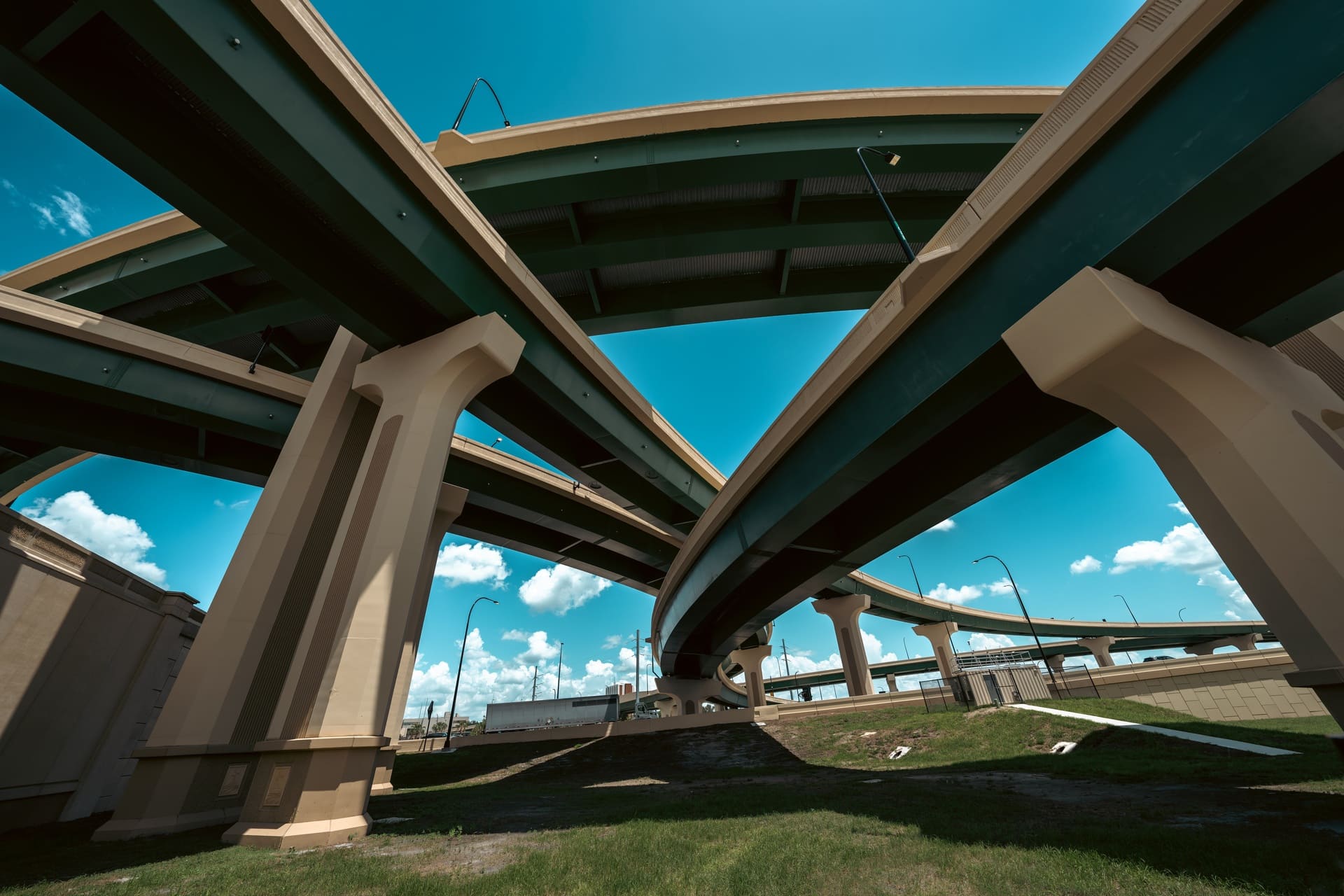 I-4 Ultimate Improvement Project – Orlando, Florida
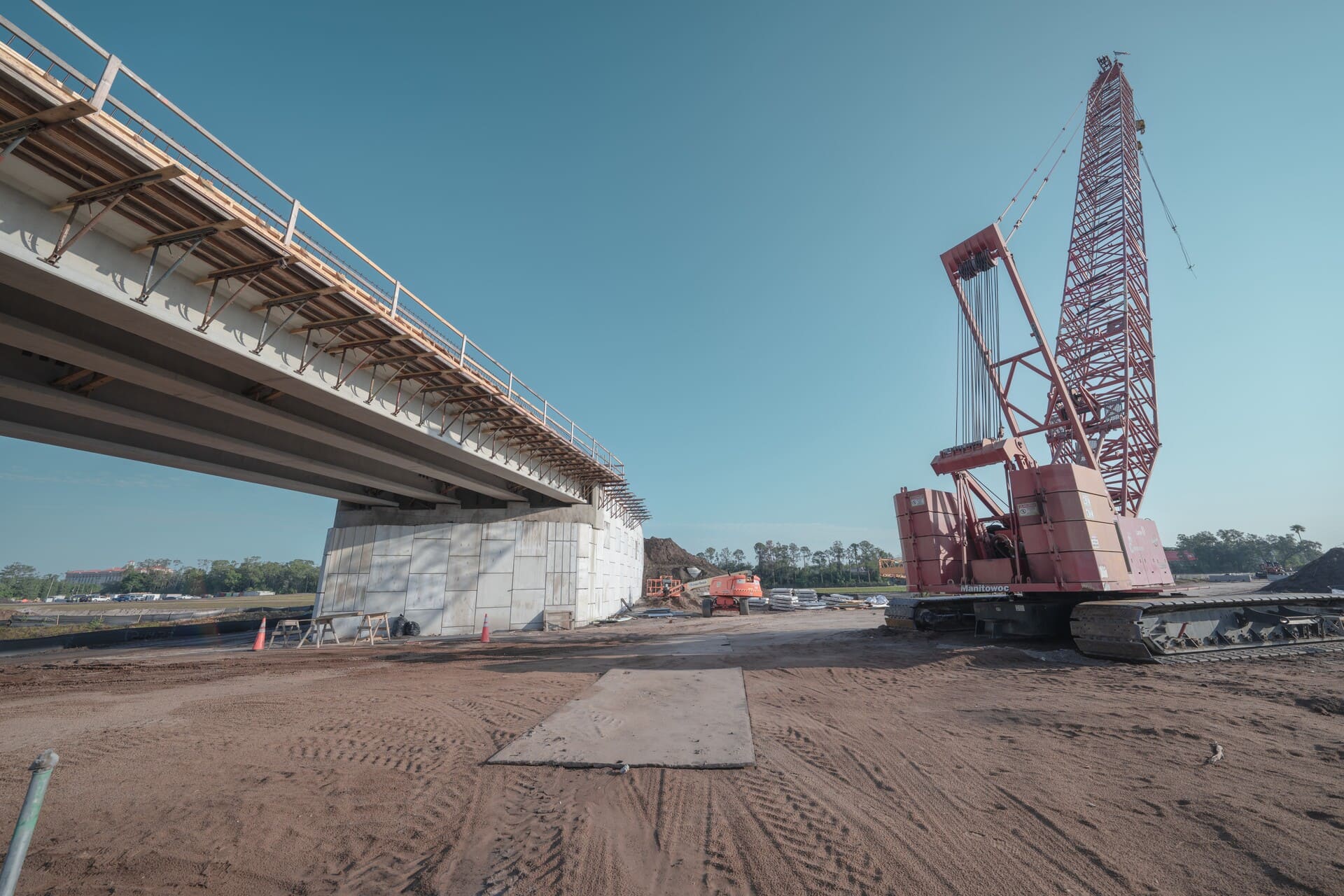 I-4 at Apopka Vineland Rd (SR 535) Interchange, Florida
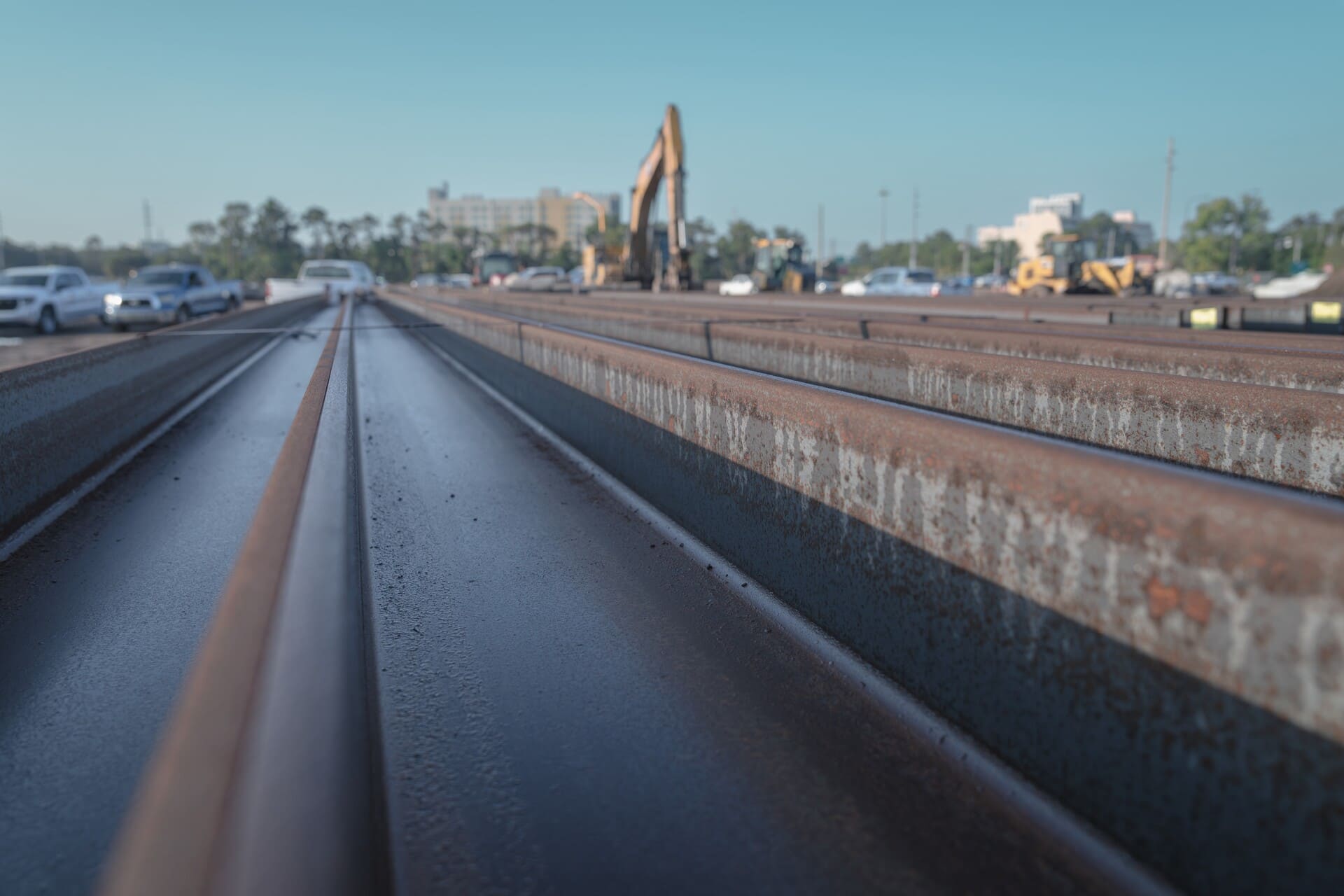 I-4 at Apopka Vineland Rd (SR 535) Interchange, Florida
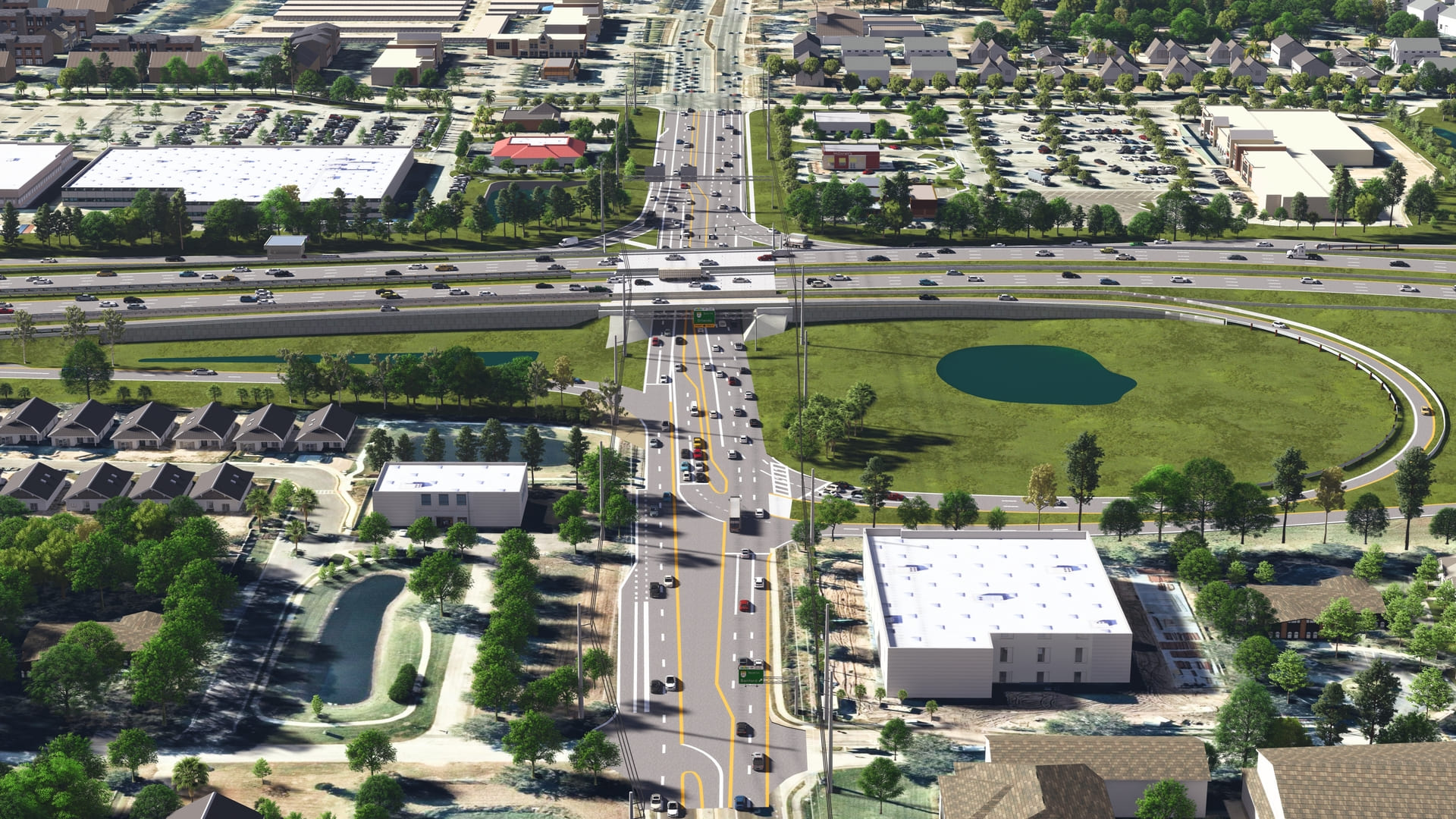 I-4 and Sand Lake Road Interchange Improvements, Florida
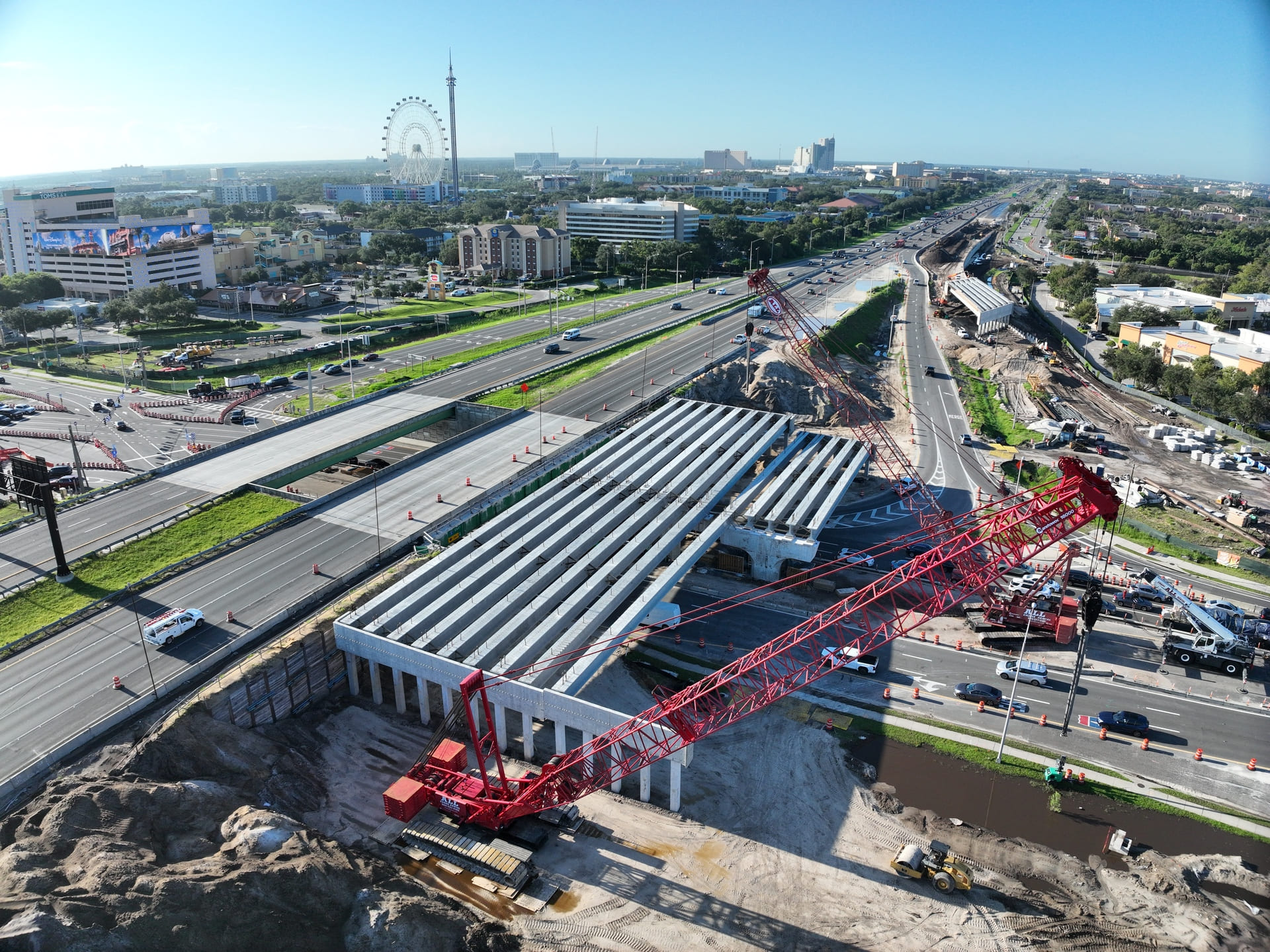 I-4 and Sand Lake Road Interchange Improvements, Florida
- With 76.7 million visitors in 2025, Orlando reached an all-time record for attendance, solidifying its status as the most visited destination in the United States
- The six major theme parks in Orlando (Magic Kingdom, EPCOT, Disney’s Hollywood Studios, Disney’s Animal Kingdom, Universal Studios, and Islands of Adventure) recorded 68 million admissions in 2024, confirming the strength of an entertainment district that generates massive mobility flows
- Lane is delivering the Moving I-4 Forward – Project 2, a $582-million-dollar improvement that will transform one of the primary corridors in the Orlando area
- The project will affect approximately 5 kilometers of Interstate 4, at the strategic point where the highway meets State Road 429 and approaches one of the main access routes to the Disney property
- The new configuration of I-4 provides for four general-use lanes and two express lanes for each direction of travel, with direct connections designed to reduce congestion and make travel safer and smoother
Read more

Before the gates of the theme parks open under the Florida sun, a gigantic machine is already in motion. Planes landing one after another, shuttles leaving hotels, lines of cars converging onto Interstate 4. Because in Orlando, magic needs infrastructure.
The world capital of amusement parks welcomed 76.7 million visitors in 2025, the highest figure in its history, confirming its status as the most visited destination in the United States. But the most striking fact is the impact that these complexes, born for entertainment, exert on the Orlando area.
In 2024, its six major parks (Magic Kingdom, EPCOT, Disney’s Hollywood Studios, Disney’s Animal Kingdom, Universal Studios Florida, and Islands of Adventure) were estimated to have drawn approximately 68.1 million admissions at the turnstiles, according to the TEA Global Experience Index.
As mentioned, however, among Disney World, Universal Orlando, and SeaWorld, the journey does not begin in front of an attraction. It begins much earlier, on the network of roads that every day transports residents, workers, and tourists throughout the world’s largest entertainment district.
Interstate 4: Amusement Park Highway
Interstate 4 is the highway that crosses Central Florida, connecting airports, hotels, rapidly growing communities, and major theme parks.
Right along this route, where I-4 meets State Road 429 and approaches World Drive—one of the primary access routes to Walt Disney World—a major transformation is taking place. Lane Construction, a U.S. subsidiary of the Webuild Group, is delivering FDOT’s Moving I-4 Forward – Project 2, a $582-million-dollar intervention which reimagines one of the most congested hubs in the area.
The project, commissioned by the Florida Department of Transportation (FDOT), involves the modernization and widening of approximately 5 kilometers (3.1 miles) of infrastructure, to be entirely rebuilt and reimagened to resolve the critical bottleneck where Interstate 4 meets State Road 429, a point where traffic routinely slows down and frequently grinds to a halt.
Florida Improves Mobility: Details of a Large-Scale Project
The new configuration of the highway provides for four general-use lanes and two express lanes per direction of travel, with direct connections that eliminate complex weaving and simplify the transition between Interstate 4 and State Road 429.
One of the most important items is the widening of Old Lake Wilson Road which, from a simple arterial street, will become a multi-use thoroughfare with protected sidewalks and bicycle lanes on both sides. The median of I-4 will also be prepared to accommodate a future, high speed rail corridor.
The upgrading plan is part of the “Moving Florida Forward Infrastructure Initiative,” promoted by FDOT to adapt the road network to the constant growth of the region. The initiative involves the construction of two new express lanes per direction of travel along Interstate 4 (I-4), between Polk, Osceola and Orange counties—a fundamental work to optimize mobility in Central Florida.
The acceleration given to the program will allow the infrastructure to become operational significantly ahead of the original schedules. The project is expected to reduce congestion and improve travel-time reliability while enhancing safety, connectivity and evacuation resilience.
Orlando: The Key Role of Road Infrastructure in Tourism
According to Visit Orlando, the destination’s official tourism association, 8.3% of the total number of people arriving in the city come from abroad, while the remaining 91.7% of visitors are American tourists. This means that the efficiency of the road infrastructure, and particularly of corridors like the one in the project awarded to Lane, is essential to say the least.
It is not just a matter of making more cars flow. In a region built around the travel experience, making journeys safer and more predictable means supporting the entire tourism economy, improving the lives of residents, and also making evacuations more effective during emergencies.
In the Orlando theme parks, everything is designed to make you forget the real world for a few hours. But for the wonder to work, the real world—made of roads, bridges, airports, and millions of journeys—must function with the exact same (magical) precision.