


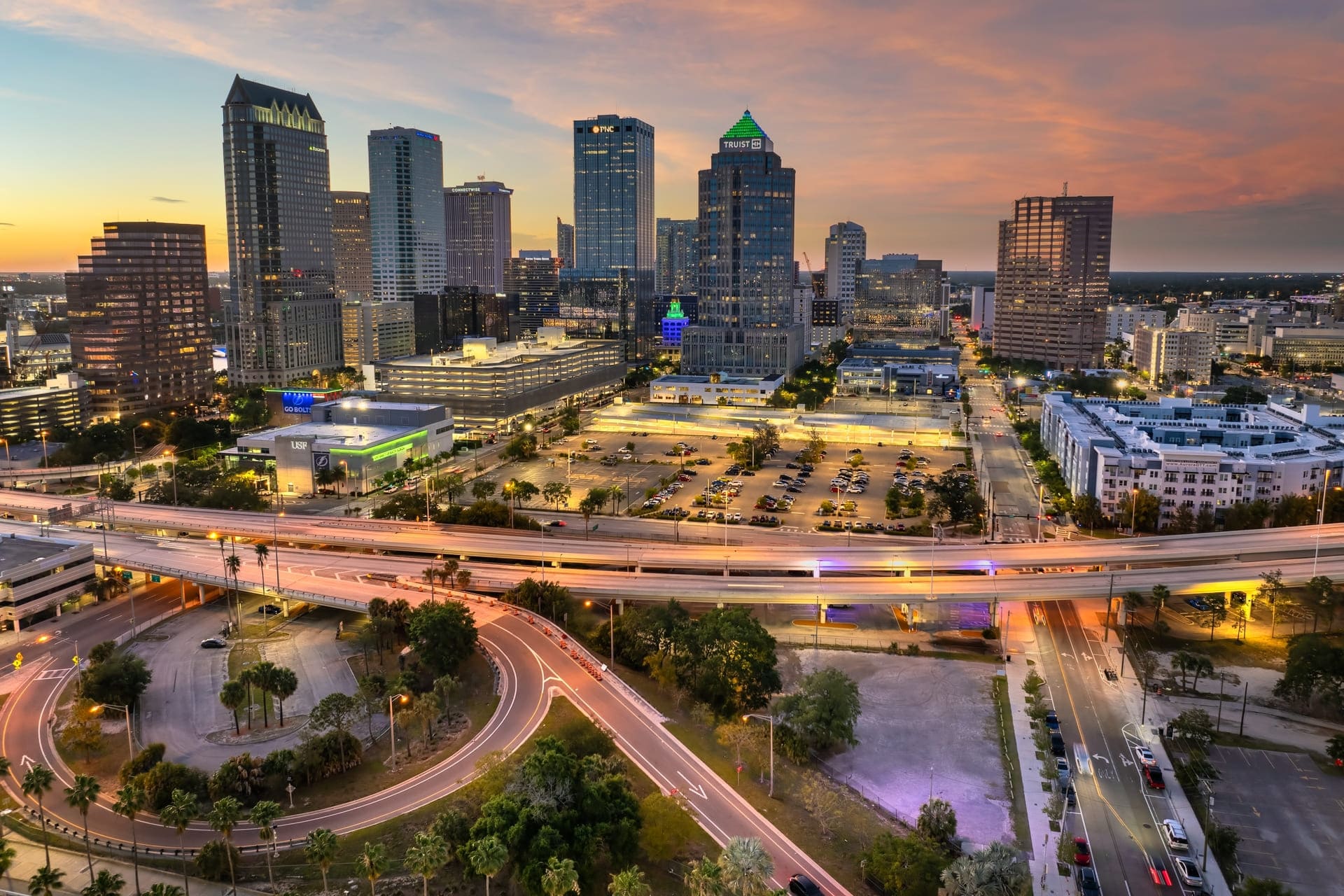
 Tampa, Florida
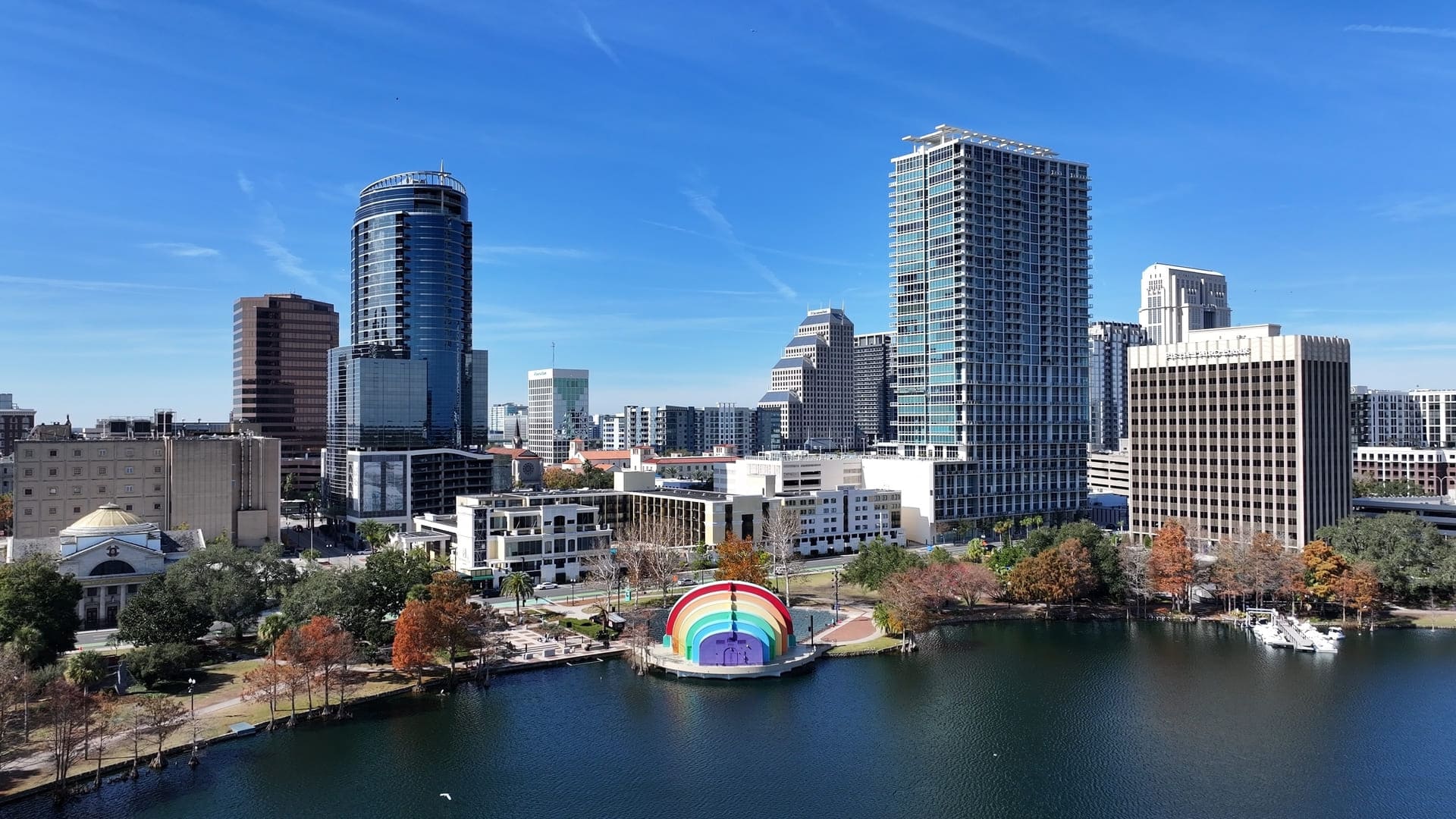 Orlando, Florida
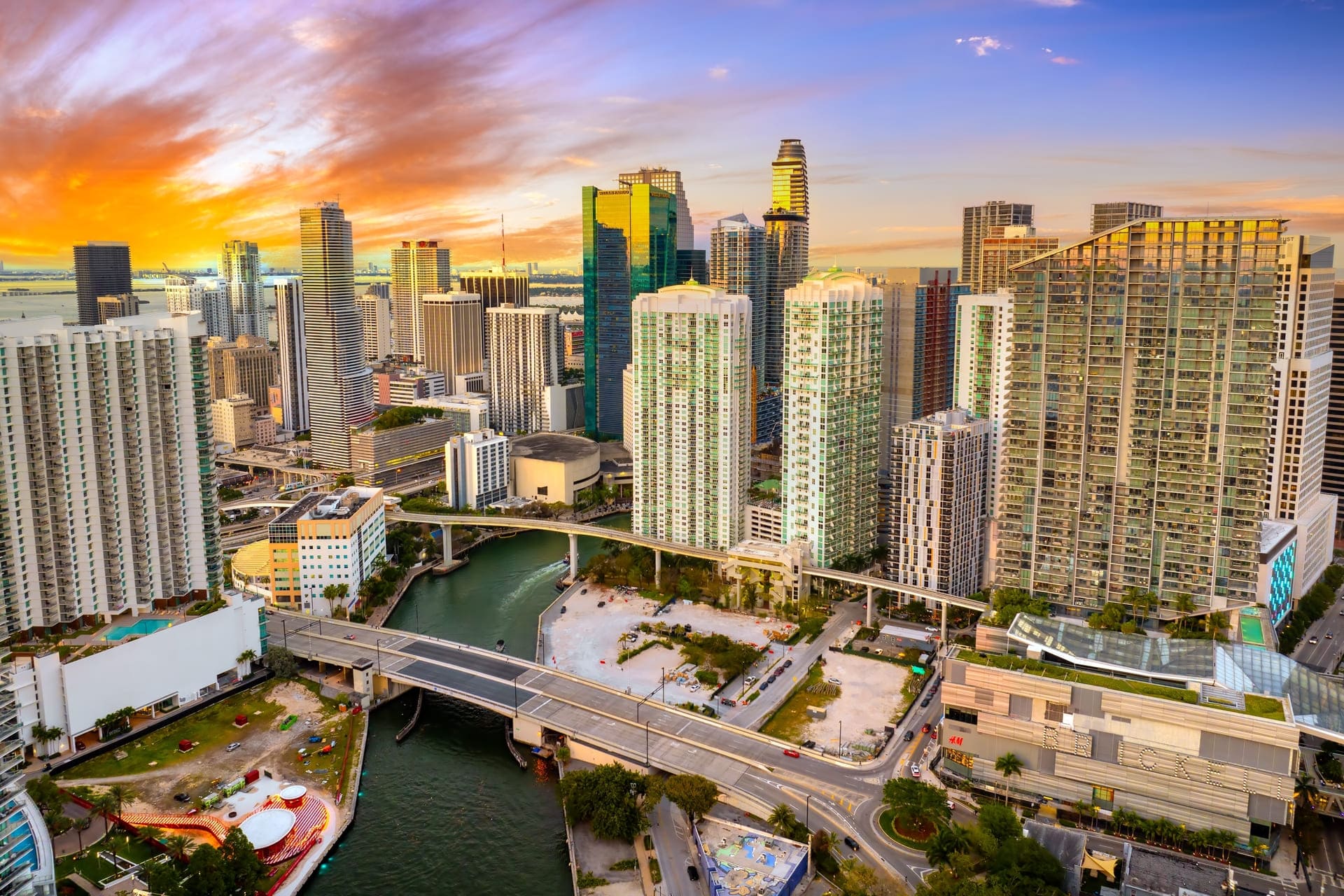 Miami, Florida
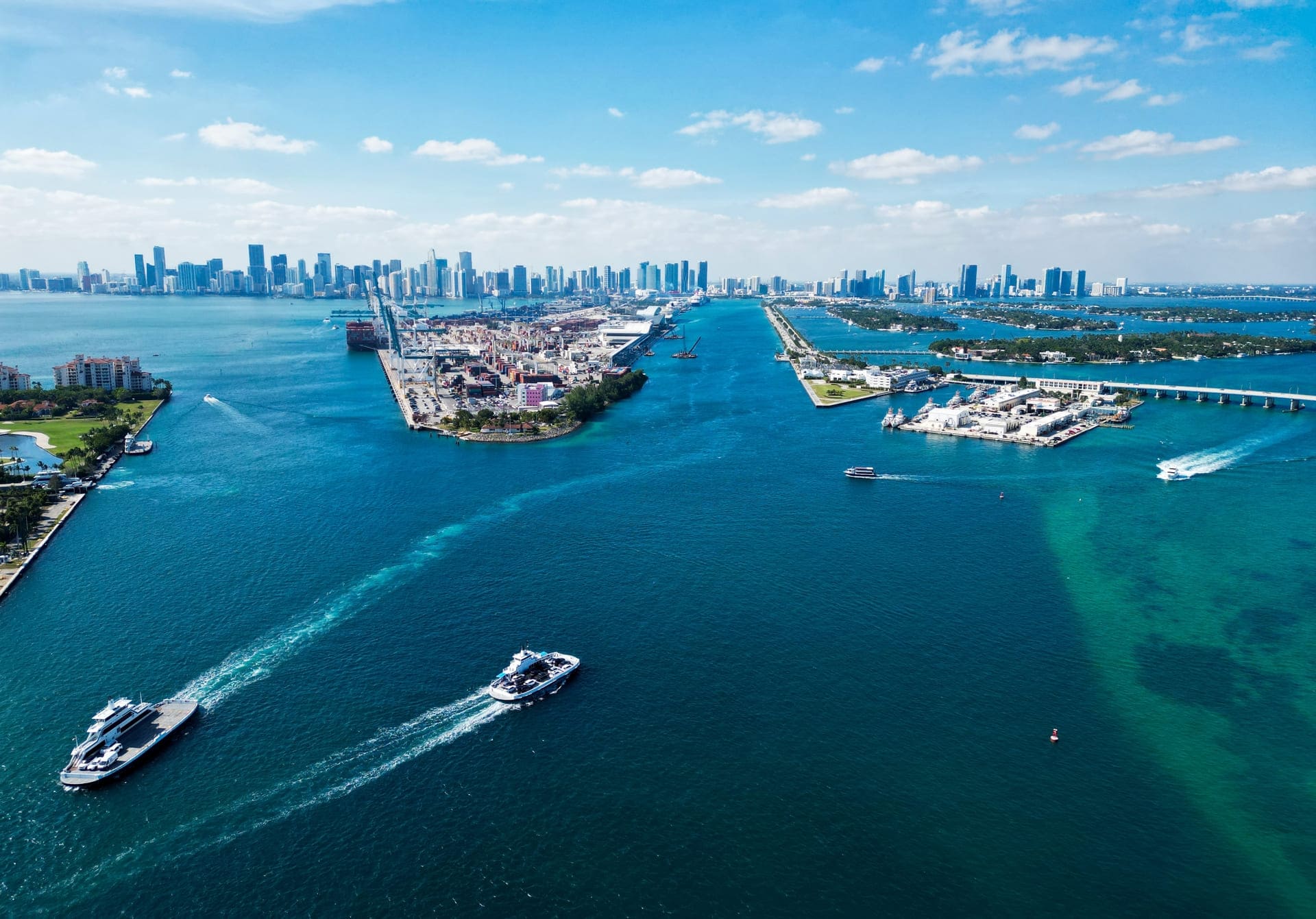 Miami Harbour
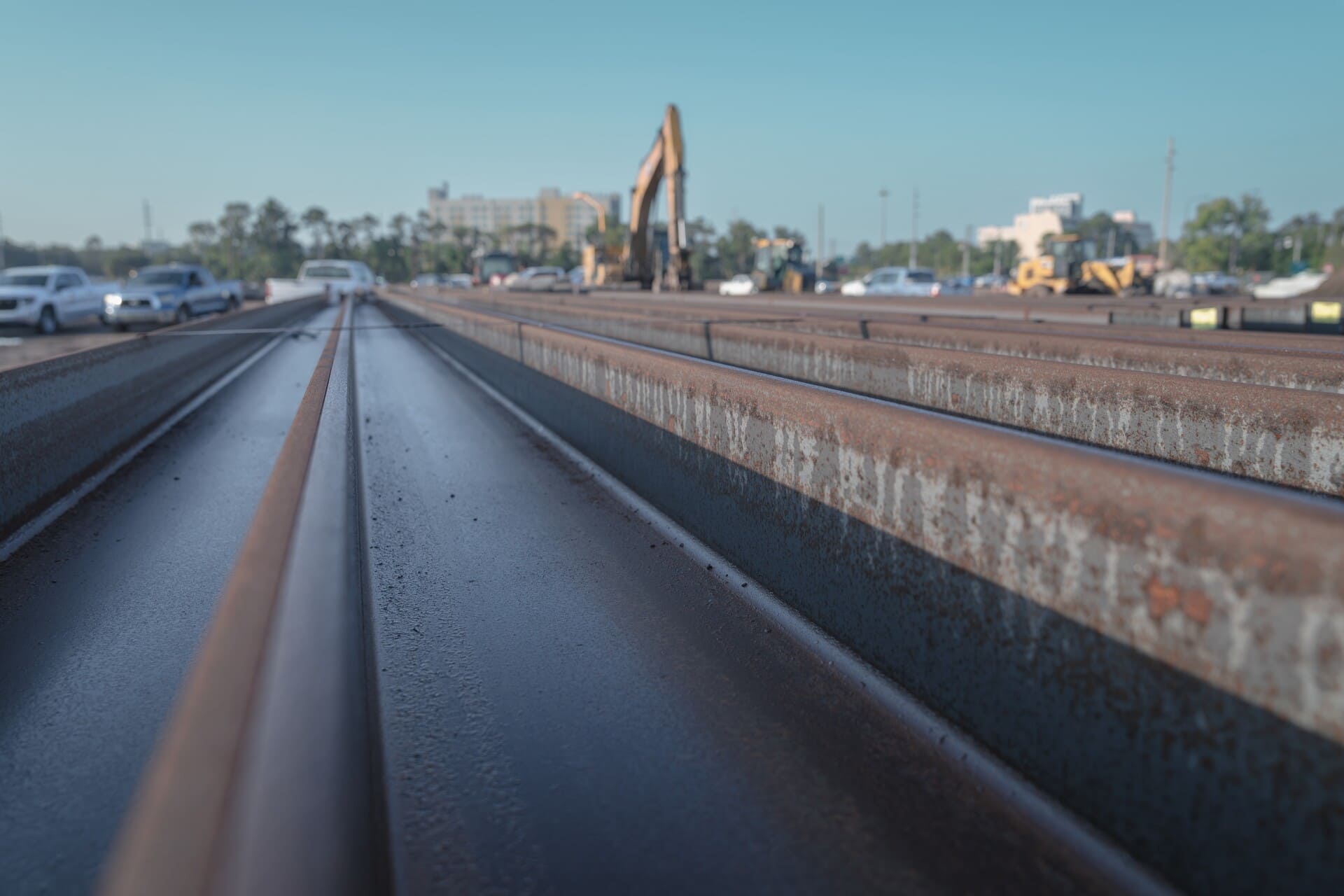 I-4 at Apopka Vineland Rd (SR 535) Interchange, Florida
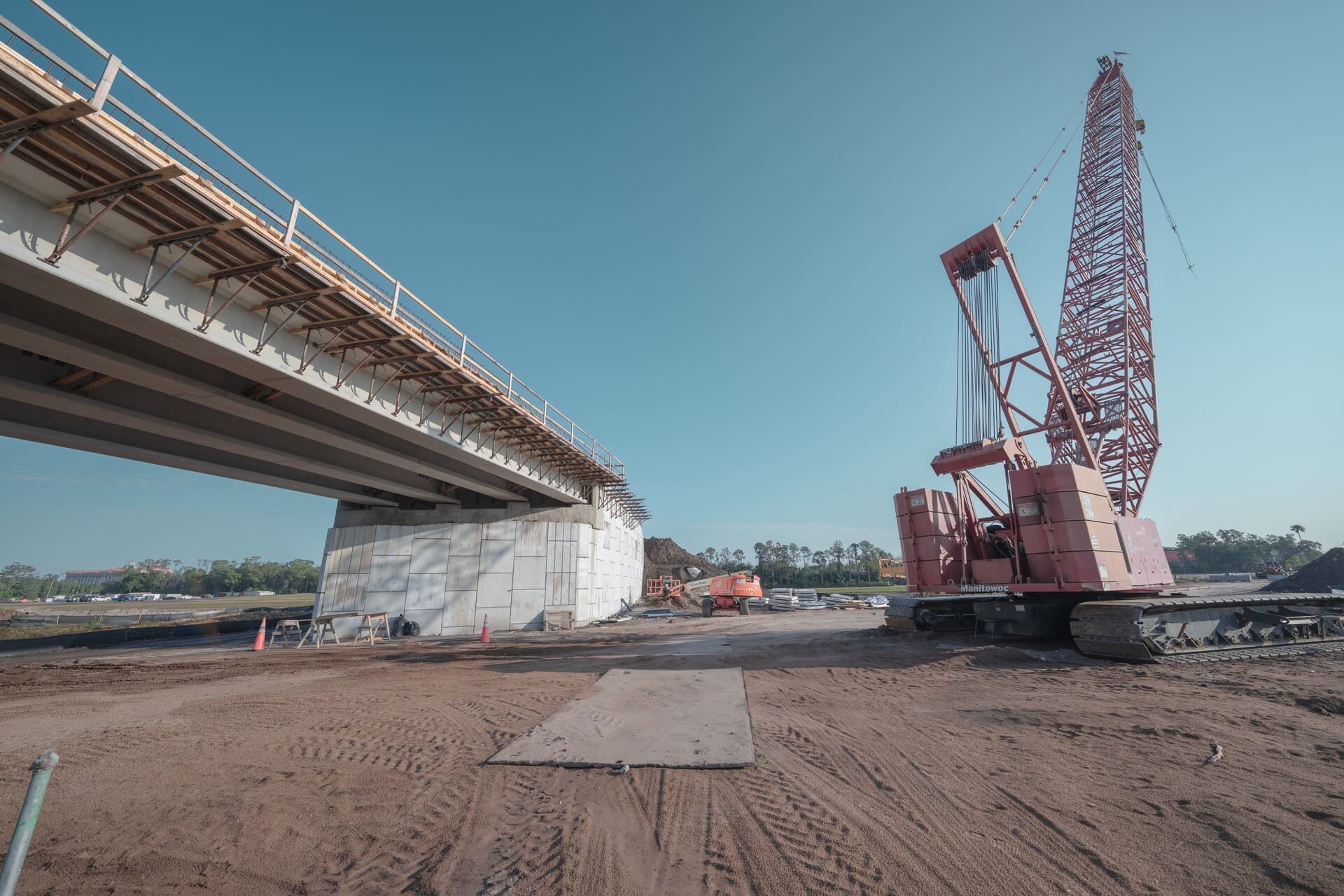 I-4 at Apopka Vineland Rd (SR 535) Interchange, Florida
 I-4 Ultimate Improvement Project – Orlando, Florida
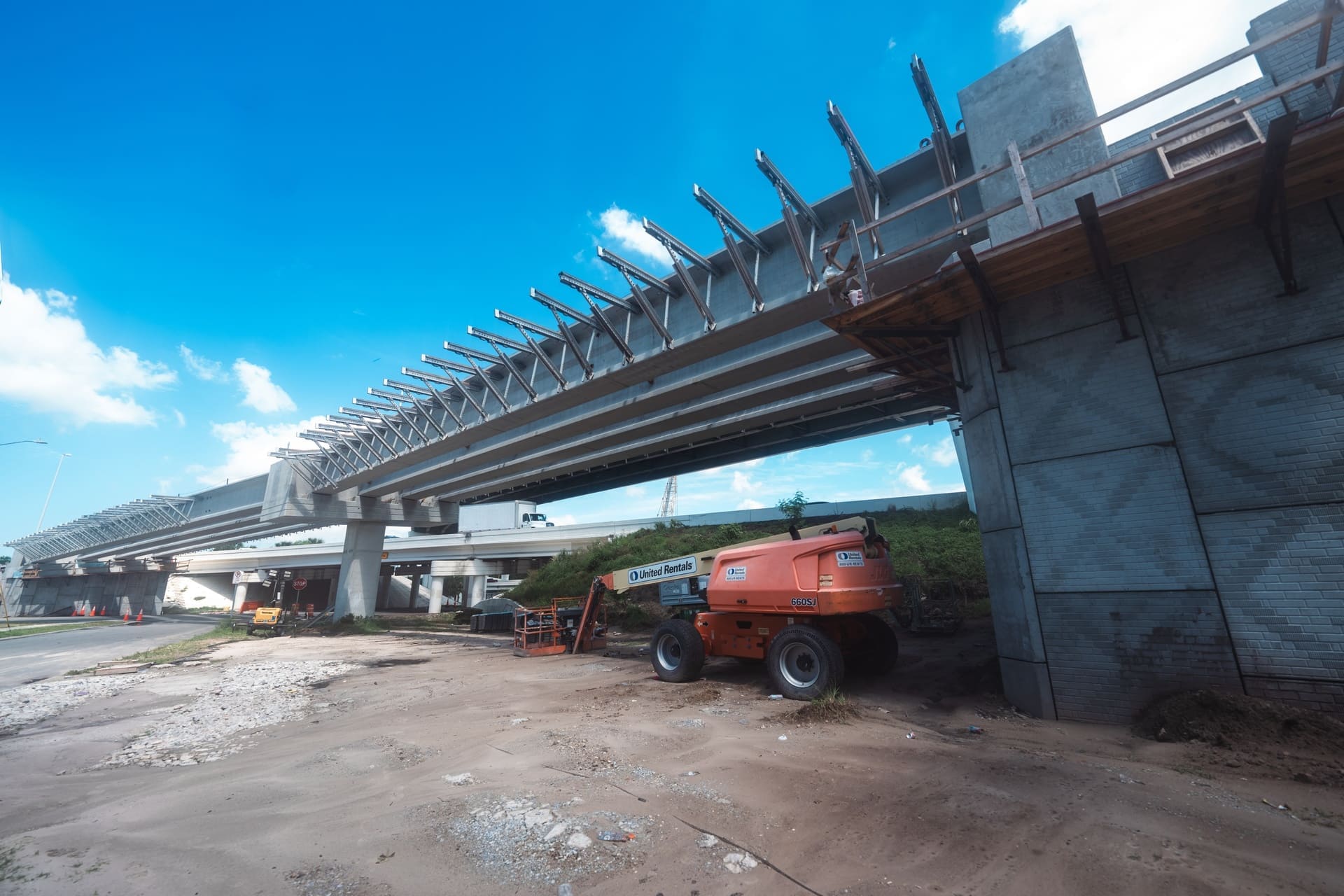 I-275I-4 Downtown Tampa Interchange (DTI), Florida
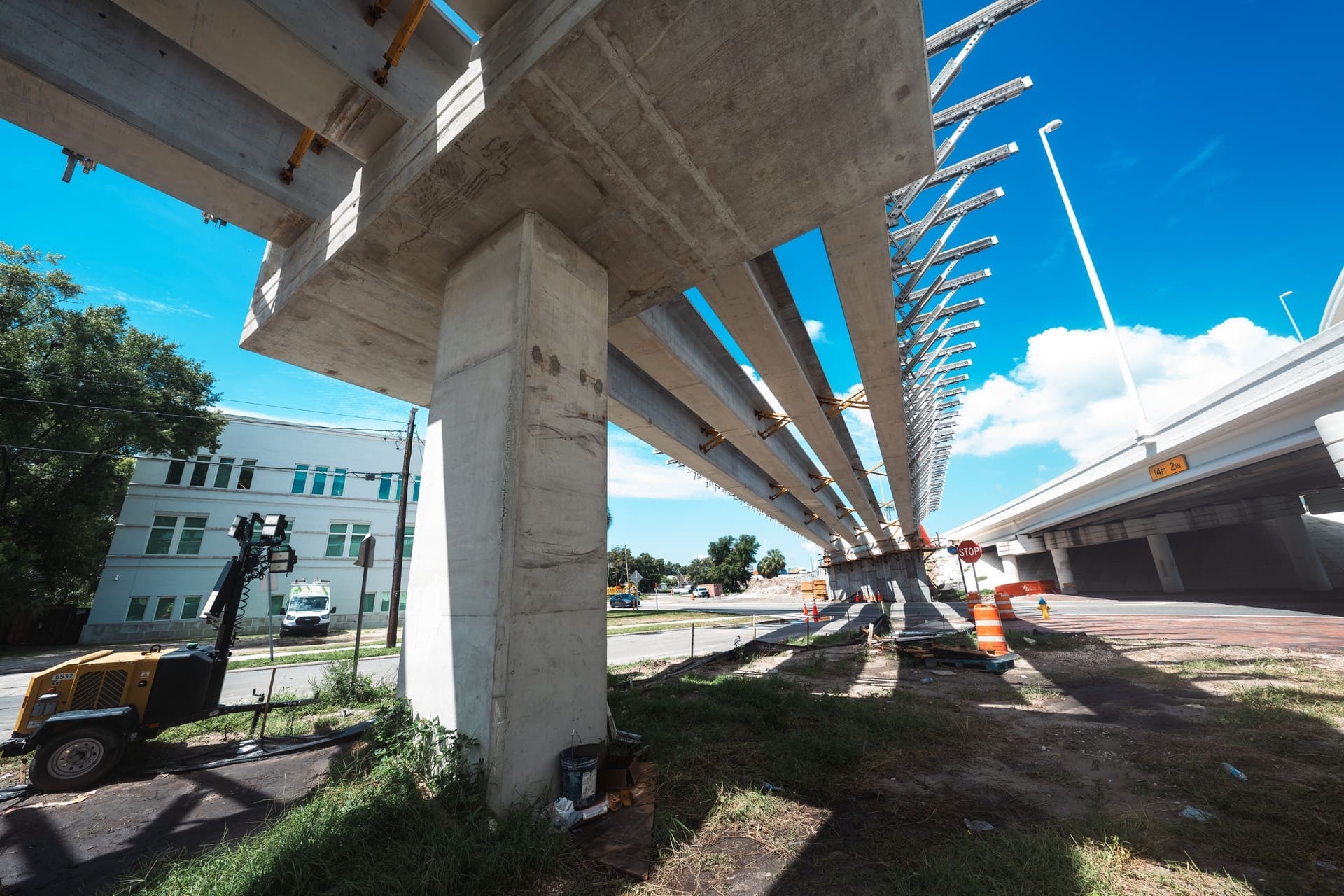 I-275I-4 Downtown Tampa Interchange (DTI), Florida
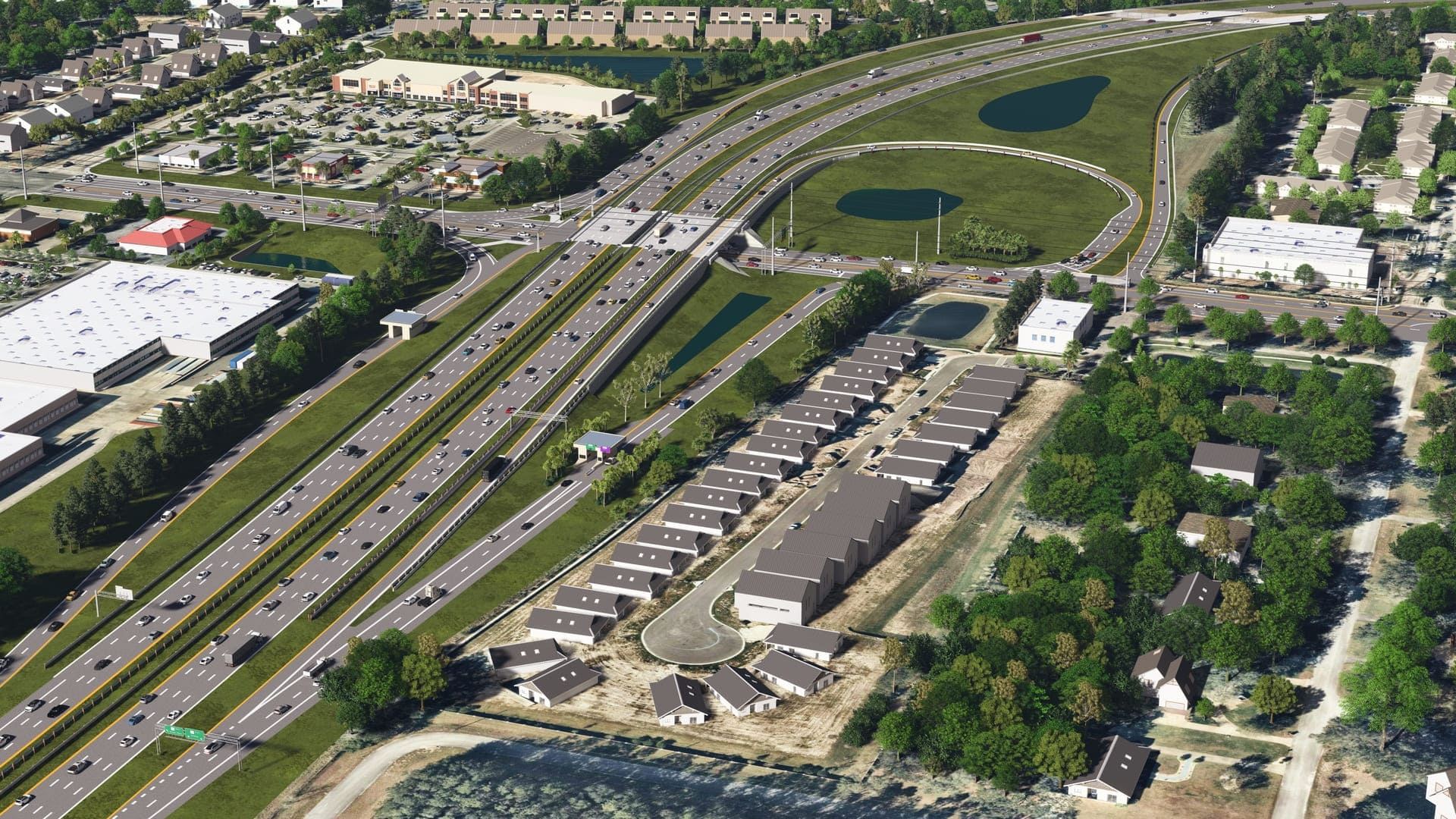 Seminole Expressway SR 417, Florida
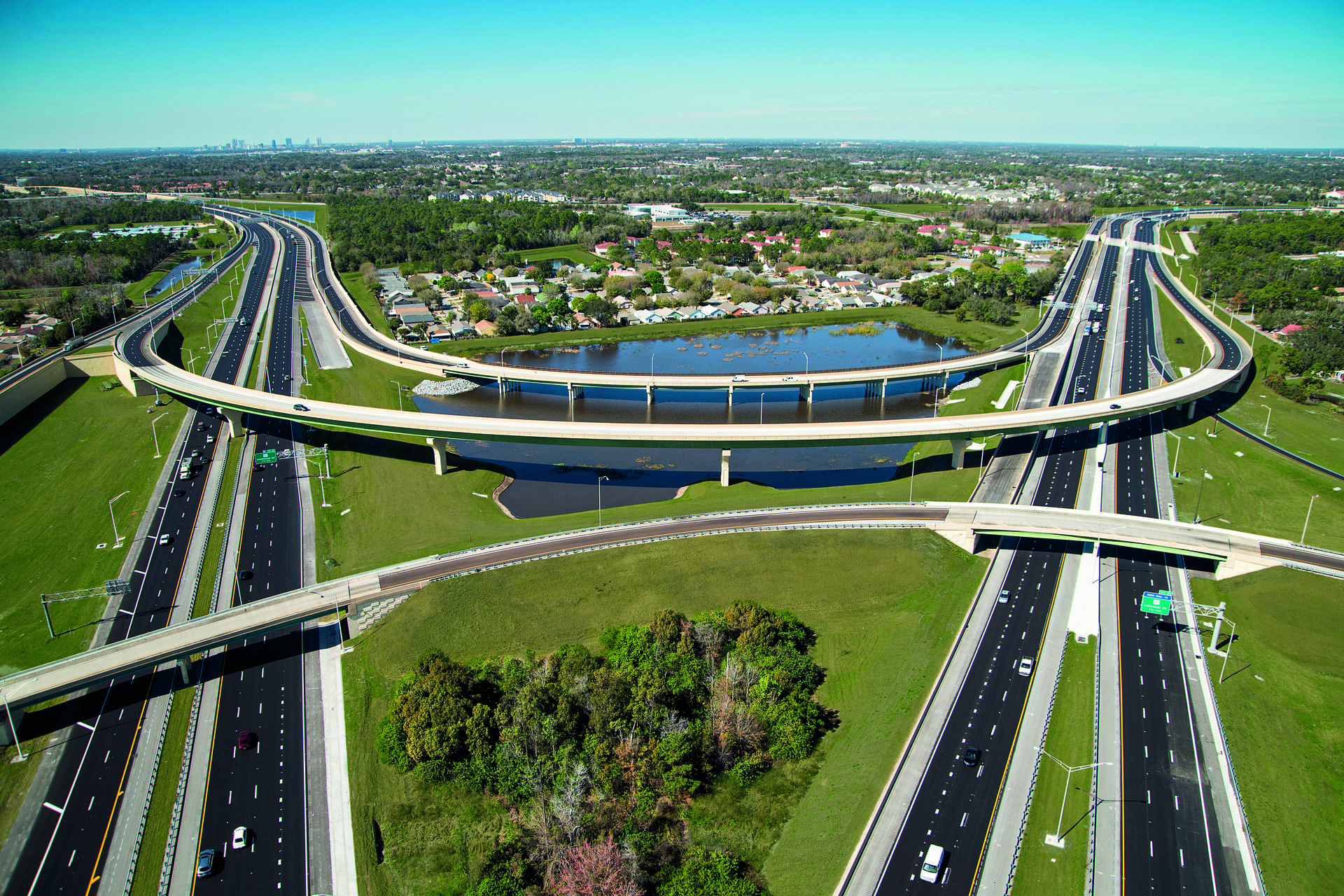 SR 408 417 Interchange, Florida
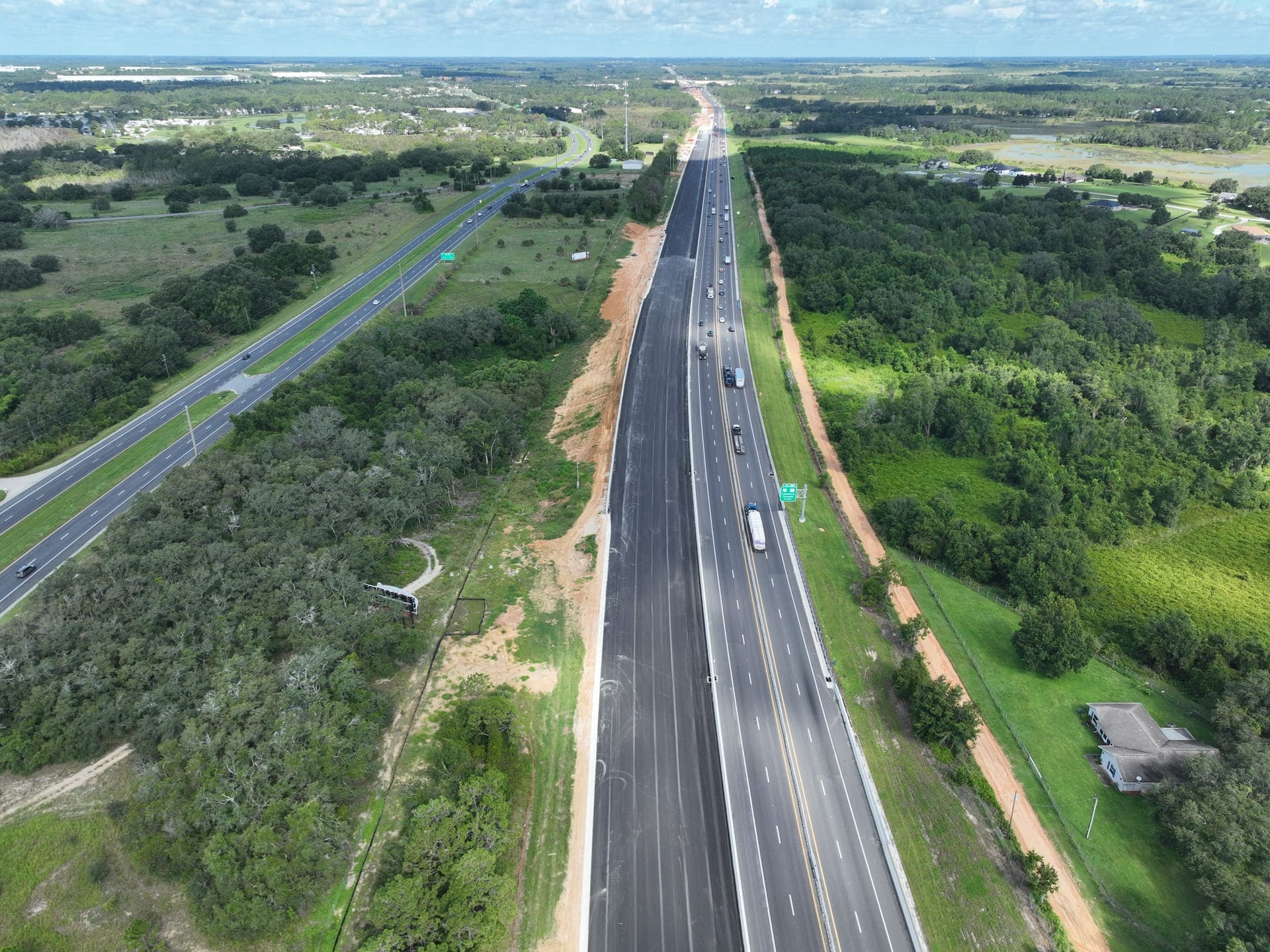 Turnpike Mainline Widening, Florida
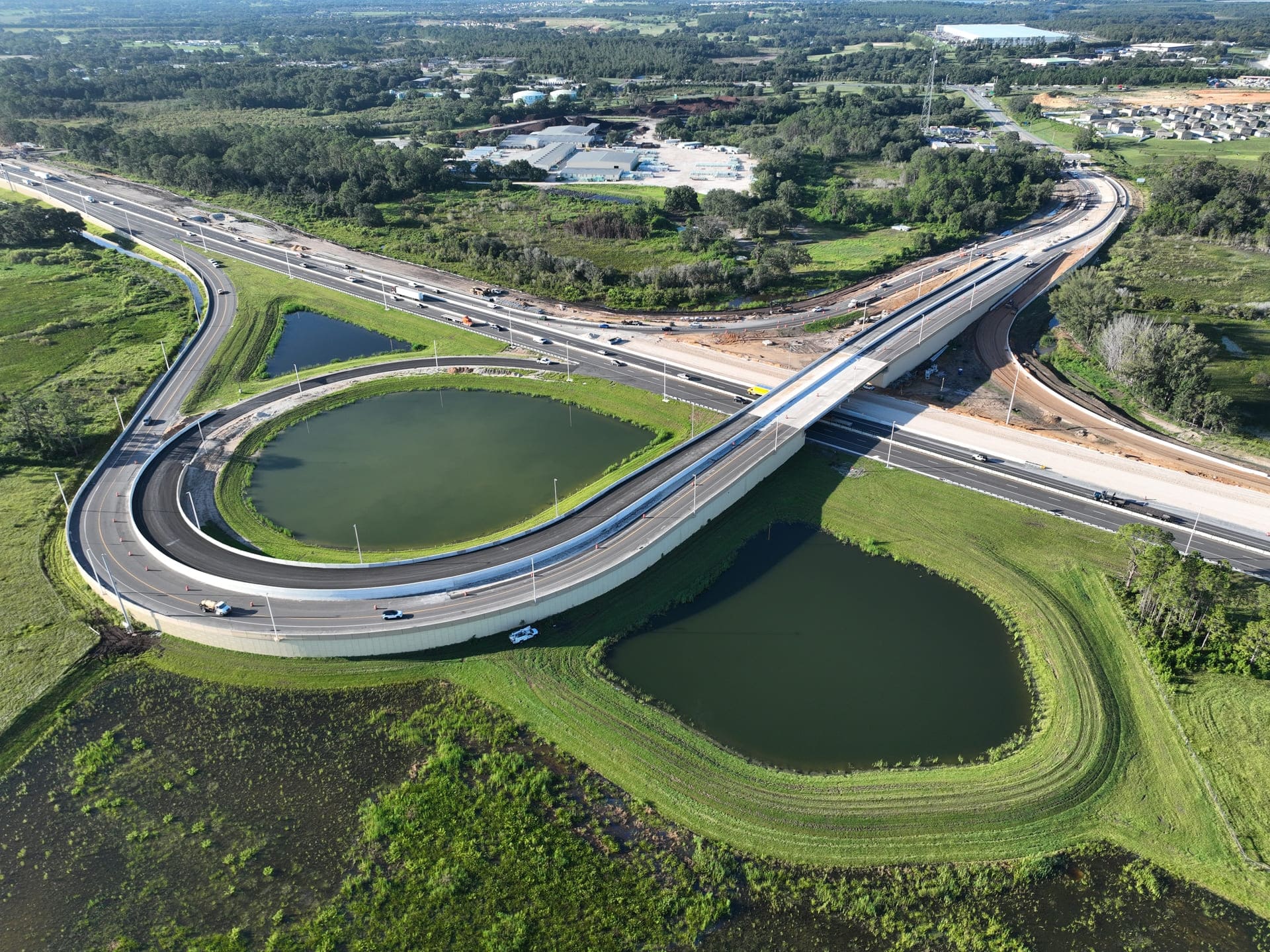 Turnpike Mainline Widening, Florida
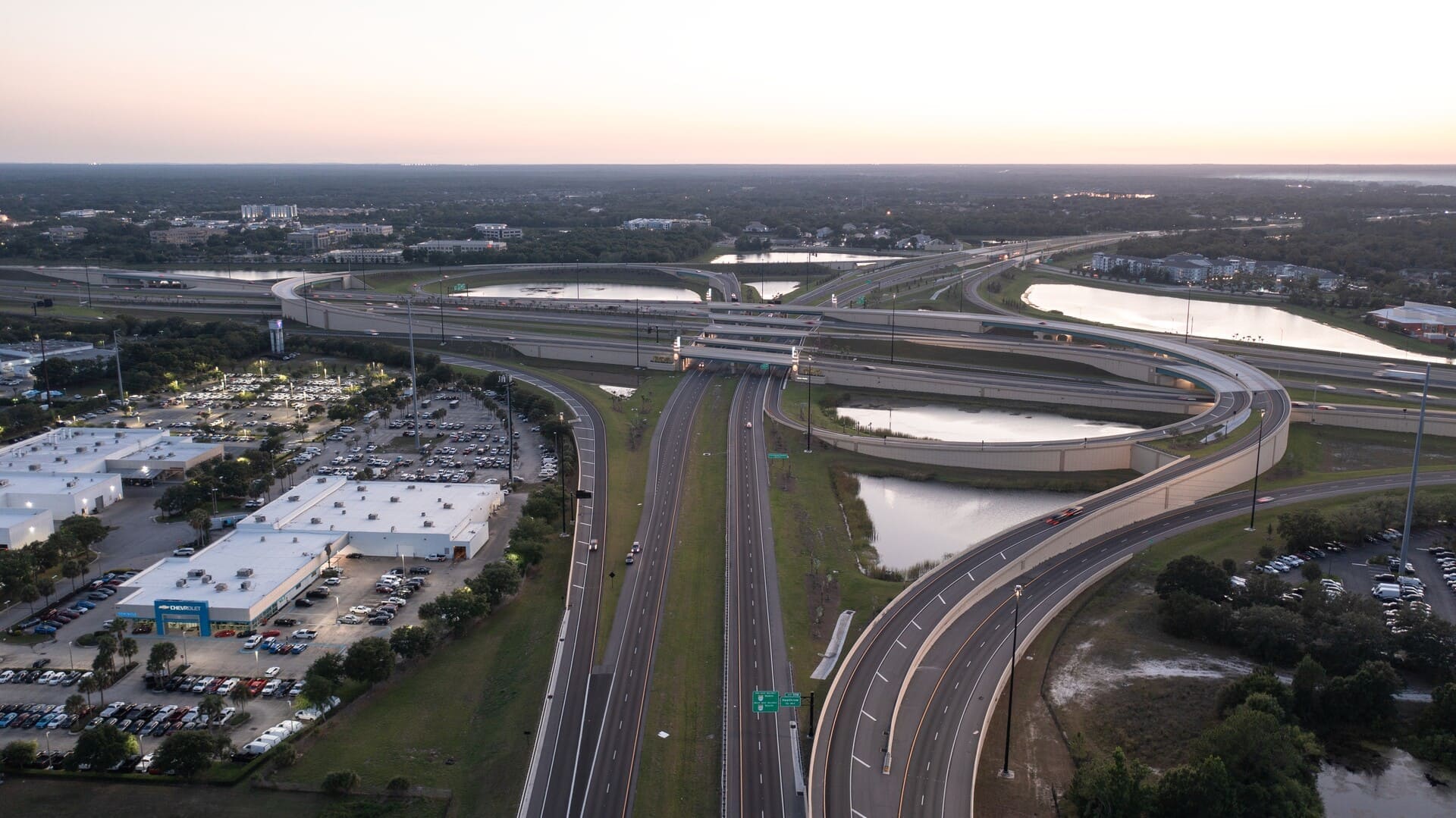 Wekiva Parkway, Section 8 – Orlando, Florida
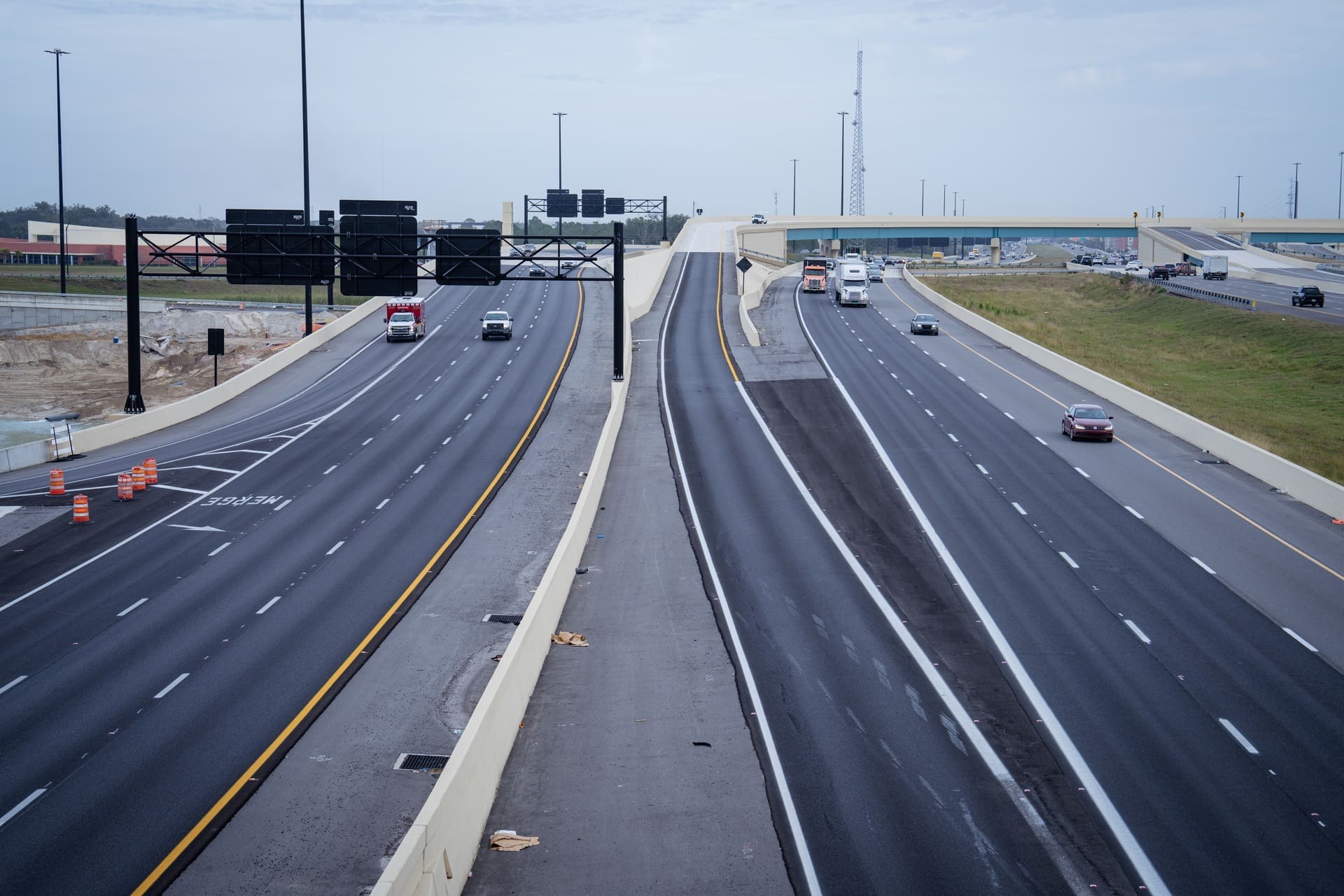 Wekiva Parkway, Section 8 – Orlando, Florida
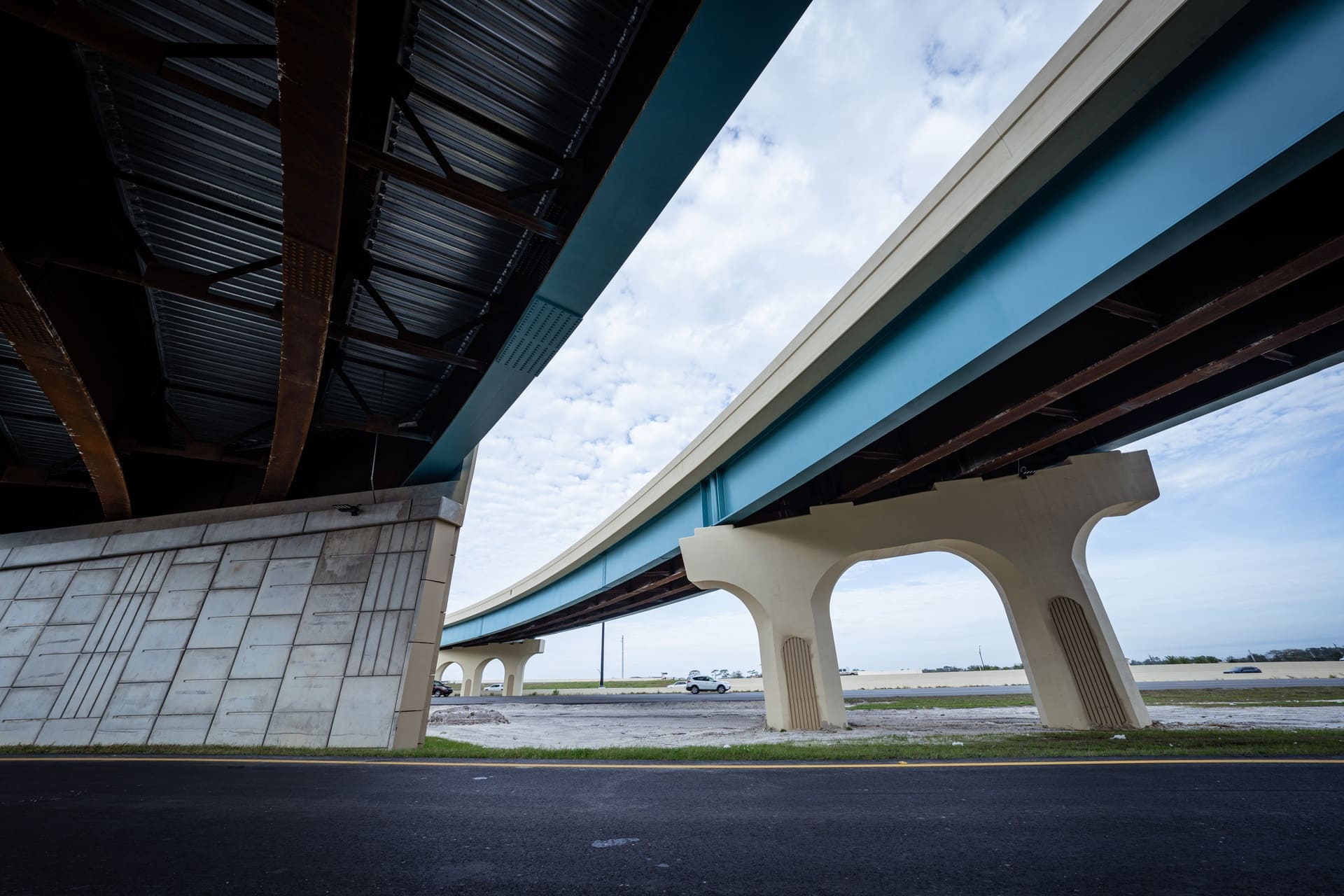 Wekiva Parkway, Section 8 – Orlando, Florida
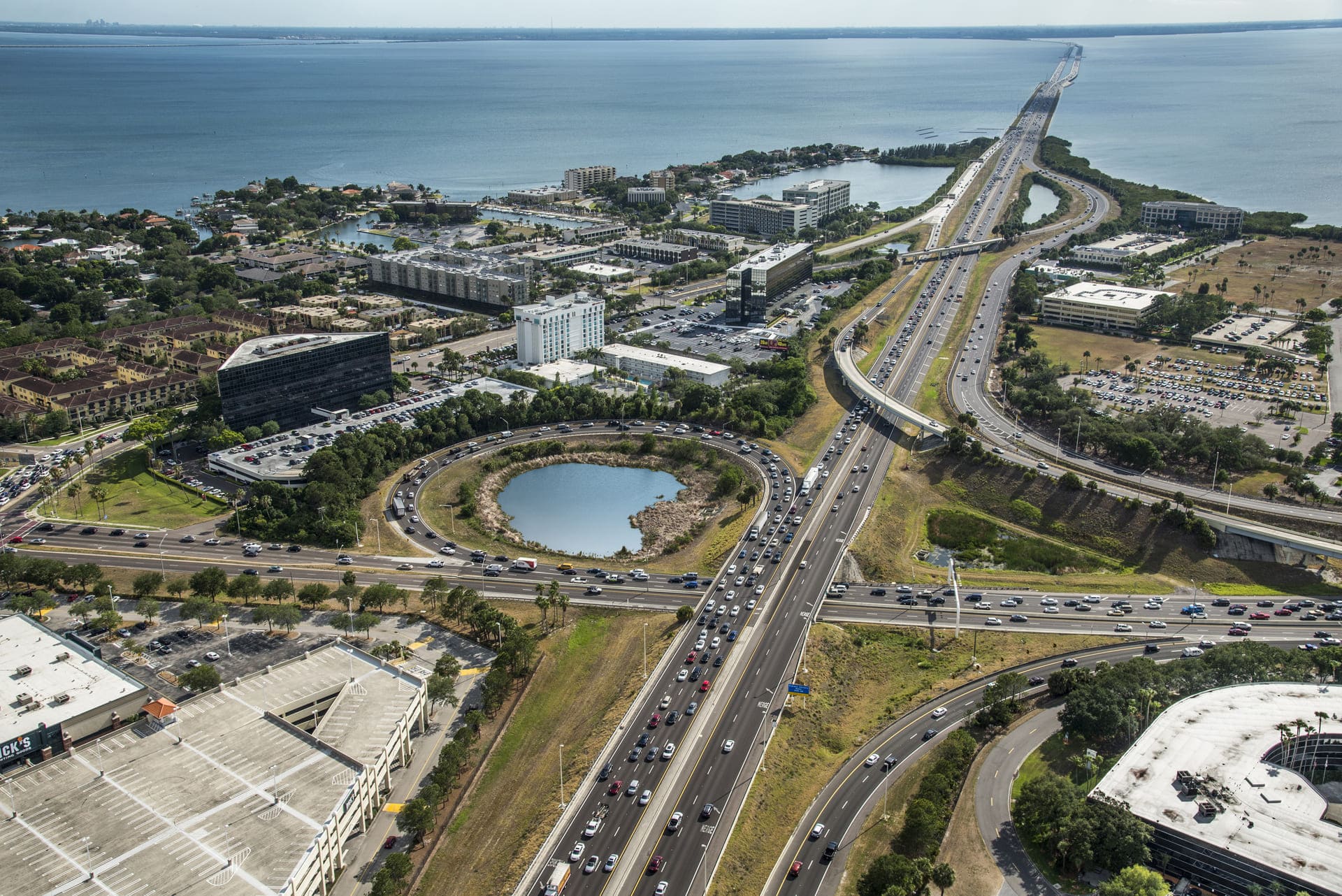 Westshore Interchange, Florida
- Florida welcomes more than 100 million visitors each year and records one of the fastest population growth rates in the United States.
- Highways are strategic parts of logistical infrastructure and also act as accelerators of development and creators of communities.
- Lane, part of the Webuild Group, has completed 11 km of expansion of Florida’s Turnpike 1,020 days ahead of schedule.
- The section between Hancock Road and U.S. 27 connects residential areas, commercial hubs and the tourist area of Orlando.
- In Tampa, Lane is building a highway interchange carrying approximately 400,000 vehicles per day, reshaping one of Florida’s busiest interchanges.

Located midway between the Atlantic Ocean and the Gulf coast, central Florida’s highways are not merely another strips of asphalt bordered by homes, citrus groves, lakes, hotels, tourist destinations, and, at times, dense vegetation. They are a dividing line between time lost and time saved.
In this subtropical paradise, the roadway network of the Sunshine State must accomodate more than 100 million visitors each year while also accounting for one of the fastest growing population in the United States.
This is a challenge which Lane — owned by the Webuild Group — has risen to meet. In February 2026, the company opened a third southbound lane of Florida’s Turnpike between Hancock Road and U.S. 27, delivering a total of 11 kilometers (6.8 miles) to the traveling public 1,020 days ahead of the original schedule.
Three years may sound like a technical detail, but on a project with heavy highway traffic volumes, three years equates to millions of hours saved for commuters, families, emergency vehicles and freight. Those saved hours mean less congestion during peak hours, increased mobility, enhanced safety and, ultimately, an improved quality of life far sooner than expected. A fourth lane has also since opened.
Florida’s Turnpike: The Florida Highway Enhancing the US Highway System
The work delivered by Lane is focused in a crucial area of the state, where residential development intersects with logistical supply chain hubs, schools, healthcare facilities and connections to Orlando, home to Disney World and Universal Studios’ sprawling entertainment complexes.
The new ramps at U.S. 27 have helped ease congestion on critical local roads, while the upgrading of drainage systems has strengthened the highway’s resilience to extreme weather events, which are becoming increasingly frequent in the region.
The most interesting aspect is not only the project itself but the construction method that made it possible to reduce infrastructure execution times. This involved a strategic reorganisation of activities, teams working multiple areas of the project site in parallel and using mobile solutions – a new approach that Lane is using on its projects.
A new approach that Lane is increasingly applying across its infrastructure projects. The company has in fact abandoned the traditional sequential construction approach in favour of a modular and parallel management model for work teams, reducing delivery times to a minimum while ensuring steady supply flows.
This makes it possible to compress schedules without compromising quality. On the contrary, shortening the duration of a construction site means reducing the daily impact on residents and local businesses. That too is a social benefit.
Getting Around in Florida: American Highway Roads Serving Millions of People
In addition to the new lanes opened to traffic on the section of Florida’s Turnpike between the Minneola Interchange and O’Brien Road, the project introduced new access ramps on U.S. 27 to relieve peak-hour congestion, upgraded safety throughout the corridor and improved drainage systems – a crucial aspect in strengthening the resilience of the road network against the extreme weather events typical of the region.
The amazing results on Florida’s Turnpike further exemplify Lane’s other recent early deliveries, such as Interstate 275 Section 7 Phase 1 in Tampa. This demonstrates the execution capability and commitment that Lane has developed over more than a century. This commitment to deliver continues to be refined to meet the needs of major American municipalities, clients and communities.
In the I-275 corridor in Tampa, Lane is involved on the Westshore Interchange project, the Florida Department pf Transportation’s largest infrastructural initiative in the region. The project involves reconfiguring a strategic interchange connecting I-275, SR 60 and access routes to the airport, the port, the Westshore commercial district and extensive residential neighborhoods in one of Tampa’s fastest-growing areas.
This is an interchange through which approximately 400,000 vehicles pass every day – a key piece infrastructure that does more than distribute traffic: it reshapes the economic geography of an entire urban area by improving mobility which promotes improved access to commercial areas, makes the region more attractive for new investment and facilitates daily commutes between workplaces and homes.
Florida Reborn Thanks to Infrastructure Development
The relationship between infrastructure and communities is often underestated, as projects tend to be viewed solely through their technical function. In reality, major road and rail networks are social infrastructure: they create physical connections and, at the same time, opportunities.
A new road can bring a school, a hospital or a service center closer; it can make the opening of a business viable or improve access to a manifacturing facility.
Safety is also part of this social dimension. Projects such as those being delivered by Lane along Interstate 85 in North Carolina – another key corridor of the Interstate Highway System in the south-eastern part United States – are focused on improving mobility to promote the movement of people, goods via the supply chain, and the efficiency of emergency services.
For this reason, the value of infrastructure is measured not only in kilometers built, but in the quality of life it helps generate. That is where infrastructure becomes community.