


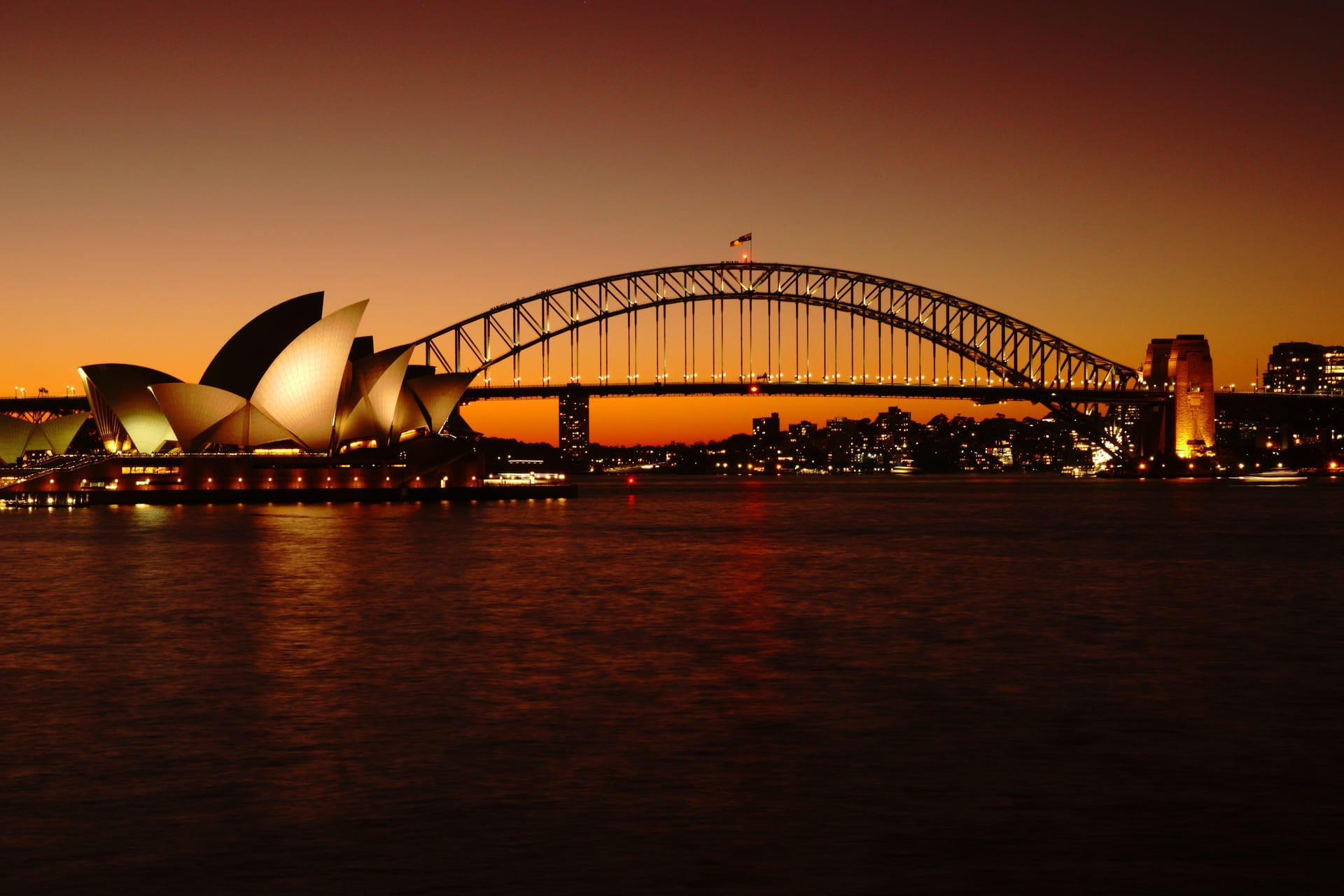
 Sydney Harbour Bridge
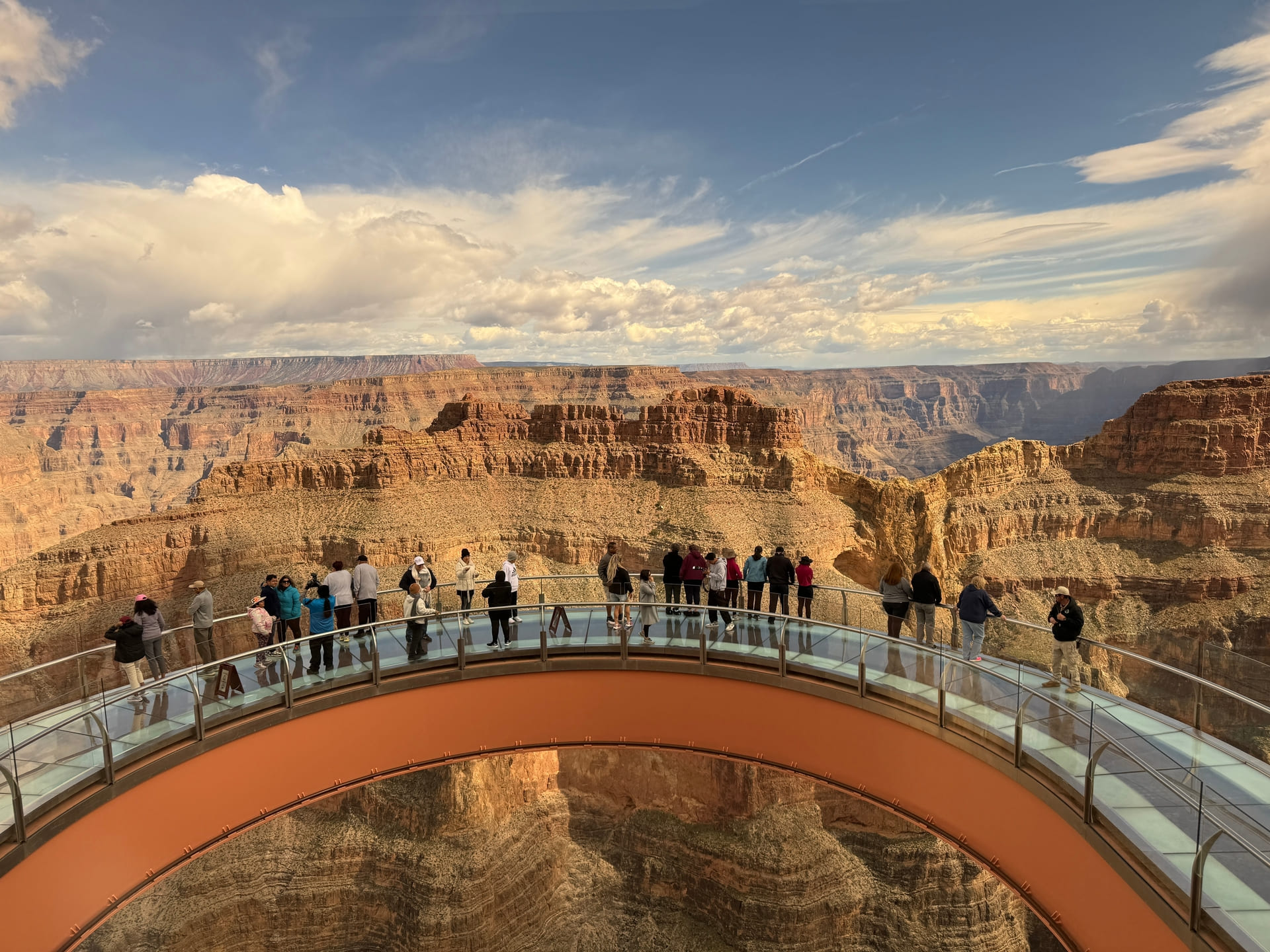 Grand Canyon Skywalk
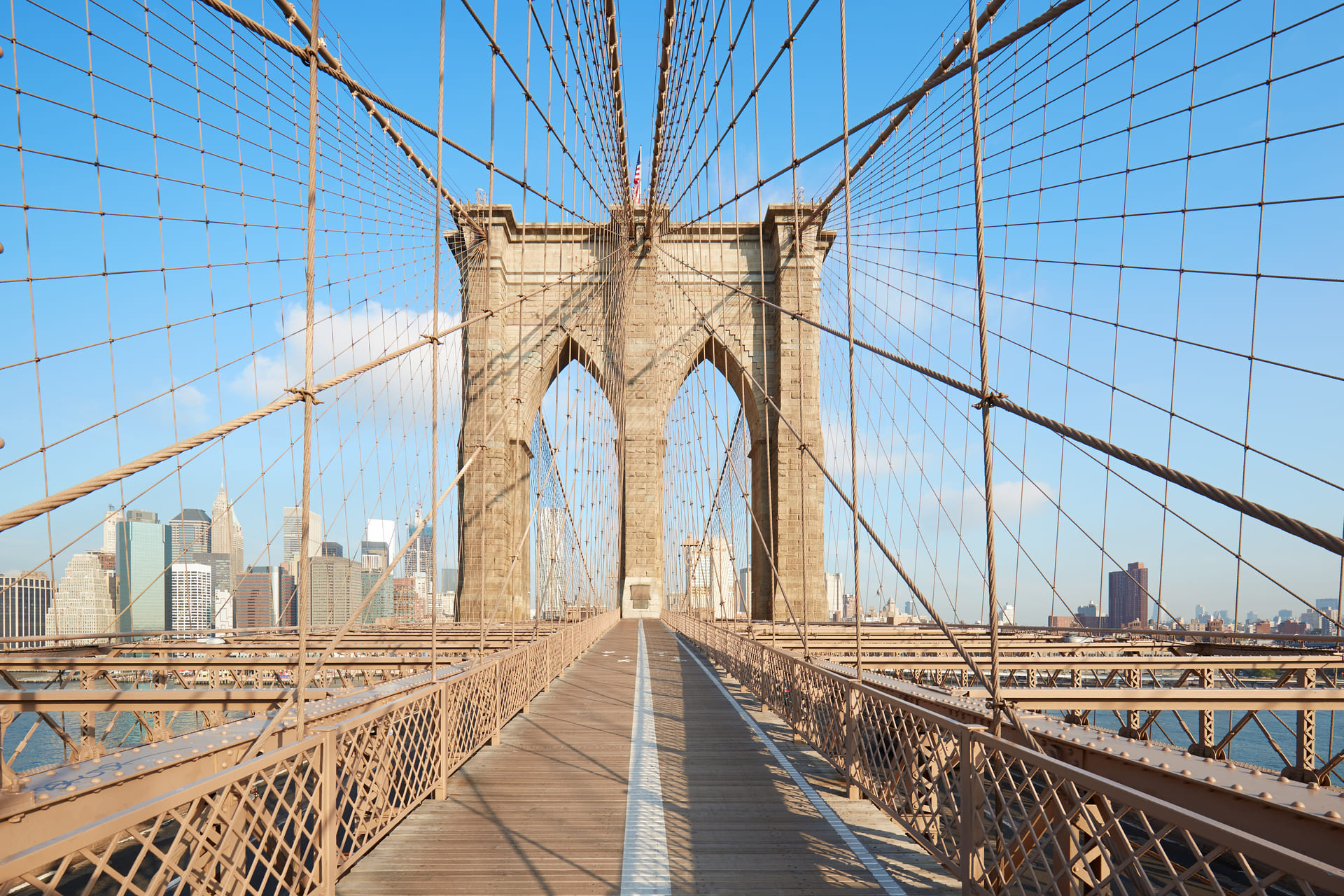 Brooklyn Bridge, New York
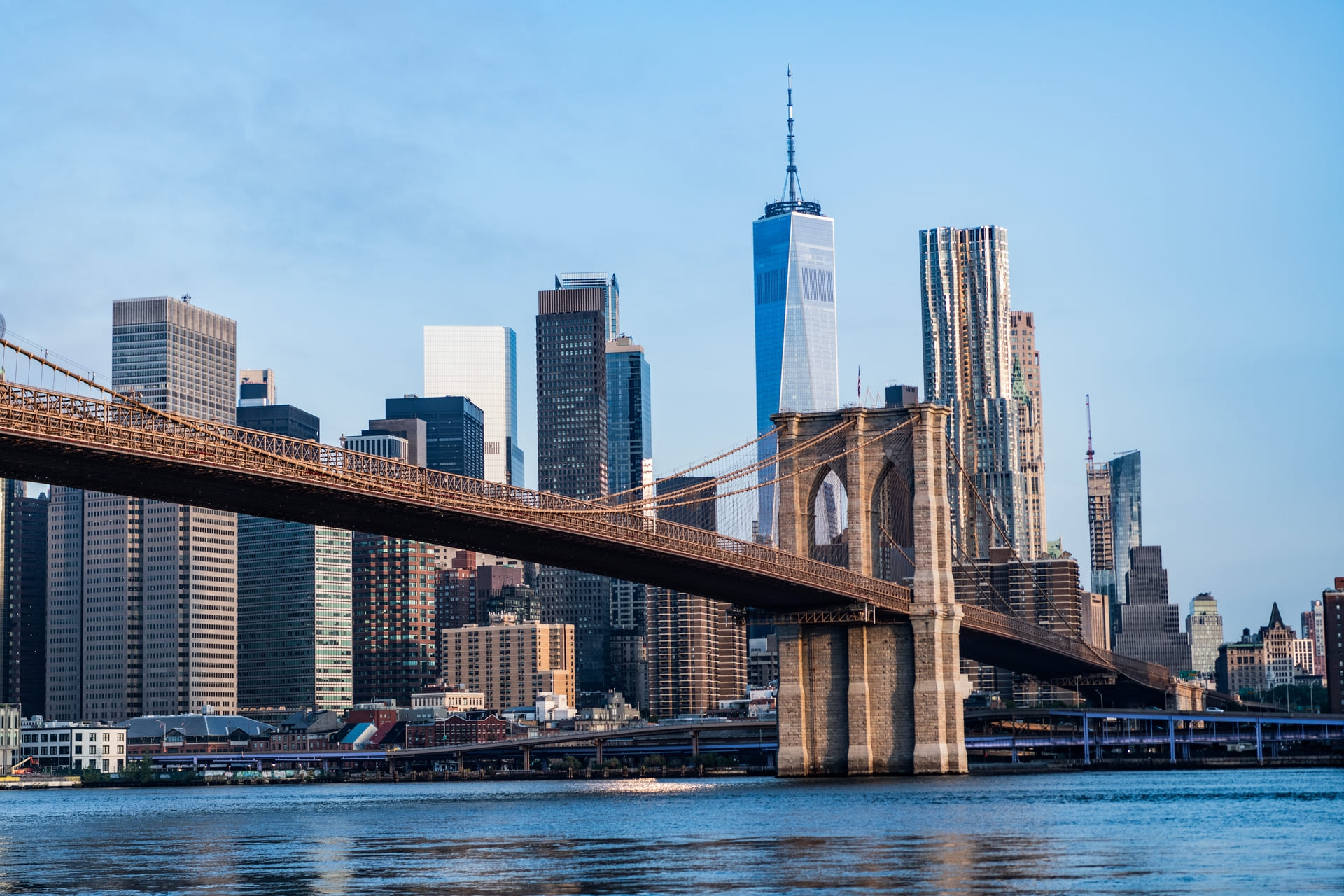 Brooklyn Bridge, New York
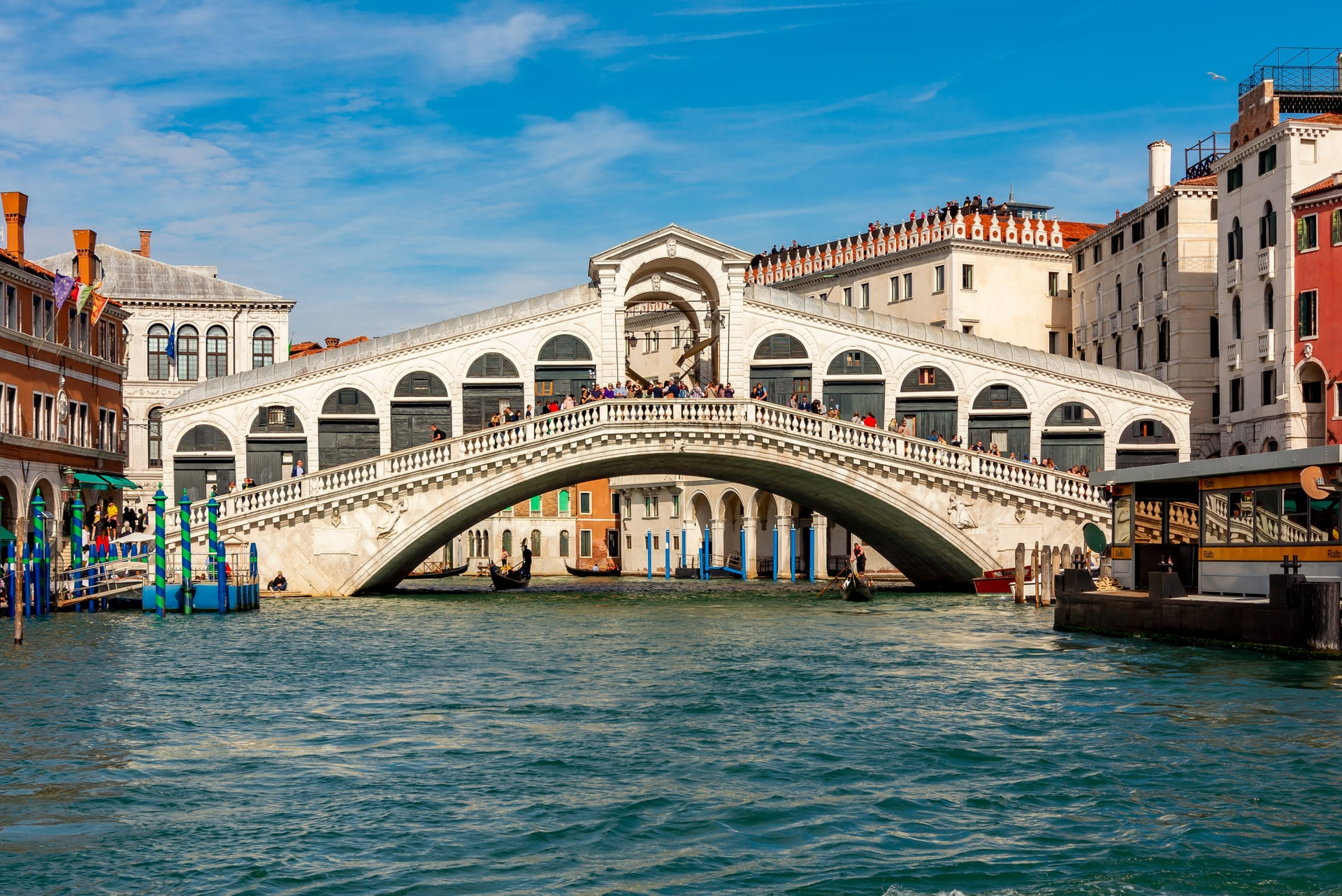 Rialto Bridge, Venice
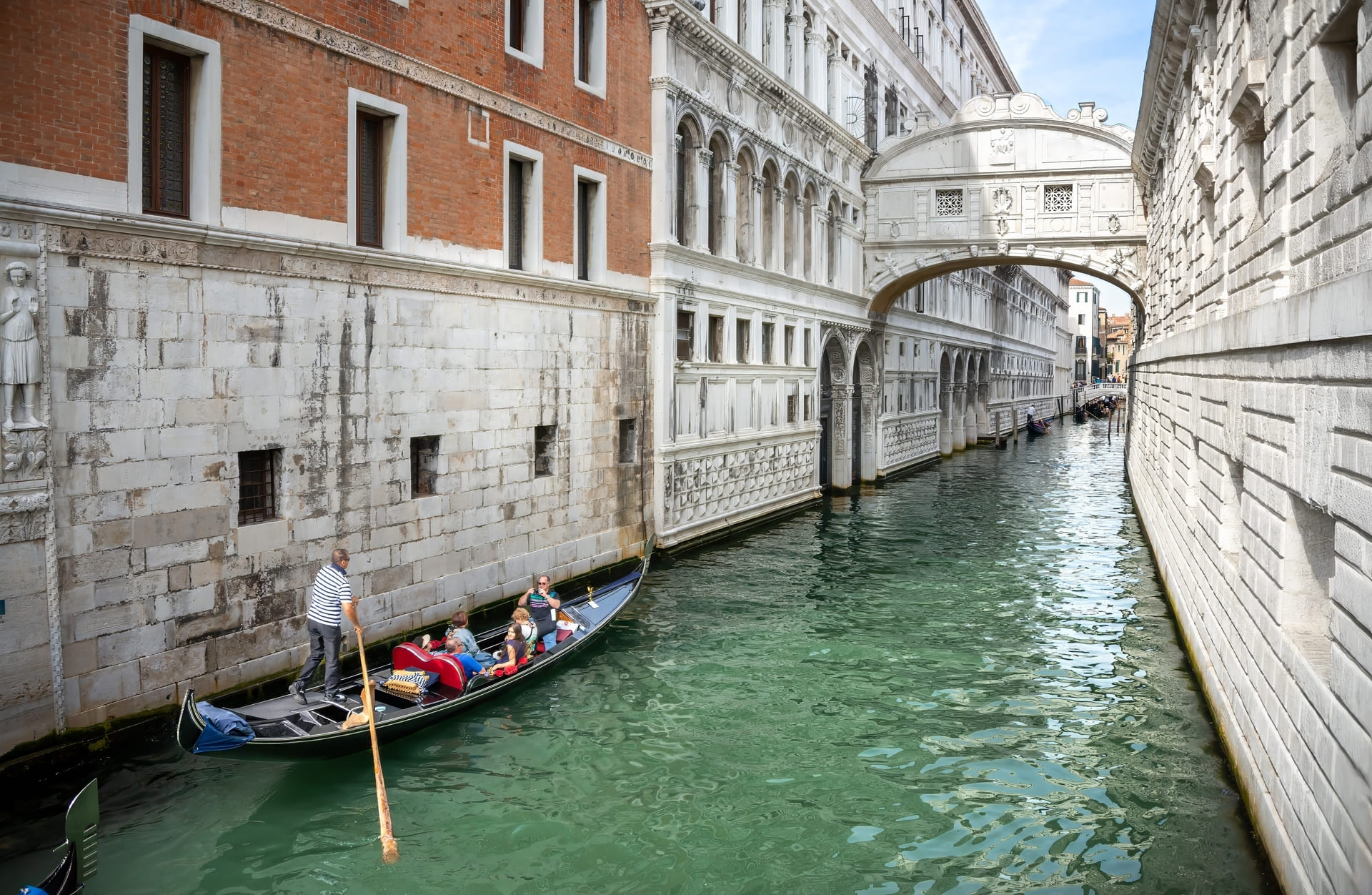 Bridge of Sighs, Venice
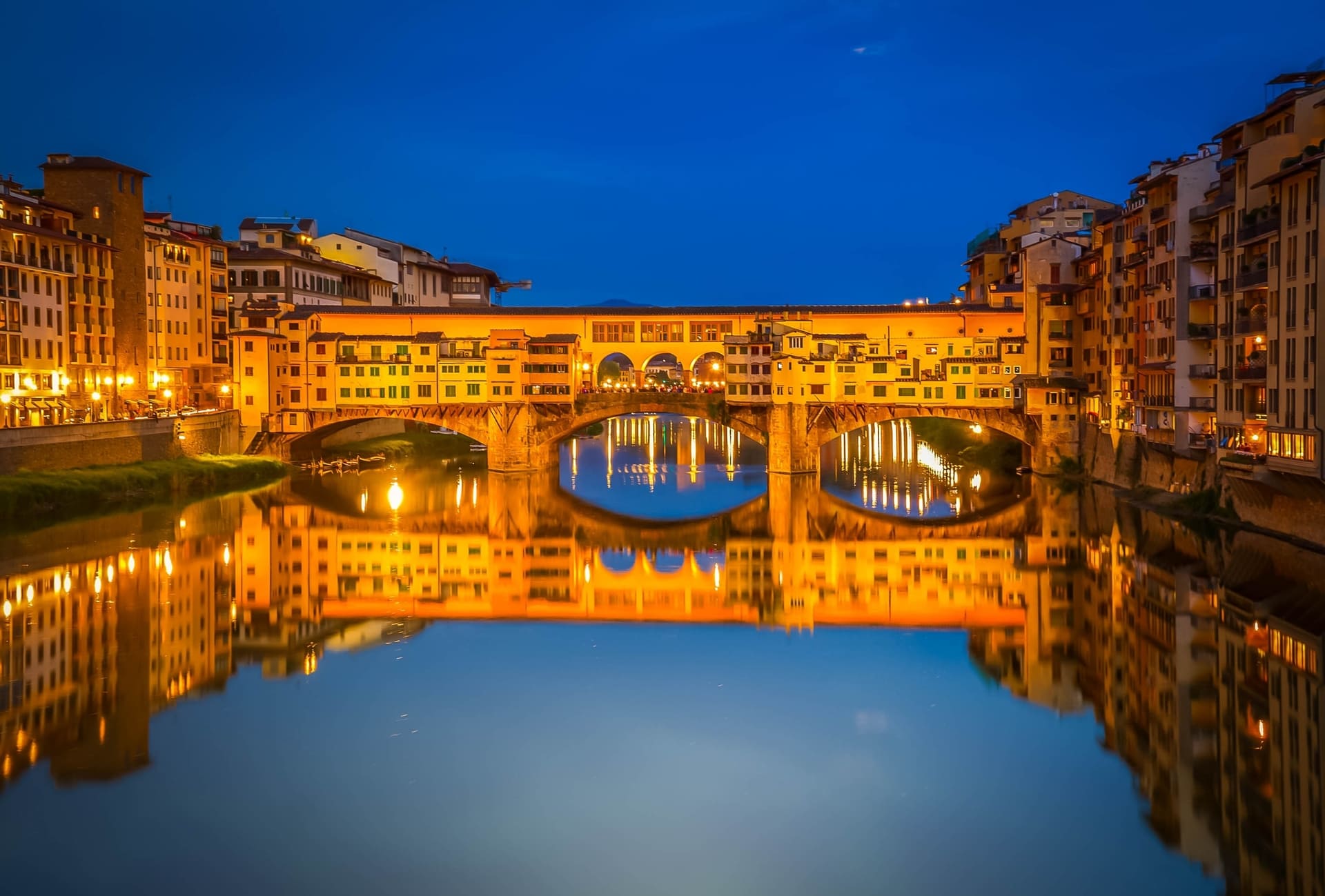 Ponte Vecchio, Florence
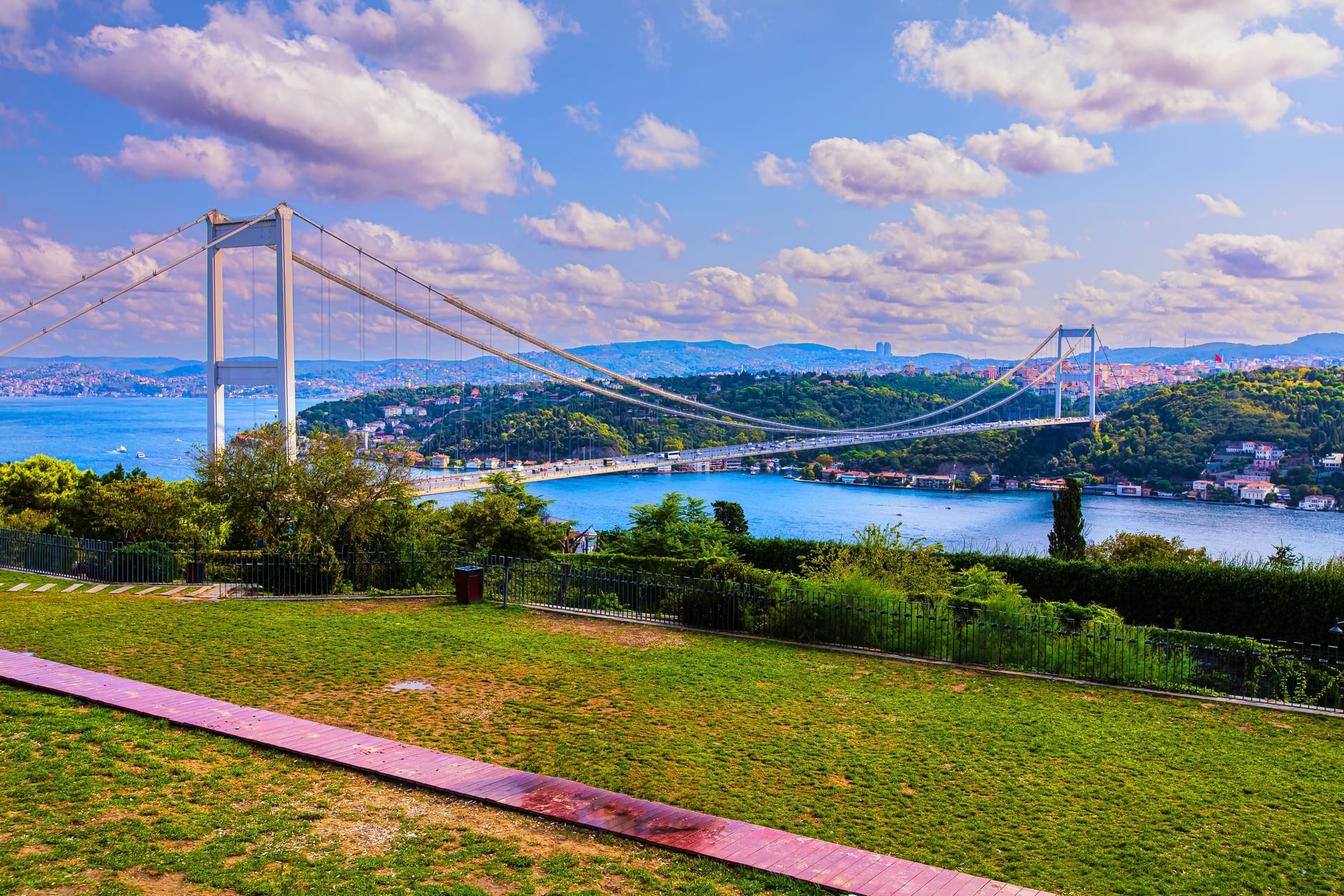 Fatih Sultan Mehmet Bridge, Istanbul
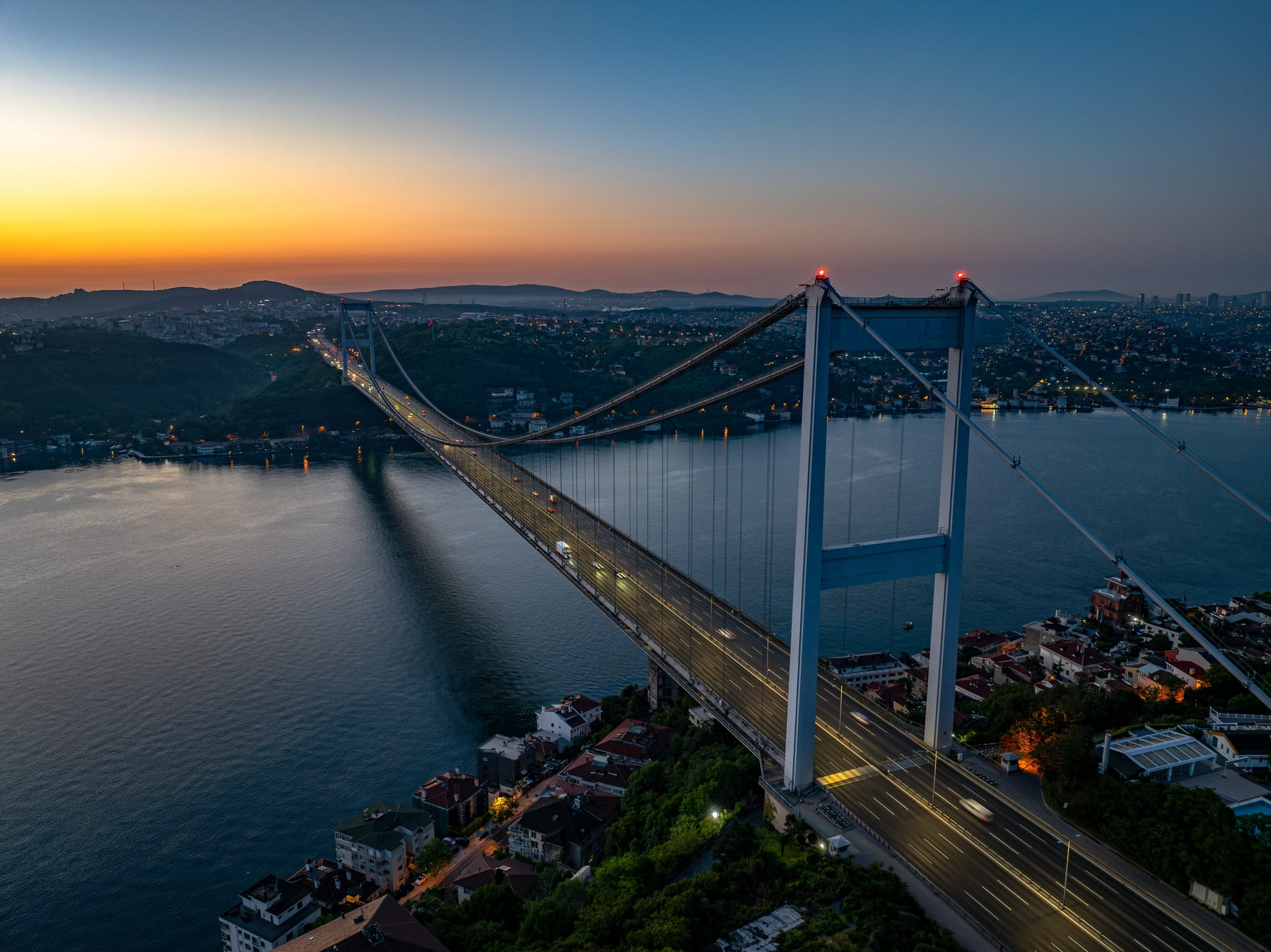 Fatih Sultan Mehmet Bridge, Istanbul
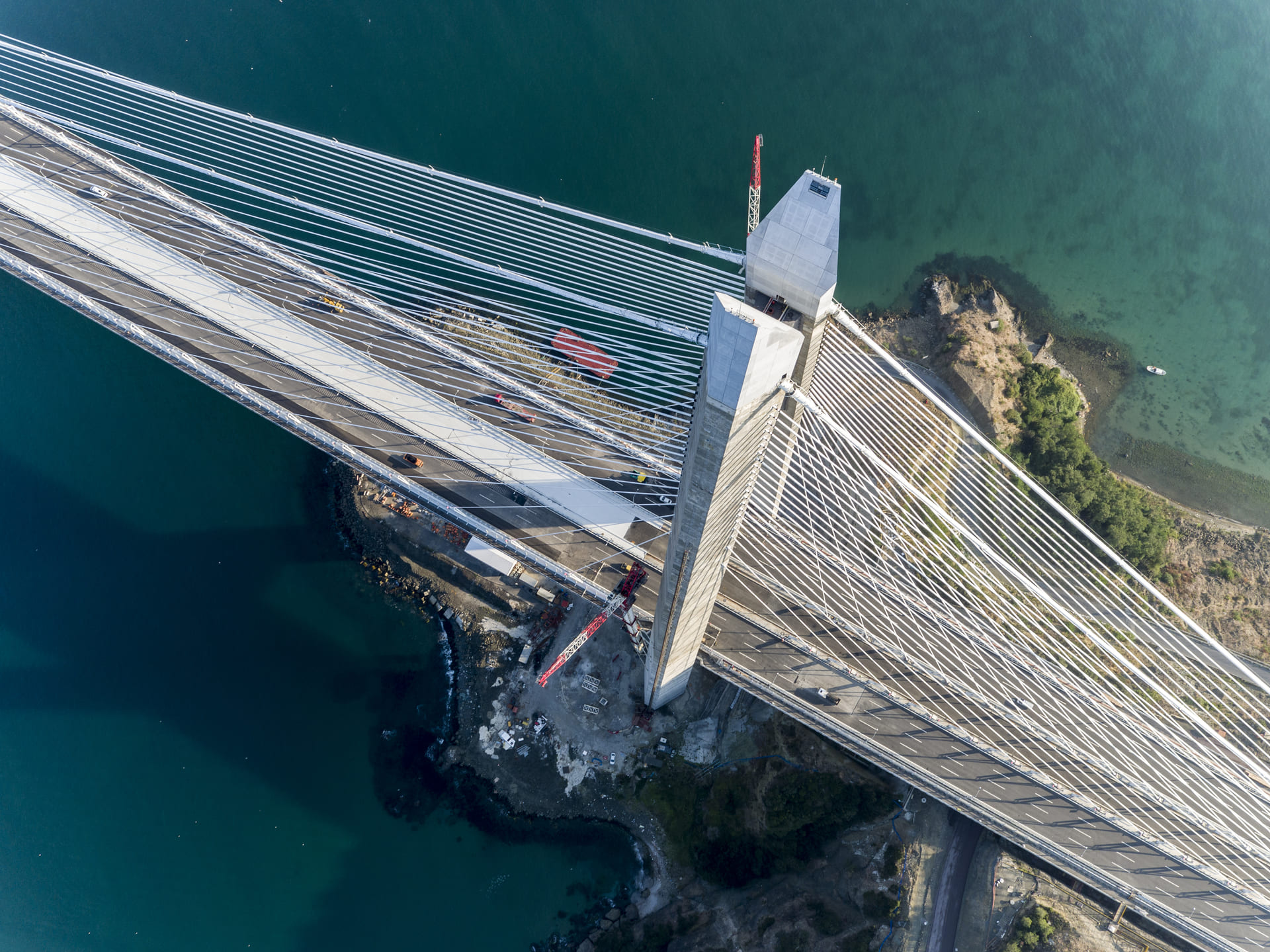 Third Bosphorus Bridge, Istanbul
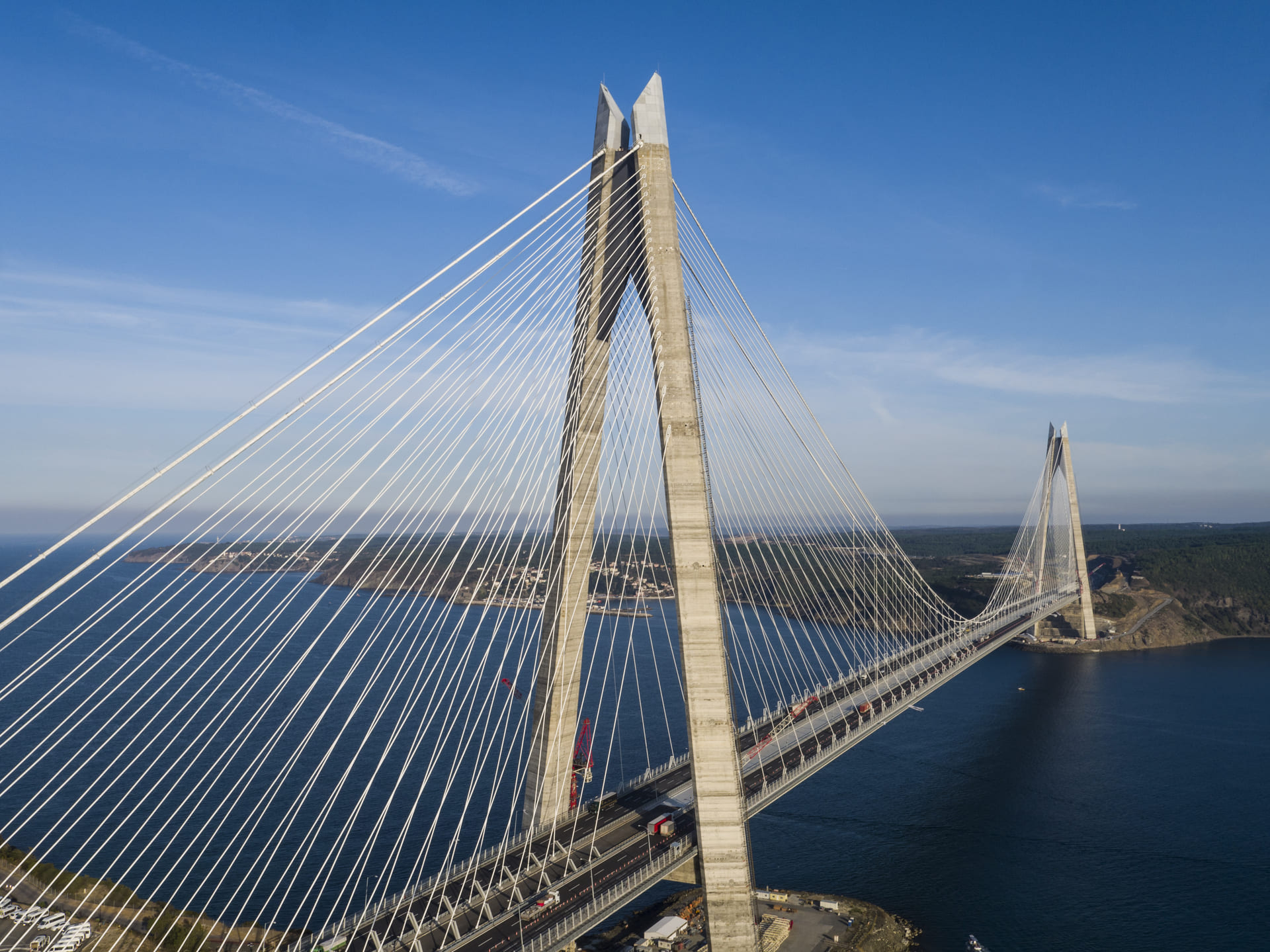 Third Bosphorus Bridge, Istanbul
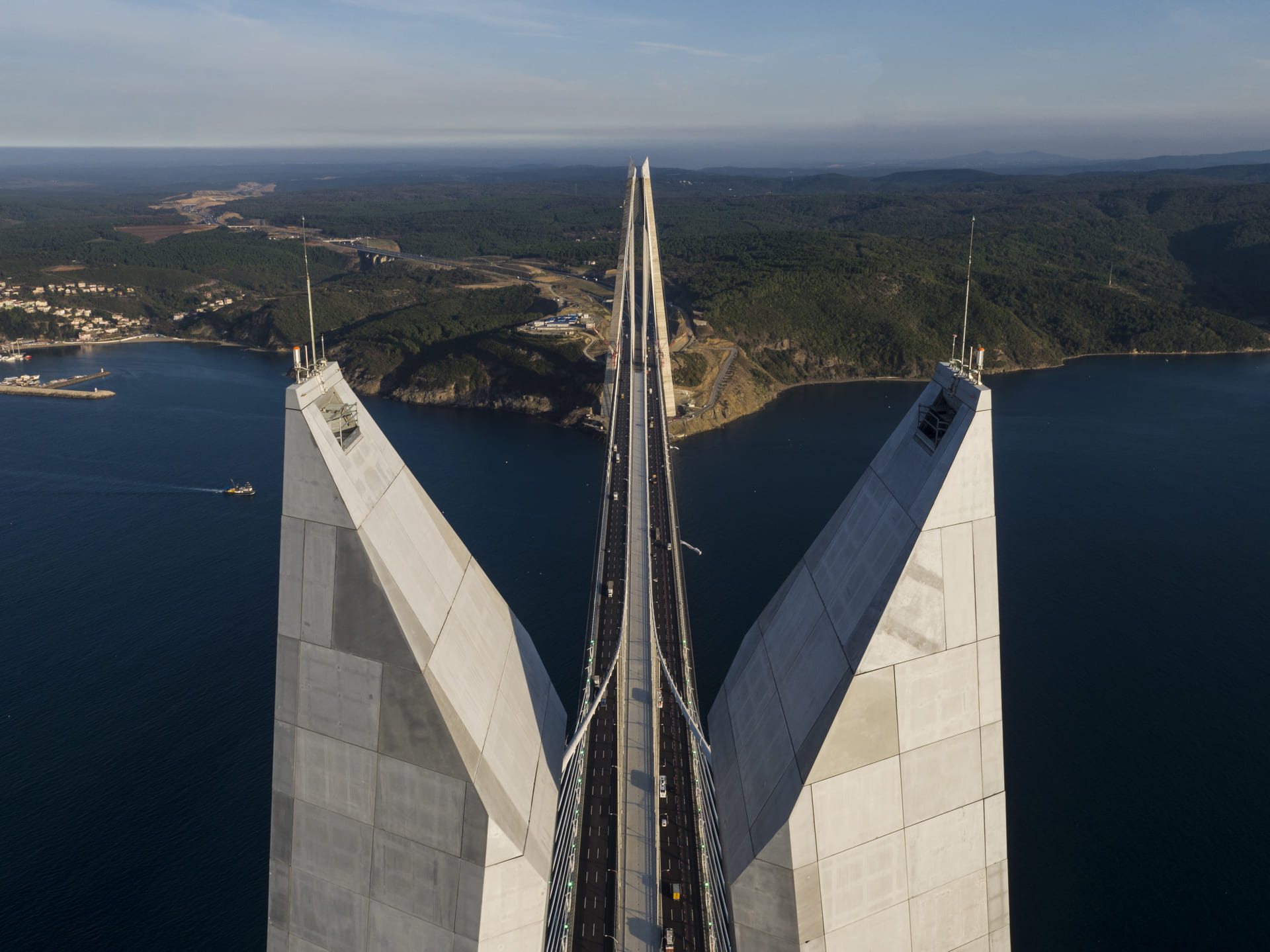 Third Bosphorus Bridge, Istanbul
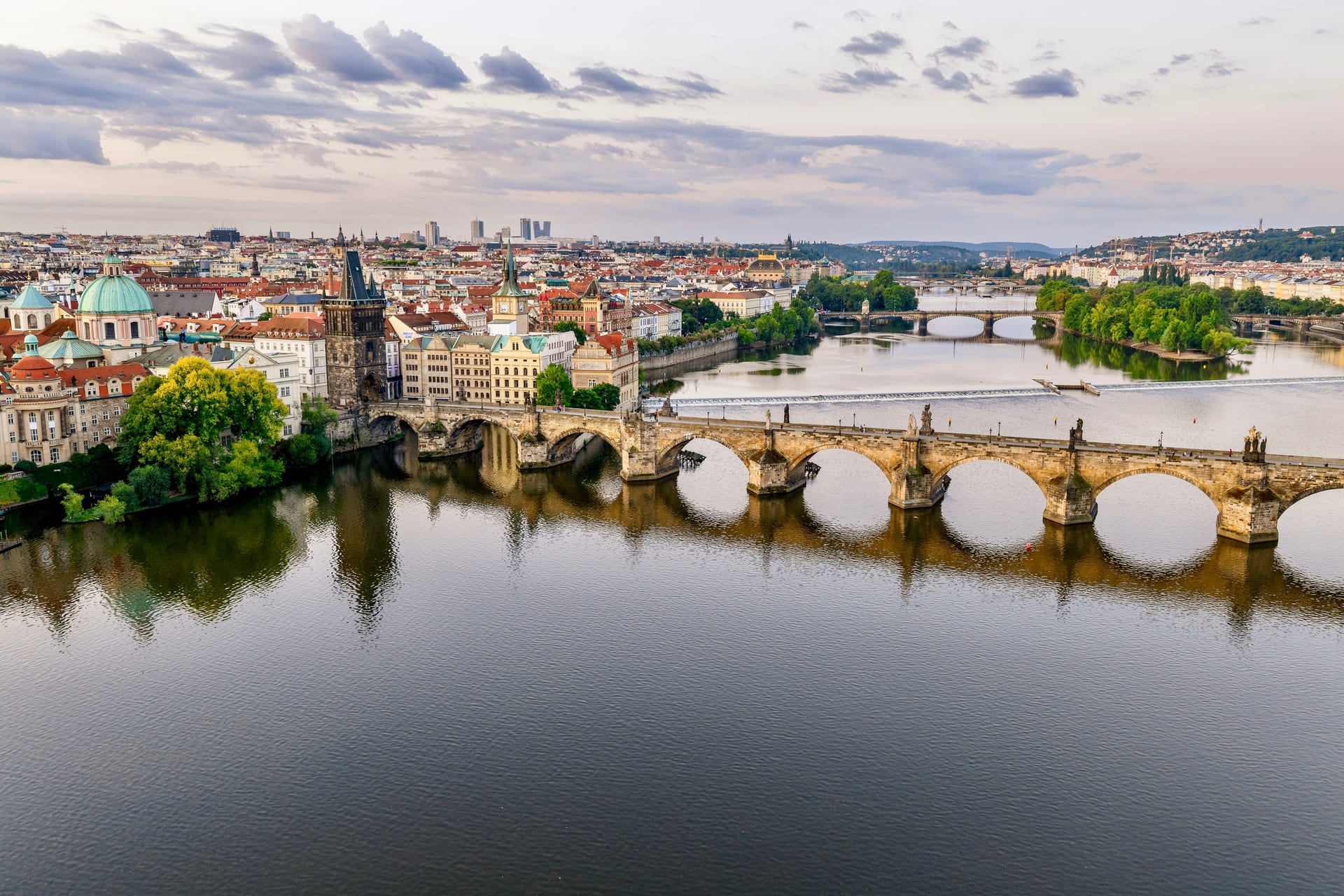 Charle's Bridge, Prague
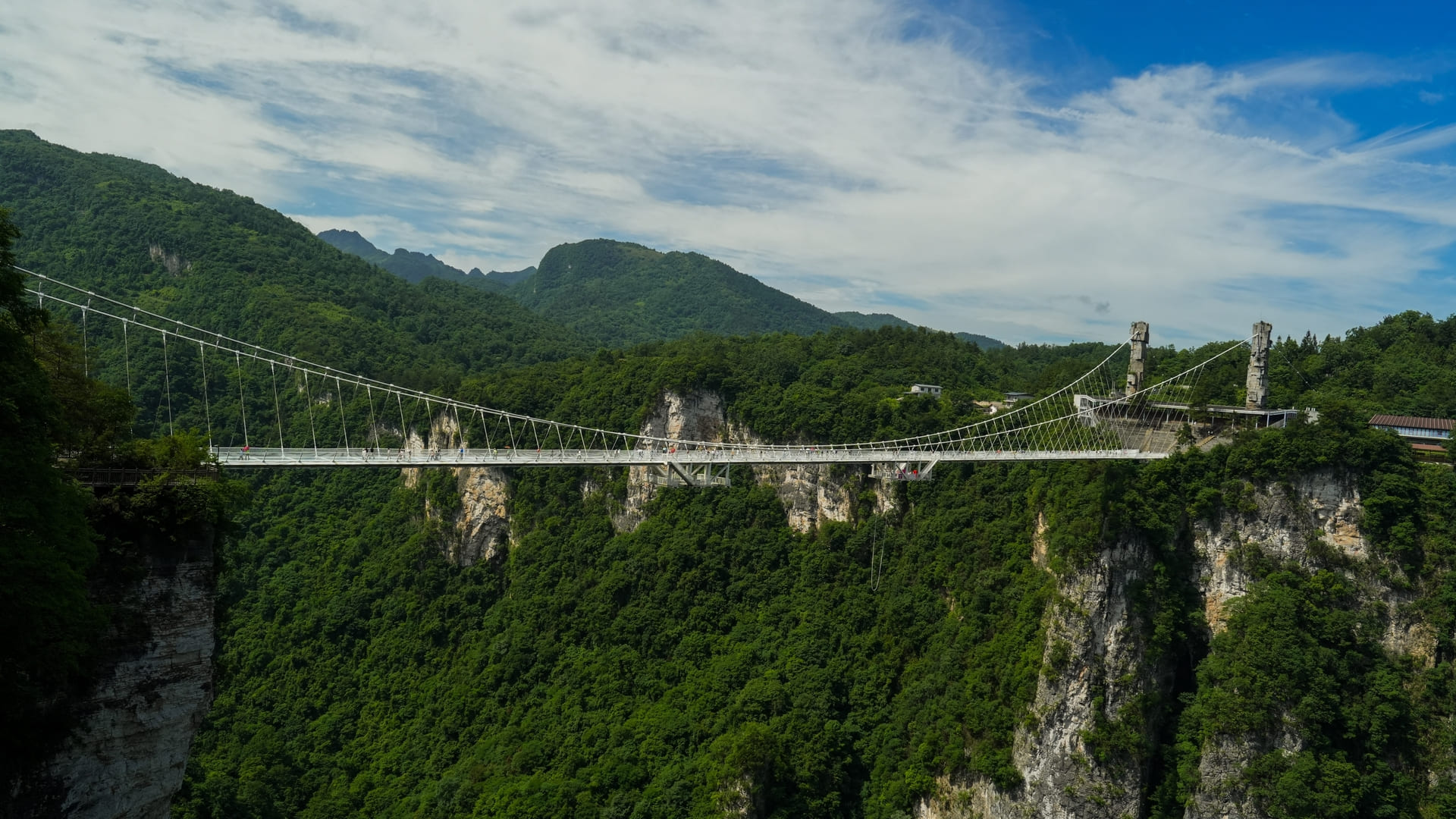 Zhangjiajie Glass Bridge, China
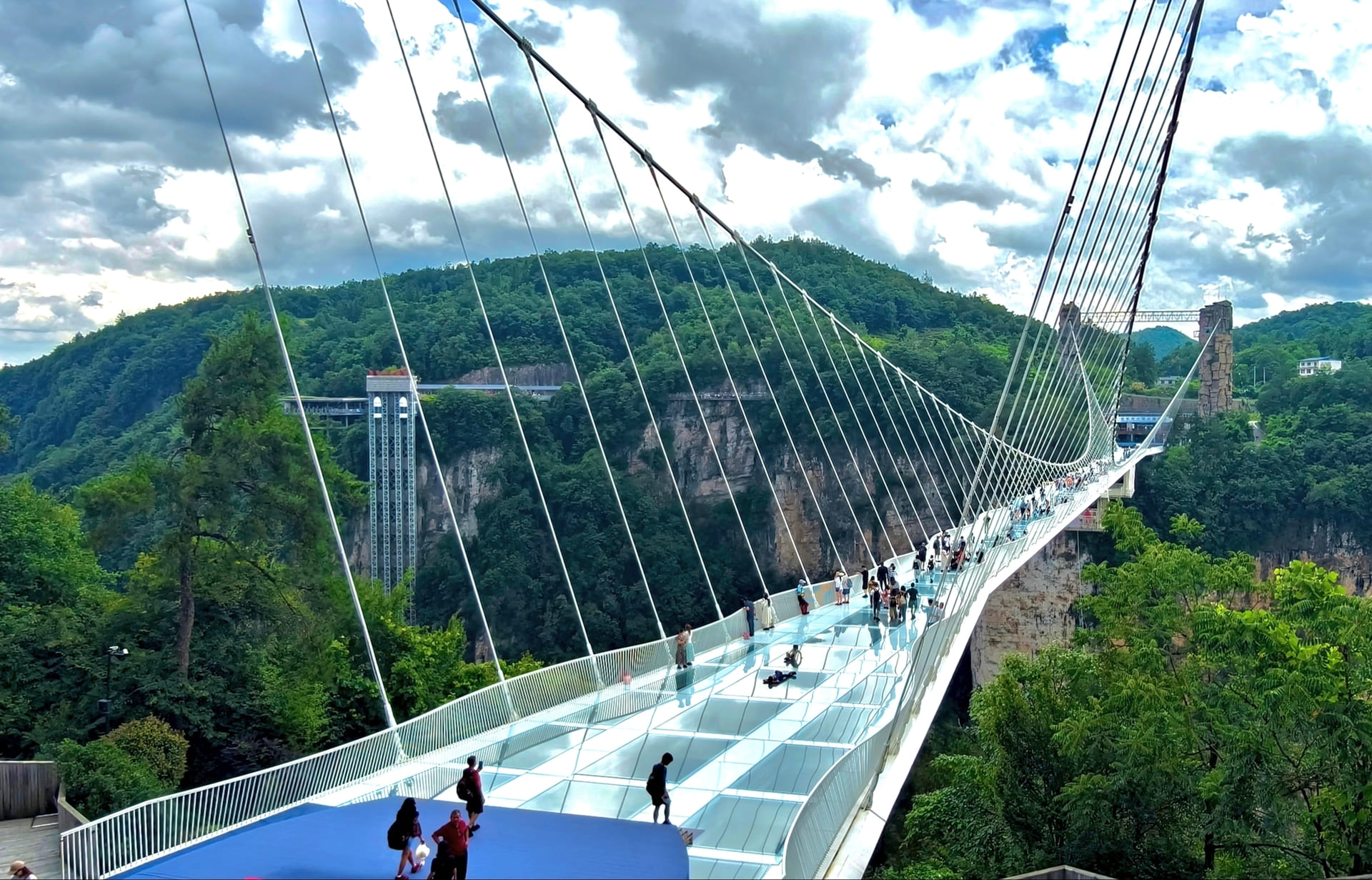 Zhangjiajie Glass Bridge, China
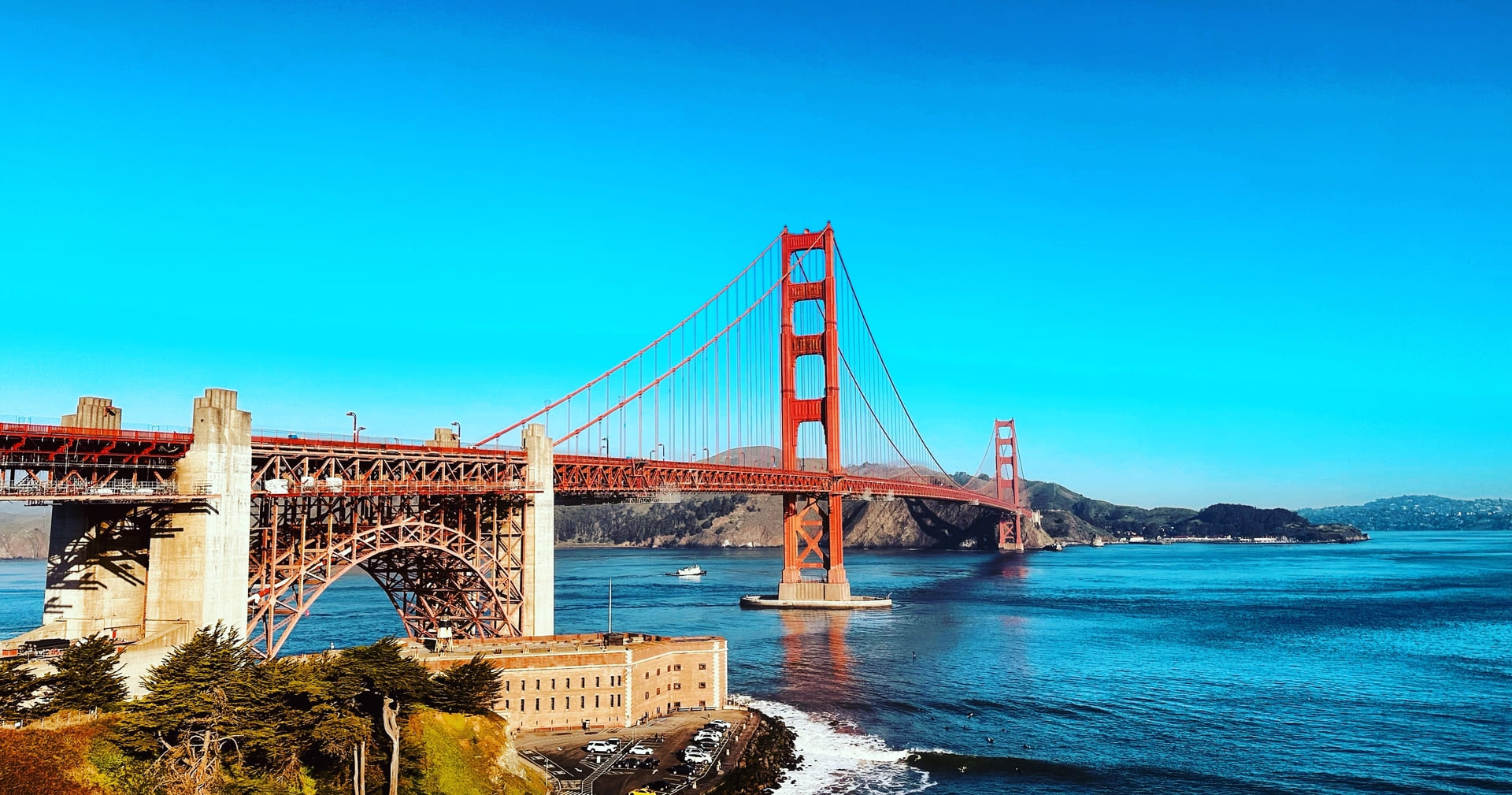 Golden Gate Bridge, San Francisco
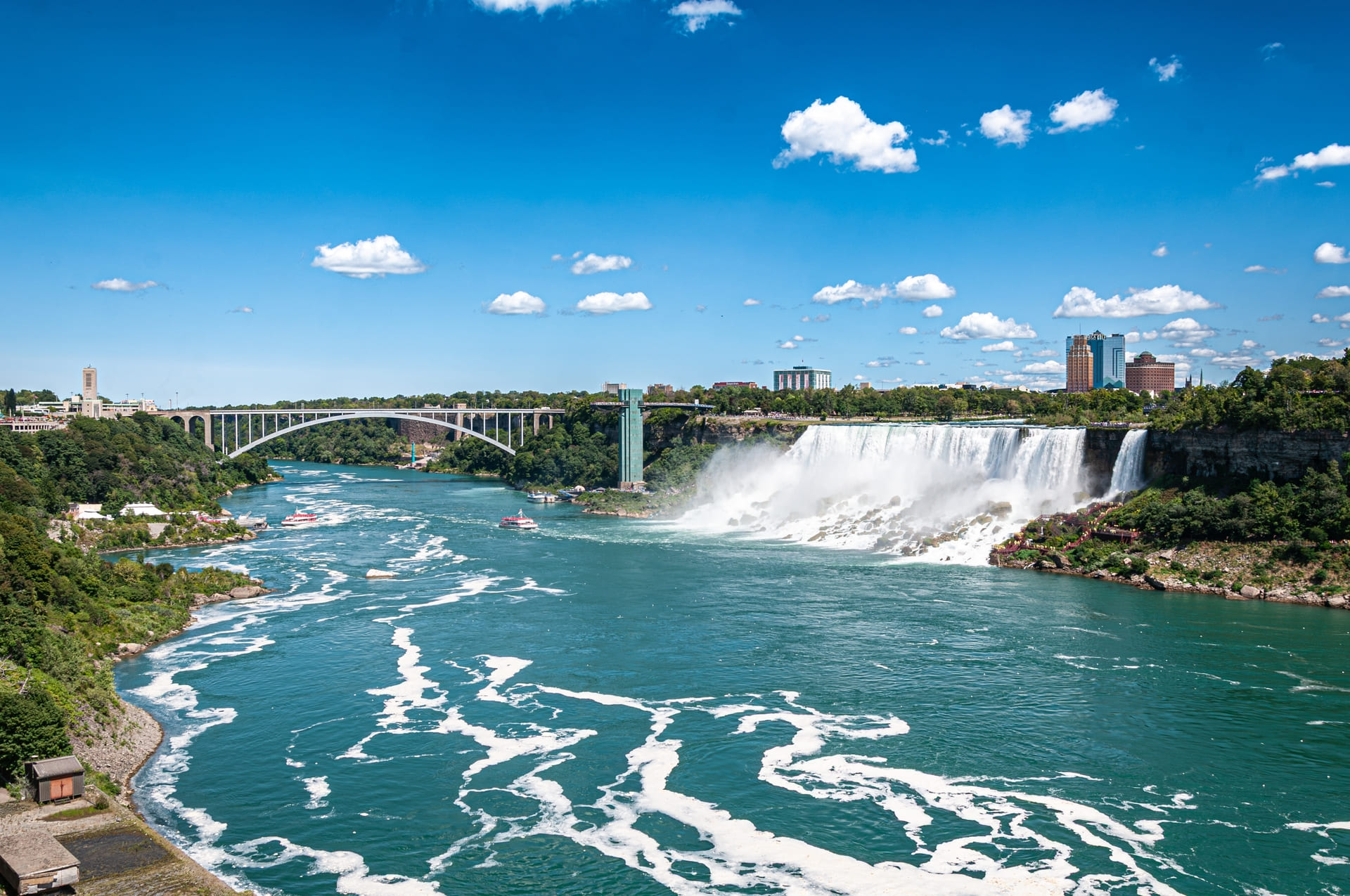 Rainbow Bridge, Canada-USA
- At 2,737 meters long and crossed by approximately 39 million vehicles every year, the Golden Gate Bridge has become one of the iconic attractions of San Francisco and California.
- From Florence's Ponte Vecchio to Venice's Rialto Bridge, century-old infrastructure projects are today an integral part of the identity and tourist appeal of the cities they span.
- Across the Bosphorus, three bridges connect Europe and Asia, including the Fatih Sultan Mehmet Bridge and the Yavuz Sultan Selim Bridge—two major engineering projects built by Webuild.
- From the Grand Canyon Skywalk to the Sydney Harbour Bridge, climbed via the BridgeClimb by over four million visitors, bridges have turned into true tourist experiences.
- At 430 meters long and suspended roughly 300 meters above a canyon, the Zhangjiajie Glass Bridge is the symbol of the spectacular scenic walkways in China that turn engineering into an attraction.
read more


Summer holidays are here, and for many, the journey begins. Some set off for the seaside, some for the mountains, some for the countryside, while others have long planned to visit one or more cities of art. Others choose far-flung destinations.
Yet there is also a lesser-known form of tourism that has continued to gain momentum in recent years: one drawn to major infrastructure projects, fascinated by the ingenuity of those who designed and built them.
An increasing number of travelers build their itinerary around a bridge. Not because crossing it is necessary, but because it represents a landmark to experience, photograph, and remember. The most famous example is San Francisco’s Golden Gate Bridge, nearing its 90th anniversary and still an indispensable tourist destination for anyone heading to California.
Inaugurated in 1937, stretching 2,737 meters, and globally recognizable for its International Orange color, the Golden Gate Bridge remains one of California’s most visited infrastructure works, with approximately 39 million vehicles crossing it each year. Its success isn’t measured by vehicle traffic alone: thousands of people walk or cycle across it daily to admire the bay, Alcatraz, and the city skyline. Because for many, visiting San Francisco means, above all, walking across the deck of the Golden Gate.
From Ponte Vecchio in Florence to the Rialto Bridge in Venice: Breathing in History on Italy’s Bridges
If San Francisco has the Golden Gate Bridge, Florence responds with Ponte Vecchio, one of Italy’s most famous bridges. Built over the River Arno in 1345, it is the only Florentine bridge to have survived the bombings of World War II.
Its structure, which also withstood the fury of the 1966 flood, is unique in its kind. Ponte Vecchio is a pedestrian street lined with 48 goldsmith and fine craft shops, above which rests the Vasari Corridor, built in 1565 to allow the Medici family to move between Palazzo Vecchio and Palazzo Pitti without mingling with the crowd.
A similar role is played by the Rialto Bridge in Venice, one of the most popular tourist destinations in the world. Built at the end of the sixteenth century, the Rialto Bridge continues to be one of the most photographed spots in the city and is considered the symbol of a unique infrastructural heritage. Venice boasts over 430 bridges, which allow people to cross around 170 canals, thus transforming into much more than mere architectural excellence—they are vital elements for the lagoon city.
From Charles Bridge in Prague to the Bridges over the Bosphorus in Turkey
From Italy to the so-called Venice of the East, infrastructure tourism moves to Prague and, in particular, heads to the Charles Bridge.
Built in the 14th century by order of Charles IV, it still connects the two banks of the Vltava River today and is one of the most visited monuments in the Czech capital. Its thirty Baroque statues, street performers, and views of Prague Castle transform it every day into an open-air promenade rather than a simple crossing.
Other bridges are capable of telling the story of a close dialogue between cultures that are vastly different from one another. In Istanbul, Turkey, there are three bridges that offer a unique experience: traveling from Europe to Asia in a matter of minutes.
Of the three bridges spanning the two continental shores of the metropolis on the Bosphorus Strait, two bear the signature of Webuild: the Fatih Sultan Mehmet Bridge, inaugurated in 1988, and the more recent Yavuz Sultan Selim Bridge, opened in 2016. The latter is among the most advanced in the world and represents one of the symbols of contemporary engineering, designed to accommodate both an eight-lane highway and a double-track railway line at the same time.
From the Grand Canyon Skywalk to Niagara Falls: Bridges Built for Tourism
The Grand Canyon Skywalk in Arizona demonstrates that a bridge can be created purely to deliver an emotional experience.
Inaugurated in 2007, this horseshoe-shaped glass-bottom walkway extends over twenty meters beyond the rim of the Grand Canyon, suspended approximately 1,200 meters above the Colorado River. Rather than a connecting infrastructure, the Grand Canyon Skywalk is a privileged viewpoint over one of the planet’s most spectacular natural landscapes, drawing hundreds of thousands of visitors every year.
Not far from another of North America’s great natural wonders lies the Rainbow Bridge, connecting Canada and the United States just steps away from Niagara Falls.
It is one of the few international bridges that tourists choose to cross slowly, on foot, stopping multiple times along the way. From here, visitors enjoy one of the best views of the Horseshoe Falls, the American Falls, and the Bridal Veil Falls. More than a border crossing, the Rainbow Bridge functions as a panoramic terrace suspended between two countries.
From New York to the Sydney Harbour Bridge: When Bridges Become Urban Icons
There are also bridges that, while continuing to fulfill their original function, have become true urban icons.
This is the case with the Brooklyn Bridge, inaugurated in 1883, the first major steel suspension bridge in history. Every day it is crossed by over 100,000 vehicles and thousands of pedestrians and cyclists, who use the elevated walkway to admire the Manhattan skyline and the East River. The Brooklyn Bridge remains to this day one of New York’s most recognizable symbols and one of the most photographed places in the city.
On the other side of the world, the Sydney Harbour Bridge has become Australia’s calling card. Inaugurated in 1932, with its massive steel arch spanning 1,149 meters, it connects downtown Sydney with the North Shore, overlooking the Opera House directly.
But its standout feature is something else: since 1998, visitors have been able to climb its arch thanks to the BridgeClimb, an experience that has already attracted over four million visitors. Reaching the top of the bridge, 134 meters above the bay, offers a unique perspective of Sydney.
Vertigo in China: Taking in the View from Glass-Bottomed Suspension Bridges
Finally, in recent years, China has transformed the bridge into an entertainment opportunity for thrill-seekers. Across the country, dozens of glass panoramic bridges have popped up, built not so much to overcome a natural obstacle as to test the courage of visitors.
The most famous is the Zhangjiajie Glass Bridge, in Hunan Province: 430 meters long and suspended about 300 meters above a canyon, it allows visitors to walk on a completely transparent floor. Since then, China has built numerous other suspended walkways, turning engineering into a tourist attraction capable of drawing millions of people.
There is no set rule that turns a bridge into a tourism destination. Sometimes it is its history, other times the engineering challenge, the landscape it traverses, or simply the view it offers. In all cases, however, the bridge ceases to be a simple connection and becomes an integral, if not primary, part of the journey.