


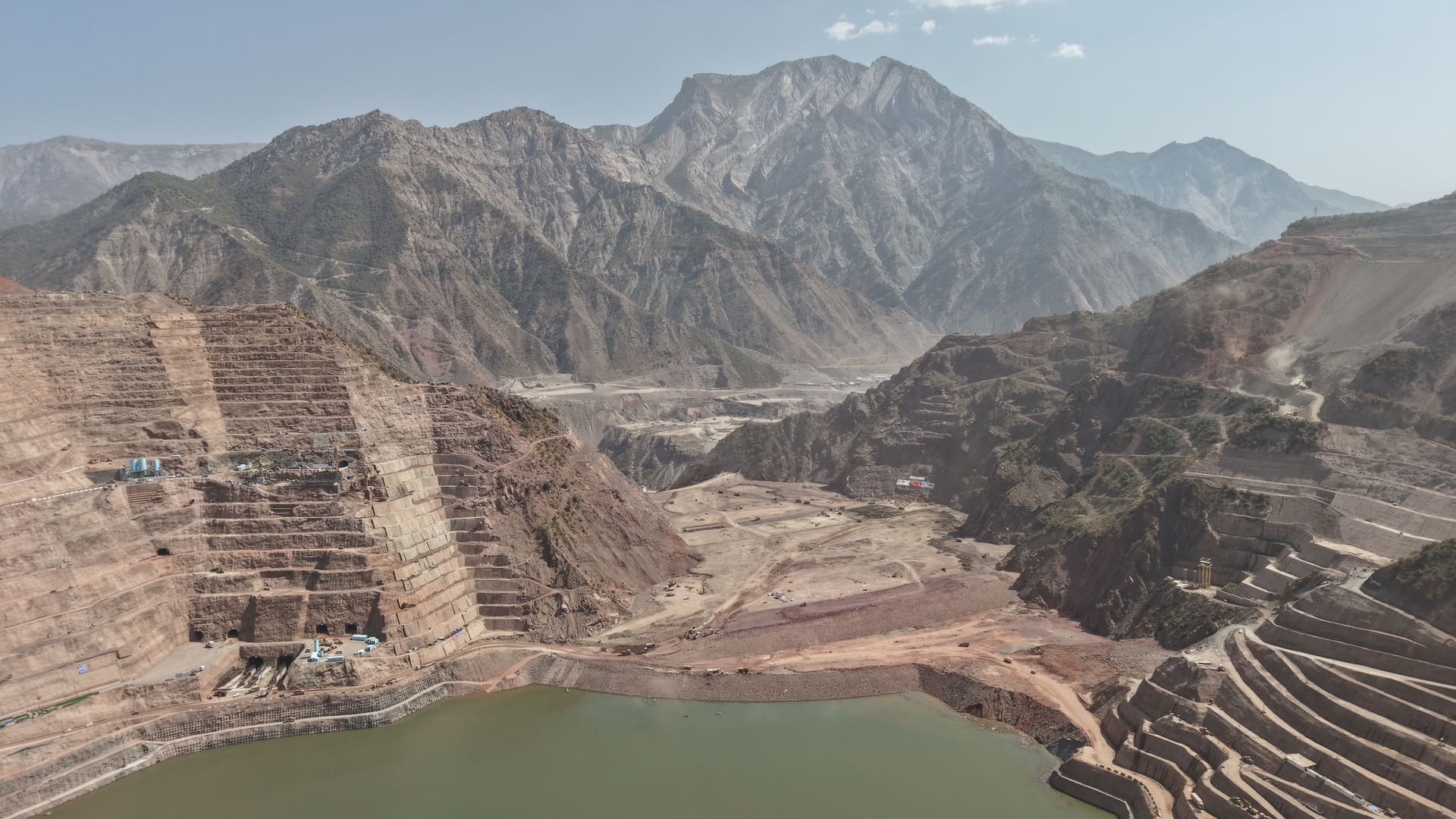
 Rogun Dam construction site, Tajikistan
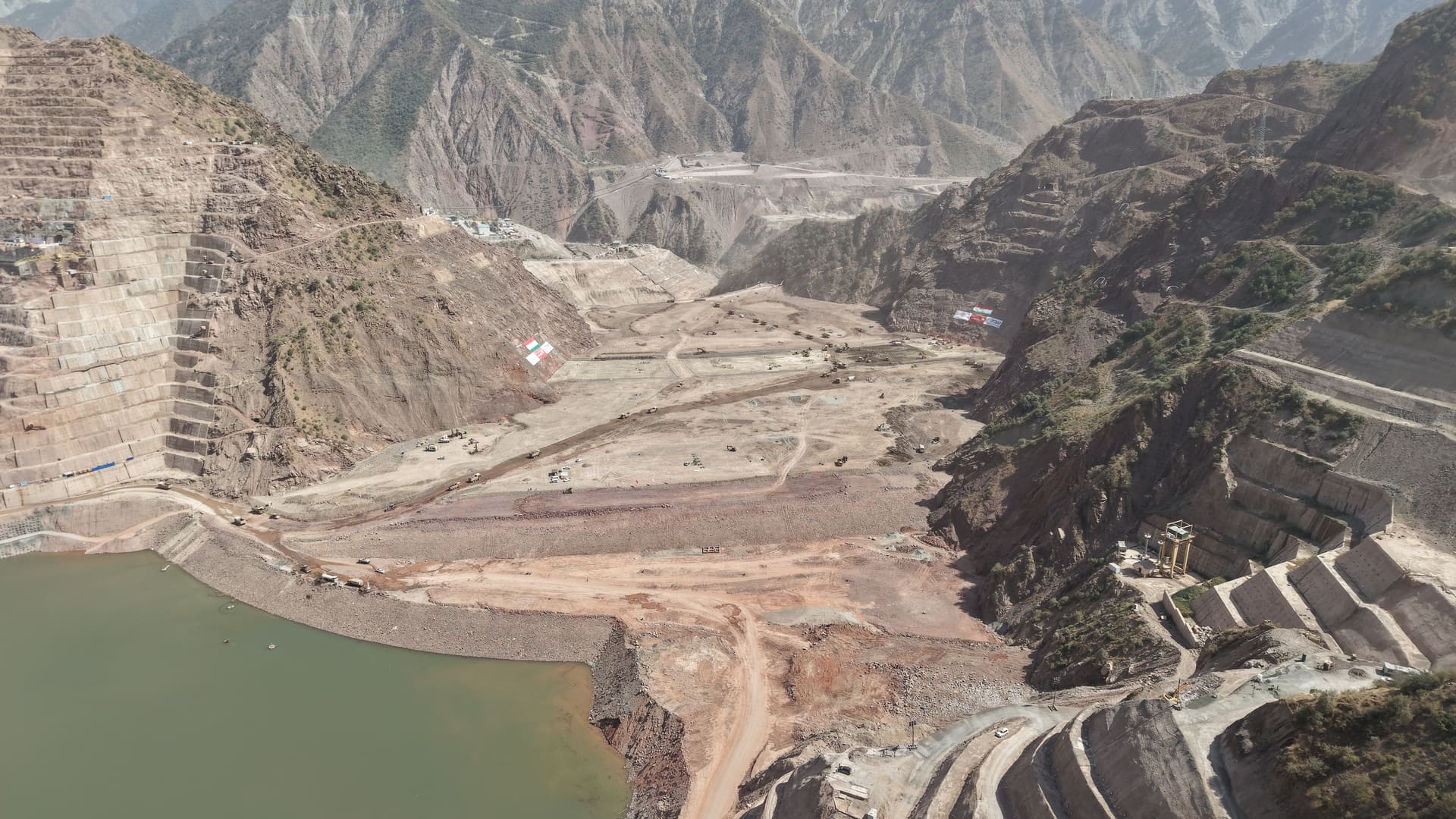 Rogun Dam construction site, Tajikistan
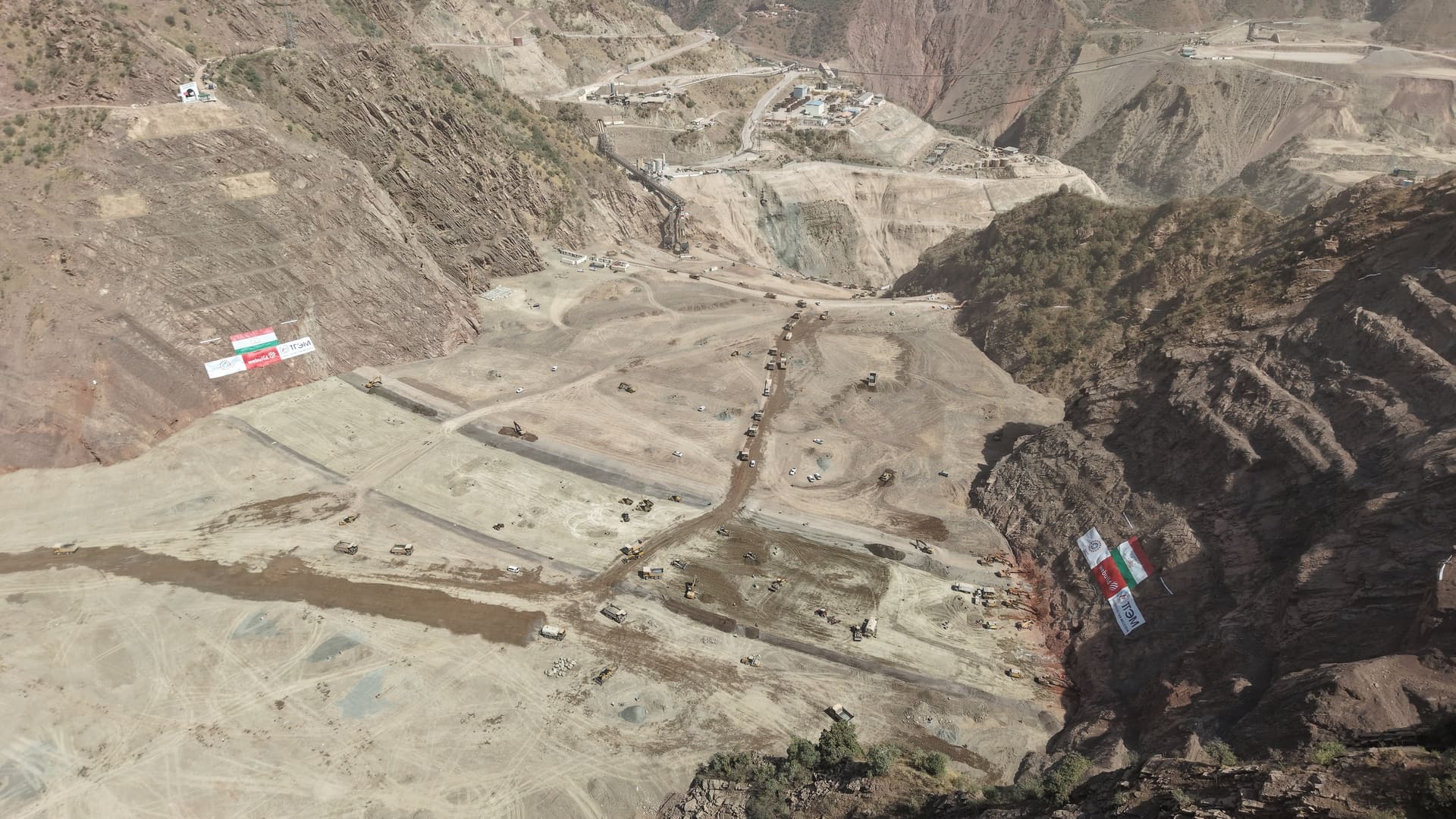 Rogun Dam construction site, Tajikistan
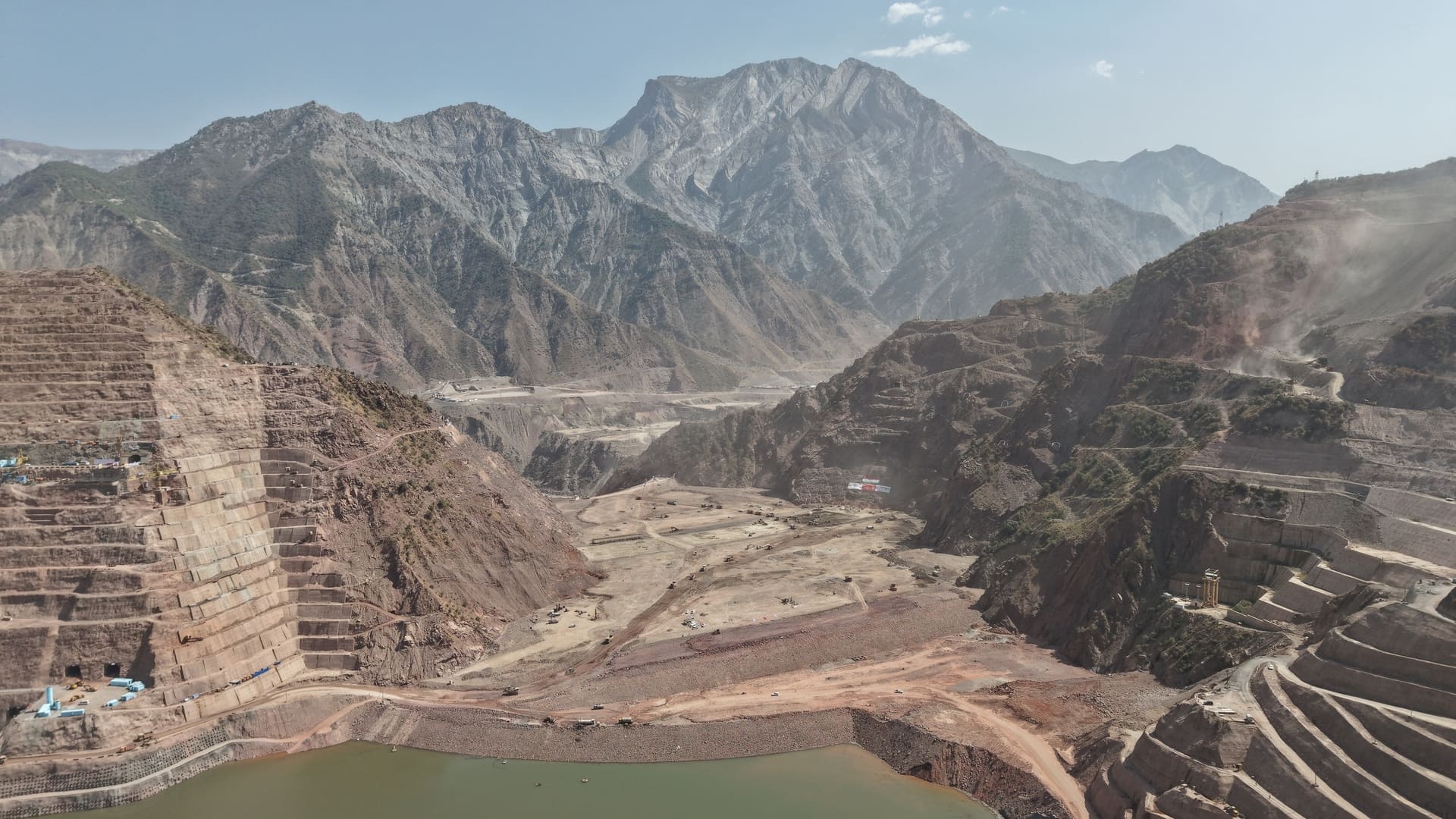 Rogun Dam construction site, Tajikistan
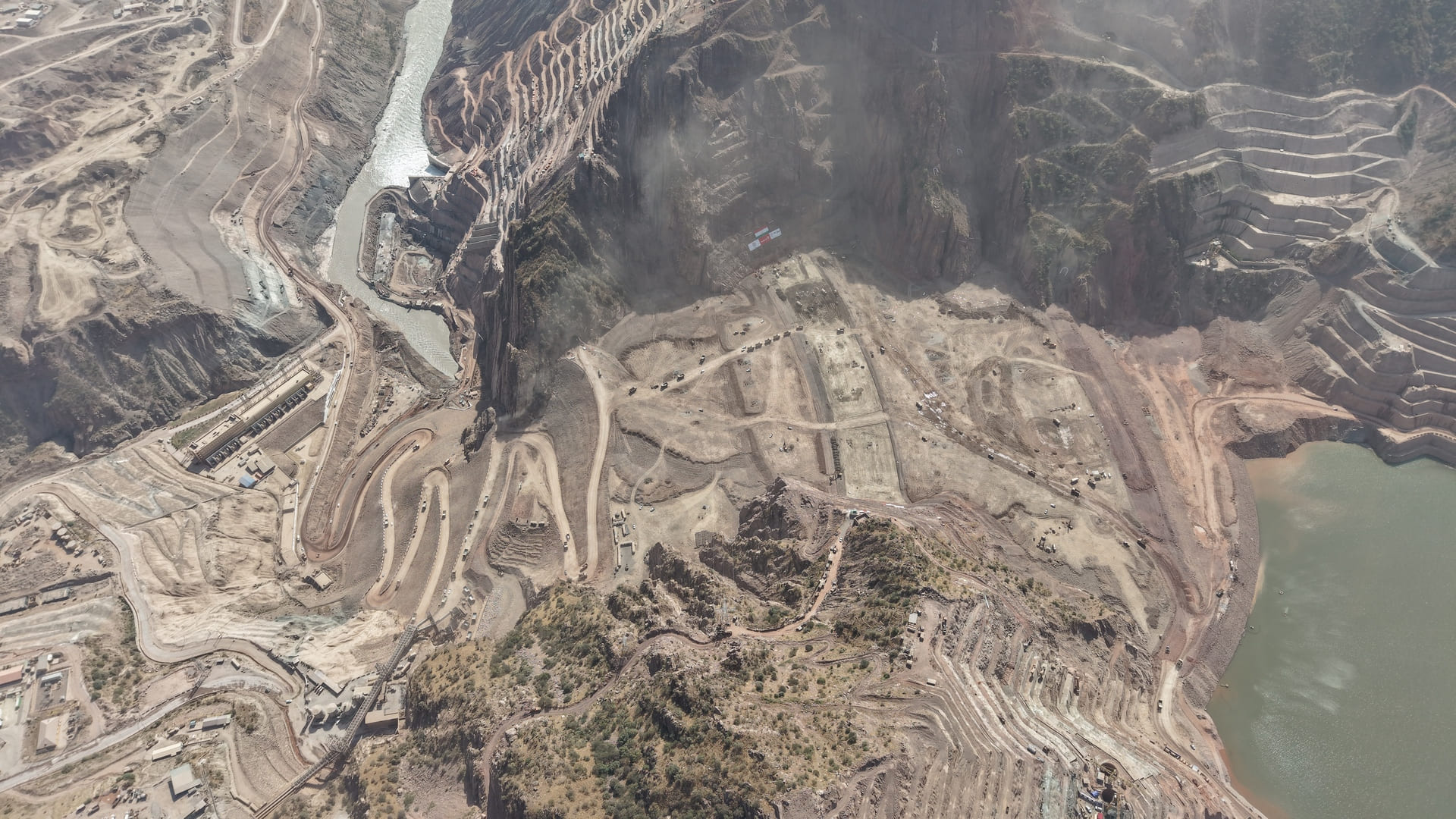 Rogun Dam construction site, Tajikistan
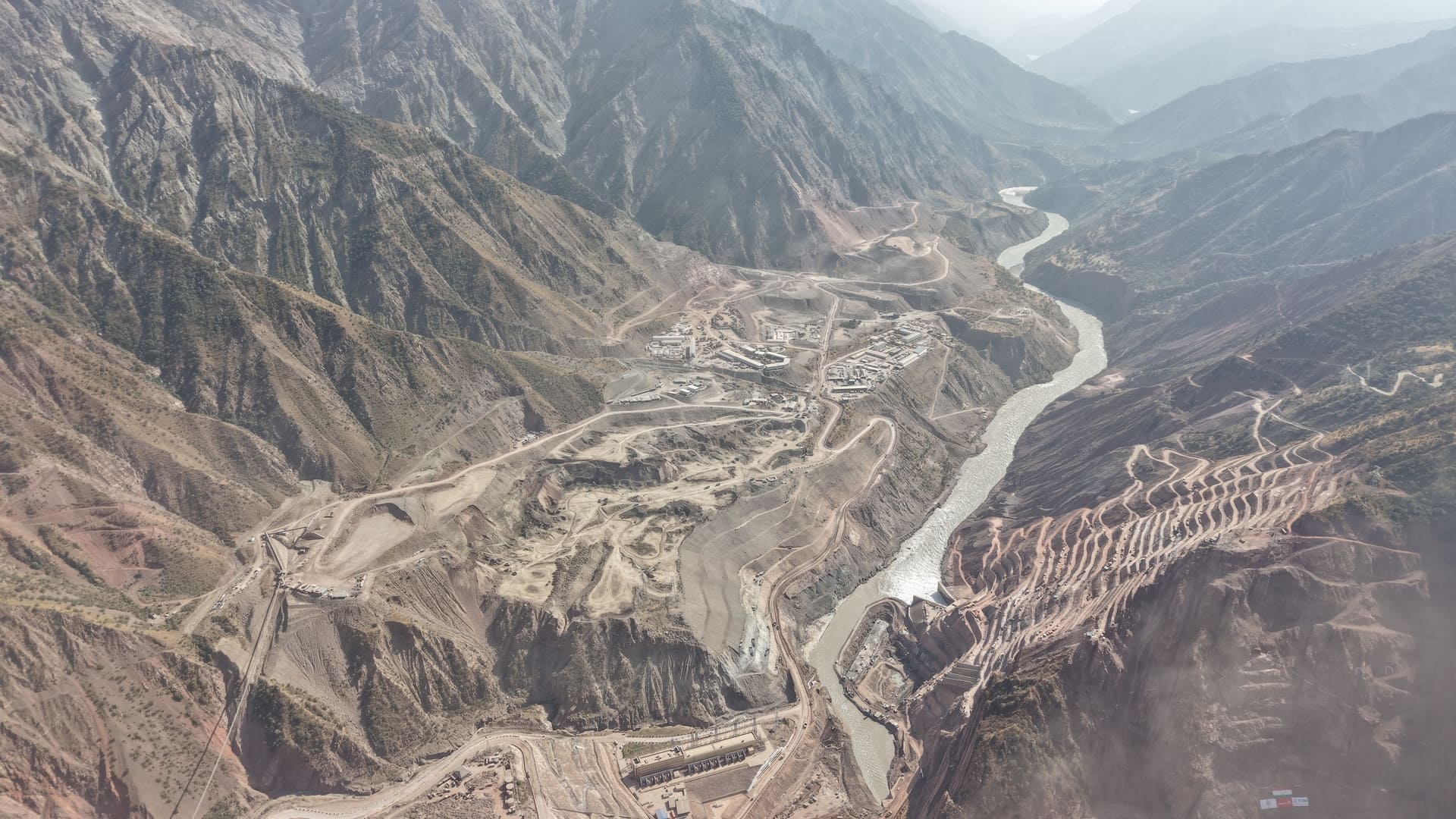 Rogun Dam construction site, Tajikistan
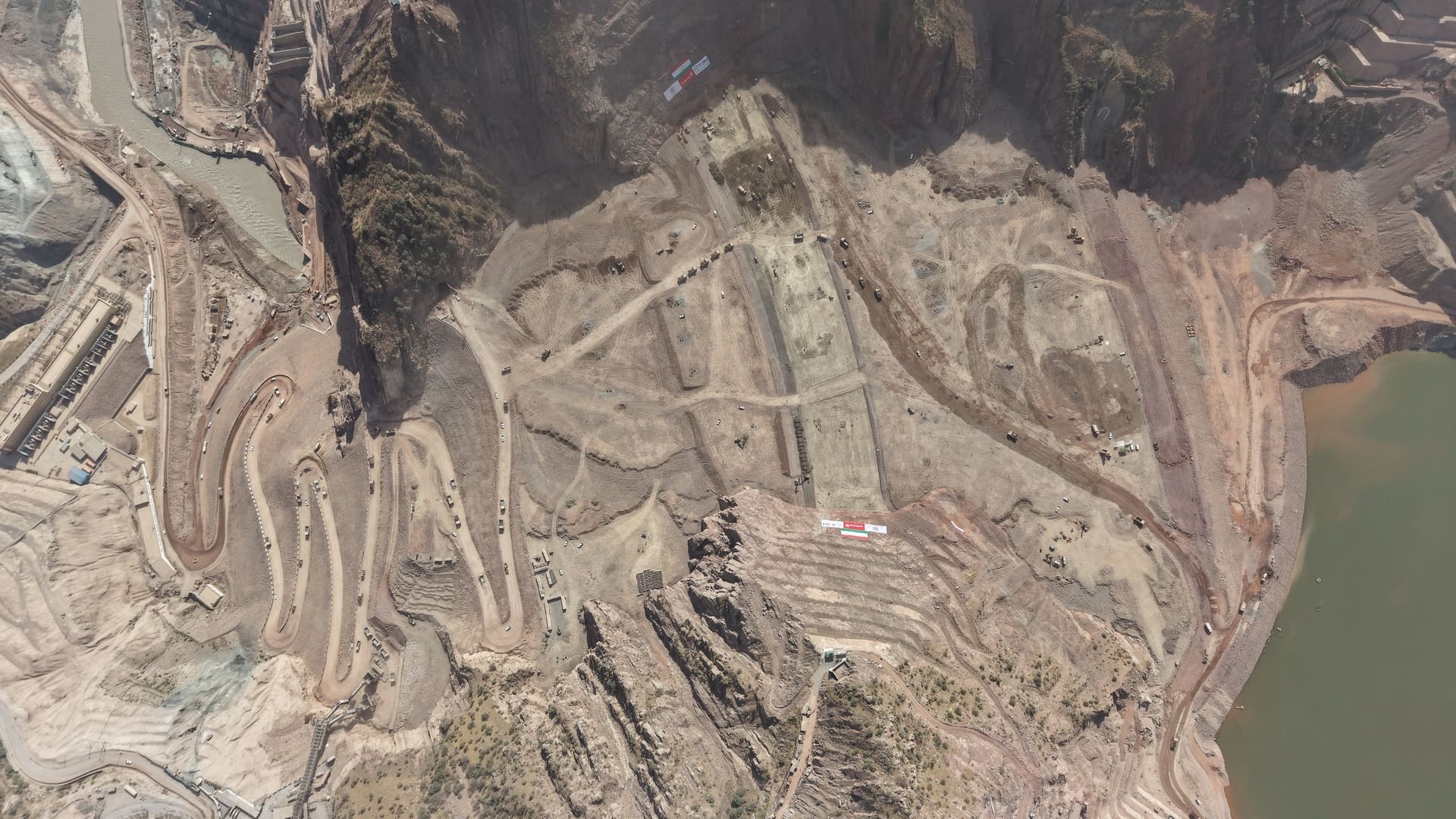 Rogun Dam construction site, Tajikistan
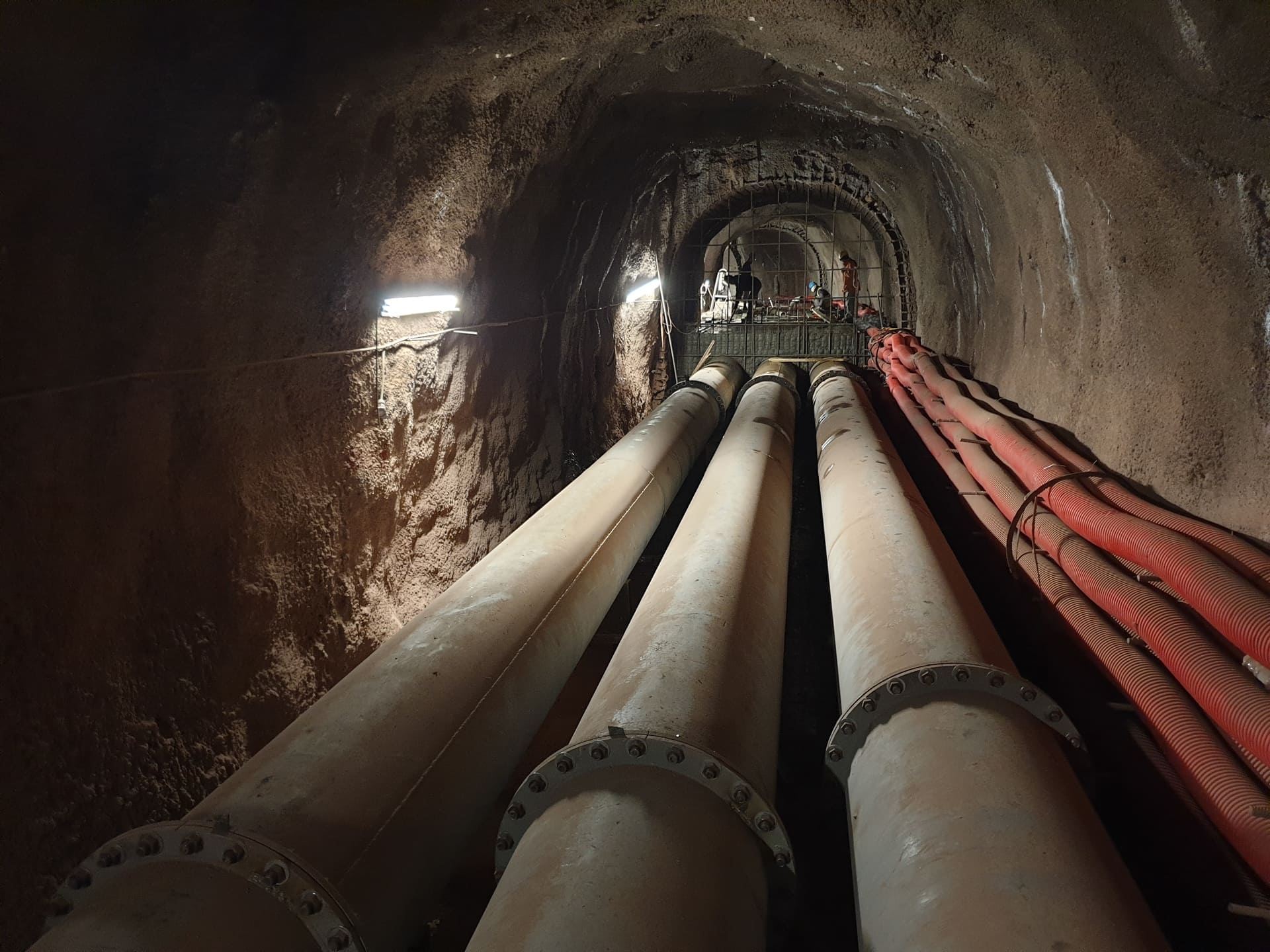 Rogun Dam construction site, Tajikistan
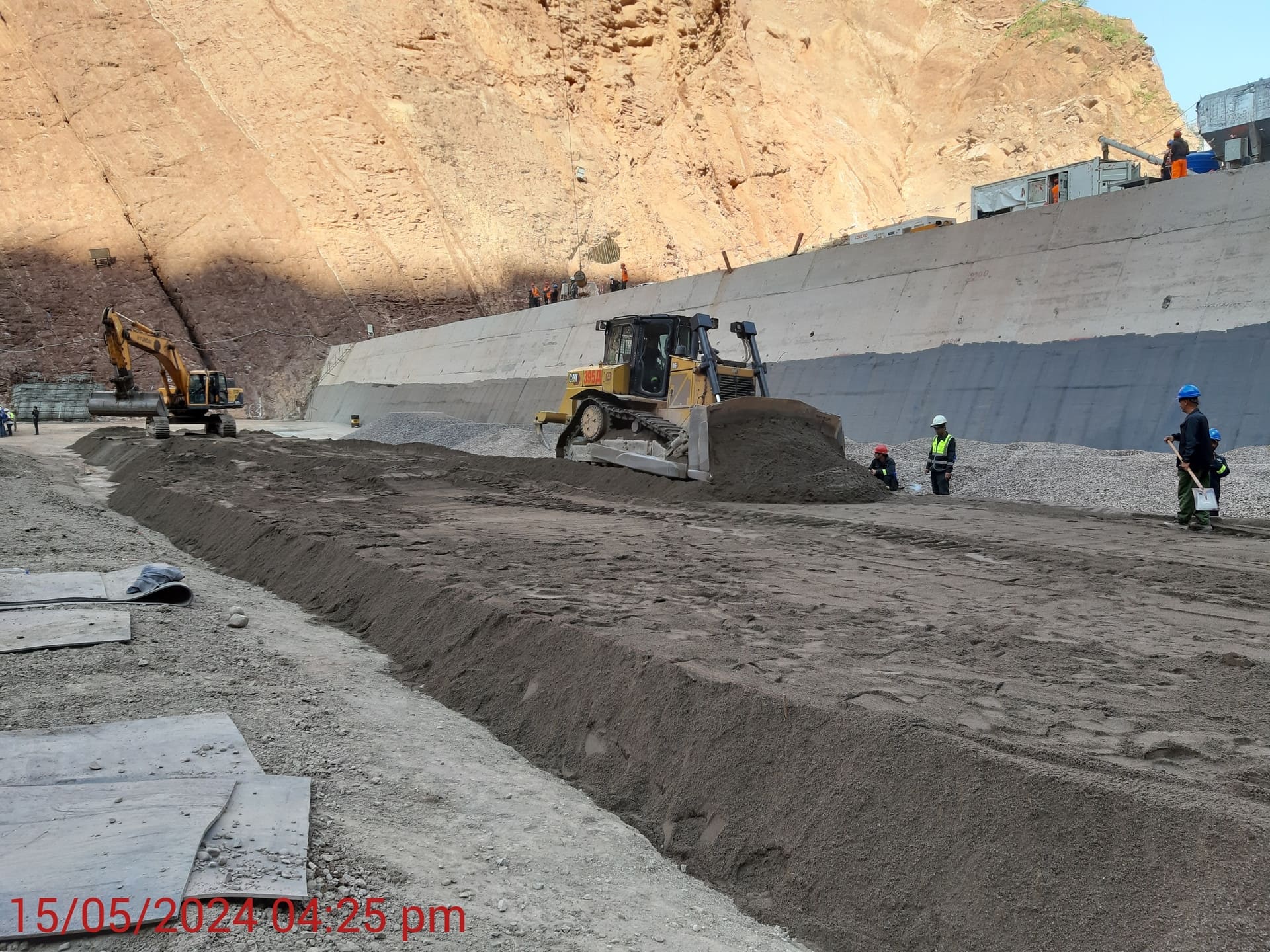 Rogun Dam construction site, Tajikistan
- The Rogun Dam has reached an elevation of 1,155 meters above sea level, standing at approximately 190 meters out of the 335 meters planned upon completion.
- This new milestone will allow for a further rise in the reservoir's water level and an increase in power generation from the two operational turbines even during construction.
- Once completed, Rogun will be the tallest dam in the world, featuring six 600 MW turbines and a total installed capacity of 3,600 MW.
- The facility will be capable of doubling Tajikistan's electricity production while simultaneously strengthening the country's role in Central Asia's energy balance.
- Rogun adds to Webuild's track record of 320 dams and hydropower plants built worldwide, alongside iconic projects such as GERD, the largest hydroelectric facility on the African continent.


One hundred and ninety meters built, another 145 left to climb. In the heart of Central Asia, amid the mountains of Tajikistan, the Rogun Dam continues to grow, reaching a new milestone in its race to become the tallest dam in the world.
The dam body has reached an elevation of 1,155 meters above sea level, corresponding to a height of approximately 190 meters out of the 335 meters planned upon project completion. This achievement is not merely another construction site record; it paves the way for a further rise in the reservoir’s water level up to 1,140 meters above sea level.
More water primarily means more renewable energy, as Rogun possesses a unique characteristic: it is already generating electricity while under construction. Two of the six turbines planned for the project are currently operational, and the progressive filling of the reservoir will ensure greater water availability and a higher hydraulic head, boosting power generation even during the construction phase.
This is perhaps the image that best conveys the scale of the Rogun Dam: a monumental infrastructure project growing meter by meter that, even as it takes shape, is already beginning to transform an entire nation’s energy system.
A 335-Meter Dam: A Human-Made Mountain
Rogun is rising in one of Central Asia’s most spectacular and complex territories. The hydroelectric dam stands on the Vakhsh River, fed by waters originating from the region’s mountain ranges, and upon completion will reach a height of 335 meters, becoming the tallest dam in the world.
Webuild is constructing Lot 2 of the project, valued at approximately 2.3 billion dollars, on behalf of OJSC Rogun HPP, with the goal of bringing to life a facility equipped with six 600 MW turbines, for a total installed capacity of 3,600 MW.
These figures convey only a fraction of the construction’s complexity. Rogun is, in fact, a rockfill dam with a clay core. To build it, the Vakhsh River was diverted through two underground tunnels required to enable work on the foundations, while the core foundation was divided into eight blocks measuring between 20 and 25 meters in length, for a total span of 180 meters. Approximately 290,000 cubic meters of roller-compacted concrete were used for their construction.
The newly achieved milestone also highlights the scale of the job site. More than half of the material planned for the dam body has already been placed, and over 500,000 linear meters of drilling have been completed for foundation consolidation and the grout curtain. An extreme engineering challenge, carried out in a mountainous environment through a production system engineered to move massive quantities of materials.
The High-Altitude Construction Site Rewriting How Mega Hydropower Plants Are Built
Building a 335-meter hydroelectric dam also means rethinking job site logistics.
For Rogun, an 8-kilometer conveyor belt system was developed, featuring the Flying Belt System installed on the left bank downstream of the dam. This is a 650-meter suspended belt supported by steel cables, capable of transporting up to 3,000 metric tons of material per hour.
This solution accelerates material handling while simultaneously reducing reliance on heavy vehicles, thereby lowering emissions associated with construction activities.
Technology and construction expertise thus become essential to managing an infrastructure project advancing on multiple fronts at once: from raising the dam body to foundation consolidation, from waterproofing to water management.
And every meter gained brings the Rogun Dam closer not only to the 335-meter world record, but above all to its true purpose: transforming mountain water into hydropower for Tajikistan.
The Tallest Dam in the World to Double Tajikistan's Energy Supply
It is on the energy front that Rogun’s significance surpasses even its exceptional engineering scale. Once all six turbines are fully operational, the 3,600 MW of installed capacity will enable the dam to double Tajikistan’s current electricity production.
The impact is particularly significant for a nation of approximately 10.3 million residents, where hydropower represents the primary energy source and where a substantial portion of the population continues to experience energy shortages, especially during the winter months.
Rogun was therefore born as a response to a national necessity, but its influence is set to extend beyond Tajikistan’s borders. In fact, the hydroelectric power generated will be able to strengthen trade with neighboring countries and help reshape Central Asia’s energy balance. Plans linked to the project’s development include the prospect of exporting part of the power to Uzbekistan and Kazakhstan, as well as within the framework of regional energy exchanges.
From Rogun to GERD: The Biggest Dams in the World Are Shaking Up the Hydroelectric Industry
Thousands of kilometers from Tajikistan, another major infrastructure project tells the same story of transformation. It is the Grand Ethiopian Renaissance Dam (GERD), constructed by Webuild in Ethiopia and regarded as the largest hydroelectric facility on the African continent.
While Rogun and GERD belong to different geographies, river systems, and economic contexts, they share a fundamental characteristic: the ability to transform a massive hydraulic project into a strategic infrastructure for the energy development of an entire region.
In Ethiopia, GERD represents the continental scale of Africa’s new hydropower generation. In Tajikistan, Rogun aims to double national electricity production and strengthen the country’s role in Central Asian energy trade.
Two plants that demonstrate how modern mega-dams are not merely engineering achievements, but infrastructure projects capable of supporting economic growth, increasing electricity availability, and providing territories with vast amounts of renewable energy.