


Large cities are transforming: from densely populated centers driven by rampant consumerism, they are evolving into true laboratories of sustainable practices. Here, mobility, energy, architecture, and public spaces become testing grounds for innovative solutions that reduce environmental impact and improve quality of life.
The challenge is ambitious: to show that urban growth can coexist with environmental protection, turning metropolises into exemplary models for a sustainable future.
1 – Milan
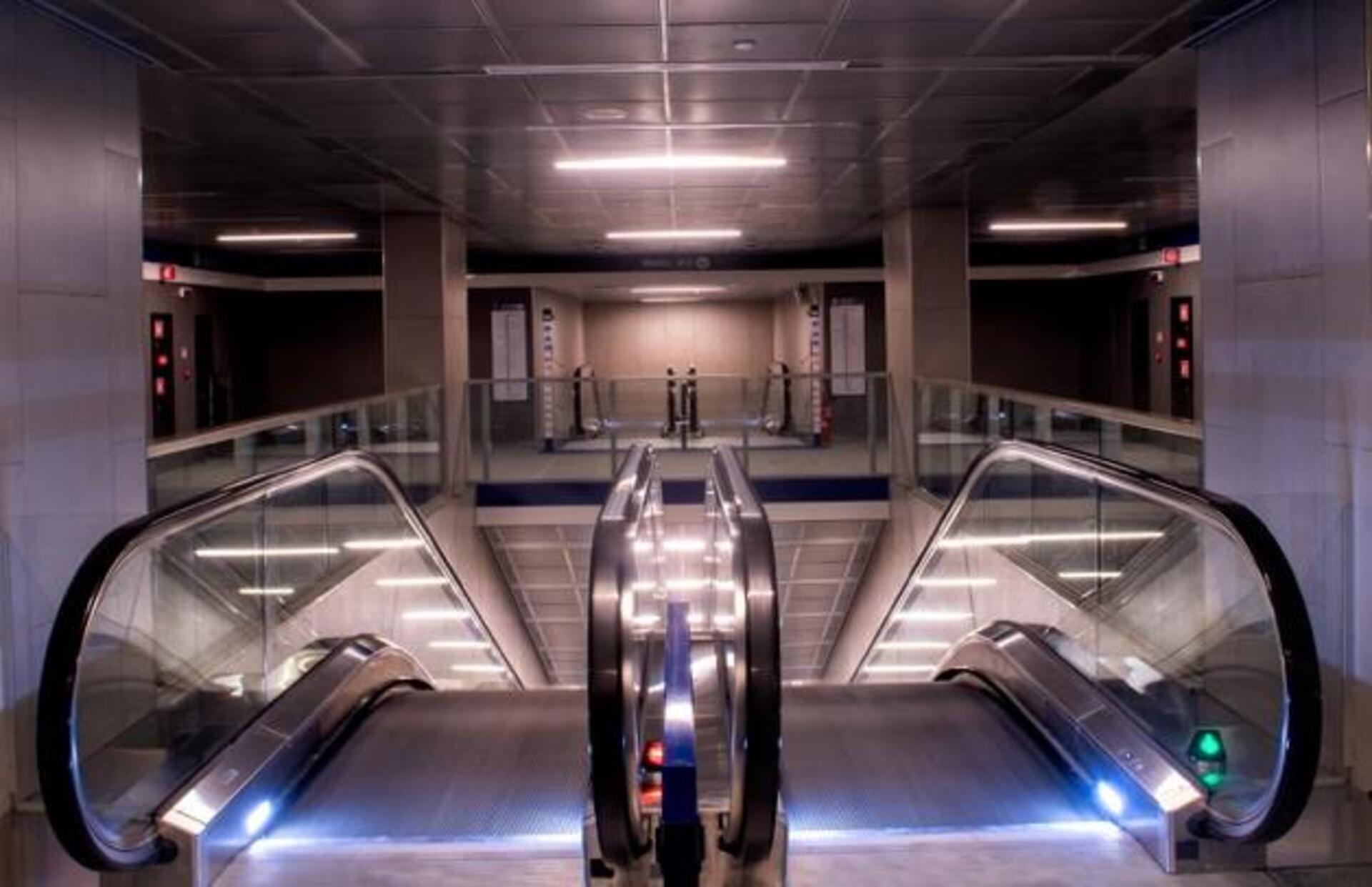
Milan is strengthening its role as a European city committed to environmental sustainability, thanks to urban projects that integrate sustainable mobility and high-quality public areas.
A key contribution comes from Webuild’s Metro M4: a fully underground, driverless line connecting Linate to San Cristoforo, reducing surface traffic and enabling faster, cleaner travel.
The project has revitalized over 200,000 square meters of urban areas, creating new green spaces, pedestrian paths, and bike-friendly routes that enhance the livability of the neighborhoods it serves, making them sustainable environments.
2 – Oslo
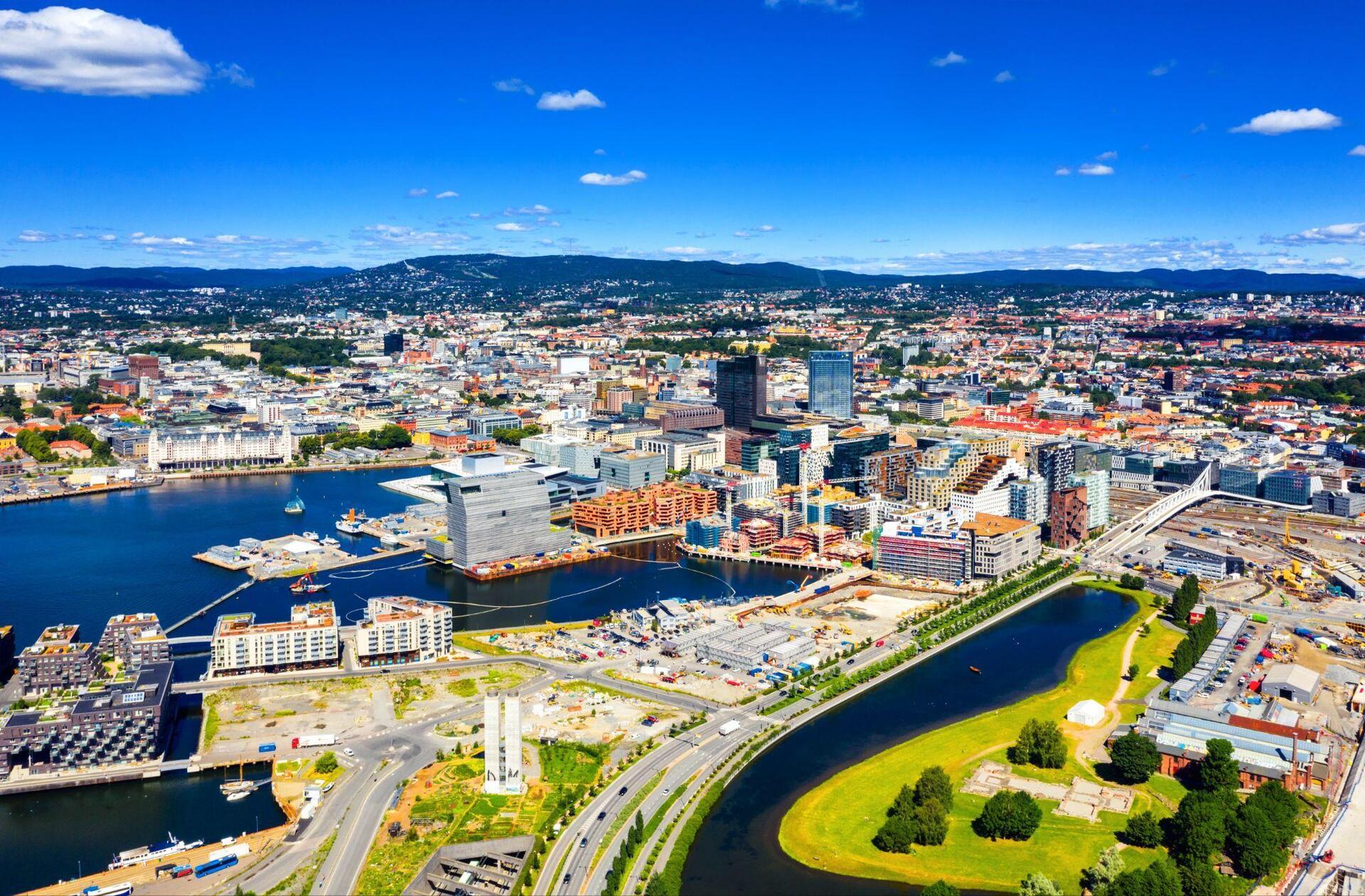
Oslo is now one of the most advanced examples of urban sustainability and sustainable transportation. Thanks to targeted policies, the city has developed a green network of over 1,200 electric vehicle charging stations and achieved very high levels of zero-emission mobility, with around 80% of new cars sold being electric.
Urban regeneration follows the same path. The Vulkan district, built on a former industrial site, uses geothermal energy, energy recovery, and low-impact architecture.
3 – Copenhagen
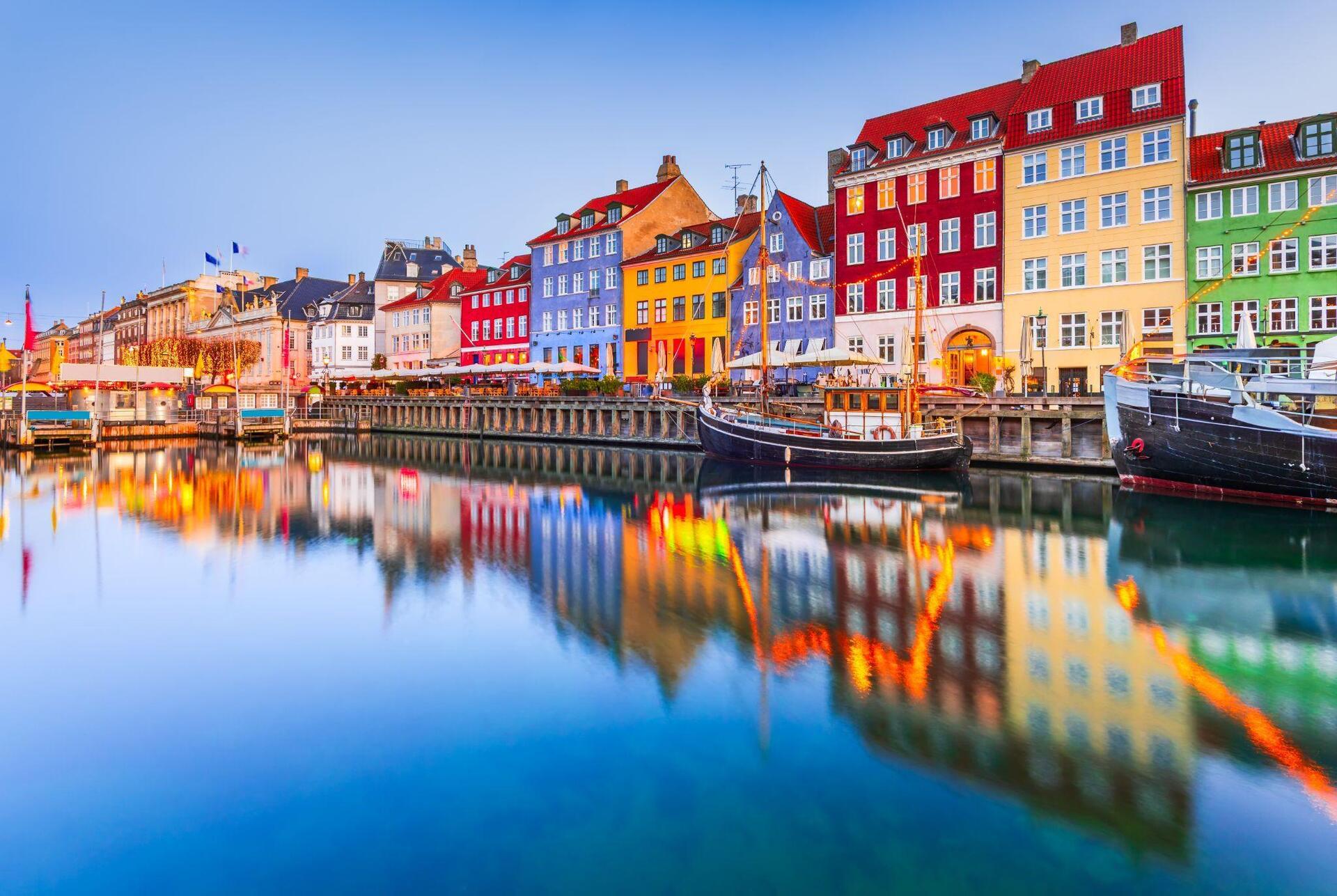
Copenhagen is one of Europe’s symbols of sustainable quality of life. In this context, Webuild Group delivered the Cityringen project, the metro ring that helped the city become one of the “greenest” in the world.
The city also boasts over 350 kilometers of bike lanes and year‑round cycling, with around half of daily trips made on two wheels.
But the Danish capital is not just about green transportation. CopenHill, a next‑generation waste-to-energy plant, converts waste into energy while hosting a ski slope, a botanical garden, and the world’s tallest climbing wall.
4 – Berlin
Berlin is a dynamic capital where culture, innovation, and environmental sustainability coexist in an ever-evolving balance. For years, the city has been investing in an extensive green network, transforming construction sites and disused areas into new public spaces.
From the historic green lung of Tiergarten, the well-known Berlin park, to iconic projects like Mauerpark (built on the former “death strip” of the Wall and now a haven for urban biodiversity), the German capital has developed one of the largest green infrastructures in Europe, with around 6,000 hectares of parks and gardens.

5 – Amsterdam
Amsterdam is today one of Europe’s leading capitals in sustainable transport and the circular economy.
The city combines an extensive green network of bike lanes with innovative housing solutions, such as eco-friendly floating homes, and one of the most efficient waste management systems in the world.
Here, over 99% of waste is converted into energy. A remarkable achievement that reflects a vision of a city where technology, livability, and sustainable development go hand in hand.