


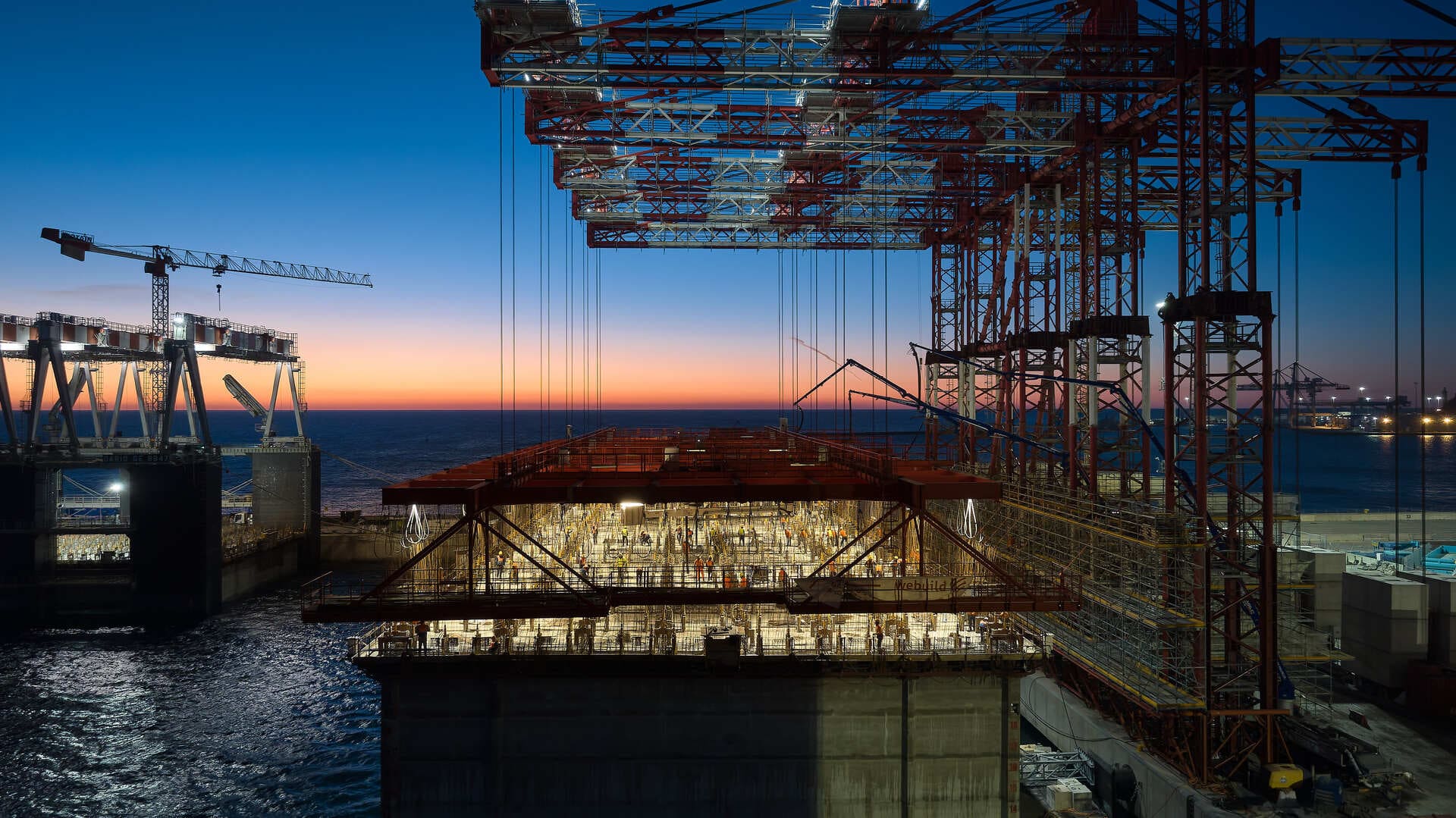
 Construction site of the new Genoa Breakwater
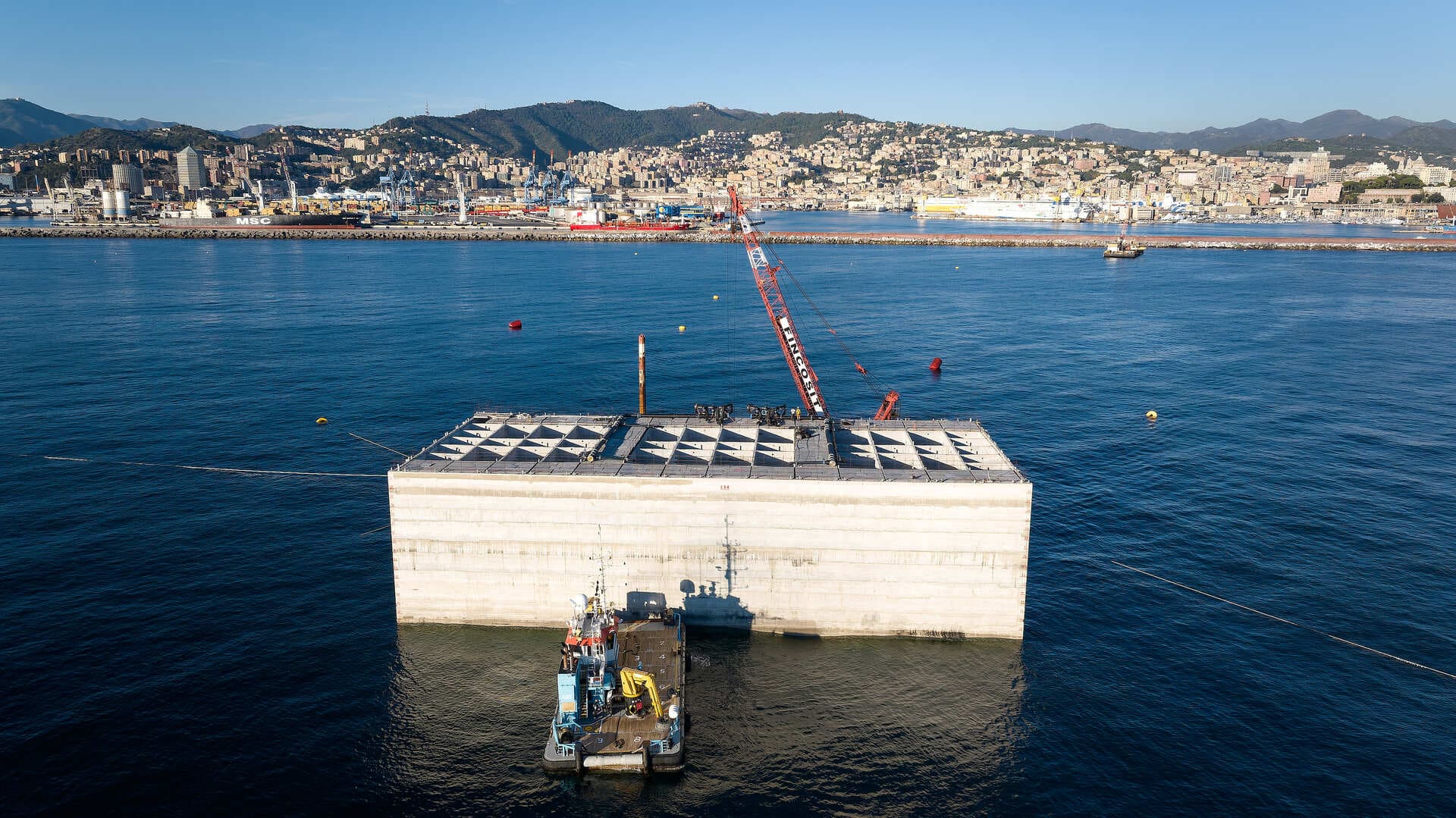 Construction site of the new Genoa Breakwater
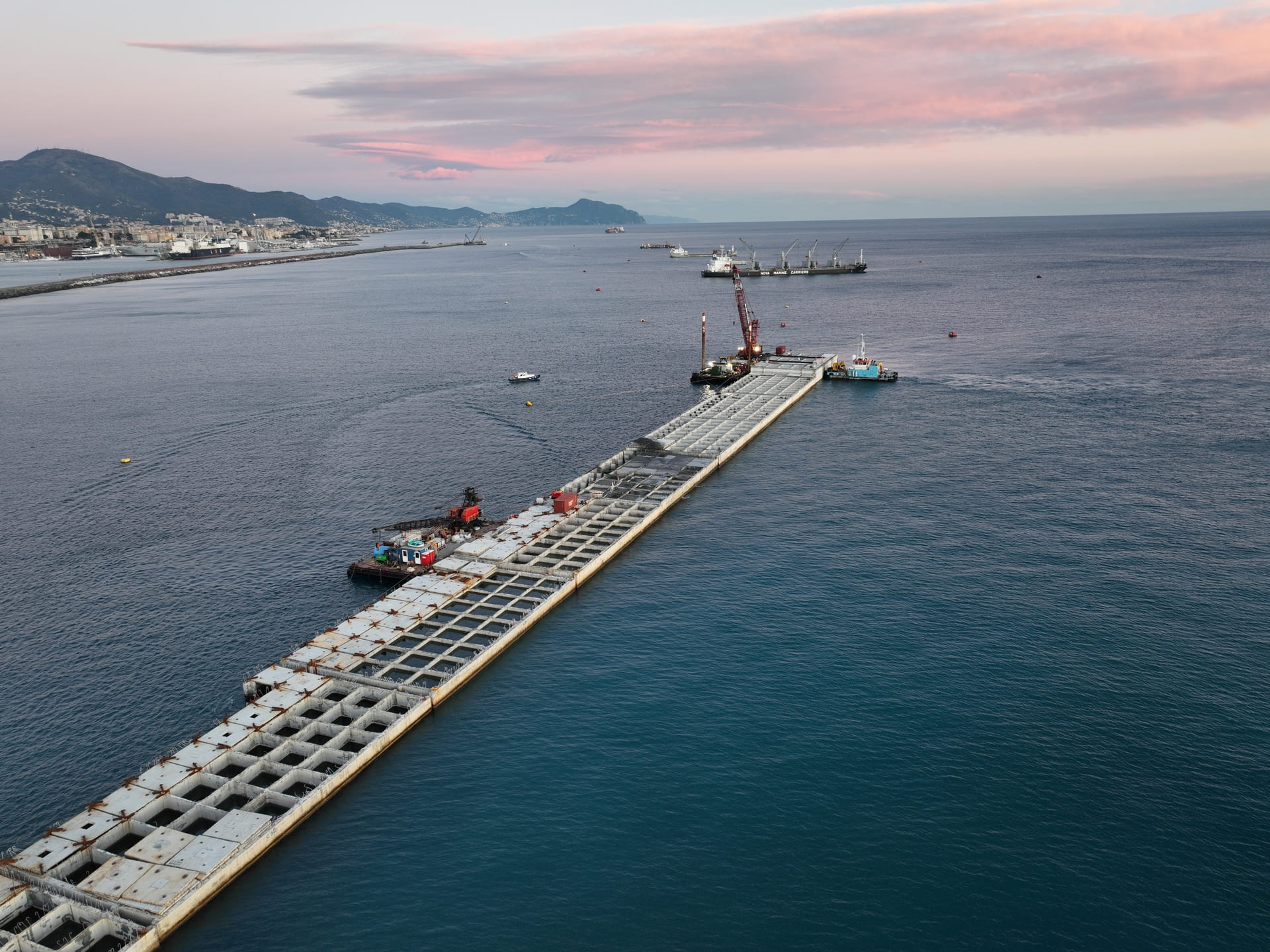 Construction site of the new Genoa Breakwater
 Golden Gate Bridge, San Francisco
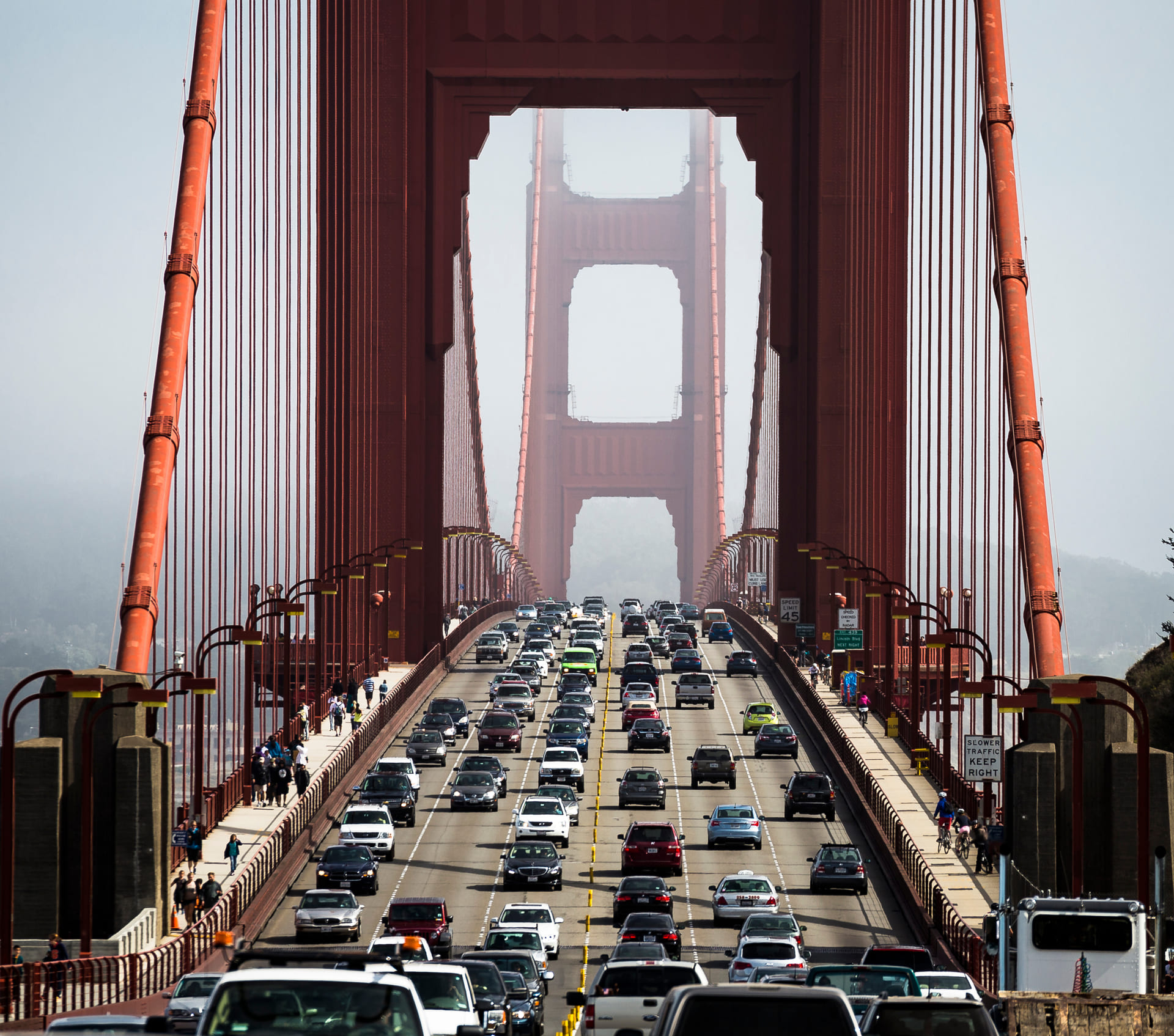 Golden Gate Bridge, San Francisco
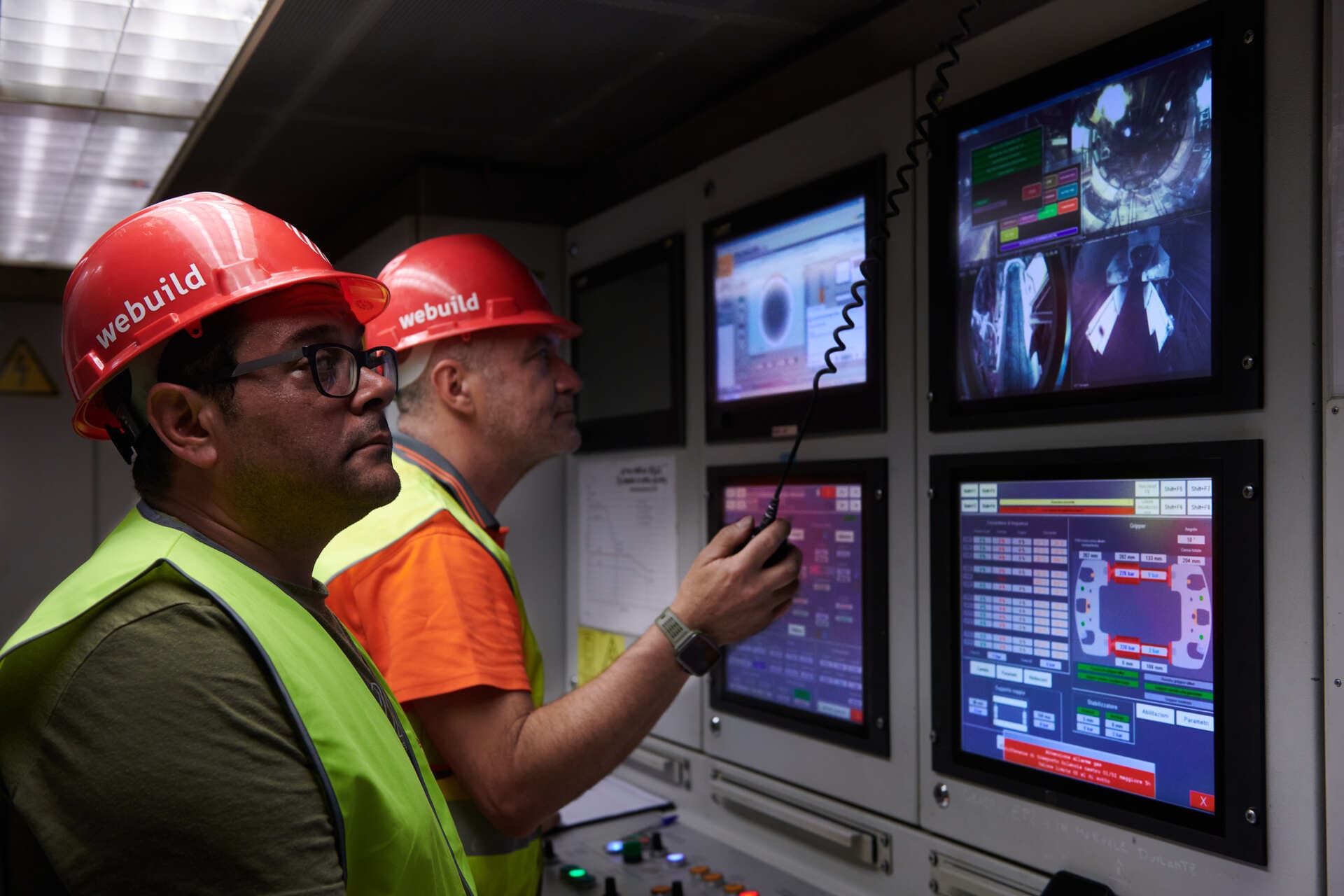 Brenner Base Tunnel construction site
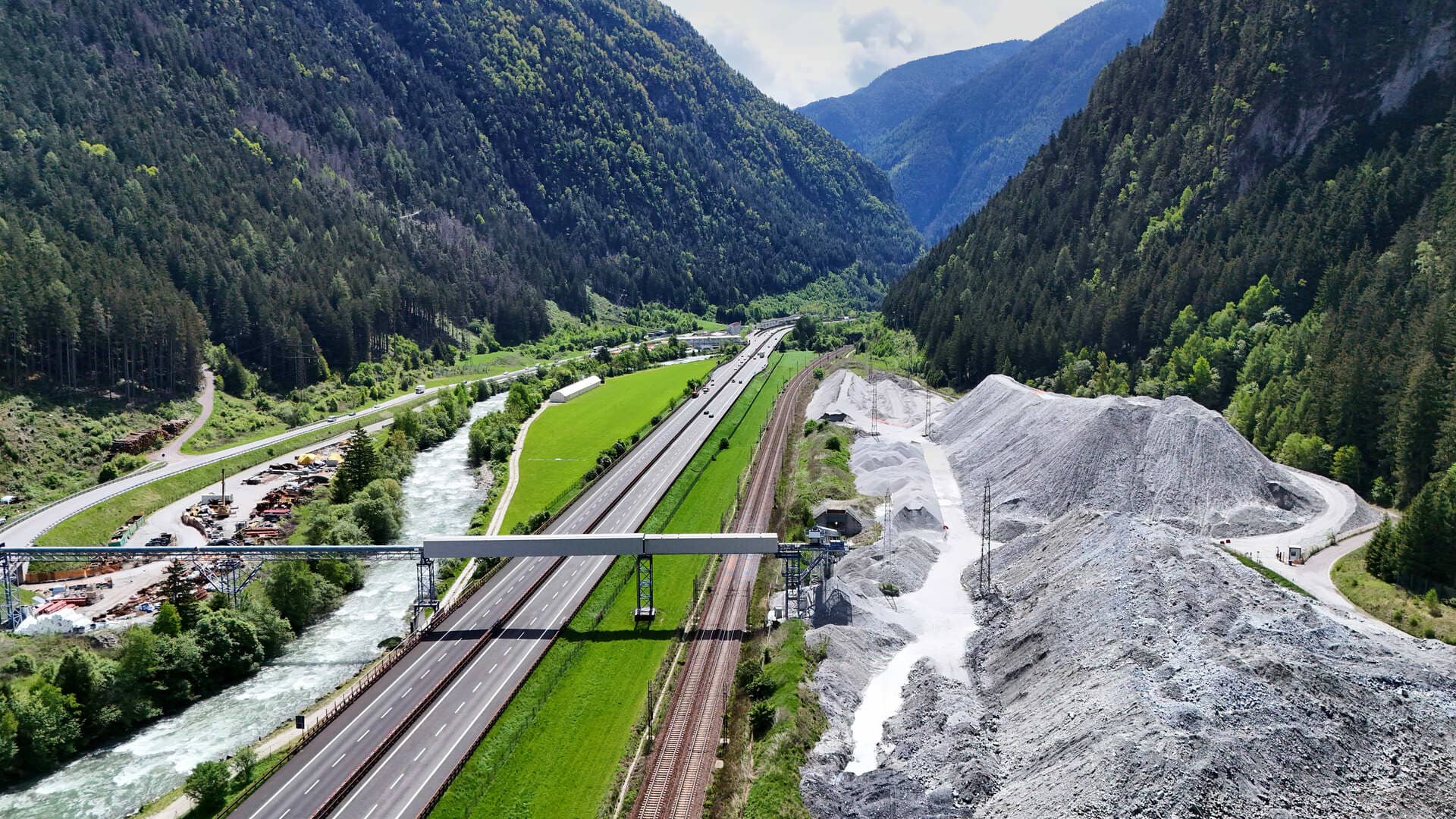 Brenner Base Tunnel construction site
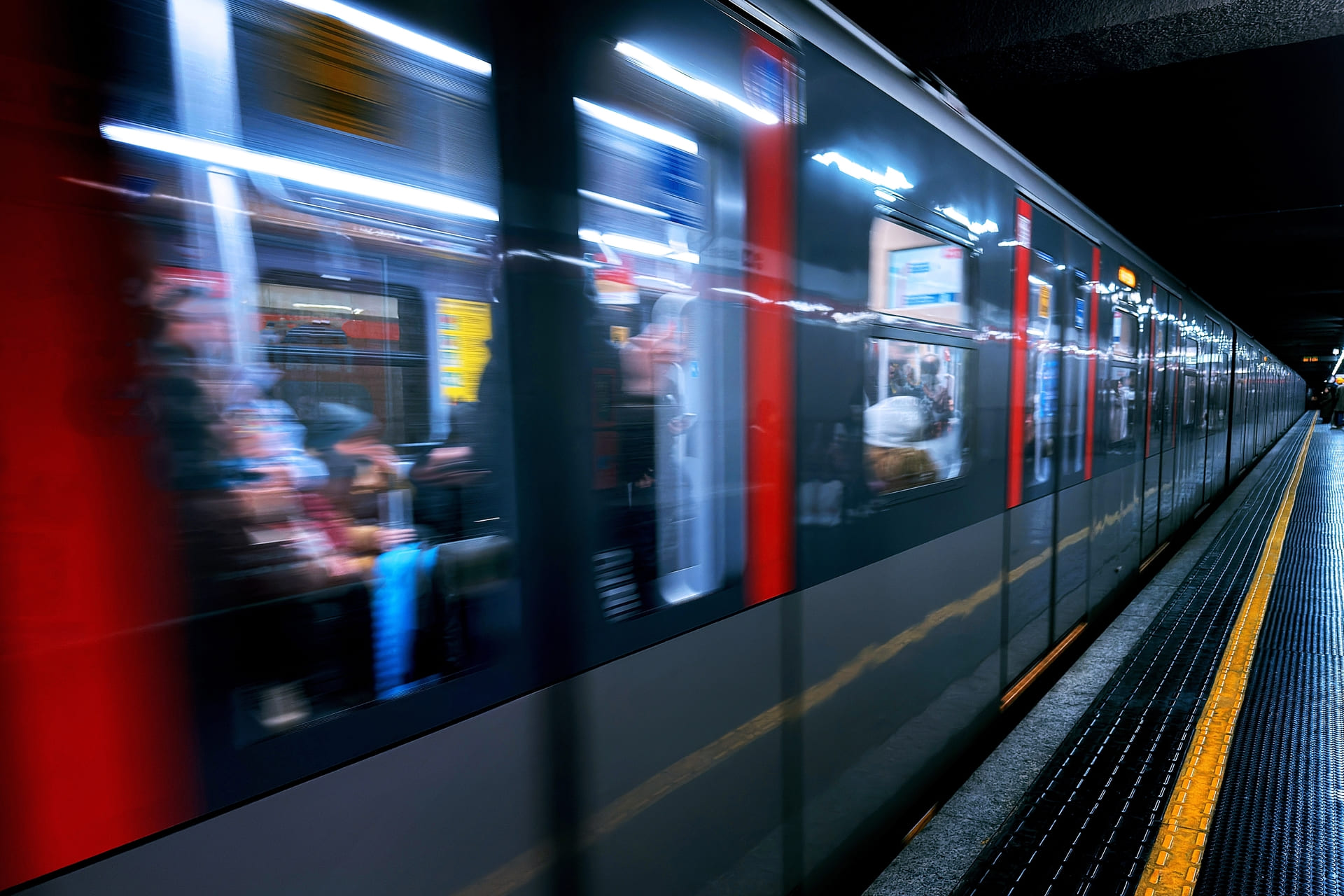 Milan Metro
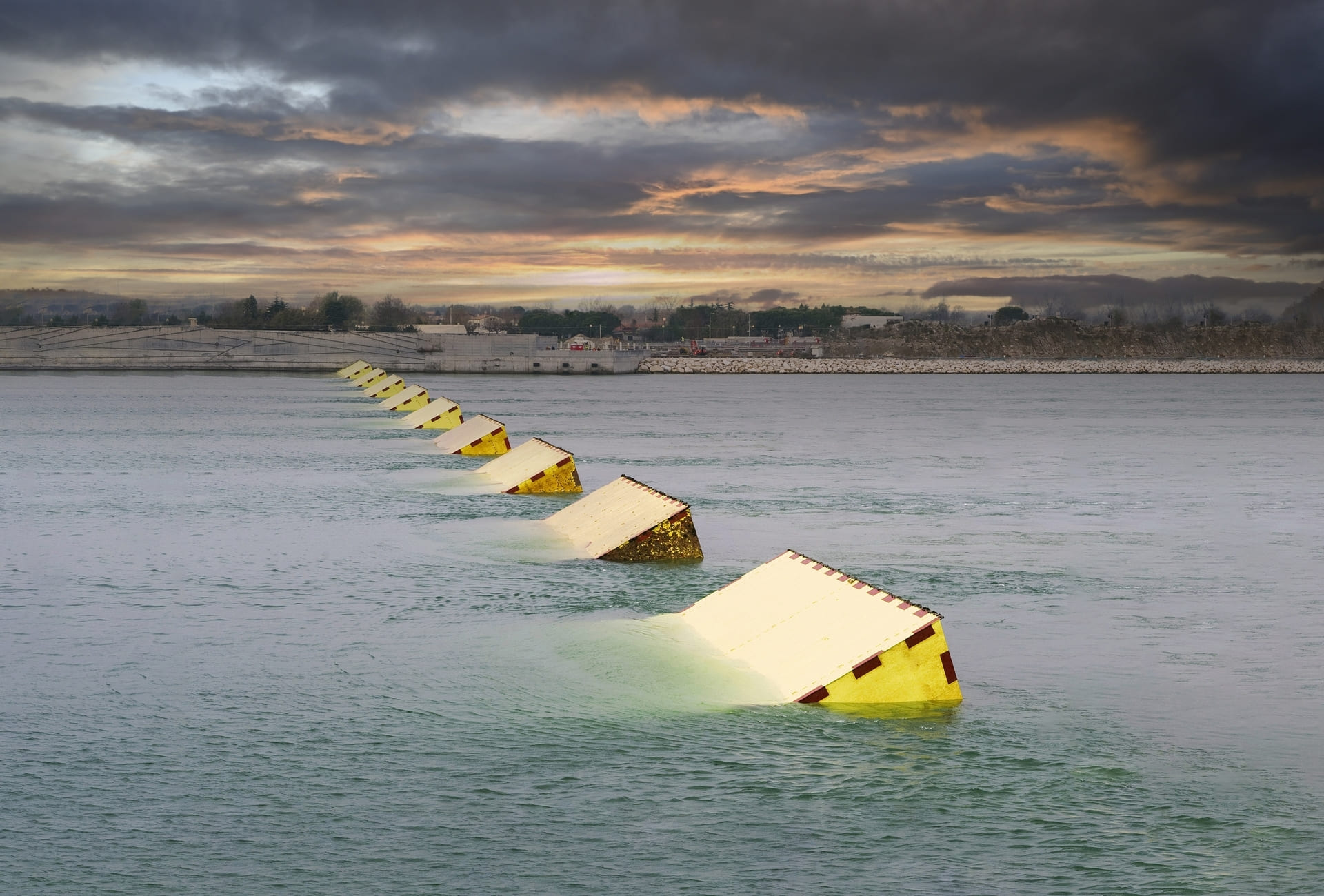 MOSE system in action in Venice
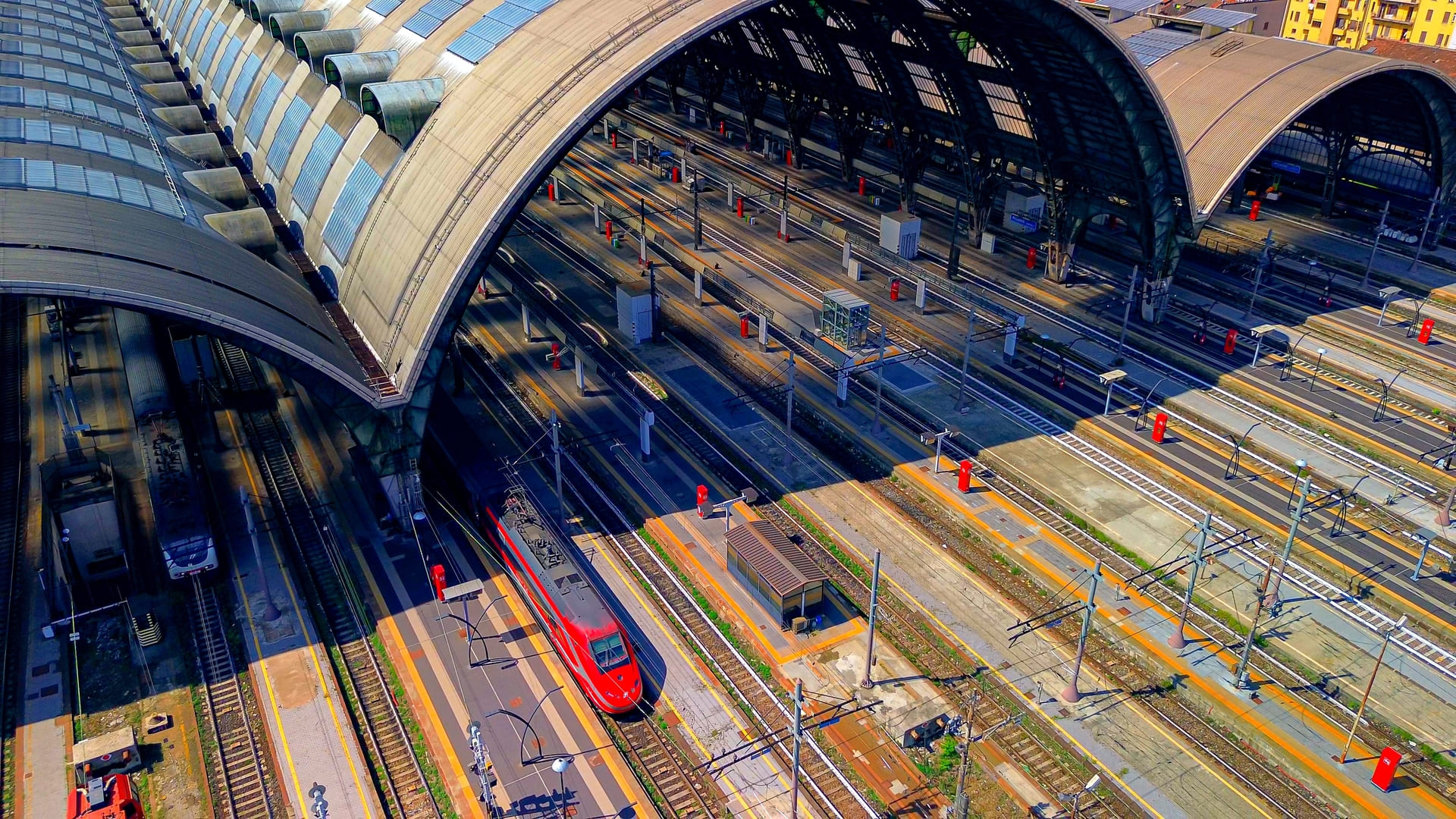 Milan Central Station
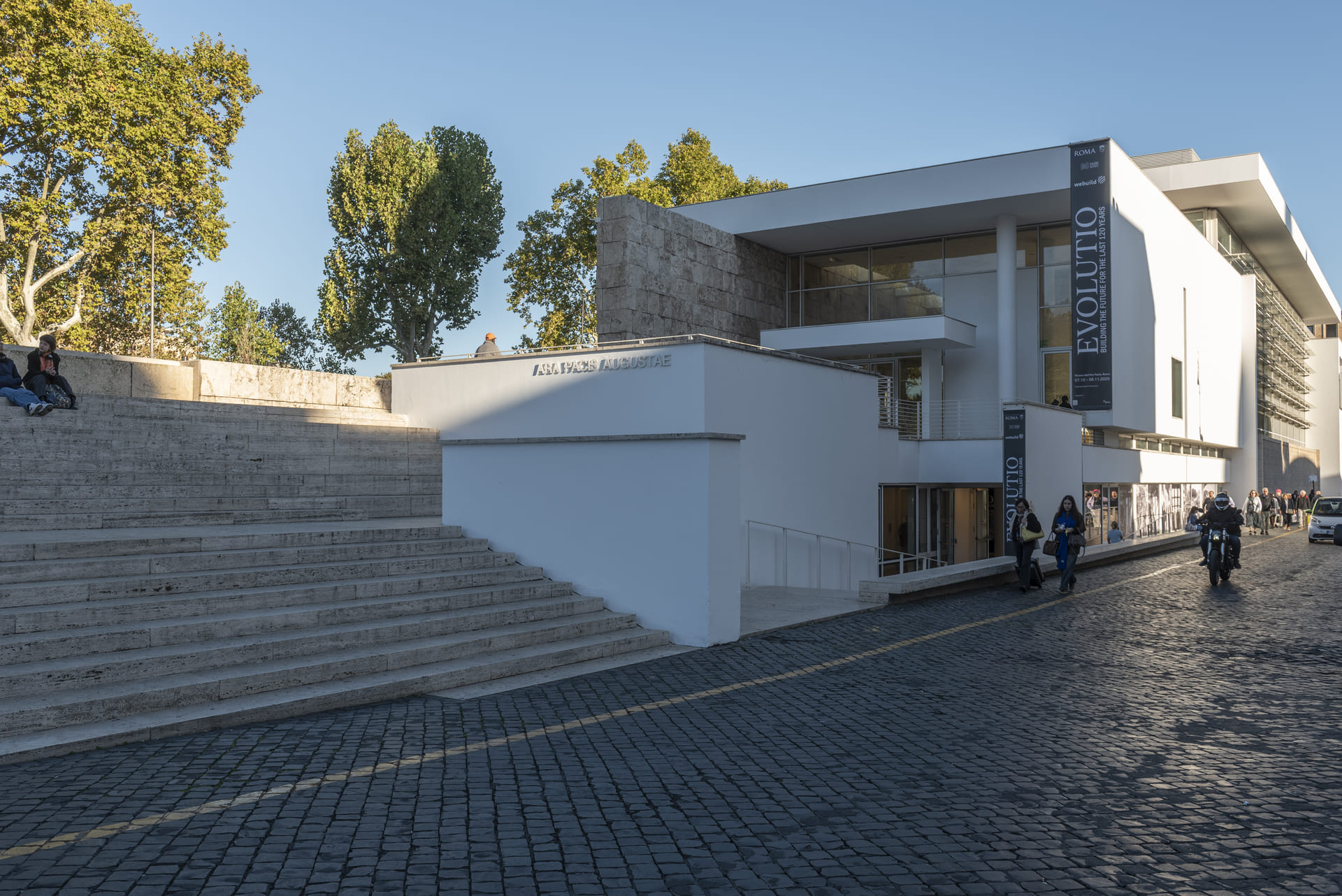 Evolutio Exhibition at the Ara Pacis in Rome
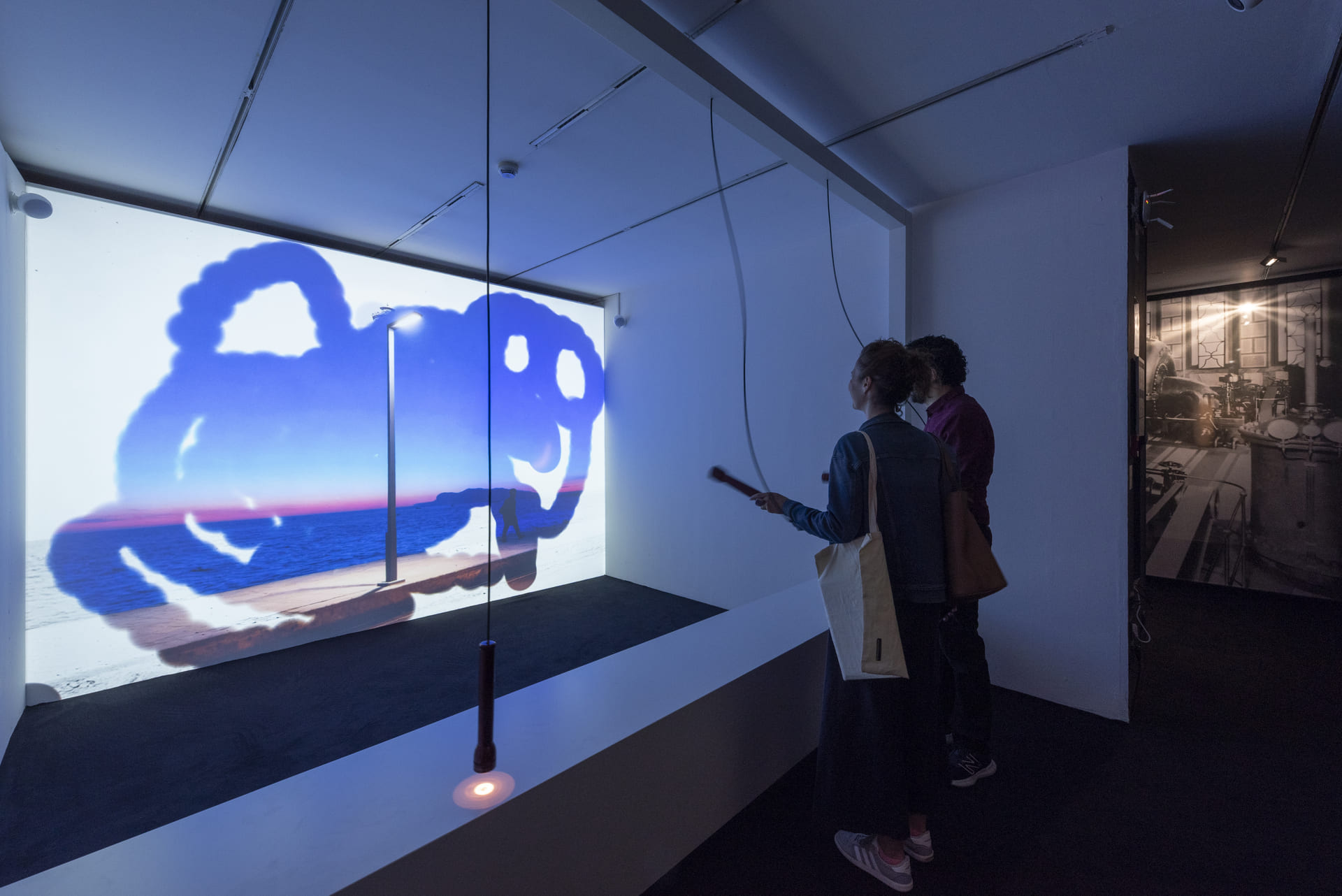 Evolutio Exhibition at the Ara Pacis in Rome
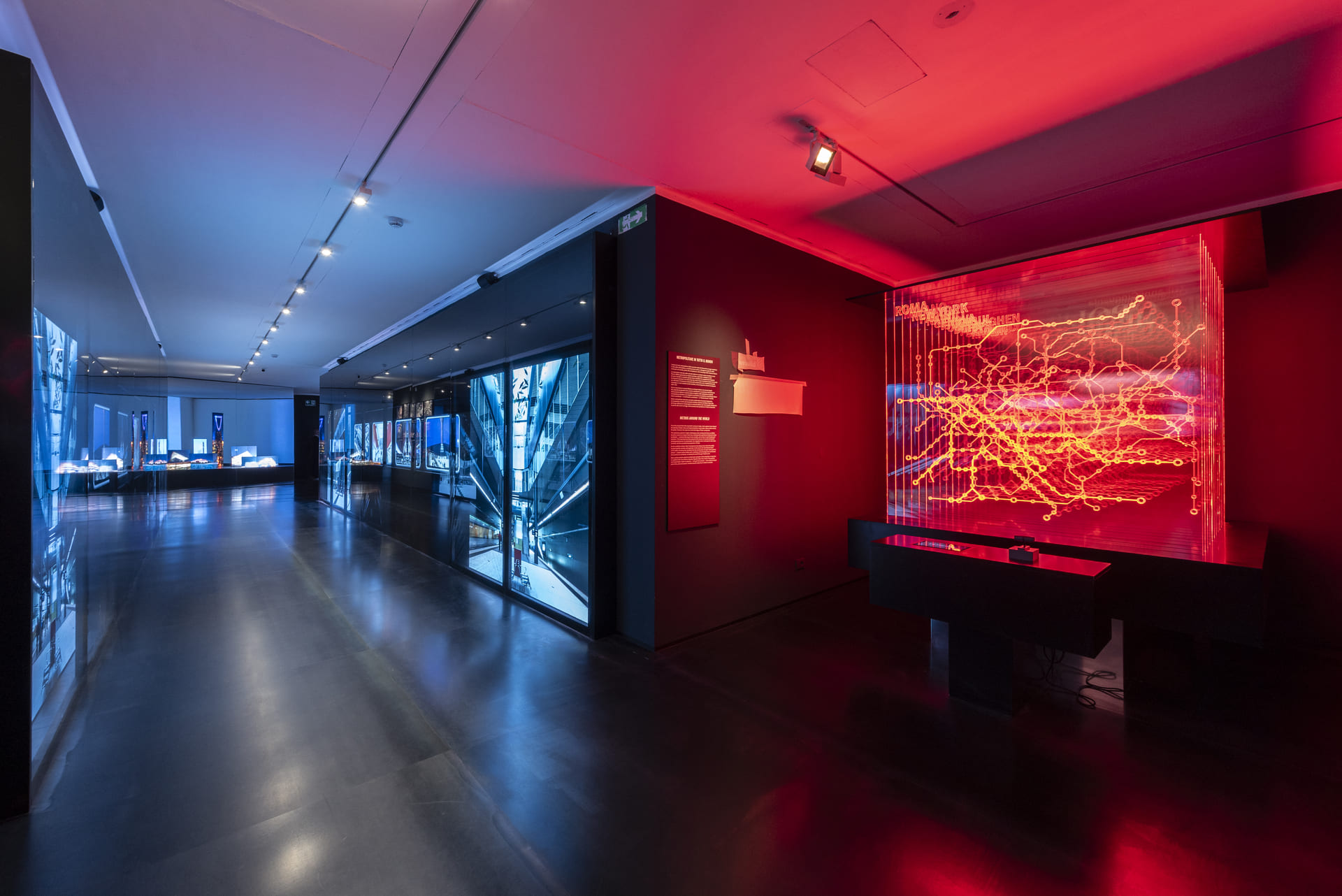 Evolutio Exhibition at the Ara Pacis in Rome
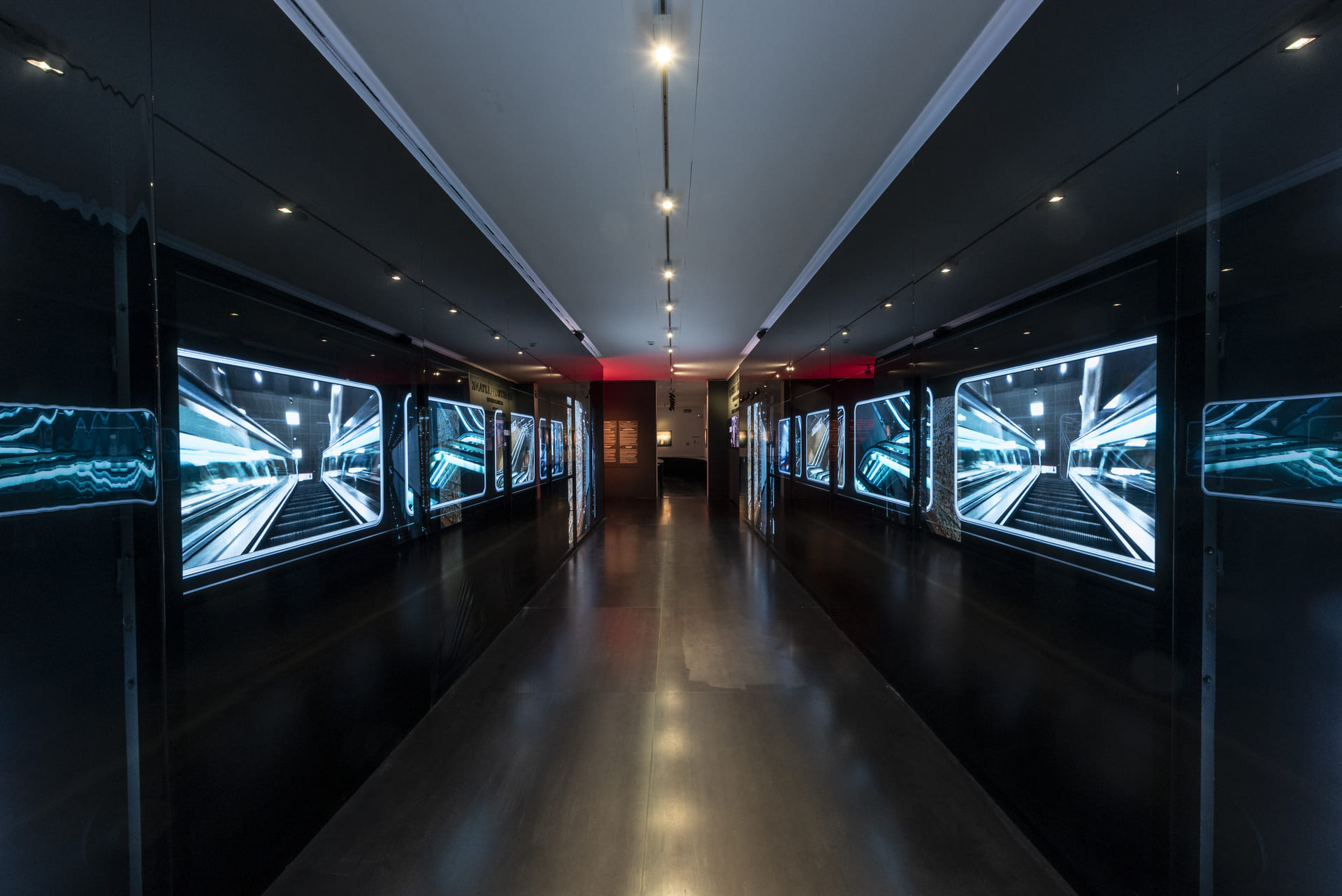 Evolutio Exhibition at the Ara Pacis in Rome
- Major infrastructure is entering a new phase: no longer static works, but systems to be monitored and supported over time through data, sensors and predictive maintenance
- In the book Evolutio published by Rizzoli, which chronicles the major works built by the Webuild Group, architect and urban planner Carlo Ratti proposes moving from a logic of emergency to one of continuous care
- Sensors, fibre optics, smartphones and artificial intelligence are transforming bridges and viaducts into organisms capable of communicating their state of health
- From the San Giorgio Bridge in Genoa to the Brenner Base Tunnel, Italy offers concrete examples of responsible infrastructure, designed to react in real time to change
- On February, the Evolutio exhibition will be inaugurated in Milan. Conceived and realized by the Webuild Group, the exhibition offers a new narrative on infrastructure as a driver of economic, social, and industrial development, capable of fueling an entire productive economic system
Read more

For decades, infrastructure has been portrayed as finished works, monuments to progress capable of enduring over time almost by inertia. Bridges, viaducts, tunnels and dams embodied the idea of a solid and irreversible modernity, especially in the post-war period, when much of the Western world built its physical networks during the economic boom.
Today, that season is entering a new phase. No longer just building, but caring. No longer mute works, but infrastructures that sense, measure and learn.
This is the core of the contribution by Carlo Ratti, architect and urban planner, director of the international design office CRA-Carlo Ratti Associati, professor at MIT and the Polytechnic University of Milan, as well as curator of the 2025 Architecture Biennale, featured in the volume Evolutio. Building the future for the last 120 years. Published by Rizzoli, the book chronicles the major works built by the Webuild Group over more than a century of history and their contribution to economic and social growth, in Italy and worldwide. A piece that looks at Italy’s and the world’s infrastructure heritage as a living organism, to be accompanied over time through technological innovation.
“Every day, when we go to work, we cross bridges, viaducts, tunnels,” Ratti writes. “In most Western countries, these are infrastructures built in the post-war period.” Works that today show the physiological signs of ageing: concrete that deforms, steel that corrodes, materials that give way at points often invisible to the eye. The good news, Ratti stresses, is that today we can measure these phenomena with precision and intervene to safeguard this invaluable heritage.
Critical Infrastructure Development: From a Static Paradigm to Continuous Maintenance
The challenge is not only technical, but cultural. “The problems are material,” Carlo Ratti writes, “but the challenge is also cultural: moving from a static idea to a practice of continuous care.”
A paradigm shift that finds particularly fertile ground in Italy. The country safeguards an extraordinary critical infrastructure heritage, the result of a long engineering tradition capable of engaging with complex territories.
Ratti recalls emblematic examples: the Gran San Bernardo viaducts designed by Angelo Frisa, the Red Line of the Milan underground that carved modernity beneath the historic city, the Basento bridge by Sergio Musmeci, conceived as a living membrane of reinforced concrete.
A powerful legacy, but also a fragile one. “The fragility that accompanies it, as the collapse of the Morandi bridge in Genoa reminded us, has accelerated a leap forward in regulatory and technological terms.”
From here arises a crucial question: no longer whether to intervene, but how to set transparent priorities that maximise safety, resources and time. The answer, for Ratti, does not lie in major one-off reconstructions, but in smart, programmed maintenance, based on continuous monitoring.
Infrastructure that Listens: Gyroscopes and Predictive Maintenance Tools
Sensors, data, predictive maintenance solutions: infrastructure development is entering the era of distributed intelligence.
“Let’s start with sensors,” Ratti writes. Today they are cheaper, easier to install, often autonomous thanks to wireless technologies and photovoltaic cells. Applied to bridges, they measure vibrations, traffic, wind and thermal cycles, returning so-called modal frequencies – real “structural health signatures”.
“It is an electrocardiogram of our infrastructures,” Ratti observes, capable of reducing unexpected closures and extending the useful life of works. Every euro invested in this way, “works twice: for today’s safety and for tomorrow’s knowledge.”
But it is possible to go further. At the MIT Senseable City Lab, directed by Ratti, the Good Vibrations project uses smartphones as tools for widespread monitoring. Accelerometers, gyroscope sensors and GPS sensors present in the phones of vehicles crossing a bridge make it possible to estimate modal frequencies with surprising accuracy.
Trials on the Golden Gate Bridge and on motorway bridges around Rome have shown minimal discrepancies compared to traditional sensors. Daily journeys thus become valuable data at almost zero marginal cost.
Acoustic Sensors: Fibre Optics Tracking the “Breathing” of Structures
Another frontier is fibre optics, described by Carlo Ratti as “silent nerves that bring the internet into our homes”, often already installed inside bridges and tunnels. Thanks to Distributed Acoustic Sensing (DAS) technologies, these fibres can be transformed into distributed geophones, capable of recording the daily “breathing” of infrastructures under load.
What emerges is a multi-level monitoring system: widespread coverage based on smartphone data, combined with more accurate diagnostics conducted via fibre optics, alongside the use of sensors for the most critical cases.
At the centre, according to the engineer, the objective remains the same: “The value does not lie in always installing ‘more sensors’, but in creating feedback loops: data that feed models, which in turn refine decisions.”
Smart Infrastructure Solutions: From the San Giorgio Bridge in Genoa to MOSE
Italy, Ratti emphasises, is not starting from scratch. The San Giorgio Bridge in Genoa, built by the Webuild Group, is equipped with “a continuous monitoring system with accelerometers and other sensors that send data to an operations room”.
“Further north,” Ratti continues, “the Brenner corridor (the high-speed line currently under construction by the Webuild Group) uses continuous geotechnical instrumentation to monitor complex ground conditions.”
In Venice, MOSE represents an emblematic case of responsive infrastructure: not a simple barrier, but a system of sensors and actuators that reads the lagoon and responds to predicted tides. This is the lesson to generalise: designing responsiveness into structures. From viaducts to tunnels, from dams to ports, right down to the city’s drain covers.
Evolutio: Telling the Past to Build the Future
This perspective into the present and future of infrastructure fits into the Evolutio project conceived and developed by Webuild Group, which – after its first stop at Rome’s Ara Pacis – will arrive in Milan next February with an exhibition offering a new narrative on infrastructure as a driver of economic, social, and industrial development, capable of fueling an entire productive ecosystem. It is a story that bridges memory and the future, showcasing how major works have helped build the nation and how they represent a strategic asset for Italy’s competitiveness today.
A narrative that moves through iconic works, territories and communities, linking memory and innovation.
Carlo Ratti’s contribution engages with this vision: major infrastructures not as finished objects, but as processes in constant evolution, to be maintained, listened to and updated. Because, as Ratti writes quoting Leonardo da Vinci, “all our knowledge begins with the senses”. The same principle applies to infrastructure: equipping it with senses, understanding its grammar, sharing knowledge creates trust built through transparency, data and everyday practice.
This is the true legacy of smart infrastructure, and this is the story that Evolutio tells.