


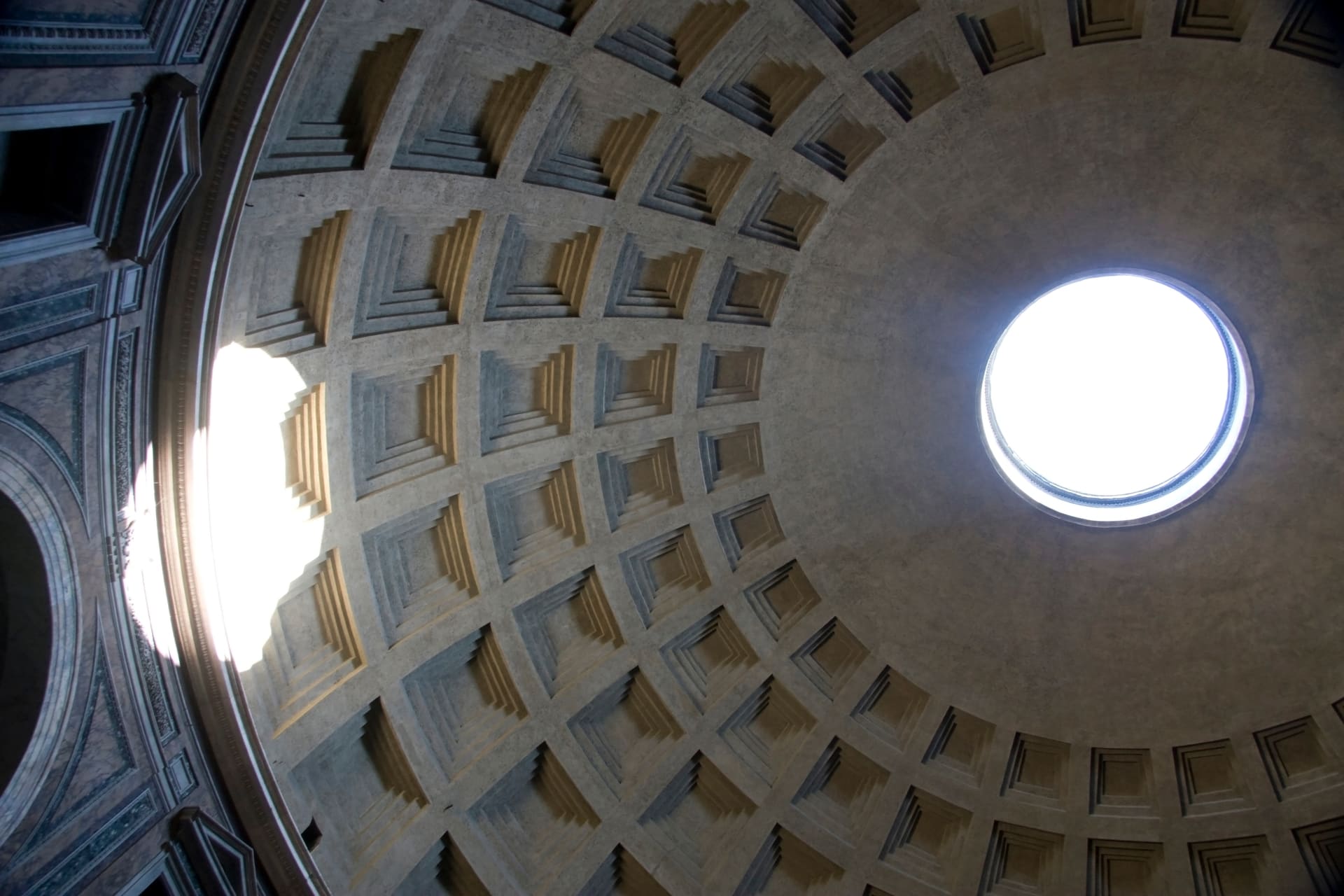
 Pantheon Dome, Rome
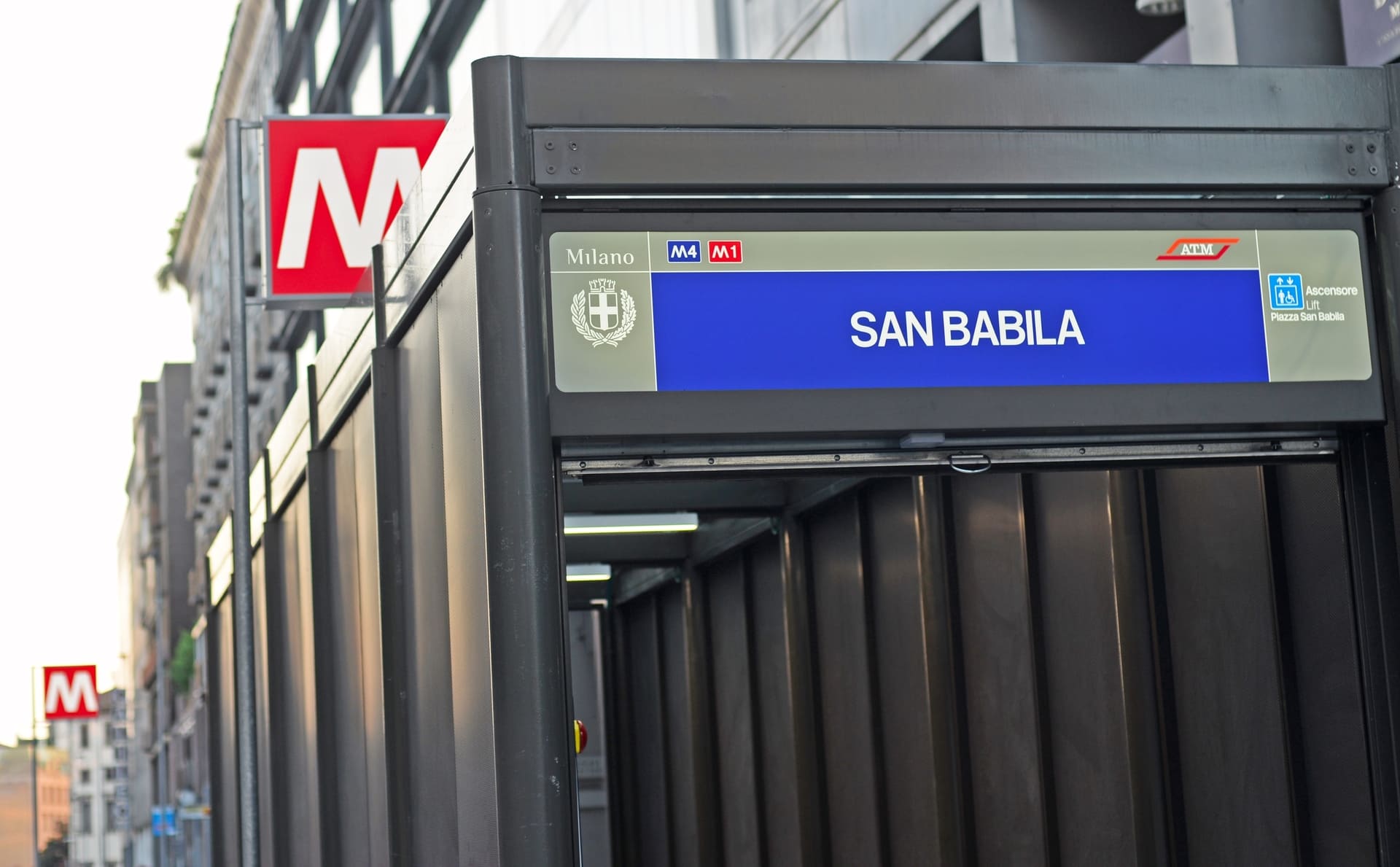 San Babila Station, M4, Milan
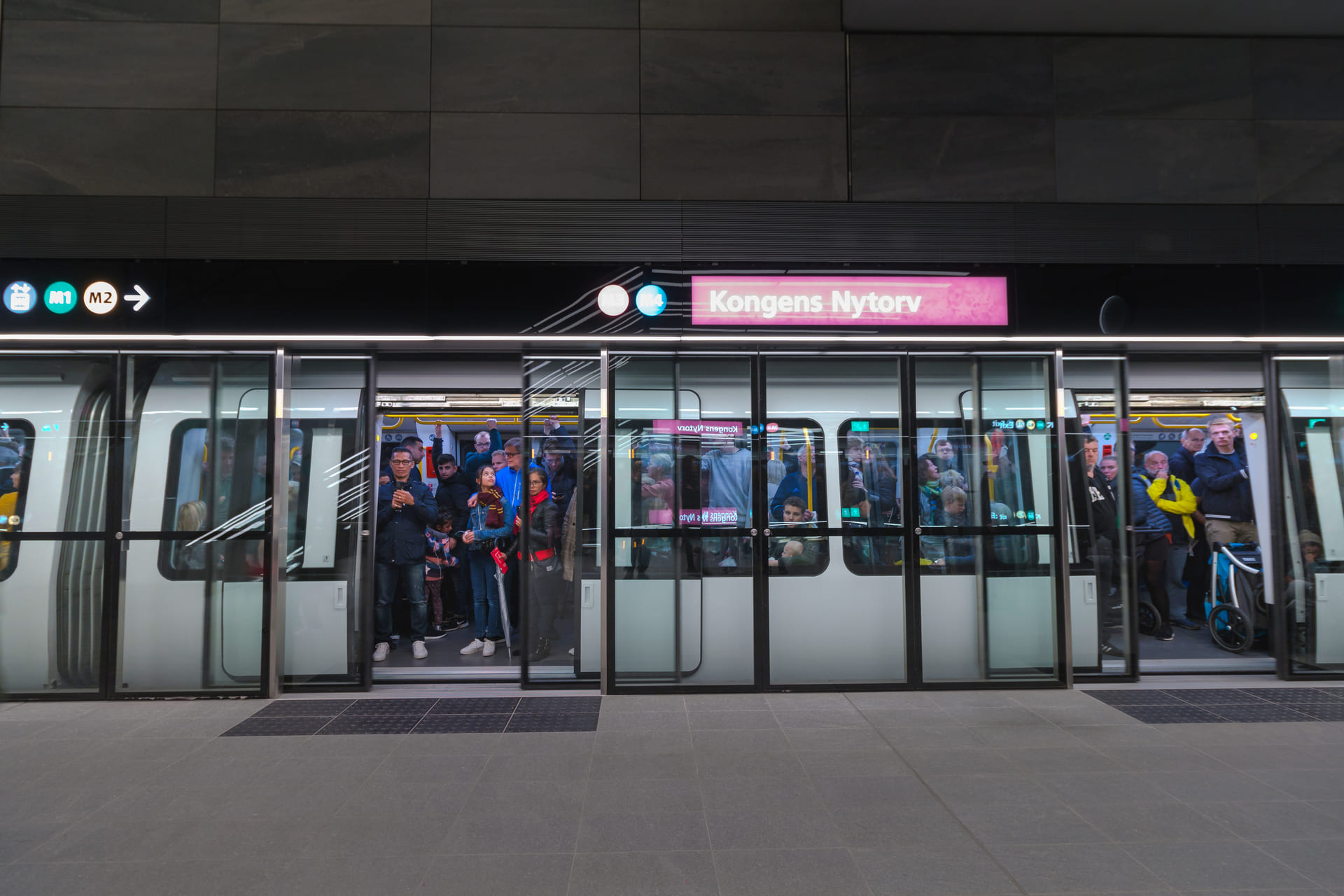 Copenhagen Cityringen Metro
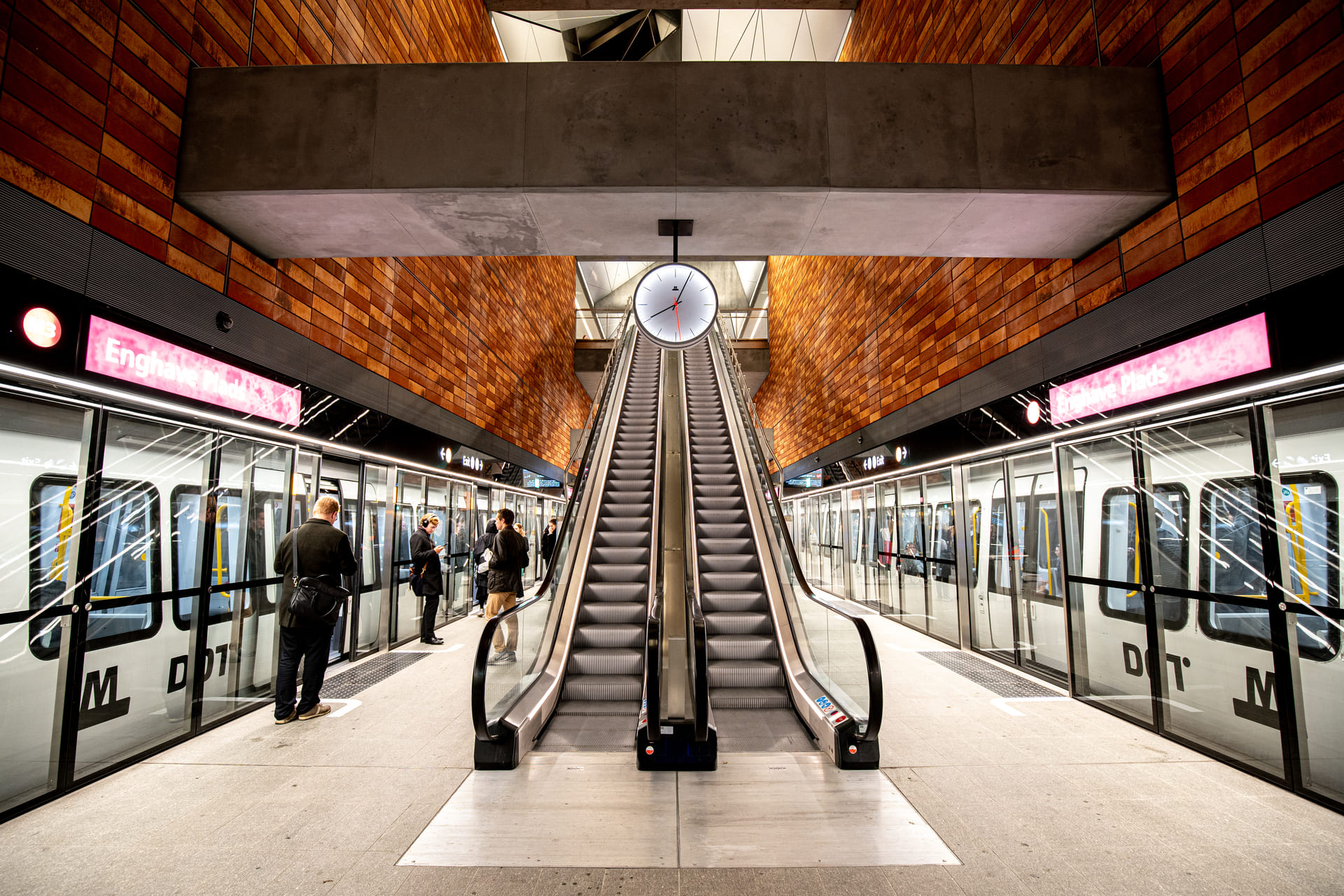 Copenhagen Cityringen Metro
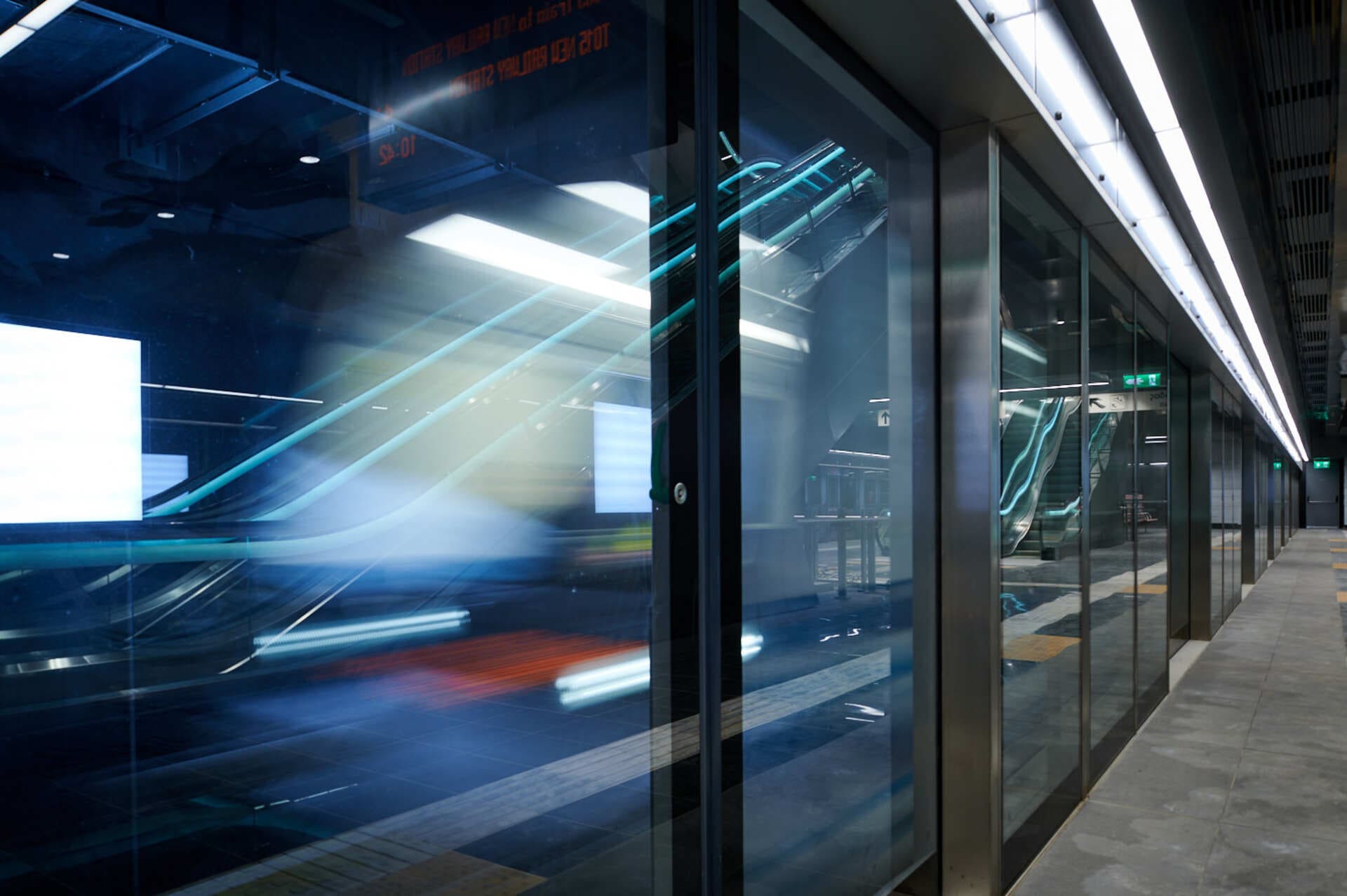 Thessaloniki Metro
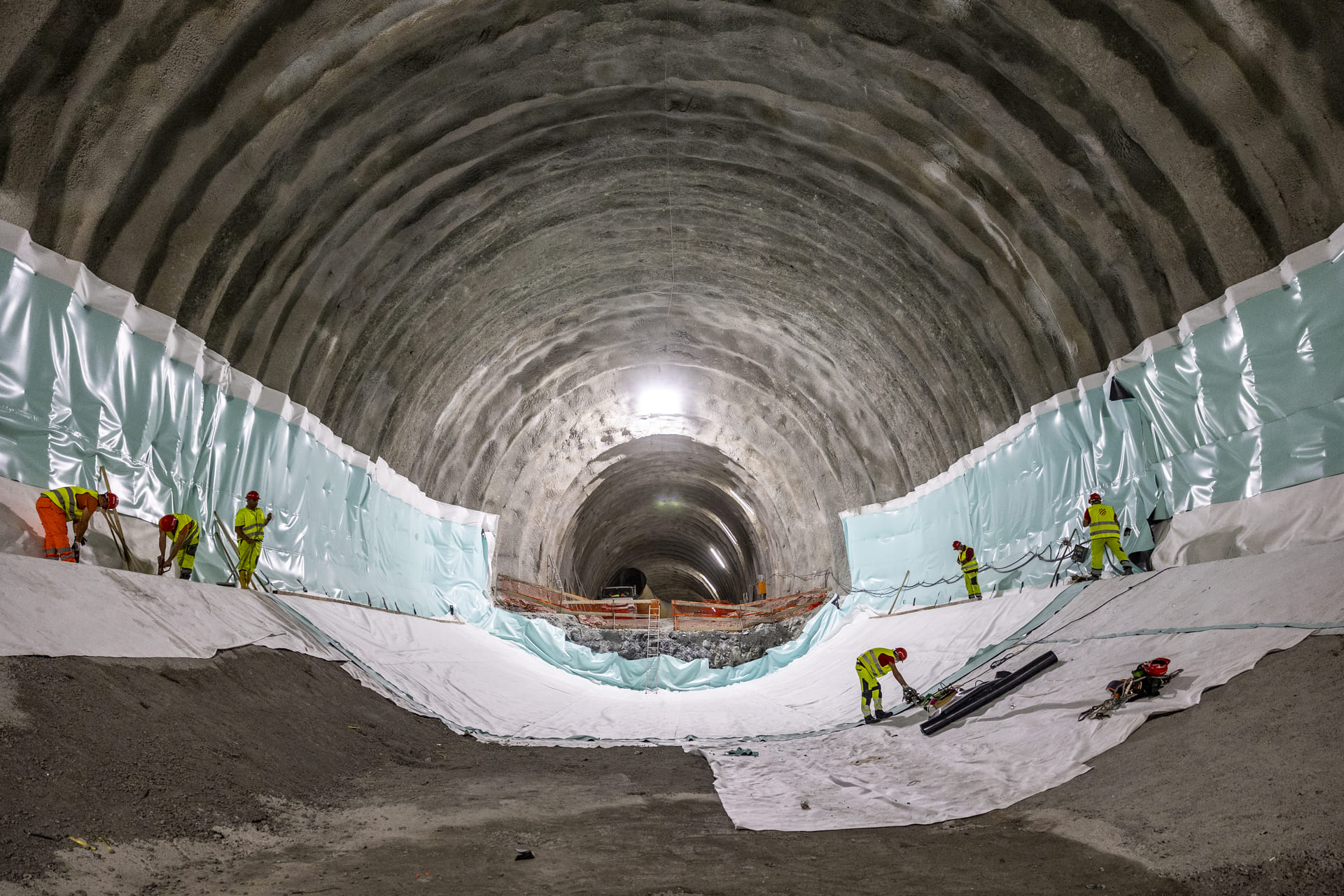 Terzo Valico dei Giovi Construction Site
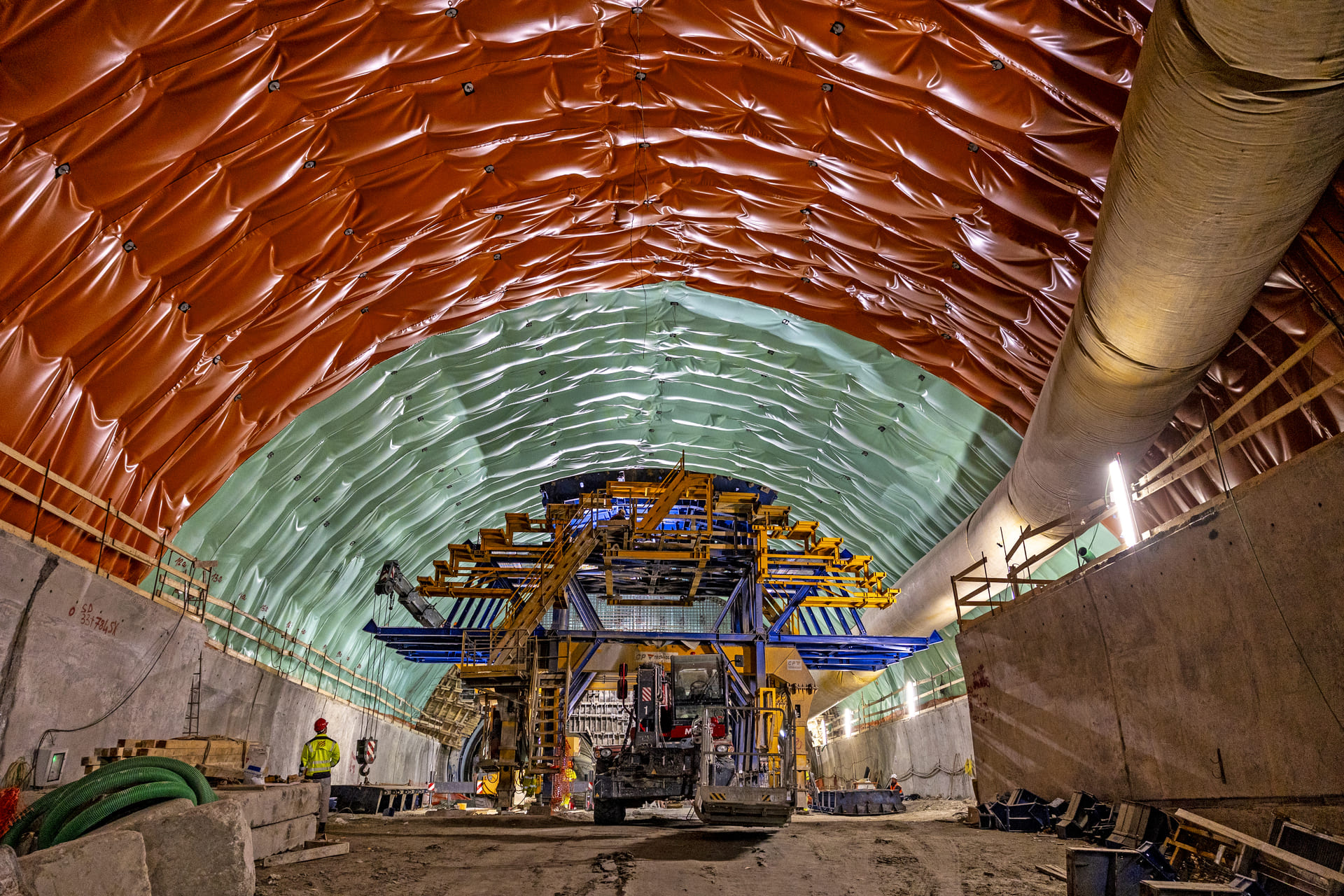 Terzo Valico dei Giovi Construction Site
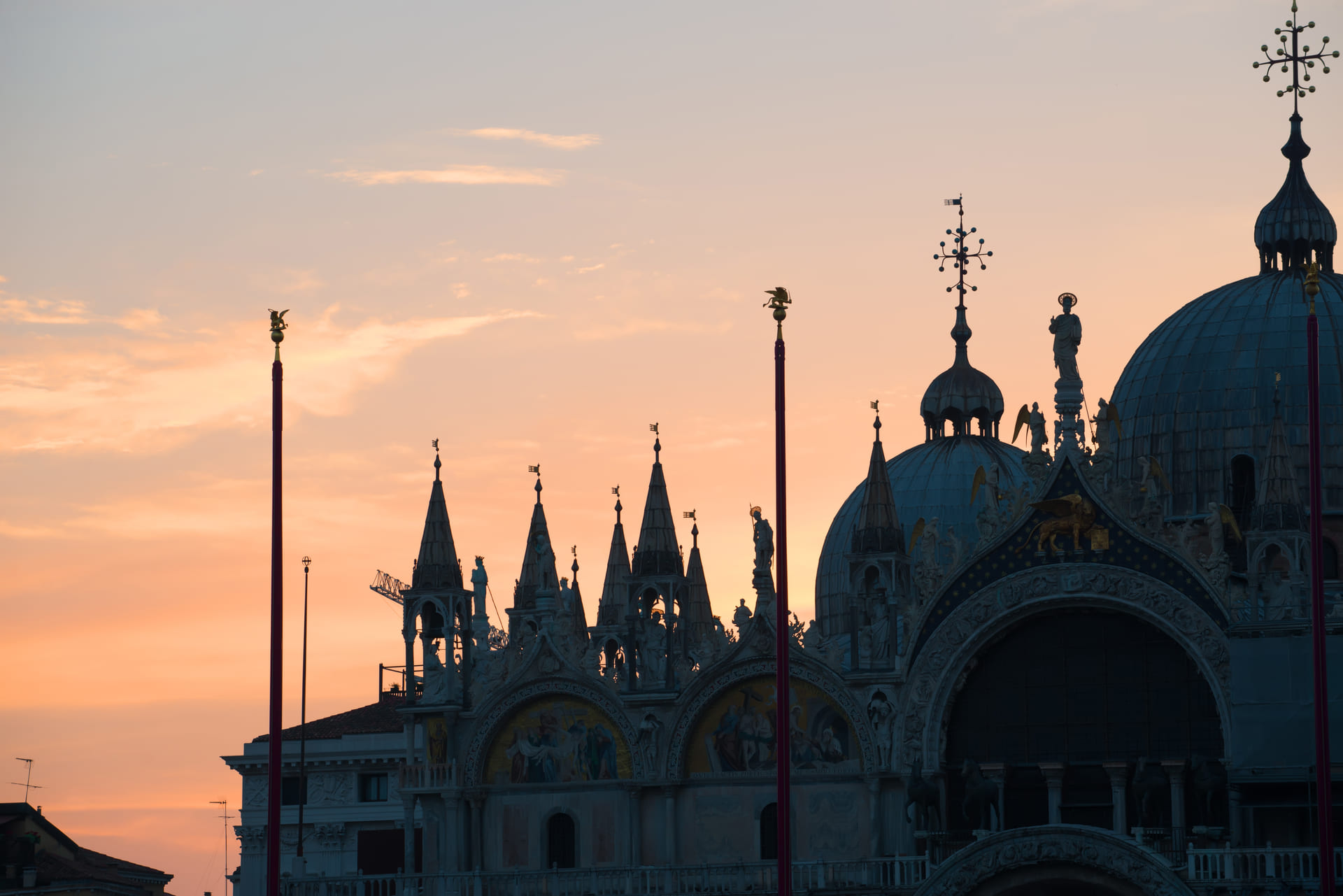 Domes of St. Mark's Basilica, Venice
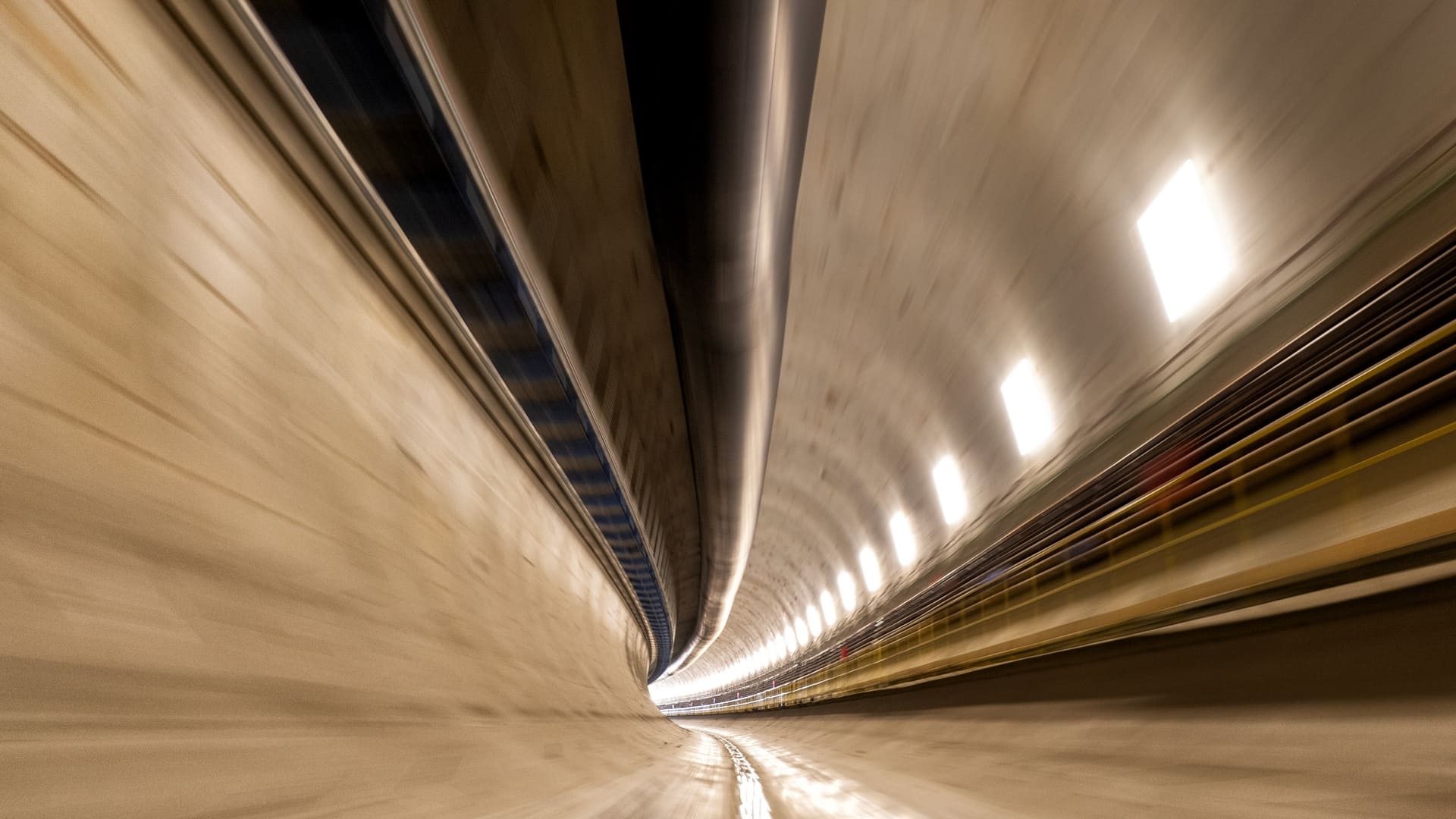 Napoli-Bari High-Speed Railway Tunnel Construction Site
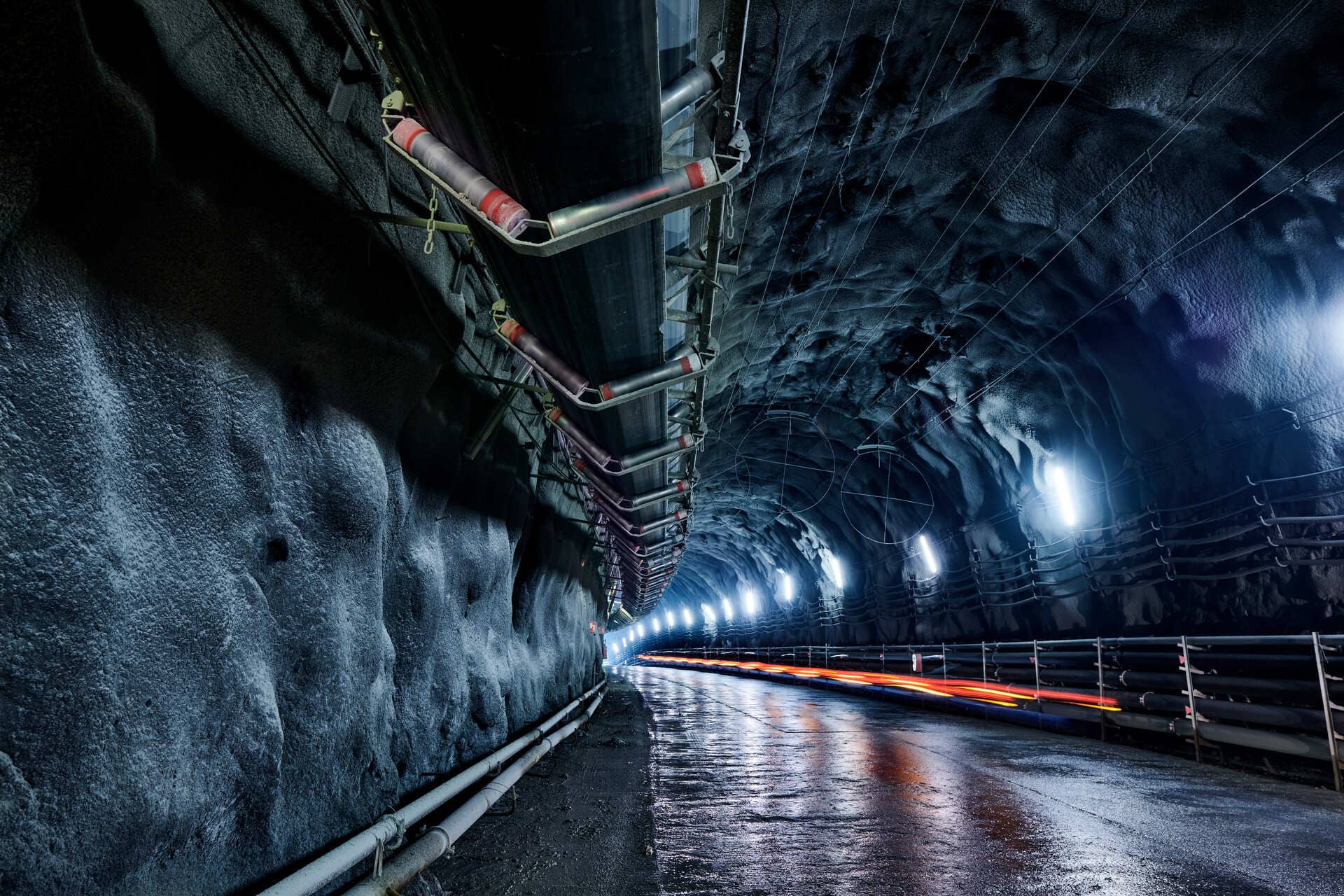 Brenner Base Tunnel
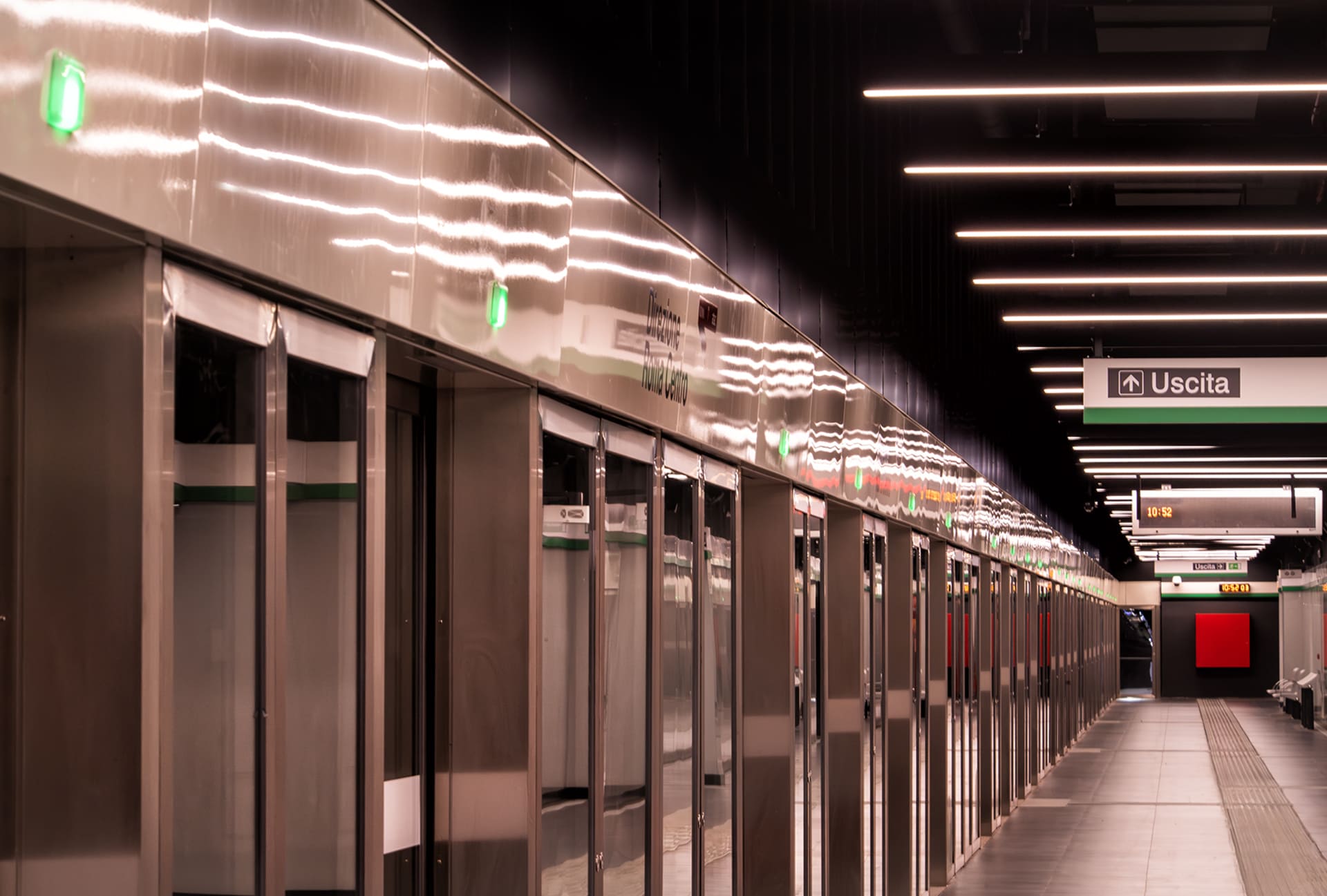 Porta Metronia Station, Rome Metro Line C
 Colosseo-Fori Imperiali Station, Rome Metro Line C
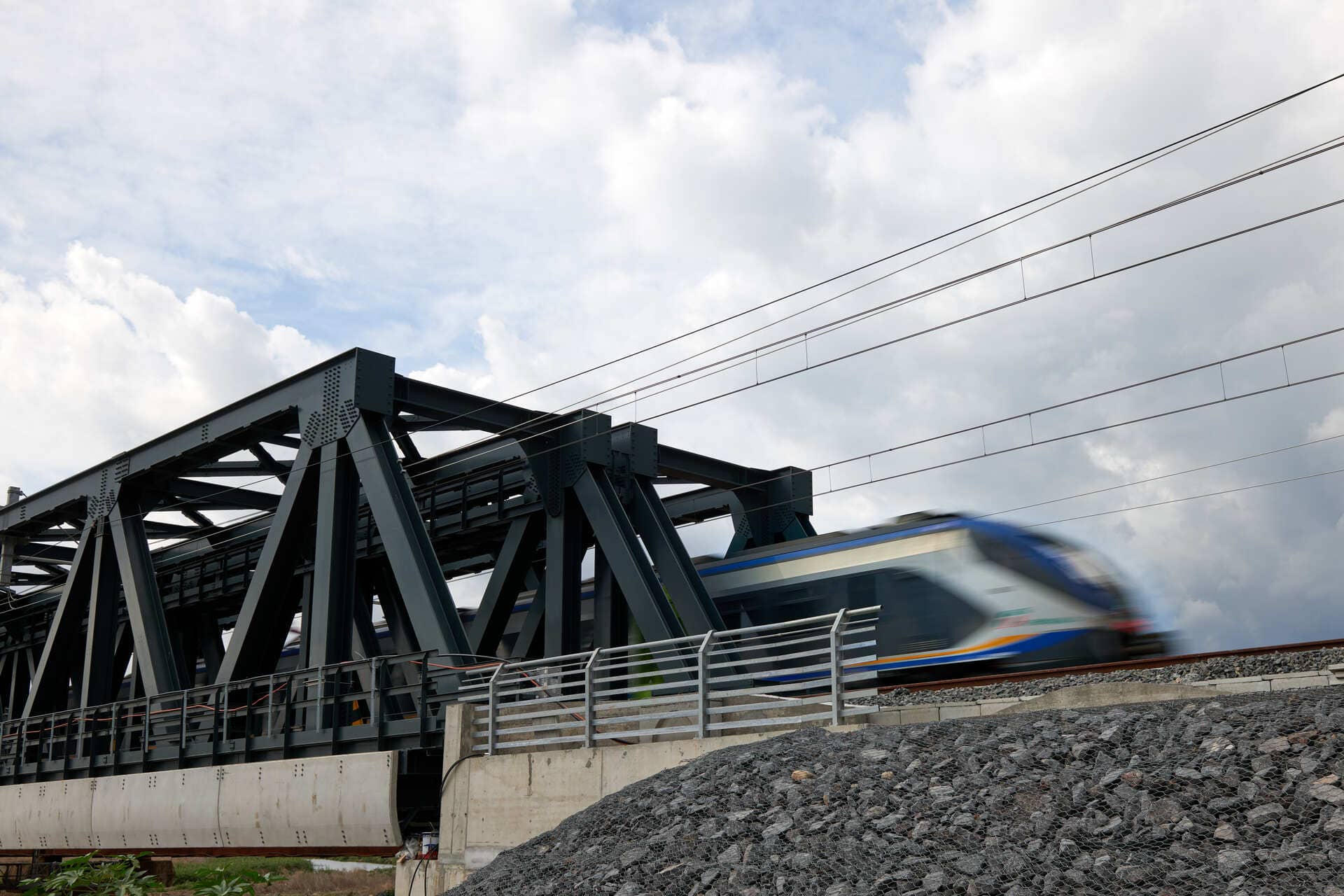 Bicocca-Catenanuova High-Capacity Railway Line, Sicily
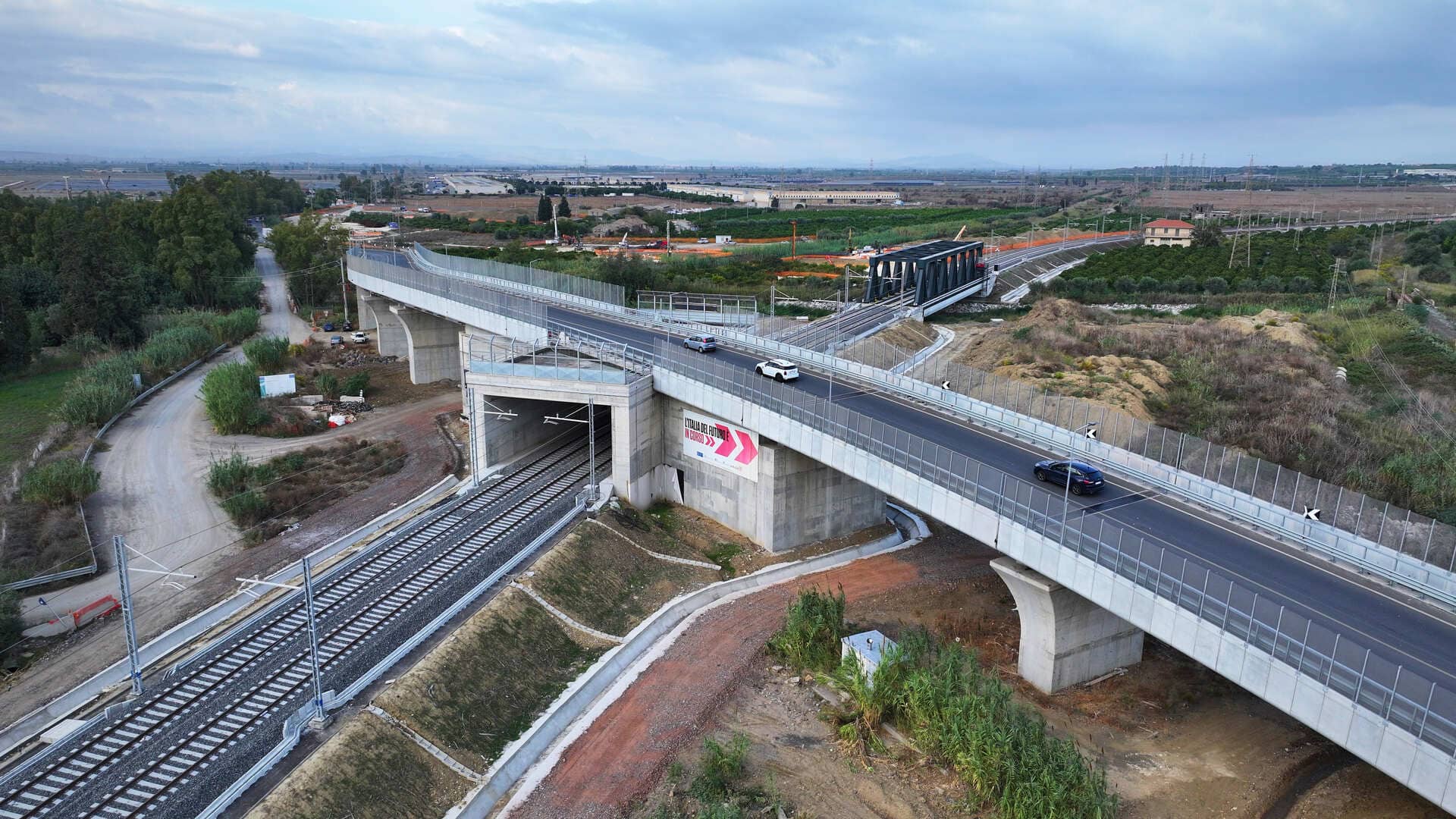 Bicocca-Catenanuova High-Capacity Railway Line, Sicily
- The golden dome of the Italian panettone recalls the great structural archetypes of history, from the Pantheon to contemporary hemispherical roofs.
- The radial geometry of the Pandoro cake echoes the polygonal roofs typical of Venetian architecture.
- Chef Dinara Kasko began her studies in architecture before specialising in the creation of desserts using 3D printing.
- Torrone takes its name from the Torrazzo, the bell tower of the city of Cremona.
- In contemporary patisserie, certain versions of New York cheesecake play with vertical forms that evoke Manhattan’s skyscrapers.

From the dome of the Italian panettone to the clean geometry of the bûche de Noël, architecture and patisserie have more in common than one might imagine. Both build layers, volumes and load-bearing structures, both express deep cultural identities. And today, in the season of Christmas celebrations, the parallel between infrastructures designed to connect entire communities and the distinctive elements of culinary and family traditions reaches its fullest expression.
In Italy, the most classic example is the Panettone of Milan, whose original recipe for a sweet bread dates back to the fifteenth and sixteenth centuries, probably to the court of Ludovico il Moro. Its now-iconic shape, a symbol of the city, was conceived in 1919 by the brilliant pastry-chef-cum-architect Angelo Motta, who designed it with a dome, almost as though he wished to bring the domes of the city’s churches to the tables of his fellow Milanese.
The panettone bread’s golden dome recalls the great structural archetypes of history, from the Pantheon to contemporary hemispherical roofs. It is no coincidence that many pastry chefs use CAD moulds and architectural geometries to recreate perfect, regular shapes.
The purity of the dome resonates around the world and, in Milan in particular, echoes the regularity and stratified design of the new metro stations—such as Line M4 built by the Webuild Group—with their overlapping volumes, cavities and harmonious geometries reminiscent of a cake’s cross-section.
From Pandoro Cake to Torrone, the Infrastructure that Inspired Timeless Desserts
An equally architectural lineage, again in Italy, can be seen in another Christmas dessert, the subject of endless debate among sweet-toothed enthusiasts: which is better, the Milanese Panettone or Verona’s Pandoro?
The latter, created in 1894 by master pastry chef Domenico Melegatti and designed by artist Angelo Dall’Oca Bianca, has a remarkable architectural shape: a truncated star-shaped pyramid with eight points.
The radial geometry of the pandoro cake recalls the polygonal roofs of Venetian architecture, which, in this case, can also be found mirrored in the vast underground halls of modern metro stations.
The Christmas torrone is no less “structural”. Originating from ancient Arab traditions based on honey, almonds and egg whites, the Italian nougat arrived in Italy in the Middle Ages and became a protagonist in 1441 during the wedding of Bianca Maria Visconti and Francesco Sforza in Cremona. For the occasion, a dessert was served modelled on the Torrazzo, the city’s famous bell tower: hence the name “torrone”.
Its compact, honeycomb structure resembles the modular linings of modern large tunnels. From its very origins, it has united flavour and infrastructure.
Sweetness and engineering, after all, speak the same language: the language of internal balance. Consider the Yule Log, known in France as the bûche de Noël. This festive staple derives from ancient Celtic and Northern European traditions, which involved burning a great log on Christmas Eve to celebrate the return of light.
Parisian pastry chefs transformed that ritual—impossible to perform in modern homes without a fireplace—into a dessert shaped like a log, with a semicircular section that evokes the profile of railway or road tunnels.
From 3D Printing to AI: Where Pastry Art Meets Infrastructure
The patisserie–engineering pairing, thanks also to new graphic technologies and the advent of AI, can be seen in the work of modern pastry chefs. One example is the young Ukrainian Dinara Kasko, who began studying architecture before specialising in the creation of desserts using 3D printing to design geometric shapes inspired by the construction of tunnels, bridges and contemporary infrastructures.
In the world of patisserie and pastry art, there are genuine edible bridges: beams in tempered chocolate, arches in pulled sugar, stays in transparent isomalt.
In the United States, the Bundt Cake, with its fluted ring, evokes the cross-section of a tunnel or the crown of a large dome, while the Jell-O moulds of the 1950s often imitated arches, bridges and pop-style towers. In contemporary patisserie, some versions of New York cheesecake play with vertical forms reminiscent of Manhattan’s skyscrapers.
In Asia, the soft Japanese Castella Cake recalls the linear modularity of traditional wooden structures. Chinese mooncakes, with their geometric reliefs, resemble miniature sculpted façades. While the Malaysian-Indonesian Kue Lapis, with its horizontal layers, mirrors the stratified sections of major underground excavations.
Desserts that, each in their own way, speak the same language as built forms—edible architectures born from the belief that structure, even in a sweet, is a poetic gesture before it is an engineering one.