


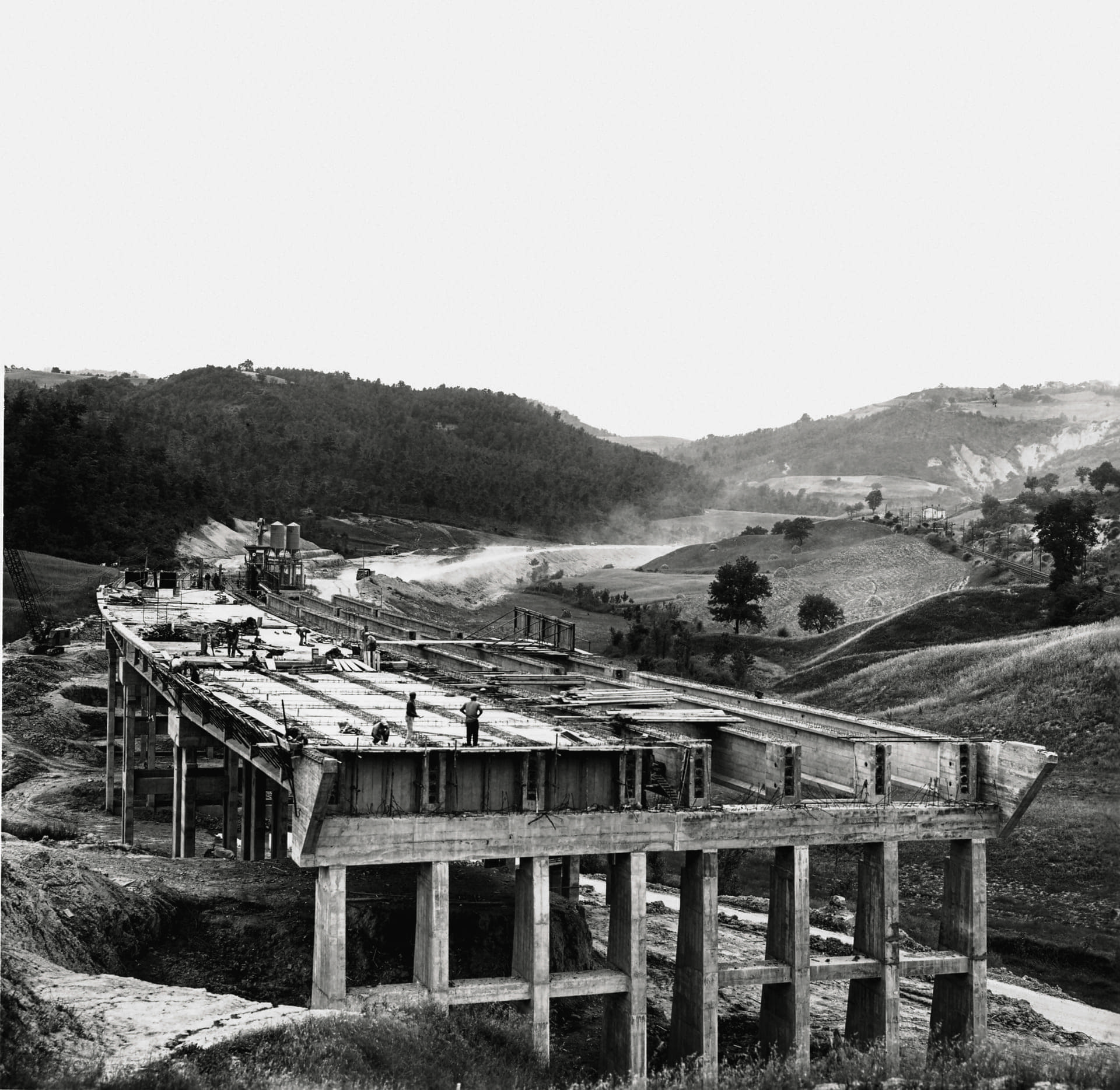
 Autostrada del Sole A1, Italy, 1964
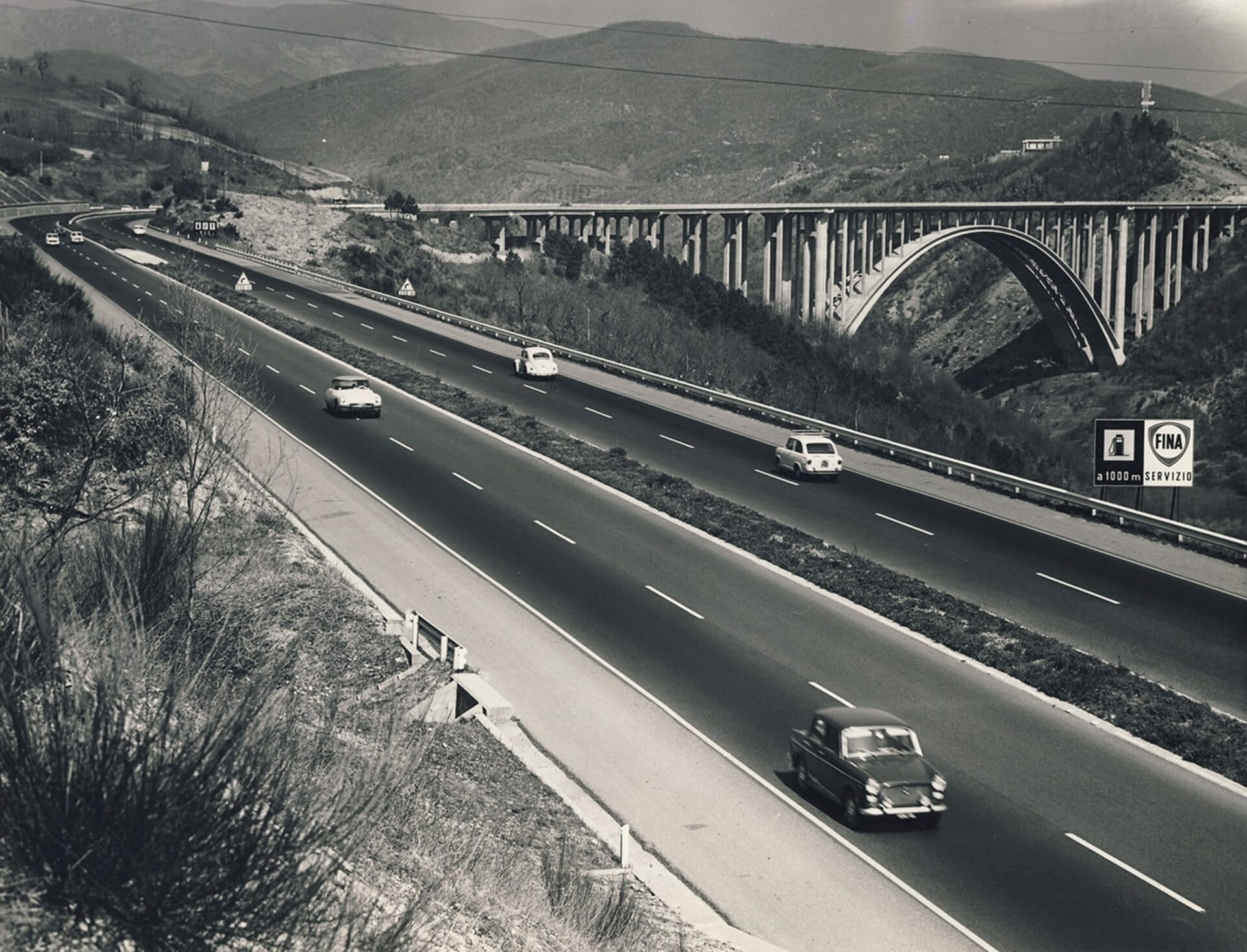 Autostrada del Sole A1, Italy, 1964
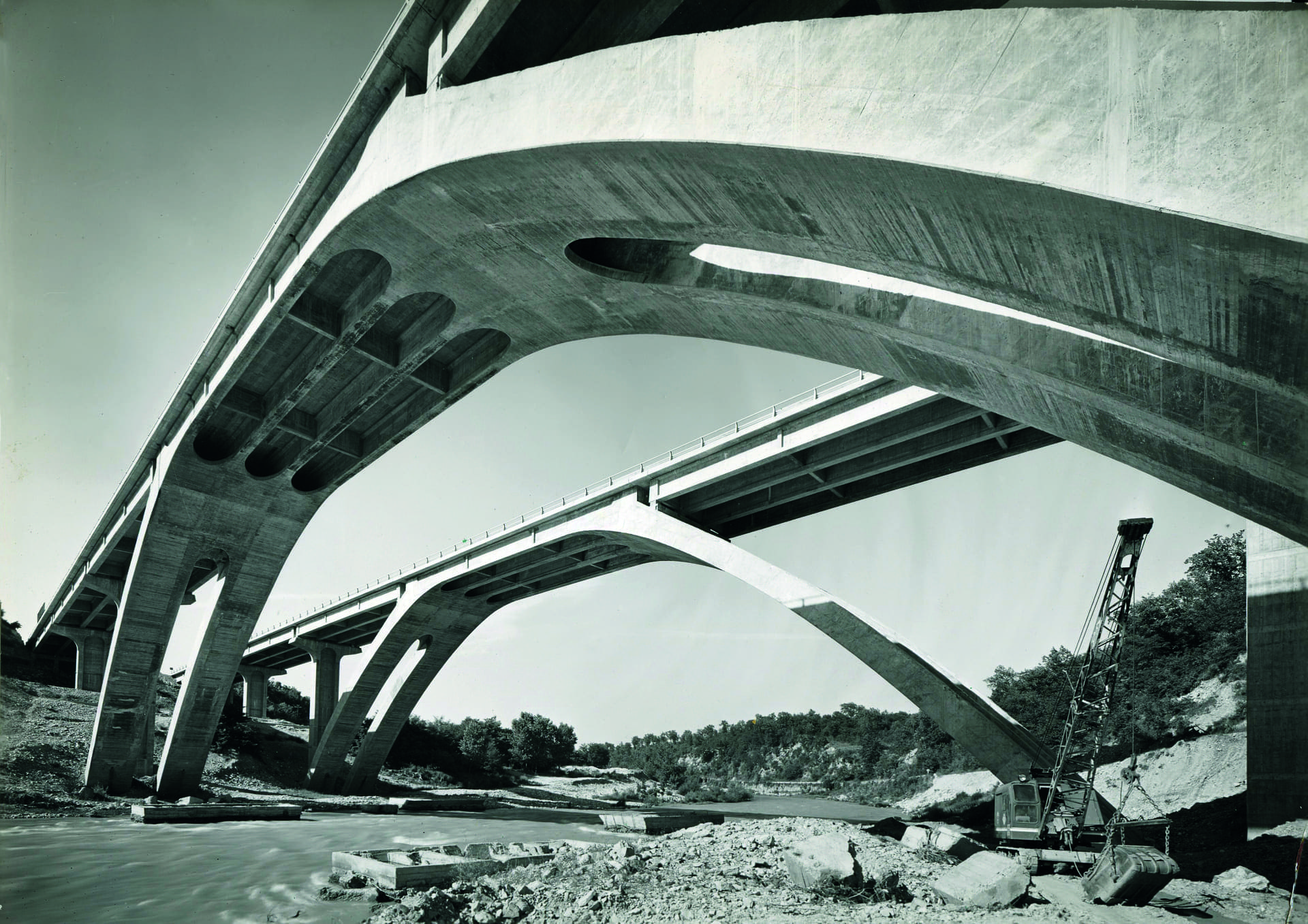 Autostrada del Sole, Incisa Valdarno section, Italy, 1964
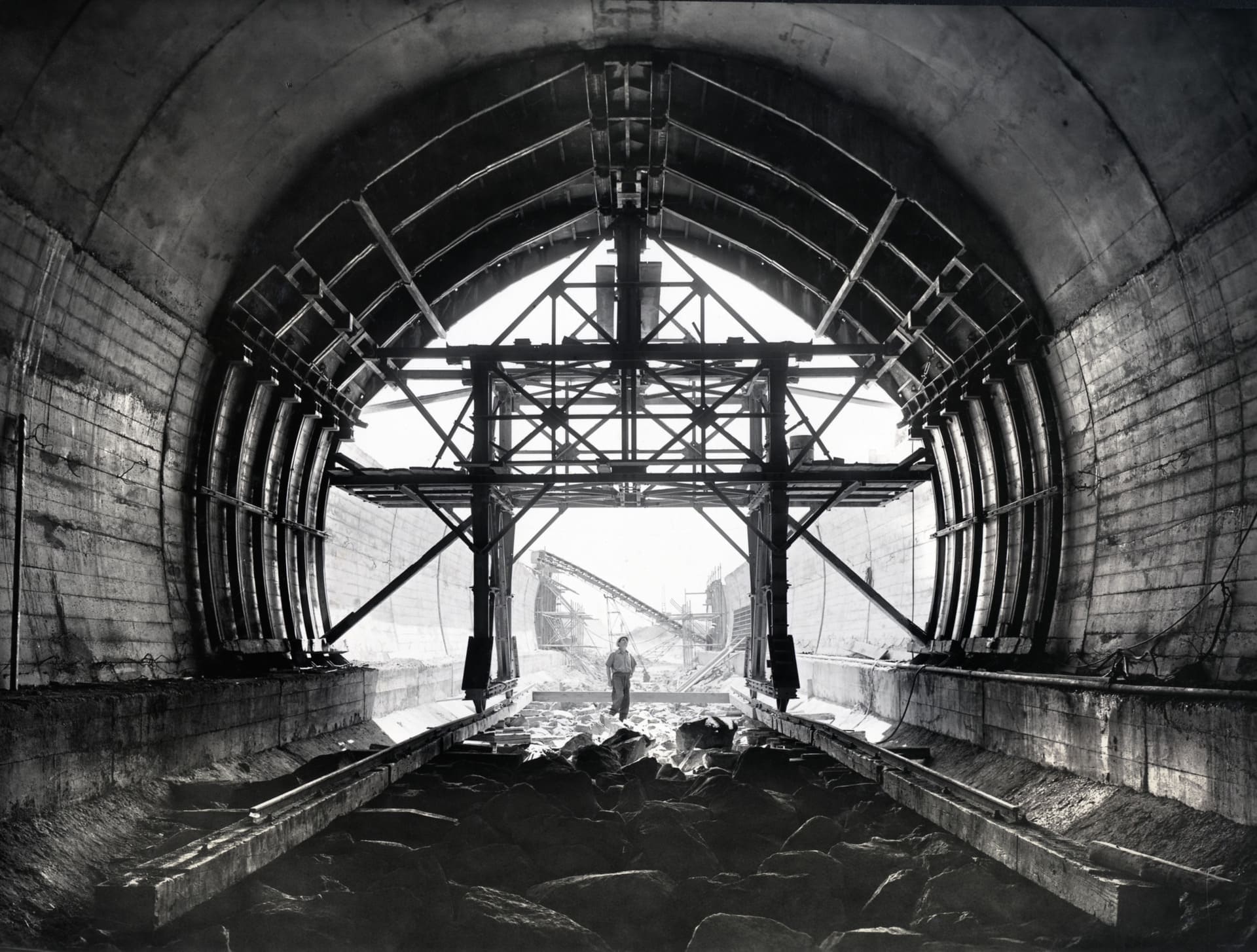 Autostrada del Sole, Piombinara-Capua section, Italy, 1961
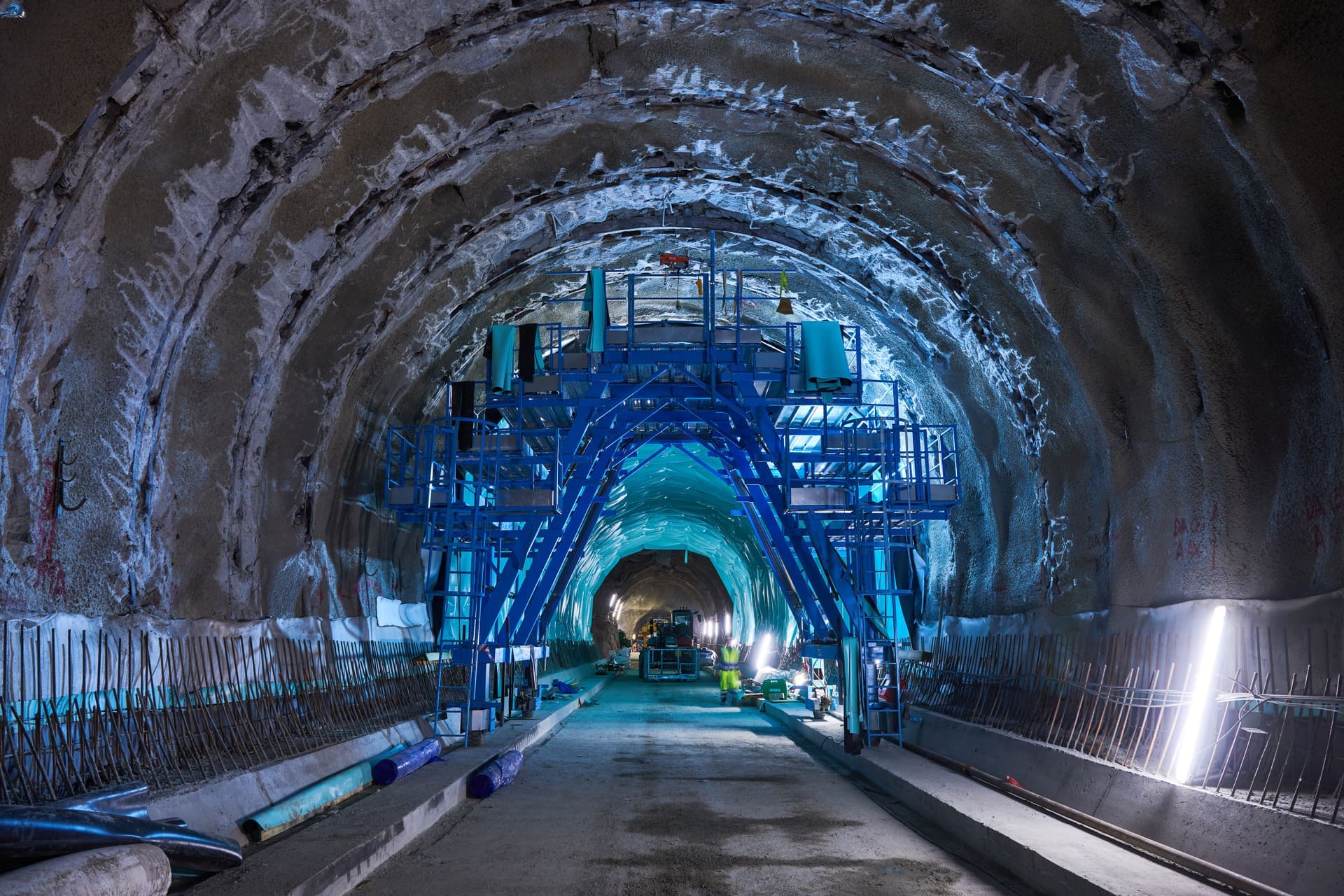 Construction site of the Brenner Base Tunnel, Austria–Italy
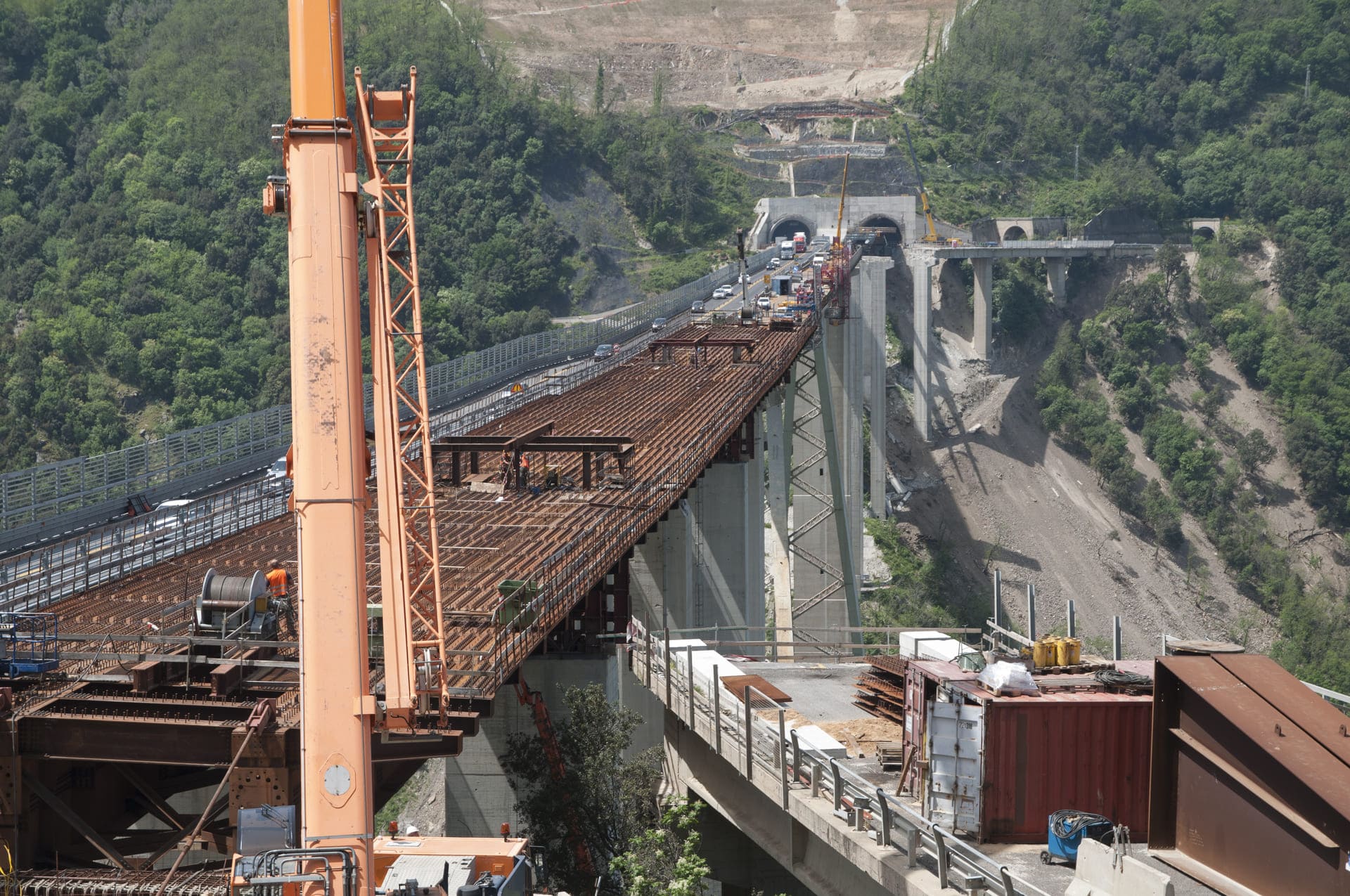 Sfalassà Viaduct, Italy, 2012
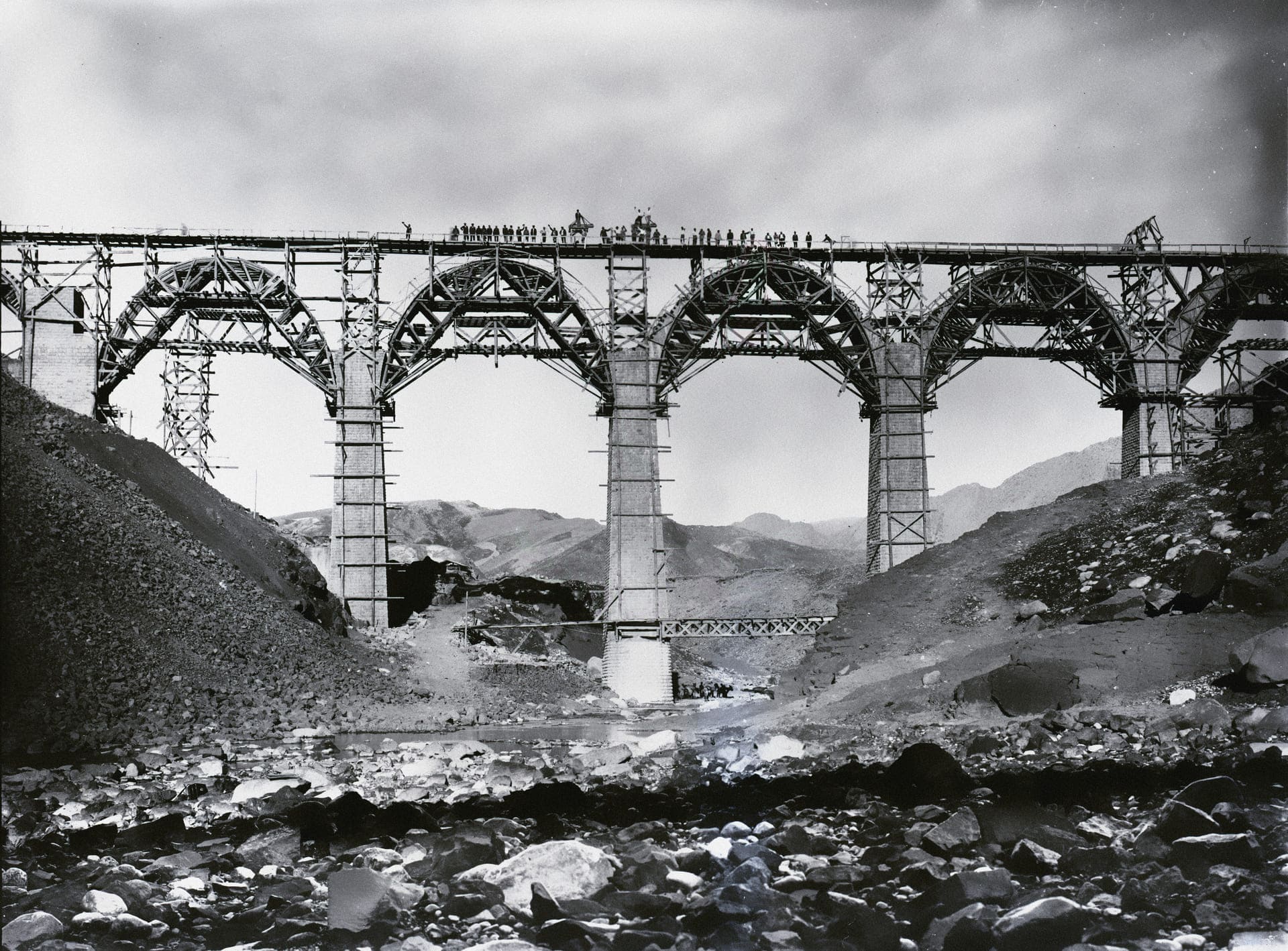 Trans-Iranian Railway, Iran, 1936
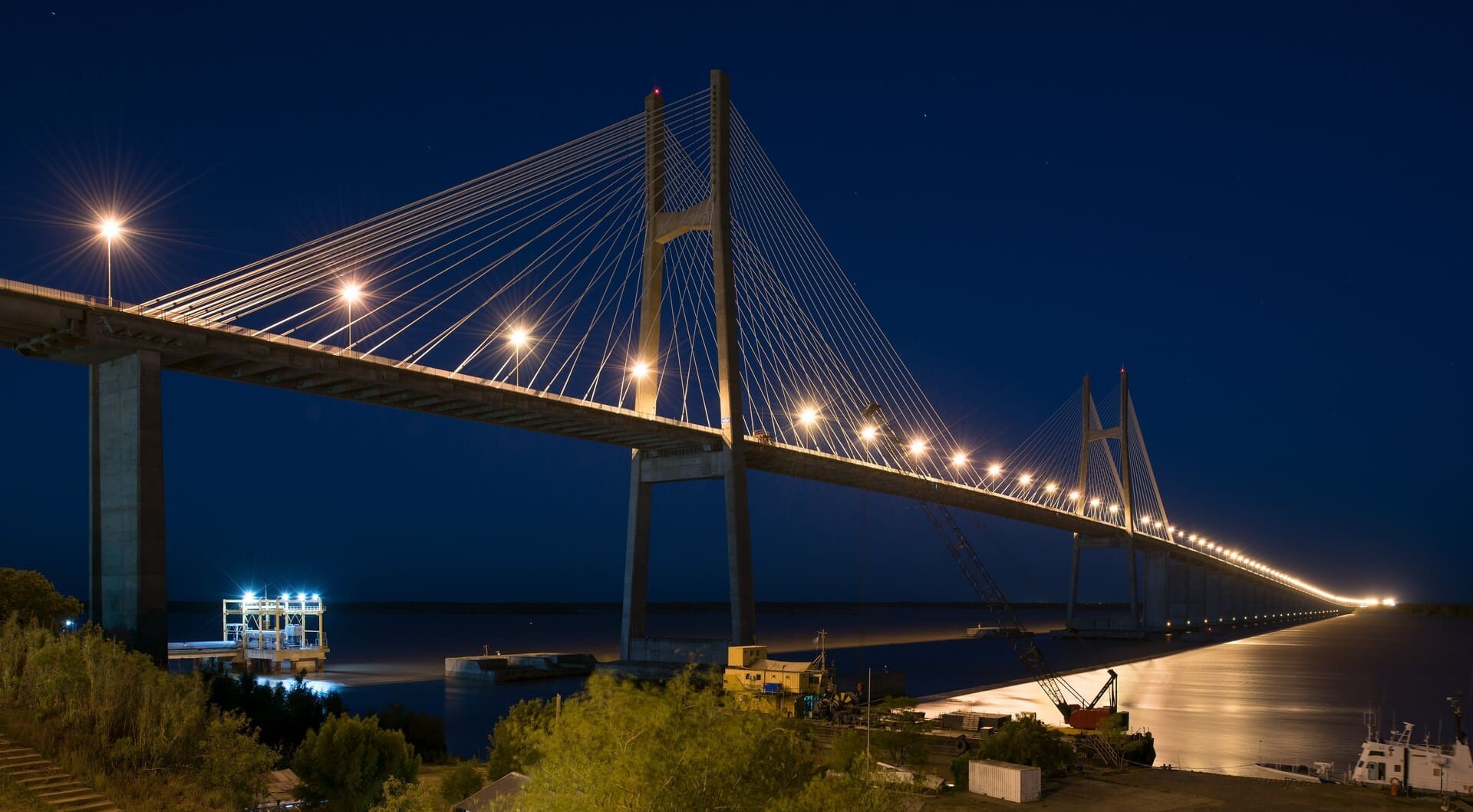 Rosario–Victoria Bridge, Argentina, 2003
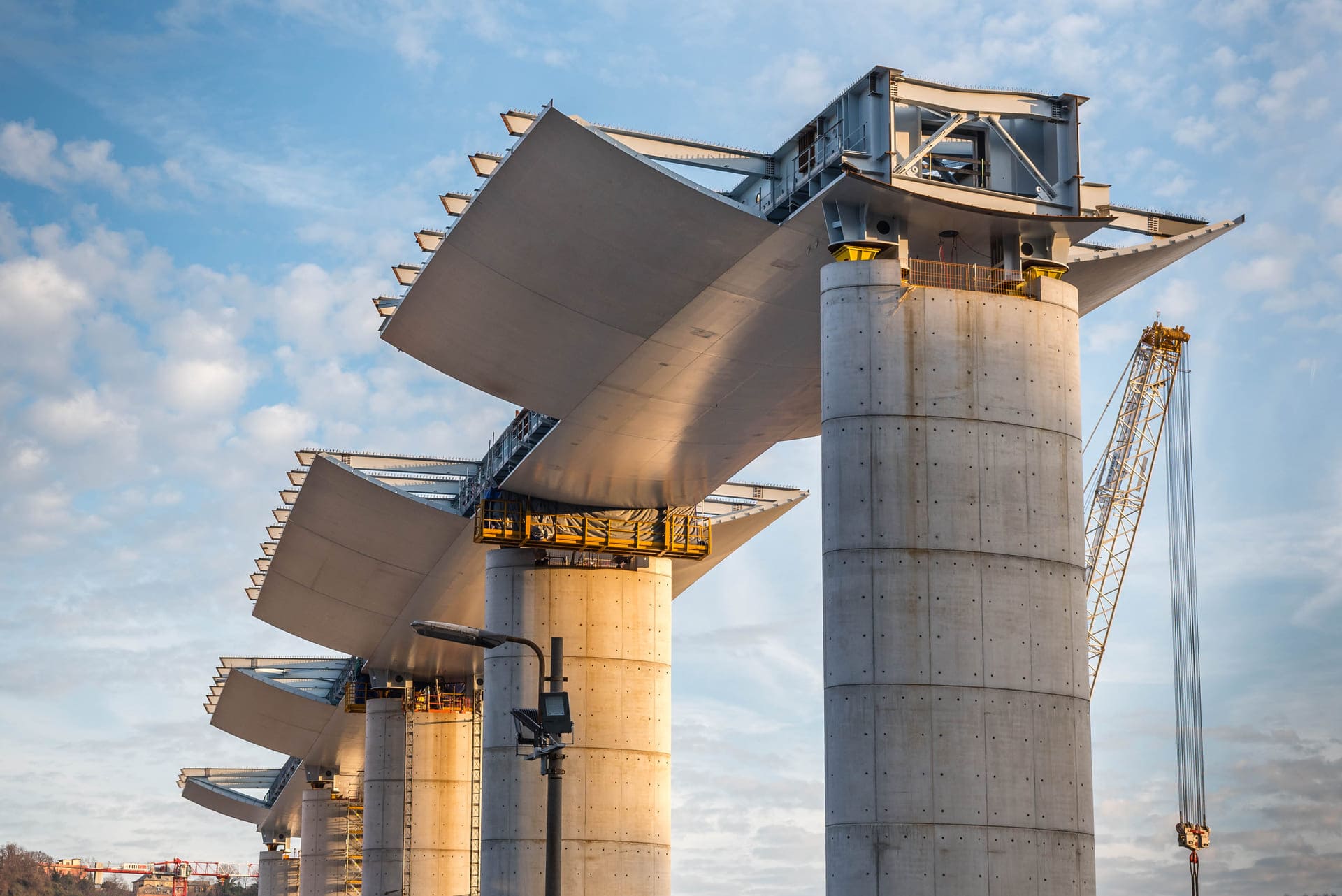 Genova San Giorgio Bridge, Italy, 2020
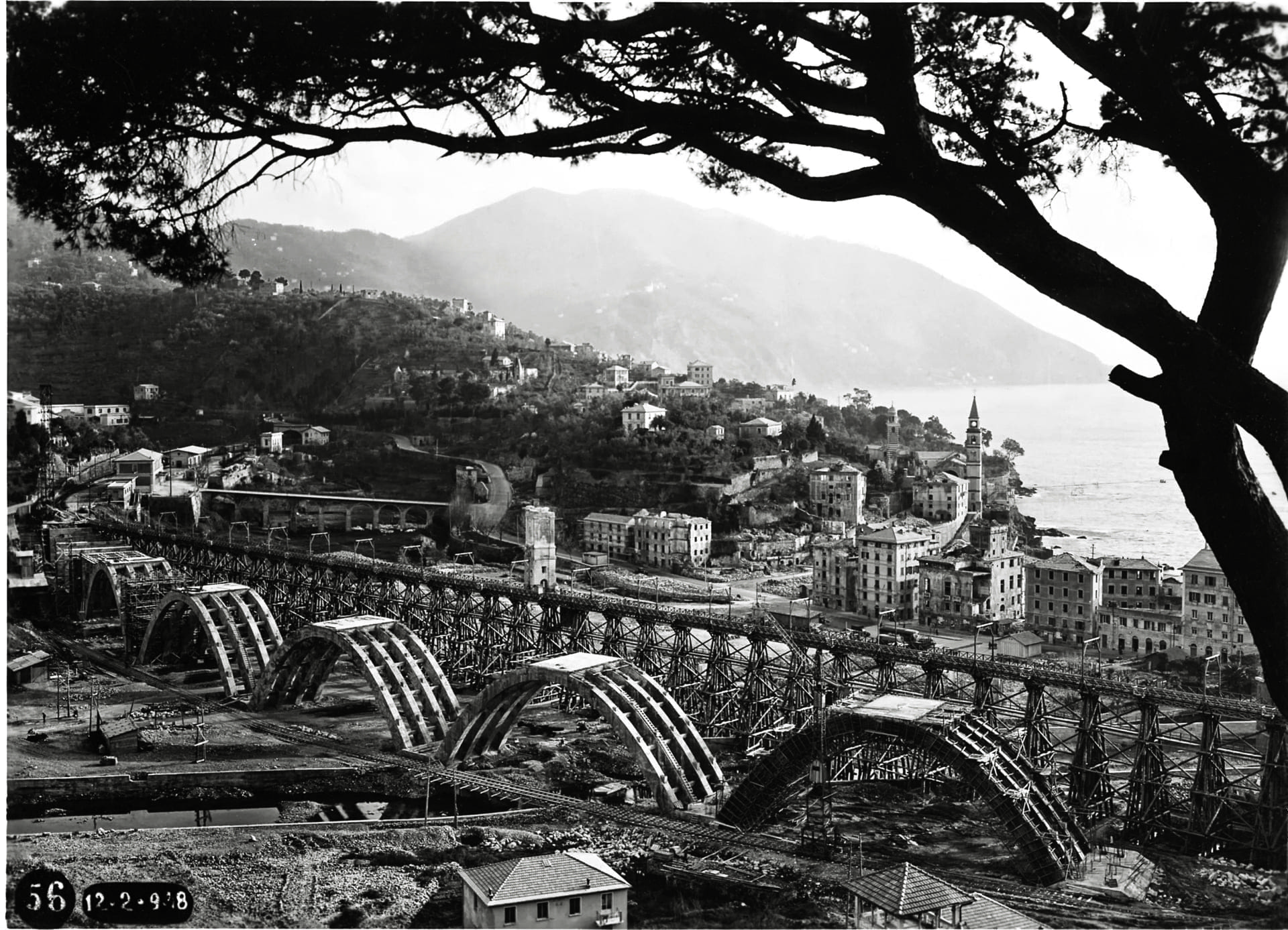 Genoa–Livorno Railway, Recco Station, Italy, 1945
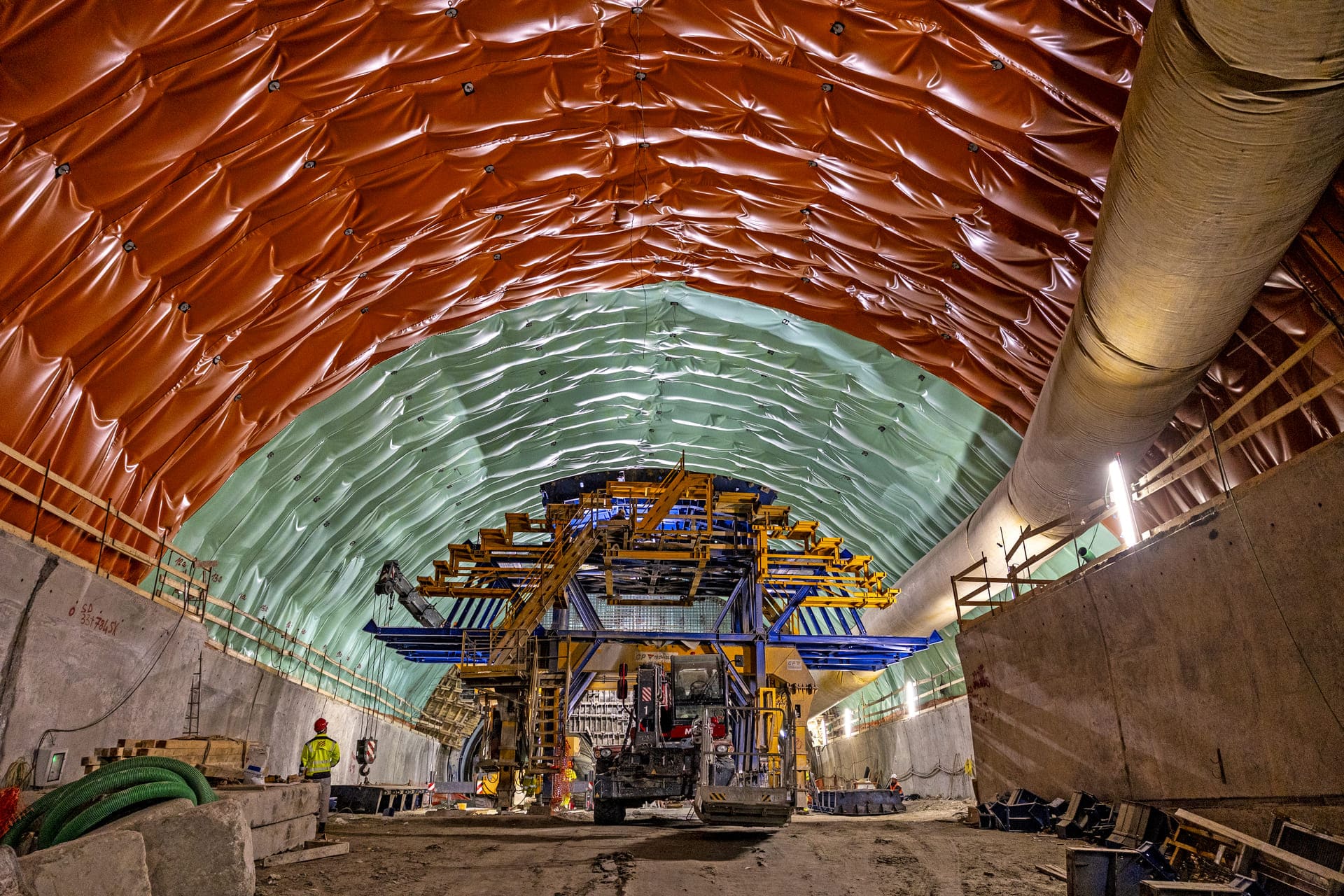 Construction site of the Third Pass Unique Project, Genoa Hub, Italy
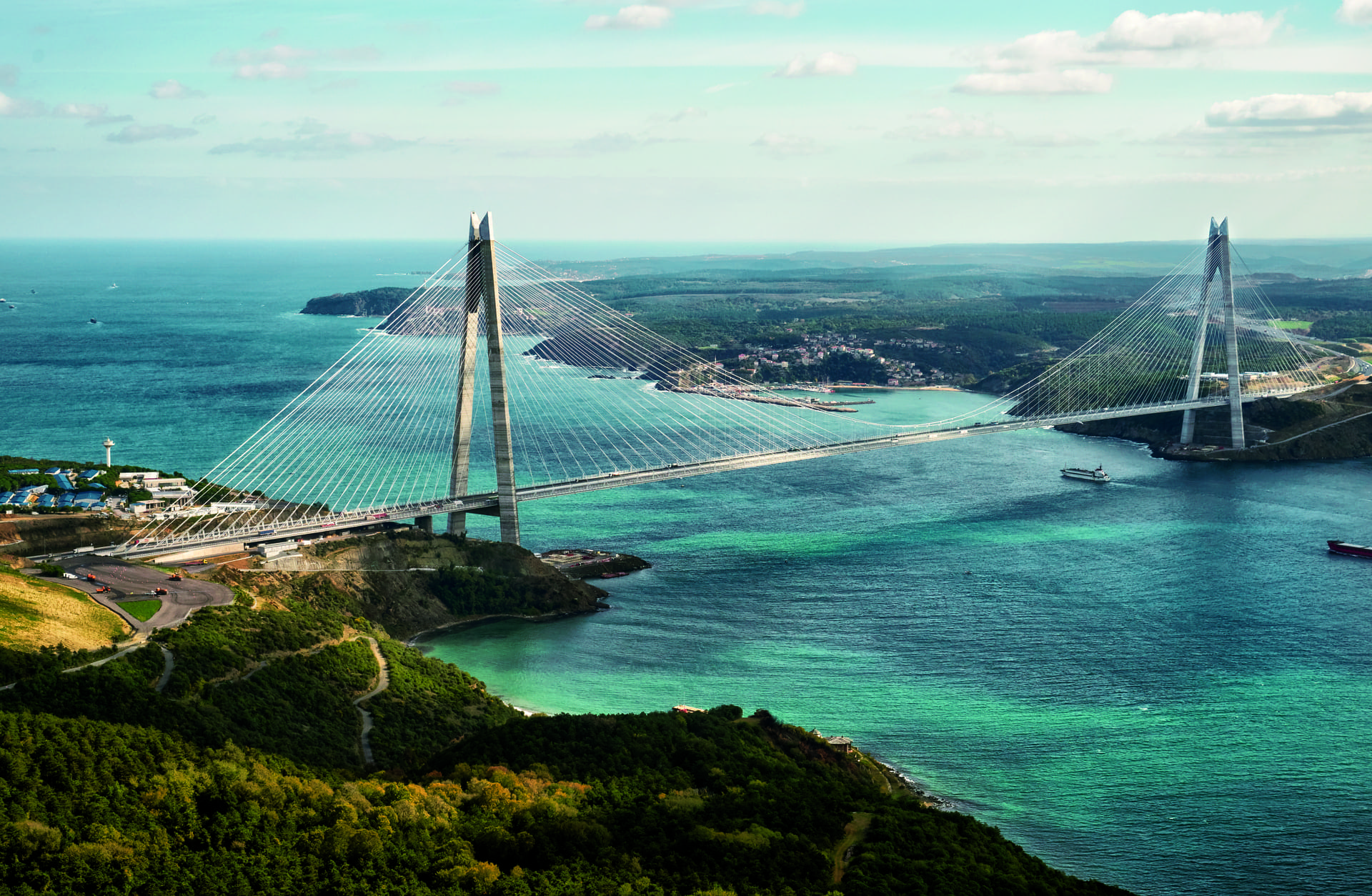 Third Bosphorus Bridge, Turkey, 2018
 Evolutio, digital Museum of the infrastructure
- In his contribution published in the book Evolutio, Jeffrey Schnapp opens up new ground in the way major infrastructure projects are narrated
- The term “infrastructure” enters the Italian lexicon in 1947, but in the second half of the twentieth century becomes the key to explaining how modern society functions
- The Autostrada del Sole (1956–1964) is an Italian road that became a manifesto-work of the boom years: 755 km, over 400 bridges and dozens of tunnels, a symbol of an Italy that connects and accelerates
- Today the decisive shift is “from bridges and motorways to data networks”: the most transformative infrastructures are often invisible, like the information superhighways
- Italy’s new challenge is to turn memory into energy for the future, a theme at the heart of the Evolutio exhibition opening in Milan on 11 February
read more

For many decades, public infrastructure has been described as a display of strength: an idea of progress that imprints itself on the landscape and changes it forever. Bridges, roads, railways, tunnels, dams, viaducts: construction works that have redrawn maps and habits, turning distance into time, borders into crossings, nature into system.
Yet today, the very word “infrastructure” is no longer merely a technical category. It is becoming a cultural lens, a mirror through which we can read the way we live and move, but also the way we remember, preserve and pass things on.
This is the trajectory traced by Jeffrey Schnapp, founder and director of Harvard University’s MetaLab, in his contribution published in the volume Evolutio. Building the future for the last 120 years, the book published by Rizzoli and commissioned by Webuild that recounts how critical infrastructures delivered by the Group over more than a century have contributed to economic, social and cultural development.
Within the book, Jeffrey Schnapp explores the strategic value of infrastructure development starting from the term itself. “Infrastructure” is a young word, a child of industrialisation, which entered the Italian lexicon late, almost on tiptoe, and for that very reason is revealing.
“The term,” writes Schnapp, “makes its late appearance in the Italian language: according to most sources, it appears for the first time in 1947 in an issue of the Rivista militare italiana.”
It is, however, in the second half of the twentieth century that infrastructure ceases to be merely a base, an invisible structure beneath the visible, and becomes an idea of society—what enables people to be a country.
Infrastructure: The Prefix “Infra” and the Hidden Side of Modernity
In his essay, Schnapp reconstructs a crucial transition: the earliest modern infrastructures were often invisible by definition. Water systems, aqueducts, gas pipelines, sewers, concealed urban networks—“out of citizens’ sight”. But alongside these service works, Italy also developed infrastructures that were their exact opposite: feats of engineering as spectacle.
In these infrastructural projects, technology became a national narrative and the landscape was not merely crossed, but reinterpreted. It is here that Schnapp poses a powerful question: what existed before the word “infrastructure” in the Italian context? And the answer is a list that is already a story in itself: from the Fréjus railway tunnel, “the longest in the world at the time”, to the modernisation of ports, through to the great railway networks and land-reclamation policies.
At that time, a different idea prevailed: “basic works”, “public works”. A definition that spoke of a country under construction and, at the same time, of a collective promise: what is built is not only for those who use it today, but for those who will inherit it tomorrow.
The Autostrada del Sole: Infrastructure as Manifesto
If there is one work more than any other that functioned as a bridge between imagination and reality, it is the Autostrada del Sole, the transportation infrastructure that came to embody a precise moment in Italian history: the economic miracle, the idea of a country picking up speed.
Schnapp’s account of this Italian road is dense with detail and symbolism: begun in 1956 and completed in 1964, “in the form of a continuous ribbon of 755 kilometres”, running over “more than four hundred bridges and dozens of tunnels”, linking Milan and Naples. But above all, it was a work conceived as both an industrial and a cultural system, sustained by an alliance between major companies and institutions.
Not a simple road project, but “at once showcase and manifesto”. An Italian Highway that put new techniques on display—monumental arches, concrete structures and spans reaching up to 160 metres. And one that, even before its inauguration, entered an international circuit of the imagination, with drawings and models exhibited at New York’s MoMA in 1964.
From Bridges and Highways to Data Networks: A Leap Forward for Critical Infrastructure
As the decades pass, infrastructure ceases to be solely a physical body and becomes a network that runs through the air, through gestures, even through the biological lives of individuals.
“The evolution of human works,” Schnapp explains, “marks the shift from bridges and motorways to data networks”, thus pointing to the profound change of our time: today, the most transformative infrastructure is not necessarily what we see, but what we no longer see.
This is the fate of telecommunications: once poles and cables, today miniaturised, virtualised systems, ever-present and ever less perceptible. Schnapp captures this shift in an almost poetic formula: asphalt motorways, “too visible”, have been transformed into today’s “invisible information superhighways”. A change that affects not only technology, but the mind.
Digital networks alter how we work and move, certainly, but also our social and cultural interactions, as well as the cognitive rhythm of everyday gestures. Modernity, therefore, is no longer only on building sites, but in constant connection.
Evolutio: A Narrative that Brings Construction Management and Digital Heritage Together
Schnapp’s reflection, within the framework of the book Evolutio and the exhibition promoted by Webuild, opens up new ground in the way major public infrastructure is narrated: no longer just what they connect, but what they enable.
Evolutio, the exhibition that tells how critical infrastructure has accelerated Italian progress and beyond, arrives in Milan on 11 February at the Museo Nazionale della Scienza e della Tecnologia Leonardo da Vinci, bringing with it an idea that now seems increasingly urgent: infrastructures are the grammar through which a society writes its future. But to continue writing it, society must also learn to safeguard what it has already built, and to make it interrogable, accessible and shared.
In the twentieth century, Italy told its story through bridges and motorways. Today, the challenge is more subtle but no less decisive: to build the invisible networks that hold together everyday life, innovation and culture—and to do so with the same spirit as the great public infrastructures of the past: vision, method, and the ability to give form to time.